
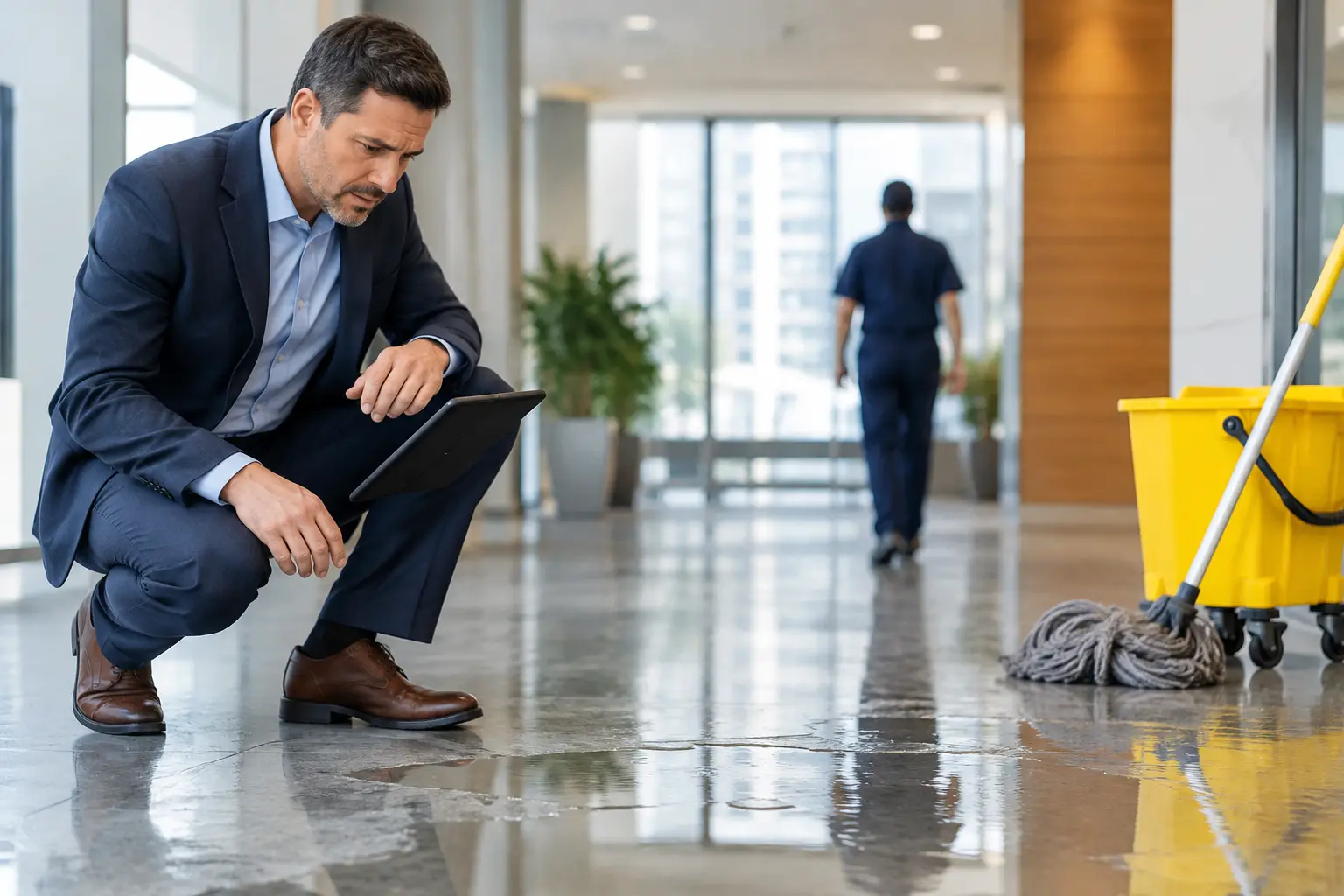
What should I do for emergency water cleanup near me?
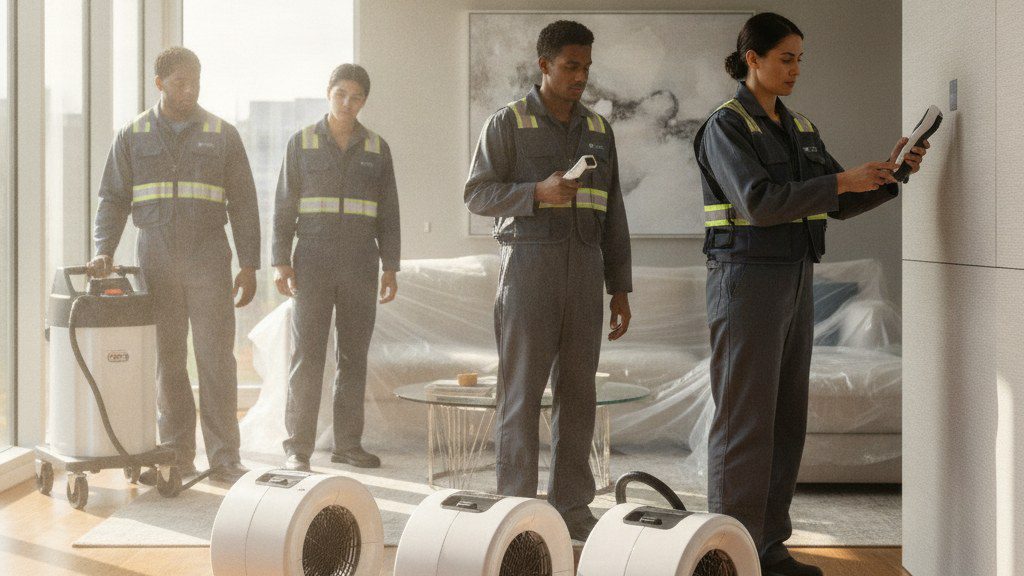
Emergency water cleanup near me means getting the water out fast, drying the structure, and stopping hidden damage before it turns into mold or a bigger repair. The real fix is rapid extraction, moisture control, and a cleanup plan that matches the source, whether it is a burst pipe, leak, flood, or sewer backup.
What counts as emergency water cleanup near me?
If water is moving where it should not, you are already in cleanup territory. Emergency water cleanup near me is not a generic search term. It is a homeowner asking for fast water extraction, drying, and damage control before the problem spreads into walls, flooring, and hidden cavities.
The phrase covers more than a wet floor. It includes burst pipes, appliance failures, supply line leaks, roof leaks, basement flooding, and sewer-related water intrusion. In each case, the goal is the same: remove water, reduce saturation, and stop the conditions that feed mold and structural damage.
A lot of people think cleanup means mopping and calling it done. That is the common mistake. Surface water is the easy part. Moisture trapped under flooring or behind drywall is what turns a small incident into a much larger restoration job.
Near me also matters. Buyers are not browsing for theory. They need a local response that can get to Atlanta, Mableton, Marietta, Decatur, Sandy Springs, or a surrounding community with enough speed to matter. That is why map pack visibility, service-area coverage, and clear local relevance all matter in this niche.
If you are searching this phrase, you are usually past the research phase. You want to know who can show up, what they will do first, and whether they can handle the whole situation without bouncing you between contractors.
Burst pipe, leak, flooding, sewer backup, basement water intrusion
Fast water extraction before materials keep absorbing moisture
Drying that targets walls, subfloors, and hidden spaces
Local service-area coverage across Metro Atlanta
A real plan for cleanup, mitigation, and any needed reconstruction
How do I know the damage is still active?
If the room still smells damp, feels soft underfoot, or shows new staining, the damage is not done. The mistake is assuming visible dryness equals safety. In water loss work, active damage often hides in the places you are least likely to inspect.
You can usually spot a live problem by looking at edges and transitions. Baseboards may swell, paint may bubble, flooring may cup, and drywall may darken along the bottom or around seams. If the water source was recent, assume more material is wet than you can see.
Sound matters too. A hollow or crunchy feel under laminate, a spongy subfloor, or a ceiling stain that keeps growing are all warning signs. So is a persistent musty odor, which often points to moisture trapped behind finishes.
This is where homeowners get burned by delay. You clean the visible mess, feel relieved, and miss what is happening inside the structure. Then mold remediation or larger reconstruction shows up later because the wet materials were never properly dried.
A proper first response looks past the surface. It checks the source, the spread, and the absorption path. That is the difference between stopping a loss and just smoothing over it.
Musty odor after the water is gone
Soft, swollen, or cupped flooring
New or expanding stains on ceilings and walls
Paint bubbling, peeling, or discoloration
Noise, movement, or sponginess underfoot
Which water damage situations need immediate extraction?
Some water can wait. The rest cannot. If the source is dirty, the volume is growing, or the water has touched porous materials, immediate extraction is the right move. Waiting because it ‘does not look that bad’ is how small losses become expensive ones.
Burst pipes are the obvious example. A broken supply line can dump a lot of water in a short time, and that water does not politely stay where it landed. It runs under flooring, into seams, and through open edges where drying becomes much harder later.
Flooded basements are another clear case. Basements have lower points, more hidden cavities, and a greater chance of long drying cycles. If the water reached storage, carpet, finished walls, or mechanical areas, you want water extraction and drying to start immediately.
Sewer backups need fast attention for a different reason. The concern is not just moisture. It is contamination. Sewage cleanup remediation is a health and safety issue, not a mopping issue, and it requires the right containment and cleanup approach.
Even a leak that seems minor can still qualify if it has been running for a while. A slow drip behind a wall or under a sink can create the same hidden problem as a bigger event, just on a quieter timeline.
Burst pipe water damage repair
Flooded basement cleanup restoration
Sewage backup or contaminated water
Leaks inside walls, ceilings, or cabinets
Water reaching carpet, drywall, insulation, or subfloors
Elevated Operations provides 24/7 water, fire, mold, storm, and sewage damage restoration across Metro Atlanta.
Get a free quoteWhy does fast response matter more than a perfect cleanup later?
Because water keeps working while you wait. That is the part people hate to hear, but it is true. Fast response lowers the chance of hidden moisture, secondary damage, and the kind of repairs that only get bigger after the initial mess is gone.
The first hours matter because water follows gravity, pressure, and capillary action. That means it can travel into places you do not inspect during a normal cleanup. Once it gets there, drying becomes slower, more invasive, and more expensive to resolve.
A quick response also helps preserve materials. Drywall, trim, flooring, and contents all have different tolerance levels. If you wait too long, the question is no longer cleanup. It becomes removal and replacement, which is a very different scope of work.
There is also the insurance angle. Delays complicate documentation. Photos, moisture notes, cleanup steps, and itemized communication tend to be cleaner when the response is organized from the start. That matters because stress goes up when nobody can clearly explain what happened and what was done.
So no, the goal is not perfection on the first pass. The goal is containment, extraction, drying, and a controlled next step. In this category, speed is often the real quality marker.
Water keeps migrating after the visible spill stops
Hidden moisture can extend the repair scope
Drying sooner protects more of the structure
Clear documentation helps with insurance claims
A fast start can reduce later reconstruction needs
What should happen during water extraction and drying?
A real cleanup is a sequence, not a guess. First the source is controlled, then standing water is removed, then drying equipment and monitoring come into play. If any of those pieces are skipped, the job is incomplete even if the room looks better.
The process usually starts with an assessment of where the water came from and what it touched. Clean supply water, storm water, and sewage are not treated the same way. That classification shapes the cleanup plan and the safety steps that follow.
Next comes water extraction. Standing water is removed from floors and other affected areas so the structure can begin drying. After that, drying work focuses on building materials, not just what you can see. The question becomes where moisture traveled, not just where it pooled.
Monitoring matters because drying is not a visual test. Materials can look fine and still be holding moisture. A proper cleanup keeps checking the affected areas so the team knows when the structure is actually ready for the next stage.
If demolition or reconstruction is needed, that should be based on what the materials are doing, not on a rushed assumption. That is how good restoration work avoids both under-treatment and unnecessary tear-out.
Source classification: clean water, storm water, or sewage
Standing water removal from floors and affected areas
Drying targeted to hidden moisture in building materials
Ongoing monitoring instead of guessing by appearance
Repair or reconstruction only where the material condition requires it
Emergency water cleanup near me in Atlanta: what local search should tell you
If you are searching locally, you are not just asking for a service. You are asking who can actually show up. The map pack, GBP categories, service pages, reviews, and NAP consistency should all point to one thing: a real Atlanta-area provider, not a generic directory listing.
Near-me queries are messy by nature. Search engines try to match location, intent, and service relevance at the same time. If a company’s Google Business Profile categories are vague, its service area is unclear, or its reviews do not reflect the right service lines, it gets harder to surface in the moments that matter.
For this topic, the local signal has to be specific. Water damage restoration, emergency water removal, flooded basement cleanup restoration, and water extraction drying are not interchangeable from an SEO standpoint. The more clearly those services are mapped to a real Atlanta-area operation, the better the chance of matching the buyer’s search intent.
AI Overviews and local results also favor clarity. They want straightforward answers, consistent business information, and evidence that the company actually handles the problem being searched. That is why NAP consistency, schema, and service pages are not nerd trophies. They are practical trust signals.
A homeowner in Decatur does not need a lecture about search theory. They need a business that can be found fast, identified correctly, and contacted without friction. That is the whole point of local intent.
Google Business Profile category alignment
Service-area signals for Metro Atlanta communities
NAP consistency across listings and site
Review velocity and service-specific language
Schema that reinforces location and restoration services
When to call now, when to document, and when to escalate
| Situation | What to do | Why |
|---|---|---|
| Water is spreading, the floor is wet, or you do not know where the leak is coming from | Call for emergency water cleanup and get the source assessed immediately | The longer water moves, the more it hides in materials you cannot see |
| The room smells damp, feels soft, or shows swelling or bubbling finishes | Request water extraction and drying before the damage locks in | These are signs moisture has reached building materials, not just the surface |
| The water is from a sewer backup, flood, or dirty source | Treat it as a contamination issue, not a simple cleanup | Health risk changes the cleanup approach and the safety steps required |
| You need help with photos, invoices, and adjuster communication | Use a restoration team that can manage direct insurance claim support | Documentation is easier when cleanup, mitigation, and records stay in one hand |
Doing it yourself vs bringing in Elevated Operations
| Doing it yourself | With Elevated Operations | |
|---|---|---|
| Initial response | You can shut off a valve, move dry items, and start mopping, but that only addresses what you can see | We focus on rapid extraction, drying, and damage control so the source and spread are handled properly |
| Hidden moisture | You may miss water behind walls, under flooring, or in insulation unless you have the right tools | IICRC-certified technicians look for hidden moisture and build the cleanup around the actual affected areas |
| Insurance paperwork | You become the note-taker, photographer, scheduler, and follow-up person while also dealing with the mess | We can help manage the claim process and keep the restoration documentation organized |
| Finish and rebuild | You may need to find separate contractors for cleanup, dry-out, and reconstruction | Elevated Operations offers a one-stop path from emergency response through licensed reconstruction |
Frequently Asked Questions
Is emergency water cleanup the same as water damage restoration?
Not exactly. Emergency water cleanup is the immediate response: stopping spread, extracting water, and starting drying. Water damage restoration is the larger process that can include mitigation, repairs, and reconstruction. If you are searching locally, the first question is usually who can respond fast enough to limit the loss.
What is the difference between water extraction and drying?
Water extraction removes the standing water you can see. Drying removes moisture left in floors, walls, insulation, and other materials. Both matter. If extraction happens without proper drying, the hidden moisture can keep causing problems long after the surface looks normal.
Can I wait until morning to call?
Sometimes no. If water is still spreading, if the source is dirty, or if the water reached drywall or flooring, waiting usually makes the job harder. The safest move is to get an assessment as soon as possible so you know what is actually happening inside the structure.
Will insurance cover emergency water cleanup?
Coverage depends on the policy, the cause of the loss, and the condition of the property. The important part is documentation from the start: photos, notes, and a clear scope of work. If you are unsure how to handle the claim, book a call for a free quote and get the process organized.
Why should I choose Elevated Operations for a water loss in Metro Atlanta?
Because the job is not just cleanup. It is response, drying, documentation, and, when needed, reconstruction. Elevated Operations provides 24/7 property restoration across Metro Atlanta with IICRC-certified technicians and direct insurance claim management, so you are not stuck coordinating five different vendors at once. Book a call for a free quote.
Get a free, no-obligation restoration estimate
Elevated Operations provides 24/7 water, fire, mold, storm, and sewage damage restoration across Metro Atlanta.
Get a free quoteCall (770) 404-6895Last updated October 4, 2026