24/7 Emergency Restoration · Serving Metro AtlantaEmergency? (770) 404-6895
Crawl space mold removal in Hapeville starts with stopping the moisture source, checking the crawl space, and cleaning the affected materials before mold spreads into the home. I handle airport-edge bungalows and tighter crawl spaces near Delta HQ the same way: fast, direct, and built around moisture control.
IICRC-Certified · 5-Star Rated · 60-Minute Response · Insurance Billed Directly
Call Elevated Operations at (770) 404-6895. I handle crawl space mold remediation, moisture control, and insurance billing with a 60-minute emergency response 24/7.
Yes, they often do. Tight crawl spaces, older framing, and moisture exposure call for careful cleanup, wood treatment, and a dry finish that lasts.
Yes. I offer direct insurance billing, and I help with deductibles up to $1,000 when the claim allows it.
I do. Elevated Operations, LLLP is led by Chris Kwangwari, a licensed general contractor with IICRC-certified technicians and a 12-month warranty.
Start with moisture control, not just cleaning. In Hapeville, I tell homeowners to keep people out of the crawl space, look for standing water or damp soil, and call for an inspection before fungal growth removal begins. If the source stays active, the mold comes back.
First, do not keep opening access doors and stirring air through the house. In airport-edge bungalows, that crawl space can feed odors and spores straight into living areas, especially when the floor system is dry but the ground below is not.
Second, look for the obvious clues, dark staining on joists, musty smells, wet insulation, condensation on ducts, and sagging or torn plastic under the home. Those signs tell me the crawl space needs cleanup and moisture control together, not a cosmetic wipe-down.
Third, call us before you stack temporary fixes on top of a real problem. Elevated Operations is based in Mableton, I am Chris Kwangwari, and my crew has handled crawl space mold remediation since 2007 with IICRC-certified technicians, direct insurance billing, and a 12-month warranty.
I remove crawl space mold by isolating the area, cleaning affected surfaces, treating compromised wood, and fixing the moisture source so the mold does not return. In Hapeville, that usually means a full crawl space inspection, crawl space cleanup, and dehumidification when conditions call for it.
The process starts with safety and containment. Then I identify what is actually mold versus dirt, soot, or old staining on framing. A lot of homeowners near Delta HQ assume every dark mark is the same problem, but real crawl space mold removal depends on what material is affected.
For porous material, the decision is simple, remove what cannot be cleaned. For structural wood, I focus on fungal growth removal, wood treatment, and making the area dry enough to stay clean. I do not pretend a quick spray beats a wet crawl space with active leaks or humidity.
After cleanup, I look at dehumidification, drainage, and whether the crawl space needs encapsulation or a vapor barrier. That is how you stop repeat calls. A good job leaves the space cleaner, drier, and ready to stay that way through Hapeville heat and summer humidity.
Mold in a crawl space comes from moisture, plain and simple. In Hapeville, that often means humid air, damp soil, plumbing leaks, weak drainage, missing vapor barrier protection, or poor ventilation under airport-edge bungalows. If the crawl space stays damp, mold will find something to feed on.
I see the same pattern over and over in this part of metro Atlanta. Older homes with narrow crawl spaces, patched-up underfloor systems, and neglected ground coverings collect moisture fast. Once wood framing stays damp, mold growth starts fast, and EPA guidance says it can begin in 24 to 48 hours.
Sometimes the problem starts outside the home. Water may pool near the foundation after rain, then wick into the crawl space. Other times it is interior moisture, bathrooms, laundry, or HVAC issues pushing humid air below the floor. That is why the source matters more than the stain.
If you are near the airport corridor or within the Hapeville bungalow stock, check for low spots, open soil, and damaged insulation first. Those homes can stay charming and still have hard-to-see moisture problems under the floor. The fix is targeted moisture control, not guesswork.
Often, yes, if the crawl space keeps taking on moisture. Encapsulation is not automatic, but in Hapeville I recommend it when open soil, high humidity, or repeated mold shows the space needs a stronger barrier. A vapor barrier and dehumidification can make the space far easier to keep dry.
Encapsulation makes sense when the crawl space is acting like a damp basement without walls. If the ground is exposed or the existing liner is torn, a vapor barrier helps cut off moisture from below. That is especially useful in older bungalows where floor framing sits low to the soil.
I do not sell encapsulation as a magic fix. It works when the drainage, leaks, and airflow issues are addressed first. Without moisture control, a sealed crawl space can still trap a problem inside. The goal is dry air, clean wood, and a stable underfloor environment.
For some Hapeville homes, a partial approach is enough. For others, full encapsulation is the smart move after crawl space mold remediation. I look at the home, the crawl space, and the recurring wet spots, then tell you plainly what will last and what will not.
Yes, crawl space mold can affect indoor air quality because air moves upward through the floor system. In Hapeville, that matters in bungalows and homes near the airport corridor where musty odors, spores, and damp insulation can spread into living spaces before anyone sees the crawl space problem.
People notice the smell first. Then they notice allergies, stale air, or rooms that never quite feel dry. A crawl space does not need to be flooded to cause indoor air issues. If mold is active below the floor, the house can pull that air into occupied rooms.
That is why I take crawl space cleanup seriously. The job is not just making the space look better. It is about reducing the source that affects the air upstairs. If the floor system, ductwork, or insulation is holding moisture, the whole home can feel it.
Hapeville homes close to the airport edge can already deal with noise, heat, and busy surroundings. The house should not also fight bad air from underneath. Fix the crawl space, and you often fix the smell, the damp feel, and part of the air-quality complaint.
A proper checklist starts with inspection, moisture control, safe removal, and drying. I want the crawl space checked for leaks, damaged insulation, wet soil, and wood damage before cleanup begins. Then the space gets treated, dried, and set up so the mold does not return.
Checklist one, inspect the source. I look for plumbing leaks, drainage issues, open ground, torn liners, and condensation on ducts or framing. In Hapeville, I pay attention to older homes that were built with minimal crawl space protection and later patched in stages.
Checklist two, remove what cannot be salvaged. That means wet insulation, contaminated debris, and material that cannot be cleaned effectively. Then I move to wood treatment and drying, because cleanup without drying is just a delay. Mold likes shortcuts. I do not give it any.
Checklist three, stabilize the space. That can include dehumidification, a vapor barrier, or encapsulation depending on what the home needs. The point is simple, make the crawl space dry enough that the repair lasts, not just long enough to pass a quick look.
Keep the crawl space closed and avoid stirring up dust or odor into the house. If the space smells musty, that air can move into the living area fast.
Check for wet soil, standing water, damaged plumbing, condensation, or torn ground covering. Mold cleanup only lasts when the moisture source is controlled.
A quick wipe can spread spores and hide the real issue. Crawl space mold remediation should start with inspection, not guesswork or household cleaners.
If you can safely do so, note where insulation, wood, or plastic liner is damaged. That helps us plan crawl space cleanup and decide what can be treated.
Hapeville humidity and rain can bring the problem back quickly. Call Elevated Operations at (770) 404-6895 for fast inspection, direct insurance billing, and a 12-month warranty.
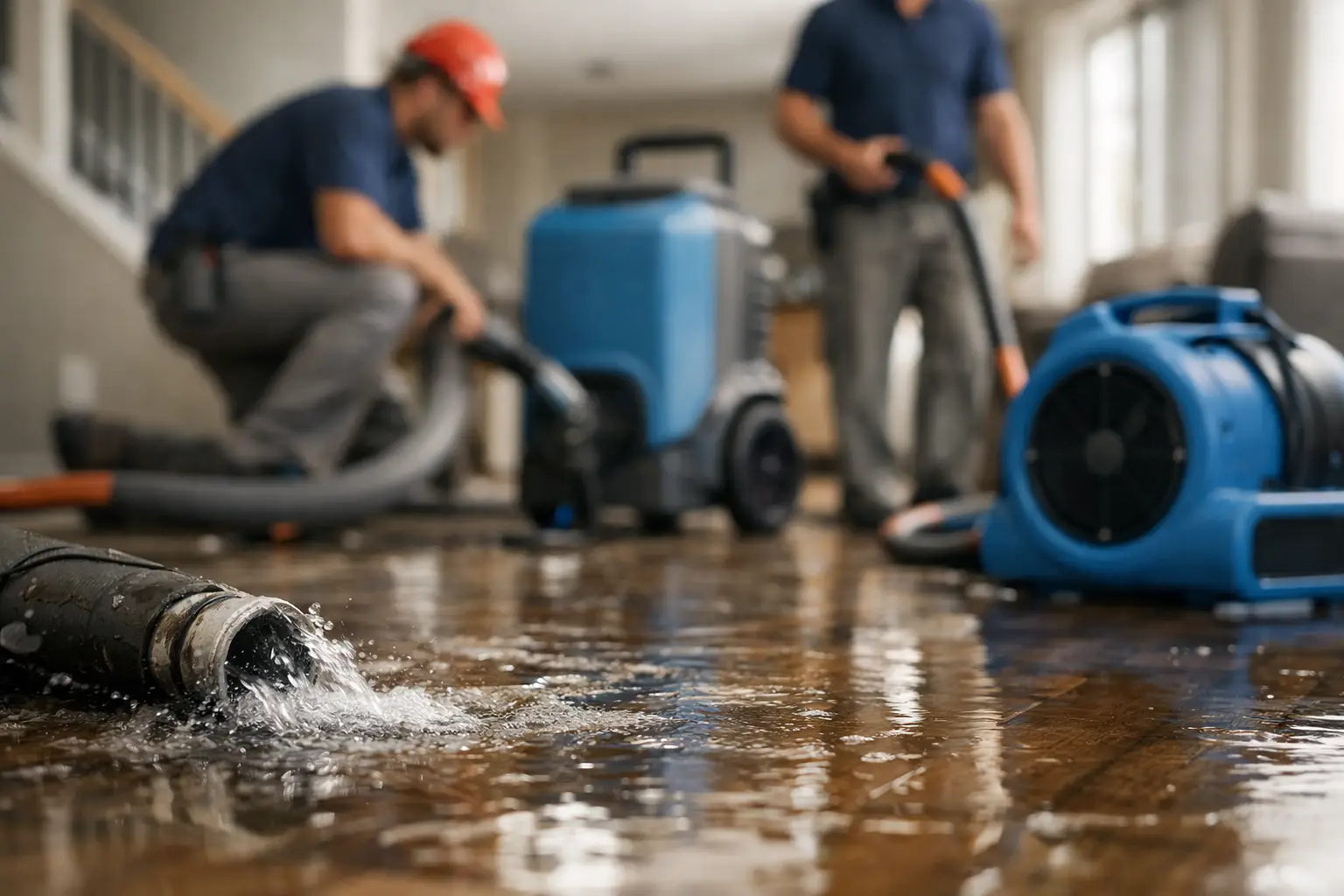
From emergency mitigation to full reconstruction, handled in-house so you are never managing a chain of subcontractors mid-crisis.
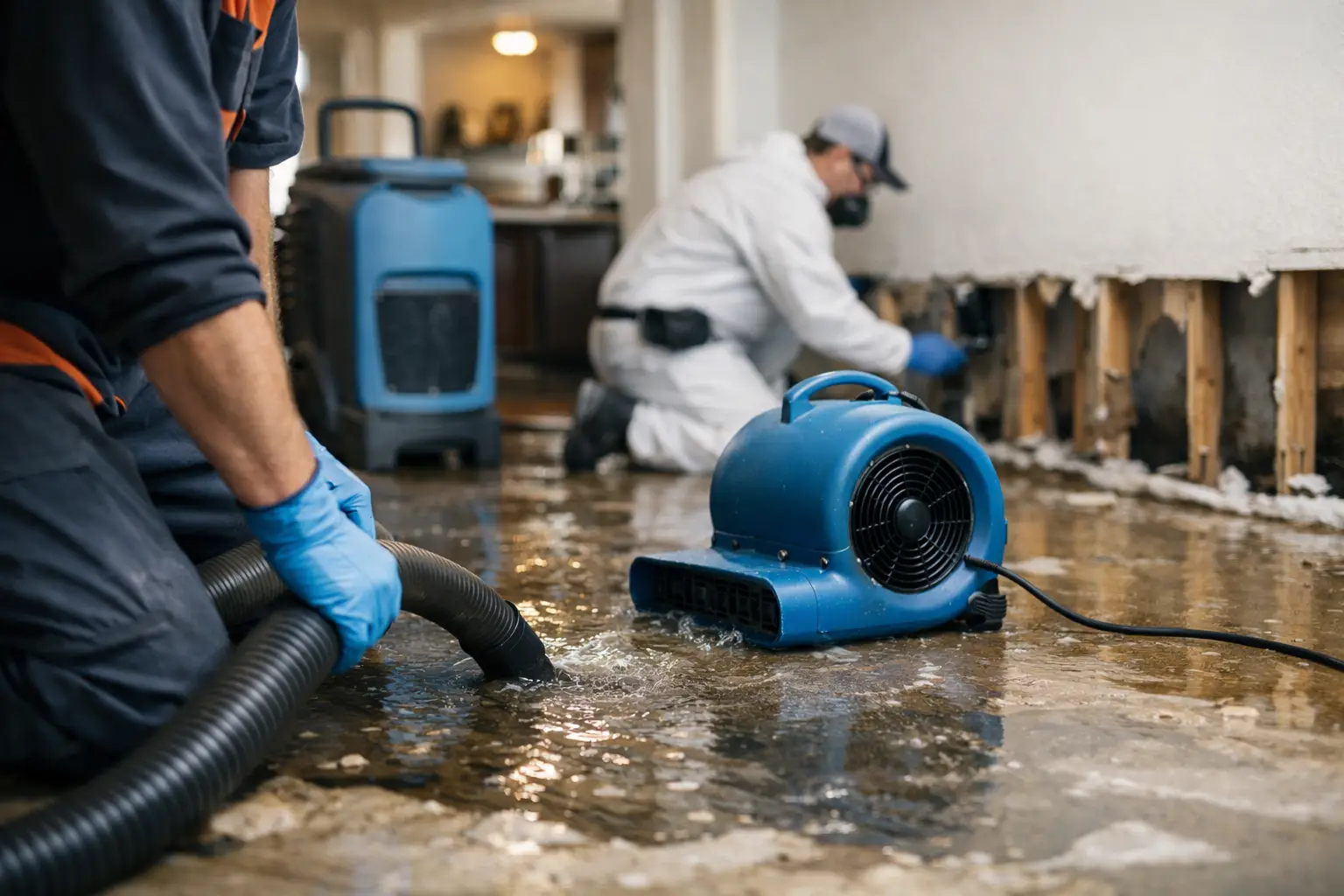 Water Damage
Extraction, structural drying, and moisture mapping after floods, leaks, and burst pipes.
Get help now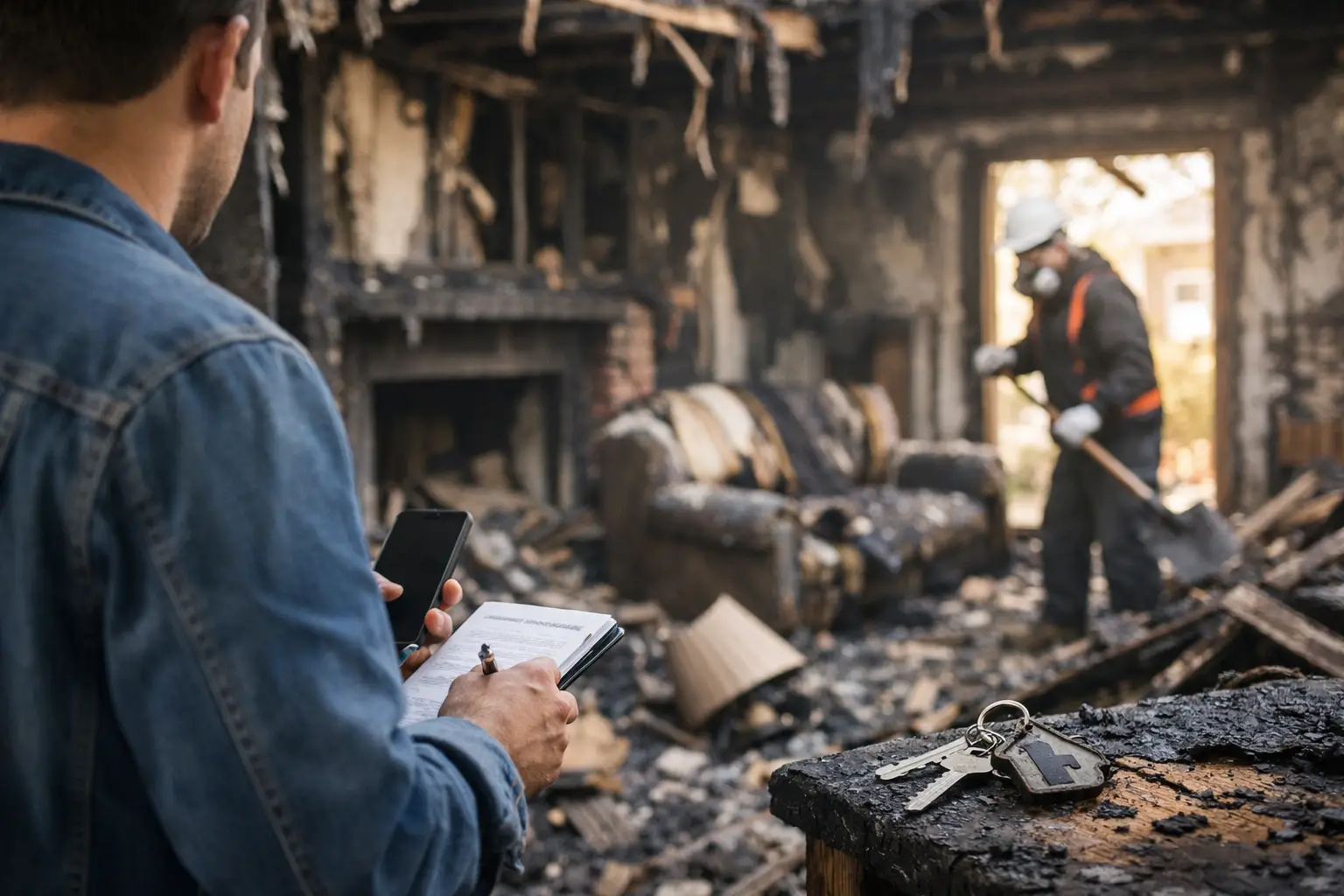 Fire & Smoke
Soot removal, odor deodorization, and content cleaning after fire and smoke damage.
Learn more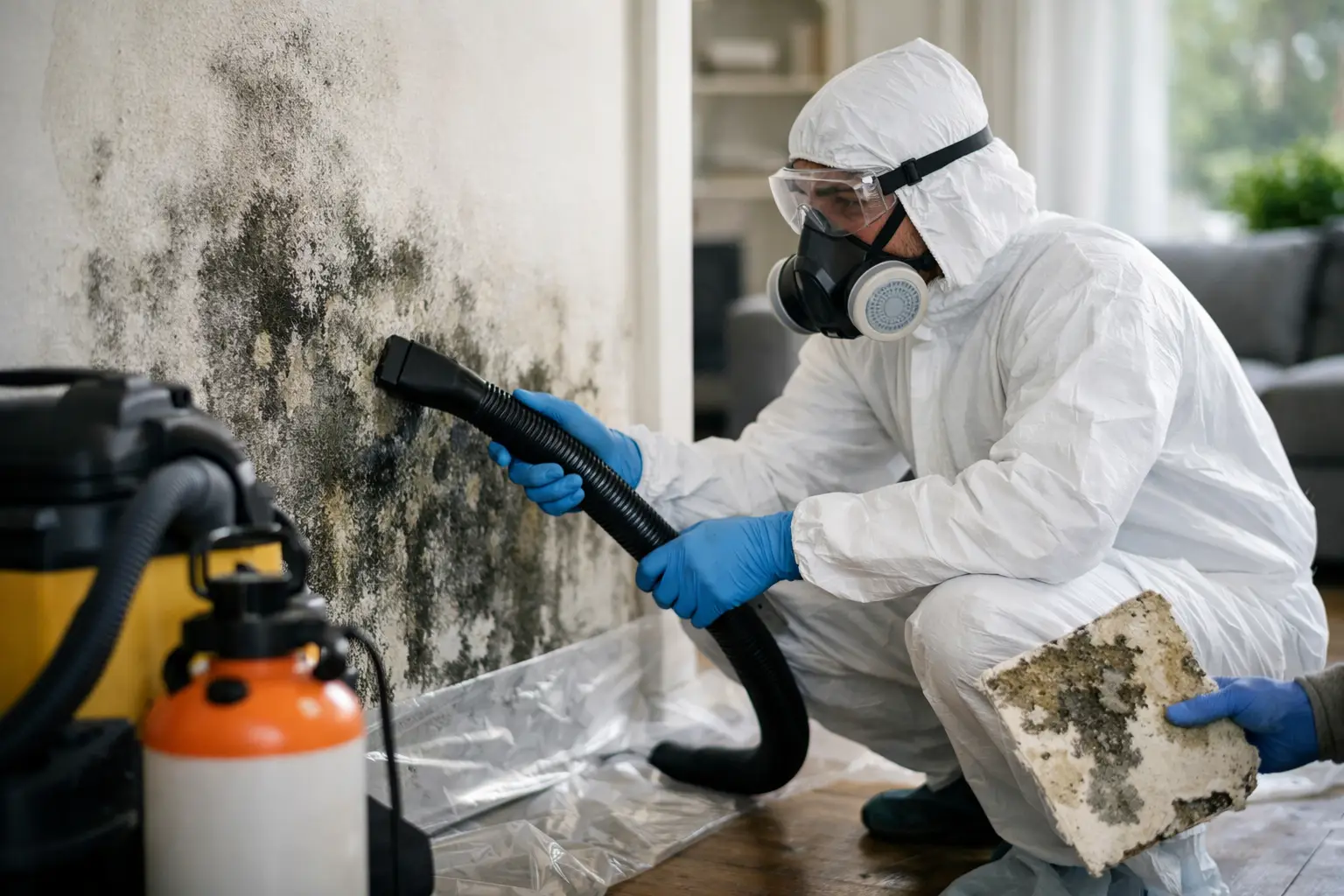 Mold
MoldContainment, removal, and moisture control that stops mold from coming back.
Learn more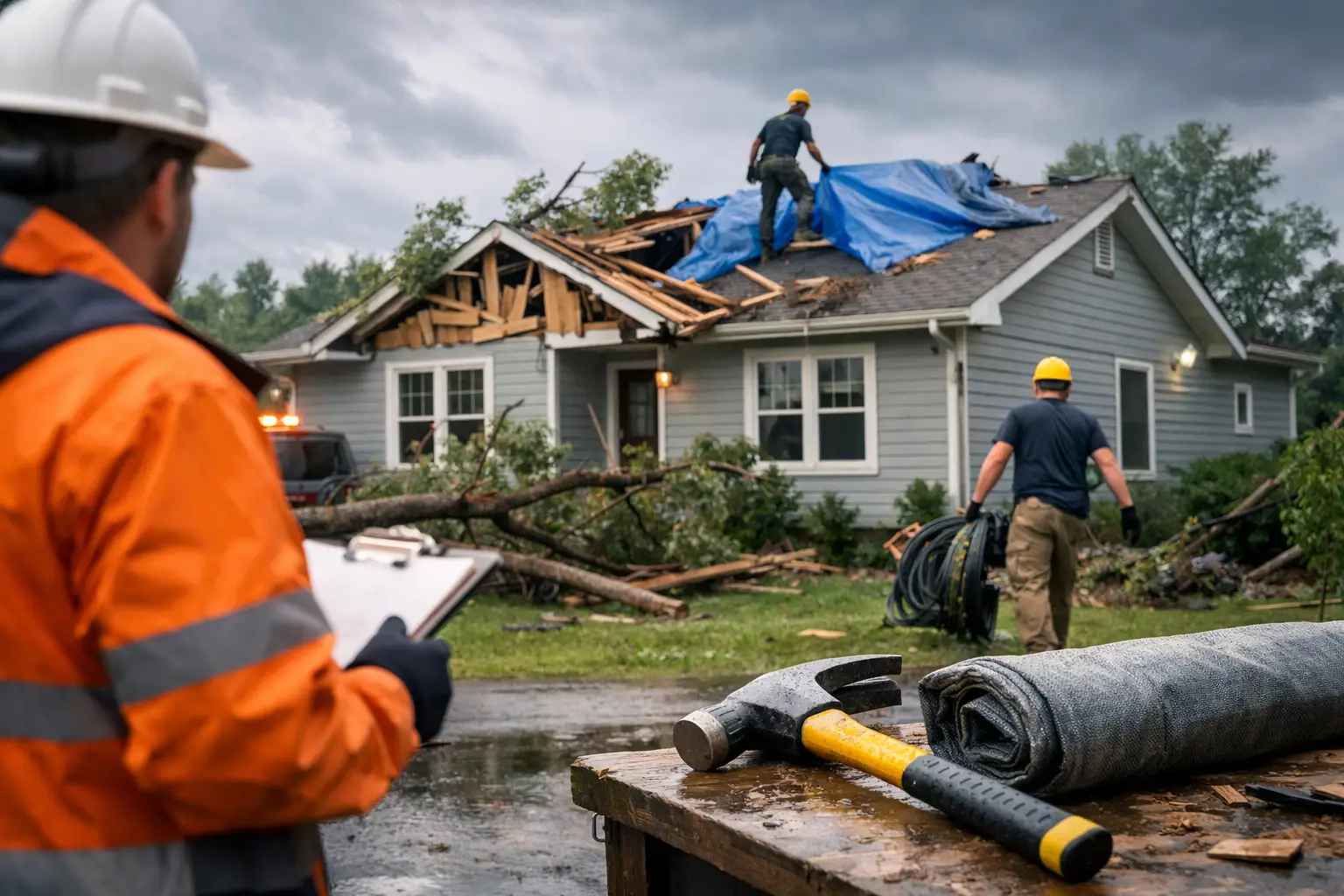 Storm
StormEmergency board-up, roof tarping, and full recovery after wind, hail, and storms.
Learn more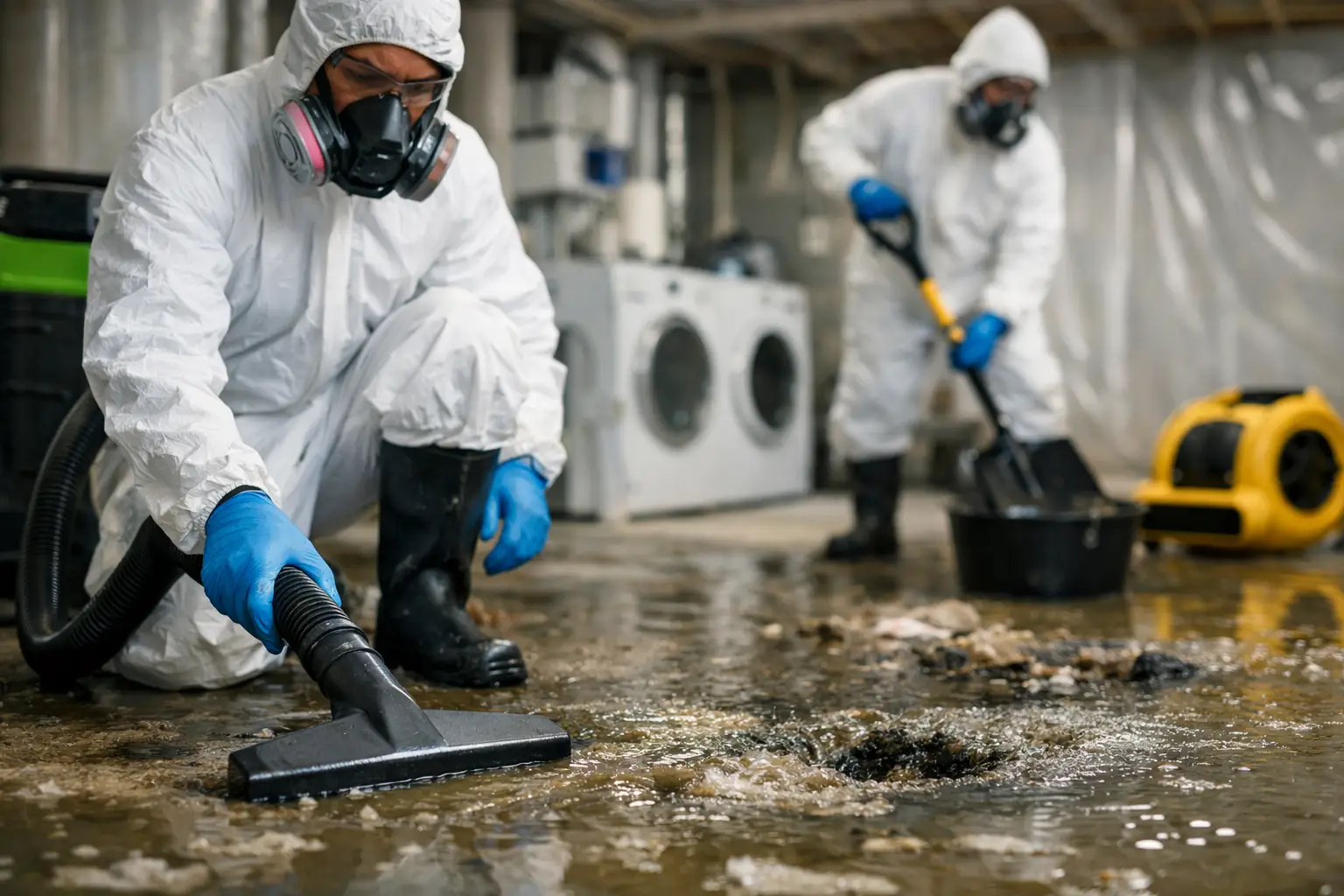 Sewage
Safe biohazard cleanup and sanitizing after sewage backups and overflows.
Learn more Reconstruction
Full rebuild by a licensed general contractor, so your property comes back whole.
Learn moreElevated Operations is an IICRC-certified, licensed general contractor based in Mableton that handles the entire recovery in-house, so after one loss you are never coordinating a cleanup crew, a mold crew, and a contractor separately. One team, one point of contact, from the first pump-out to the final coat of paint.
People call when the property feels like a disaster. They leave reviews because Chris and the crew made it right. These are real, verified Google reviews.
Act immediately. A mold smell usually means moisture and growth are already under the home, and the air can move into living areas before the issue is visible. In Hapeville bungalows near the airport corridor, I would treat that smell as a warning sign, not a nuisance. Get the crawl space checked before the damage spreads.
Usually it is a mix of humid air, open soil, drainage trouble, or a small leak that went unnoticed. Older crawl spaces under Hapeville homes often lack strong moisture barriers. Once wood framing stays damp, mold can grow fast. The fix is not just removal, it is source control and drying.
I contain the work area, remove affected material carefully, and dry the space as part of the job. That limits odor and airborne debris. In Hapeville homes, especially tighter bungalows, crawl space mold removal should be handled as a controlled cleanup, not a rushed spraying job that just pushes the problem upstairs.
Not always, but often when the crawl space keeps getting wet or humid. Encapsulation can help when the ground is exposed or the liner is failing. In Hapeville, I look at whether moisture control can be maintained without it. If not, encapsulation is the better long-term choice after remediation.
Yes. Air from the crawl space can rise into the home through floor gaps and penetrations. If mold, damp insulation, or contaminated debris are below the house, the smell and particles can show up indoors. That is why crawl space cleanup matters for the whole home, not just the space below it.
Crawl space cleanup handles debris, wet material, and general mess. Crawl space mold remediation goes further, it addresses fungal growth, treats affected surfaces, and targets moisture control so the problem does not return. In Hapeville homes, I usually treat both together because a dirty crawl space and a wet crawl space usually go hand in hand.
If humidity is still high, yes. Dehumidification helps keep the crawl space dry after cleanup and reduces the chance of new mold growth. In Hapeville, where summer moisture can be relentless, a dehumidifier is often part of a real solution, especially when the home has older construction or a low crawl space.
If the floor still feels damp, the crawl space may still have active moisture issues. That can mean a leak, poor drainage, missing vapor barrier protection, or insulation that is holding humidity. I would inspect the crawl space again and verify the source before assuming the mold work alone should have fixed it.
Elevated Operations dispatches IICRC-certified crews across Metro Atlanta from our Mableton base, with a 60-minute emergency response day or night. Choose your city:
Call now for an immediate response, or request your free inspection and get a certified crew on-site within the hour across Atlanta and nearby areas.