24/7 Emergency Restoration · Serving Metro AtlantaEmergency? (770) 404-6895
Fire damage restoration Carrollton is usually priced by what the fire, smoke, and water actually damaged, not by a simple one-size-fits-all menu. I am Chris Kwangwari, owner of Elevated Operations, and I handle Carroll County exurb losses with direct insurance billing, deductible assistance up to $1,000, and a 12-month warranty.
IICRC-Certified · 5-Star Rated · 60-Minute Response · Insurance Billed Directly
Yes, when the cleanup is tied to a covered fire loss and documented properly.
Yes, I use direct insurance billing when the claim allows it.
Securing the property, then debris removal, soot removal, and smoke control.
I offer deductible assistance up to $1,000 when the claim qualifies.
Fire damage restoration starts with securing the property, documenting damage, and separating what can be cleaned from what needs structural repair. In Carrollton, that usually means board up services first, then debris removal, soot removal, smoke odor removal, and fire cleanup before rebuild decisions are made.
I start by looking at the actual burn pattern, smoke travel, and water intrusion from firefighting efforts. That matters in a Carroll County exurb, because older homes, newer subdivisions, and mixed-use properties do not fail the same way after a fire.
Then I sort the job into zones. Some rooms need content cleaning, some need structural repair, and some only need surface cleaning and odor work. That sequence controls cost because you do not pay for rebuilding a wall that can still be saved.
My team uses IICRC-certified technicians, and I stay on the insurance side too. Direct insurance billing reduces friction, and it keeps the claim tied to the real scope instead of guesswork, which is where fire losses get expensive fast.
Cost is driven by the size of the affected area, the type of soot, how much smoke odor removal is needed, and whether structural repair is required. Debris removal, content cleaning, and the amount of hidden damage behind walls can change the scope more than the visible fire itself.
A kitchen fire with light soot can be very different from a whole-house loss with heavy smoke migration. I price the work based on the real conditions I find, not the address or the appearance of the room.
If the job needs board up services, immediate fire cleanup, or emergency stabilization, those first steps affect the total scope. The same is true when water from extinguishment soaks framing, floors, or insulation and creates more cleanup work than the flame did.
In Carroll County exurb properties, I often see a mix of attached garages, finished basements, and open floor plans. That layout can spread smoke further, so the cost depends on where the odor went and what surfaces it embedded in.
Insurance usually covers the covered fire loss itself, including fire cleanup, soot removal, smoke damage, and repairs tied to the event, subject to policy terms. It may also cover temporary protection like board up services and necessary mitigation when the claim is active.
I do not read policies for sport, I read them because coverage language matters. The carrier decides what is payable under the policy, but the claim should include the full documented loss, not just the room where the flame started.
Direct insurance billing helps because I can bill the carrier for approved restoration work while the file is open. That keeps the claim moving and avoids confusion between mitigation, cleaning, and structural repair scope.
In Carrollton, homeowners and landlords sometimes assume smoke odor removal is cosmetic. It is not. When odor and soot are part of the damage package, they belong in the claim, especially when HVAC, insulation, or finishes were affected.
Claims usually begin with documentation, mitigation, and carrier review, then the approved scope gets paid according to the policy. Deductibles are the policyholder’s responsibility, and I offer deductible assistance up to $1,000 when the claim qualifies.
I help customers understand the order of operations. First comes emergency response, then inspection, then insurer communication, then the work itself. That sequence matters because the carrier wants proof that the mitigation was necessary and that the scope was reasonable.
A deductible is not a discount on the loss, it is the portion the policyholder owes under the policy. I keep that plain. When deductible assistance up to $1,000 applies, it can ease the upfront burden without changing the actual scope of the restoration.
I have been in restoration since 2007, and I have seen claims stall when no one documents soot patterns, odor travel, and hidden damage. Good paperwork keeps the claim grounded in facts, which is what insurance wants and what homeowners need.
What can be saved depends on heat exposure, soot type, smoke penetration, and water damage. Many contents, finishes, and some building materials can be cleaned or restored, but anything structurally compromised or deeply contaminated may need replacement.
I look at salvageability room by room. Some items can be cleaned, deodorized, and returned to use, while others are too damaged by smoke, heat, or moisture to justify the labor. That decision affects cost more than people expect.
Content cleaning can save a lot if it starts quickly. Porous materials, electronics, fabrics, and soft goods are the toughest calls, especially when smoke odor removal has to reach deep into them. If the soot is heavy, the line between cleanable and disposable gets narrow.
In a Carroll County exurb home, garages, laundry rooms, and bonus spaces often hold more salvageable items than the main living area because they may have seen less direct fire exposure. I sort for value, not sentiment, because that is how claims stay efficient.
Yes, smoke damage should be cleaned before repairs when soot and odor are present, because rebuilding over contamination locks the problem in. Fire cleanup and soot removal come first, then structural repair, so the finished space does not carry odor or hidden residue forward.
This is one of the biggest mistakes I see. If a contractor starts patching drywall before the soot is removed, the smell can stay in the wall cavity and show back up later. That turns a repair into a repeat call.
Smoke odor removal is not just a deodorizer step, it is part of making the structure usable again. Clean surfaces accept repairs better, and clean cavities reduce the chance that the property keeps holding smoke after the visible damage is gone.
For Carrollton properties, especially in the Carroll County exurb where homes may mix newer finishes with older framing, I sequence the work carefully. Clean first, dry out the water, then repair. That order protects both the claim and the final result.
Photos, notes, and a clear scope help the carrier understand fire cleanup, soot removal, and any structural repair. Good documentation keeps the claim tied to facts.
I bill insurance directly when the claim allows it, so the restoration work lines up with the approved file and the homeowner is not left managing every invoice.
The deductible is the policyholder’s share of the loss. I offer deductible assistance up to $1,000 when the claim qualifies, which can reduce early stress.
Smoke odor removal and soot removal should be handled before structural repair whenever contamination is present. That order affects both cost and the final result.
My team responds 24/7 with a 60-minute emergency response. Board up services, debris removal, and stabilization come before the rest of the restoration plan.
From emergency mitigation to full reconstruction, handled in-house so you are never managing a chain of subcontractors mid-crisis.
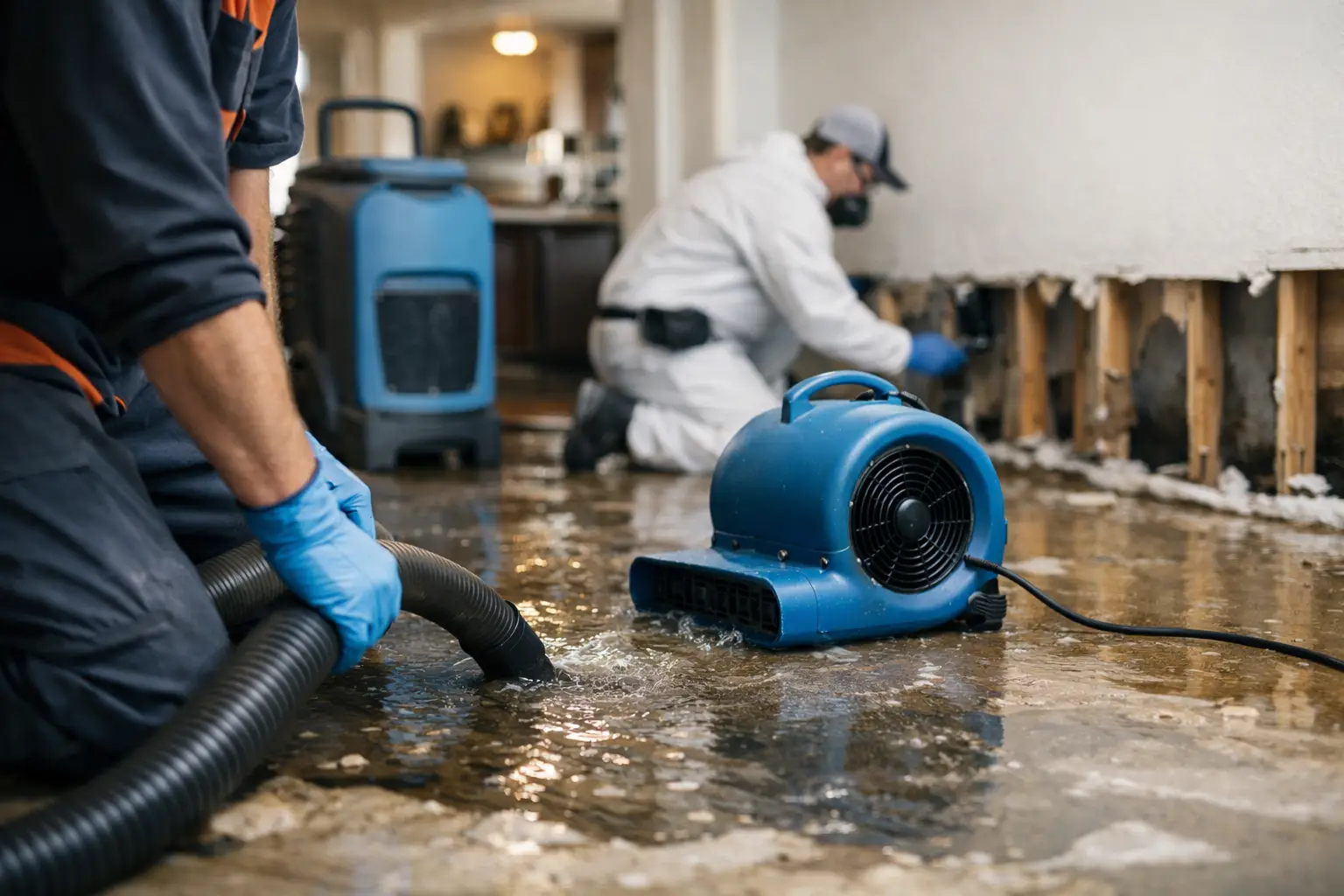 Water Damage
Extraction, structural drying, and moisture mapping after floods, leaks, and burst pipes.
Get help now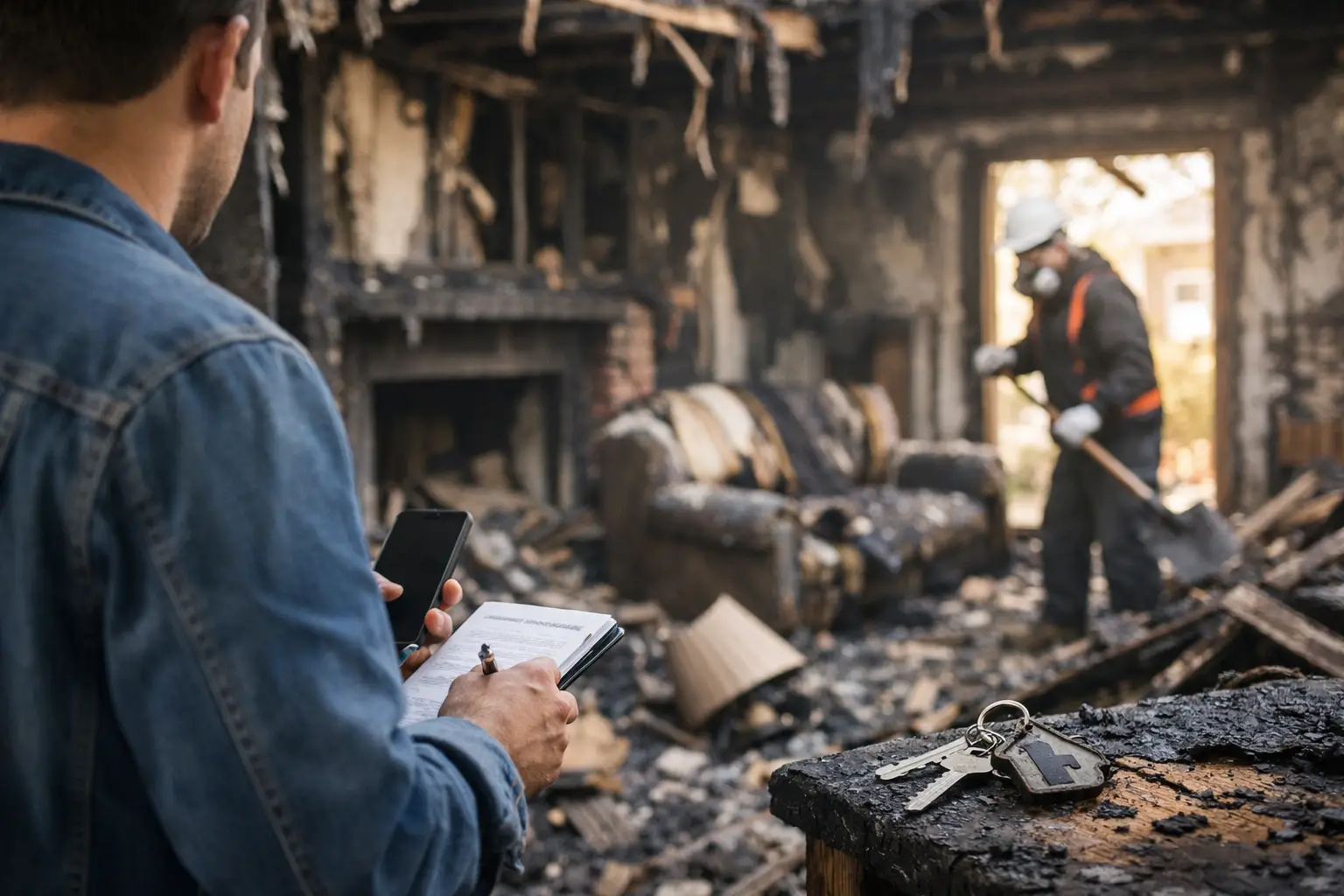 Fire & Smoke
Soot removal, odor deodorization, and content cleaning after fire and smoke damage.
Learn more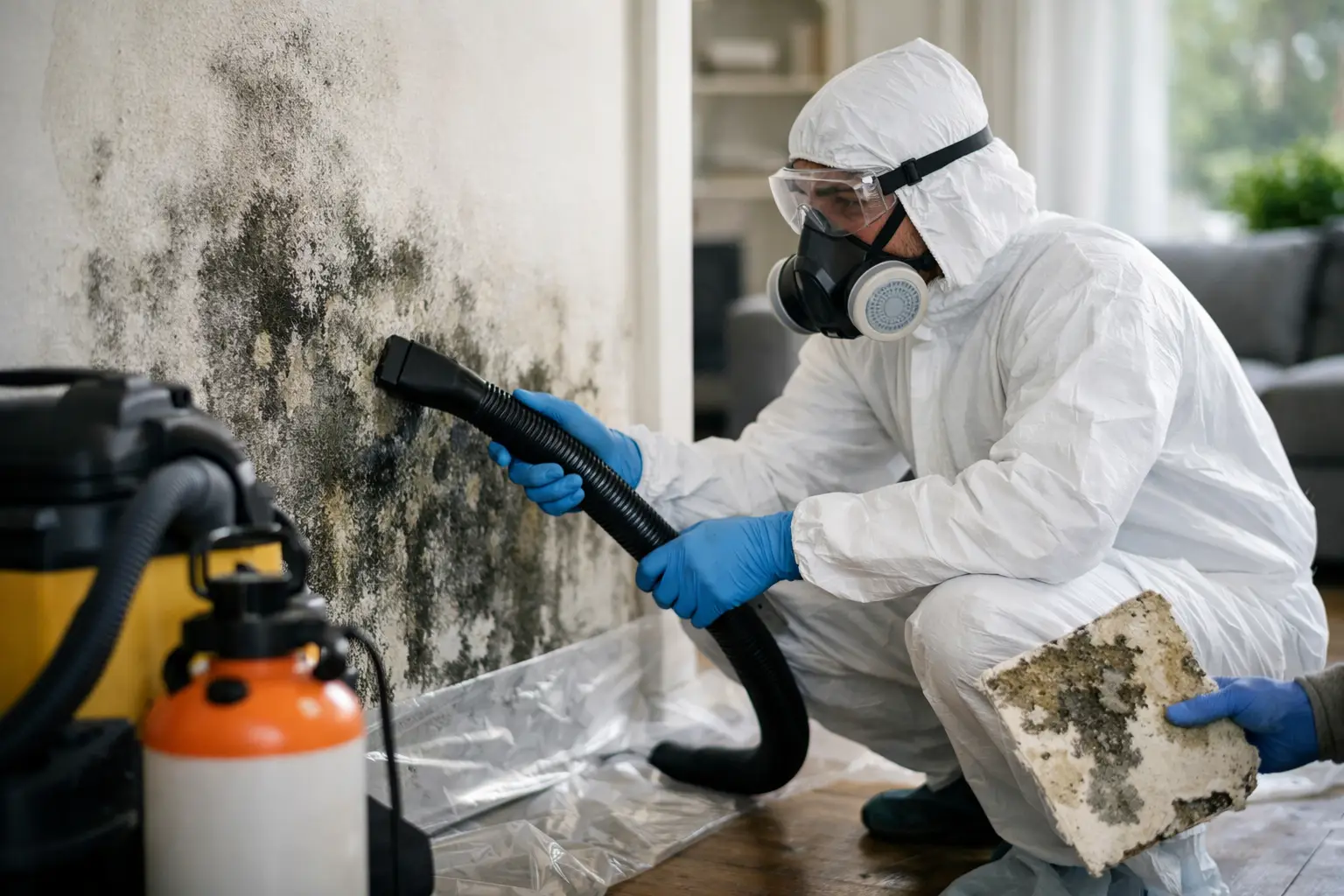 Mold
MoldContainment, removal, and moisture control that stops mold from coming back.
Learn more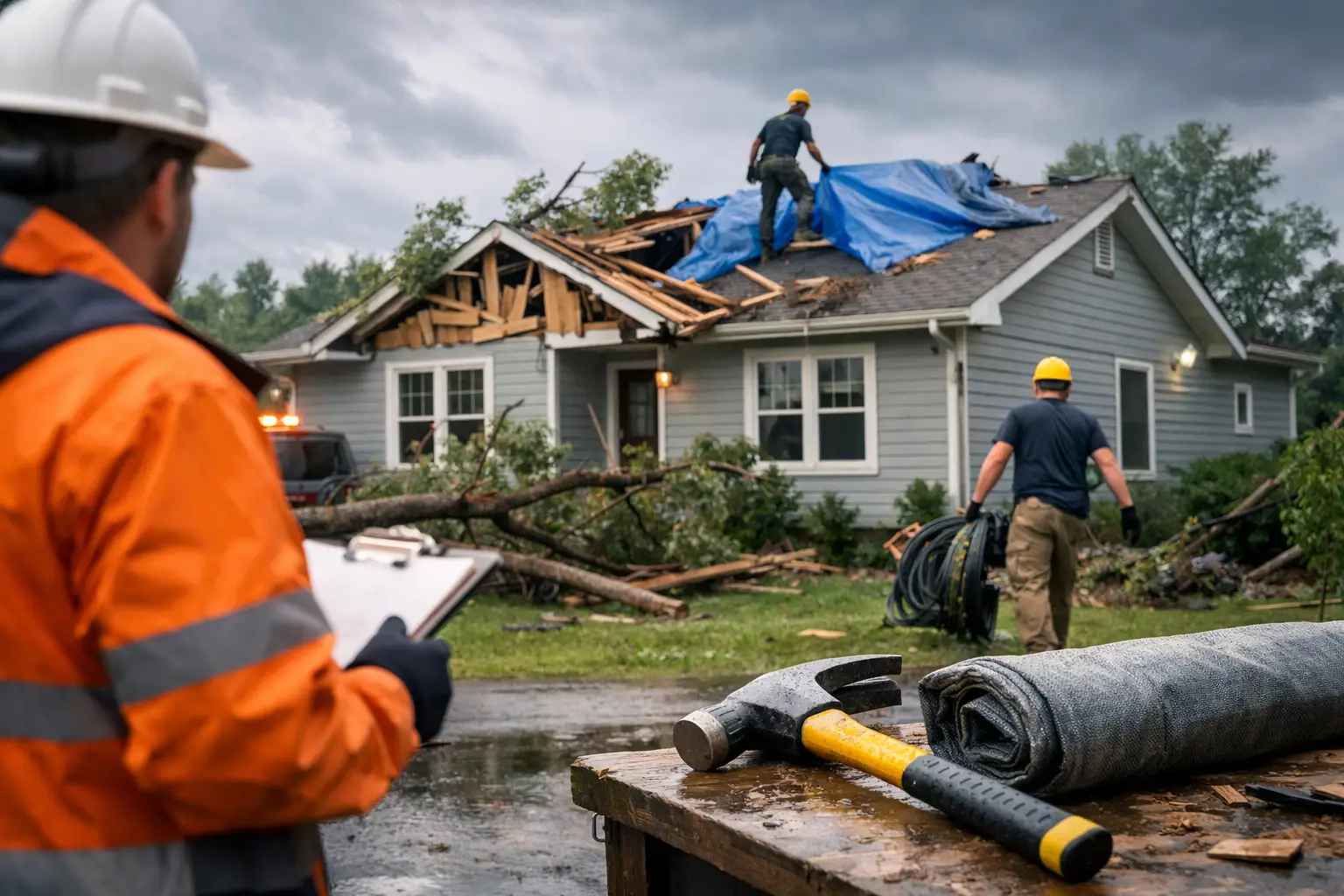 Storm
StormEmergency board-up, roof tarping, and full recovery after wind, hail, and storms.
Learn more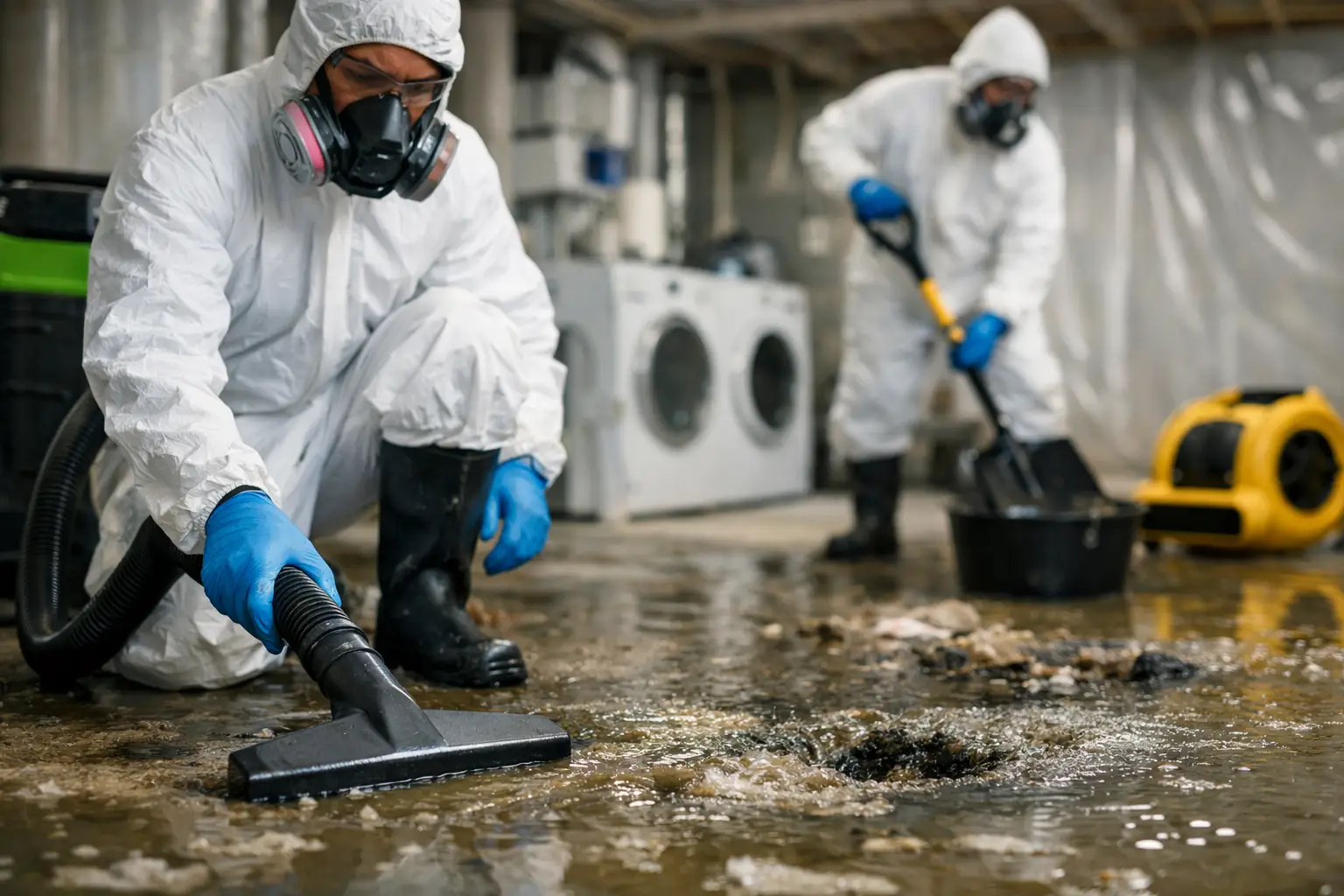 Sewage
Safe biohazard cleanup and sanitizing after sewage backups and overflows.
Learn more Reconstruction
Full rebuild by a licensed general contractor, so your property comes back whole.
Learn moreElevated Operations is an IICRC-certified, licensed general contractor based in Mableton that handles the entire recovery in-house, so after one loss you are never coordinating a cleanup crew, a mold crew, and a contractor separately. One team, one point of contact, from the first pump-out to the final coat of paint.
People call when the property feels like a disaster. They leave reviews because Chris and the crew made it right. These are real, verified Google reviews.
I do not give made-up price ranges because fire losses vary too much. In Carrollton, the cost depends on the amount of soot removal, smoke odor removal, debris removal, water cleanup, and whether structural repair is needed. A small contained fire and a multi-room loss are not priced the same.
Often, yes, when board up services are part of reasonable emergency mitigation under the policy. I document the opening protection work, then bill the carrier directly when the file supports it. That matters in Carroll County exurb properties, where exposed openings can invite weather, theft, and more damage.
Then I work from the approved scope and document the rest carefully. Insurance may cover some fire cleanup, smoke damage, or odor work and dispute other items. I keep the line between mitigation, cleaning, and repair clear so the claim has a fair chance of being paid correctly.
Yes, when the odor is tied to the covered fire loss and the policy recognizes the damage. Smoke odor removal is not optional if the property still smells burned. I document where the odor migrated, what surfaces absorbed it, and what has to be treated to make the space usable again.
It reduces the back-and-forth during a stressful claim. I send restoration charges through the claim process instead of making the homeowner juggle every step. In a Carroll County exurb fire, that keeps the paperwork cleaner and helps the project move with the carrier’s review.
That is common, and it changes the scope. Water from firefighting can lead to more drying, more debris removal, and more repair work than the flame itself. I treat the water, soot, and odor together so the claim reflects the full loss, not just the burned area.
Yes. I respond 24/7 with a 60-minute emergency response for fire damage restoration. The first move is usually securing the property, then I assess fire cleanup, soot removal, and whether the home needs board up services before the insurance process settles in.
I look at smoke exposure, soot type, heat damage, and whether the item can be cleaned without trapping odor. Content cleaning can save a lot, but porous or heavily contaminated items may not be worth restoring. That call affects cost, and I make it based on the condition in front of me.
Elevated Operations dispatches IICRC-certified crews across Metro Atlanta from our Mableton base, with a 60-minute emergency response day or night. Choose your city:
Call now for an immediate response, or request your free inspection and get a certified crew on-site within the hour across Atlanta and nearby areas.