24/7 Emergency Restoration · Serving Metro AtlantaEmergency? (770) 404-6895
Crawl space mold removal in Roswell starts with finding the moisture source, then removing the fungal growth and fixing the conditions that let it spread. I’m Chris Kwangwari, owner of Elevated Operations, and I handle crawl space mold remediation with IICRC-certified technicians, direct insurance billing, and a 12-month warranty.
IICRC-Certified · 5-Star Rated · 60-Minute Response · Insurance Billed Directly
Yes. Older crawl spaces near Canton St often need careful cleanup, wood treatment, and moisture control because the framing and access points are different from newer homes.
Yes. I respond 24/7, and storm water is exactly when mold can start fast. I inspect, dry, and fix the cause before fungal growth spreads.
Yes. I offer direct insurance billing and keep the process organized so you are not stuck managing every detail yourself.
I do, Chris Kwangwari. I’ve been in restoration since 2007, I’m a licensed general contractor, and I run Elevated Operations, LLLP from Mableton.
I remove mold from a crawl space by fixing moisture first, then cleaning contaminated surfaces, treating affected wood, and setting the space up to stay dry. In Roswell, that means paying attention to low, damp crawl spaces under older homes near Canton St mill cottages and newer areas around Vickery and Big Creek.
Step one is inspection. I look for standing water, condensation, damaged insulation, and air movement that is feeding mold. Crawl space mold remediation is never just wiping spots off joists. If the moisture source stays, the fungal growth comes back.
Step two is containment and crawl space cleanup. My crew removes contaminated debris, cleans accessible surfaces, and uses wood treatment where needed. If the damage is tied to chronic humidity, I address dehumidification and moisture control at the same time, not after the fact.
Step three is verifying the fix. Roswell homes near Canton St and the Big Creek side of town often mix older framing with newer additions, so I check each area carefully. Then I back the work with our 12-month warranty and, if insurance applies, direct insurance billing.
Mold in a crawl space usually starts with excess moisture, and mold can start growing in 24 to 48 hours once that moisture sits. In Roswell, I often see it in homes where humidity, poor drainage, or a torn vapor barrier keep the crawl space damp near the ground.
The biggest causes are simple. Ground moisture rises, gutters overflow, vents let in humid air, or plumbing leaks wet the framing. That is why I check the whole crawl space, not just the visible mold. You need the source, or the cleanup is temporary.
Around the Canton St mill cottages, older construction can mean more air leakage and older materials that hold moisture longer. Near Vickery and Big Creek, the issue is often humidity and drainage around a tightly built home. Different houses, same result: damp wood and fungal growth.
IICRC-certified technicians know how to trace the cause before touching the mold. That includes checking insulation, joists, subfloor, and the condition of the vapor barrier. If the crawl space needs encapsulation, I’ll say so. If it needs wood treatment and moisture control only, I’ll say that too.
Yes, crawl space mold can affect indoor air quality because air from the crawl space moves up into the house through leaks, ducts, and floor openings. In Roswell, I see this most in homes near Big Creek and older cottages off Canton St where the crawl space and living space are tightly connected.
If the crawl space is damp, the house can smell musty, and that is usually the first sign homeowners notice. But odor is not the whole issue. Fungal growth in the crawl space can be pulled into the home every time the HVAC system runs or pressure shifts.
That is why crawl space mold removal should include moisture control, not just surface cleaning. I want the source dry, the contaminated material handled correctly, and the crawl space stabilized so the air under the house is not feeding the air above it.
I have seen Roswell homeowners chase bedroom odors for months before finding the crawl space problem. Once the space is inspected and remediated, the change is obvious. And if there is a return or duct issue involved, I call it out instead of guessing.
Often, yes, because crawl space encapsulation helps stop the moisture that caused the mold in the first place. I do not recommend it blindly. In Roswell, I decide based on drainage, humidity, wood condition, and whether a vapor barrier alone will hold up under the home.
Encapsulation is a good step when the crawl space keeps pulling in ground moisture or humid air. That is common in parts of Roswell where the soil stays damp after rain and under homes that sit low near Big Creek or in shaded areas behind older lots.
The crawl space has to be cleaned and dried first. Then I look at the vapor barrier, venting, and dehumidification. If the barrier is torn or thin, encapsulation makes sense. If the space just needs targeted repair, I will not oversell the bigger fix.
I like clear work. Do the crawl space cleanup, treat the wood, correct moisture control, then decide if encapsulation will lock in the result. That sequence matters more than the label on the service. Wrong order, wrong outcome.
First, stop adding moisture and do not disturb the growth. Then call me for an inspection so I can identify the source, check the extent of the damage, and build the crawl space mold removal plan before the problem spreads under the house.
Do not spray bleach and hope for the best. That is not crawl space mold remediation. It can leave the moisture issue untouched and push you toward a temporary fix that fails when humidity rises again.
If the crawl space is near Canton St mill cottages, old framing and tighter access can hide the extent of the issue. In newer Roswell homes near Vickery, the crawl space may look cleaner but still trap humidity. I check both kinds carefully.
My team responds 24/7 and reaches emergency jobs in 60 minutes. That matters when you find active water or wet insulation. IICRC-certified technicians inspect the space, and I handle direct insurance billing when a covered loss is involved.
Keep mold from coming back by controlling moisture every day the crawl space exists. That means a dry ground surface, an intact vapor barrier, proper dehumidification if needed, sealed leaks, and regular checks after storms. In Roswell, prevention is part of the job.
After cleanup, I want the crawl space stable. If a pipe leaks, the gutter dumps water near the foundation, or the vapor barrier shifts, mold can return fast. The prevention plan has to fit the actual house, not a brochure version of it.
Homes around Vickery and Big Creek often benefit from stronger moisture control because shaded lots and humid air can keep crawl spaces wet. Older homes near Canton St mill cottages may need more attention to ventilation paths and wood condition after treatment.
I back the work with a 12-month warranty because I stand behind the process. But warranty or not, the real protection is disciplined maintenance, good drainage, and a crawl space that stays dry enough for the wood to stay sound.
I start by tracing the moisture source, checking for leaks, drainage problems, humidity, and damaged materials under Roswell homes near Canton St and the Big Creek corridor.
My crew isolates the crawl space, protects clean areas, and prepares for crawl space cleanup so contaminated material does not spread dust or spores into the house.
We perform fungal growth removal on accessible surfaces, clean affected areas, and use wood treatment where the framing needs attention after the mold is cleared.
I correct moisture control with dehumidification and, when appropriate, repair or replace the vapor barrier so the crawl space can dry and stay that way.
If the crawl space keeps pulling in damp air or ground moisture, I recommend encapsulation only after the space is cleaned, dried, and ready for a durable fix.
I confirm the work, explain what changed, and back the job with our 12-month warranty, with direct insurance billing available when the loss is covered.
From emergency mitigation to full reconstruction, handled in-house so you are never managing a chain of subcontractors mid-crisis.
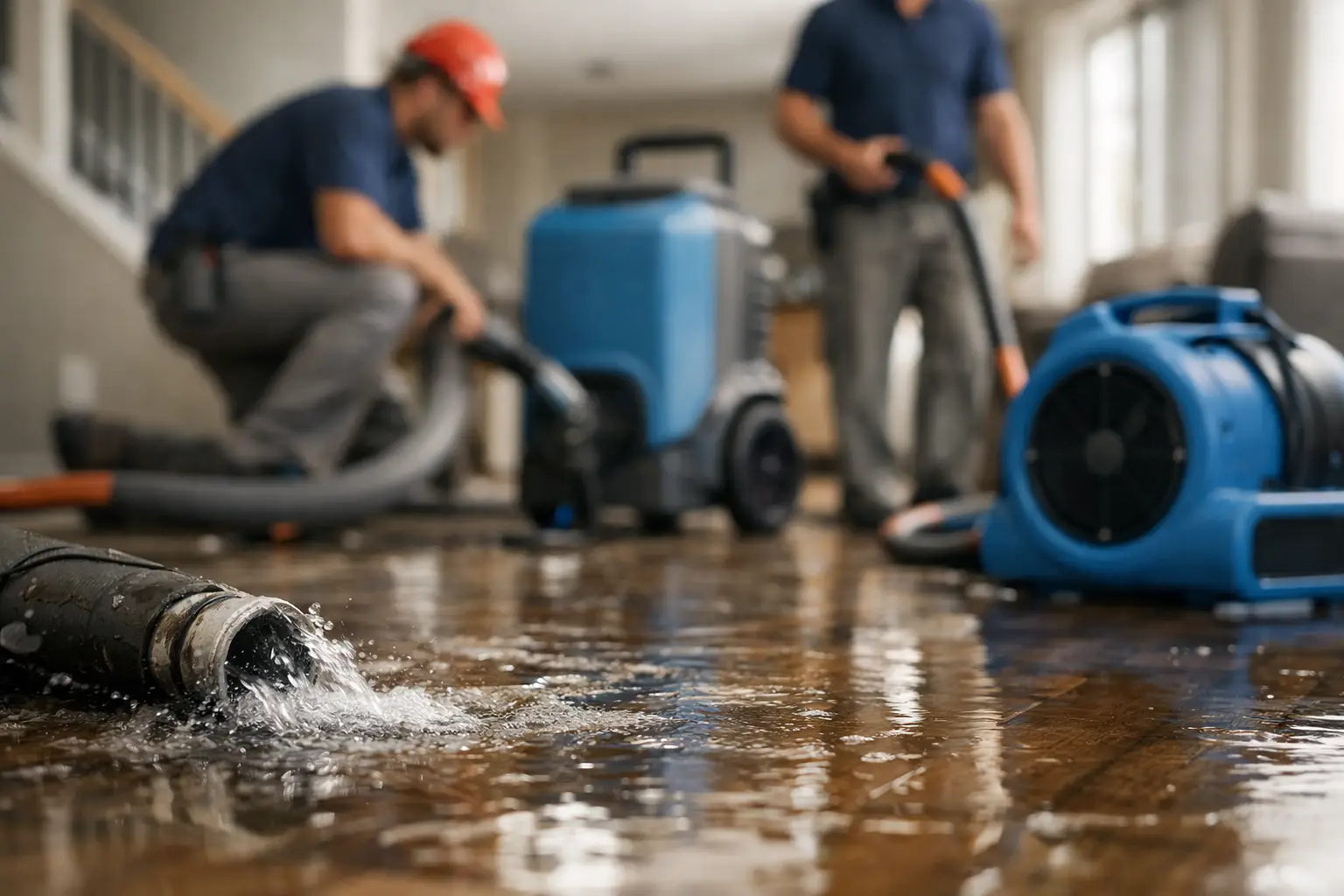
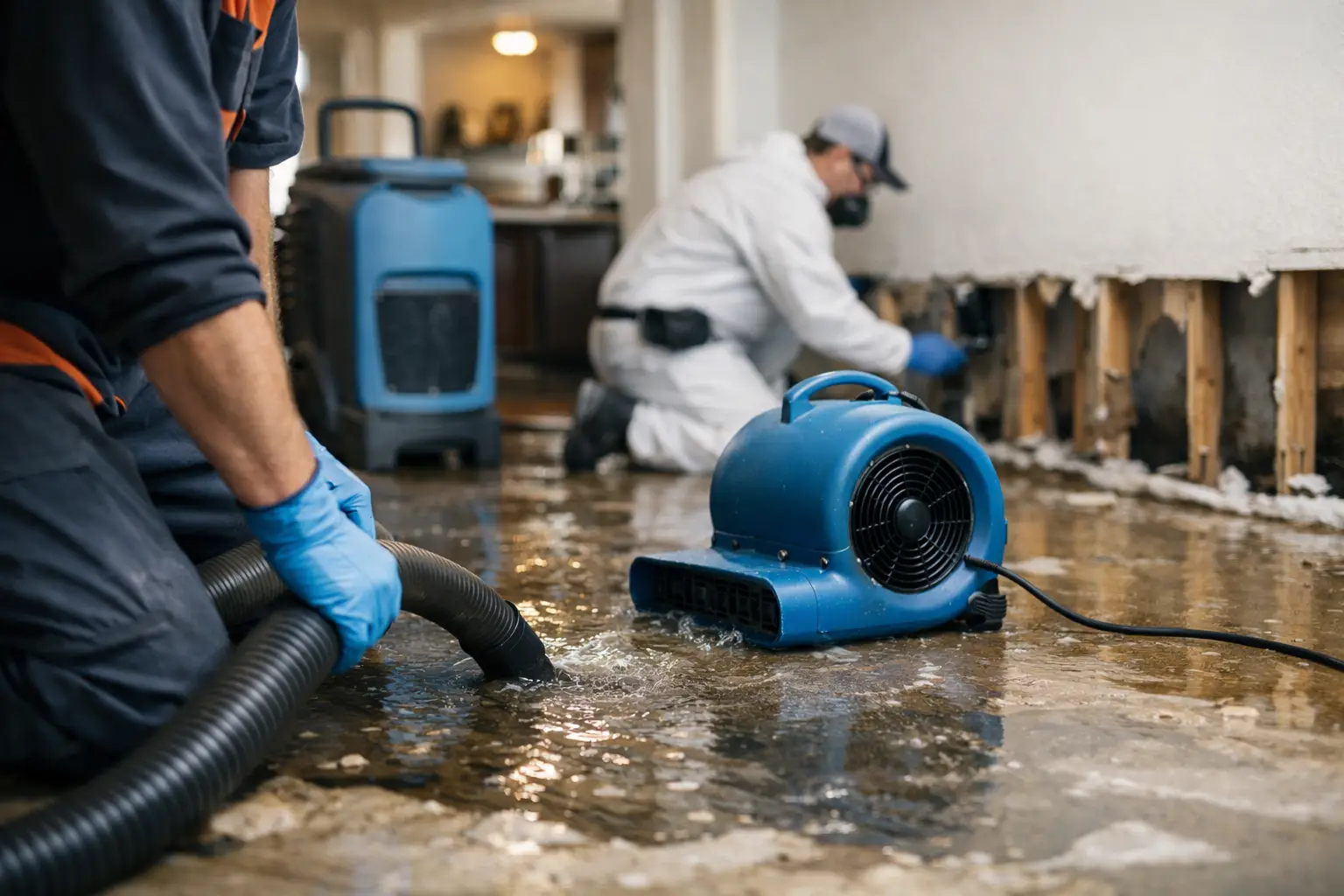 Water Damage
Extraction, structural drying, and moisture mapping after floods, leaks, and burst pipes.
Get help now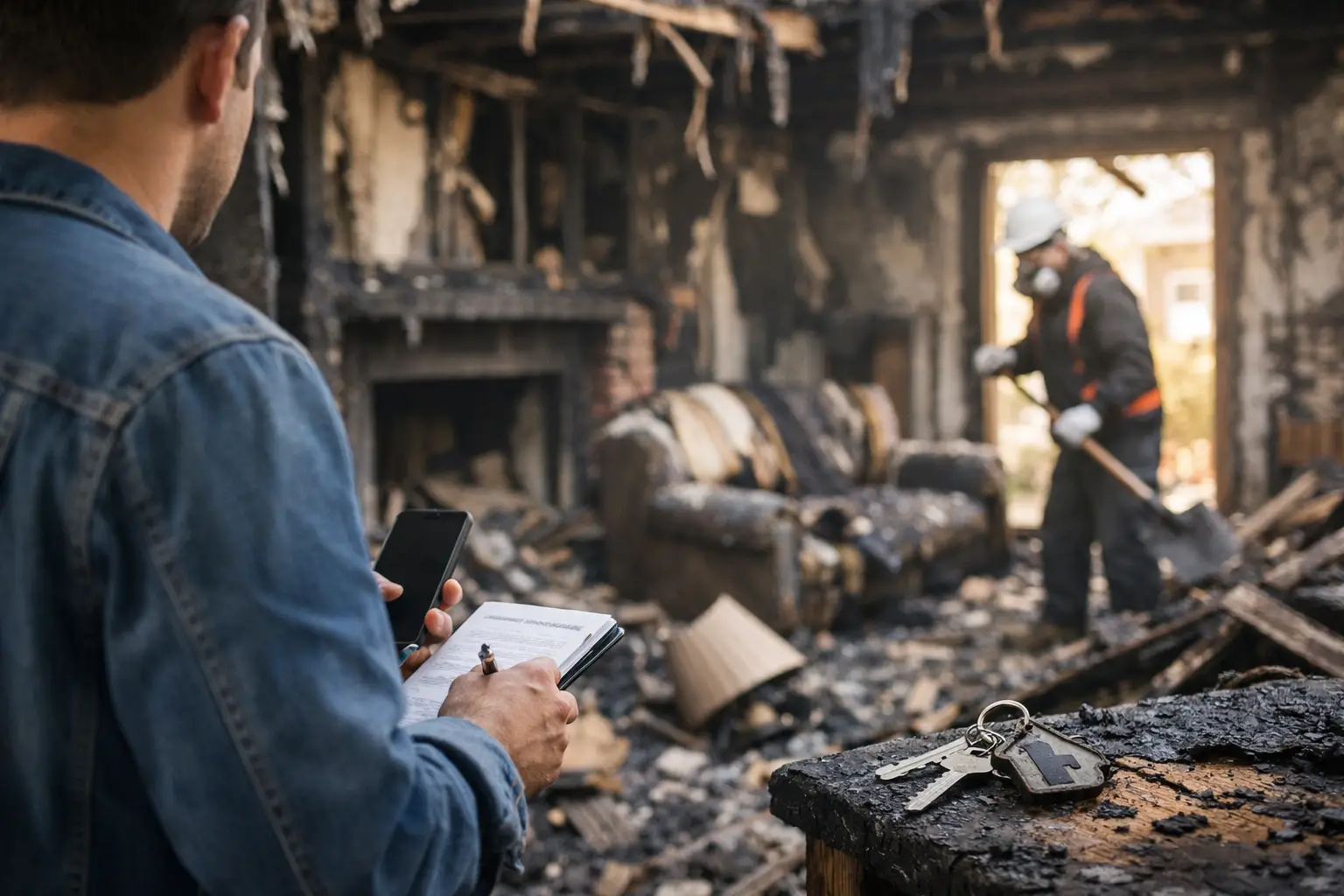 Fire & Smoke
Soot removal, odor deodorization, and content cleaning after fire and smoke damage.
Learn more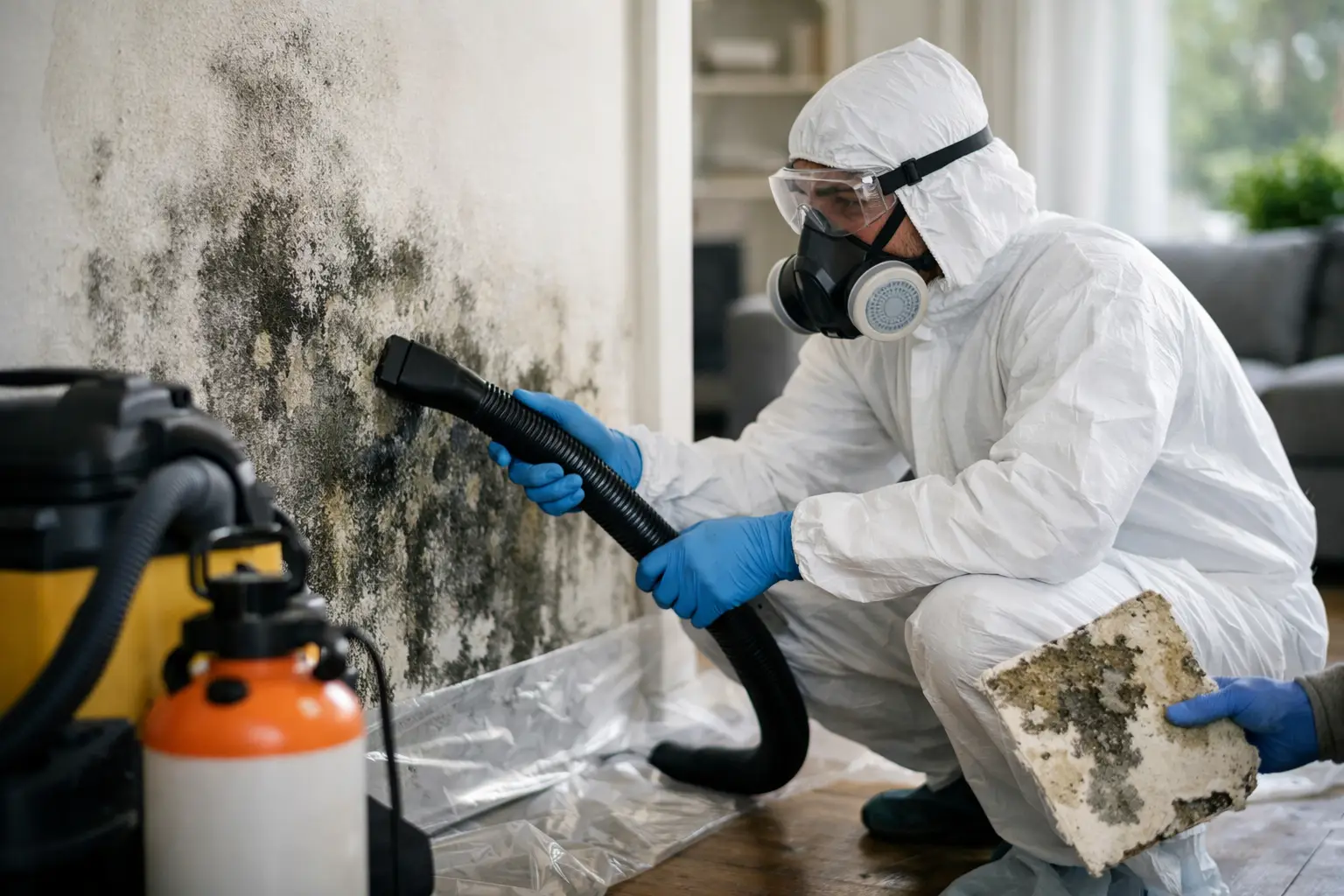 Mold
MoldContainment, removal, and moisture control that stops mold from coming back.
Learn more Storm
StormEmergency board-up, roof tarping, and full recovery after wind, hail, and storms.
Learn more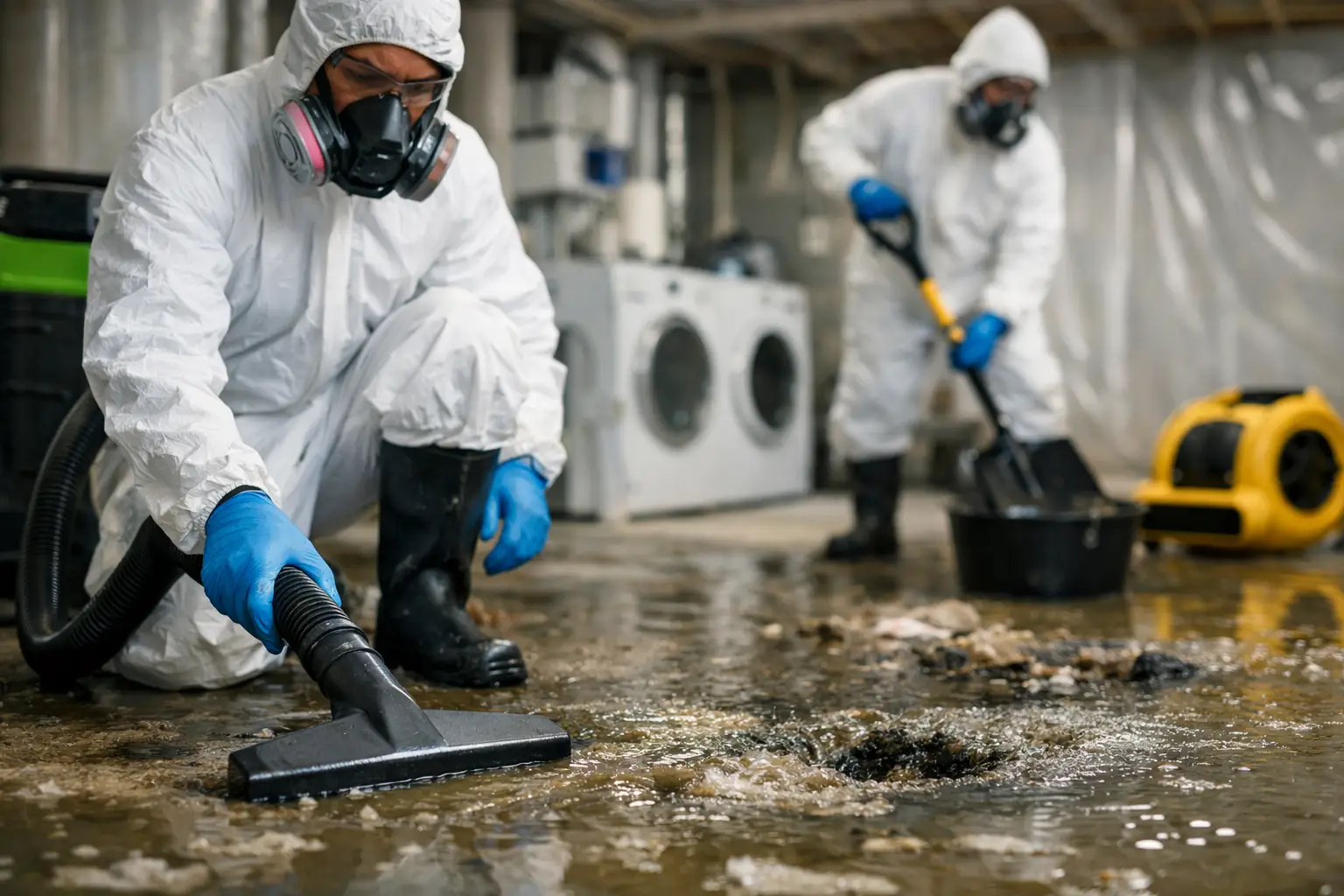 Sewage
Safe biohazard cleanup and sanitizing after sewage backups and overflows.
Learn more Reconstruction
Full rebuild by a licensed general contractor, so your property comes back whole.
Learn moreElevated Operations is an IICRC-certified, licensed general contractor based in Mableton that handles the entire recovery in-house, so after one loss you are never coordinating a cleanup crew, a mold crew, and a contractor separately. One team, one point of contact, from the first pump-out to the final coat of paint.
People call when the property feels like a disaster. They leave reviews because Chris and the crew made it right. These are real, verified Google reviews.
Call right away. If the crawl space is damp, mold can spread quickly, and the hidden framing under older Canton St mill cottages can hold moisture longer than you think. I offer 24/7 emergency response and 60-minute emergency response, so I can inspect the space before the problem gets larger.
It includes inspection, moisture source correction, crawl space cleanup, fungal growth removal, and often wood treatment or dehumidification. In newer Vickery homes and shaded Big Creek areas, I also look closely at the vapor barrier and any condition that keeps the crawl space humid.
No, not if you want the problem handled correctly. Surface wiping does not solve moisture control, and it can miss the framing and subfloor. IICRC-certified technicians know how to assess the space, remove the contamination safely, and decide whether encapsulation or repair is the right next step.
I look at the ground, the humidity, and whether moisture keeps rising into the space. If the barrier is missing, torn, or failing, a vapor barrier is often part of the fix. Around Big Creek and on low lots near Canton St, that issue comes up often.
Yes, and that is why I check joists, subfloor, and framing during every inspection. Mold often travels with moisture, and wood can stay wet long enough to need treatment. In older Roswell homes, especially near Canton St mill cottages, I take wood condition seriously from the start.
Sometimes, depending on the cause of the loss and the policy terms. I offer direct insurance billing and can help with deductible assistance up to $1,000 when applicable. I do not guess at coverage, I document the damage and work through the claim properly.
Usually because the moisture source was not fully corrected, or there is still damp insulation, wood, or soil under the house. Odor often means the crawl space needs more than cleaning. I go back to moisture control, dehumidification, and any remaining fungal growth removal.
I back my work with a 12-month warranty. That applies after the crawl space is inspected, cleaned, dried, and stabilized. If the site needs follow-up because a condition was missed, I want that documented and handled, not ignored. I own that standard as Chris Kwangwari at Elevated Operations, LLLP.
Elevated Operations dispatches IICRC-certified crews across Metro Atlanta from our Mableton base, with a 60-minute emergency response day or night. Choose your city:
Call now for an immediate response, or request your free inspection and get a certified crew on-site within the hour across Atlanta and nearby areas.