24/7 Emergency Restoration · Serving Metro AtlantaEmergency? (770) 404-6895
Fire damage restoration Hapeville starts with stopping more damage, then cleaning smoke, soot, and water before repairs begin. I run Elevated Operations, LLLP from Mableton with 24/7 emergency response, IICRC-certified technicians, direct insurance billing, and a 12-month warranty, so airport-edge bungalows and Delta HQ area properties get a clear plan fast.
IICRC-Certified · 5-Star Rated · 60-Minute Response · Insurance Billed Directly
Yes. I respond 24/7 with a 60-minute emergency response target for fire loss stabilization, board up services, and next-step planning.
Yes. My crew uses IICRC-certified technicians, and I am a licensed general contractor, so the cleanup and repair plan stays coordinated.
Yes. Elevated Operations, LLLP includes a 12-month warranty on the work we perform.
Yes. I can offer deductible assistance up to $1,000, depending on the job and claim details.
Start with safety, then call for emergency fire damage restoration, then document the scene and keep out of damaged rooms. If the fire affected an airport-edge bungalow or a commercial space near Delta HQ, I focus on board up services, debris removal, and moisture control before anything else.
Do not re-enter until the fire department says the property is safe. Check for gas smell, active hot spots, and sagging ceilings. Then call me. I respond 24/7, and I send IICRC-certified technicians who know that fire cleanup has to begin with control, not guesswork.
Hapeville homes often have older bungalow framing, close setbacks, and shared exposure to wind-driven smoke. That means soot can push into attic spaces, wall cavities, and HVAC returns fast. I look at the structure first, because a fast surface wipe without a real assessment leaves damage behind.
If water was used to put out the fire, the clock starts on both fire damage restoration and water mitigation. That matters around the airport corridor, where a property can sit closed longer than it should. I handle direct insurance billing so the process does not stall while you try to sort paperwork.
Fire damage restoration starts with inspection, stabilization, and a written scope, then moves through debris removal, soot removal, smoke odor removal, content cleaning, and structural repair. In Hapeville, I match that process to the property type, whether it is a bungalow near downtown or a building serving the Delta HQ area.
I begin by identifying what actually burned, what got smoke exposure, and what was damaged by water or demolition during suppression. That first pass determines whether the job needs board up services, containment, or immediate structural repair. Good restoration is not random cleaning, it is sequence and control.
From there, I separate salvageable items from unsalvageable materials. Content cleaning is different from structural work, and the two cannot be treated the same. Smoke can move through closets, crawl spaces, and ductwork, so I use a detailed inventory approach before deciding what stays, what gets packed out, and what gets removed.
Then I move to odor treatment and rebuilding. Smoke odor removal takes more than masking. It takes source removal, cleaning, and the right repair sequence so the smell does not come back after paint or drywall. That is especially important in compact Hapeville homes where one contaminated wall can affect the whole house.
A lot can often be saved after a house fire, but only after I inspect fire damage, soot exposure, and heat impact room by room. In Hapeville bungalow homes, hardwood floors, some trim, certain furniture, and selected personal items may be recoverable if they were not structurally compromised or deeply charred.
The biggest mistake is assuming everything has to go. That is not true. Items with light smoke exposure can often be cleaned, while porous materials, upholstered items, and heavily charred materials may need removal. I look at value, contamination level, and whether content cleaning will actually return the item to usable condition.
Hapeville homes near the airport edge often have mixed interior finishes, old plaster or drywall repairs, and storage spaces that catch soot faster than owners expect. I check each room, each surface, and each item separately. A cabinet may be saveable while the contents inside, especially textiles and paper, may not be.
I also consider sentimental items carefully. Photos, documents, and keepsakes may need specialized handling even when the room itself needs major repairs. My job is not to throw everything out. My job is to protect what can be saved, document what cannot, and keep the claim file clean for the carrier.
Yes, smoke damage has to be cleaned before most repairs start, or the odor and residue can get locked behind new finishes. In Hapeville, especially in tight bungalow layouts, I never advise painting over soot or closing up contaminated cavities before full fire cleanup and smoke odor removal are complete.
If you skip the cleaning step, you trap smell in the building. That means the repair may look finished but still smell like smoke every time the air handler runs. I have seen that problem in homes near Hapeville's older streets where crawl spaces and attic runs spread residue farther than people expect.
Soot removal has to happen before sanding, priming, drywall replacement, or trim work in most cases. Otherwise, you spread contamination with every tool pass. I clean the source first, then plan the repair sequence. That is the difference between real restoration and a cosmetic patch.
There are exceptions when materials are too damaged to clean and must come out. But even then, the remaining structure still needs proper decontamination before structural repair begins. Around Delta HQ and the airport corridor, where time matters and access can be tight, that order keeps the project from backing up.
Fire damage restoration timing depends on the amount of fire, smoke, and water damage, plus whether structural repair is needed. In Hapeville, a small fire in a bungalow may move faster than a multi-room loss, but the real answer comes after inspection, scope, and insurance approval.
I never give a fake timetable because fire jobs do not work that way. A kitchen fire with light smoke odor removal is very different from a whole-house loss with debris removal, board up services, and framing replacement. The condition of the structure drives the schedule, not wishful thinking.
Claims can add time too. Direct insurance billing helps keep payment communication organized, but the adjuster still has to review the scope. I write the job clearly so the carrier can see what was damaged, what needs structural repair, and what can be cleaned instead of replaced.
Hapeville properties near airport traffic often need quick stabilization first so weather and security do not make the loss worse. Once the building is secure and dry, the work can move forward. I keep owners updated in plain language, because the fastest job is the one that does not get reworked.
Hapeville fire damage often means compact lots, older bungalow construction, and fast smoke spread in homes close to the airport corridor and Delta HQ. That combination changes how I handle board up services, odor control, and repairs because access, ventilation, and material age all affect the restoration plan.
Older airport-edge bungalows can have tight framing, original wood trim, and crawl spaces that hold soot. That is not a generic suburban layout. I have to inspect hidden areas carefully, because a small visible fire can still leave a large contamination footprint inside walls and attic voids.
Commercial and mixed-use properties near Delta HQ can add another layer, especially when operations have to resume quickly. I balance stabilization, fire cleanup, and documentation so the property can move toward reopening without creating a mess for the carrier or the owner. Clean paperwork matters as much as clean surfaces.
I am based in Mableton, and I work across Cobb, Fulton, and the surrounding counties, so I know how Metro Atlanta construction varies from block to block. Hapeville has its own rhythm, and I treat it that way. Local knowledge is not marketing fluff. It changes the scope.
Wait for the fire department, then keep everyone out of damaged rooms. If the structure is unstable or smells of gas, stop there and call for emergency help before any cleanup starts.
If windows, doors, or roof sections are open, secure them quickly. Board up services reduce weather exposure, trespassing, and extra soot movement while the claim gets started.
Take photos of each room, the affected contents, and visible damage. Do not move items around unless they are in the way of safety. Good photos help with direct insurance billing and claim review.
Do not toss everything together. Fire cleanup works better when content cleaning, soot removal, and debris removal are planned separately. That saves time and reduces confusion later.
I handle the full sequence, from emergency response to structural repair, so you do not patch over smoke damage or lock odor into new finishes. That is how I keep the job moving the right way.
From emergency mitigation to full reconstruction, handled in-house so you are never managing a chain of subcontractors mid-crisis.
 Water Damage
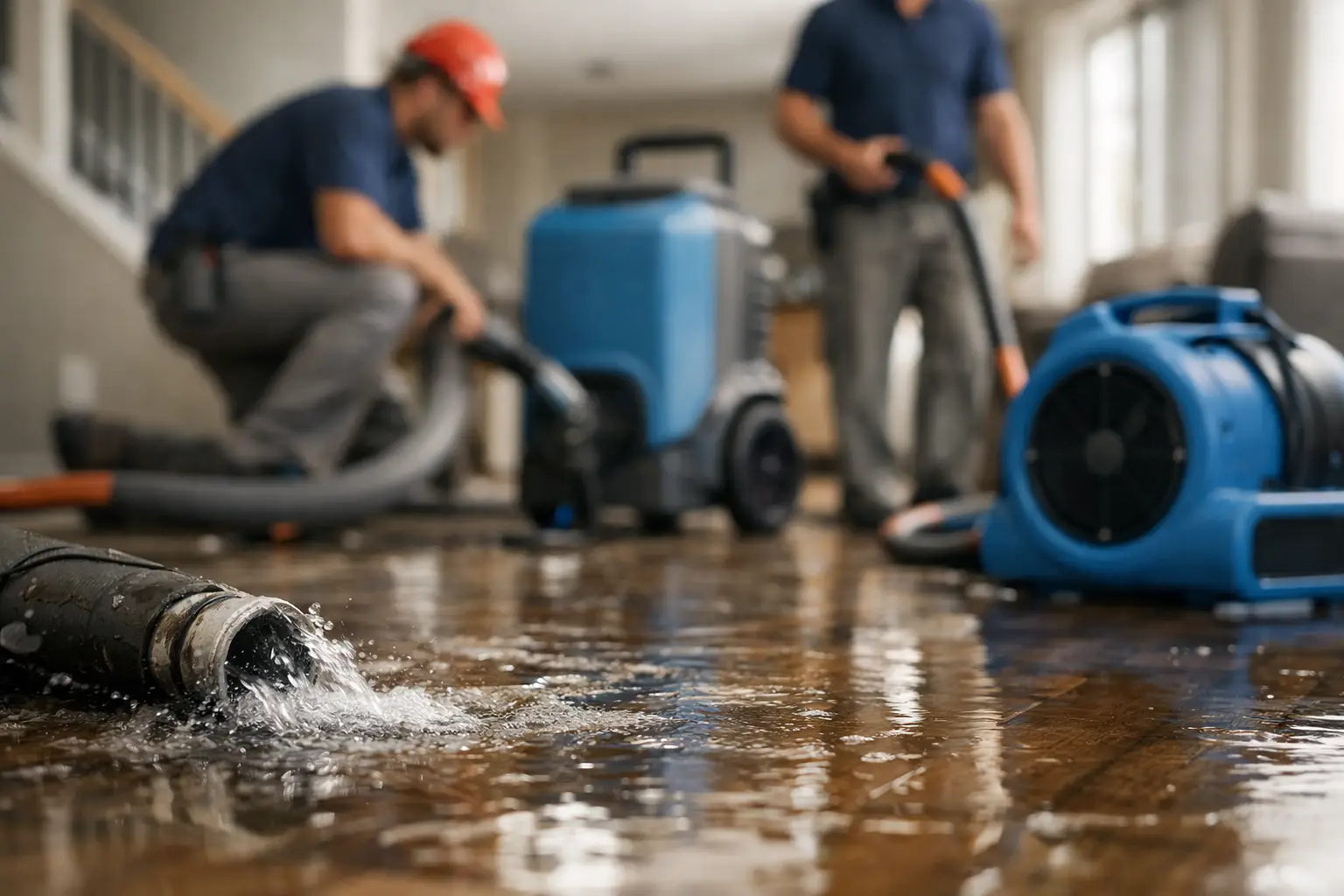
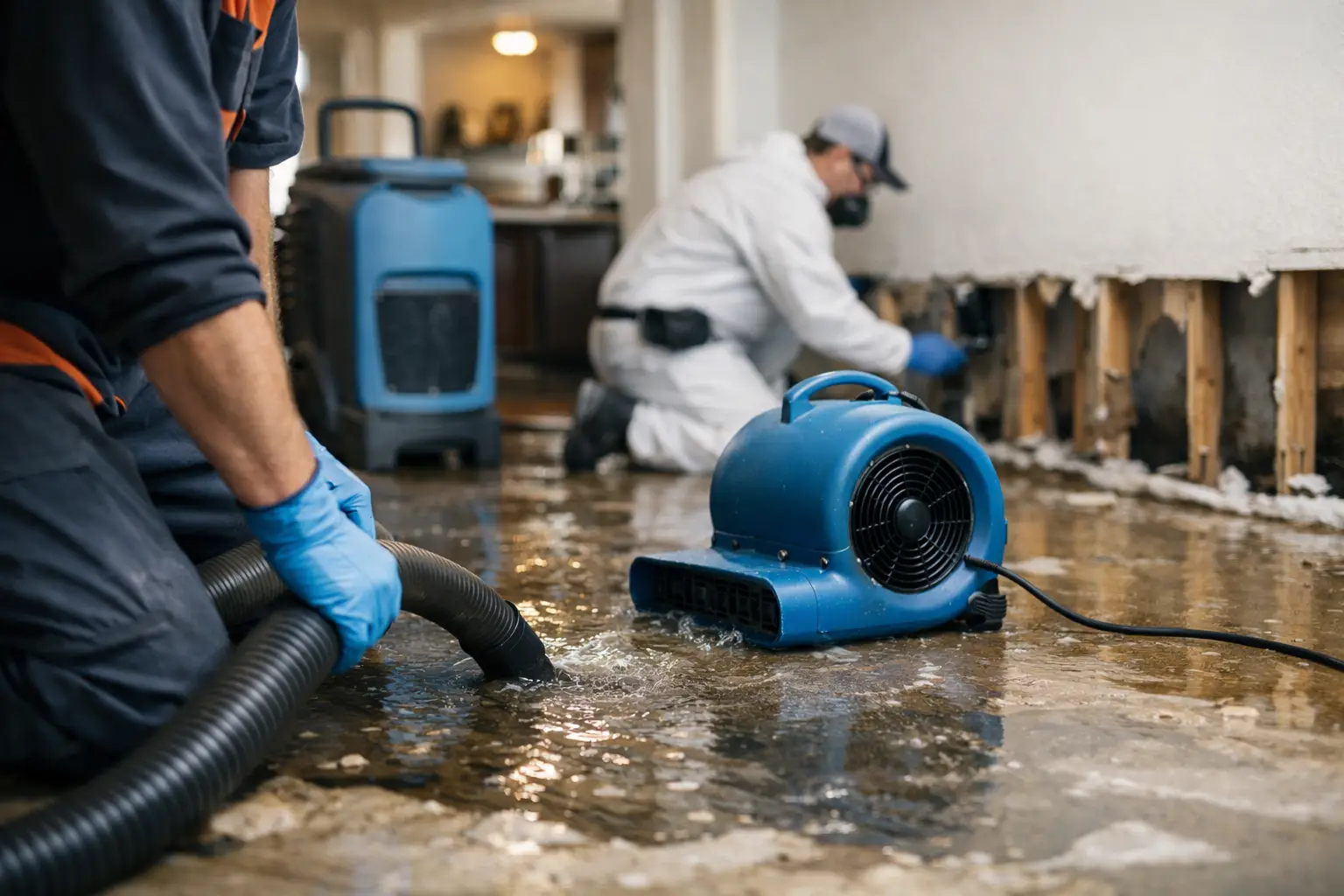
Extraction, structural drying, and moisture mapping after floods, leaks, and burst pipes.
Get help now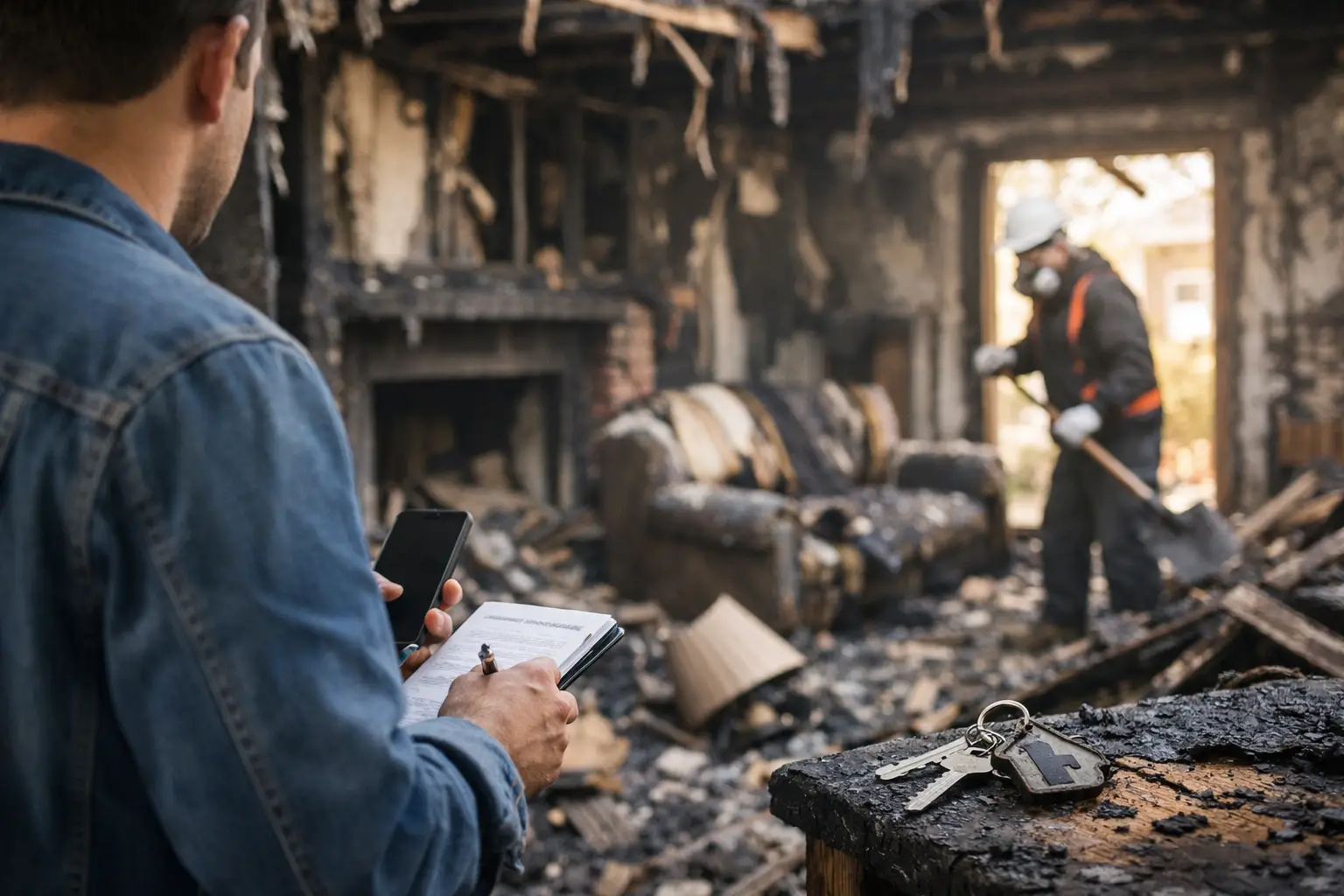 Fire & Smoke
Soot removal, odor deodorization, and content cleaning after fire and smoke damage.
Learn more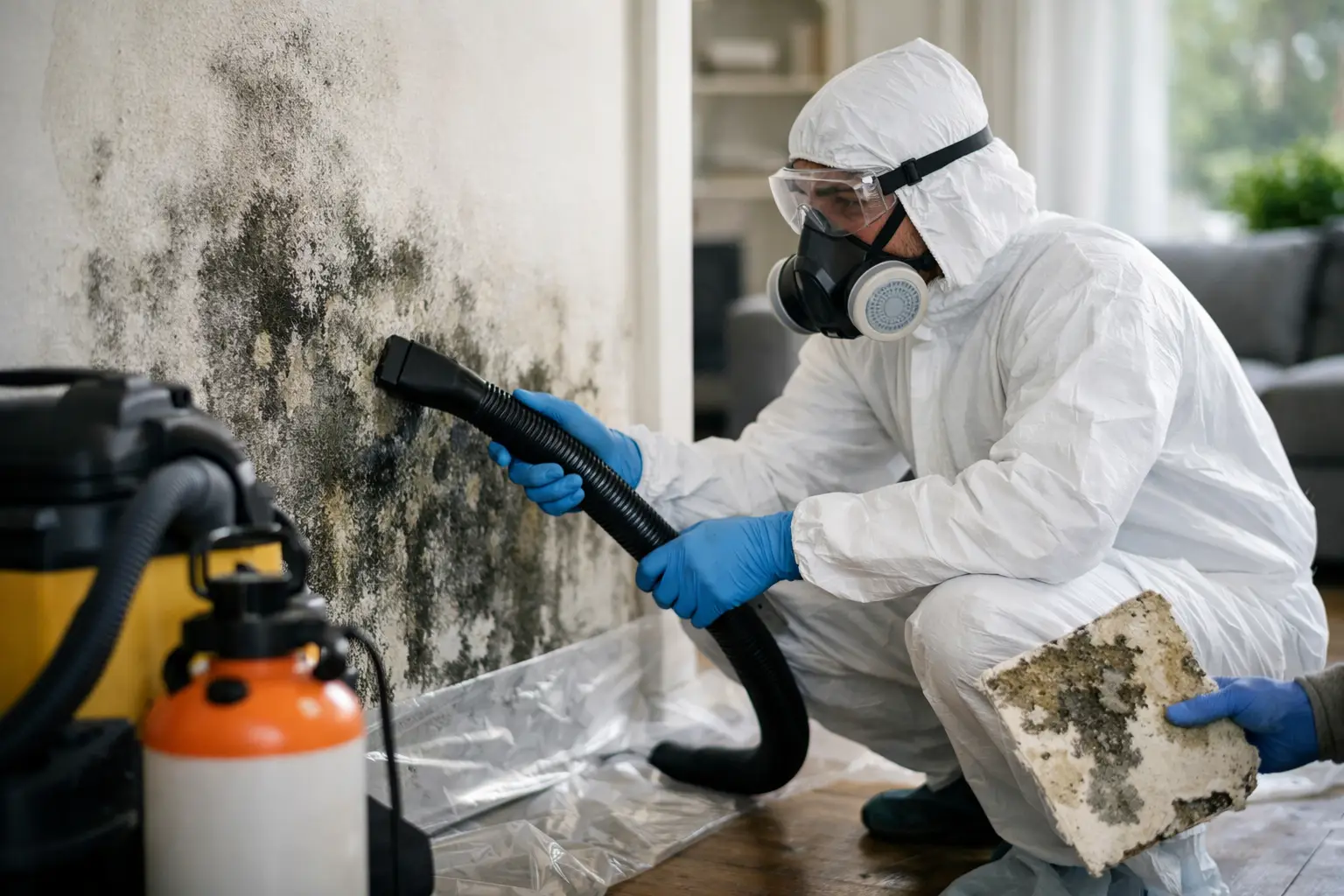 Mold
MoldContainment, removal, and moisture control that stops mold from coming back.
Learn more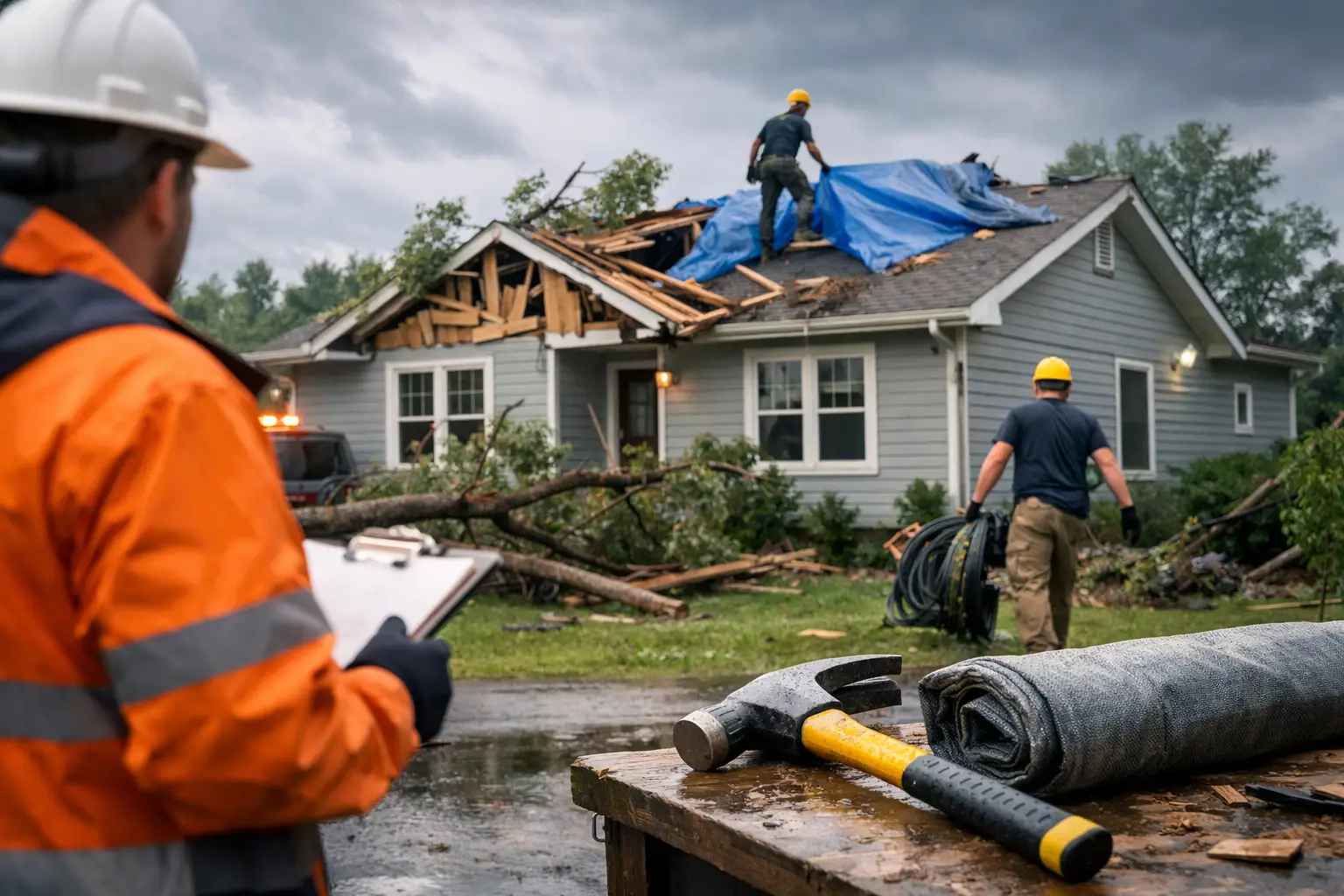 Storm
StormEmergency board-up, roof tarping, and full recovery after wind, hail, and storms.
Learn more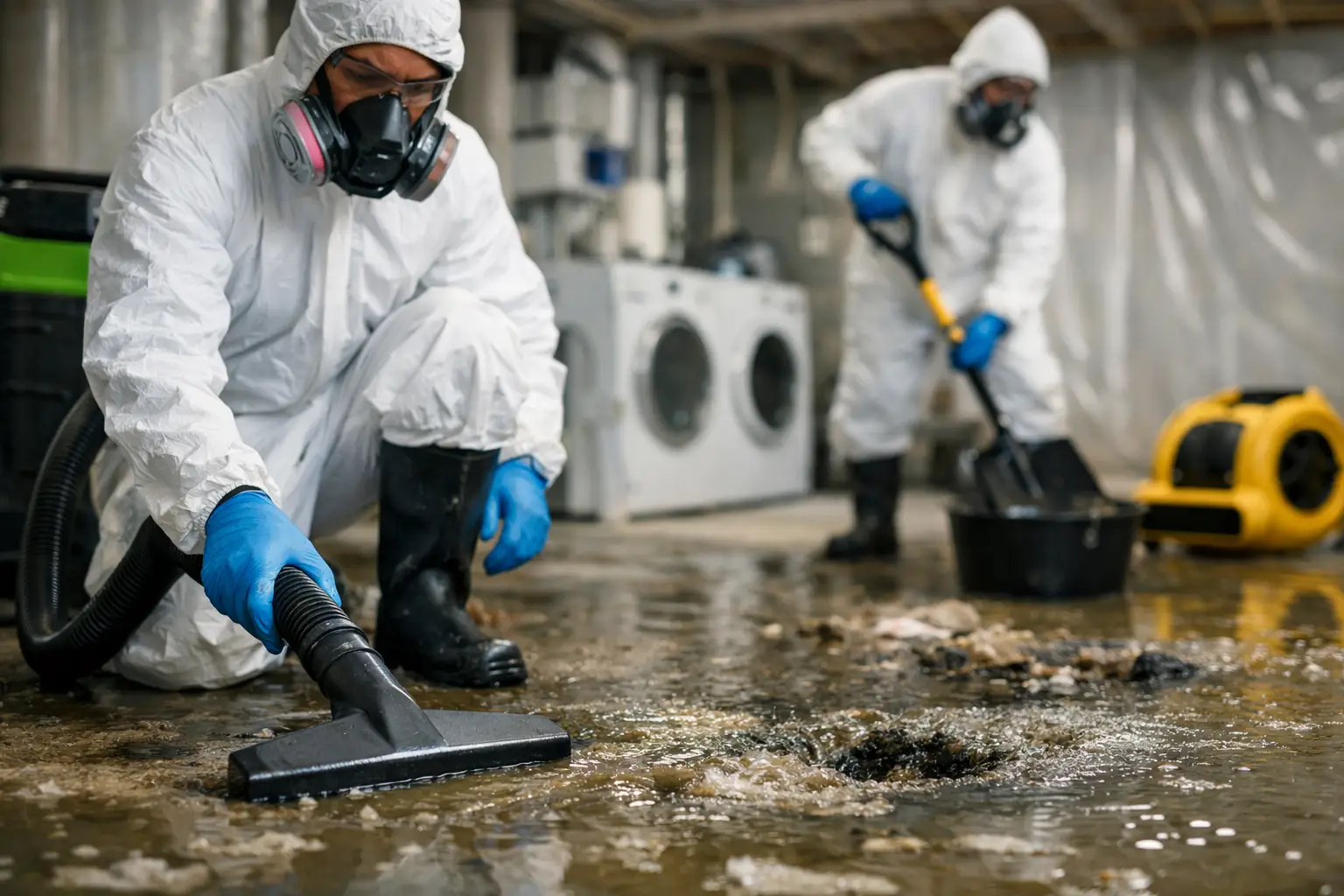 Sewage
Safe biohazard cleanup and sanitizing after sewage backups and overflows.
Learn more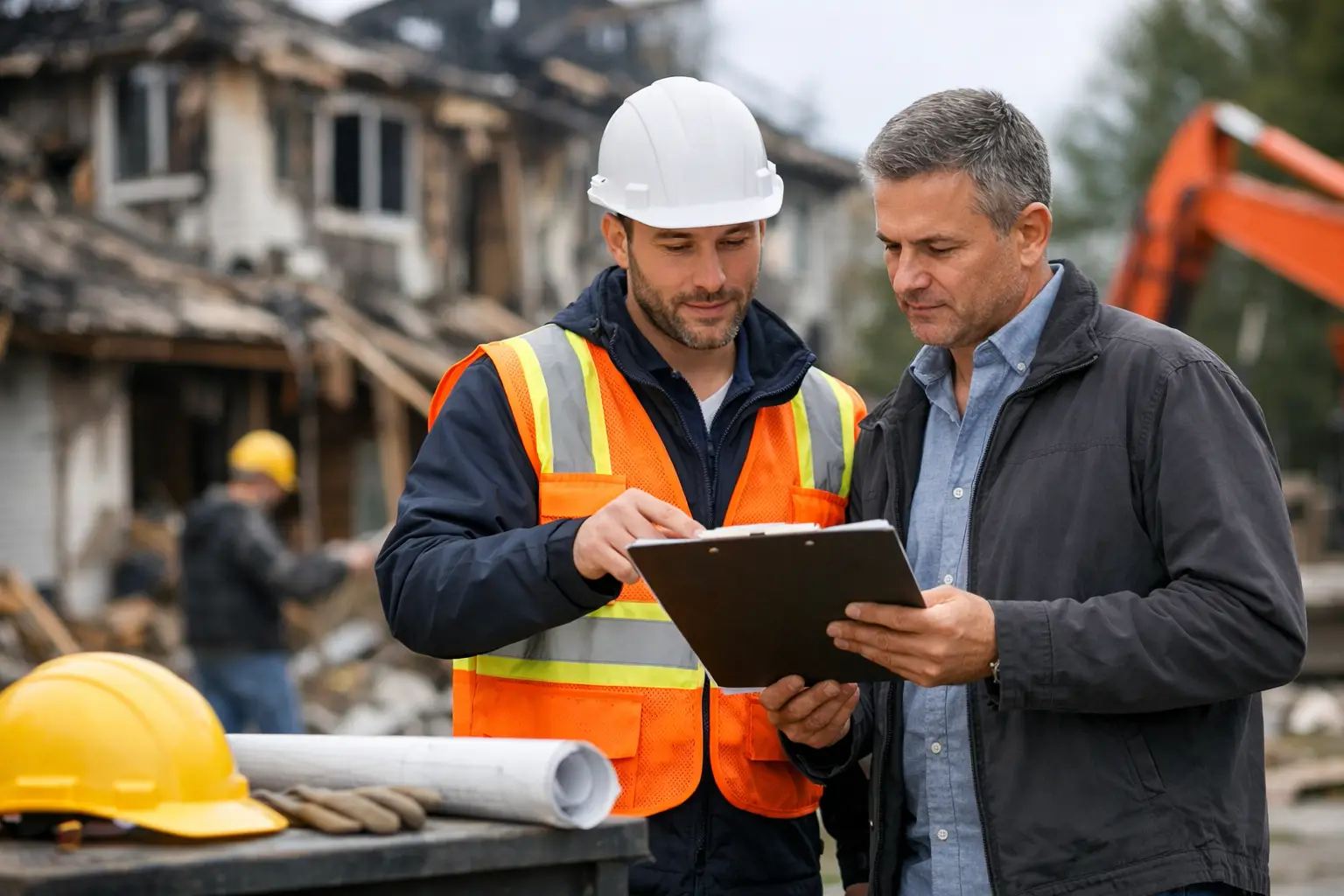 Reconstruction
Full rebuild by a licensed general contractor, so your property comes back whole.
Learn moreElevated Operations is an IICRC-certified, licensed general contractor based in Mableton that handles the entire recovery in-house, so after one loss you are never coordinating a cleanup crew, a mold crew, and a contractor separately. One team, one point of contact, from the first pump-out to the final coat of paint.
People call when the property feels like a disaster. They leave reviews because Chris and the crew made it right. These are real, verified Google reviews.
I start with stabilization, then clean the property in the right order for the building type. Airport-edge bungalows often have tight access and older materials, so I focus on board up services, soot removal, and moisture control before repairs. That prevents smoke from getting sealed into walls and trim.
Yes. Smoke odor removal starts with cleaning the source, not covering the smell. I inspect ceilings, insulation, HVAC runs, and porous contents because odor can hide there. In Hapeville homes, especially older bungalows, one missed cavity can keep the smell alive long after the visible damage is gone.
That is common when the fire department uses water to stop the fire. I handle the fire cleanup and the water side together so you do not get secondary damage like swelling, microbial growth, or warped materials. The sooner I get in, the easier it is to protect the structure and contents.
Yes, I do direct insurance billing. I document the loss, write the scope clearly, and communicate so the claim does not get stuck in back-and-forth. That matters in Hapeville, where owners may need quick stabilization for a bungalow, a rental, or a property near Delta HQ.
Fire cleanup can include debris removal, soot removal, odor treatment, content cleaning, and prep for structural repair. I do not treat every job the same because fire residue behaves differently on wood, drywall, metal, and fabrics. The goal is to clean what can be saved and remove what cannot.
Yes. I provide board up services when openings, broken glass, or roof damage expose the property. That is especially important in Hapeville, where bungalows sit close to the street and weather can move in fast. Securing the site protects both the structure and the claim evidence.
I handle commercial losses too. The process still starts with safety, stabilization, and documentation, but the schedule and access needs can be different. I focus on keeping the space secure, organizing fire cleanup, and moving toward repairs without creating extra disruption for the business owner.
I inspect each room and each material, then decide whether cleaning, deodorizing, or replacement makes sense. Some hard surfaces and selected contents can often be saved, while charred or porous materials may not be worth keeping. I give you a straight answer, not a hopeful one.
Elevated Operations dispatches IICRC-certified crews across Metro Atlanta from our Mableton base, with a 60-minute emergency response day or night. Choose your city:
Call now for an immediate response, or request your free inspection and get a certified crew on-site within the hour across Atlanta and nearby areas.