24/7 Emergency Restoration · Serving Metro AtlantaEmergency? (770) 404-6895
Fire damage restoration Dallas starts with one decision, call me first so I can stabilize the property, protect what is left, and explain the next steps clearly. I am Chris Kwangwari, owner of Elevated Operations, LLLP, and I handle fire cleanup across Dallas and Paulding County with direct insurance billing and a 12-month warranty.
IICRC-Certified · 5-Star Rated · 60-Minute Response · Insurance Billed Directly
No, not if you want the damage handled correctly. Dry wiping can smear residue and push smoke deeper into porous surfaces. I clean in the right order, then repair after the contamination is controlled.
That changes the scope fast. I check cabinets, vents, ceilings, and nearby rooms for smoke travel, then decide what needs cleaning, removal, or repair. Kitchen fires often look smaller than they are.
Yes. I use direct insurance billing and keep the scope documented. That helps the adjuster see the actual fire cleanup, soot removal, and repair needs without confusion or missing details.
Usually, yes, if the structure is sound and the cleanup starts fast. Smoke odor removal, content cleaning, and targeted repair can save a lot more than most owners expect after a fire.
Start with safety, then call for emergency response, then keep hands off anything damaged by smoke, soot, or water. If the structure is open, I can arrange board up services, limit further loss, and begin fire damage restoration Dallas with a controlled plan instead of rushed cleanup.
If the fire is out, treat the property like a hazard zone. In Dallas, I often see smoke move through split-level homes, crawlspaces, and attic runs before anyone notices the full damage. Do not turn on fans or HVAC, because that can spread soot and odor into rooms that looked untouched.
I have worked restoration since 2007, and the first checklist item is always the same, protect the site. If windows are broken or the roof is exposed, I move fast on board up services so weather, trespass, and animals do not make a bad day worse.
Dallas sits near Pumpkinvine Creek, and moisture matters after fire just as much as heat. Water used to suppress the fire can sit in framing, floors, and insulation, especially in properties on well-water or septic systems in Paulding County. That is why fire cleanup has to start with containment.
It starts with inspection, safety control, and a written scope, then moves into debris removal, soot removal, cleaning, odor treatment, and structural repair as needed. IICRC-certified technicians handle the sequence so the job does not jump ahead of the damage or miss hidden smoke pathways.
My process is straightforward because fire damage is not mysterious. I document the loss, separate salvageable items from non-salvageable debris, and decide what needs content cleaning versus full removal. Then I build the work around the structure, not around guesswork or shortcuts.
Dallas homes vary, from older frame houses to newer subdivisions, and the fire damage restoration plan changes with the building. A kitchen fire in one home may need cabinet removal and soot cleanup, while a garage fire may require framing checks, smoke odor removal, and targeted structural repair.
Insurance companies want proof, not stories. That is why I use direct insurance billing and keep the paper trail clean. If your property is in Dallas, Hiram-adjacent areas, or near the county line, I make sure the documentation matches the actual fire cleanup and restoration work performed.
A lot can be saved if the item was not burned through, heat-warped, or soaked beyond recovery. Hard surfaces, some furnishings, and many contents can often be cleaned, but porous materials that hold soot or odor may need removal. The fastest answer comes from an on-site contents review.
I look at heat, smoke, soot, and water damage separately. A dresser may survive while the mattress is a loss. A kitchen table may be cleanable while upholstery absorbs smoke odor and needs removal. The same goes for drywall, trim, and insulation, which can hide damage long after the visible burn marks are gone.
In Dallas, homes near wooded areas or creek corridors often pick up extra soot tracking from air movement and cleanup traffic. That makes content cleaning more important than people expect. If the item can be safely cleaned and deodorized, I will say so. If it should go, I will say that too.
Well-water and septic properties around Paulding County also deserve a careful look at utilities and moisture intrusion after a fire. If suppression water or debris reached lower areas, I check what can be dried, sanitized, and saved before anyone assumes replacement. Good fire damage restoration respects both the structure and the contents.
Yes, because repairs over soot and odor are the wrong order. I clean smoke damage first, then assess what still needs structural repair. If you build over contaminated surfaces, the smell can come back and the finish work can fail, which wastes time and money in Dallas.
Smoke does not stay where the fire started. It moves into wall cavities, cabinets, vents, and attic spaces, then settles into surfaces that look fine at first glance. That is why smoke odor removal and soot removal come before most rebuild work, not after it.
I have seen Dallas properties where the fire itself was limited, but the smoke damage traveled farther than the flames. If you repair drywall or paint too early, you trap contamination behind new materials. That is bad sequencing, and I do not do it that way.
My approach is cleanup first, rebuild second. If the structure needs board up services, debris removal, or partial demo, I handle those in order, then move into repairs only after the hidden residue is addressed. That is the only way to make restoration stick.
The timeline depends on the amount of fire, smoke, soot, and water involved, plus what the insurance scope approves. Small losses move faster than full structural fires, but I never promise a finish date before I inspect the property and confirm the real damage.
Every Dallas property tells a different story. A contained kitchen fire may need fire cleanup, odor treatment, and limited repairs. A fire that reaches attic space, insulation, or multiple rooms can require a longer sequence because hidden damage shows up after the first layers come off.
Weather and access matter too. If the home is open to rain, if Pumpkinvine Creek humidity has already pushed moisture into materials, or if the property sits vacant, the work can expand. That is why I give honest expectations after the inspection, not before it.
I do not pad timelines, and I do not guess. I give a direct scope, then manage the steps with IICRC-certified technicians and insurance documentation. That keeps the job moving and reduces the risk of doing the same area twice.
It includes safety controls, inventory, debris removal, soot removal, odor treatment, drying if water was used, and repair planning. For Dallas homes, I also check crawlspaces, attic paths, and utility areas because smoke and firefighting water spread farther than most owners realize.
I built this checklist style for owners who want action, not theory. Fire cleanup has to start with making the site safe, then shifting to documentation, then to the physical work. If you skip the sequence, you end up with hidden odor, missed soot, and repair delays.
In Paulding County, older homes and rural properties can have well-water and septic systems that complicate cleanup after suppression water enters the structure. I factor that into the plan because moisture control matters as much as the visible burn pattern. Dallas homes near open land can also carry ash and odor farther than expected.
My team handles the dirty work, but owners still need a clear path. That means asking what is salvageable, what needs content cleaning, what needs demolition, and what can wait until insurance has the documentation. Checklist work keeps the job grounded in facts.
Stay out of unstable rooms, keep pets away, and do not run HVAC if soot may be in the system. If the building is exposed, I can step in with board up services and emergency stabilization.
I inspect for fire, smoke, soot, and water impact, then map the cleanup sequence. That first look decides what is salvageable, what needs debris removal, and what needs structural repair.
Move only what is safe to move, then separate items for content cleaning or disposal. Quick decisions matter in Dallas because smoke odor settles fast and can spread through closets, attics, and nearby rooms.
Soot removal and smoke odor removal come before most repair work. If you repair over contamination, the finish can fail and the smell can come back, especially in closed-up homes near Pumpkinvine Creek humidity.
I use direct insurance billing and give deductible assistance up to $1,000 when applicable. That keeps the claim organized while my crew handles fire cleanup, documentation, and the restoration work itself.
From emergency mitigation to full reconstruction, handled in-house so you are never managing a chain of subcontractors mid-crisis.
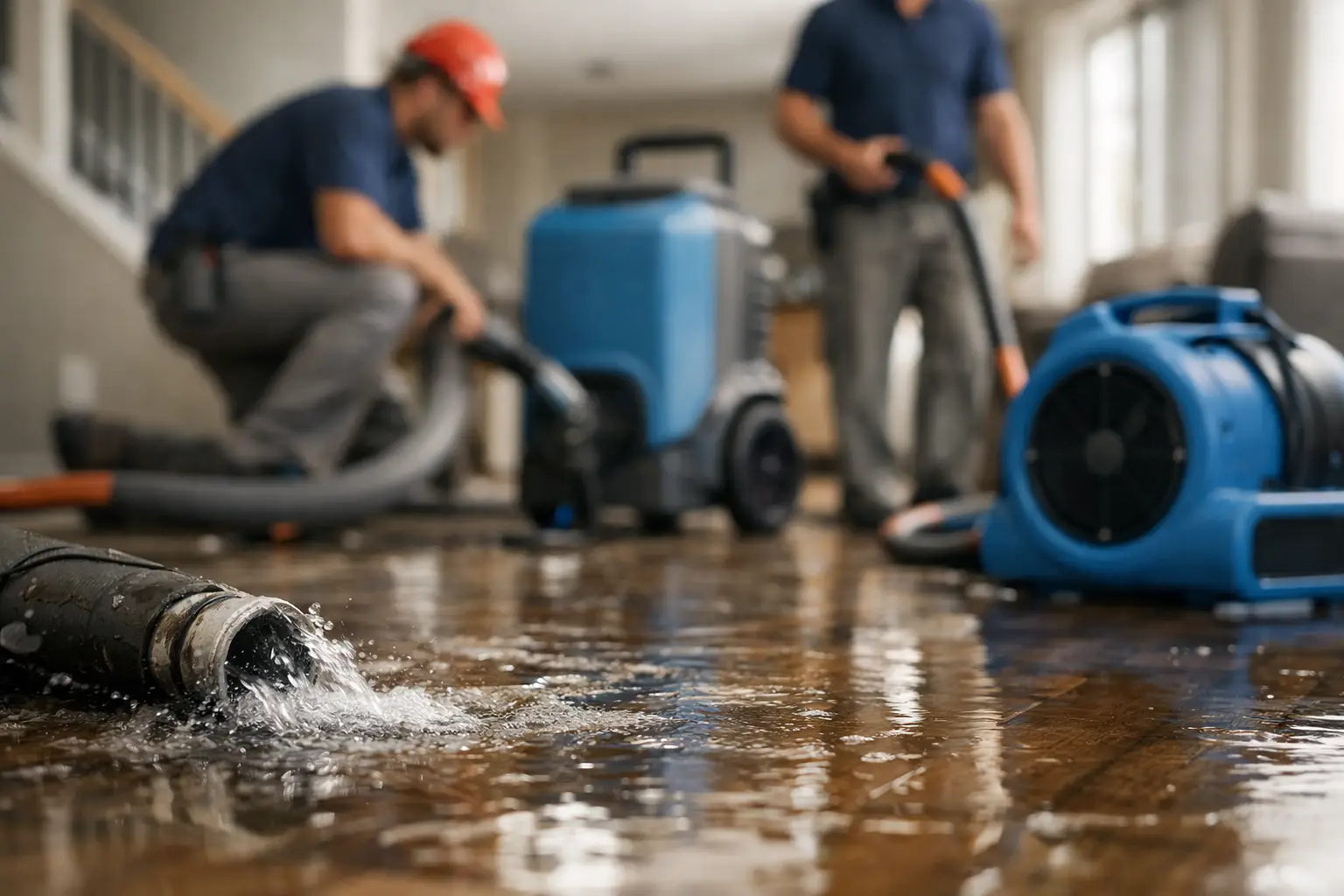
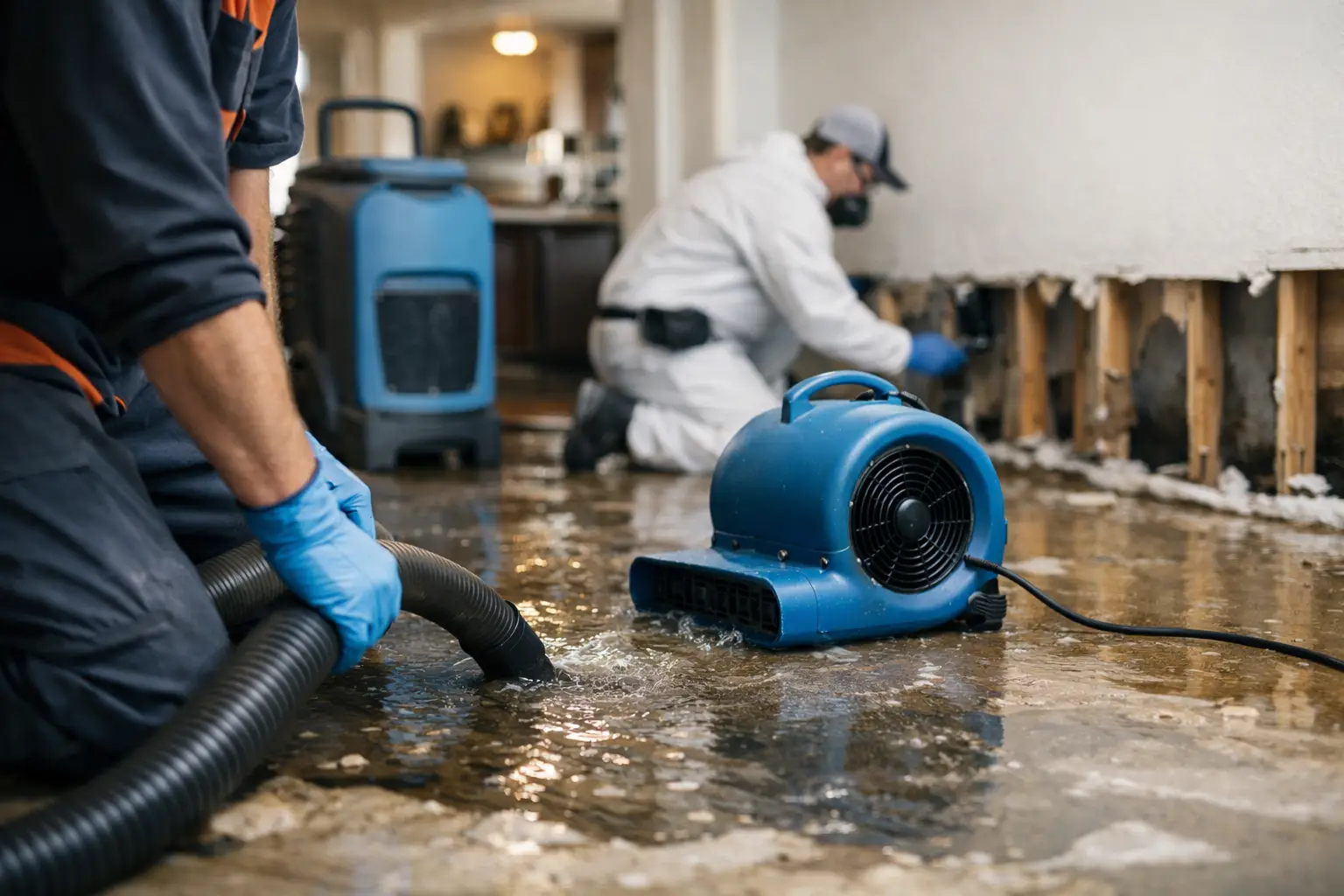 Water Damage
Extraction, structural drying, and moisture mapping after floods, leaks, and burst pipes.
Get help now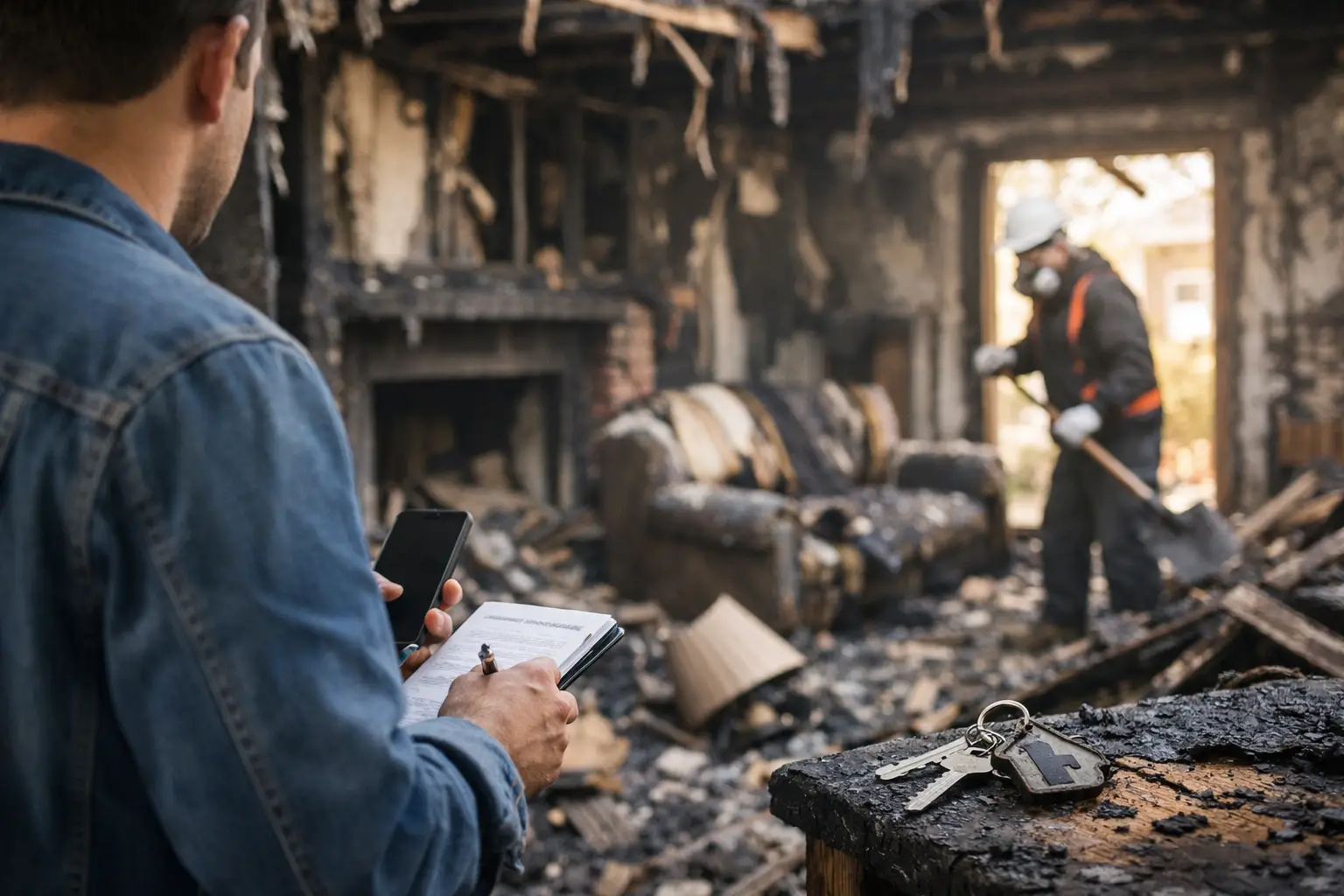 Fire & Smoke
Soot removal, odor deodorization, and content cleaning after fire and smoke damage.
Learn more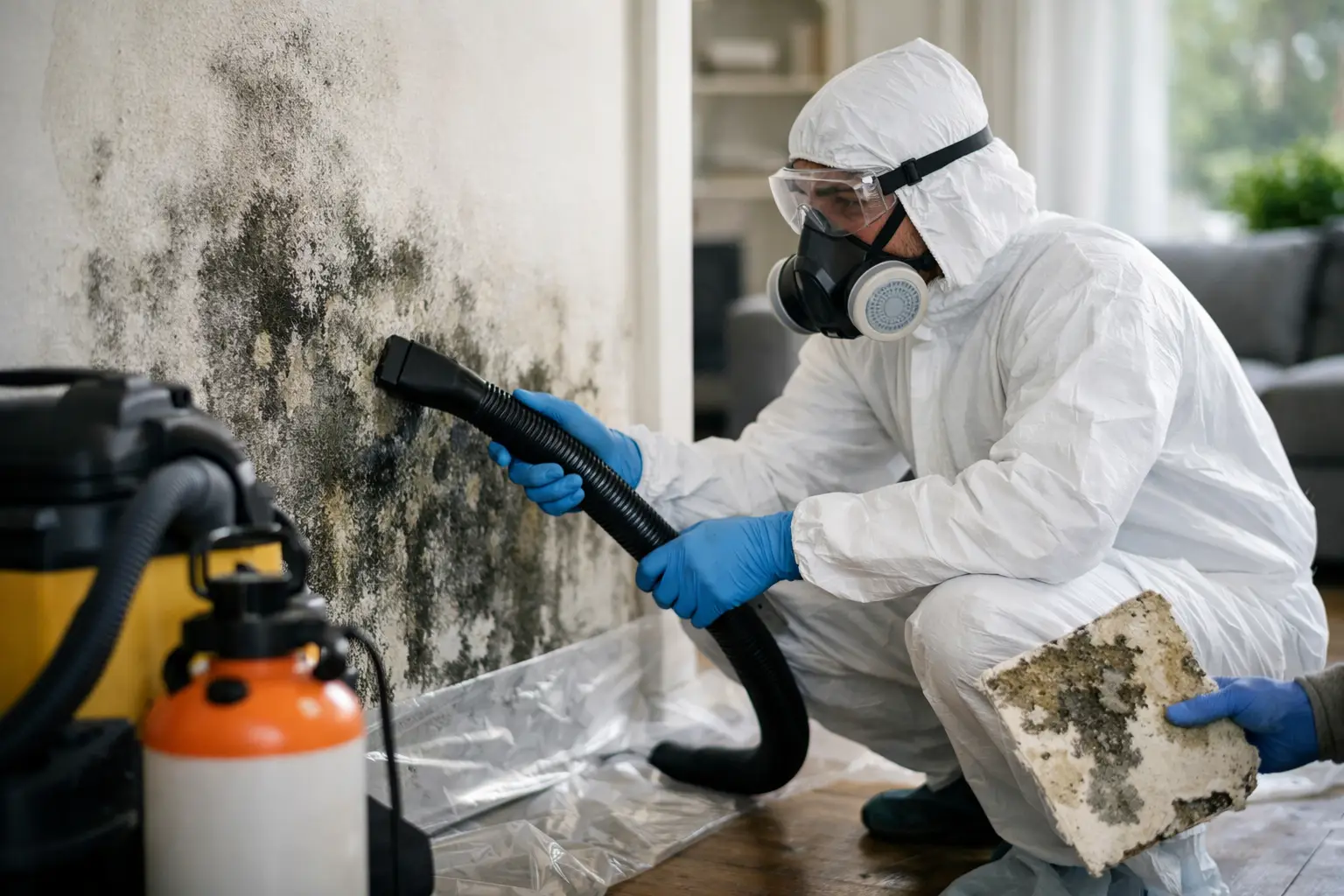 Mold
MoldContainment, removal, and moisture control that stops mold from coming back.
Learn more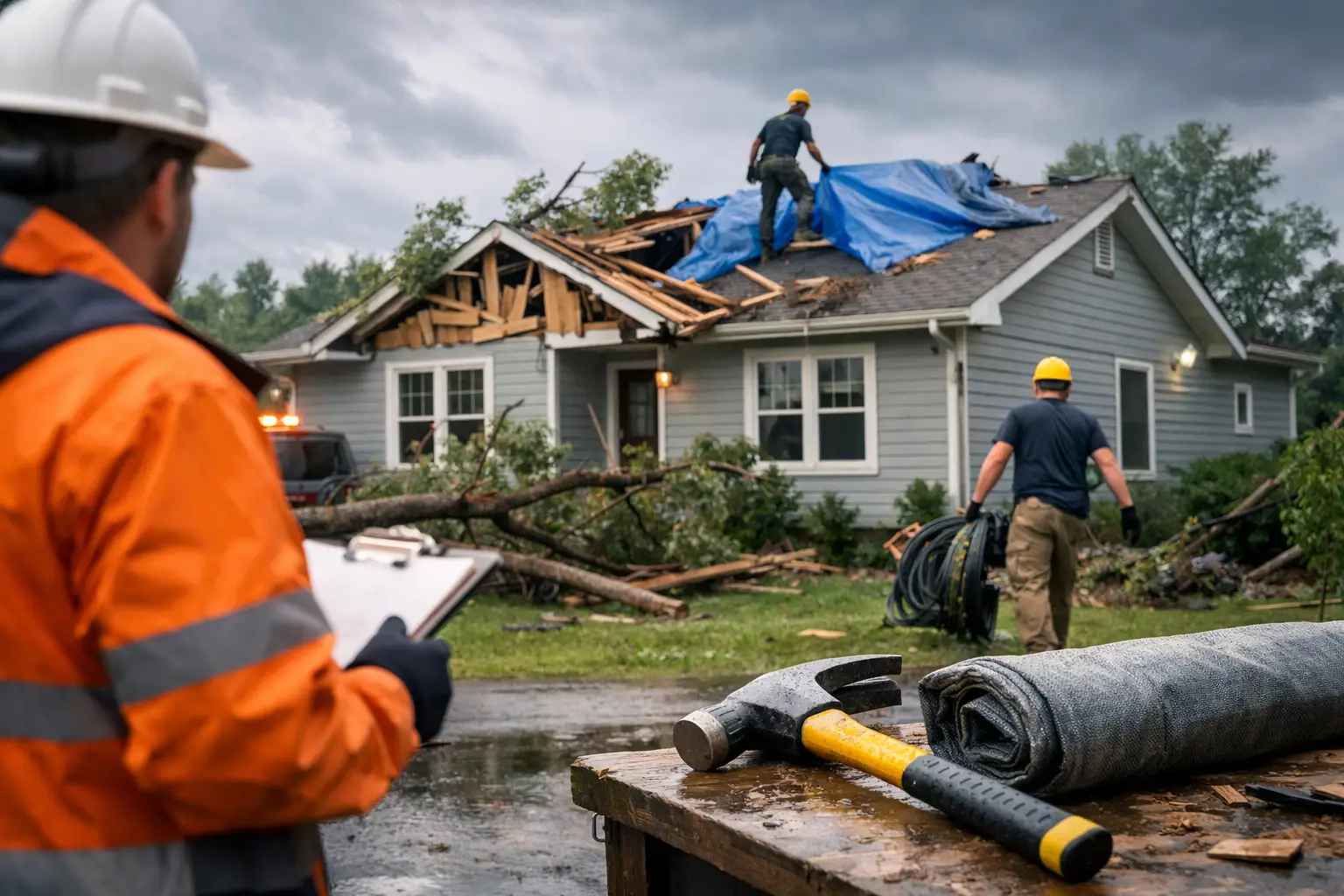 Storm
StormEmergency board-up, roof tarping, and full recovery after wind, hail, and storms.
Learn more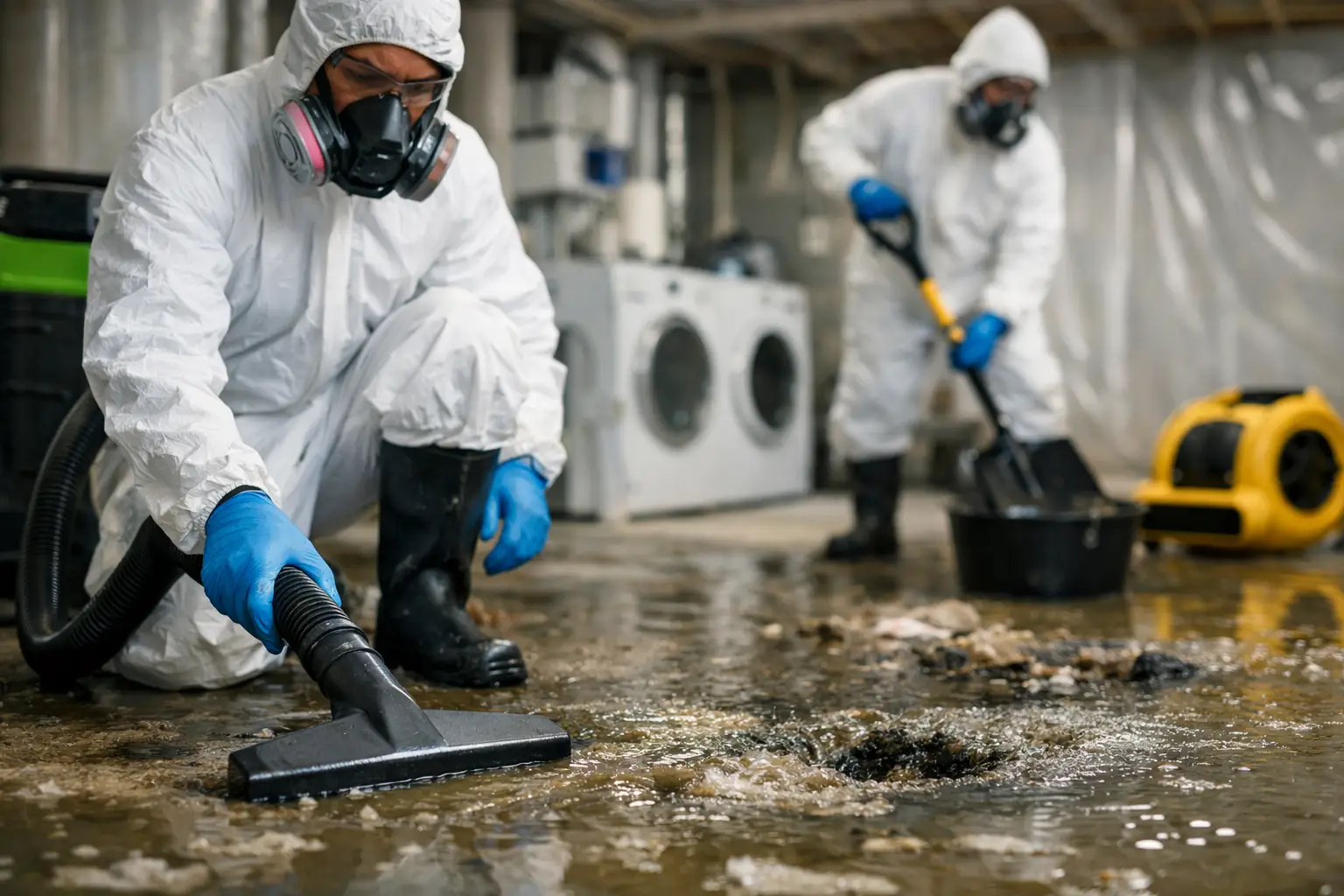 Sewage
Safe biohazard cleanup and sanitizing after sewage backups and overflows.
Learn more Reconstruction
Full rebuild by a licensed general contractor, so your property comes back whole.
Learn moreElevated Operations is an IICRC-certified, licensed general contractor based in Mableton that handles the entire recovery in-house, so after one loss you are never coordinating a cleanup crew, a mold crew, and a contractor separately. One team, one point of contact, from the first pump-out to the final coat of paint.
People call when the property feels like a disaster. They leave reviews because Chris and the crew made it right. These are real, verified Google reviews.
Yes, and that local detail matters. Homes near Pumpkinvine Creek can hold moisture longer after firefighting water or weather exposure, which affects drying, soot cleanup, and odor control. I inspect the structure, contents, and hidden spaces, then build the restoration work around what actually happened in the home.
Yes. Properties on well-water and septic in Paulding County need careful attention after a fire because suppression water, debris, and access issues can complicate cleanup. I factor that into the plan so fire cleanup, drying, and repair decisions fit the property, not just the visible damage.
The first step is safety and stabilization. After that, I document the damage, secure open areas, and separate salvageable contents from debris. That sequence matters because smoke odor removal, soot removal, and structural repair only work well when the site is controlled from the start.
Yes. If windows, doors, or roof areas are exposed, board up services are often the smartest first move. It protects the property from weather, trespass, and extra debris while I plan the full fire damage restoration work and coordinate directly with insurance.
That still counts as serious damage. Smoke and soot can travel into HVAC, insulation, cabinets, and wall cavities, so cleanup has to be thorough. I often see Dallas homes where the visible burn area is small, but the smoke odor and residue are spread much farther.
Often, yes. Content cleaning is part of the decision process after I inspect the loss. Some items can be cleaned, deodorized, and returned, while porous or heat-damaged items should be removed. I tell you plainly which category each item falls into.
Direct insurance billing keeps the process cleaner for owners who already have enough to deal with. I handle the paperwork, document the fire cleanup, and bill the carrier directly when possible, so the claim stays organized and the work stays focused on the property.
I back eligible work with a 12-month warranty. That matters because fire damage restoration is not just about cleaning what you can see, it is about making sure the repair and restoration work holds up after the property is back in use.
Elevated Operations dispatches IICRC-certified crews across Metro Atlanta from our Mableton base, with a 60-minute emergency response day or night. Choose your city:
Call now for an immediate response, or request your free inspection and get a certified crew on-site within the hour across Atlanta and nearby areas.