24/7 Emergency Restoration · Serving Metro AtlantaEmergency? (770) 404-6895
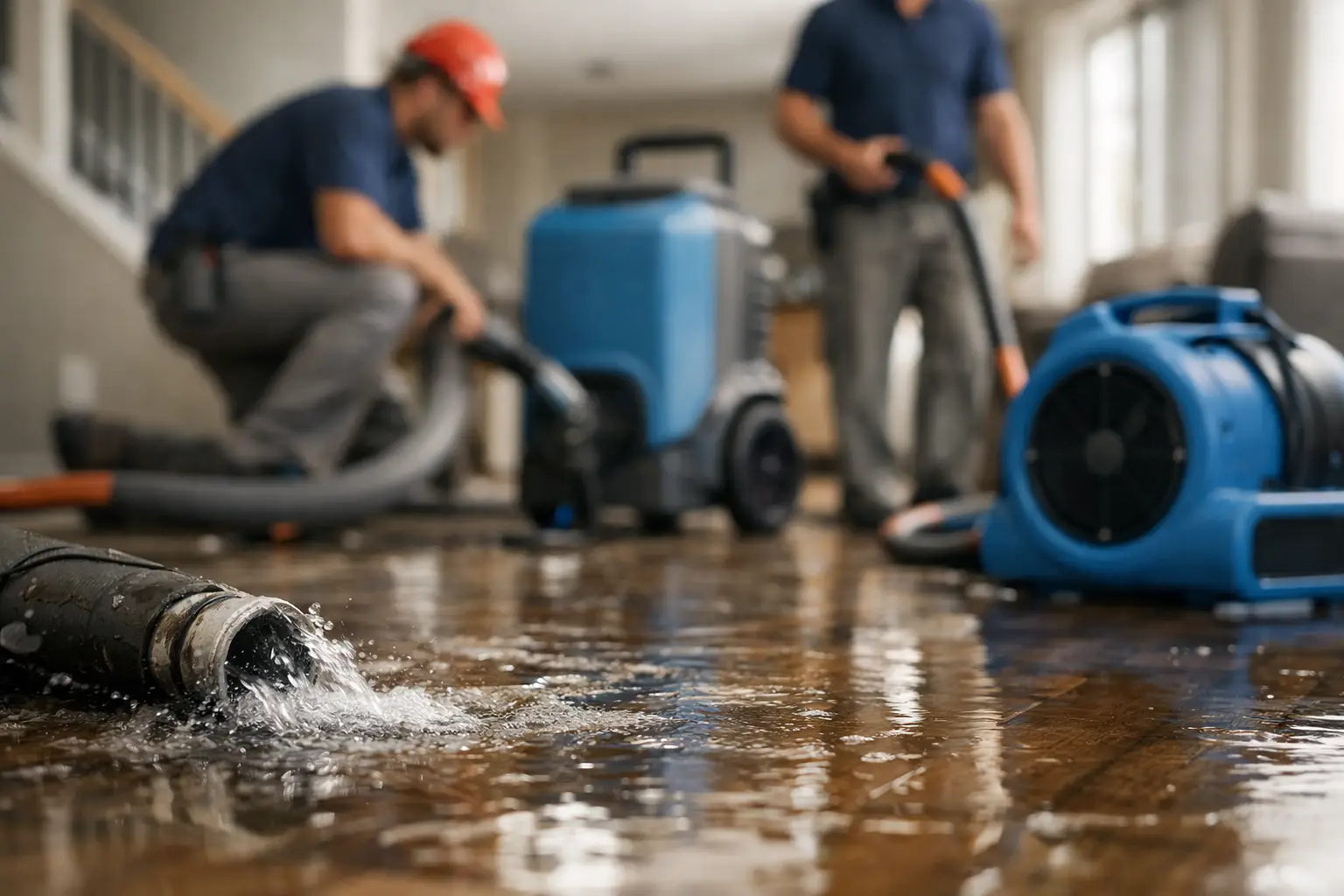
Water mitigation services Hapeville starts with fast loss mitigation, water extraction, and structural drying before damage spreads. I run Elevated Operations, LLLP from Mableton, and I bring IICRC-certified technicians, direct insurance billing, and deductible assistance up to $1,000 to airport-edge bungalows and homes near Delta HQ.
IICRC-Certified · 5-Star Rated · 60-Minute Response · Insurance Billed Directly
Yes. I use direct insurance billing so the mitigation file moves cleanly from inspection to claim documentation.
Yes. My team uses IICRC-certified technicians on the mitigation work.
I offer 24/7 emergency response with a 60-minute emergency response goal.
I offer deductible assistance up to $1,000 on eligible water mitigation jobs.
Water mitigation services include stopping the water source, water extraction, containment when needed, dehumidification, and structural drying. In Hapeville, I size the work to the actual damage, not the ZIP code, because airport-edge bungalows and nearby commercial properties need different moisture control and drying equipment.
First, I look at where the water moved and what it touched. That drives the plan. Loss mitigation is about limiting further damage fast, then setting up drying equipment, airflow, and dehumidification so moisture does not stay trapped in walls, floors, or cabinets.
In Hapeville, many homes sit close to older build-outs and tight spaces, so water can travel behind finishes before anyone sees it. I treat that as a timing problem. The sooner I start water extraction and containment, the less material usually needs to come out.
Some jobs are straightforward. Others need more hands. Either way, I use IICRC-certified technicians, and I keep the work focused on the documented loss. That matters when the claim file gets reviewed and the insurance adjuster wants a clean scope.
Water mitigation should start as soon as possible, because moisture begins spreading immediately and mold can start in 24 to 48 hours. In Hapeville, with airport-edge traffic and busy schedules near Delta HQ, a delayed start usually means more drying equipment, more demolition, and a harder claim file.
I offer 24/7 emergency response with a 60-minute emergency response goal, because water does not wait for business hours. If you call me after a supply line break, roof leak, or appliance failure, I want containment and water extraction moving right away.
The first few hours matter most. Materials swell. Paint lifts. Baseboards wick moisture. Once that happens, structural drying gets harder and the insurance conversation gets more complicated. Fast loss mitigation keeps the claim tied to the original event instead of the secondary damage.
Hapeville homes near the airport can have high activity inside and around the property, and that makes timing even more important. I keep the process direct: document, stabilize, dry, and communicate. That approach helps the owner and the carrier stay on the same page.
Pricing is driven by the size of the loss, the amount of water extraction required, how much containment is needed, and how long structural drying takes. I do not price by guesswork. I price to the actual conditions, the materials affected, and the documented scope for the claim.
I do not invent a flat answer for water mitigation services because the job changes from house to house. A small laundry-room leak is not the same as a main-floor event that reaches multiple rooms, and pricing follows that difference.
The biggest cost drivers are access, material saturation, and how much drying equipment the property needs. Dehumidification, monitoring, and repeated checks all take real labor. If demolition is necessary, that changes the scope too. I keep the work aligned with what is actually wet.
In Hapeville, airport-edge bungalows can have compact layouts, older finishes, or additions that slow drying. That is why I inspect the full affected area before I talk about the claim. The goal is simple: no padded scope, no missed damage, no surprises later.
Insurance often covers sudden and accidental water damage, including mitigation work meant to stop additional loss. That can include water extraction, containment, dehumidification, and structural drying when the damage fits the policy terms. I bill insurance directly, so the process stays organized from the start.
Coverage depends on the cause. A burst supply line usually gets treated differently than long-term seepage or maintenance issues. That is why I document the source, the affected materials, and the drying process carefully. Good records support the claim and reduce confusion.
Insurance carriers want to see that loss mitigation began quickly and that the response was reasonable. IICRC-certified technicians, moisture readings, photos, and clear notes all help. If a policyholder waits too long, the carrier may question damage that spread after the original incident.
Around Delta HQ and the airport corridor, owners often need the work handled fast because they cannot sit on a wet property. Direct insurance billing helps with that. I send the paperwork where it belongs and keep the owner from juggling every moving part alone.
Claims start with reporting the loss, documenting the damage, and opening a file with the insurer. The deductible is the policyholder’s share, and I offer deductible assistance up to $1,000 on eligible work. I keep the paperwork clean so the adjuster can review the mitigation scope without confusion.
The claim should begin quickly after the loss, not after the damage has spread. I help with direct insurance billing, which means I work with the carrier process while the owner focuses on the property. That is the practical way to handle a wet home.
Deductibles are not a discount game. They are part of the policy structure. I will explain how the deductible fits into the mitigation job, and I will not pretend every claim works the same way. The cause of loss and the policy language control that.
Hapeville owners near the airport and Delta HQ often want straight answers, not sales talk. I respect that. I document the loss, describe the necessary drying and water extraction work, and keep the file readable so the insurance conversation stays grounded in facts.
No. Water mitigation is the emergency response that stops damage from getting worse, while water restoration is the broader process of bringing the property back after drying and removal are done. I focus first on mitigation, because without stable moisture control, restoration can go sideways.
Mitigation comes first. That means stopping the source, extracting water, setting containment if needed, and running drying equipment. Restoration may include later repair work, but I do not blur the two. Clear boundaries help the claim and the owner understand what phase they are in.
In Hapeville, where some homes sit near older construction and active commercial corridors, that distinction matters. A fast mitigation response can save flooring, cabinets, and wall finishes. Restoration becomes much simpler when the initial loss mitigation is done correctly.
I am a licensed general contractor, so I understand both the damage control side and the rebuilding side. But I still separate the steps. That keeps the scope accurate, the insurance file cleaner, and the outcome better for the owner.
I inspect the damage, identify the source, stop or isolate the water, and start water extraction. Then I set drying equipment, manage dehumidification, and track moisture control until the structure is drying properly. In Hapeville, that process often starts in tight rooms, basements, or kitchen areas.
The first visit is about control. I do not waste time with vague talk. I look at where water entered, where it moved, and what materials are holding it. That tells me how much containment and structural drying the job really needs.
Then I build the drying plan. Depending on the damage, I may place equipment to push air, pull humidity, and keep wet areas separated from clean areas. That matters in airport-edge bungalows where rooms can be compact and moisture can spread fast.
I keep communication simple and direct. You get a clear explanation of the wet zones, the work in progress, and what insurance documentation is being created. That is how I run mitigation, and it is how I keep claims from turning messy later.
The amount of water, the rooms affected, and the need for containment or drying equipment all change the job. I price to the actual loss, not a canned formula.
Insurance usually responds to sudden and accidental water damage, and the carrier wants fast loss mitigation. Water extraction and dehumidification are often part of that early response.
I send mitigation paperwork directly to the carrier, which helps keep the claim organized and reduces back-and-forth for the owner.
I offer deductible assistance up to $1,000 on eligible work. That is explained upfront, because deductible handling needs to be clear before the job moves ahead.
I back my work with a 12-month warranty, and I have been in restoration since 2007. That history matters when you want the mitigation done right the first time.
From emergency mitigation to full reconstruction, handled in-house so you are never managing a chain of subcontractors mid-crisis.
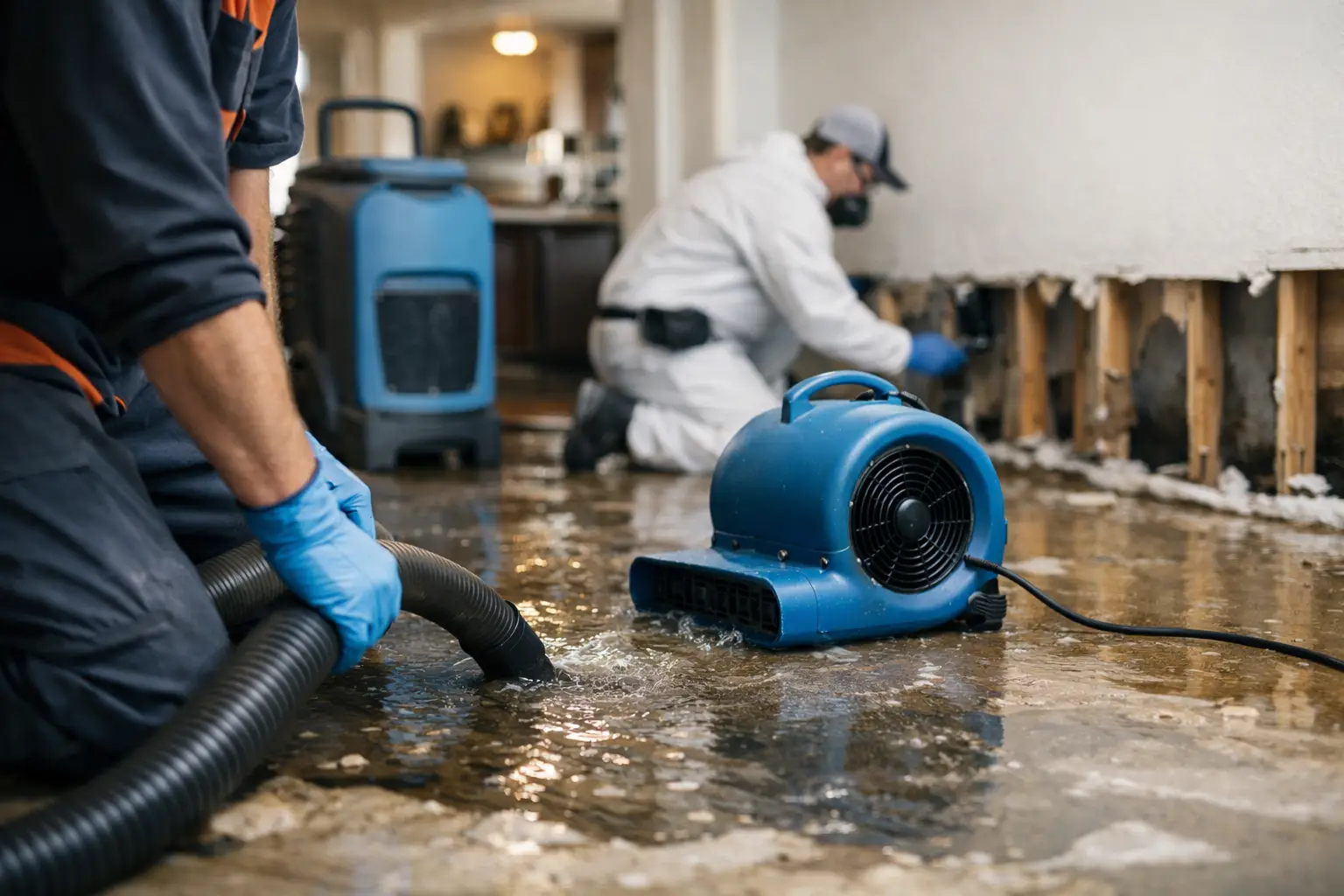 Water Damage
Extraction, structural drying, and moisture mapping after floods, leaks, and burst pipes.
Get help now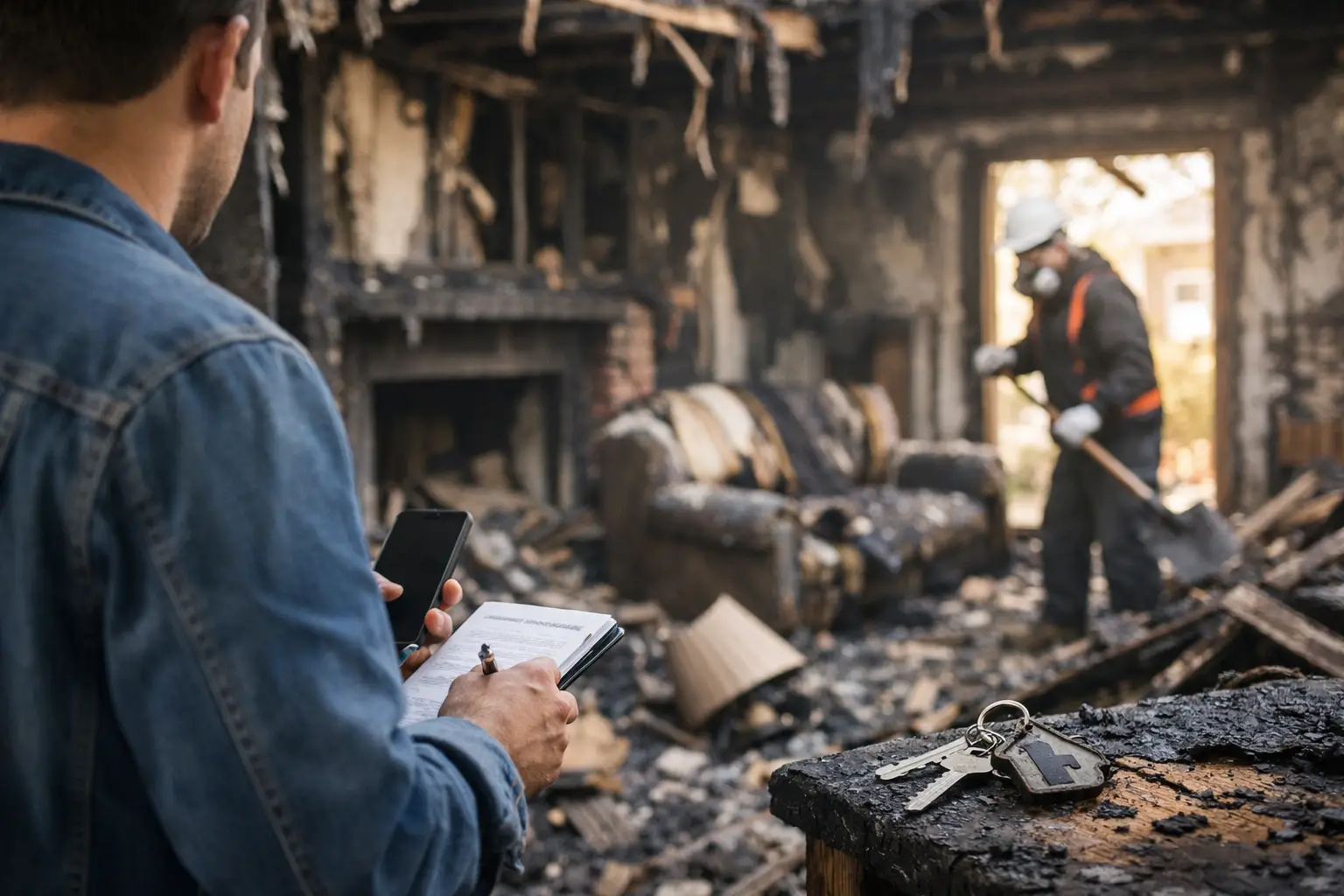 Fire & Smoke
Soot removal, odor deodorization, and content cleaning after fire and smoke damage.
Learn more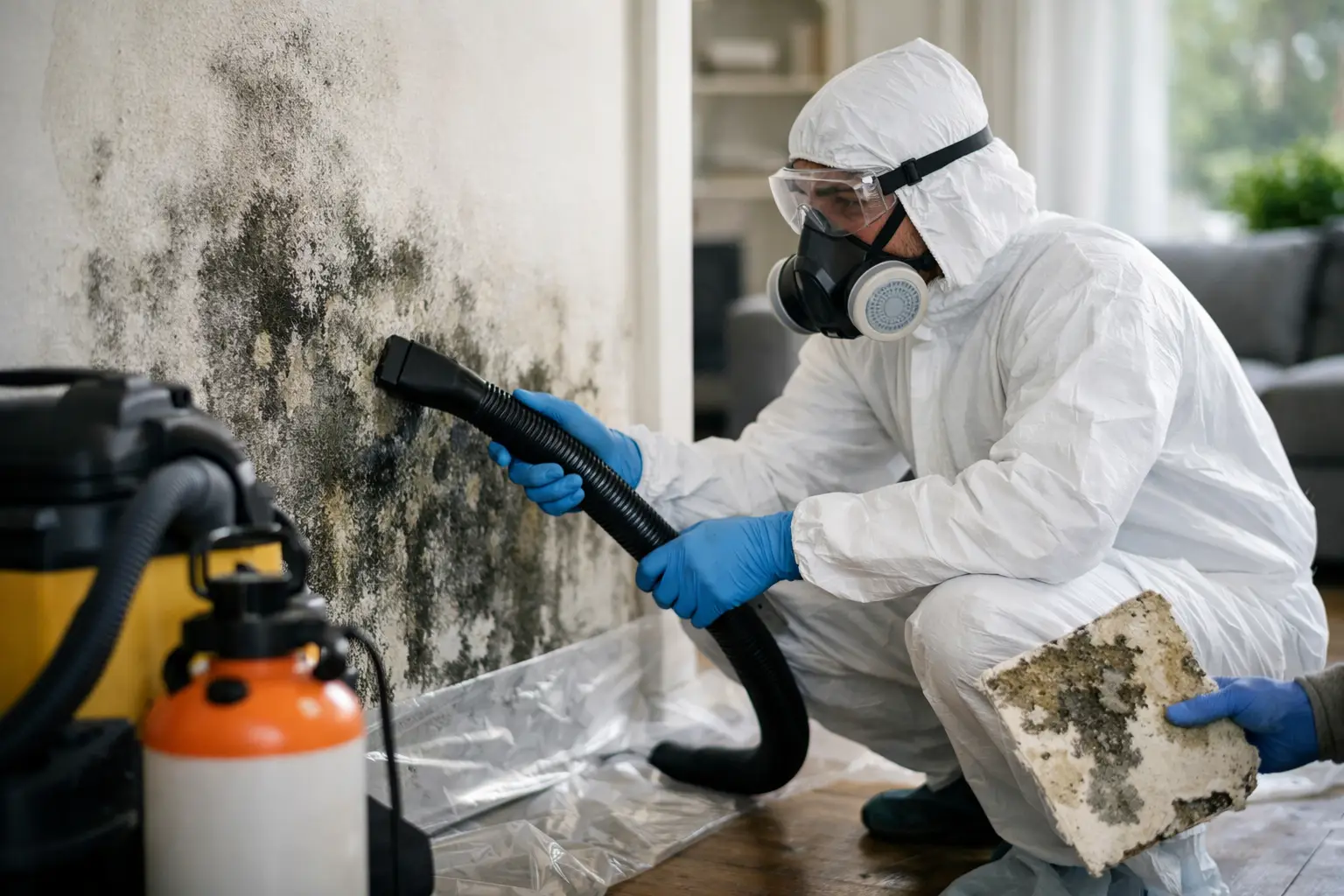 Mold
MoldContainment, removal, and moisture control that stops mold from coming back.
Learn more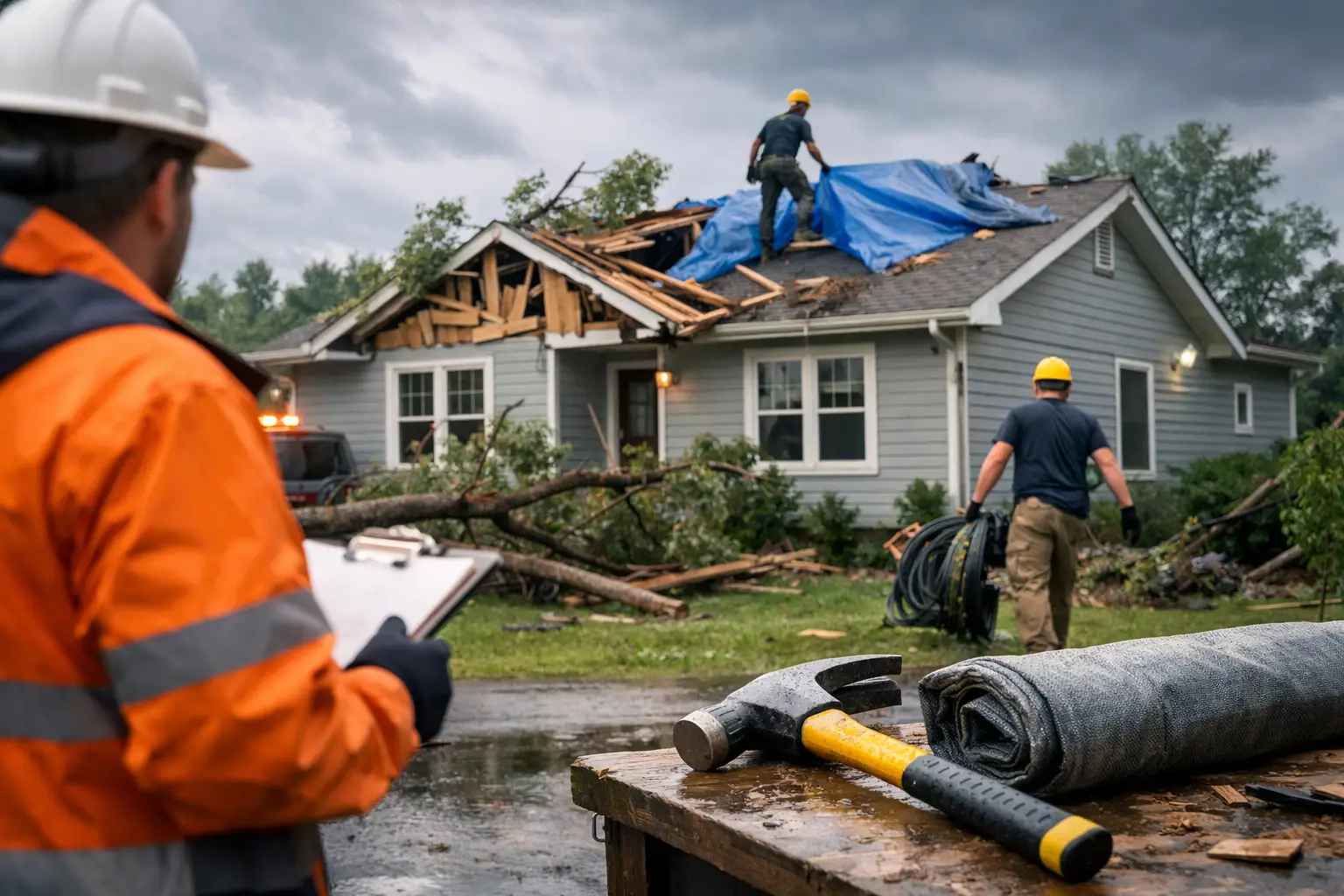 Storm
StormEmergency board-up, roof tarping, and full recovery after wind, hail, and storms.
Learn more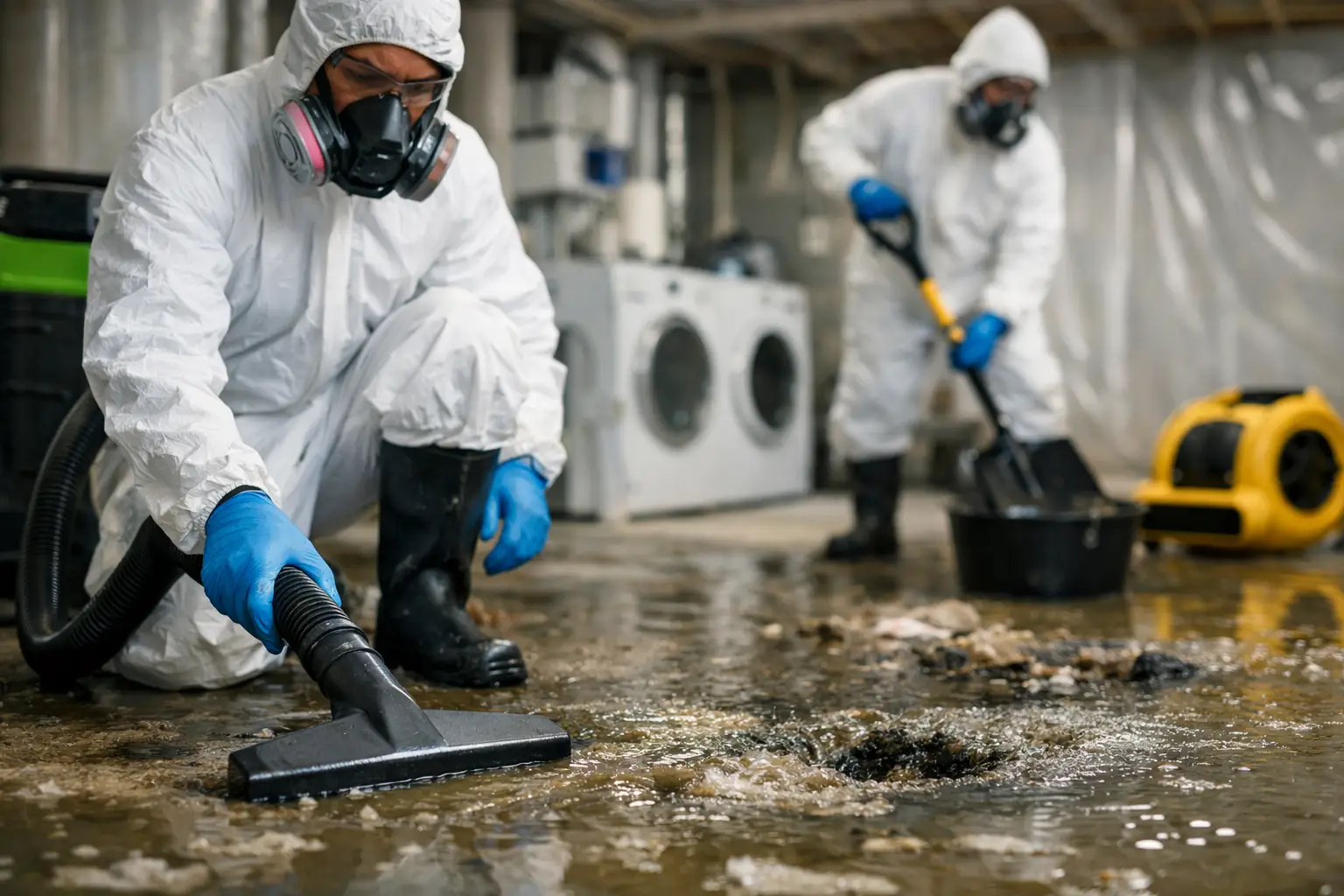 Sewage
Safe biohazard cleanup and sanitizing after sewage backups and overflows.
Learn more Reconstruction
Full rebuild by a licensed general contractor, so your property comes back whole.
Learn moreElevated Operations is an IICRC-certified, licensed general contractor based in Mableton that handles the entire recovery in-house, so after one loss you are never coordinating a cleanup crew, a mold crew, and a contractor separately. One team, one point of contact, from the first pump-out to the final coat of paint.
People call when the property feels like a disaster. They leave reviews because Chris and the crew made it right. These are real, verified Google reviews.
I start with the source of the water, then move to water extraction, drying equipment, and moisture control. Airport-edge bungalows often have tighter rooms and older finishes, so I watch how moisture travels into walls, floors, and trim. The goal is to stop spread quickly, document the loss clearly, and keep the claim clean for insurance review.
Cost depends on what is wet, how much water extraction is required, whether containment is needed, and how long structural drying takes. A small leak and a whole-room event are not the same job. Near Delta HQ, speed matters too, because delays usually mean more drying equipment and more material loss.
Often, yes, if the water damage is sudden and accidental and the policy applies. Dehumidification, water extraction, and structural drying are part of mitigation, which is meant to limit further damage. I document the work carefully, then bill the carrier directly so the file shows why each step was necessary.
If it is safe, stop the source of water, avoid standing water, and keep people out of the affected area. Do not start tearing materials out yourself unless there is an immediate safety issue. I respond 24/7, and I want the scene preserved enough to document the claim properly.
Deductibles are the policyholder’s part of the claim. I explain deductible assistance up to $1,000 on eligible work so the owner knows what is covered in the mitigation process. It is handled transparently, with the insurance paperwork kept separate from the homeowner’s share of the loss.
Yes. Water damage close to the airport corridor can spread fast, especially in compact homes and busy properties. I respond with loss mitigation, containment, and structural drying, then document the work for insurance. The point is to keep the damage from getting larger while the claim is being opened.
Older homes can hide moisture in cavities, under floors, and behind trim, so I document the wet areas carefully and use the right drying equipment. IICRC-certified technicians, direct insurance billing, and clear photos help the adjuster understand the scope. That matters when the property has layered finishes or prior remodels.
Yes. I run Elevated Operations, LLLP from Mableton and serve Hapeville in Fulton County along with surrounding Metro Atlanta counties. I have been in restoration since 2007, and I am a licensed general contractor. If you need water mitigation services, call (770) 404-6895.
Elevated Operations dispatches IICRC-certified crews across Metro Atlanta from our Mableton base, with a 60-minute emergency response day or night. Choose your city:
Call now for an immediate response, or request your free inspection and get a certified crew on-site within the hour across Atlanta and nearby areas.