24/7 Emergency Restoration · Serving Metro AtlantaEmergency? (770) 404-6895

Mold removal services Marietta homeowners call us for are priced by what the job actually needs, not by a guess. I look at access, spread, containment, and any mold damage repair, then I explain what insurance may cover, how deductibles work, and whether direct billing fits the claim.
IICRC-Certified · 5-Star Rated · 60-Minute Response · Insurance Billed Directly
Then I build the scope around what the policy supports and explain the rest clearly. No drama. No guessing.
Yes. I document the loss, explain the scope, and offer direct insurance billing so the claim stays organized.
Plaster, older finish layers, and hidden moisture paths. Those homes need careful containment and a cleaner repair plan.
It can affect the scope if water keeps coming back. If the source is active, the job is bigger than a surface cleanup.
Mold removal services in Marietta are priced by scope, not by a one-size-fits-all number. I look at where the mold is, how far it spread, what needs containment, and whether mold cleanup includes damaged materials or only the visible growth.
In older Marietta homes near the Historic Square, plaster walls and mixed-age finishes can change the job fast. A simple surface issue is one thing. Mold inside plaster, behind trim, or around a damp crawlspace is another. That changes the labor, setup, and the amount of mold remediation needed.
Kennesaw Mountain runoff is part of the local picture too. Water tracks downhill, settles, and keeps feeding a problem if the source is not addressed. I price based on what has to be opened, cleaned, contained, and dried, because mold cleanup that ignores the moisture source is wasted money.
I do not throw out numbers I cannot defend. I inspect the space, note the access, and explain where the cost pressure comes from. If the work needs air scrubbing, hepa vacuuming, or follow-up mold abatement, I say so plainly before anything starts.
Mold removal services usually include inspection, containment, removal of affected materials where needed, mold cleanup, and final cleaning of the work area. If conditions call for it, I also use air scrubbing and hepa vacuuming so the contaminated space is handled correctly.
For Marietta properties, that often means checking around basements, crawlspaces, attic framing, and older plaster assemblies near the Square. The goal is not to wipe one surface and call it done. Mold remediation has to deal with the area where spores are active and the surfaces holding them.
Containment matters in lived-in homes. If a bedroom, hall, or bathroom is affected, I isolate the work zone so the cleanup does not spread through the house. That is especially important in tighter floor plans where dust and debris move quickly from one room to the next.
When the damage is more than cosmetic, mold damage repair may be part of the scope. I am a licensed general contractor, so I can address the restoration side after the cleanup. That keeps the job from stopping halfway, which is where many claims and homeowners get stuck.
Insurance may cover mold damage repair when the mold comes from a covered water loss, but the policy decides what applies. I help homeowners in Marietta read the claim, document the damage, and understand what the carrier may pay versus what stays with the deductible.
That distinction matters. Insurance companies usually focus on the water event first, then the resulting damage. If a pipe burst, roof leak, or other covered loss led to the mold, the claim may include parts of the cleanup and some repair work. The details come from the policy, not my guess.
Historic Square homes can have plaster, lath, and finish materials that are harder to match or restore. That does not change the policy rules, but it does change the scope. When I write the job, I separate the cleanup from the mold damage repair so the claim is easier to understand.
I also offer direct insurance billing, which keeps the paperwork moving. That matters when a homeowner is already dealing with a wet house, a dry-out, and the pressure of making a claim work. Clear documentation is the difference between a smooth file and a stalled one.
A deductible is the part of the loss the homeowner pays before insurance contributes. In Marietta, I explain it upfront, and I can provide deductible assistance up to $1,000 when the job and claim qualify. That helps keep the process manageable without guessing at the paperwork.
People often ask whether the deductible is part of the cleanup bill or the insurance side. It affects both. If the claim is approved, the carrier applies the deductible before payment. That is why I talk through the claim structure before the work moves forward.
I do not pad a file to make the numbers look better. I document the mold inspection, the affected areas, and the work needed for mold remediation. If the scope includes containment, air scrubbing, or hepa vacuuming, those line items have to make sense with the loss itself.
In practice, deductible help can reduce the stress of starting the job after a water event. But it does not replace a policy decision. It simply helps bridge the gap so the homeowner can move from damage to recovery without dragging the project out for weeks.
No. Mold removal services clean the growth and affected materials, but the source has to be found and fixed separately. In Marietta, that source is often water intrusion from runoff, roof leaks, plumbing, or crawlspace moisture that keeps feeding the problem.
This is where a lot of bad work starts. If the stain is cleaned but the leak stays active, the mold can come right back. Near Kennesaw Mountain and the lower slopes around town, water management matters. A damp wall is not a cleanup issue only, it is a moisture issue first.
That is why I push mold inspection before people spend money chasing the wrong room. A basement corner, a plaster ceiling, or a hallway wall may show the symptom while the source sits elsewhere. Good mold remediation starts with the cause, not the smell.
If the structure needs mold damage repair after the cleanup, I handle that too. I am a licensed general contractor, and I have been in restoration since 2007. I know how to close the loop so the property is left stable, not just wiped down.
You need mold removal services when you see growth, smell a musty odor that will not go away, or have water damage that sits too long. In Marietta, I pay special attention to plaster cracking, damp basements, and runoff-fed areas near the mountain.
Mold starts in 24 to 48 hours after a water event, so waiting is the expensive choice. If a room stayed wet after a leak, or if condensation keeps showing up on the same wall, a mold inspection is the right move before the problem spreads.
The historic housing stock around the Square can hide moisture inside layers of finish, behind trim, and in older wall assemblies. You may not see much on day one. But the smell, the staining, or repeated dampness tells me the issue deserves immediate mold cleanup and review.
I respond 24/7 and aim for a 60-minute emergency response because water does not respect office hours. If the situation is active, I can assess containment, start air scrubbing if needed, and explain whether the job is cleanup only or full mold abatement.
I price by the actual damage, not by a generic package. Access, containment, and whether mold damage repair is needed all change the job.
If mold follows a covered water loss, the carrier may pay part of the work. The policy language decides, not a headline or assumption.
I offer direct insurance billing so the claim paperwork stays organized while the cleanup moves forward.
When the job and claim qualify, I can help with the deductible up to $1,000 to reduce the upfront strain.
A clean mold inspection, clear photos, and a written scope help the adjuster understand what was affected and what has to be restored.
From emergency mitigation to full reconstruction, handled in-house so you are never managing a chain of subcontractors mid-crisis.
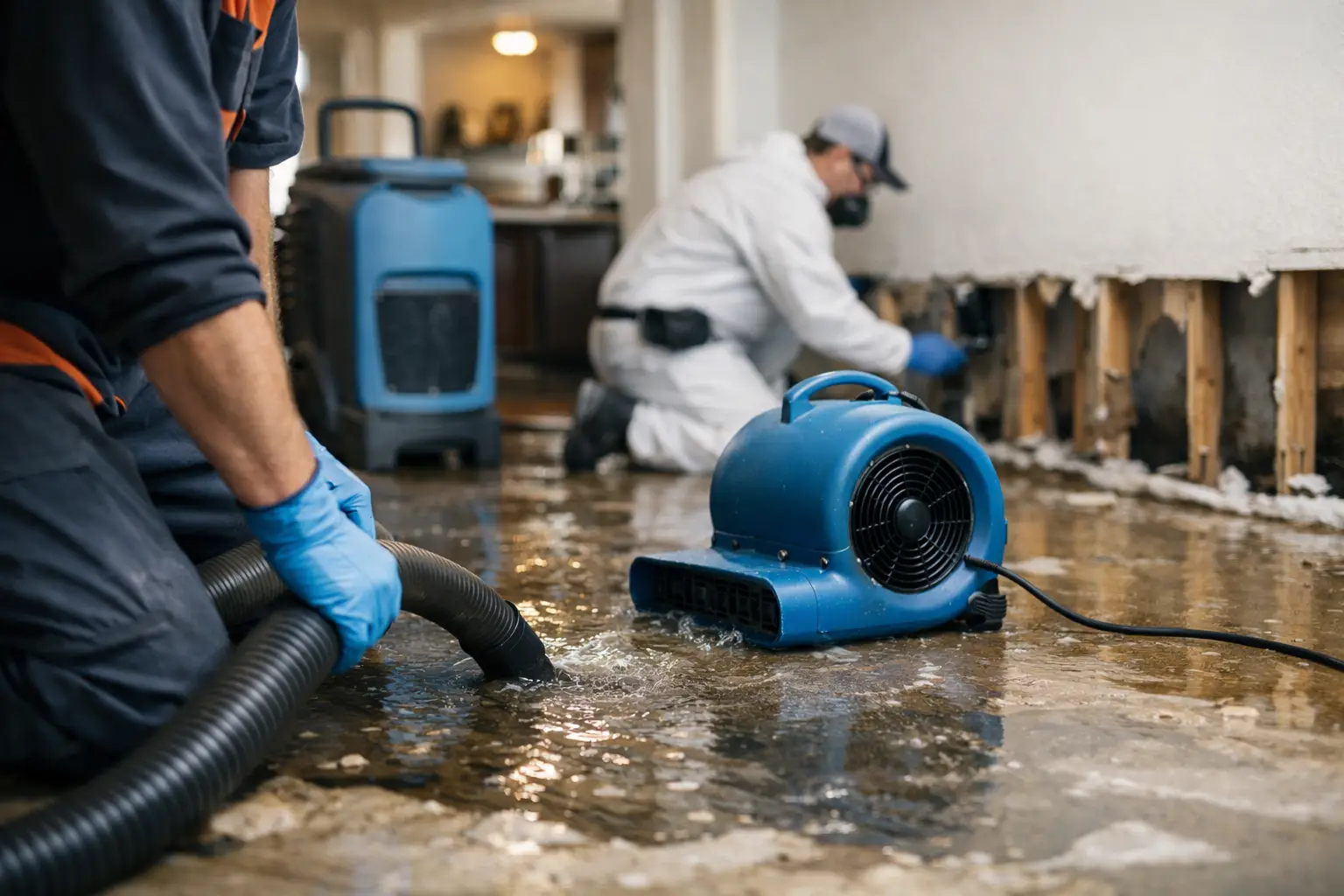 Water Damage
Extraction, structural drying, and moisture mapping after floods, leaks, and burst pipes.
Get help now Fire & Smoke
Soot removal, odor deodorization, and content cleaning after fire and smoke damage.
Learn more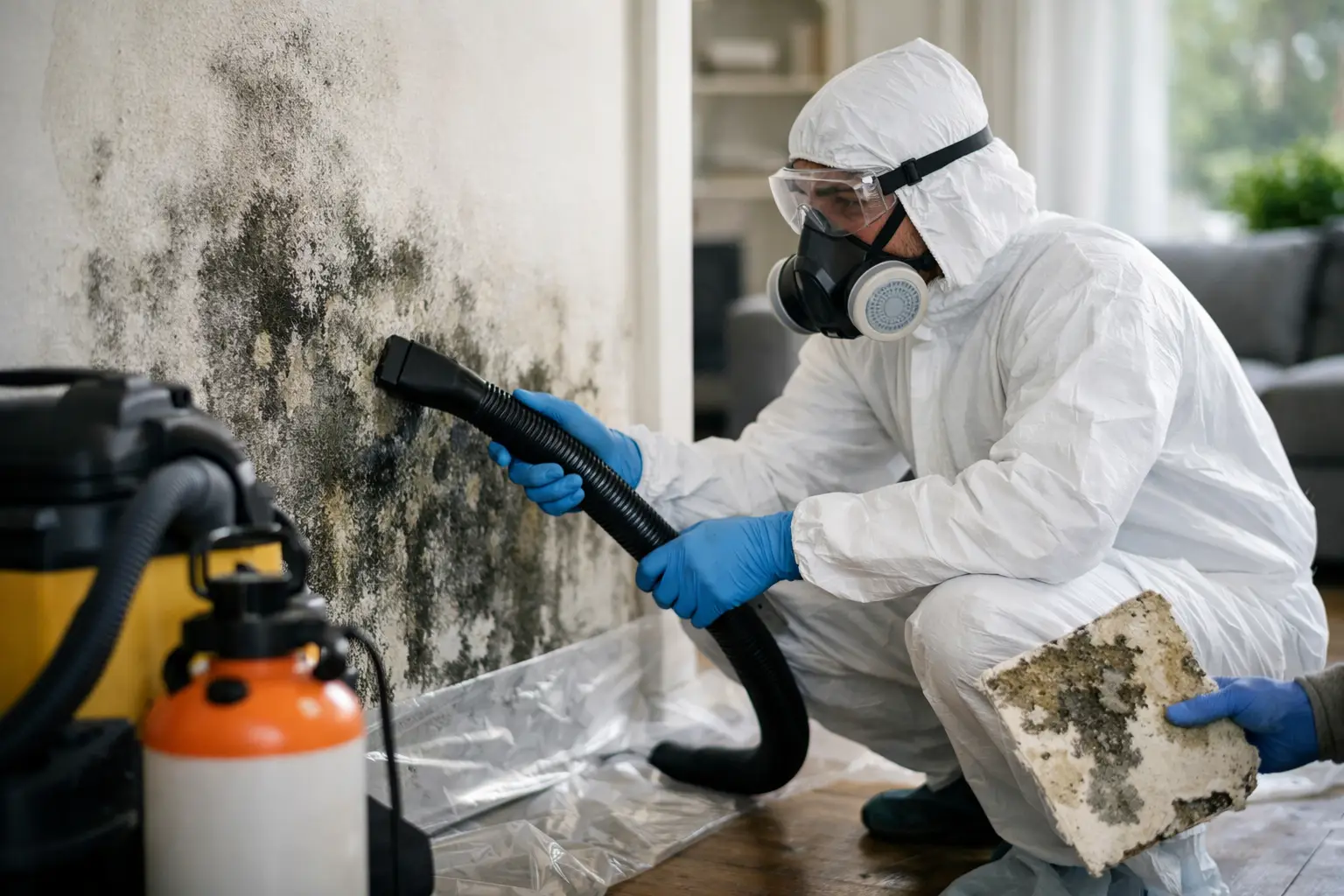 Mold
MoldContainment, removal, and moisture control that stops mold from coming back.
Learn more Storm
StormEmergency board-up, roof tarping, and full recovery after wind, hail, and storms.
Learn more Sewage
Safe biohazard cleanup and sanitizing after sewage backups and overflows.
Learn more Reconstruction
Full rebuild by a licensed general contractor, so your property comes back whole.
Learn moreElevated Operations is an IICRC-certified, licensed general contractor based in Mableton that handles the entire recovery in-house, so after one loss you are never coordinating a cleanup crew, a mold crew, and a contractor separately. One team, one point of contact, from the first pump-out to the final coat of paint.
People call when the property feels like a disaster. They leave reviews because Chris and the crew made it right. These are real, verified Google reviews.
Usually it can, because plaster often takes more care, more containment, and sometimes more mold damage repair than a straightforward drywall section. I price the work by the actual access and the amount of material affected, not by the address alone. Historic finishes near the Square deserve a slower, cleaner approach.
Not automatically. Insurance may respond to a covered water event, but repeated moisture from drainage or runoff can become a maintenance issue, and policies treat that differently. I help document the condition, explain the claim, and separate cleanup from the source fix so the file is clear.
Have the water-loss details, photos if you have them, and access to the affected rooms. I handle the direct insurance billing side, but the carrier still needs a clean record of what happened. A timely mold inspection and a clear scope make the claim easier to process.
Yes, if the moisture source is still active. Mold abatement removes the existing growth, but the house has to stay dry. In older homes with plaster, basements, or crawlspaces, I always look for what keeps feeding the problem so the cleanup does not get undone.
Right away. Mold starts in 24 to 48 hours after water exposure, and older plaster or trim can trap moisture faster than people expect. I respond 24/7 and can get there with a 60-minute emergency response to assess the damage and start containment if needed.
It helps, but it does not decide coverage by itself. A mold inspection shows the damage and likely scope, while the policy determines what the carrier pays. I use the inspection to document the loss clearly so the insurance side has facts instead of speculation.
Claims stall when the cause, the damage, and the needed repairs are not separated cleanly. If the file mixes cleanup, containment, and mold damage repair without clear documentation, the adjuster has more questions. I keep the scope organized so the process moves with less back-and-forth.
Yes. That kind of pattern is common enough around Marietta to take seriously. I check the wet area, document the mold remediation needs, and explain whether the issue is confined or spread. Then I help with the insurance side if a claim is appropriate.
Elevated Operations dispatches IICRC-certified crews across Metro Atlanta from our Mableton base, with a 60-minute emergency response day or night. Choose your city:
Call now for an immediate response, or request your free inspection and get a certified crew on-site within the hour across Atlanta and nearby areas.