24/7 Emergency Restoration · Serving Metro AtlantaEmergency? (770) 404-6895
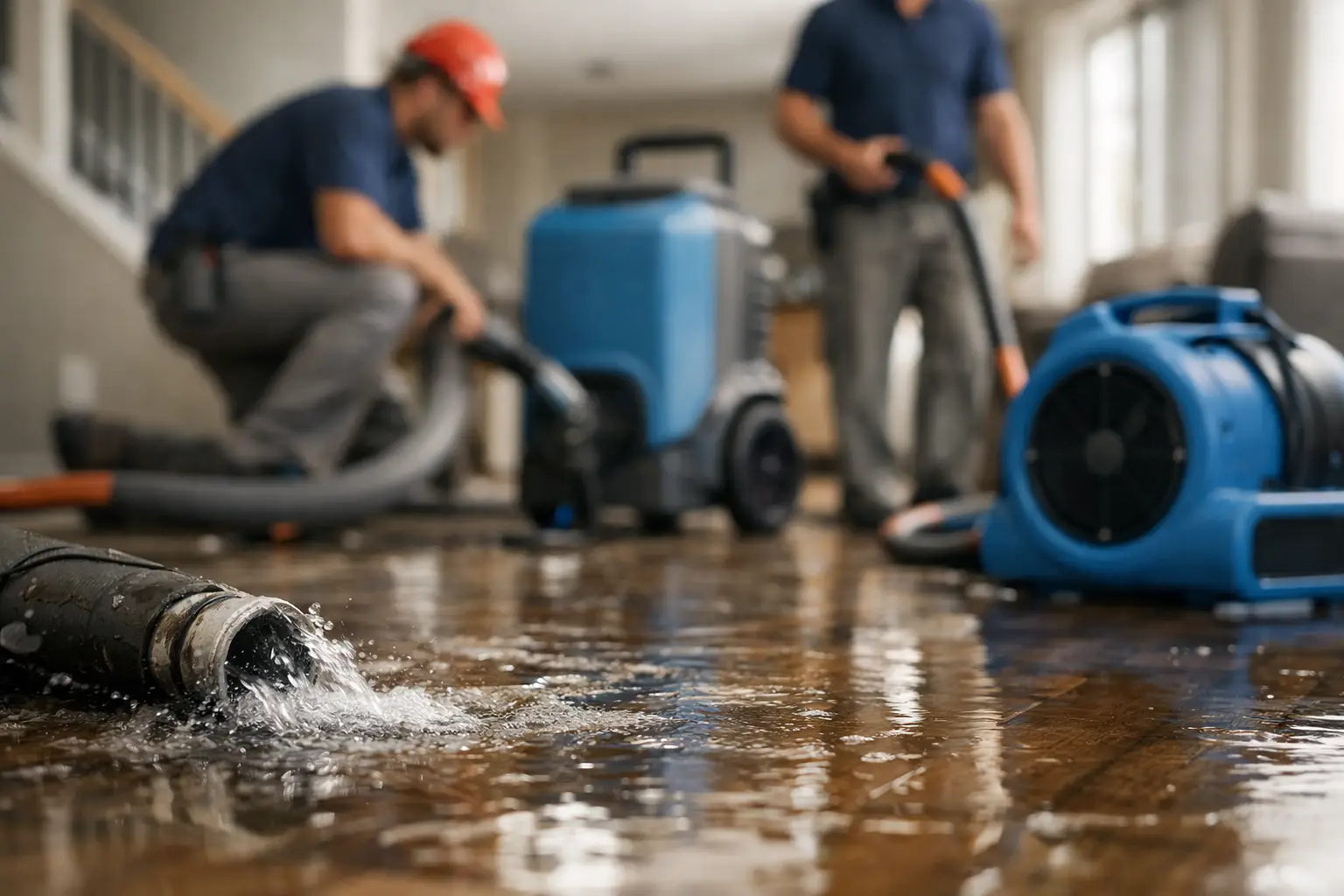
Contents cleaning and restoration in Forest Park is the process I use to save furniture, electronics, documents, and personal property after fire, water, or contamination. In Forest Park, post-war homes, airport traffic, and industrial exposure can leave contents coated, damp, or odor-heavy, and quick professional handling changes what can be saved.
IICRC-Certified · 5-Star Rated · 60-Minute Response · Insurance Billed Directly
Yes. I provide 60-minute emergency response 24/7, and that speed matters when soot, water, or odor can keep spreading.
Yes. I offer direct insurance billing and deductible assistance up to $1,000, which helps simplify the paperwork and the cash flow.
I see that often in Forest Park. Dust, residue, and odor can settle into belongings even when the structure damage looks limited, so a full contents review is smart.
Call (770) 404-6895. I’ll help assess the contents, explain what can be cleaned or dried, and decide whether pack out services make sense.
Contents cleaning and restoration in Forest Park is the careful cleaning, drying, deodorizing, and recovery of items inside a damaged property, from furniture to electronics and documents. I treat it as a preservation job first, because fast handling can stop corrosion, staining, and odor from setting in.
In practical terms, contents cleaning is what happens after the structure is stabilized. I separate salvageable items, document their condition, and decide what needs furniture cleaning, electronics cleaning, odor removal, or full personal property restoration. That matters in Forest Park, where homes often mix older finishes with newer household equipment.
Forest Park has a strong post-war housing character, and those homes were not built with today’s moisture control or storage habits in mind. When a supply line bursts, smoke drifts through a house, or stormwater enters a room, contents absorb the damage faster than people expect, especially soft goods and paper items.
I run Elevated Operations out of Mableton, and IICRC-certified technicians handle the cleaning side with a process, not guesswork. Some items can be dried and restored on site. Others need pack out services so I can clean, sort, and protect them away from the damaged area while the structure is being repaired.
Forest Park properties often need contents cleaning and restoration because smoke, water, and contamination move quickly through homes near major traffic, airport activity, and industrial corridors. Dust, soot, and moisture settle into textiles, appliances, and paper goods, which means contents can look worse than the structure itself.
Forest Park sits close to airport and industrial activity, and that environment changes how contamination behaves inside a property. Fine particles and odor can cling to drapes, upholstery, clothing, and cabinets. If a fire occurs, smoke residue can travel farther than the burn area, which is why odor removal is such a big part of the job.
Older post-war homes in the city also create a different contents problem. Narrow closets, original wood furniture, and mixed generations of belongings mean one leak can affect many items at once. I see this most when water runs under beds, into dressers, and across stored boxes before anyone notices the issue.
Businesses need it too. Offices, clinics, and small shops near commercial corridors can lose records, inventory, and electronics in one event. Direct insurance billing helps on the front end, but the real work is identifying what can be recovered, what must be documented, and what should be dried immediately to prevent long-term loss.
Smoke damaged contents get cleaned by separating items by material, testing what can be safely recovered, and using controlled cleaning methods for soot, odor, and residue. I start with the worst contamination first, because smoke particles can keep spreading if you move dirty items without the right sequence.
Smoke is not just dirt. It includes corrosive residue, oily particles, and odor compounds that keep working on a surface after the fire is out. That is why content cleaning after a fire has to be deliberate. Soft goods, hard surfaces, and electronics all need different methods, and some items need more than one pass.
I look at textiles, wood, glass, and electronics separately. Furniture cleaning may involve agitation, HEPA vacuuming, and controlled washing. Electronics cleaning is more limited and depends on the contamination level, because soot and moisture can damage internal components fast. If the item is salvageable, speed matters more than guesswork.
Odor removal is its own step. A clean-looking item can still hold smoke smell, especially in Forest Park homes with closed rooms and older ventilation paths. I use the right process for the material, then verify that the smell is not just hidden by fragrance. That is the difference between cleaning and real restoration.
Yes, many damaged contents can be restored after a fire or flood if they are treated quickly and handled correctly. The biggest factors are the type of damage, how long items sat wet or smoky, and whether corrosion, mold, or staining has already started.
After a flood, the clock matters. EPA guidance says mold starts in 24 to 48 hours, and that is why I push for fast content drying and sorting. Paper goods, upholstery, and composite furniture can deteriorate quickly once moisture gets inside. The longer they sit, the less likely they are to come back.
After a fire, heat and soot do damage in different ways. A metal lamp might be cleanable, while a laminated table may have warped edges or smoke trapped inside the seams. IICRC-certified technicians know how to evaluate each item before deciding on restoration, disposal, or controlled storage during repairs.
In Forest Park, flood and fire losses often affect more than one room because homes may have tight floor plans and lots of stored belongings. Pack out services can be the difference between saving and losing contents. Moving items out for controlled cleaning gives me a better shot at recovery and helps prevent secondary damage.
Many items can be saved during content restoration, including furniture, hard goods, some electronics, artwork, and important documents if they are treated properly. The item’s material, contamination level, and time since damage determine whether cleaning, drying, or specialized recovery will work.
Furniture is often recoverable when the structure itself is sound. Wood pieces may need careful cleaning and drying, while upholstered items need deeper evaluation because foam and fabric trap moisture, soot, and odor. I do not assume a couch is gone just because it looks bad. I inspect it first.
Electronics are more complicated. Some devices can be cleaned if the exposure was limited and the internal damage is not severe. Others are too risky to save. That is why electronics cleaning requires caution and why I treat cords, power strips, monitors, and small appliances separately instead of lumping them together.
Documents and photos can sometimes be saved with document drying and careful handling. That work is time-sensitive and clean-room style, because wet paper tears easily. In homes near Fort Gillem and older rental stock, I also see stored keepsakes, military memorabilia, and family records that deserve a real salvage attempt.
The restoration process starts with inspection, then sorting, pack out services if needed, cleaning, drying, deodorizing, and final return of the recovered items. I keep the sequence tight so contamination does not spread and so each object gets the right method from the beginning.
First I assess the contents and decide what can stay in place and what needs removal. Then I document condition, tag items, and separate salvageable property from items that are beyond repair. That first decision point matters because a dirty item stored beside a clean one can cross-contaminate the whole job.
If the loss is large, I use pack out services to move contents to a controlled environment. There, content restoration can include washing hard goods, furniture cleaning, odor removal, and drying. In a water event, the timing of that move affects whether paper, fabric, and wood can be stabilized before mold or corrosion takes hold.
Finally, the items are tracked and prepared for return after structural work is complete. I am a licensed general contractor, so I understand the larger repair picture too. A good contents job does not just clean things, it organizes recovery so homeowners and businesses can get back to normal with fewer surprises.
Smoke, water, and odor can be severe without destroying the item itself. I evaluate the material, the exposure, and how fast the loss was handled before I decide whether cleaning or replacement makes sense.
Water and soot keep working after the event. Once moisture sits long enough, mold and corrosion start to complicate recovery, and paper, fabric, and electronics all become harder to save.
Furniture cleaning, electronics cleaning, and document drying are not the same task. Good content restoration depends on separating items correctly and using the right process for each one.
When a home is full of contamination, moving belongings out for controlled cleaning helps prevent secondary damage. That matters in Forest Park homes with tight storage spaces and crowded rooms.
Direct insurance billing and organized item tracking make the claim process clearer. I document the contents, the damage, and the recovery path so the file reflects what was actually saved.
From emergency mitigation to full reconstruction, handled in-house so you are never managing a chain of subcontractors mid-crisis.
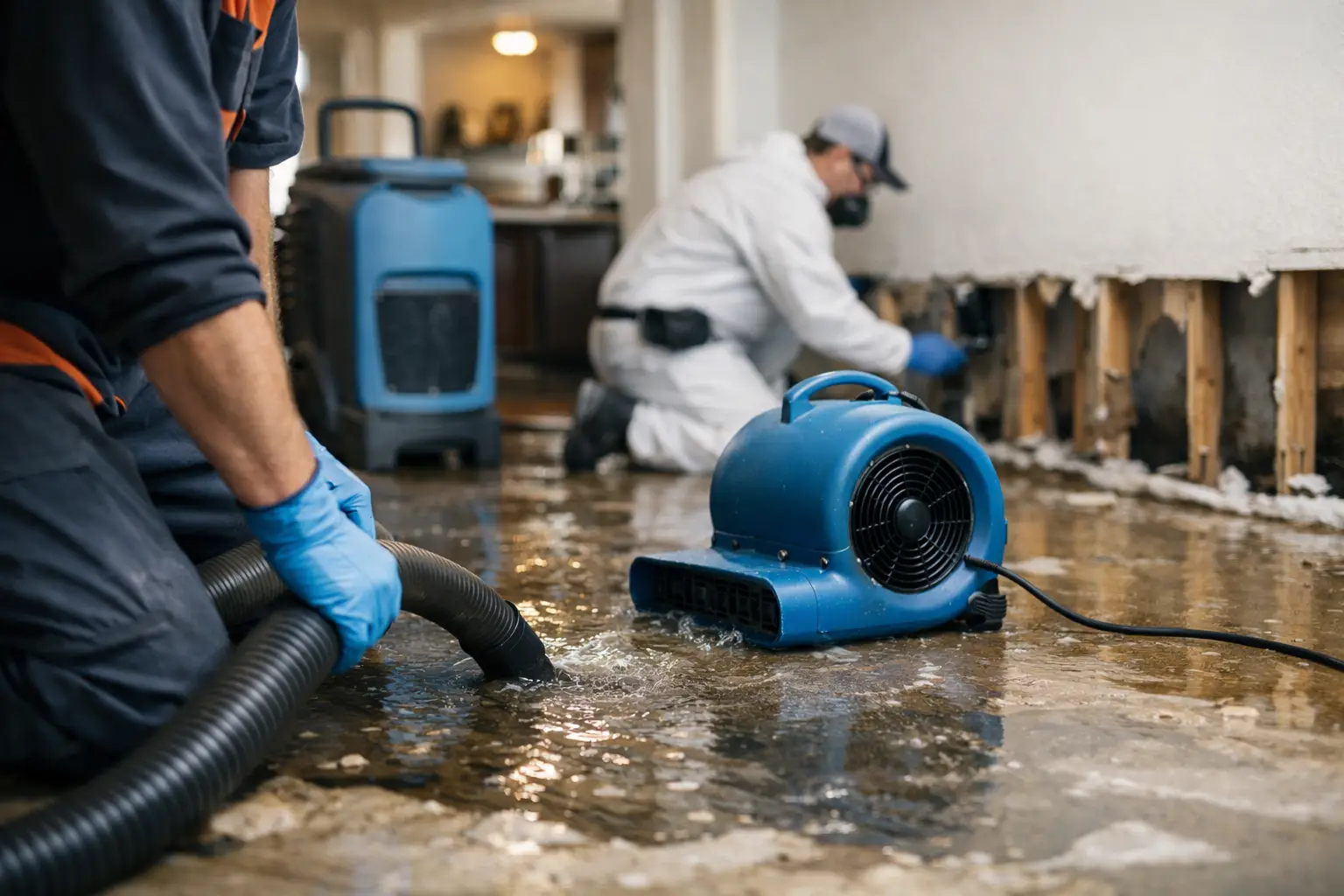 Water Damage
Extraction, structural drying, and moisture mapping after floods, leaks, and burst pipes.
Get help now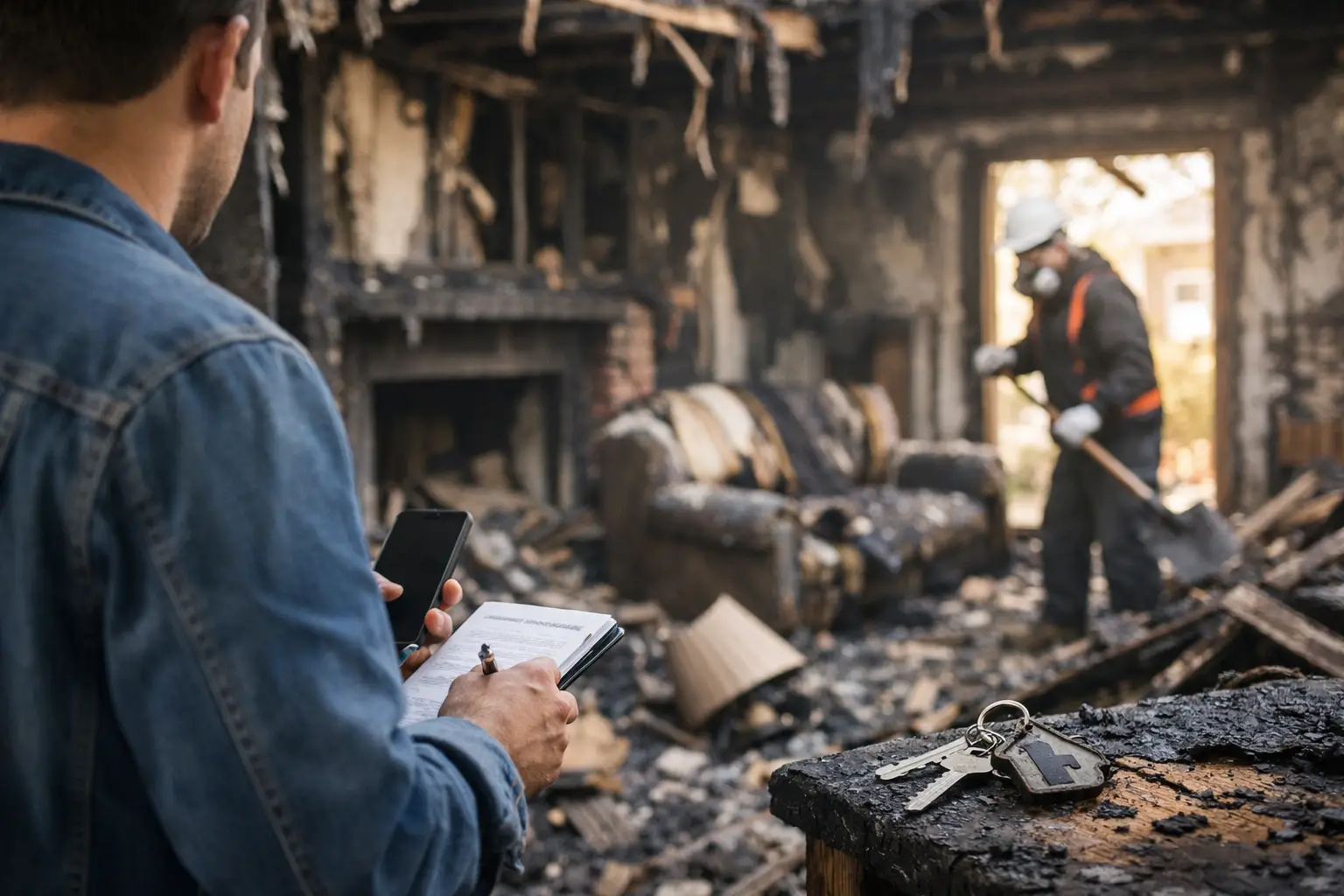 Fire & Smoke
Soot removal, odor deodorization, and content cleaning after fire and smoke damage.
Learn more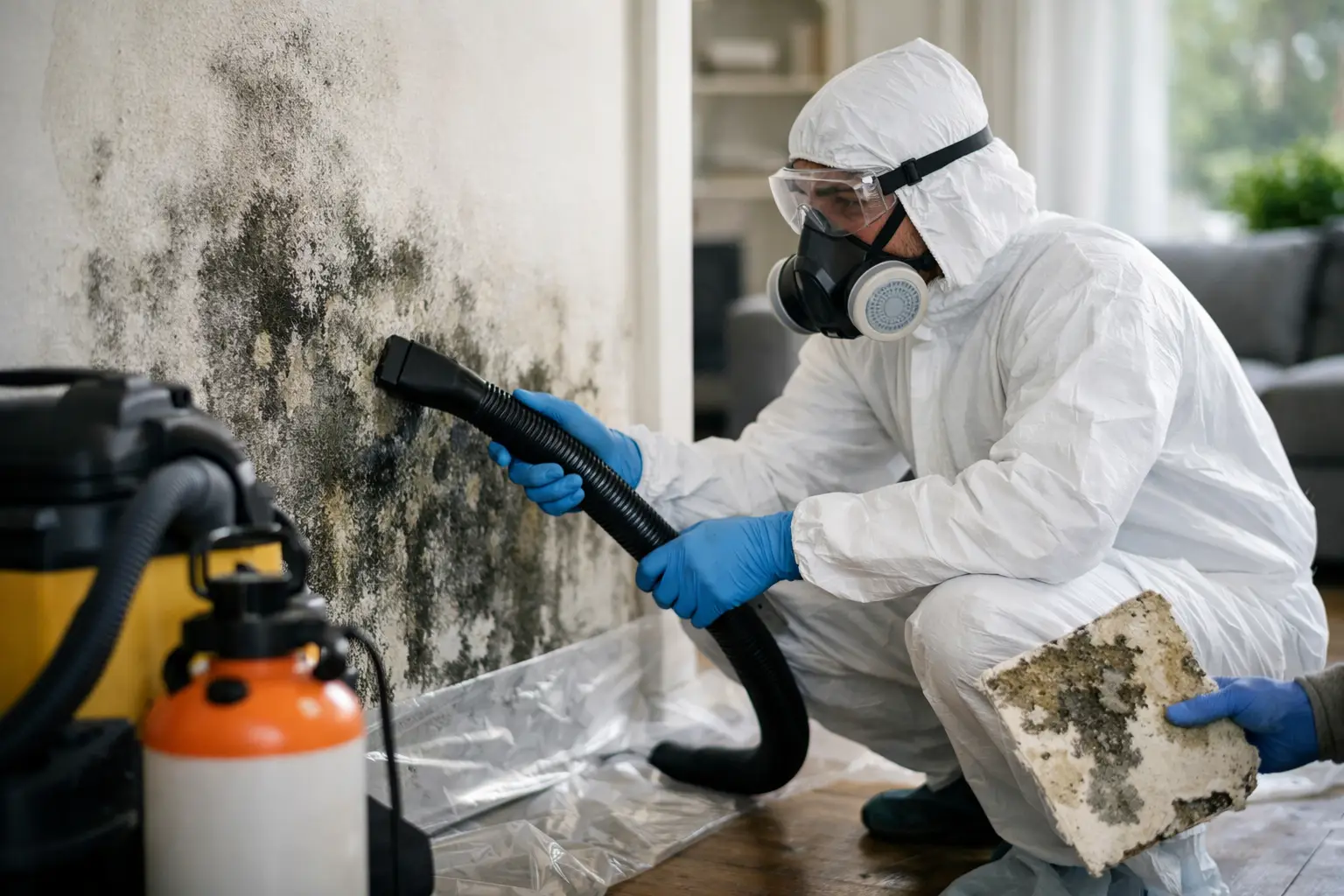 Mold
MoldContainment, removal, and moisture control that stops mold from coming back.
Learn more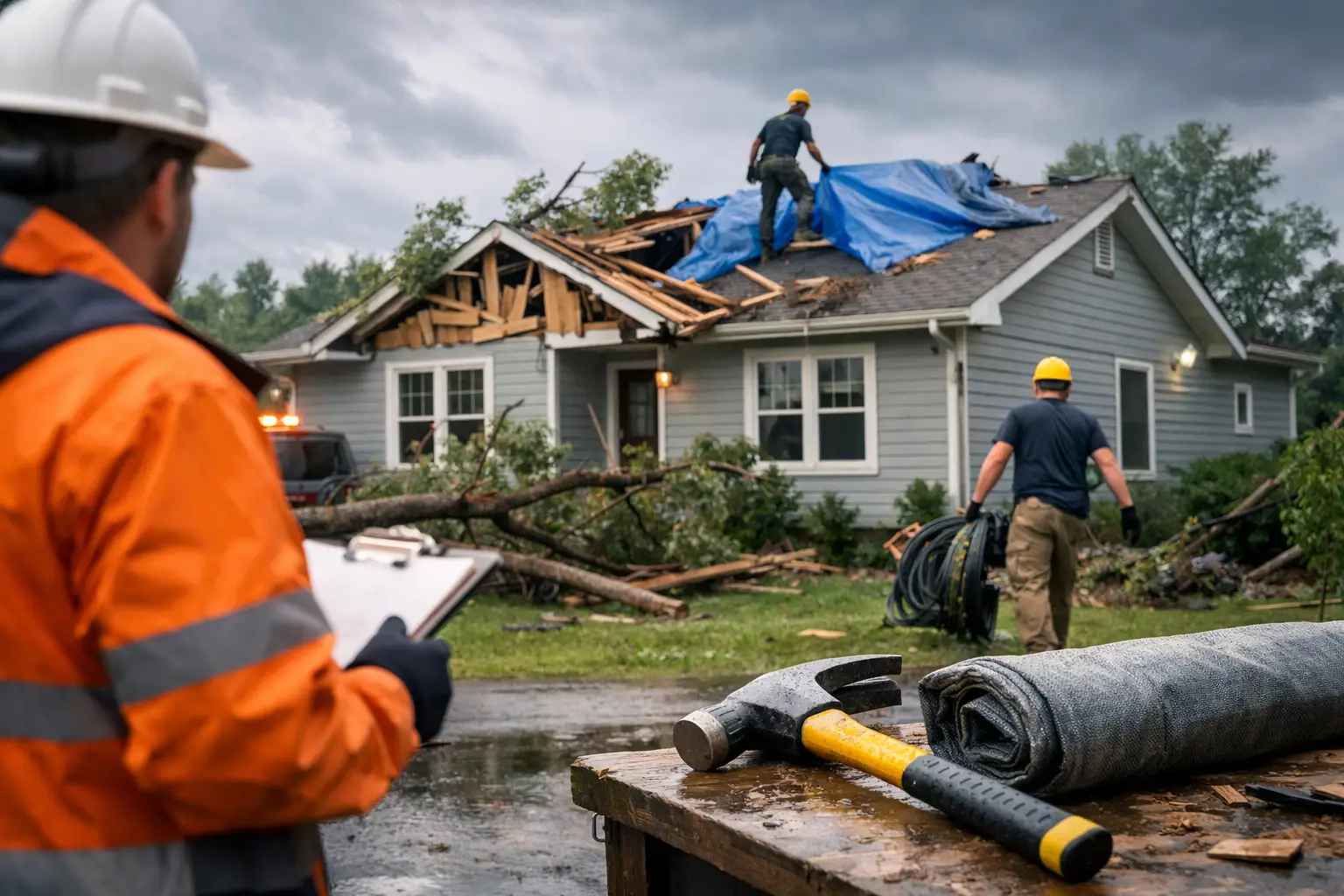 Storm
StormEmergency board-up, roof tarping, and full recovery after wind, hail, and storms.
Learn more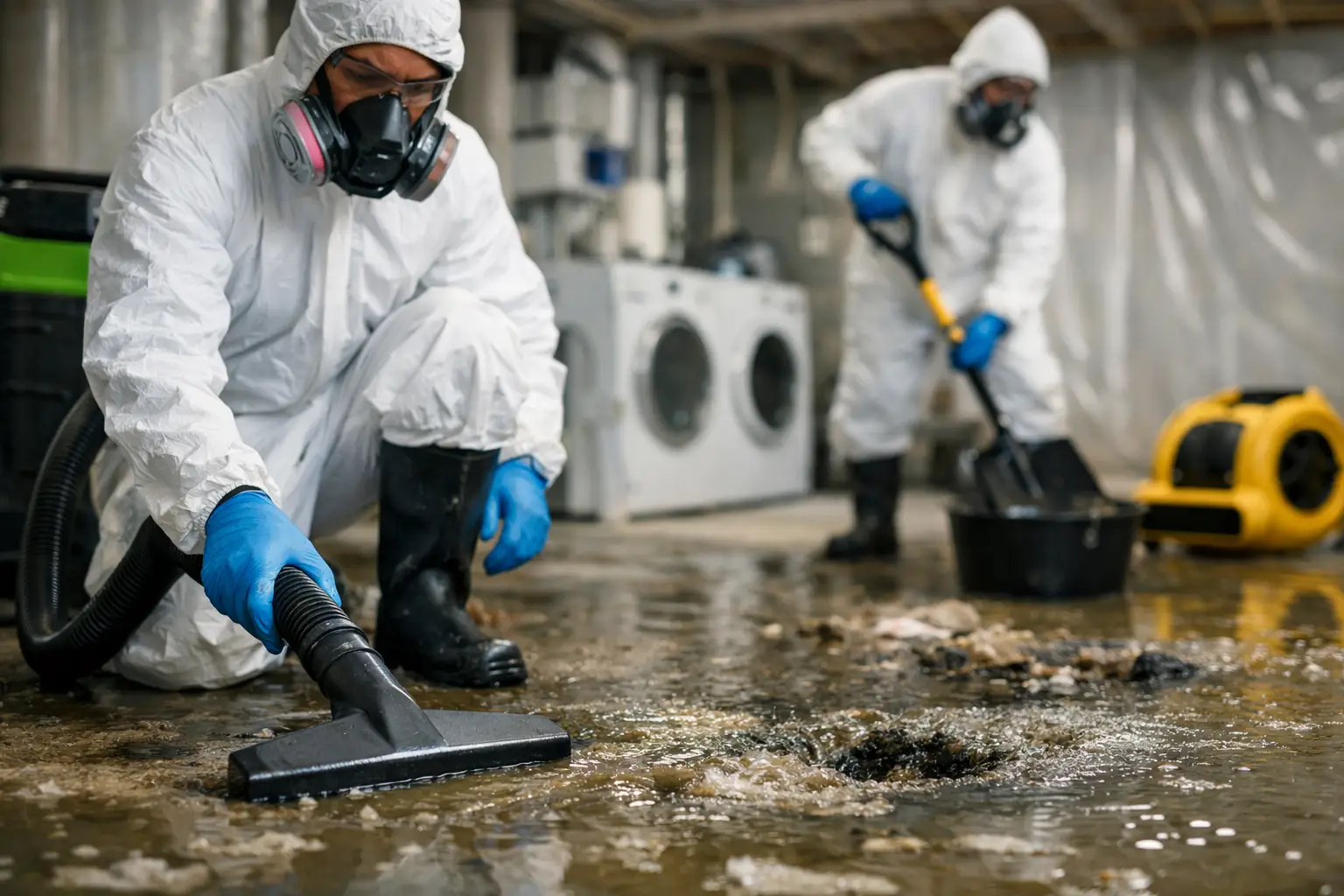 Sewage
Safe biohazard cleanup and sanitizing after sewage backups and overflows.
Learn more Reconstruction
Full rebuild by a licensed general contractor, so your property comes back whole.
Learn moreElevated Operations is an IICRC-certified, licensed general contractor based in Mableton that handles the entire recovery in-house, so after one loss you are never coordinating a cleanup crew, a mold crew, and a contractor separately. One team, one point of contact, from the first pump-out to the final coat of paint.
People call when the property feels like a disaster. They leave reviews because Chris and the crew made it right. These are real, verified Google reviews.
I start by identifying which items carry residue and which ones can stay in place. Then I separate hard goods, textiles, and electronics, because airport soot and industrial dust behave differently on each surface. The goal is to stop spread, remove contamination, and save as much as possible before the residue becomes permanent.
Often, yes. Post-war homes can hold a surprising amount of salvageable furniture, documents, and household goods if the work starts quickly. Fire damage brings soot and odor, while flood damage brings moisture and mold risk. I evaluate the item, the material, and the time since exposure before deciding whether restoration is realistic.
I do not mask smoke with fragrance. I clean the residue first, then address odor removal with a process matched to the material. Upholstery, wood, and electronics all need different handling. If you trap soot or push it deeper into the item, the smell usually comes back when humidity rises.
Furniture, hard household goods, some electronics, photos, and important papers can often be saved if they are treated fast. Items stored in garages, spare rooms, and closets near Fort Gillem or other commercial areas are often more exposed to dust and moisture, so each piece has to be checked individually.
I use pack out services when the structure is too contaminated, too wet, or too crowded for safe on-site work. Moving contents into a controlled setting gives me room for cleaning, drying, and sorting. It also protects salvageable items from ongoing smoke, moisture, or debris inside the building.
I isolate electronics quickly and inspect the exposure level before any cleaning happens. Moisture and soot can damage internal parts, so not every device should be powered on or tested right away. Some items can be recovered, others cannot, and the decision depends on contamination, corrosion, and safety.
Older homes often have original wood pieces, mixed storage habits, and tighter rooms where smoke or water gets trapped. Furniture cleaning has to account for finishes, joints, upholstery, and hidden moisture. A surface may look fine while the padding or seams still hold damage underneath.
I bring IICRC-certified technicians, direct insurance billing, a 12-month warranty, and licensed general contractor knowledge to the job. I’ve been in restoration since 2007, and I handle content restoration with the larger repair picture in mind, not as an afterthought. That approach keeps the recovery organized and practical.
Elevated Operations dispatches IICRC-certified crews across Metro Atlanta from our Mableton base, with a 60-minute emergency response day or night. Choose your city:
Call now for an immediate response, or request your free inspection and get a certified crew on-site within the hour across Atlanta and nearby areas.