24/7 Emergency Restoration · Serving Metro AtlantaEmergency? (770) 404-6895
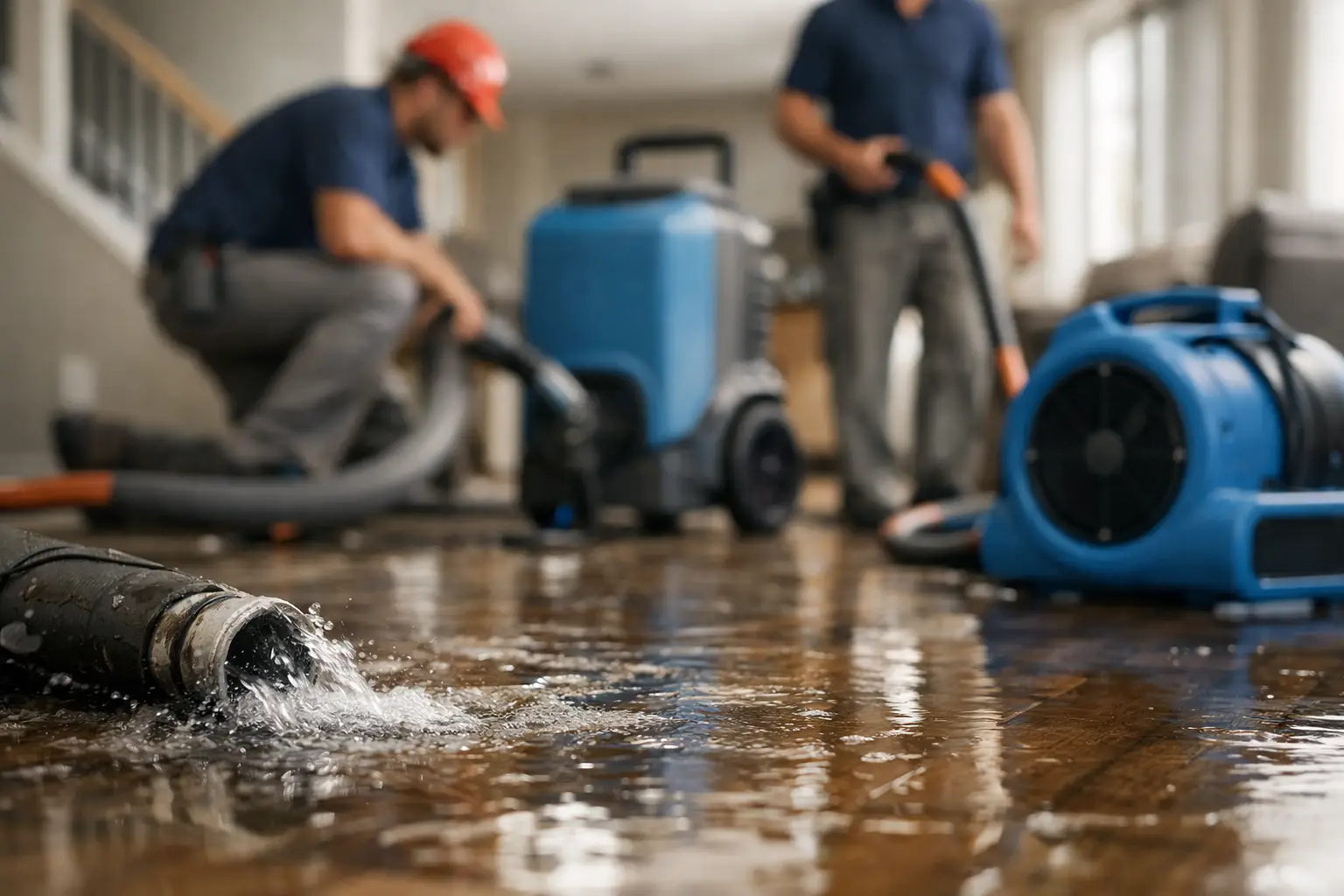
crawl space mold removal in Alpharetta starts with one question, is this a moisture problem, a mold problem, or both. I handle crawl space mold remediation for homes near Avalon, GA-400 townhome clusters, and HOA-managed properties where access, airflow, and moisture control all matter.
IICRC-Certified · 5-Star Rated · 60-Minute Response · Insurance Billed Directly
I handle the crawl space cleanup, moisture control, and the follow-through. If the space is damp, I look deeper than the stain.
I compare the symptoms, check the crawl space conditions, and tell you which problem comes first. That answer changes the fix.
If the crawl space keeps getting wet, encapsulation can beat repeated cleanup. If the space stays dry, I will say so.
IICRC-certified technicians, direct insurance billing, and a 12-month warranty all matter when access is cramped and the job has to be done right.
Repair wins when the structure is sound and the issue is surface fungal growth tied to moisture. Replacement makes sense when wood is too damaged, insulation is failing, or cleanup cannot stop recurring contamination in a tight crawl space.
In Alpharetta, I see this split a lot in newer townhomes near Avalon and older homes closer to the county lines. A crawl space with condensation on framing, a weak vapor barrier, or dirty insulation usually needs crawl space cleanup, wood treatment, and dehumidification, not full replacement.
Replacement is the right call when mold has followed repeated leaks, drainage failures, or long-term wood decay. If the HOA is involved, I care about access, approvals, and what can be documented cleanly. I do not guess. I look at the wood, the air, and the moisture source first.
And that is the comparison that matters. If the damage is limited and the structure is stable, restoration is the smarter lane. If the crawl space is falling apart, replacement stops the churn. I am blunt on that point because wasted money helps nobody.
I remove it by fixing moisture first, then cleaning, treating, and controlling the space. Mold comes back when crews skip dehumidification, leave wet insulation in place, or ignore the vapor barrier and drainage conditions that fed the fungal growth in the first place.
For crawl space mold remediation, I start with containment, then remove contaminated debris, clean affected surfaces, and apply wood treatment where needed. In Alpharetta, that often means work around low-clearance crawl spaces under townhouse rows, where access is tight and the inspection has to be exact.
A pro also looks for the cause, not just the stain. If the crawl space has standing moisture, missing insulation, or an aging vapor barrier, the mold job is incomplete. That is why I push moisture control and dehumidification after cleanup. Without that, the same problem returns.
DIY sounds simple until you are under a house near GA-400 with limited headroom and shared HOA expectations. If the contamination is localized and dry, maybe you can clean the surface. But if the space smells musty, feels damp, or has recurring growth, I want a professional in there.
Moisture causes it, not the mold itself. In Alpharetta crawl spaces, the usual triggers are humid air, plumbing leaks, poor drainage, thin or torn vapor barrier material, and insulation that holds dampness instead of shedding it.
I see the same pattern in Alpharetta over and over. New-build townhomes near Avalon often have tightly sealed envelopes above, but crawl space conditions still change fast when humidity sneaks in. If the space is not managed, condensation collects on framing and the fungal growth starts.
Older homes can have different problems. A failing drain line, exterior grading that pushes water in, or a crawl space cleanup that never included proper moisture control will set the stage. Mold starts in 24 to 48 hours when wet materials are left alone. That is the clock I care about.
So yes, the cause matters more than the stain. Fix the leak, improve drainage, add dehumidification, and install the right vapor barrier if needed. Skip that, and you are just paying to watch the same issue grow back under the house.
Yes, it can. Air moves from the crawl space into the living space, especially when the structure is leaky or the home is tightly built. That makes mold in the crawl space an indoor air issue, not just an under-house issue.
Homes near Avalon and along GA-400 can trap problems in a hurry. A crawl space with musty air, damp insulation, or visible fungal growth can feed odors and particles upward through floors, chases, and gaps. I do not treat that as cosmetic. It is an air quality problem.
This is why crawl space mold remediation has to include the source of the moisture and the cleanup itself. If the air is not controlled, the home keeps pulling bad air from below. Dehumidification, sealed access points where appropriate, and a proper vapor barrier all matter.
And yes, HOA townhomes can make people wait because no one wants to be the first to open a shared issue. That delay does not help indoor air quality. If the crawl space smells off or the floor system feels humid, get eyes on it before the whole home starts carrying that odor.
Encapsulation helps when the crawl space keeps pulling in moisture or the home has repeated mold history. Cleanup alone is enough only when the cause is corrected and the space can stay dry through dehumidification and a sound vapor barrier system.
I compare it this way. Cleanup removes the growth. Encapsulation helps keep the conditions from returning. In Alpharetta, especially around newer developments and HOA-managed properties, that distinction matters because limited crawl space access can make repeat service more expensive than doing it right once.
Not every crawl space needs full encapsulation. But if I see persistent humidity, recurring odor, or wet soil under a home, I lean hard toward stronger moisture control. A proper vapor barrier changes the game when the floor system keeps absorbing damp air.
The verdict is practical, not trendy. If the crawl space is clean, dry, and stable, a targeted repair may be enough. If the space keeps going damp, encapsulation is the smarter comparison winner. I will say that plainly every time.
Choose a pro when the crawl space is damp, the mold keeps coming back, or the job involves insulation, wood treatment, or hidden moisture sources. DIY is only reasonable for tiny, dry, visible spots with no odor and no recurring condition.
I respect a homeowner who wants to fix a small problem. But crawl spaces are not simple. In Alpharetta, many homes have low access, awkward framing, and utility lines packed into tight bays. That makes cleanup harder and increases the chance of missing the cause.
A pro brings IICRC-certified technicians, direct insurance billing, and a process that starts with the moisture source. I am licensed as a general contractor, and I have been in restoration since 2007. That matters when the job crosses from cleaning into structural decisions.
DIY can also spread contamination if someone scrubs dry material without knowing what is actually affected. If the odor is in the floor system or the space needs crawl space mold remediation, I want the work done once and done correctly. Small jobs stay small only when the conditions are controlled.
| Typical Trigger | Water Damage Restoration | Mold Remediation |
|---|---|---|
| Musty smell under a GA-400 townhome | Water issue first, check humidity, leaks, and drainage near the crawl space | Mold cleanup plus wood treatment if growth is visible on joists or framing |
| Wet insulation in an Avalon HOA property | Replace wet materials and fix moisture control before anything else | Remove contaminated insulation, clean the area, then evaluate encapsulation |
| Recurring growth after a previous cleanup | A hidden moisture source is still active, inspect plumbing, grading, and airflow | Full crawl space mold remediation with dehumidification and vapor barrier review |
From emergency mitigation to full reconstruction, handled in-house so you are never managing a chain of subcontractors mid-crisis.
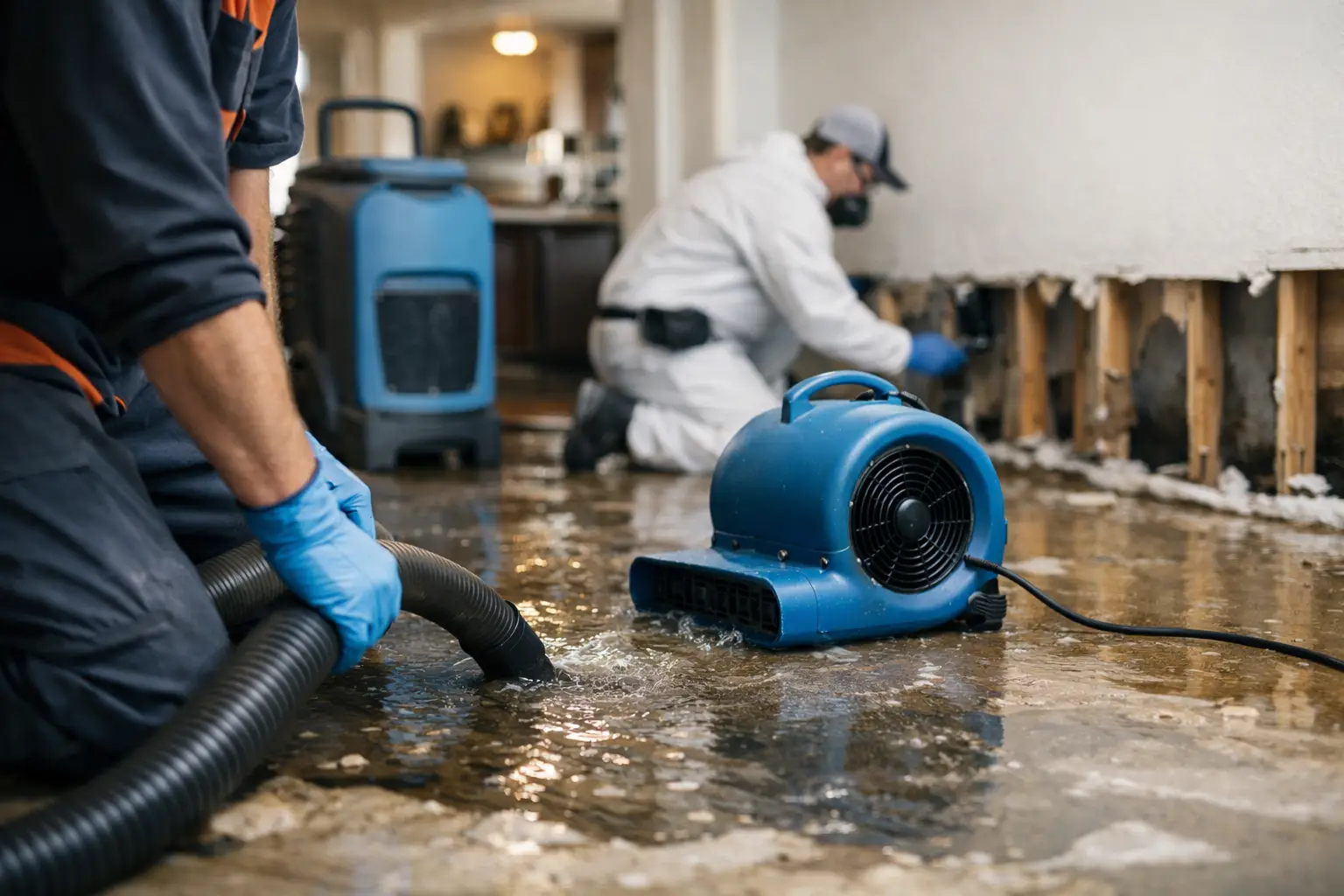 Water Damage
Extraction, structural drying, and moisture mapping after floods, leaks, and burst pipes.
Get help now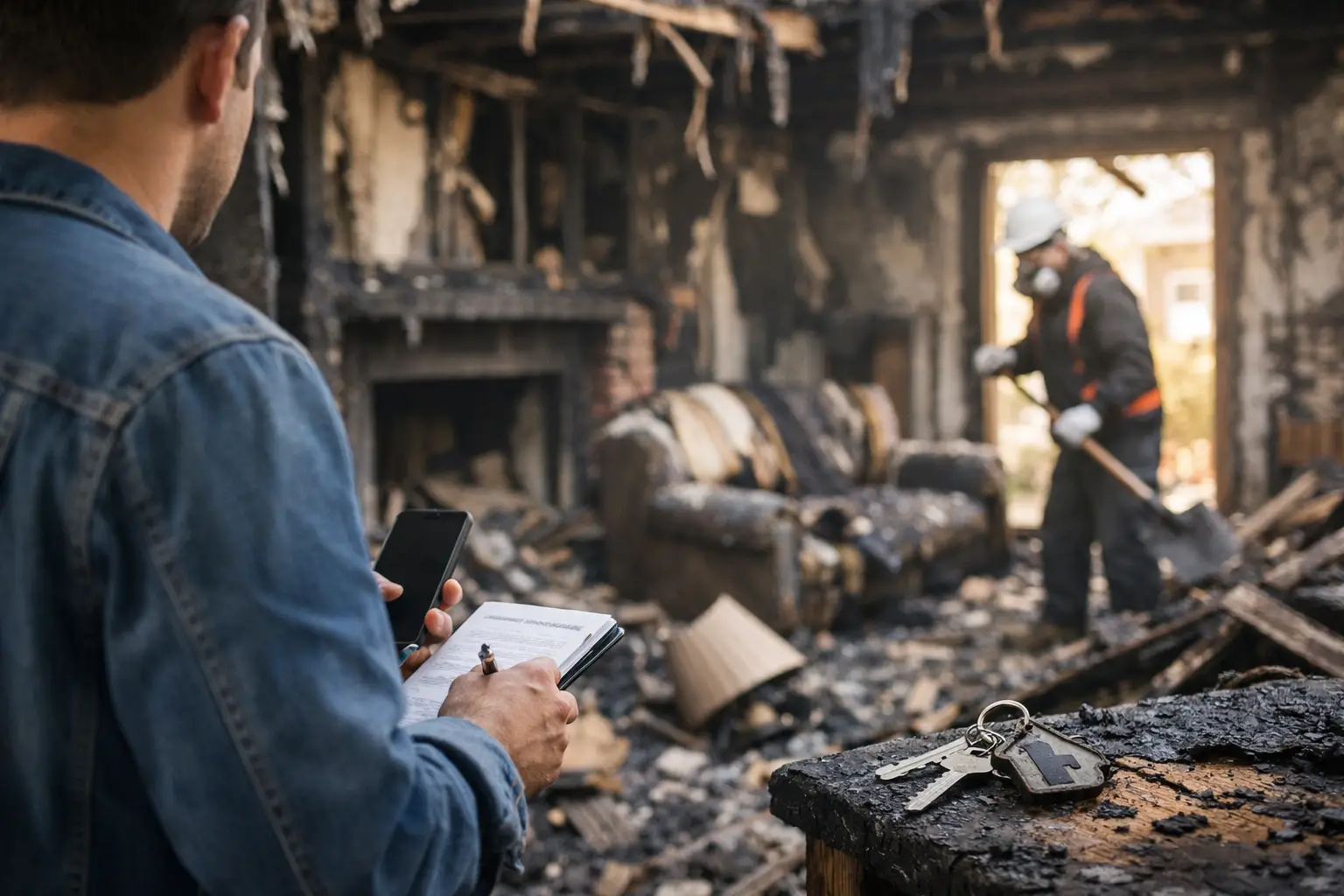 Fire & Smoke
Soot removal, odor deodorization, and content cleaning after fire and smoke damage.
Learn more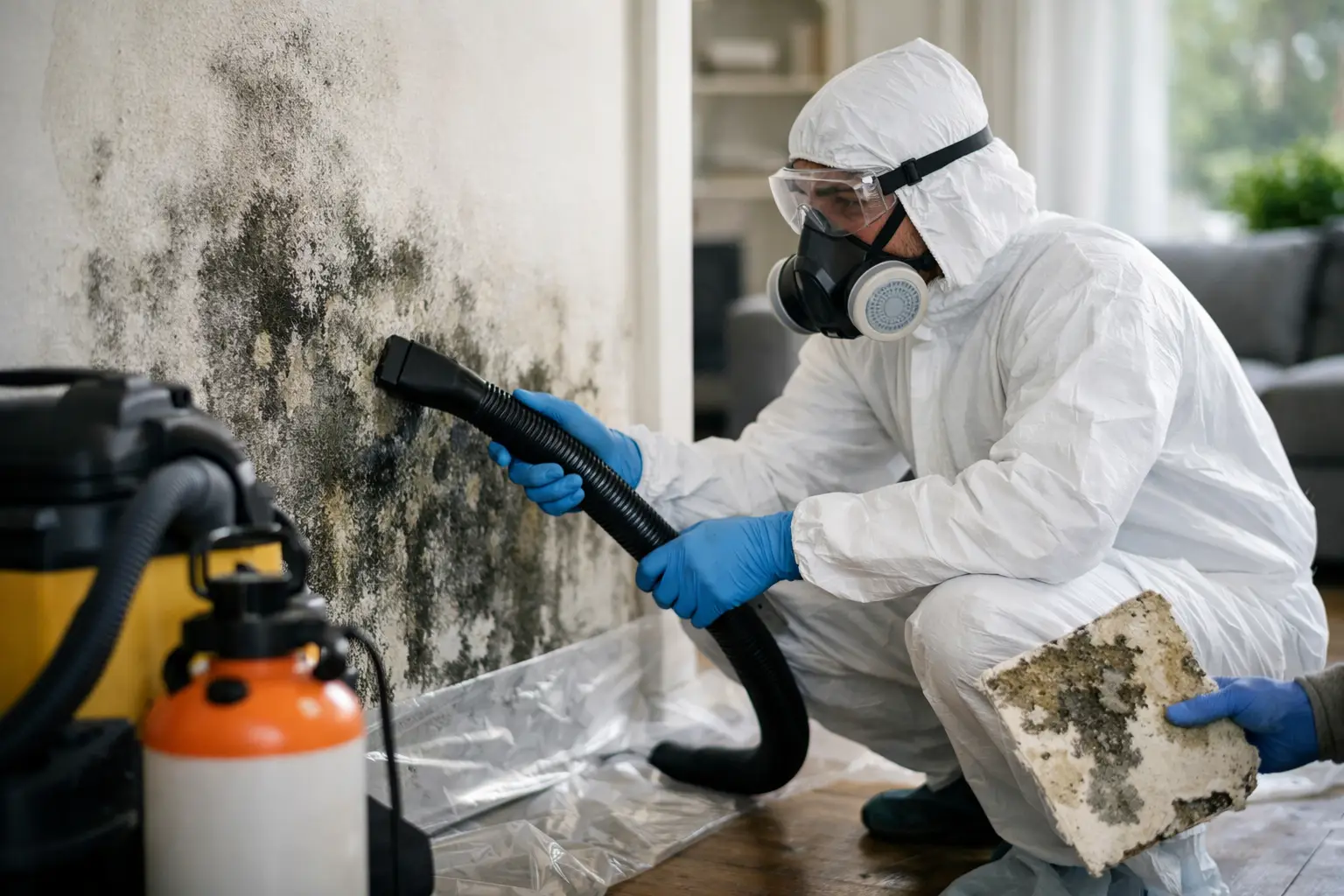 Mold
MoldContainment, removal, and moisture control that stops mold from coming back.
Learn more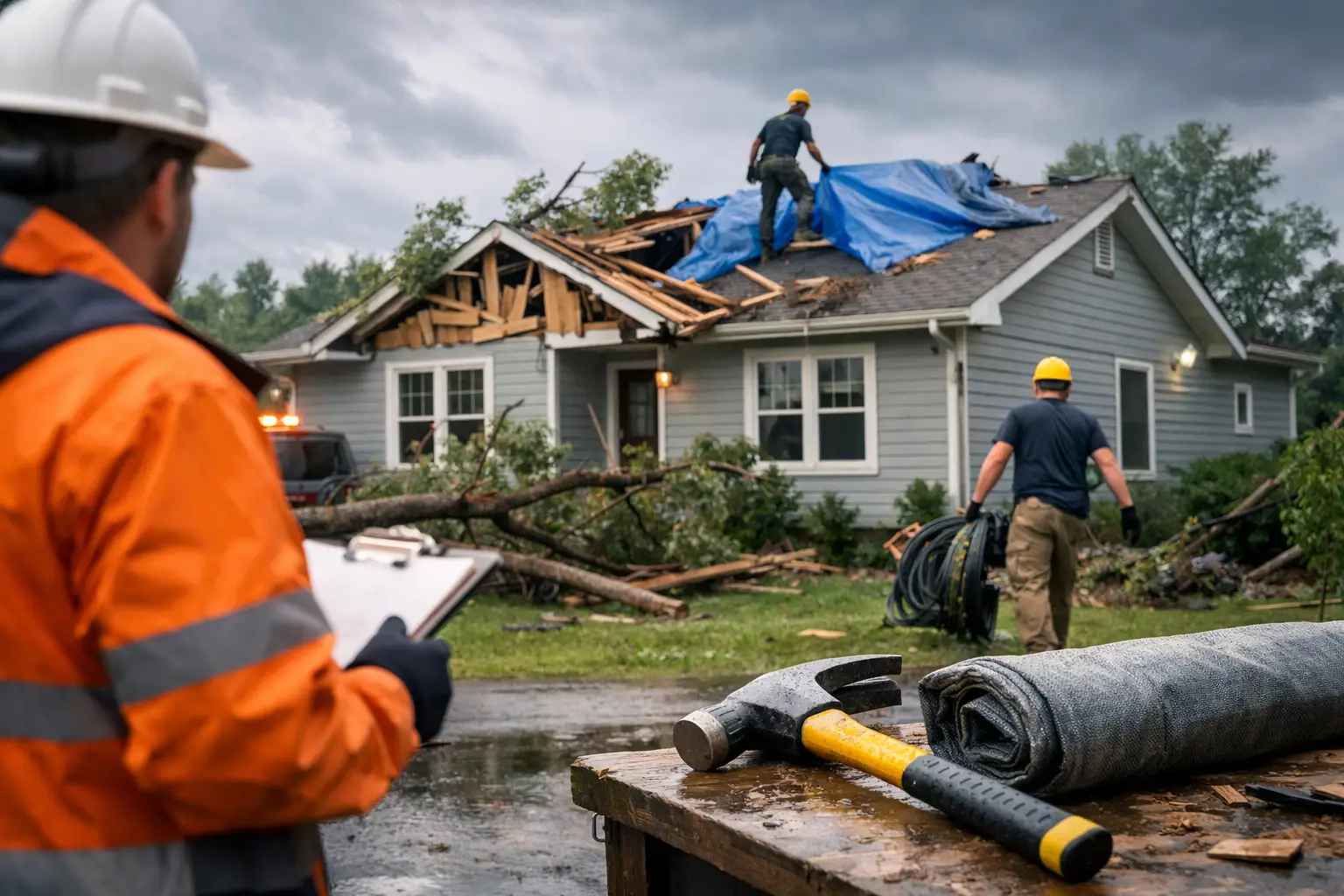 Storm
StormEmergency board-up, roof tarping, and full recovery after wind, hail, and storms.
Learn more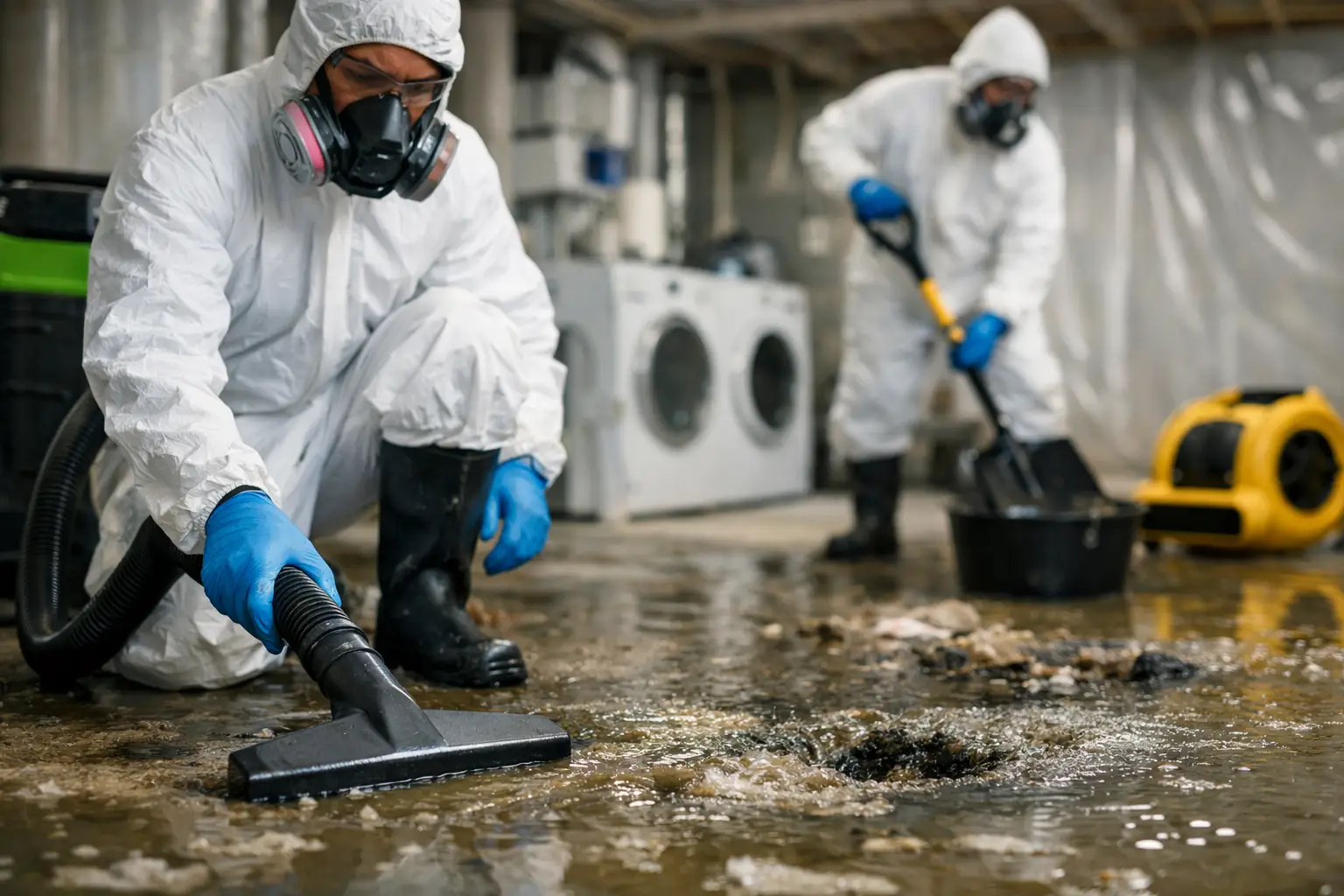 Sewage
Safe biohazard cleanup and sanitizing after sewage backups and overflows.
Learn more Reconstruction
Full rebuild by a licensed general contractor, so your property comes back whole.
Learn moreElevated Operations is an IICRC-certified, licensed general contractor based in Mableton that handles the entire recovery in-house, so after one loss you are never coordinating a cleanup crew, a mold crew, and a contractor separately. One team, one point of contact, from the first pump-out to the final coat of paint.
People call when the property feels like a disaster. They leave reviews because Chris and the crew made it right. These are real, verified Google reviews.
Start with the moisture pattern. If the crawl space is damp, smells earthy, or shows staining after rain or humid weather, water is the driver. Mold is the result. I always check plumbing, grading, airflow, and the vapor barrier before I talk about cleanup. That order saves money and stops repeat growth.
Sometimes, yes, but only when the area is dry and the source is already fixed. Small visible growth can still point to bigger moisture problems below the floor. I look at insulation, wood condition, and the crawl space air before I call it minor. If the space is active, cleanup alone is too shallow.
Compare the wood condition first. If framing is solid and the issue is mostly surface contamination, restoration is usually the better answer. If rot, repeated leaks, or persistent dampness have taken over, replacement may be the honest call. I do not push replacement just to make a bigger job. I push what fits the damage.
Yes, if the crawl space stays humid. New construction does not stop Georgia moisture. Around Avalon and other newer areas, I see tight homes above and damp conditions below. Dehumidification helps keep the crawl space dry after the cleanup, especially when the vapor barrier is thin, torn, or incomplete.
Do not wait. Mold starts in 24 to 48 hours when moisture is present, and that clock matters in a crawl space. If you see staining, smell musty air, or notice wet insulation, get it checked quickly. Fast action helps limit crawl space cleanup, wood treatment, and possible insurance complications.
Yes. Air from below can move into the house through gaps, chases, and floor penetrations. The upstairs can look fine while the crawl space feeds odor and particles into the living space. That is why I treat crawl space mold as a whole-home concern, not an isolated spot under the floor.
Encapsulation makes more sense when moisture keeps coming back, the crawl space is hard to access, or the home has repeated fungal growth. Another cleanup without moisture control is usually a bandage. If the space is stable and dry, encapsulation may be unnecessary. I choose the fix that addresses the cause, not the symptom.
Because water damage and mold are not the same problem. A leak can be fixed, but damp materials, wet insulation, or a missed vapor barrier issue can still leave conditions for mold. I see this when the water source was handled but the crawl space never got proper drying, cleanup, or moisture control afterward.
Elevated Operations dispatches IICRC-certified crews across Metro Atlanta from our Mableton base, with a 60-minute emergency response day or night. Choose your city:
Call now for an immediate response, or request your free inspection and get a certified crew on-site within the hour across Atlanta and nearby areas.