24/7 Emergency Restoration · Serving Metro AtlantaEmergency? (770) 404-6895
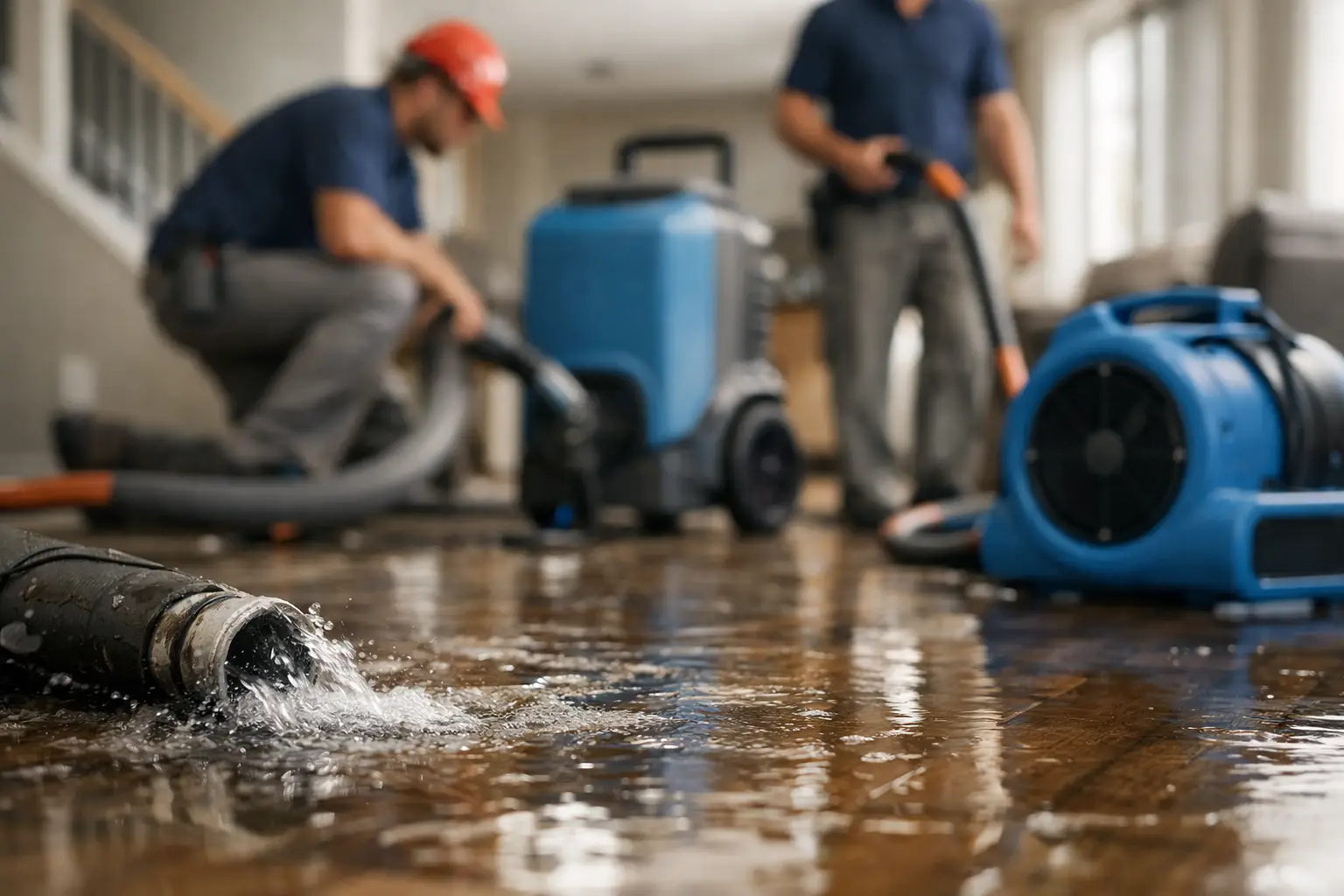
Storm damage restoration Acworth means choosing the right fix fast, not guessing after wind, hail, or fallen limbs hit a roof near Lake Acworth or the Allatoona dock. I compare restoration, replacement, and emergency protection so you can match the damage to the job and avoid paying for the wrong outcome.
IICRC-Certified · 5-Star Rated · 60-Minute Response · Insurance Billed Directly
Because I bring emergency response, insurance handling, and real repair judgment to the same job. I do not guess, and I do not oversell.
Yes. I handle the full chain, from roof tarping and water intrusion control to structural repair and drying after wind, hail, or rain impact.
Minor outside often means bigger inside. I check the roofline, attic, and wall cavities before I call it small.
I have been in restoration since 2007, based in Mableton, and I work across Cobb County, including Acworth.
Storm damage restoration in Acworth starts with emergency protection, then moves into debris removal, roof tarping, temporary boarding, water extraction, structural repair, and moisture checks. IICRC-certified technicians inspect what storm water did to the house, not just the visible damage, which matters after heavy rain or hail near Lake Acworth.
In Acworth, I treat storm damage like a chain, not a single problem. Wind can loosen shingles, then rain gets inside, then drywall and framing start to swell. Around the lake, that sequence happens fast when a roof edge or soffit opens up and wind drives water in.
The right response depends on what failed first. If the roof took the hit, roof tarping is the first move. If siding or a window blew out, temporary boarding may be smarter. And if branches and shingles litter the yard, debris removal comes before the repair crew can work cleanly.
I have been in restoration since 2007, and I do not confuse patching with fixing. When the damage reaches framing, ceiling cavities, or insulation, structural repair becomes part of the job. That is the difference between stopping the leak today and rebuilding the damage the storm already started.
Restoration wins when the damaged area is limited, the structure is still sound, and the issue is mostly water, shingle loss, or one impacted section. Replacement makes sense when the material is too fragmented, the deck is compromised, or hail and wind damage have spread across a larger surface.
I compare restoration and replacement the same way I would on an Acworth roof after a storm over Lake Allatoona: what is actually broken, and what still has life left. If the storm clipped a few slopes, restoration is often the practical move. If a whole section is failing, replacement stops repeat callbacks.
On homes near older neighborhoods and lakefront pockets, I see plenty of mixed damage. A roof edge may need wind damage repair while one dormer needs more than a patch. That is where I step in, because a repair that looks cheaper on paper can become the expensive choice later.
I am a licensed general contractor, so I look at the shell, not just the stain. If the structure is dry, the decking is solid, and the damage is localized, I push restoration. If moisture reached too much material, replacement is the honest call. I will say it straight.
For minor cleanup, some owners can remove loose debris, but anything involving ladders, tarps, wet ceilings, or hidden moisture belongs to a pro. In Acworth, DIY usually fails when wind damage repair, roof tarping, or structural repair is needed, because the visible damage rarely shows the full scope.
I see DIY go wrong when a homeowner tries to stop a leak without finding the path the water took. A wet attic over a Lake Acworth home can hide damaged insulation, trusses, or electrical issues. That is not a weekend project. That is a measured restoration job.
A pro also matters when insurance is involved. I offer direct insurance billing, and that helps keep the claim clean when the work includes emergency response, temporary boarding, or water mitigation. A rushed DIY patch can complicate documentation and make it harder to show what storm damage actually caused.
And yes, some tasks are simple. Picking up branches after a storm is one thing. Climbing onto a slick roof near the water, installing tarping correctly, and checking for trapped moisture is another. I do not recommend gambling on a roof when the next rain is already on the radar.
Yes. Storm damage can lead to water intrusion within the same event, and mold can start in 24 to 48 hours if wet materials stay trapped. In Acworth, once wind damage opens a roof, siding, or window, water intrusion can spread behind walls where mold becomes the next problem.
Water intrusion is the bridge between storm damage and mold. A missing shingle or cracked flashing can let rain soak the roof deck, then insulation, then drywall. Near the lake, where humidity already hangs in the air, hidden wet materials can turn a storm loss into a mold issue very quickly.
I do not lump water damage and mold together because the fixes are different. Water damage restoration is about extraction, drying, and preventing spread. Mold work starts when moisture lingers long enough to contaminate materials. If you treat mold like ordinary water damage, you miss the real risk.
The verdict is simple. If the storm just happened, I move on water intrusion first. If the property sat wet, mold inspection becomes part of the plan. I have seen a small roof breach turn into a bigger cleanup because nobody checked the attic, the wall cavities, or the crawl space early enough.
Yes, roof tarping should happen quickly after storm damage when the roof is open, leaking, or missing shingles. It is temporary protection, not a repair, and it matters most in Acworth when another rain band follows the storm or when the home sits exposed near Lake Acworth or Allatoona dock.
Roof tarping is the bridge between the storm and the full repair. If wind strips shingles or a limb punctures the roof, I want the opening covered before more water gets in. Around Lake Acworth, that matters because weather can shift fast and a small breach can turn into attic damage.
I use tarping when the goal is to stop active intrusion and protect the structure until the real repair begins. It is not a cosmetic fix. It is a damage-control move, especially when the roof is too wet, too steep, or too unsafe for a permanent patch that same day.
If the roof is not the only issue, tarping still helps while we sort out hail damage repair, siding impact, or temporary boarding on broken openings. The rule I follow is simple: if the storm left an entry point, seal it first, then assess the rest with clean eyes.
Debris removal matters first when storm damage leaves branches, shingles, siding, or broken trim in the way of access or safety. Structural repair comes after the site is clear enough to inspect framing, decking, and load-bearing areas. In Acworth, that order keeps the job accurate and safer.
I do not want my crew building over a mess. When a storm throws limbs across a roof or scatters materials around a driveway near the lake, debris removal has to happen before we can inspect the structure below. Otherwise, the real damage stays hidden under the clutter.
This is where comparison matters. A homeowner may think the visible mess is the problem, but debris can also show where the impact happened. Broken shingles, bent gutters, and torn fascia tell me whether the job is mostly exterior cleanup or whether the frame and roofline need deeper work.
After the site is clear, I can separate cosmetic damage from structural repair. That distinction matters on older Acworth homes and on newer builds alike. Some homes need a few boards and trim replaced. Others need framing checked because the storm load hit hard enough to shift the structure.
| Typical Trigger | Water Damage Restoration | Mold Remediation |
|---|---|---|
| Wind ripped shingles off a roof near Lake Acworth | Choose roof tarping, drying, and storm damage restoration before ceiling stains spread | Choose mold inspection if the attic or drywall stayed wet after the first rain |
| Hail dented siding and left the roof scuffed near Allatoona dock | Choose hail damage repair and water checks if flashing or joints opened up | Choose mold work only when water sat inside walls long enough to grow |
| A fallen limb broke a window and scattered debris across the yard | Choose temporary boarding, debris removal, and extraction if rain got inside | Choose mold remediation if the room stayed damp and the materials were not dried |
From emergency mitigation to full reconstruction, handled in-house so you are never managing a chain of subcontractors mid-crisis.
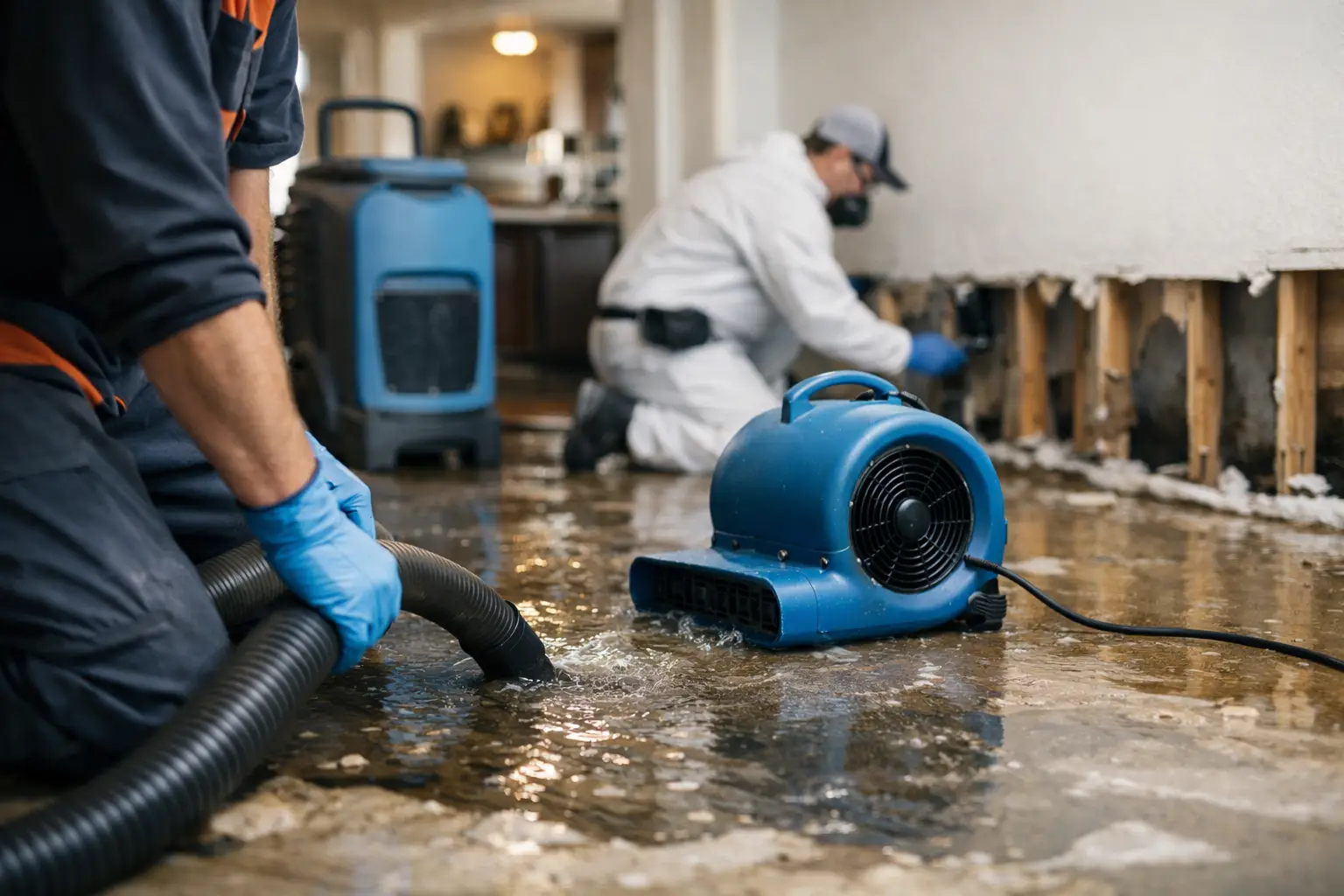 Water Damage
Extraction, structural drying, and moisture mapping after floods, leaks, and burst pipes.
Get help now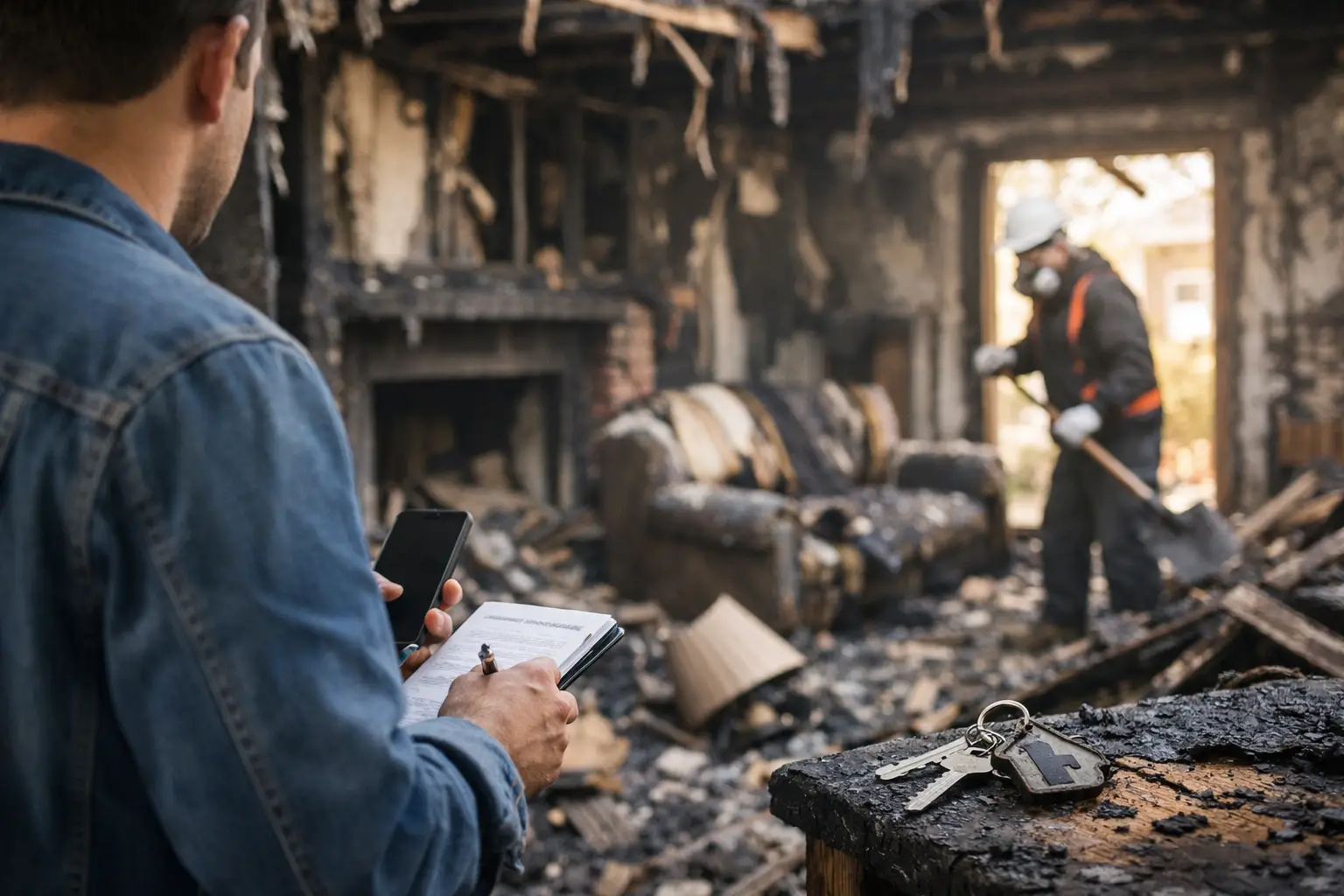 Fire & Smoke
Soot removal, odor deodorization, and content cleaning after fire and smoke damage.
Learn more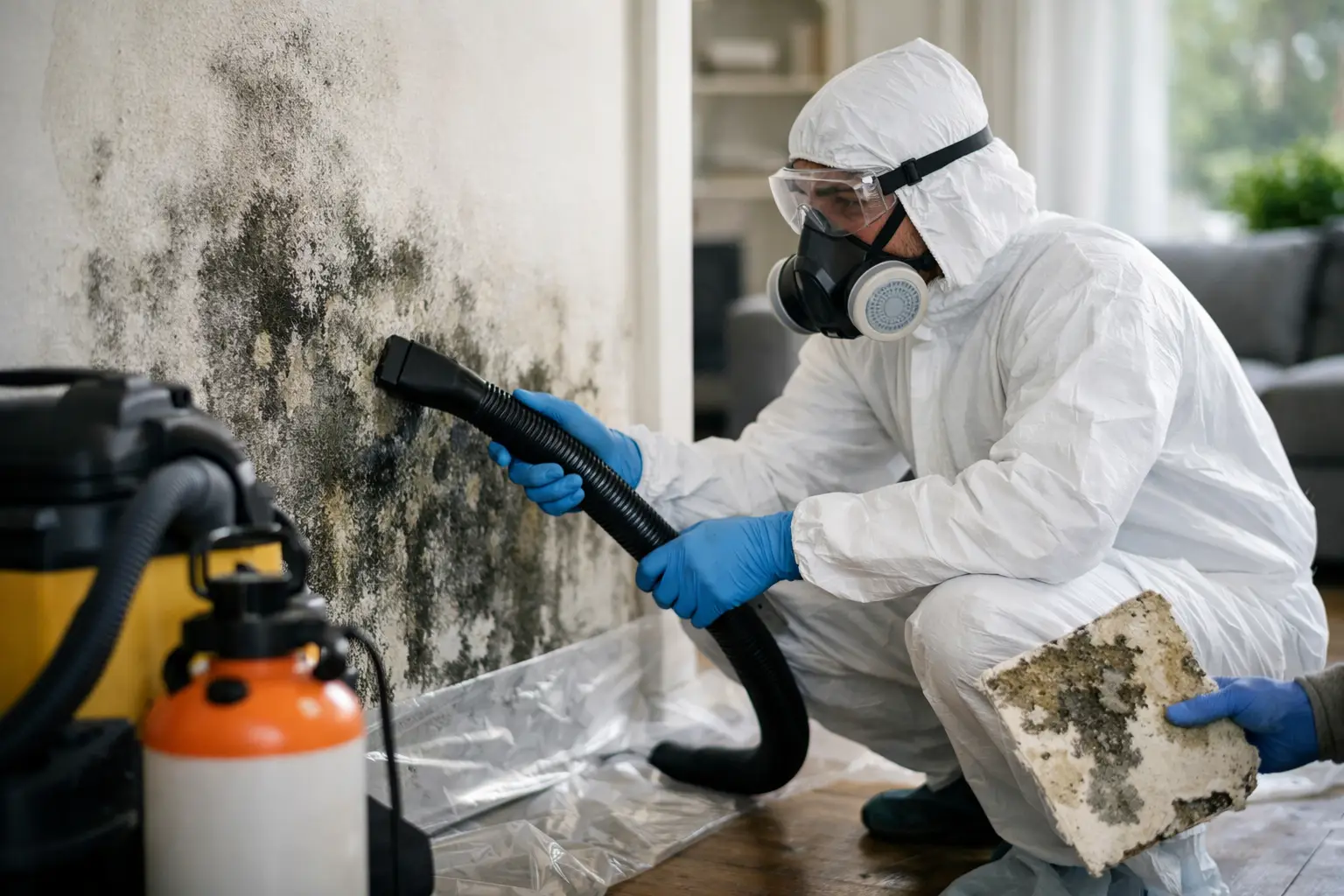 Mold
MoldContainment, removal, and moisture control that stops mold from coming back.
Learn more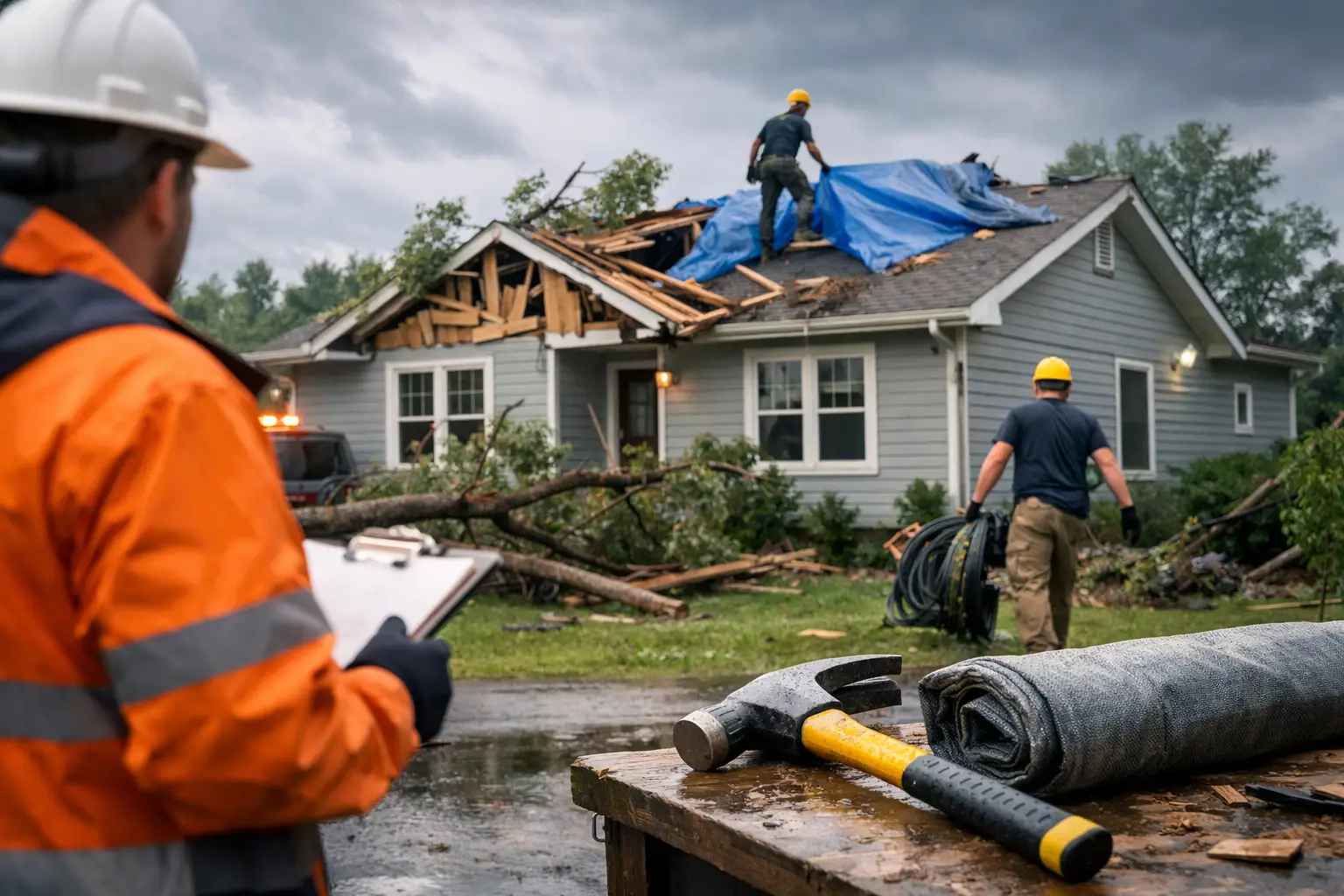 Storm
StormEmergency board-up, roof tarping, and full recovery after wind, hail, and storms.
Learn more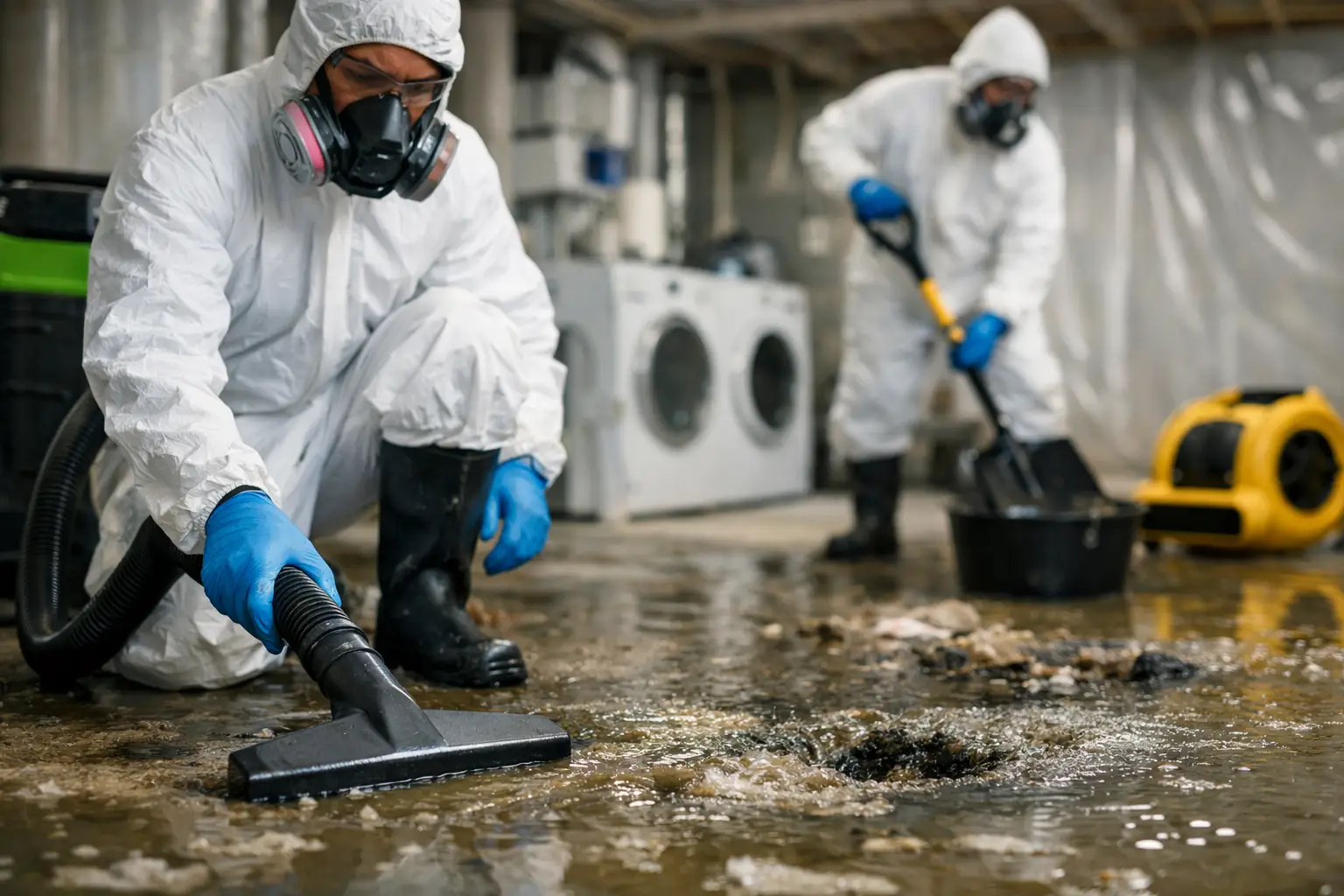 Sewage
Safe biohazard cleanup and sanitizing after sewage backups and overflows.
Learn more Reconstruction
Full rebuild by a licensed general contractor, so your property comes back whole.
Learn moreElevated Operations is an IICRC-certified, licensed general contractor based in Mableton that handles the entire recovery in-house, so after one loss you are never coordinating a cleanup crew, a mold crew, and a contractor separately. One team, one point of contact, from the first pump-out to the final coat of paint.
People call when the property feels like a disaster. They leave reviews because Chris and the crew made it right. These are real, verified Google reviews.
I look at the damage pattern, not just the surface. If the storm only affected one section and the structure still holds, restoration is usually the better call. If hail, wind, or water intrusion spread across large areas, replacement may be the honest choice. The right answer depends on what is still sound.
Protect the opening first. That usually means roof tarping if the roof is exposed, then a professional inspection for hidden water intrusion. I also look for interior damage, attic wetness, and any need for temporary boarding if windows or doors were impacted. Fast action helps limit the second wave of damage.
Yes. A storm can open a small path that sends water into the roof deck, wall cavity, or attic without showing a visible drip right away. By the time stains appear, the damage may already be deeper. Around Lake Acworth, I check for hidden moisture early because weather and humidity can keep materials wet longer.
I start with debris removal so the structure is safe and accessible, then I inspect for roof, siding, or window openings. After that, I move into emergency protection, drying, and repairs. If the storm caused structural repair needs, I address those after the site is cleared and the damage is documented correctly.
It is part of the same broader response, but hail damage repair focuses on impact marks, cracked surfaces, and openings that can lead to water intrusion. Storm damage restoration covers the full picture, including tarping, drying, debris removal, and structural repair. I treat hail as one cause, not the whole job.
Temporary boarding is better when the storm broke windows, doors, or other openings that need solid closure. Roof tarping is for roof breaches. If both happened, I may use both. On Acworth homes near the lake, that distinction matters because wind can hit several parts of the house at once.
If the materials stayed wet, I want mold checked right away. Mold can start in 24 to 48 hours, so waiting is the bad bet. I focus first on drying and containment, then I look at what stayed wet too long. That sequence matters after storms around Lake Acworth and nearby neighborhoods.
I offer direct insurance billing and deductible assistance up to $1,000, so the claim process stays organized after the storm. My team documents the damage, explains what needs restoration versus replacement, and coordinates the work with the carrier. That helps keep the file clear when the loss includes roof, water, or structural issues.
Elevated Operations dispatches IICRC-certified crews across Metro Atlanta from our Mableton base, with a 60-minute emergency response day or night. Choose your city:
Call now for an immediate response, or request your free inspection and get a certified crew on-site within the hour across Atlanta and nearby areas.