24/7 Emergency Restoration · Serving Metro AtlantaEmergency? (770) 404-6895
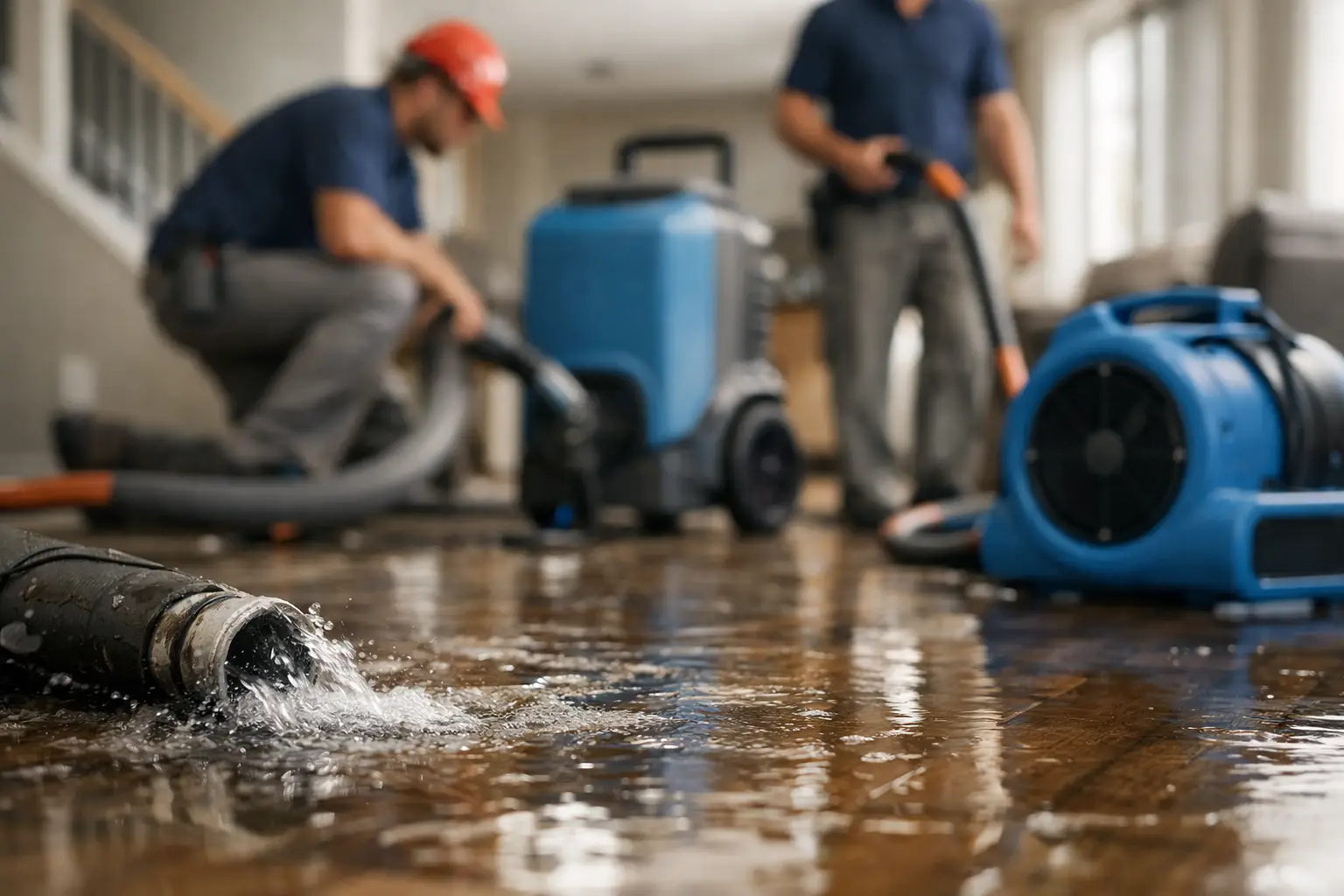
Storm damage restoration Carrollton starts with one call and one clear plan. I respond 24/7 with 60-minute emergency response, then my IICRC-certified crew secures the property, handles debris removal and roof tarping, and begins direct insurance billing. I’m Chris Kwangwari, owner of Elevated Operations, LLLP, and I work Carrollton homes the way I’d want mine handled.
IICRC-Certified · 5-Star Rated · 60-Minute Response · Insurance Billed Directly
Call me. I respond 24/7, and I can move fast on emergency protection, roof tarping, and documentation before the next round of weather makes the loss bigger.
I inspect the roof, siding, and attic entry points, then decide whether the next step is tarping, repair, or a fuller restoration plan with insurance support.
I treat that as urgent. I stop the opening first, then dry and repair the affected areas so the house does not keep taking on more damage.
I work the Carrollton area as part of my Metro Atlanta restoration service, and I keep the process direct, documented, and focused on getting the home secure again.
Storm damage restoration in Carrollton starts with emergency protection, then moves into cleanup, drying, repair, and insurance coordination. I handle roof tarping, debris removal, temporary boarding, wind damage repair, hail damage repair, and structural repair when the storm has hit hard enough to break the home open.
In the Carroll County exurb, storms do not just leave a messy yard. They push limbs into roofs, drive rain under shingles, and turn a quiet afternoon into a wet house. I start with stabilization, because a damaged home keeps getting worse until the openings are closed.
After the first protection steps, I look at the path the storm took across the property. In neighborhoods off Highway 166 and around older county roads, I often see scattered shingles, broken soffit, and siding damage that calls for wind damage repair before water starts moving inside.
Then I build the repair plan around the actual damage, not guesses. If the hit is mostly exterior, that is one route. If water has already crossed into framing or finishes, structural repair and drying come next. I keep the process direct, documented, and tied to the claim.
I handle hail damage repair by documenting the roof, siding, gutters, and vents first, then stabilizing anything exposed to more rain. In Carrollton, hail often shows up as bruised shingles, dented metal, and leaks that do not appear right away, so I inspect carefully before the next storm hits.
Hail in Carrollton can look small from the street and still do real damage. I have seen it batter roofs in the Carroll Co exurb while the ground looked almost untouched. That is why I inspect more than what a homeowner can see from the driveway.
On homes with older roofs, hail can loosen already weakened materials and make the next wind event more destructive. I check flashing, penetrations, ridge areas, and the places where water likes to start moving first. That is where hidden storm damage usually shows up.
Once I confirm the damage pattern, I document it for insurance and recommend the right fix. Sometimes that means roof tarping until the claim moves. Sometimes it means immediate repair. Either way, I keep the house protected while the paperwork catches up to the weather.
Yes, roof tarping should happen fast after storm damage if the roof is open, leaking, or missing shingles. In Carrollton, I use roof tarping to stop more rain from getting in while I document the damage, coordinate with insurance, and prepare the permanent repair plan.
I do not wait on tarping when a storm has punched a hole in the roof. In Carrollton, afternoon thunderstorms can roll through after a morning storm and turn a small tear into a soaked attic. That is why I secure the roof first when it is exposed.
Roof tarping is not the finish line. It is emergency protection. I use it when shingles are missing, flashing is torn, or tree impact has opened the roof deck. It buys time, protects the structure, and gives me room to work the claim properly.
A lot of homes in this area sit on lots where wind has room to build speed before it reaches the house. Around those exposed stretches, tarping is often the difference between controlled damage and a much larger interior loss. I treat it as an early move, not an optional one.
Yes, storm damage can lead to water intrusion fast, especially when wind lifts shingles, cracks flashing, or breaks siding around vulnerable edges. In Carrollton, I often find leaks starting in the roof, around windows, or at openings created by branches and flying debris.
Water intrusion usually starts quietly. A small gap can let rain into insulation, wall cavities, or attic space long before a homeowner spots a stain. In the Carroll Co exurb, that matters because storms can hit hard enough to expose weak points in minutes.
I look for the source and the spread. If water has come in through a roof opening, I check the ceilings below. If siding has failed, I check the wall assembly and trim. I do not just dry the visible wet spot and move on.
The reason I push quick response is simple. Once water gets inside, it keeps working even after the rain stops. That is when repairs become more expensive and more disruptive. My job is to stop the entry, document it, and move straight into mitigation.
I fix storm damage to a house by stopping active leaks, removing damaged material, drying what got wet, and rebuilding the affected areas. That can include temporary boarding, debris removal, wind damage repair, structural repair, and replacement of storm-damaged finishes once the home is stable.
Every house tells me something different after a storm. A ranch near older Carrollton streets may need board-up protection after a window break. A newer home may need siding, gutter, and roof work from wind-driven debris. I start where the damage is active, not where it is easiest.
I like to work in a straight line. Secure the opening. Remove loose material. Check for water intrusion. Dry the wet areas. Then rebuild. That sequence matters because skipping ahead can hide problems inside the walls and put the homeowner right back in the same mess later.
For homes in this area, the repair often has two layers, exterior restoration and interior protection. I am licensed as a general contractor, and I use that to keep the repair plan grounded in what the structure actually needs after the storm, not just what looks damaged from the curb.
Carrollton homeowners call me early because storm damage gets worse with every hour it stays open. I respond 24/7, I can get there in 60 minutes for emergencies, and I start protection, documentation, and insurance coordination before small damage turns into a larger loss.
I see the same pattern over and over in Carrollton. A roof edge gets lifted, a branch hits the siding, or hail knocks things loose, and the homeowner hopes the next storm passes without trouble. That is usually when the water intrusion starts.
I have been in restoration since 2007, and I know the cost of waiting is not just financial. It is stress, soggy insulation, swollen materials, and a repair that spreads into more rooms. Fast action keeps the job focused and keeps the home livable.
People also call because they want one company to manage the practical pieces. I offer direct insurance billing and deductible assistance up to $1,000. That helps the claim move while I stay focused on the property, not on making the homeowner chase paperwork.
Homes near creeks or low spots can face faster water intrusion after storm damage because runoff and roof leaks hit at the same time. I focus on roof tarping, perimeter protection, and fast drying so the storm does not turn a structural problem into a moisture problem.
Carrollton has homes sitting in places where stormwater has nowhere to go quickly. When a storm pounds a property near lower ground, the roof may be the first problem, but the ground water around the home can complicate cleanup fast. I account for both.
That is why I do not treat every storm call like a simple patch job. If the site is already saturated, I watch for crawlspace issues, trapped moisture, and damage that can move through walls and floors. The real job is protecting the whole structure.
I keep the response practical. Secure the openings. Remove debris. Check the wet path. Then make the repair plan based on what the storm did to the home and the site around it. That is how I keep small damage from becoming a bigger rebuilding project.
A homeowner called after wind tore shingles loose and rain started entering the attic. I sent roof tarping, documented the edge damage, and handled the cleanup so the home stopped leaking before the next cell moved through.
A Carroll County exurb house had hail dents on vents, gutters, and softer roof areas that were not obvious from the ground. I documented the pattern, moved into hail damage repair planning, and kept direct insurance billing moving.
After a branch hit siding and cracked an opening, water got into the wall cavity. I used temporary boarding, debris removal, and structural repair steps to stop the spread and restore the house in a controlled sequence.
From emergency mitigation to full reconstruction, handled in-house so you are never managing a chain of subcontractors mid-crisis.
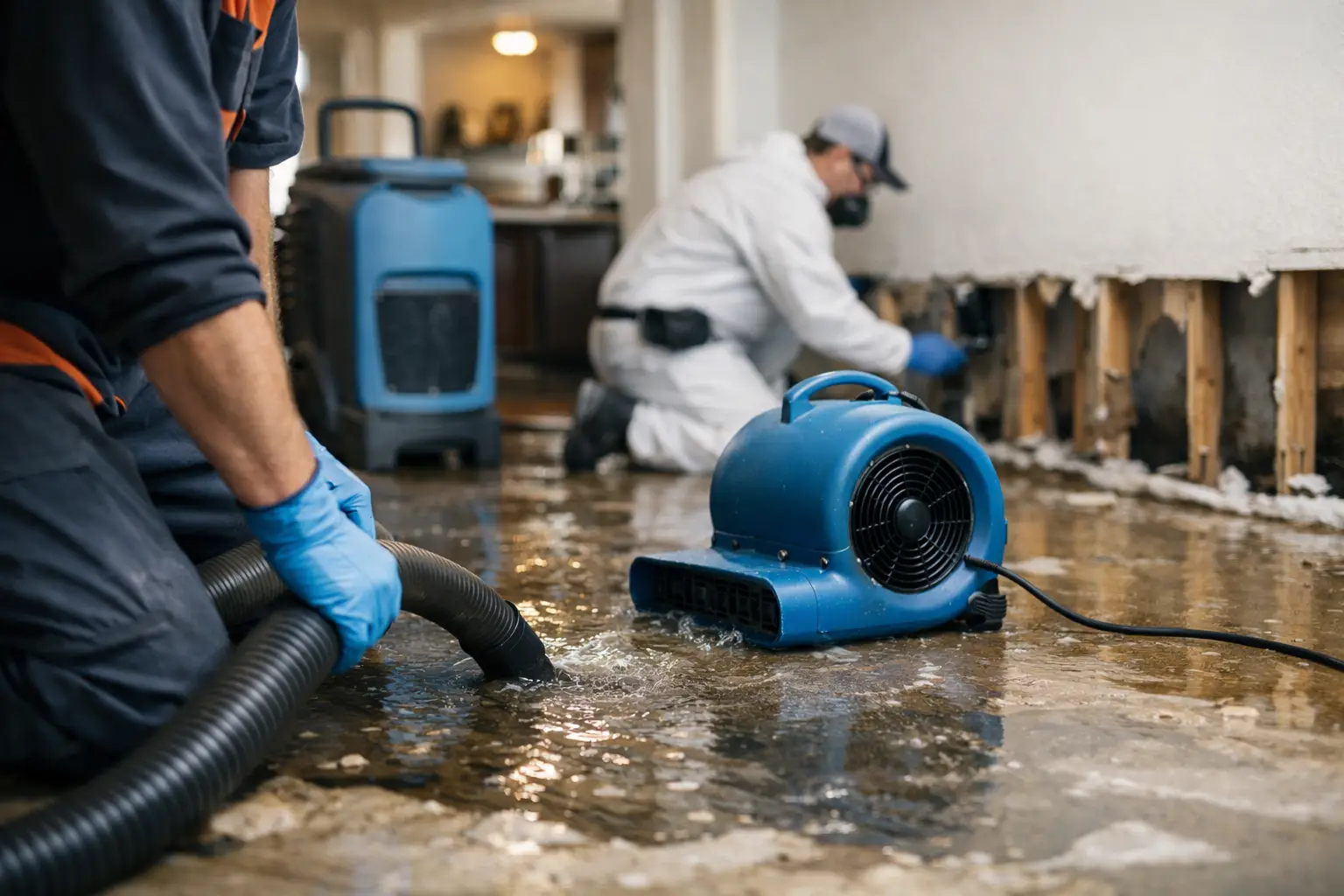 Water Damage
Extraction, structural drying, and moisture mapping after floods, leaks, and burst pipes.
Get help now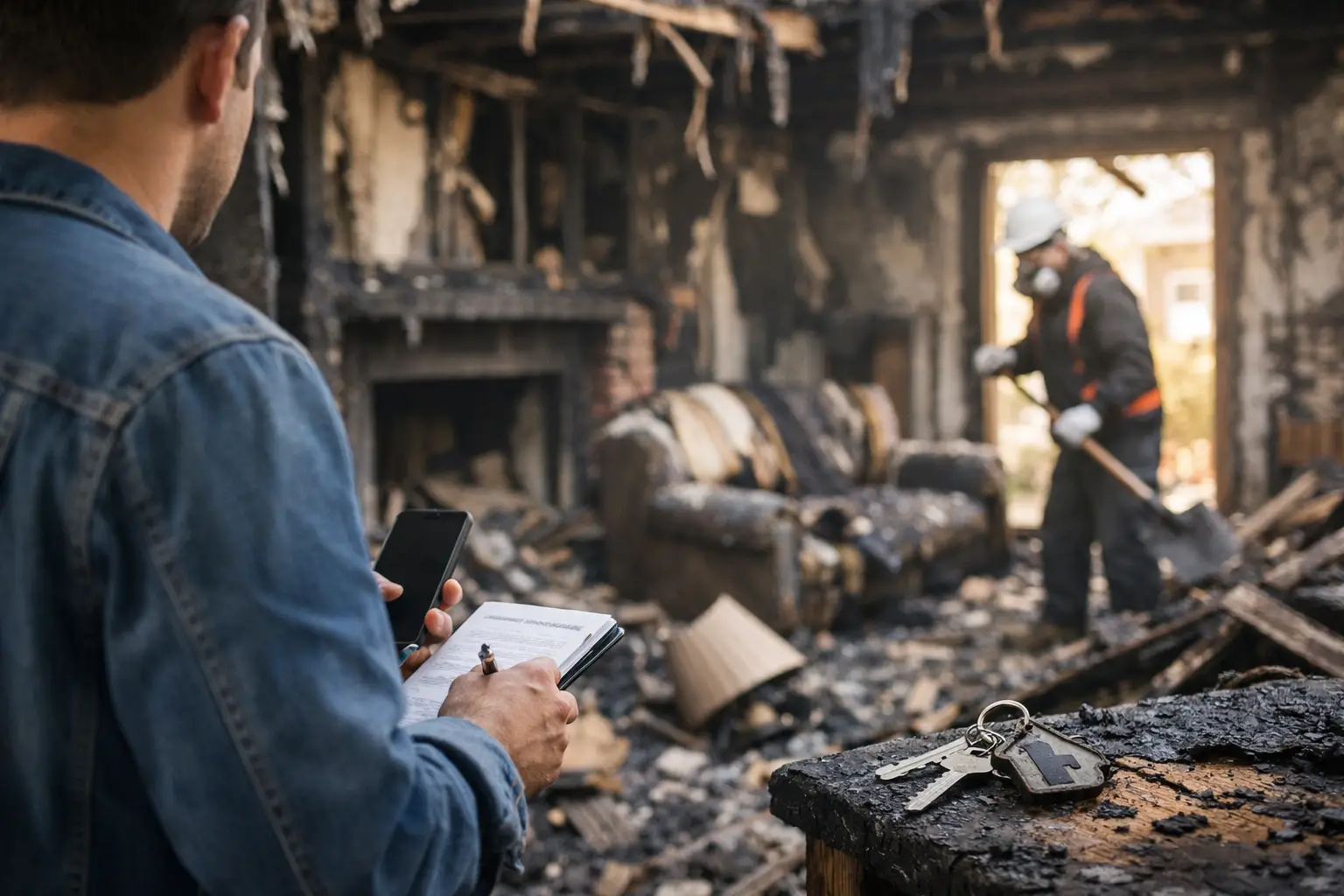 Fire & Smoke
Soot removal, odor deodorization, and content cleaning after fire and smoke damage.
Learn more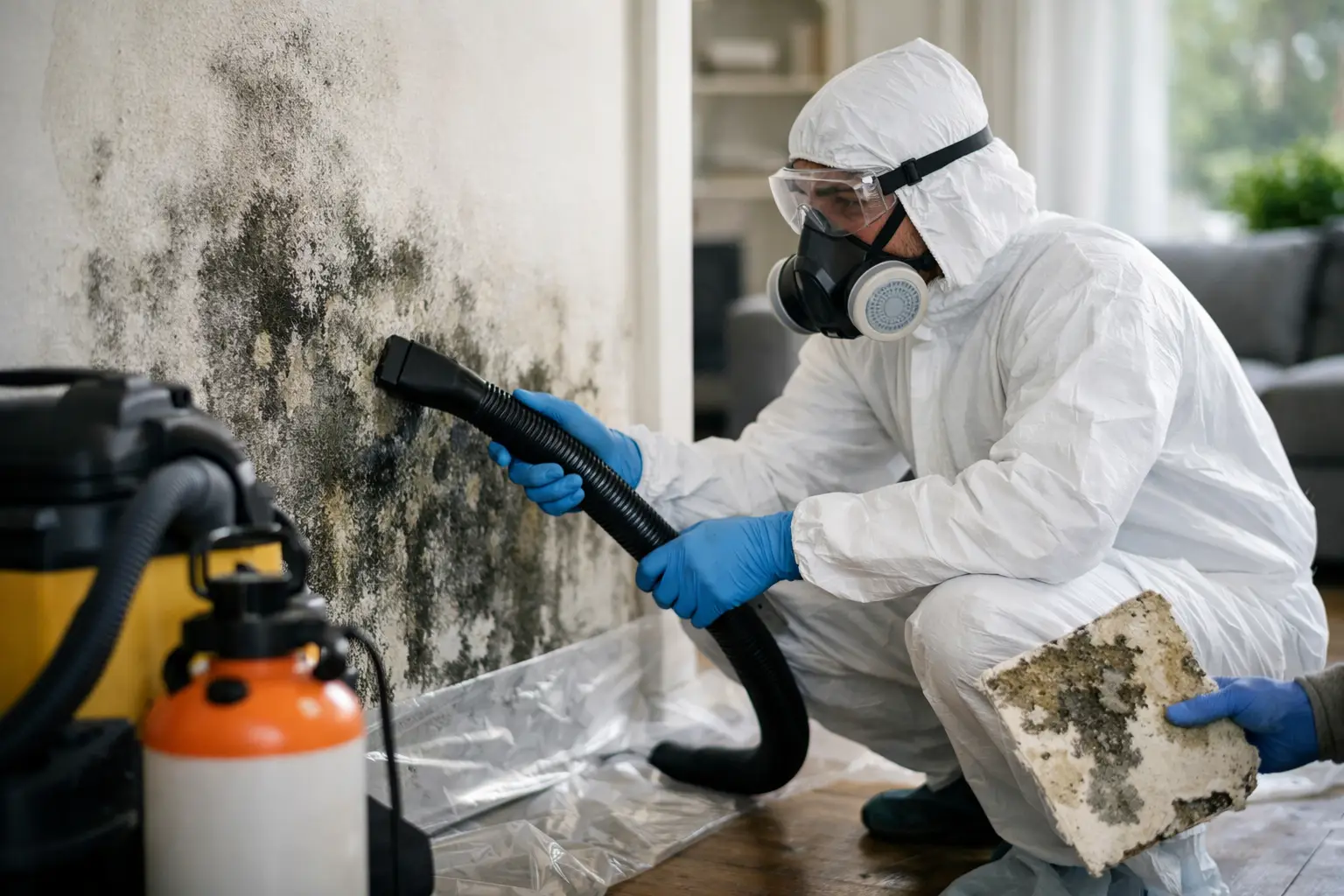 Mold
MoldContainment, removal, and moisture control that stops mold from coming back.
Learn more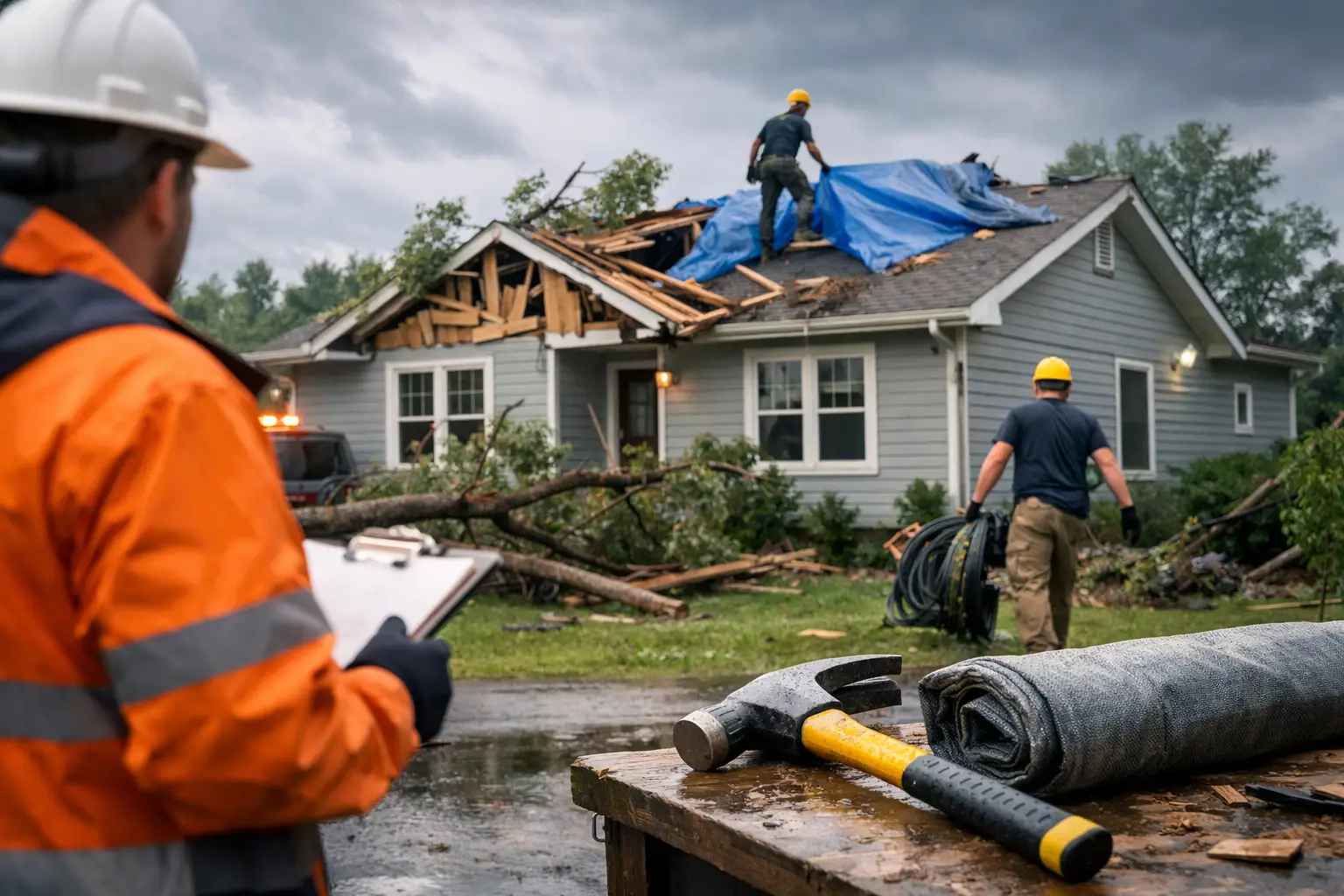 Storm
StormEmergency board-up, roof tarping, and full recovery after wind, hail, and storms.
Learn more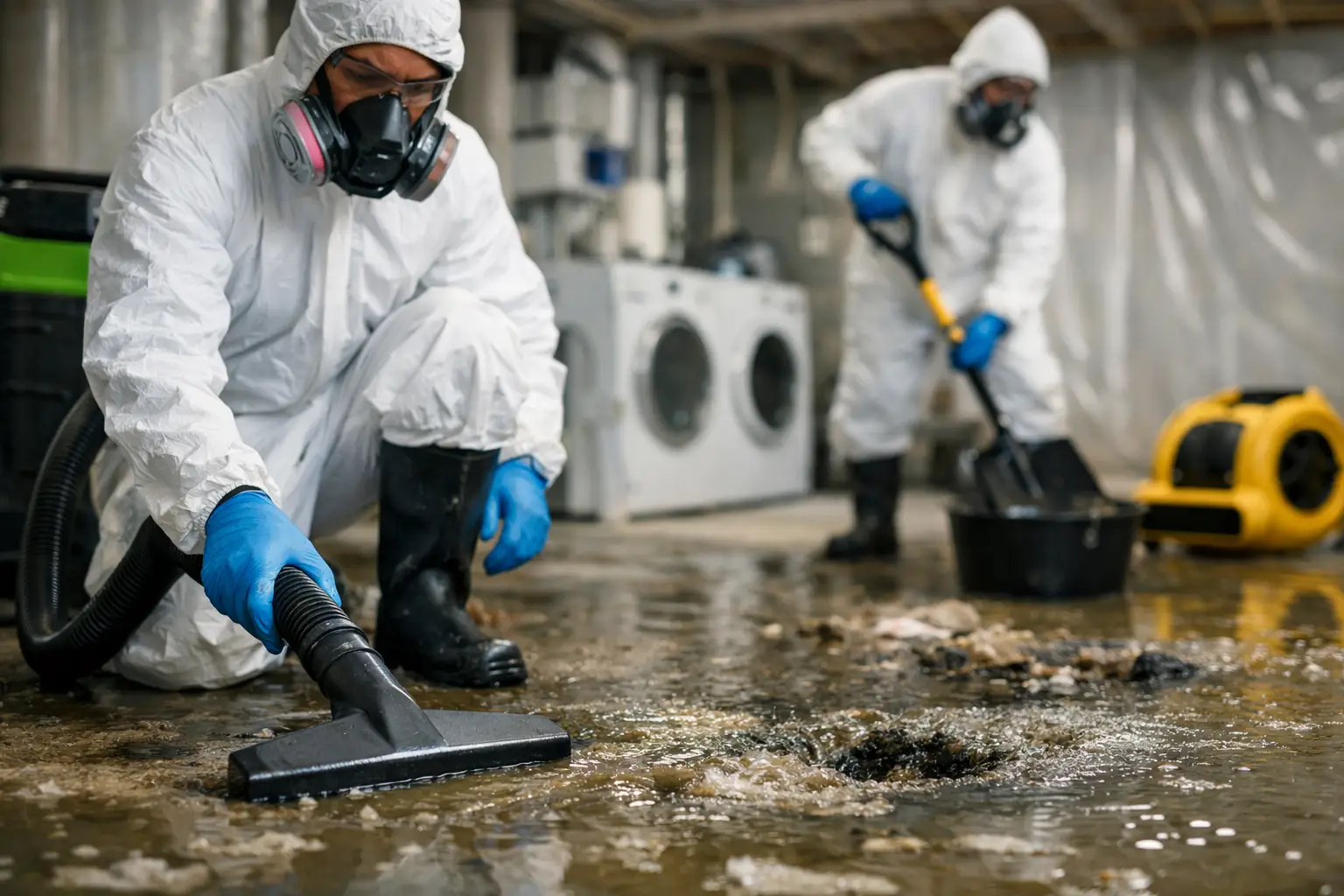 Sewage
Safe biohazard cleanup and sanitizing after sewage backups and overflows.
Learn more Reconstruction
Full rebuild by a licensed general contractor, so your property comes back whole.
Learn moreElevated Operations is an IICRC-certified, licensed general contractor based in Mableton that handles the entire recovery in-house, so after one loss you are never coordinating a cleanup crew, a mold crew, and a contractor separately. One team, one point of contact, from the first pump-out to the final coat of paint.
People call when the property feels like a disaster. They leave reviews because Chris and the crew made it right. These are real, verified Google reviews.
I respond 24/7 and can get emergency service moving within 60 minutes. In Carrollton, that matters when a roof is open, a window is broken, or wind damage is letting rain into the house. I start with protection, then move into documentation and repair planning.
Yes. I work Carroll County homes every week, including the exurb areas where storms can have room to build speed before they hit the house. I handle roof tarping, debris removal, temporary boarding, and the repair steps that follow once the property is stable.
That happens all the time. Hail damage can bruise shingles, weaken flashing, and create a future leak without showing water stains immediately. I inspect the roof, siding, and openings carefully so the homeowner has a clear record before the hidden problem turns into water intrusion.
Yes. Once storm water gets inside, mold can start in 24 to 48 hours. That is why I push fast response, drying, and repair after a storm. The goal is to stop the water source, dry the structure, and keep the damage from spreading into walls and insulation.
Yes. I provide direct insurance billing, and I document the damage so the claim has the right information from the beginning. That helps in Carrollton when the roof, siding, or interior finishes all took a hit and the repair needs to be organized correctly.
Yes. If a window, door, or wall opening is exposed, I use temporary boarding to secure the home right away. That protects the structure, helps limit water intrusion, and gives me time to build the proper repair plan without leaving the property open to weather.
I back my work with a 12-month warranty. In practice, that means I stand behind the restoration work after the storm damage has been repaired and the home is put back together. I want the homeowner to have a clear, accountable finish.
I’m Chris Kwangwari, owner of Elevated Operations, LLLP. I’m a licensed general contractor, IICRC-certified, and I’ve been in restoration since 2007. In Carrollton, I focus on fast emergency protection, direct insurance billing, and repairs that match the damage, not guesswork.
Elevated Operations dispatches IICRC-certified crews across Metro Atlanta from our Mableton base, with a 60-minute emergency response day or night. Choose your city:
Call now for an immediate response, or request your free inspection and get a certified crew on-site within the hour across Atlanta and nearby areas.