24/7 Emergency Restoration · Serving Metro AtlantaEmergency? (770) 404-6895
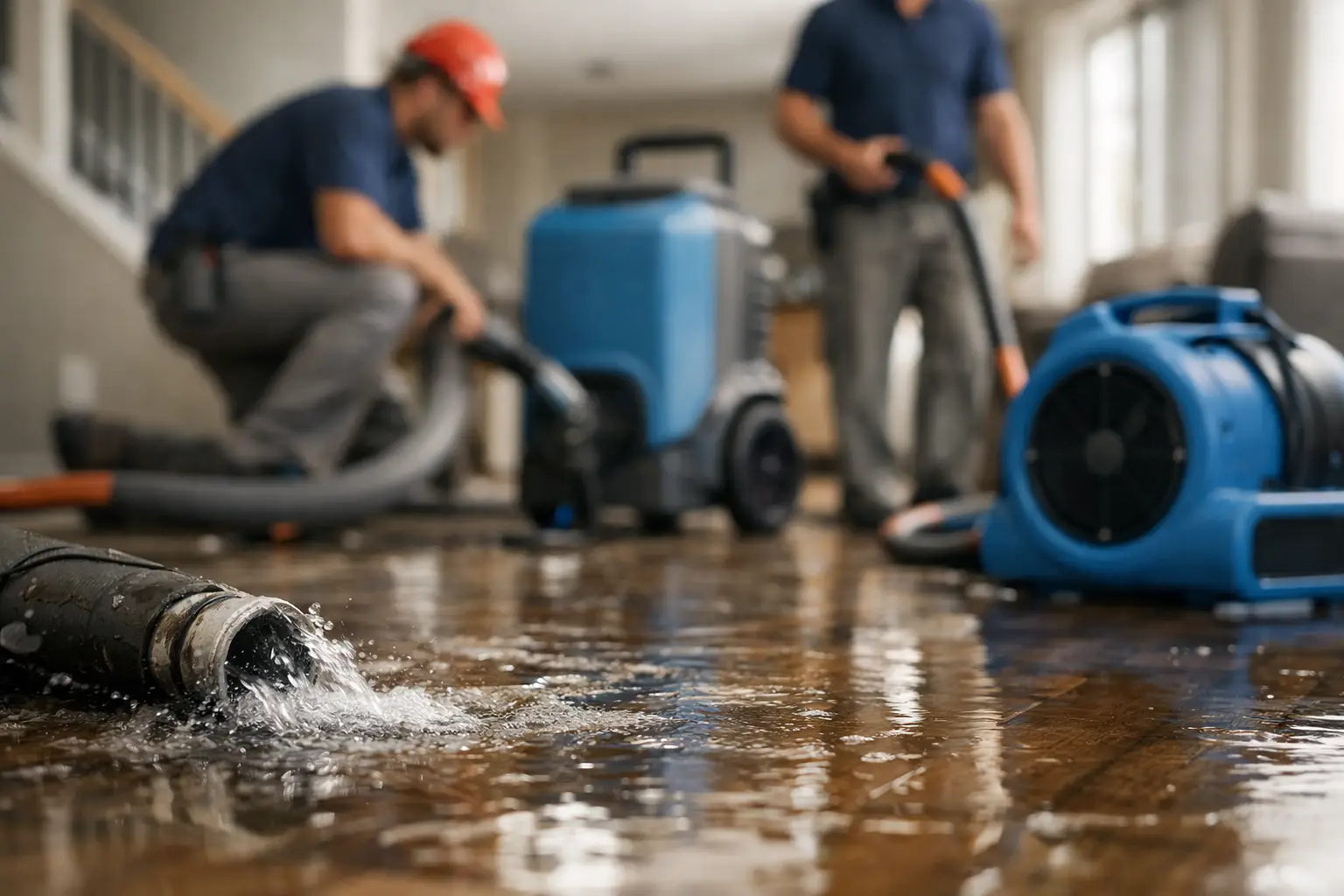
storm damage restoration East Point starts with one call, then I get a crew moving fast, day or night. I’m Chris Kwangwari, owner of Elevated Operations, and I’ve been restoring storm-hit homes since 2007 across the MARTA corridor and the College Park-line bungalows where wind and water spread quickly.
IICRC-Certified · 5-Star Rated · 60-Minute Response · Insurance Billed Directly
Yes. I work across East Point, including homes near MARTA and the College Park corridor, where wind and water can move fast through older housing stock.
When conditions allow, yes. I focus on stabilizing the home first, then clearing debris so the property stops taking on more damage.
It can be. I inspect impact points carefully and repair the roof or exterior issues that the storm opened up.
Call right away. I’ll move to emergency protection, stop the leak path, and document the damage before it spreads further.
Start with safety, then check the roofline, ceilings, siding, and any wet rooms for active leaks or sagging. In East Point, I pay close attention to MARTA-side roofs and College Park-line bungalows because older framing and shallow pitches can hide water intrusion fast.
First, stay out of any room with visible ceiling movement, broken glass, or damp electrical areas. That is not a repair question yet, that is a safety question. IICRC-certified technicians know how to document the damage without making it worse.
Then look outside for missing shingles, lifted flashing, fallen limbs, and gutter impacts. Wind damage repair often starts there. Debris removal matters too, because scattered branches and roofing fragments can keep water moving into places it should never reach.
I also tell East Point owners to check hallways and rear additions on bungalow streets near the rail line. Those homes can look fine from the front and still have wet insulation, hidden stains, or soft drywall at the back after a hard storm.
Storm damage restoration includes inspection, emergency protection, water mitigation, debris removal, roof tarping, temporary boarding, structural repair, and documentation for insurance. I keep the process direct, because East Point homes near MARTA and the College Park line can move from minor damage to serious leaks fast.
The job starts with stopping more damage. That can mean roof tarping after shingles lift, boarding broken openings, and clearing debris from the yard or driveway. If water already came inside, I move to drying and damage control right away.
Then I assess what the storm actually affected. Some homes need hail damage repair to the roof skin and vents. Others need wind damage repair on siding, fascia, or porch elements. The point is to find the full path of damage, not just the obvious part.
After that, structural repair comes into view if framing, decking, or load-bearing areas were hit. I bill insurance directly, provide deductible assistance up to $1,000, and back the work with a 12-month warranty.
Yes, if the roof is exposed or leaking, roof tarping should happen as soon as it can be done safely. In East Point, especially on bungalow roofs near College Park or the MARTA corridor, a tarp can stop rain from turning one storm into a much bigger loss.
I do not wait on tarping when the roof is open. Water does not pause for paperwork. Temporary boarding is the same idea for broken windows or punched-through openings, because one exposed corner can keep feeding damage into walls and floors.
A tarp is not the finish line. It is a protection step while I document the loss, contact the carrier, and line up the next phase. That approach keeps the home stable while the claim moves and the repair scope gets clear.
If hail damage repair is part of the picture, tarping still matters where the roof has punctures or torn sections. The older bungalow stock in East Point can hide moisture behind plaster, trim, and attic insulation, so early protection saves time later.
Yes, storm damage can lead to water intrusion quickly, even when the house looks mostly fine from the street. In East Point, lifted shingles, cracked flashing, and wind-driven rain often push water into attics, wall cavities, and rear additions before the homeowner sees it.
That is why I take ceiling stains, musty smells, and soft trim seriously. Water intrusion often starts small and spreads behind the finish materials. By the time the stain shows, the damage path may already be wider than the homeowner expects.
MARTA-adjacent homes and College Park-line bungalows often have mixed-era repairs, which can complicate the leak path. One old patch, one loose vent, or one storm-hit gutter can let water travel into a spot far from the visible entry point.
When I see water intrusion, I focus on source control, drying, and structural repair only if it is needed. My job is to stop the spread, document the loss, and keep the fix tied to what the storm actually did.
I fix storm damage to a house by securing the site, stopping active leaks, documenting the loss, drying affected areas, and then repairing the roof, exterior, and structure in the right order. In East Point, that usually means fast protection first, then the permanent repair plan.
Every house is different, but the sequence matters. I start with temporary boarding or roof tarping when openings are exposed. Then I inspect for hidden moisture, damaged framing, and exterior failures that can keep causing problems after the storm passes.
Wind damage repair often includes shingles, fascia, soffit, siding, and gutters. If debris removal is needed, I handle that too, because branches and scattered materials can block drainage and keep moisture sitting where it should not.
As a licensed general contractor, I can carry the work from emergency response into structural repair when the damage goes deeper. And because I’ve been in restoration since 2007, I know when to repair, when to replace, and when to keep digging for the actual source.
Homes with older roofs, visible siding wear, or repeated leak history need the fastest response, especially around East Point’s bungalow streets near MARTA and the College Park line. Those homes can take on water faster because storms exploit every weak seam, flashing issue, and aging patch.
I also watch homes with tree exposure and tight setbacks. A limb strike can mean roof tarping, temporary boarding, and debris removal all on the same call. When one storm does that much, waiting usually makes the bill larger and the repairs broader.
Older bungalows are beautiful, but they can hide damage under layers of updates. The front porch may look fine while the rear slope, attic, or knee wall already has moisture. That is why I inspect the whole envelope, not just the obvious wound.
If your home is near MARTA noise, rail-side streets, or the College Park corridor, you probably know how fast wind can move through here. I treat that area like a place where storm damage restoration cannot be casual or slow.
Storm-driven wind often starts with small roof movement that turns into leaks. I check edges, valleys, vents, and chimney areas first because those failures usually tell the story.
That is a water intrusion warning, not cosmetic wear. Even a small stain can point to attic moisture, soaked insulation, or a hidden leak path behind the finish surface.
When siding or trim opens up, rain can get pushed into the wall system. Wind damage repair often starts here, especially on exposed bungalow exteriors near MARTA routes.
Debris removal is part of real storm cleanup. If materials are blocking drains, sitting on the roof, or piled near openings, more water can enter and spread.
Temporary boarding matters when the house is exposed. One broken opening can let in rain, pests, and wind, which quickly multiplies the damage inside the home.
From emergency mitigation to full reconstruction, handled in-house so you are never managing a chain of subcontractors mid-crisis.
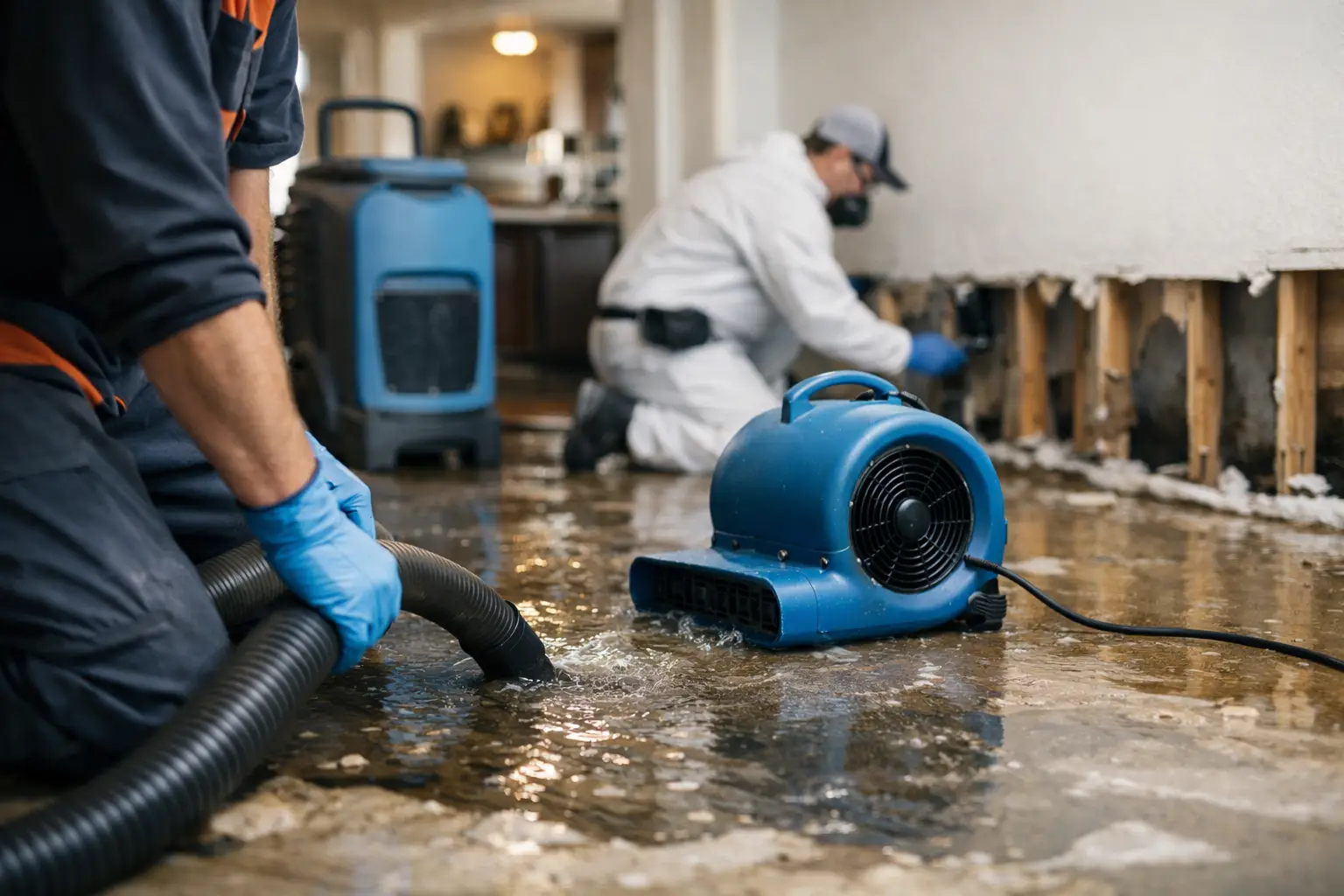 Water Damage
Extraction, structural drying, and moisture mapping after floods, leaks, and burst pipes.
Get help now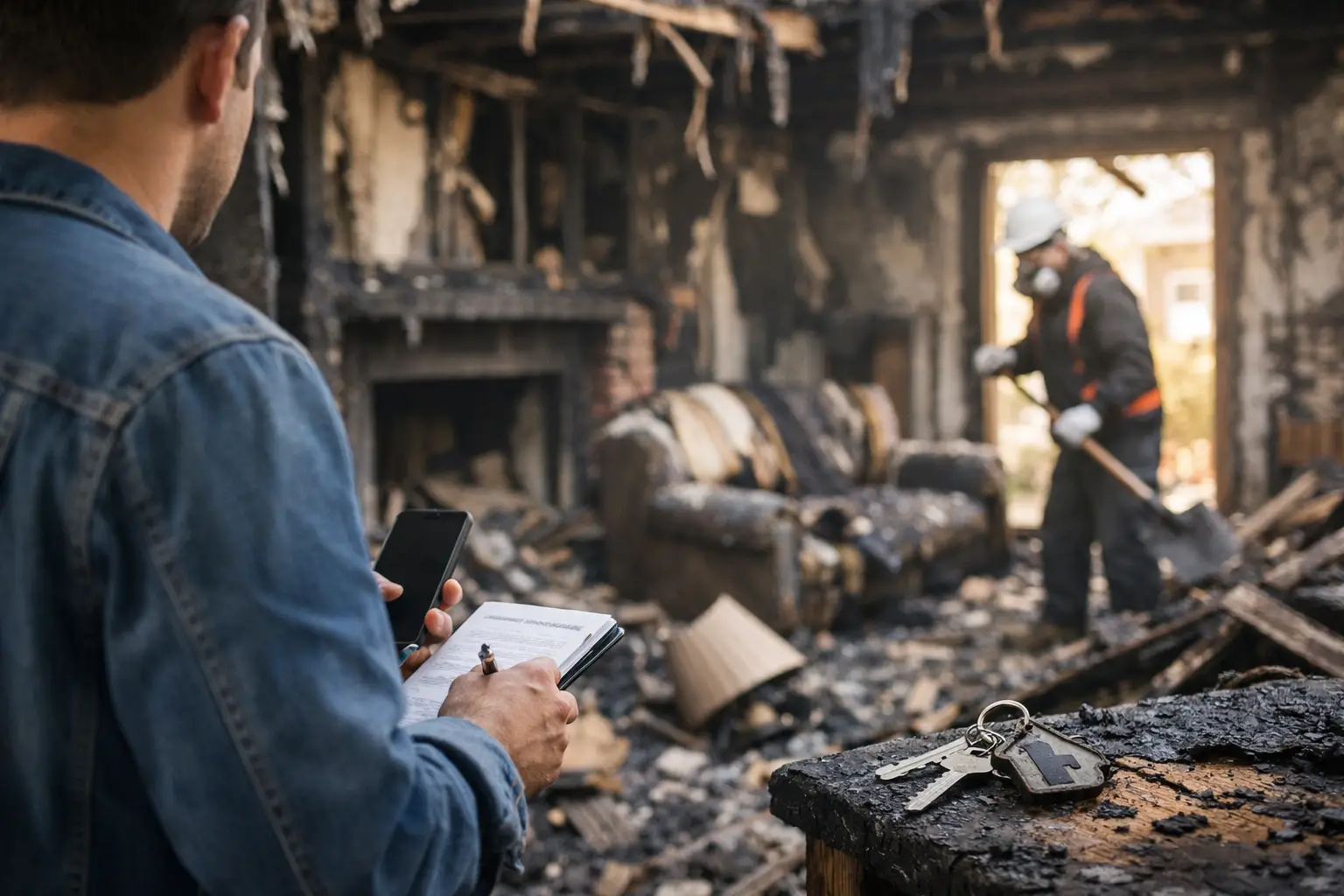 Fire & Smoke
Soot removal, odor deodorization, and content cleaning after fire and smoke damage.
Learn more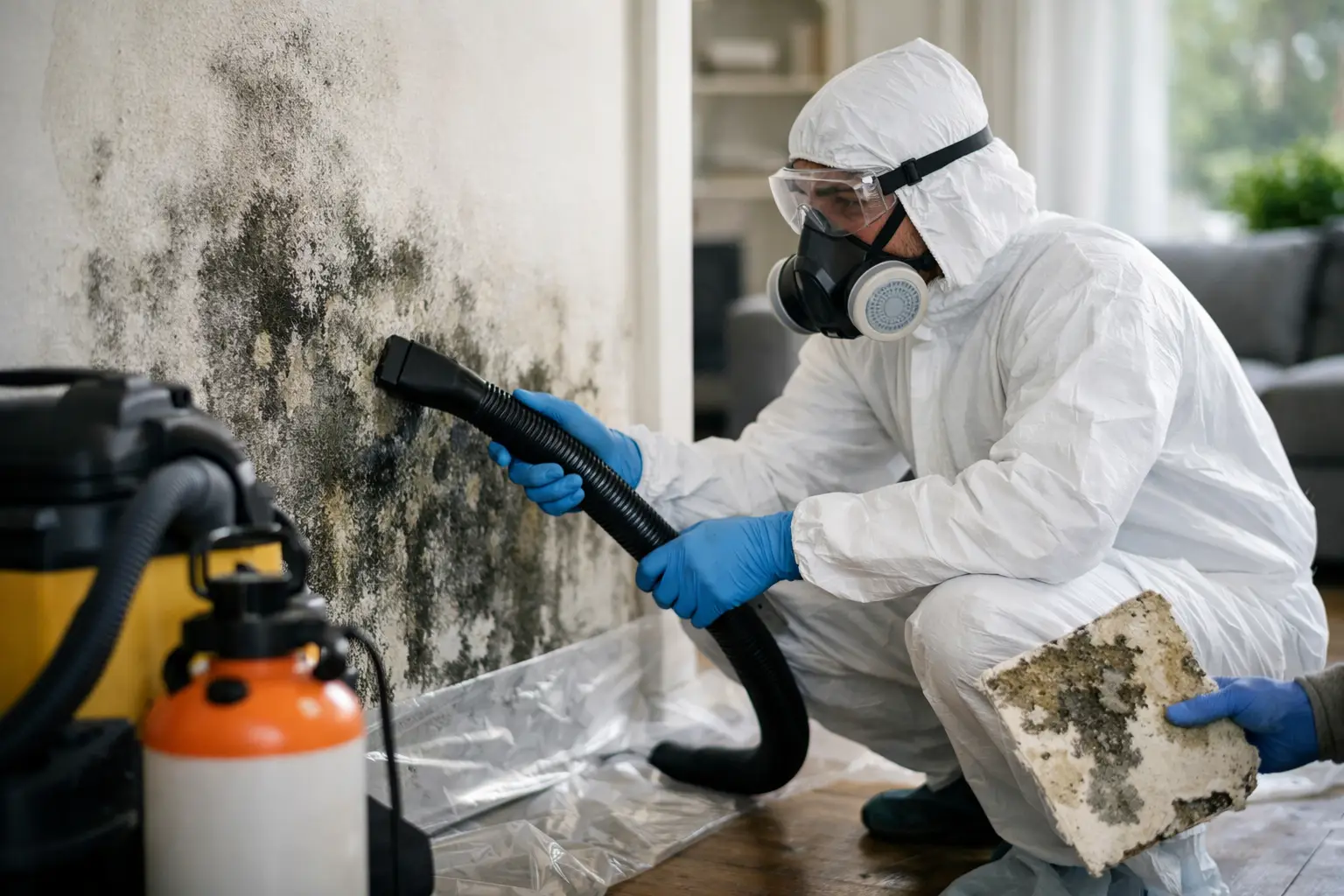 Mold
MoldContainment, removal, and moisture control that stops mold from coming back.
Learn more Storm
StormEmergency board-up, roof tarping, and full recovery after wind, hail, and storms.
Learn more Sewage
Safe biohazard cleanup and sanitizing after sewage backups and overflows.
Learn more Reconstruction
Full rebuild by a licensed general contractor, so your property comes back whole.
Learn moreElevated Operations is an IICRC-certified, licensed general contractor based in Mableton that handles the entire recovery in-house, so after one loss you are never coordinating a cleanup crew, a mold crew, and a contractor separately. One team, one point of contact, from the first pump-out to the final coat of paint.
People call when the property feels like a disaster. They leave reviews because Chris and the crew made it right. These are real, verified Google reviews.
I provide 60-minute emergency response 24/7, and I treat East Point calls like urgent losses, not routine service tickets. If the roof is open, a window is broken, or water is entering, I move fast to stabilize the house and start the documentation. That speed matters near MARTA, where wind and rain can keep working on the home after the storm front passes.
Often, yes. Older bungalows can have layered repairs, mixed materials, and hidden weak points that are not obvious from the exterior. I inspect roof edges, rear additions, attic spaces, and wall cavities with that in mind. In East Point, those homes need a careful eye because a small roof problem can become a bigger water issue quickly.
Yes. I offer direct insurance billing, and I help homeowners keep the process organized from the first inspection to the final repair scope. I also provide deductible assistance up to $1,000 when it applies. I’ve worked this way since 2007, and I know carriers want clean documentation, clear photos, and a consistent story of what the storm actually damaged.
Hail damage can still matter even when the house is not actively leaking. I look at roof surfaces, vents, flashing, and other impact points to see whether the storm opened the system. Some hail damage repair is cosmetic, but some of it leads to future water intrusion if it is left alone. That is why I inspect before I assume it is minor.
If windows, doors, or other openings are exposed, yes, temporary boarding is a smart move. It helps keep rain, debris, and unauthorized entry out while the repair plan comes together. I use it when the house needs immediate protection and roof tarping is not enough on its own. It is about stabilizing the property fast, not patching it forever.
I back my work with a 12-month warranty. That matters because storm repairs are only useful if they hold after the crew leaves. I stand behind the repair process, and because I’m a licensed general contractor, I can handle the work with the right construction oversight when the damage goes beyond surface cleanup.
You need a closer look if you see sagging ceilings, soft floors, cracked framing, or exterior sections that shifted in the storm. Those are not cosmetic issues. I look for evidence that the building itself was affected, then decide whether structural repair is necessary. In East Point, especially on older homes, hidden damage can show up in places the homeowner would never check first.
Because I run the job from the owner side, not from a call center. Elevated Operations, LLLP is based in Mableton, I’ve been in restoration since 2007, my technicians are IICRC-certified, and we hold a 4.9-star Google rating from 73 reviews. I know Metro Atlanta storm patterns, I work directly with insurance, and I show up prepared to protect the house quickly.
Elevated Operations dispatches IICRC-certified crews across Metro Atlanta from our Mableton base, with a 60-minute emergency response day or night. Choose your city:
Call now for an immediate response, or request your free inspection and get a certified crew on-site within the hour across Atlanta and nearby areas.