24/7 Emergency Restoration · Serving Metro AtlantaEmergency? (770) 404-6895
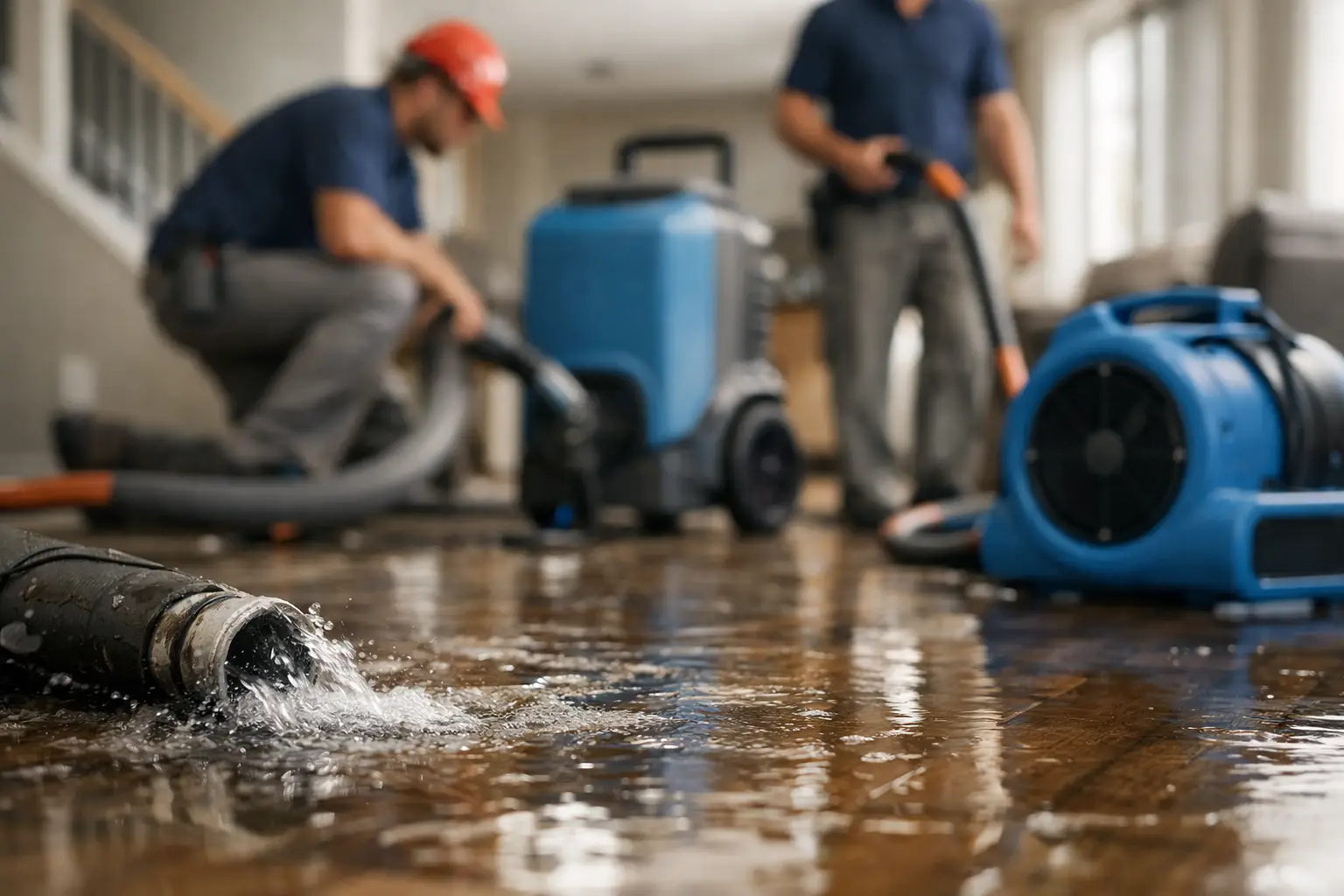
Water extraction and drying East Point starts with removing standing water, then controlling moisture left inside walls, floors, and carpets. I explain the process plainly so East Point homeowners know what happens after a leak, why it matters near MARTA and the College Park-line bungalows, and how professional drying protects the structure.
IICRC-Certified · 5-Star Rated · 60-Minute Response · Insurance Billed Directly
Stop the source if you can, then remove standing water right away. The faster water extraction starts, the less it can spread into flooring, drywall, and trim.
Their materials and layouts can trap moisture in hidden spaces. That makes structural drying and moisture monitoring more important than surface cleanup alone.
It pulls moisture out of the air so the structure can keep drying instead of reabsorbing water. Without it, the process slows down.
No. Smell is not a measurement. I rely on moisture readings, because hidden water can stay in walls and floors after the odor changes.
Water extraction and drying is the process of removing standing water, then drying the hidden moisture that remains in building materials. In East Point, that often means getting water out of older bungalows near the MARTA corridor before it spreads into flooring, baseboards, and wall cavities.
I treat it as two jobs, not one. Water removal handles the visible water. Structural drying handles the moisture you cannot see inside drywall, under floors, and behind trim. Skip either step, and the problem can keep moving long after the leak looks finished.
East Point homes, especially the College Park-line bungalows, often have a mix of older framing and updated finishes. That mix traps water differently. A hardwood floor may look fine while subflooring stays wet, which is why moisture monitoring matters from the start.
And timing matters. Standing water does not wait. It can soak carpets, swell wood, and spread through rooms before you finish calling for help. That is why water extraction and drying is always about quick removal, then controlled drying until the structure is actually dry.
East Point sees water damage because everyday plumbing, roof, and appliance failures can hit homes fast, and older housing near MARTA and the College Park-line bungalows can be more vulnerable to hidden leaks and trapped moisture.
A lot of East Point damage starts small. A supply line fails. A washing machine overflows. A roof leak finds a weak spot. Then water moves into the framing, and the homeowner notices the problem only after the floor feels soft or the baseboard begins to swell.
Older bungalows have character, but they also have details that can complicate drying. Original flooring, additions, crawlspaces, and patchwork repairs can create pockets where moisture lingers. That is why I do not rely on what a room looks like from the doorway.
And weather is only part of the story. Humidity slows the drying process, so a spill that might seem minor can still take real work to dry correctly. In East Point, I want homeowners to think about both the source of water and the way the building holds it.
The process starts with finding the source, removing standing water, and checking how far moisture spread. Then technicians use air movers, dehumidification, and moisture monitoring to dry the structure until materials reach safe conditions.
I start by stopping further water entry if possible, then I look at what got wet and how far it traveled. Wet carpet extraction comes first when carpet is salvageable, because trapped water under padding can keep feeding damage into the floor system.
After extraction, the drying process uses targeted equipment. Air movers push surface moisture into the air, and dehumidification pulls that moisture out of the space. That combination is what creates real structural drying instead of surface drying that only looks finished.
Moisture monitoring is not optional. I check readings in materials, not guesses in the air. That is especially important in East Point homes near the MARTA line, where room layouts, enclosed porches, and mixed building materials can hide damp pockets behind walls and under floors.
Professional water extraction uses pumps, wet vacuums, air movers, dehumidifiers, and moisture meters, depending on the size and type of loss. The right setup depends on whether the damage is in carpet, hardwood, drywall, or crawlspace areas.
For standing water, the first tools are usually extraction equipment and wet vacs. If carpet is involved, wet carpet extraction can remove a large amount of water before it soaks deeper into the pad or subfloor. That early step can change what can be saved.
Then come the drying tools. Air movers increase evaporation across floors and walls, while dehumidification pulls that moisture from the air so it does not settle back into the structure. Without both, you are just moving water around the house.
I also use moisture meters and thermal checks when needed. Those readings tell me where water went, which matters in East Point homes with older finishes or remodels. Guessing is expensive. Measurements keep the job honest and help me decide when the structure is actually dry.
Structural drying is important because materials can stay wet inside long after the surface feels dry. In East Point homes, that hidden moisture can damage framing, flooring, and drywall, even when the room looks normal again.
A room can fool you. The carpet may feel dry. The drywall may look fine. But if the subfloor, insulation, or wall cavity still holds moisture, the damage keeps progressing. Structural drying is the step that stops that hidden problem.
I see this a lot in homes with layered repairs, especially older East Point houses with additions or enclosed porch work. Those details create air pockets and dead zones where moisture lingers. Air movers alone do not solve that. The whole structure has to be dried as a system.
And this is where moisture monitoring earns its keep. I do not end a job because the equipment has been running for a while. I end it when the materials show dry readings. That is the difference between getting by and doing the work correctly.
Drying time depends on how much water entered the home, what materials were affected, and how quickly extraction started. Light losses dry faster than deep saturation, but every job needs monitoring until the structure is actually dry.
There is no honest one-size answer. A small supply-line leak in a single room is different from a leak that soaked subflooring or spread into multiple rooms. The drying process has to match the materials, the amount of water, and the condition of the home.
East Point humidity can slow things down, and older bungalows can hold moisture in places you cannot see right away. That is why I track the drying with readings, not assumptions. If the structure still tests wet, it stays on equipment.
A fast response helps. The sooner water extraction starts, the less moisture gets buried inside materials. That can reduce how much has to be dried later. But the real answer always comes from inspection and moisture monitoring, not a guess from the hallway.
A floor can look normal while the subfloor and framing are still wet. In East Point, especially around older bungalows near MARTA, hidden moisture is what causes the next round of damage.
Water removal comes first. If standing water stays in the room, air movers and dehumidification cannot do their job well, and the structure keeps soaking.
I use readings, not hunches, to know when materials are dry. That matters when walls, hardwood, carpet, and trim all dry at different speeds.
Wet carpet extraction may save the floor system underneath by removing water early. But if padding or subflooring is already saturated, the plan has to change.
College Park-line bungalows and similar East Point homes can hide water in crawlspaces, additions, and wall cavities, which makes careful structural drying more important.
From emergency mitigation to full reconstruction, handled in-house so you are never managing a chain of subcontractors mid-crisis.
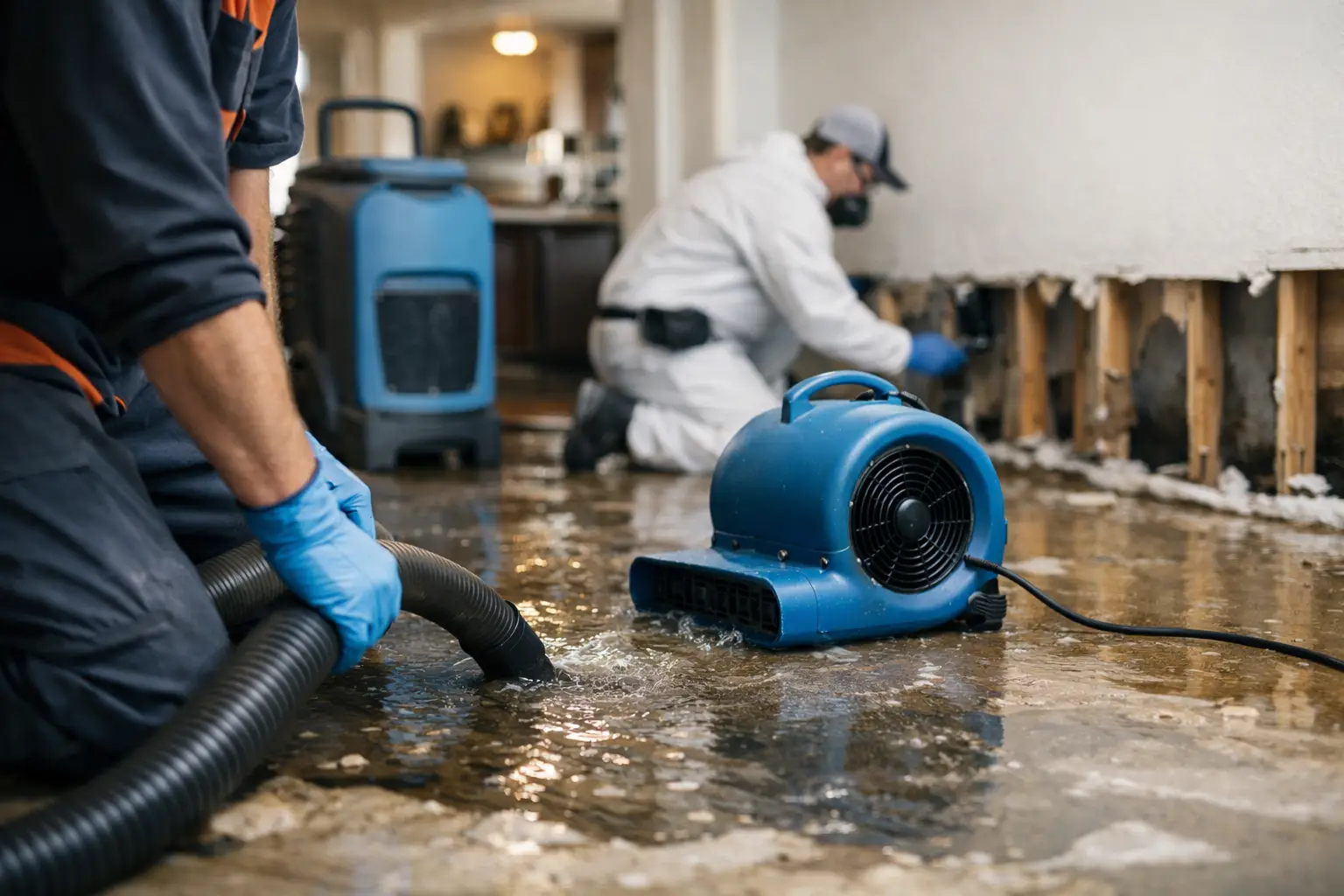 Water Damage
Extraction, structural drying, and moisture mapping after floods, leaks, and burst pipes.
Get help now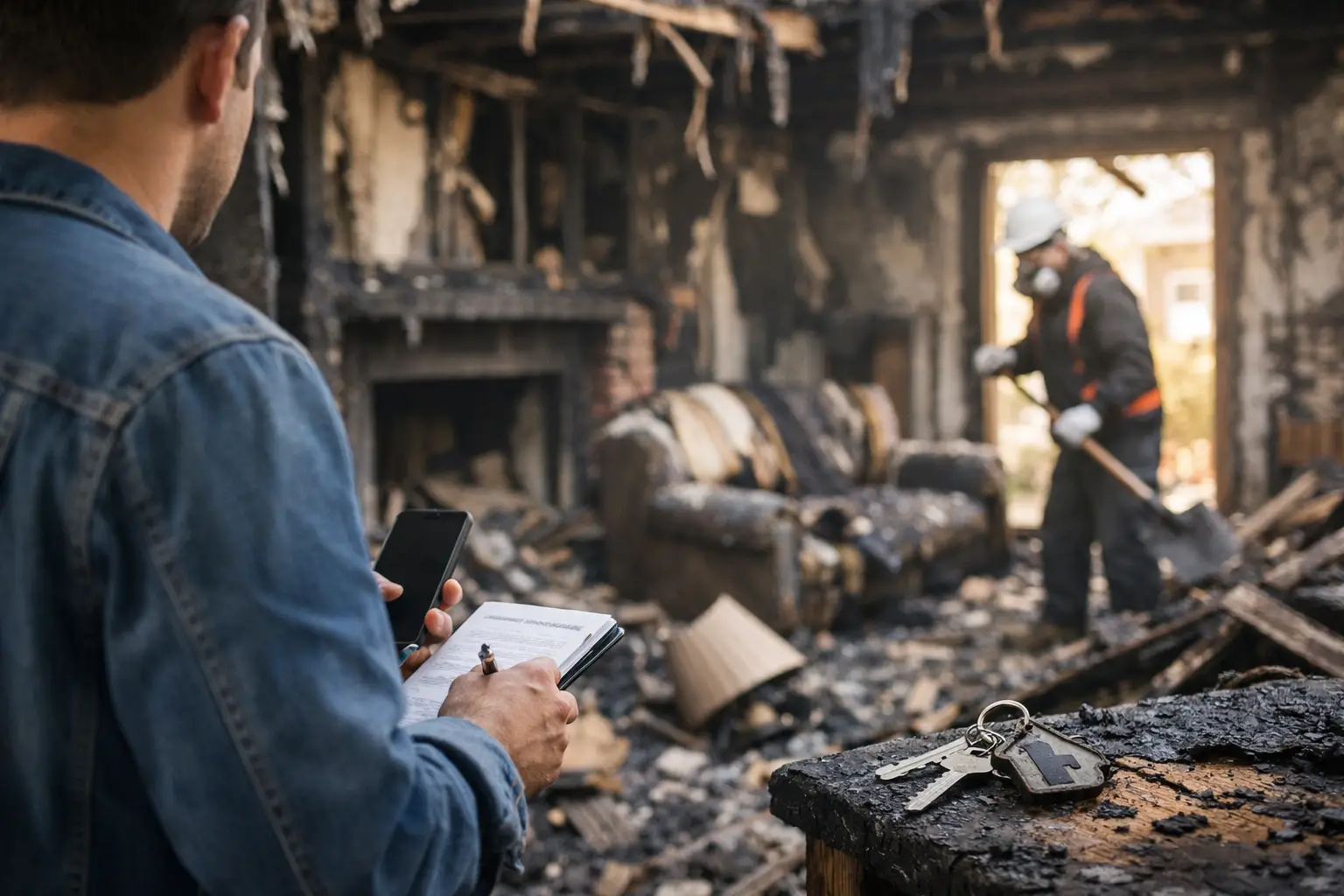 Fire & Smoke
Soot removal, odor deodorization, and content cleaning after fire and smoke damage.
Learn more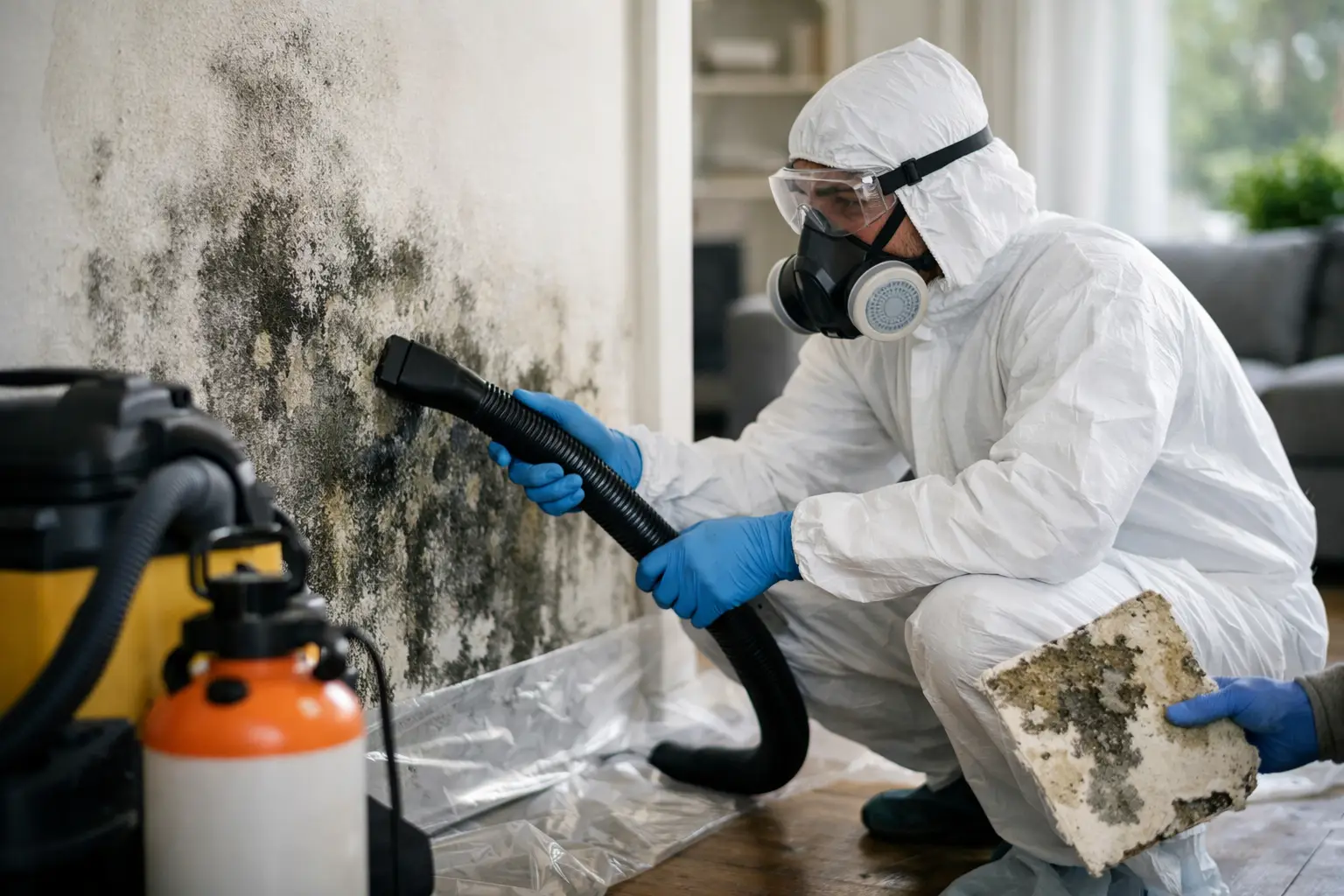 Mold
MoldContainment, removal, and moisture control that stops mold from coming back.
Learn more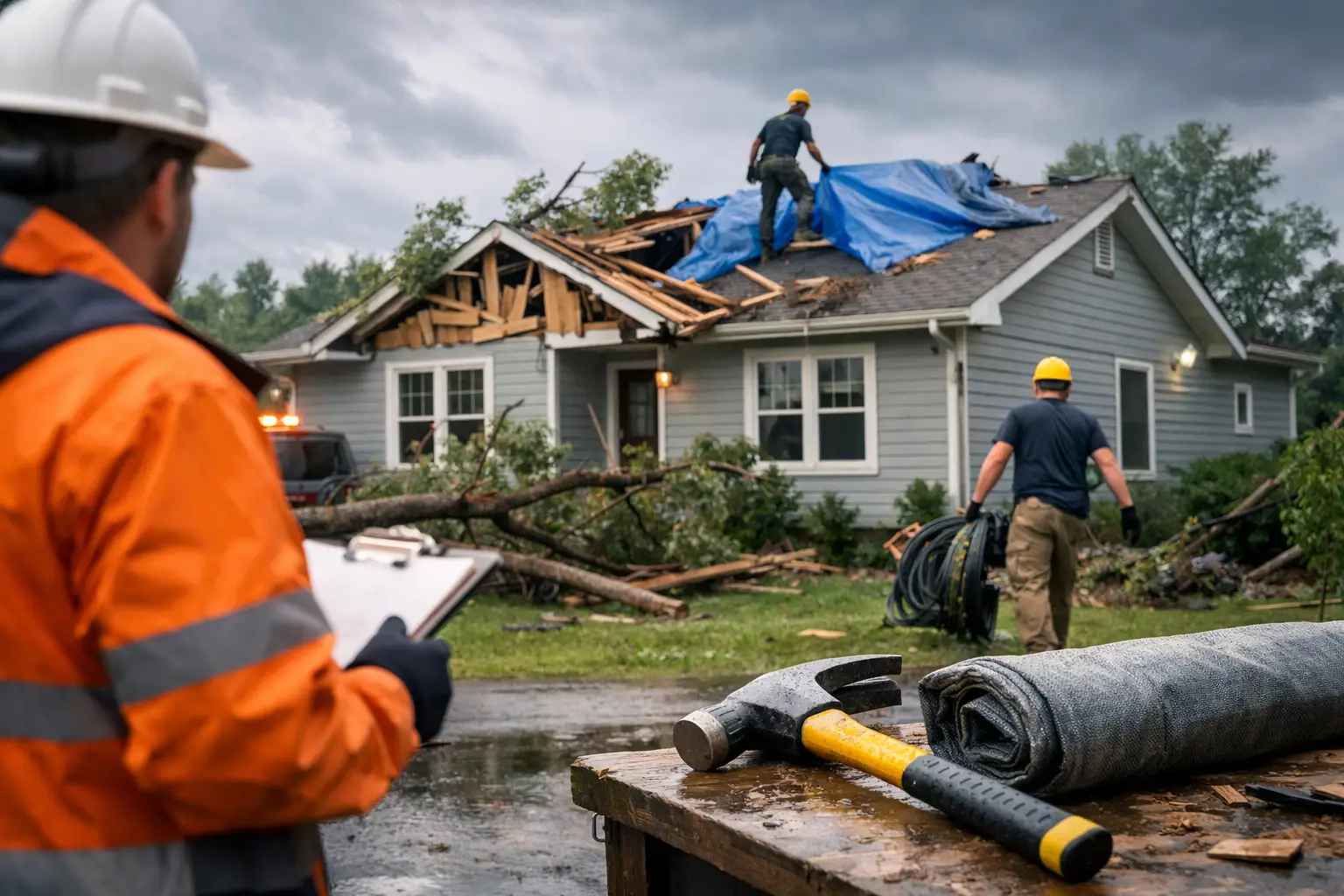 Storm
StormEmergency board-up, roof tarping, and full recovery after wind, hail, and storms.
Learn more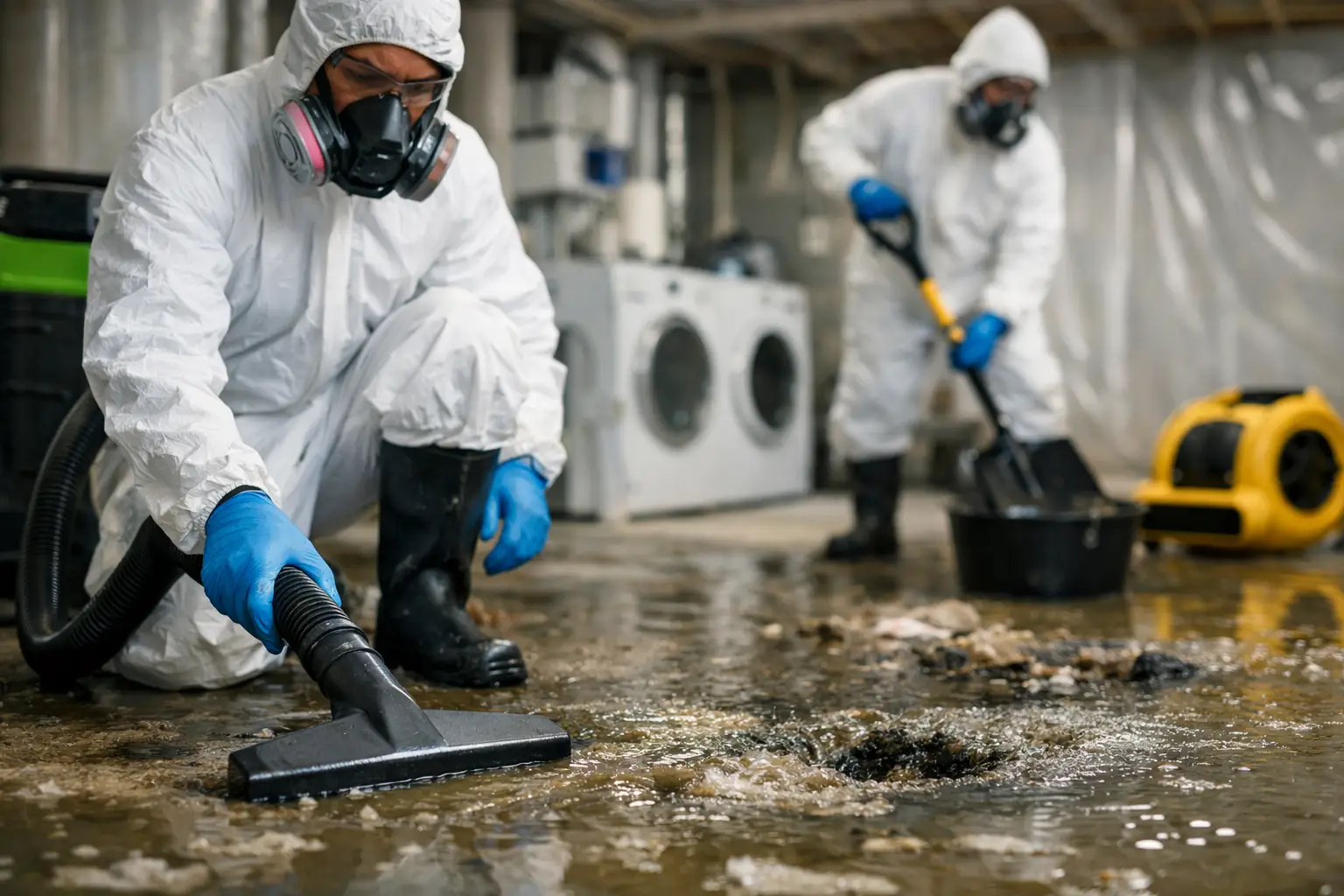 Sewage
Safe biohazard cleanup and sanitizing after sewage backups and overflows.
Learn more Reconstruction
Full rebuild by a licensed general contractor, so your property comes back whole.
Learn moreElevated Operations is an IICRC-certified, licensed general contractor based in Mableton that handles the entire recovery in-house, so after one loss you are never coordinating a cleanup crew, a mold crew, and a contractor separately. One team, one point of contact, from the first pump-out to the final coat of paint.
People call when the property feels like a disaster. They leave reviews because Chris and the crew made it right. These are real, verified Google reviews.
Expect a step-by-step process, not a single machine and a quick exit. I first look at the source, then remove standing water, then set up air movers and dehumidification if the structure needs drying. In East Point homes near MARTA, older layouts and bungalow additions can hide moisture, so I keep checking readings instead of guessing.
I know it is dry when the materials test dry, not when the room smells better or the floor feels cooler. Moisture monitoring is the standard. In East Point bungalows, especially older ones near the College Park line, water can stay trapped in framing, trim, or subflooring long after the surface looks finished.
Sometimes, yes, if it happens fast and the padding, subfloor, and backing have not been damaged too badly. Wet carpet extraction can remove a lot of water early and limit spread. But if the carpet stayed wet too long, I have to look deeper at the structure and decide what can truly be dried.
Older floors can look stable while the wood underneath keeps holding moisture. That is common in East Point homes with character features and patchwork repairs. Structural drying matters because it addresses the layers below the finish floor, not just the part you see when you walk in.
A quick mop-up only removes the water you can reach. Water extraction and drying go farther, because moisture spreads under trim, into carpet pad, and into wall cavities. In East Point, that hidden moisture can stay in the home near MARTA and the bungalow corridors unless it is measured and dried correctly.
Yes. Air movers push moisture off the surfaces, and dehumidification removes that moisture from the air so it does not settle back into the structure. That pairing is the core of a proper drying process, especially in East Point homes where humidity and older materials can slow progress.
Plumbing leaks often start under sinks, behind walls, or near appliances, then move into drywall, trim, and flooring before anyone notices. In East Point, that can mean a small leak turns into a larger drying job if it reaches subfloors or hidden wall spaces.
Because water does not always dry evenly. Moisture monitoring tells me whether the drywall, wood, or subfloor is still wet, even when the room looks clean. In East Point homes, especially older bungalows, that is the difference between temporary improvement and a complete drying job.
Elevated Operations dispatches IICRC-certified crews across Metro Atlanta from our Mableton base, with a 60-minute emergency response day or night. Choose your city:
Call now for an immediate response, or request your free inspection and get a certified crew on-site within the hour across Atlanta and nearby areas.