24/7 Emergency Restoration · Serving Metro AtlantaEmergency? (770) 404-6895
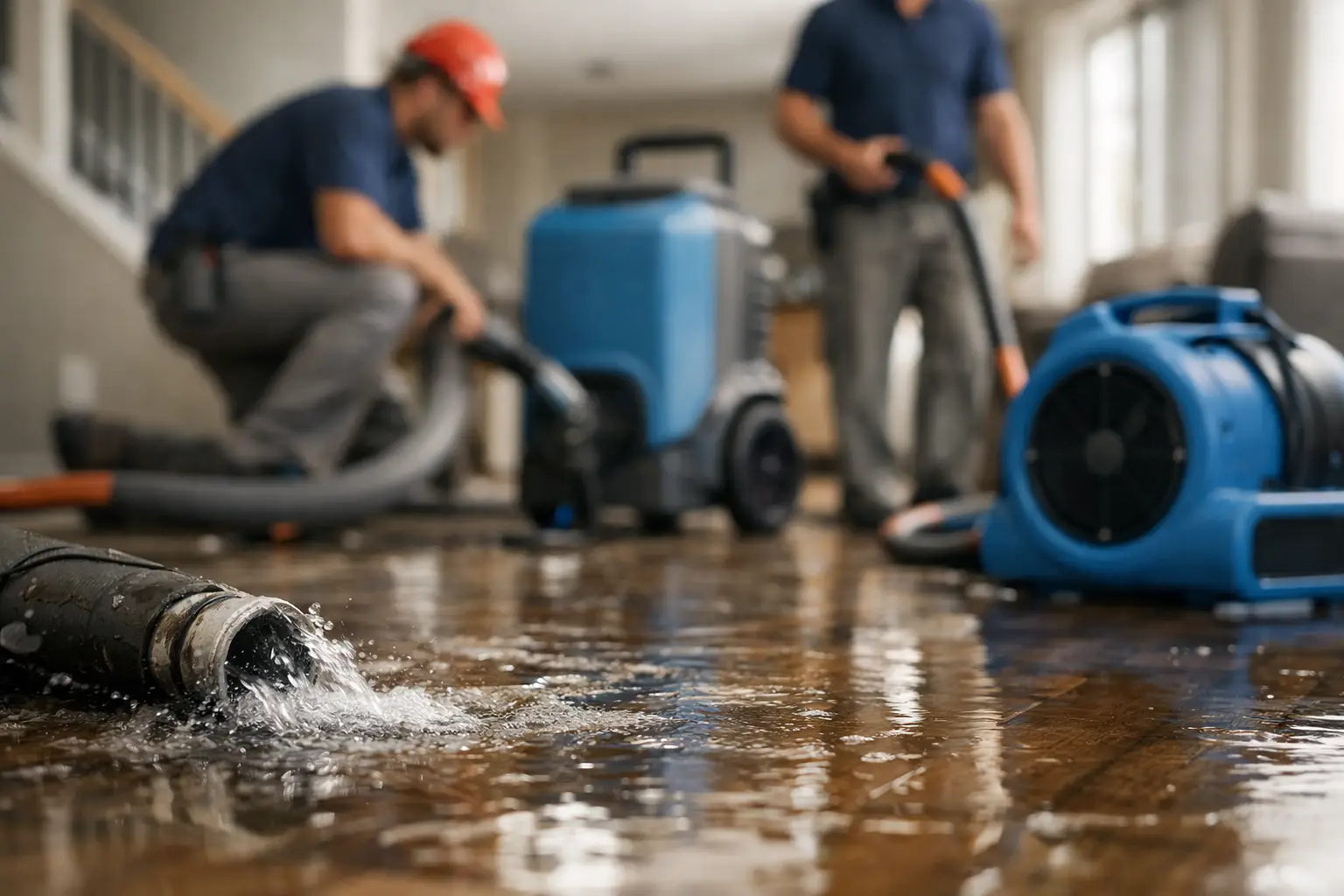
Water mitigation services Forest Park means I get there fast, stop the spread, and start drying before the damage climbs. In a city shaped by airport traffic, industrial buildings, Fort Gillem, and post-war homes, speed matters because moisture moves through walls, floors, and contents fast. Call me when it starts.
IICRC-Certified · 5-Star Rated · 60-Minute Response · Insurance Billed Directly
Yes. I answer 24/7 and keep a 60-minute emergency response standard because water damage does not wait for daylight.
I move fast, document cleanly, and focus on mitigation first. That keeps the loss from spreading into the structure and makes the next steps easier.
Yes. My technicians are IICRC-certified, and I bring a licensed general contractor background to the work.
Call (770) 404-6895 for immediate water mitigation services in Forest Park.
I start with water extraction, safety checks, and a fast moisture map so I know what is wet, what is drying, and what has to be contained right away. In Forest Park, that first hour matters because older post-war houses and industrial spaces do not forgive slow response.
I do not wait around for the problem to declare itself. If water is on the floor, I move into loss mitigation immediately, because every minute can push moisture into baseboards, subfloors, drywall, and insulation.
Forest Park properties see a mix of housing and commercial use, and that changes the approach. A small leak in a post-war home near the residential streets is different from intrusion in an industrial bay by Fort Gillem or near airport corridors.
The first hour is about control. I look for the source, stop what I can, and start the drying equipment plan so dehumidification and structural drying can begin without delay.
Water mitigation services include water extraction, containment, moisture control, dehumidification, and structural drying, plus documentation for insurance. I handle the active damage first, then I set the building up for a stable dry-out so the loss does not spread deeper into hidden cavities.
IICRC-certified technicians do the work, and I keep the process tight. That means measuring, pulling standing water, placing drying equipment, and using containment where needed so wet areas do not keep feeding the rest of the structure.
In Forest Park, buildings near industrial corridors and the airport see different airflow, dust, and usage patterns than a quiet subdivision. That is why I do not use a one-size approach. I match the equipment and the dry-out plan to the structure.
I also handle direct insurance billing and deductible assistance up to $1,000. That matters when a property owner is already dealing with a broken line, storm intrusion, or a washer failure and needs the paperwork to move as fast as the cleanup.
Water mitigation should start immediately, not later in the day and not after the structure has had time to soak through. Mold starts in 24 to 48 hours, and in Forest Park that risk rises fast in post-war homes, commercial spaces, and buildings close to heavy-use industrial zones.
I answer emergency calls 24/7 with a 60-minute emergency response, because waiting is expensive. Water does not pause for business hours, and neither do I. If the building is still wet, the loss is still growing.
Speed matters even more in Forest Park because older construction can hide moisture fast. Drywall can look fine while insulation, framing, and subfloors are already saturated. That is where structural drying and moisture control earn their keep.
Fort Gillem and airport-area properties often have larger footprints, open spans, or mixed-use construction. Those buildings need rapid containment and dehumidification before air movement spreads the problem into offices, stock, or equipment.
On the first day, I focus on removing water, setting drying equipment, checking moisture levels, and isolating wet materials that can keep feeding the loss. I build the dry-out plan around the structure, because a rushed setup without measurements is not mitigation, it is guesswork.
The first day is the real pivot point. I want active water extraction done, the source stabilized, and dehumidification running as soon as the structure allows it. That is how you keep secondary damage from taking over the job.
If the building needs containment, I put it in place so wet zones stay separated from dry ones. That helps in industrial spaces, storage areas, and older homes where water can move through cavities faster than people expect.
I also document what I find. Direct insurance billing works better when the file is clean, and a clear record of moisture control, drying equipment placement, and visible damage helps keep the claim moving.
No, they are not the same. Water mitigation is the urgent work that stops the spread, extracts water, and dries the structure. Water restoration comes after that, when repairs, replacement, and rebuild work can begin on a stable, dry property.
I make that distinction because homeowners and business owners in Forest Park often need both, but not at the same time. First comes loss mitigation and structural drying. Then comes the repair phase once the moisture problem is under control.
A lot of damage in this area starts in places people do not see right away, like wall cavities, crawl spaces, or the back side of trim in older post-war construction. If the dry-out is incomplete, restoration gets pushed back.
As a licensed general contractor, I understand where mitigation ends and rebuild begins. That matters when the job moves from drying equipment and containment to actual repair planning.
Speed matters because water spreads fast, and the building types in Forest Park can hide that spread fast too. Older homes, industrial structures, and properties near airport activity all need fast response before moisture reaches framing, finishes, and contents.
Forest Park has a working-city feel, with airport and industrial influence alongside older residential blocks. That mix creates different failure points, and water takes advantage of every one of them. I do not give it that window.
I have been in restoration since 2007, and I have seen the same pattern again and again: the faster the extraction and drying begin, the simpler the job usually stays. Delay is what turns a wet room into a larger project.
My job is to get in, stabilize, and dry the structure so you are not paying for a bigger loss later. That is the whole point of water damage mitigation, not just cleanup after the fact.
I arrive fast, inspect the source, start water extraction, and set a plan for containment and moisture control. The goal is simple: stop the spread before water keeps moving through the structure.
I place drying equipment, begin dehumidification, and track wet materials so the building starts losing moisture the right way. In Forest Park, that first day often decides how deep the loss goes.
I keep checking readings, adjust airflow, and use structural drying to target hidden moisture in framing, subfloors, and wall cavities. This is where patience and measurement beat guesswork every time.
Once the structure is dry, I transition into repairs as needed under Elevated Operations, LLLP. That may involve replacing damaged materials and finishing the restoration work that mitigation made possible.
From emergency mitigation to full reconstruction, handled in-house so you are never managing a chain of subcontractors mid-crisis.
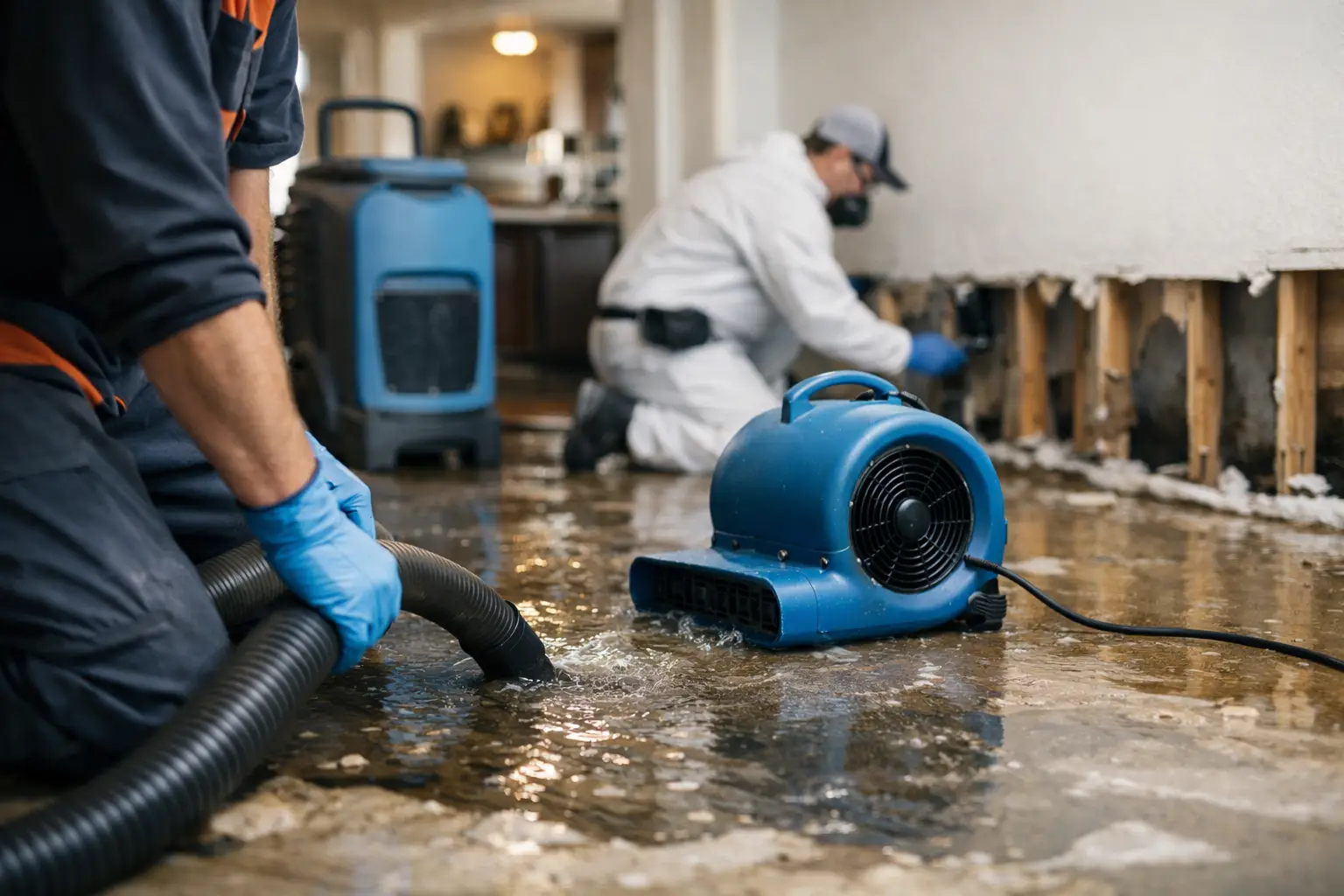 Water Damage
Extraction, structural drying, and moisture mapping after floods, leaks, and burst pipes.
Get help now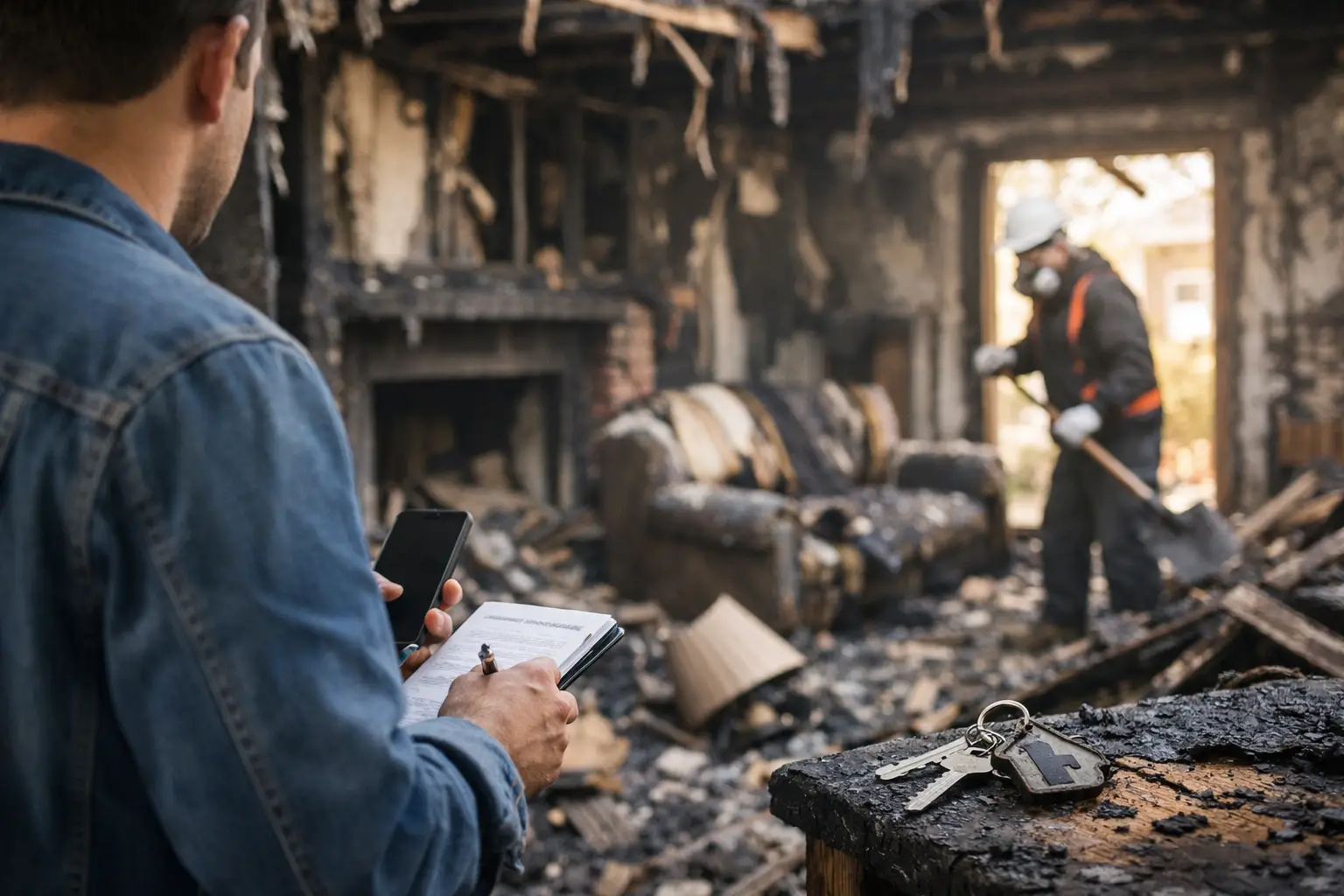 Fire & Smoke
Soot removal, odor deodorization, and content cleaning after fire and smoke damage.
Learn more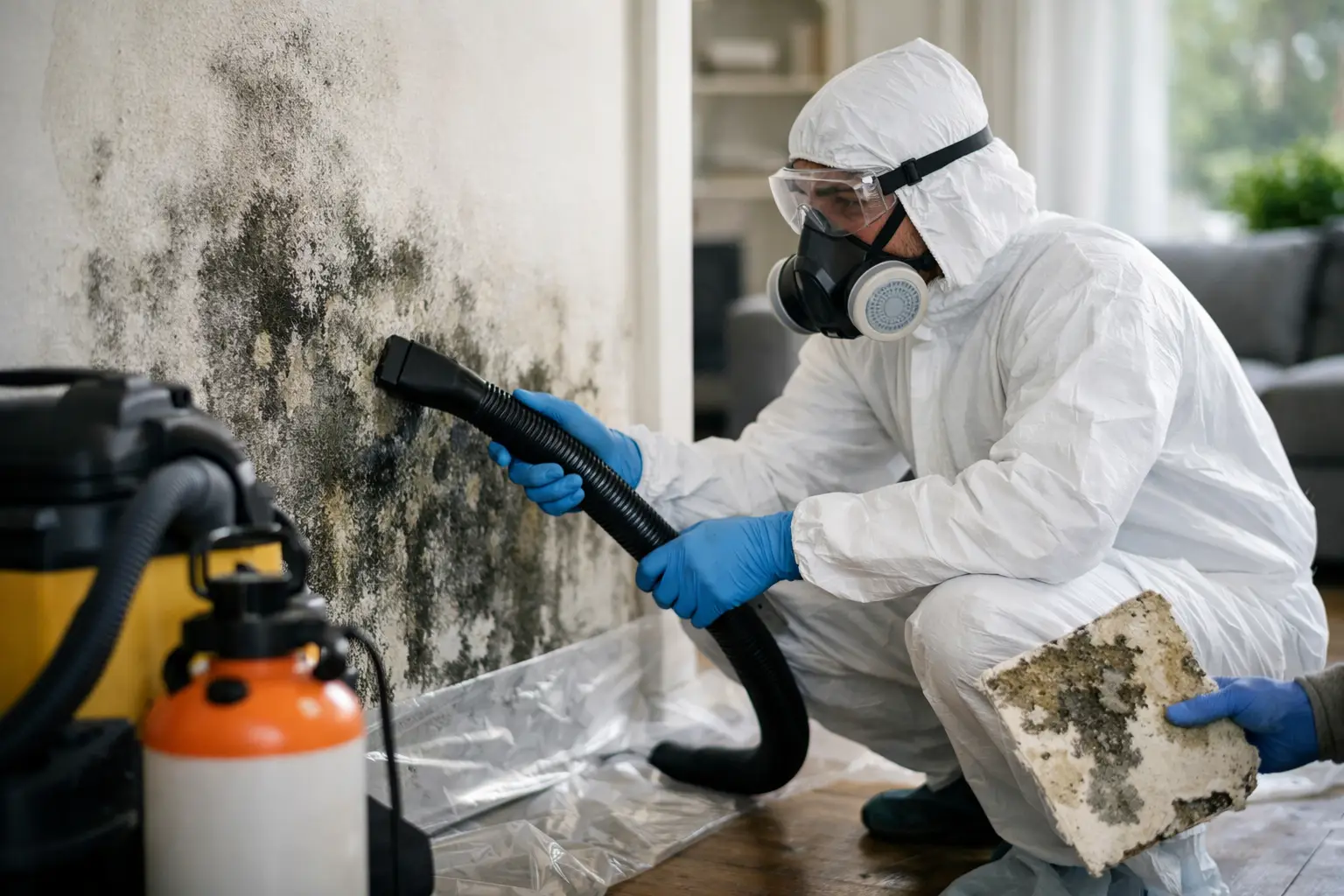 Mold
MoldContainment, removal, and moisture control that stops mold from coming back.
Learn more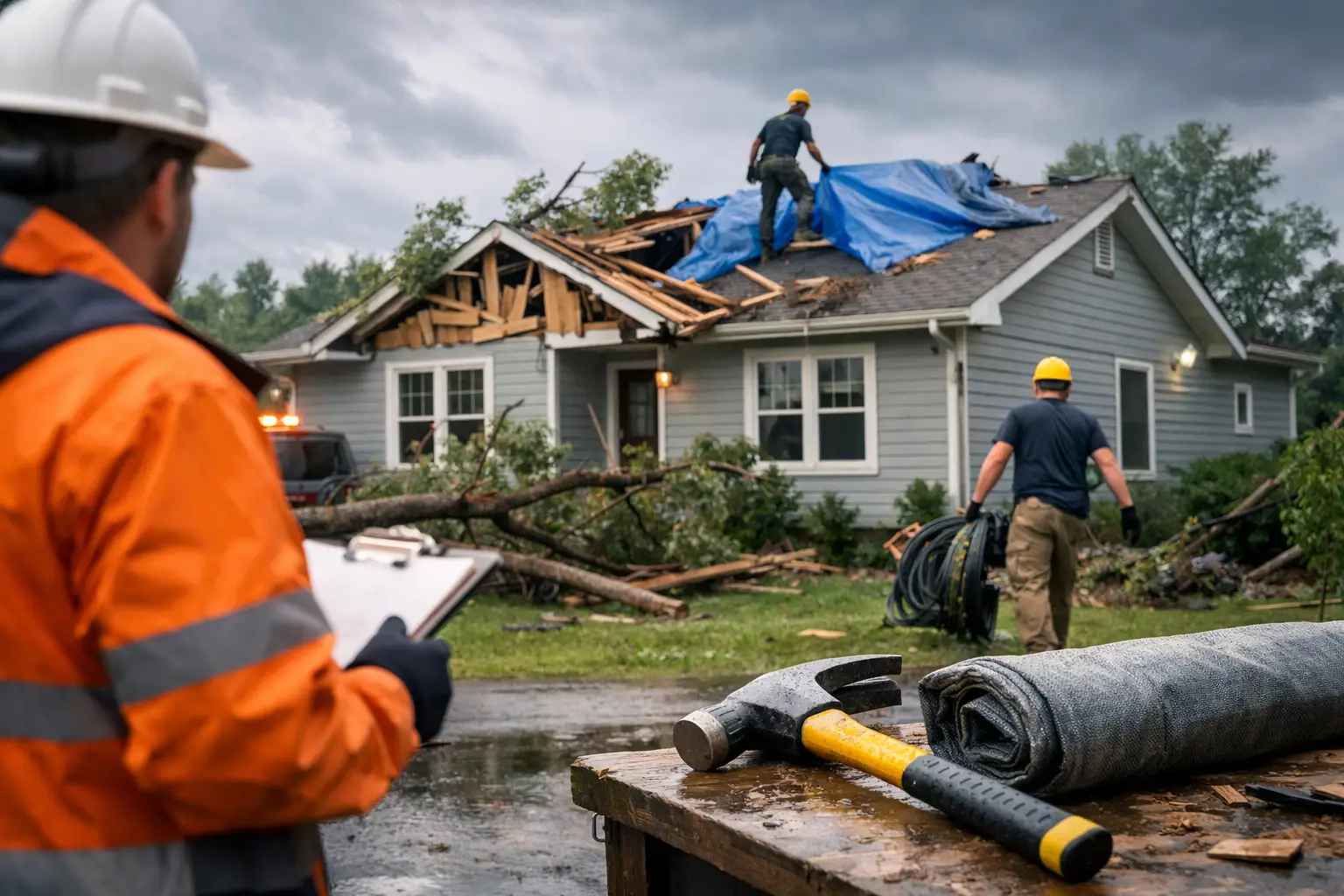 Storm
StormEmergency board-up, roof tarping, and full recovery after wind, hail, and storms.
Learn more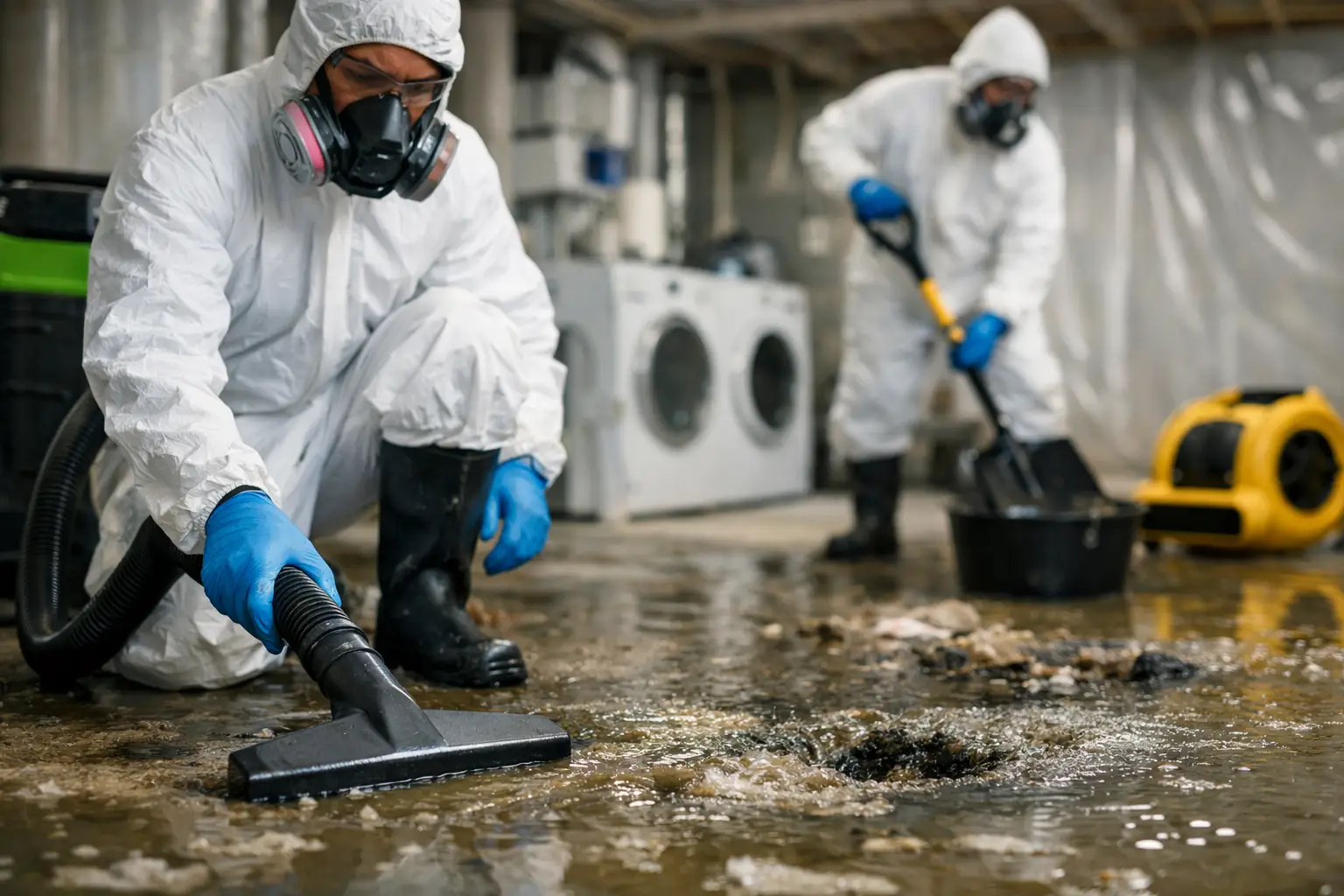 Sewage
Safe biohazard cleanup and sanitizing after sewage backups and overflows.
Learn more Reconstruction
Full rebuild by a licensed general contractor, so your property comes back whole.
Learn moreElevated Operations is an IICRC-certified, licensed general contractor based in Mableton that handles the entire recovery in-house, so after one loss you are never coordinating a cleanup crew, a mold crew, and a contractor separately. One team, one point of contact, from the first pump-out to the final coat of paint.
People call when the property feels like a disaster. They leave reviews because Chris and the crew made it right. These are real, verified Google reviews.
I start with a fast inspection, water extraction, and moisture mapping, then I move into drying and containment based on what the building actually needs. Older post-war homes can hide water in wall assemblies and flooring, so I treat them carefully and move quickly.
Yes. Industrial and mixed-use properties need a different pace and setup than a residence, and I plan for that. I use containment, dehumidification, and structural drying to keep the loss from spreading into adjacent work areas, stock, or equipment.
If it is safe, shut off the source, keep people away from wet electrical areas, and do not start moving materials through the building. Then call me. I answer 24/7, and the goal is to get mitigation moving before the damage spreads further.
I document the visible damage, the moisture readings, the equipment setup, and the work performed so the claim file is clear. I also offer direct insurance billing, which helps keep the process organized while the structure is being dried.
Often, yes. Larger footprints, open spaces, and commercial use can change airflow and drying needs. I choose drying equipment based on the structure, then I monitor moisture levels so the dry-out is controlled instead of rushed.
Mold starts in 24 to 48 hours, so I treat every water job like a timer is running. The faster I get water extraction, dehumidification, and structural drying going, the less chance moisture has to turn into a bigger problem.
I can offer deductible assistance up to $1,000 on qualifying jobs. That does not replace proper mitigation, but it can help ease the pressure after a sudden loss while I handle the drying and documentation.
I run Elevated Operations, LLLP from Mableton and work across Cobb, Fulton, DeKalb, Douglas, Clayton, Henry, and Paulding counties. Forest Park is close to my response zone, and I bring IICRC-certified technicians, direct insurance billing, and a 12-month warranty to the job.
Elevated Operations dispatches IICRC-certified crews across Metro Atlanta from our Mableton base, with a 60-minute emergency response day or night. Choose your city:
Call now for an immediate response, or request your free inspection and get a certified crew on-site within the hour across Atlanta and nearby areas.