24/7 Emergency Restoration · Serving Metro AtlantaEmergency? (770) 404-6895
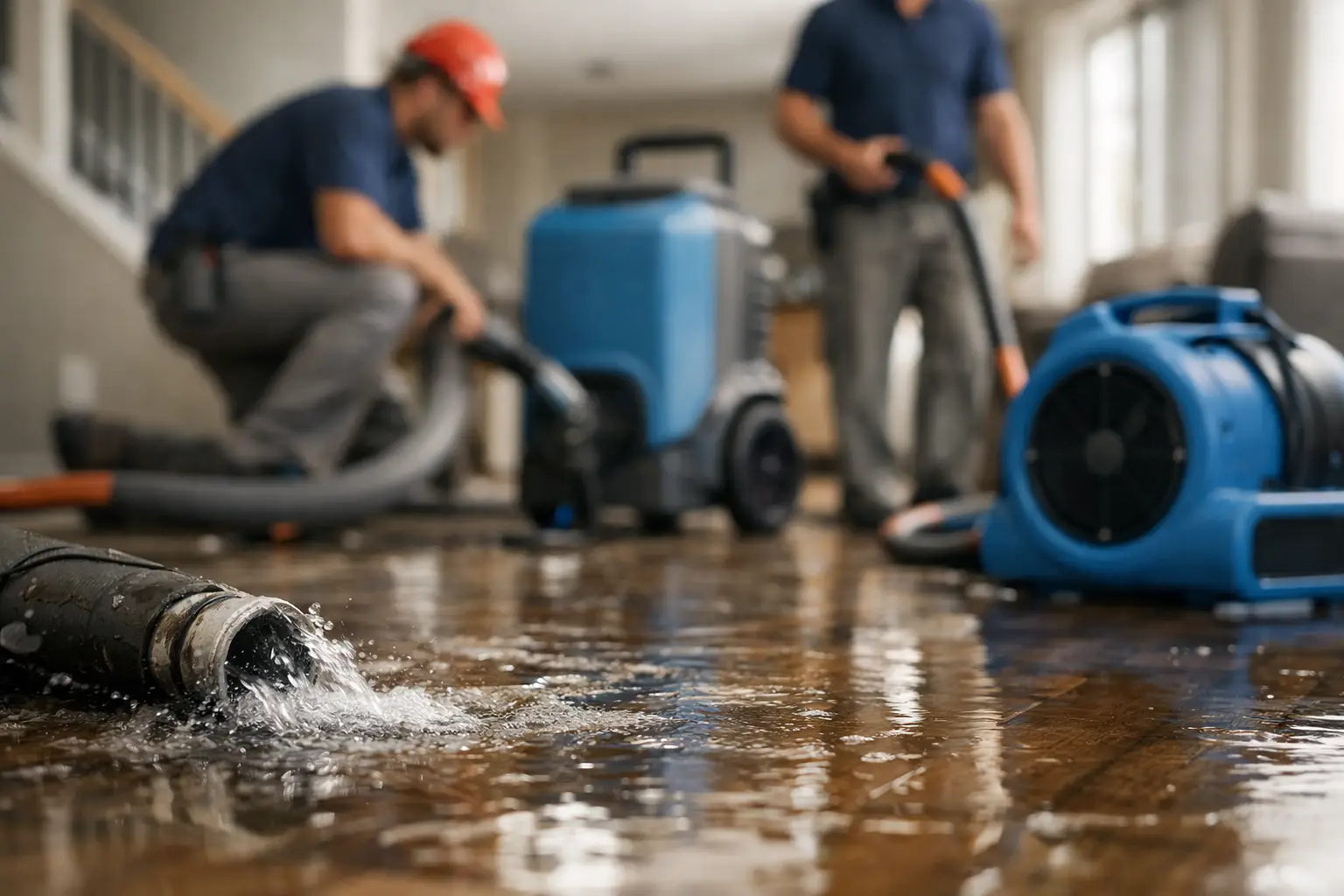
Emergency board up services Douglasville means I secure openings fast after damage, then decide whether temporary protection or full replacement makes sense. I am Chris Kwangwari of Elevated Operations, LLLP, and I handle the call with IICRC-certified technicians, direct insurance billing, and a 60-minute emergency response 24/7 from our Mableton base.
IICRC-Certified · 5-Star Rated · 60-Minute Response · Insurance Billed Directly
Yes. That area has fast-built homes and exposed openings that need quick protection.
Yes. I use the right temporary protection to stop more water and weather intrusion.
Yes. I compare restoration, temporary repairs, and replacement based on what the structure needs.
Yes. I offer direct insurance billing so the emergency work and claim process stay aligned.
You need emergency board up services in Douglasville when an opening is exposed, the weather is turning, or the property cannot stay secure. I use window board up, door board up, or roof tarping when the goal is to stop more damage before the next hour matters.
On the I-20 side of Douglasville, many homes and commercial buildings were built fast and finished with builder-grade materials. That means a broken pane or damaged exterior can turn into a bigger loss quickly, especially when wind-driven rain gets under loose trim or broken flashing.
Near Dog River reservoir, moisture is not a theoretical problem. If a storm hits, a damaged opening lets water travel into drywall, flooring, and insulation while the property sits open. I treat that as a board-up call first, not a wait-and-see situation.
And I do not confuse urgency with permanence. If the structure needs temporary repairs now and replacement later, I say that plainly. If the right move is property board up tonight and a rebuild after inspection, that is the call I make.
Emergency board up services in Douglasville usually include securing broken windows, damaged doors, and exposed roof areas so the structure stays protected. I also look at opening protection, temporary repairs, and whether direct insurance billing fits the claim before anything gets left exposed.
A real board-up job is not just plywood on a hole. It starts with checking the opening, measuring what needs coverage, and deciding whether the damage calls for window board up, door board up, or roof tarping. Each opening has its own weak point.
If the property is in one of the builder-grade neighborhoods near the I-20 corridor, I pay attention to framing and attachment points. Fast-built homes and light commercial shells often fail at the edges first, so the board-up has to hold without creating more damage.
I also keep the paper side clean. As a licensed general contractor, I can document the emergency work, use direct insurance billing, and explain what was protected and why. That matters when the claim moves from emergency stabilization to permanent repair.
Yes, boarded up windows can prevent further damage in Douglasville when the main threat is weather, debris, or unwanted entry. They do not fix the underlying problem, but they stop the opening from inviting more water, dirt, and interior damage while you plan the next step.
I have seen boarded windows keep a small break from becoming a soaked room. That is the point. If a storm rolls across west Douglas County and the opening sits uncovered, rain gets inside, and the cleanup grows fast. A board-up is a damage stop, not a cosmetic fix.
The same logic applies near Dog River reservoir when humidity is already working against the structure. Once water gets in, mold starts in 24 to 48 hours. Boarded openings buy time, but only if the source is controlled and the wet materials are addressed soon after.
But I will not oversell plywood as a cure. It protects what is already exposed. If the wall assembly, roof deck, or window frame is compromised, the board-up is the first move, then I look at whether temporary repairs or replacement should follow.
I secure damaged property as fast as the call comes in, with 60-minute emergency response 24/7. That speed matters in Douglasville because an open window, damaged door, or torn roof edge can take on more rain, wind, and theft risk before the day is over.
Speed matters most when the property sits close to the traffic and weather patterns that hit the I-20 corridor. A small opening in a builder-grade home can become a wide repair problem if rain gets in before the structure is protected. That is why I move first and argue later.
My crew is IICRC-certified, and I keep the response simple. We assess the opening, secure it, and decide if roof tarping, property board up, or temporary repairs are the proper short-term solution. That sequence is what keeps the damage from spreading.
A lot of people ask whether they should wait for a contractor quote. I do not recommend that. If the site is exposed, the priority is opening protection. The estimate comes after the structure is stable, not before.
Board up first when the property is exposed, then choose restore or replace based on the damage. In Douglasville, I compare the cost and risk of temporary repairs against permanent replacement, and I do not push replacement if restoration still protects the structure correctly.
Restoration makes sense when the structure can be stabilized and saved without opening up every wall or surface. Replacement makes sense when the damage is too deep, the material has failed, or a temporary fix would just hide a bigger problem. I call that difference out clearly.
On builder-grade homes near I-20, I often see damage where the surrounding materials are still serviceable, but the opening itself is not. In that case, a board-up protects the asset now while we decide whether a full replacement is justified later.
Near Dog River reservoir, water exposure can change the answer fast. If moisture has already moved into the cavity, the comparison is no longer just board up versus replacement. It becomes damage control versus hidden deterioration, and that changes the repair path.
The right choice is to stop the water first, then assess mold risk. In Douglasville, water damage is the emergency board up issue, while mold becomes the next issue if materials stay wet. I do not treat them the same because they do not behave the same.
Water damage is about the source and the spread. Mold is about time and moisture. If a roof edge, window, or door is open, I start with roof tarping, window board up, or door board up so the structure stops collecting more water.
That matters around the Dog River reservoir area and throughout the county because air and moisture conditions can keep materials wet longer than people expect. Once that happens, mold starts in 24 to 48 hours. The first job is still securing the opening.
If I am comparing the two problems side by side, water damage is the immediate emergency and mold is the likely consequence. So the verdict is simple: secure the property, dry the wet materials, and only then decide whether full restoration or replacement is the smarter move.
| Typical Trigger | Water Damage Restoration | Mold Remediation |
|---|---|---|
| Storm breaks a window off Hillcrest Parkway near the I-20 corridor | I board it up fast to stop rain from reaching drywall and flooring | If water already got inside, I treat the area as an urgent moisture risk |
| Back door damaged at a builder-grade home close to Dog River reservoir | Door board up keeps wind-driven rain from tracking into the interior | Wet trim and insulation can turn into a mold problem if left alone |
| Roof edge torn by wind in a Douglasville subdivision off Chapel Hill Road | Roof tarping is the right temporary repair to block more intrusion | Any soaked decking or ceiling material needs quick follow-up to avoid growth |
From emergency mitigation to full reconstruction, handled in-house so you are never managing a chain of subcontractors mid-crisis.
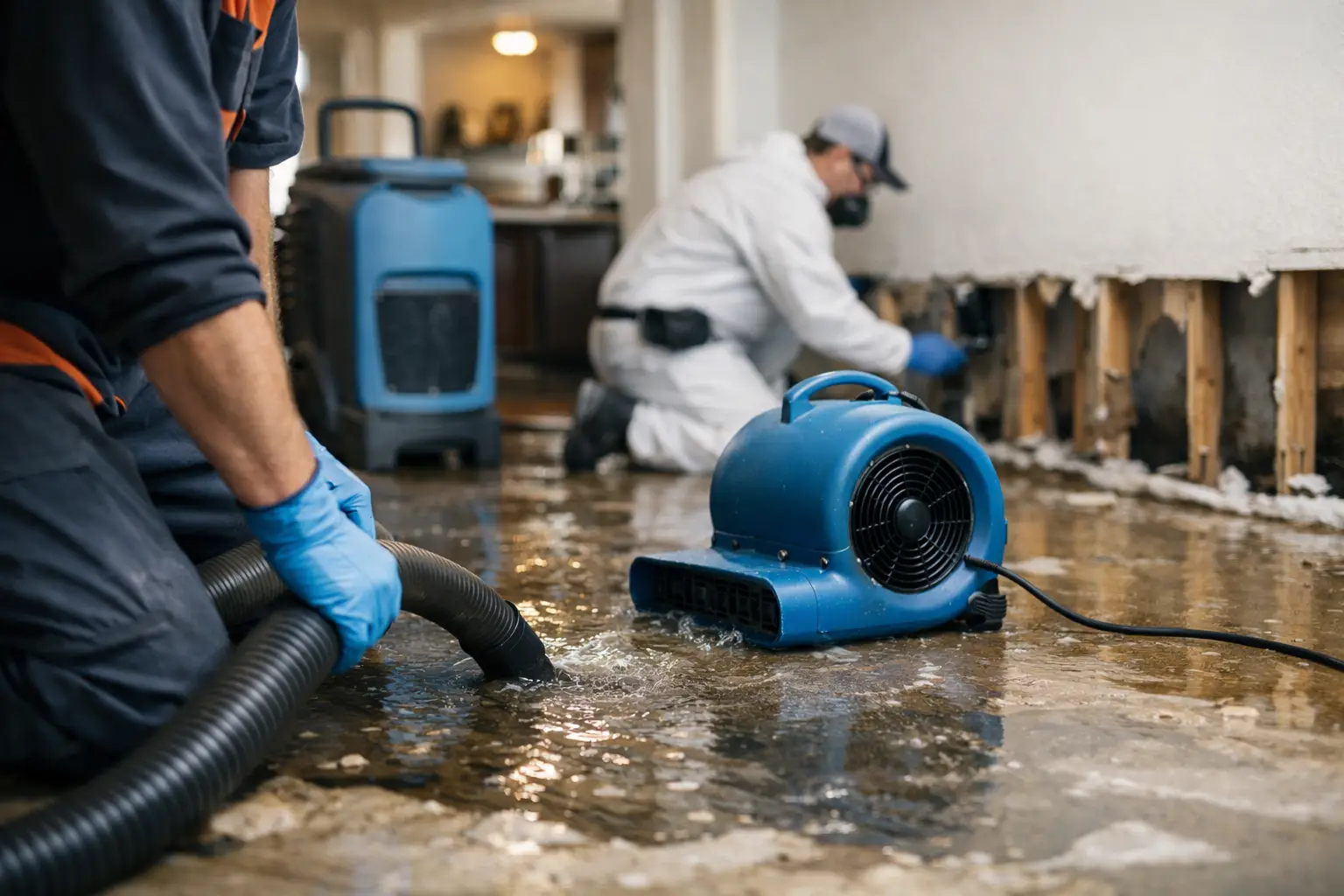 Water Damage
Extraction, structural drying, and moisture mapping after floods, leaks, and burst pipes.
Get help now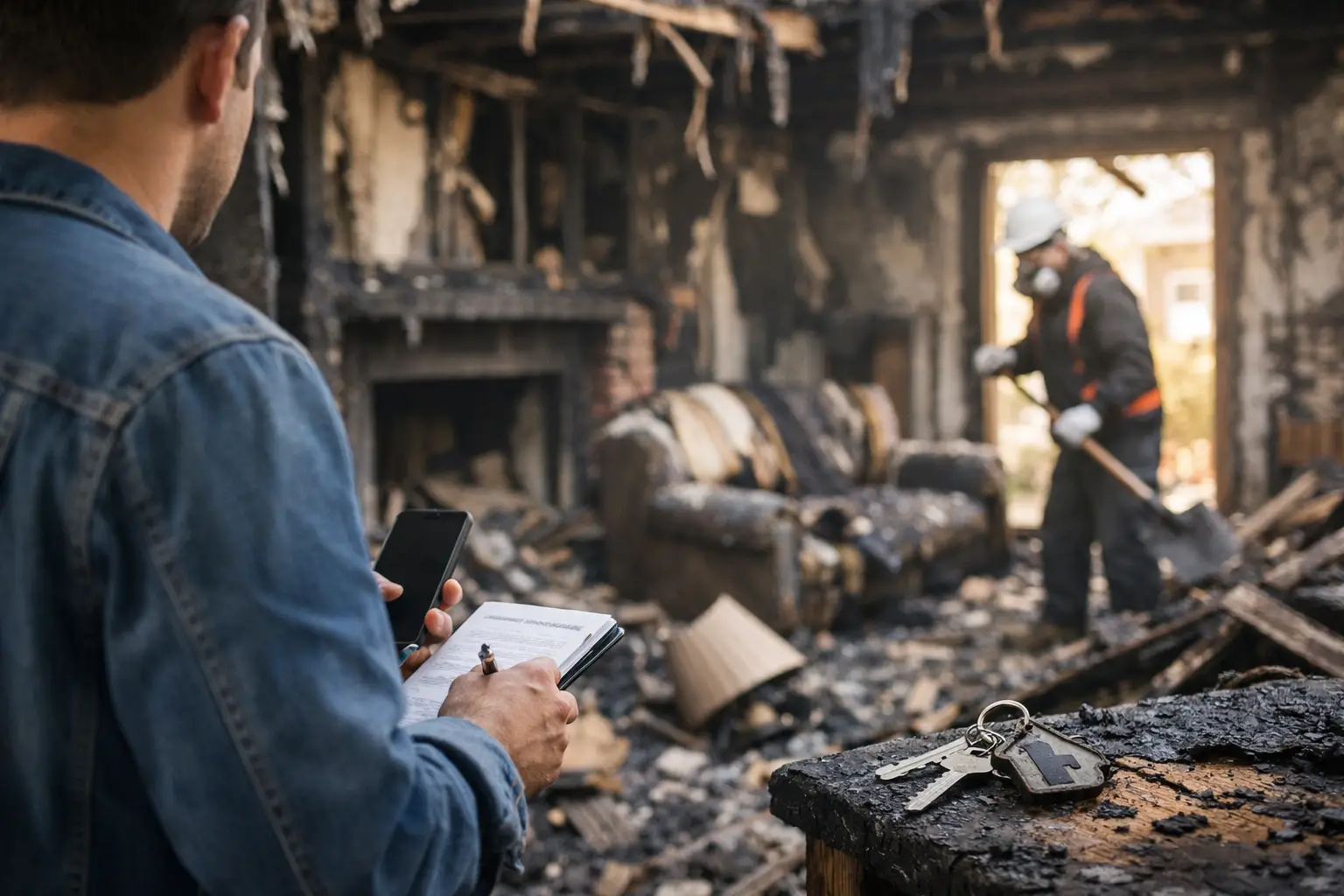 Fire & Smoke
Soot removal, odor deodorization, and content cleaning after fire and smoke damage.
Learn more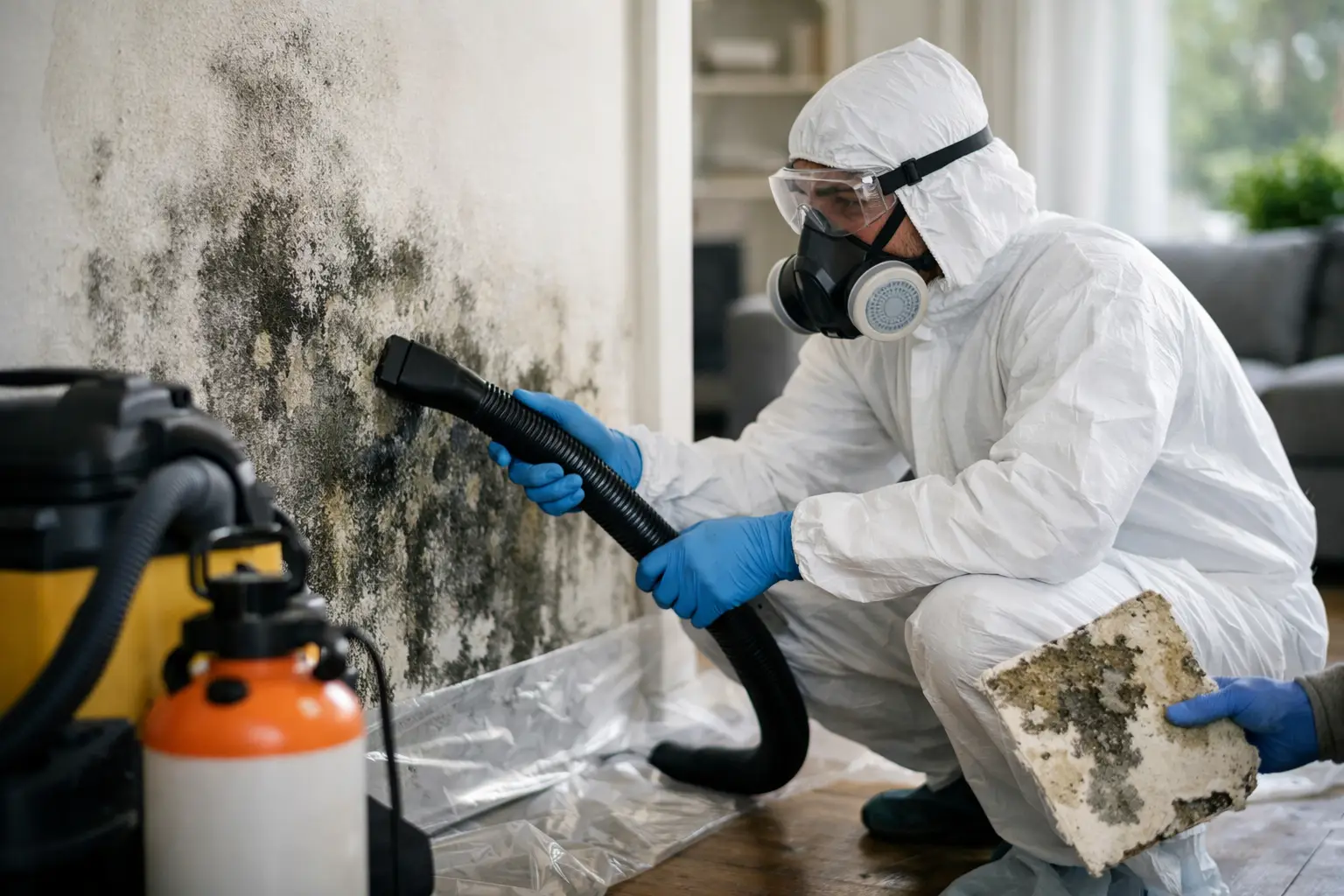 Mold
MoldContainment, removal, and moisture control that stops mold from coming back.
Learn more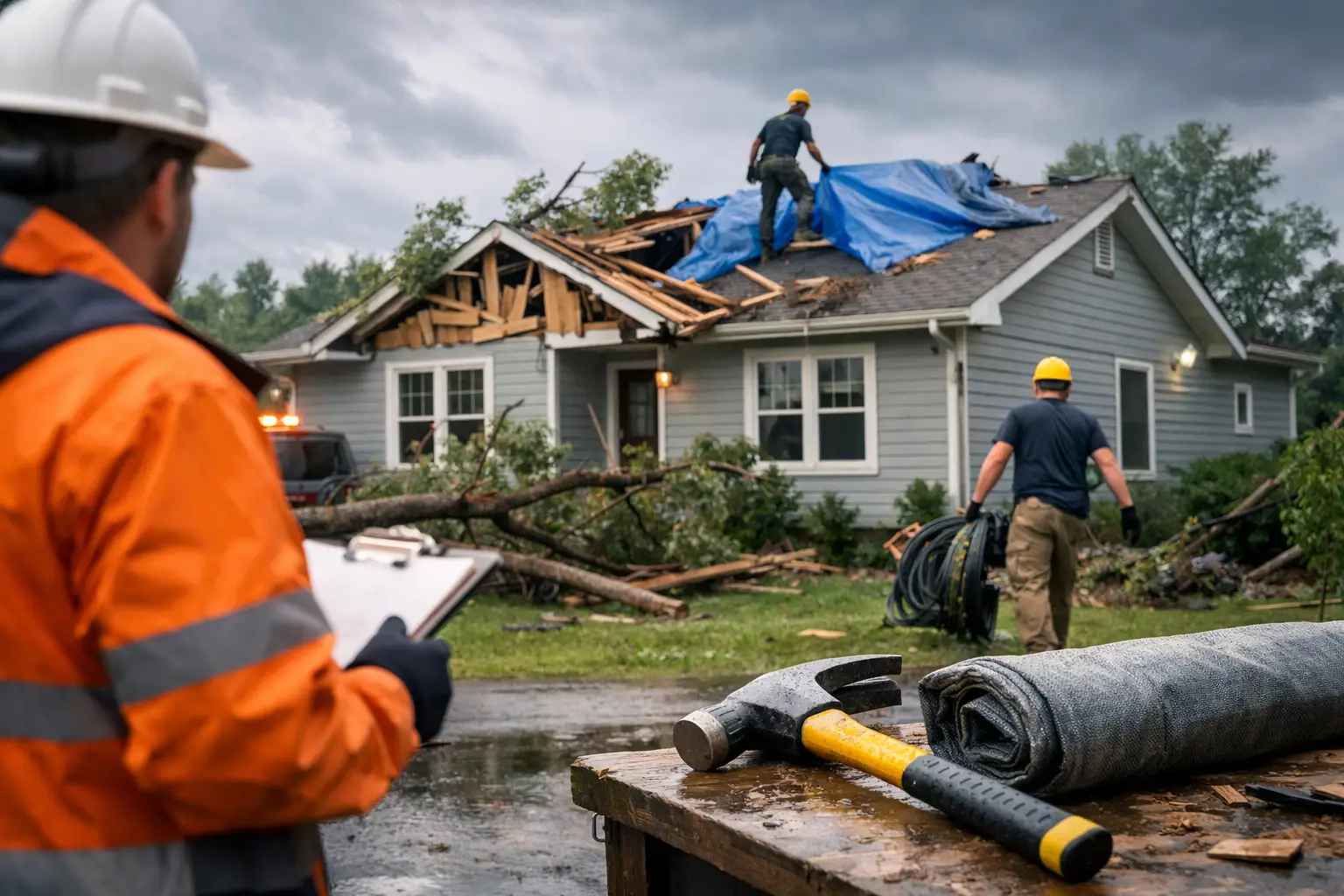 Storm
StormEmergency board-up, roof tarping, and full recovery after wind, hail, and storms.
Learn more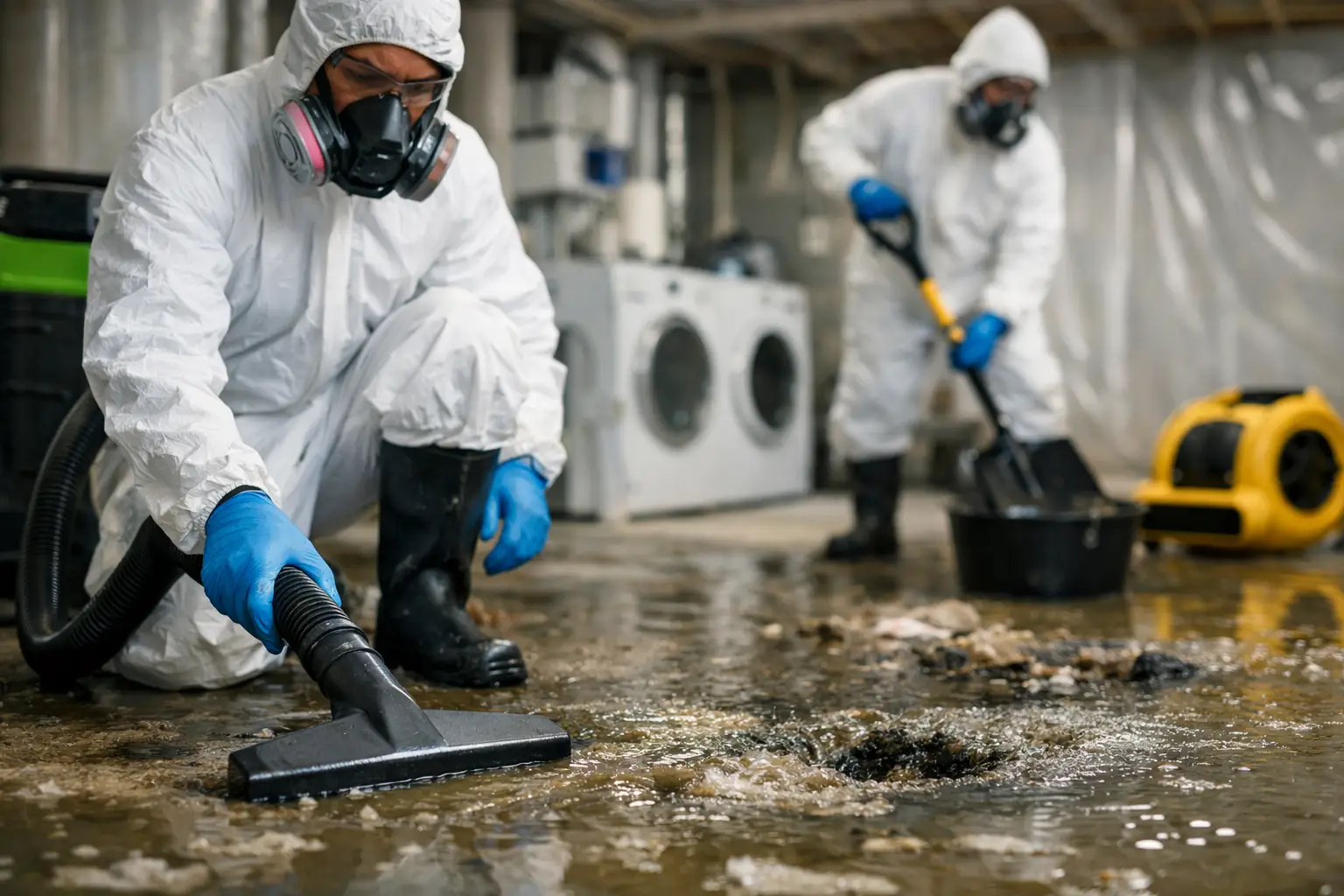 Sewage
Safe biohazard cleanup and sanitizing after sewage backups and overflows.
Learn more Reconstruction
Full rebuild by a licensed general contractor, so your property comes back whole.
Learn moreElevated Operations is an IICRC-certified, licensed general contractor based in Mableton that handles the entire recovery in-house, so after one loss you are never coordinating a cleanup crew, a mold crew, and a contractor separately. One team, one point of contact, from the first pump-out to the final coat of paint.
People call when the property feels like a disaster. They leave reviews because Chris and the crew made it right. These are real, verified Google reviews.
I look at the exposed opening, choose the right protection, and secure the structure before more damage happens. For Douglasville homes near I-20, that often means window board up, door board up, or roof tarping depending on where the breach is. I keep it practical. Stop the exposure first, then sort the permanent repair path after the property is stable.
Sometimes it is exactly enough, and sometimes it is only the first step. In builder-grade homes around Douglasville, temporary board up can hold the weather out while I inspect whether the framing, trim, or opening itself needs replacement. I do not guess. If the opening is the only problem, board up works. If the structure is damaged deeper, it becomes a repair decision.
Call for emergency board up services first if the property is open to weather or entry. Near Dog River reservoir, water and humidity can make wet materials worse fast. I secure the opening, then look at what was already damaged. That order matters because mold starts in 24 to 48 hours, and open structures collect more moisture with every passing hour.
You can try, but I do not recommend it when the opening is large, the roof edge is damaged, or the structure is unstable. A pro brings proper opening protection, the right fastening approach, and a faster securement process. In Douglasville, DIY often misses what the builder-grade framing will actually hold, and that can lead to more damage.
Roof tarping is better when the roof is the source of the intrusion, not the window. If wind or debris has lifted shingles or exposed decking, I tarp it first so water stops entering from above. Window board up is the right move when the breach is at the opening. In Douglasville, I choose the protection based on where the water is coming in.
It helps by reducing the back-and-forth after an emergency. I handle direct insurance billing so the board-up, temporary repairs, and documentation move in the same direction. That is especially useful in Douglasville when the property needs to be secured quickly and the owner does not want to stall on paperwork while the opening stays exposed.
They can stop a lot of water intrusion when the window is the weak point. They will not fix roof leaks, failed flashing, or hidden wall damage, so I always check the whole exposure path. In Douglasville, boarded up windows are a strong short-term defense, but they are not a substitute for proper repair or drying if water already entered.
I am not a jack-of-all-trades answering a phone from somewhere else. I am Chris Kwangwari, owner of Elevated Operations, LLLP, based in Mableton, and I have been in restoration since 2007. My crew is IICRC-certified, I offer a 12-month warranty, and I back the work with direct insurance billing and deductible assistance up to $1,000.
Elevated Operations dispatches IICRC-certified crews across Metro Atlanta from our Mableton base, with a 60-minute emergency response day or night. Choose your city:
Call now for an immediate response, or request your free inspection and get a certified crew on-site within the hour across Atlanta and nearby areas.