24/7 Emergency Restoration · Serving Metro AtlantaEmergency? (770) 404-6895
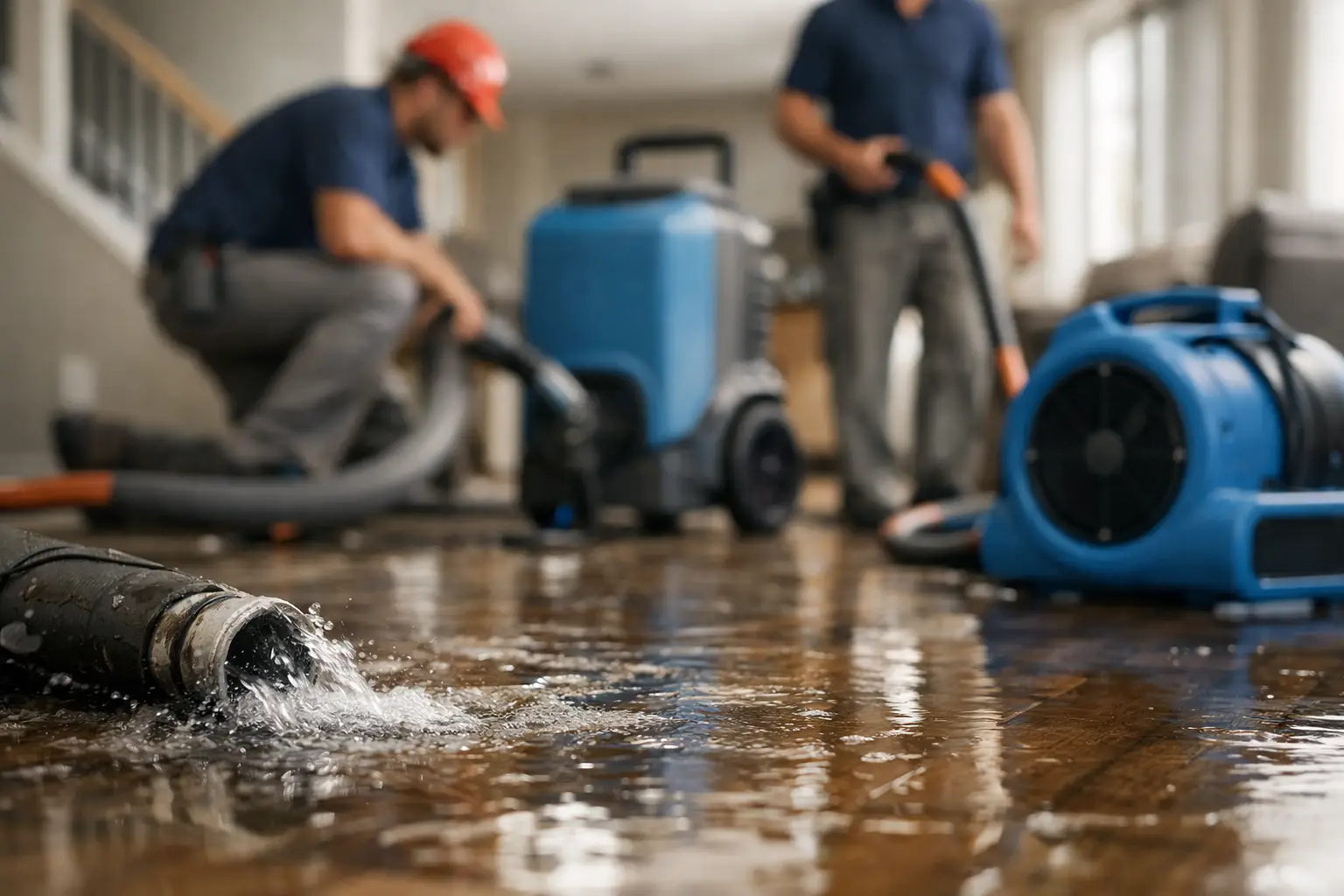
Sewage remediation services Atlanta homeowners need are not just cleanup, they are contamination removal, disinfection, and fast source control after a backup or overflow. I am Chris Kwangwari with Elevated Operations, and I handle creek basements, older intown bungalows, and the kind of black water problems that spread fast if you wait.
IICRC-Certified · 5-Star Rated · 60-Minute Response · Insurance Billed Directly
Yes. I work from my Mableton base across Atlanta and surrounding counties, including Fulton and DeKalb. Creek basements and intown bungalows are both common calls for me.
Yes. I offer direct insurance billing, which helps keep the sewage remediation process organized after a backup or overflow.
My technicians are IICRC-certified, and I handle biohazard cleanup, disinfection, and contamination removal with that standard in mind.
I offer 24/7 emergency response with a 60-minute emergency response target. Sewage problems move fast, so I do too.
Sewage contamination is any wastewater that carries waste from a toilet, drain line, or main backup into finished space, crawl spaces, or basement areas. In Atlanta, I see it in intown bungalows with low basements and in homes near creeks where water intrusion makes the problem worse fast.
If the water came from a toilet, floor drain, or sewer line, I treat it as a sewage cleanup job, not a mop and fan situation. That matters in older Atlanta housing, especially bungalows with tight basement access and finished rooms that trap contamination in trim, drywall, and subflooring.
Creek basements are a different animal. Once sewage water reaches porous material, the problem stops being surface level. IICRC-certified technicians need to assess the spread, and in many cases that means black water remediation steps, not cosmetic drying.
And I do not guess. I look at the source, the affected materials, and the odor footprint. If waste water reached insulation, baseboards, or hidden cavities, sanitization alone is not enough, because contamination can keep moving after the visible puddle is gone.
Sewage remediation services include source control, sewage cleanup, contamination removal, disinfection, odor control, and final drying verification. I also handle direct insurance billing, document the loss, and stand behind the work with a 12-month warranty, which matters when the job starts in a basement or crawl space.
A real response starts with stopping the source. Then I isolate the area, remove affected materials, and move into sanitization and disinfection using a method that fits the structure, not a one-size-fits-all approach. Atlanta homes need that because older framing and mixed renovation history create hidden paths for contamination.
If there is drywall swelling, soaked insulation, or contaminated flooring, I treat that as removal work, not a cleaning shortcut. Biohazard cleanup is part of the process when the sewage has spread into occupied space or porous materials that cannot be safely salvaged.
Odor control comes after the contamination is addressed, not before. I see too many owners try to mask the smell while sewage is still trapped behind trim or under a subfloor. That is backwards. You fix the source, remove the waste, then confirm the space is clean enough to rebuild.
Yes, sewage remediation is necessary after a backup because toilet backup cleanup is not just about removing water. Sewage leaves bacteria, residue, and odor that can stay in materials long after the visible mess is gone, especially in intown bungalows and basement areas with porous finishes.
A backup inside a home is a contamination event. That is the line I draw. If sewage reached flooring, drywall, or stored items, I do not call that a simple cleaning task. It needs documented sewage cleanup and a plan for what stays and what goes.
Atlanta basements are often unfinished on the edges but finished in the middle, and that mix creates a false sense of safety. Water can move under carpet edges, into seams, and behind framing. In those spaces, disinfection has to follow removal, not replace it.
This is where insurance matters too. I offer direct insurance billing because homeowners do not need one more problem after a toilet backup cleanup call. You need a contractor who can document the loss clearly, communicate with the adjuster, and get the home back on track.
Some sewage damage can be sanitized, but not all of it can be saved. Hard, nonporous surfaces may respond to sanitization and disinfection, while carpet pad, soaked drywall, insulation, and heavily contaminated wood often need removal in black water remediation work.
I make that call based on the material and the level of exposure. If the contamination sat on tile or sealed surfaces, sanitization may be part of the path. If it soaked into a basement wall in an older Atlanta bungalow, the safer answer is usually removal.
People want the cheapest fix. I get it. But if you keep contaminated materials in place, odor control becomes a losing game, and the problem can return after a few humid days. Atlanta humidity exposes bad decisions fast.
That is why I use a licensed general contractor framework on restoration projects. Cleaning and rebuilding are connected. If a wall needs to come out, I want the structure evaluated properly so the cleanup supports the repair, not just the appearance.
Anything porous or difficult to fully disinfect after sewage contamination should be removed, especially carpet pad, drywall, insulation, and saturated base materials. In creek basements and older Atlanta homes, hidden cavities and layered finishes can trap waste far beyond the visible wet area.
I start with the materials that cannot be trusted. That usually means porous finishes, soft insulation, and anything that held sewage long enough to absorb it. Biohazard cleanup is not about saving every surface, it is about removing what cannot be made safe again.
In intown bungalows, I often see stacked layers from past remodels, which can hide contamination behind trim or under flooring transitions. That is why contamination removal has to be methodical. One missed layer can keep the odor alive and compromise the rebuild.
If you are unsure, I inspect the area before I remove anything unnecessary. But I would rather take out one bad section than leave a contaminated pocket under a repaired floor. That is the difference between a cleanup and a recurring problem.
Choose a crew with IICRC-certified technicians, 24/7 emergency response, direct insurance billing, and real restoration experience, not a handyman with a fan. I have been in restoration since 2007, and I know Atlanta homes, from Mableton to the intown neighborhoods with creek-adjacent basements.
You want someone who treats sewage cleanup like an emergency, because it is one. I respond 24/7, with a 60-minute emergency response, and I do not send guesswork into a contaminated home. The first hour matters when sewage is still spreading.
Check the company’s local footprint too. Elevated Operations, LLLP is based in Mableton and works across Cobb, Fulton, DeKalb, Douglas, Clayton, Henry, and Paulding counties. That matters when you need someone who understands Atlanta homes, not just a map pin.
And look at the proof. I am a licensed general contractor with a 4.9-star Google rating from 73 reviews, and I back completed work with a 12-month warranty. That combination tells you I am built for the cleanup and the rebuild.
If odor control becomes the main issue after a backup, the contamination is probably still in materials, not just on the surface.
That usually means sewage cleanup needs removal work, because porous materials in Atlanta basements do not recover cleanly once saturated.
Treat it as black water remediation until proven otherwise, especially in older intown bungalows with hidden framing and finished lower levels.
A second event can spread contamination farther, so I inspect source conditions before disinfection and rebuild decisions happen.
That can mark contamination removal zones that extend beyond what you first see, especially in creek basements and crawl spaces.
From emergency mitigation to full reconstruction, handled in-house so you are never managing a chain of subcontractors mid-crisis.
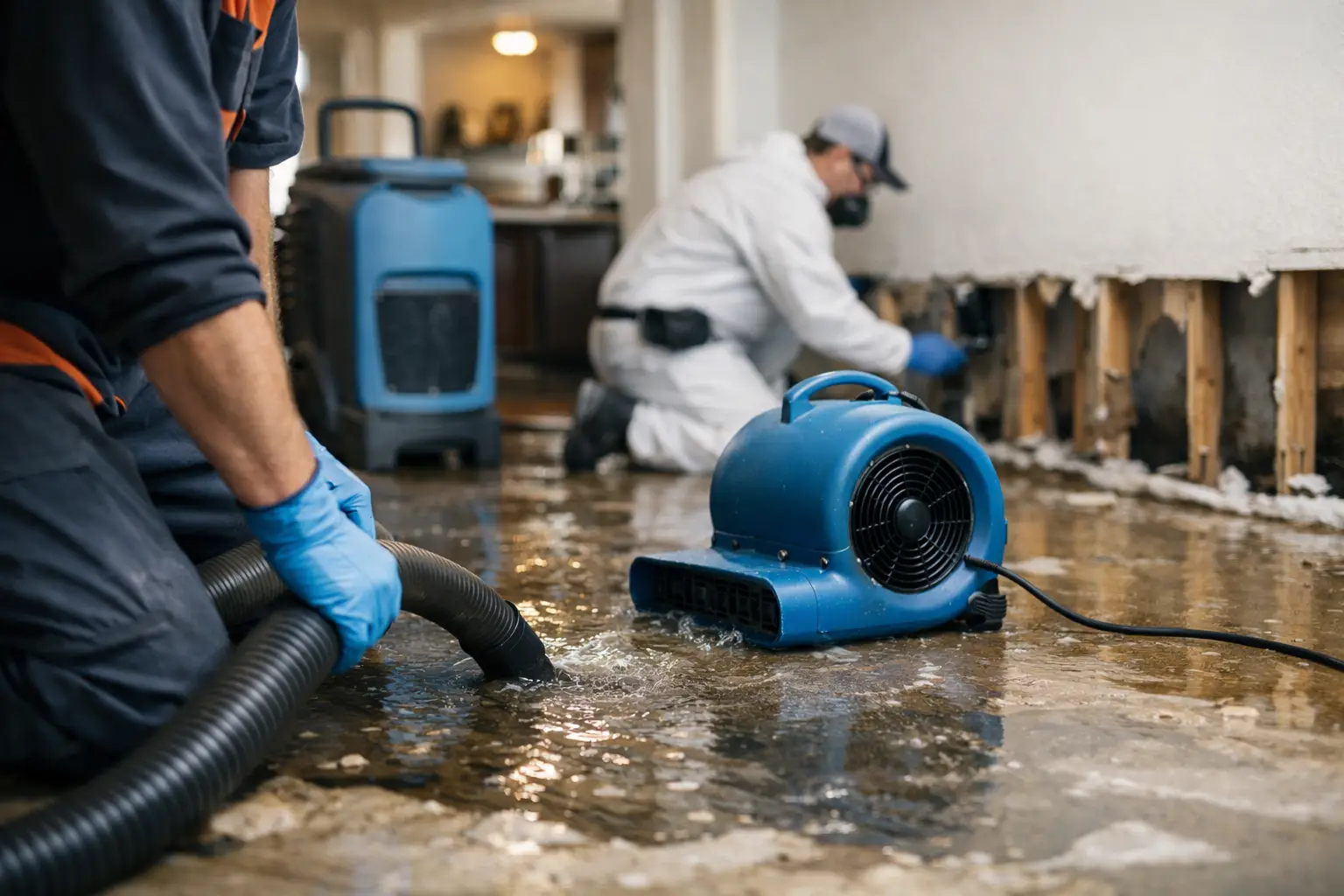 Water Damage
Extraction, structural drying, and moisture mapping after floods, leaks, and burst pipes.
Get help now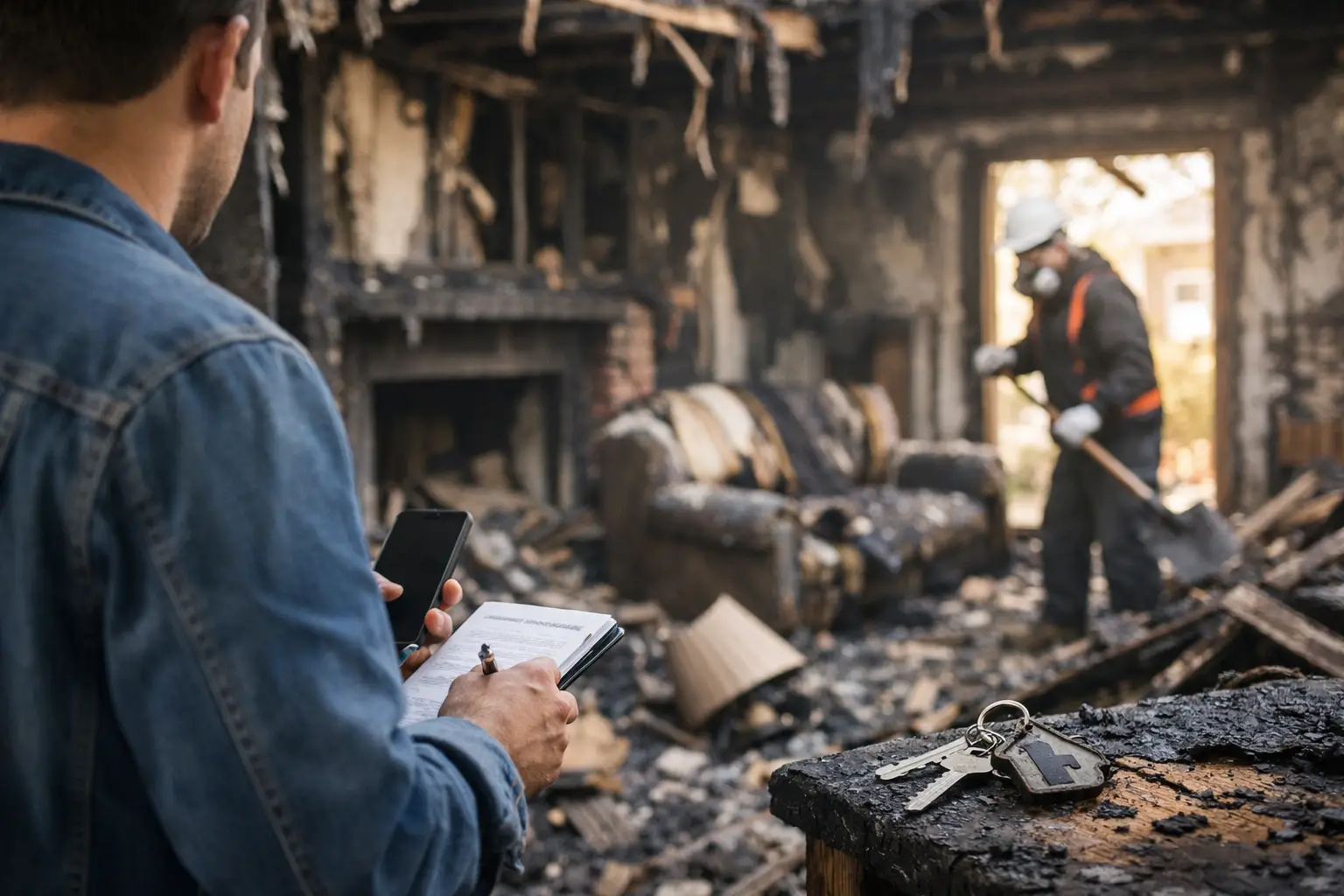 Fire & Smoke
Soot removal, odor deodorization, and content cleaning after fire and smoke damage.
Learn more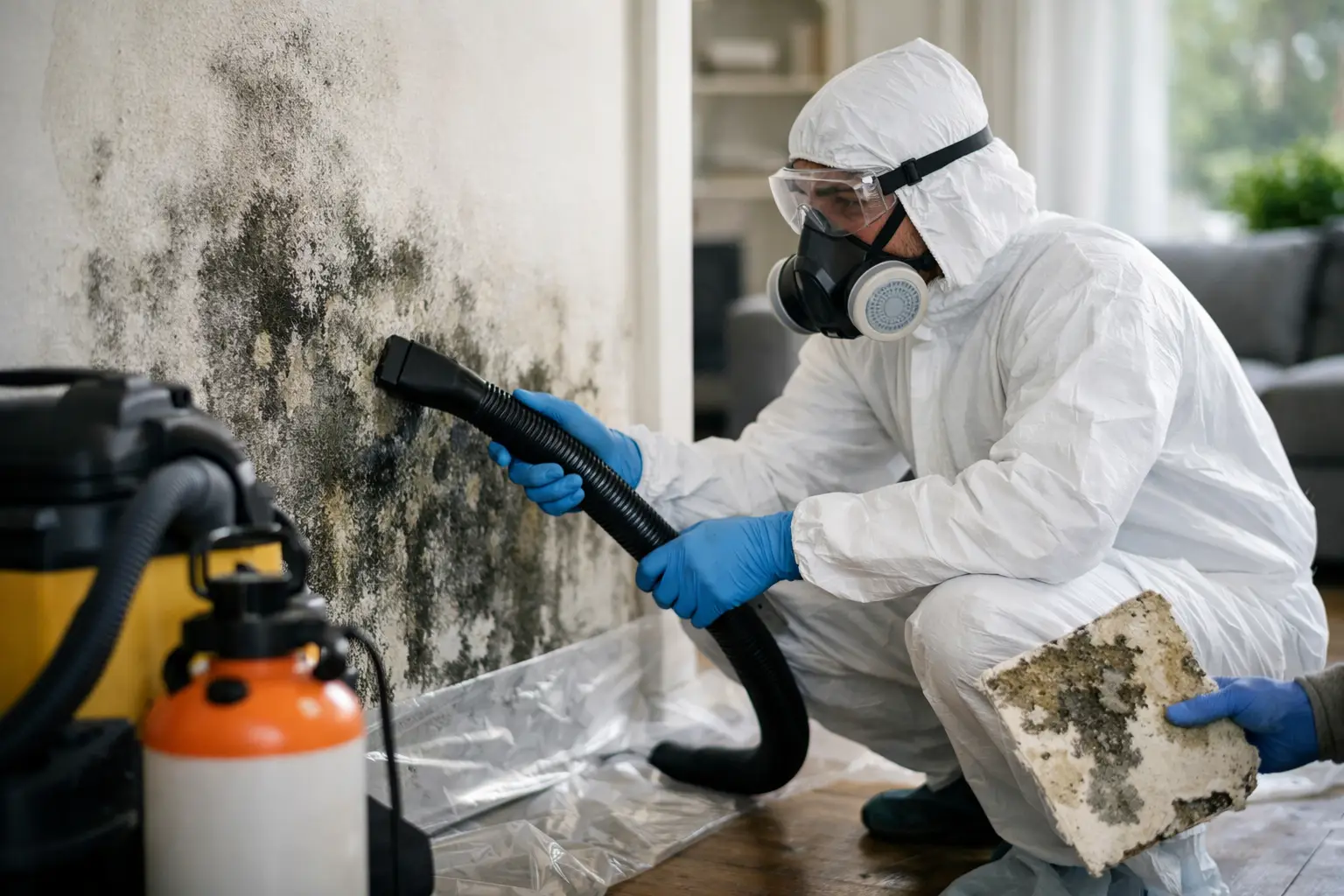 Mold
MoldContainment, removal, and moisture control that stops mold from coming back.
Learn more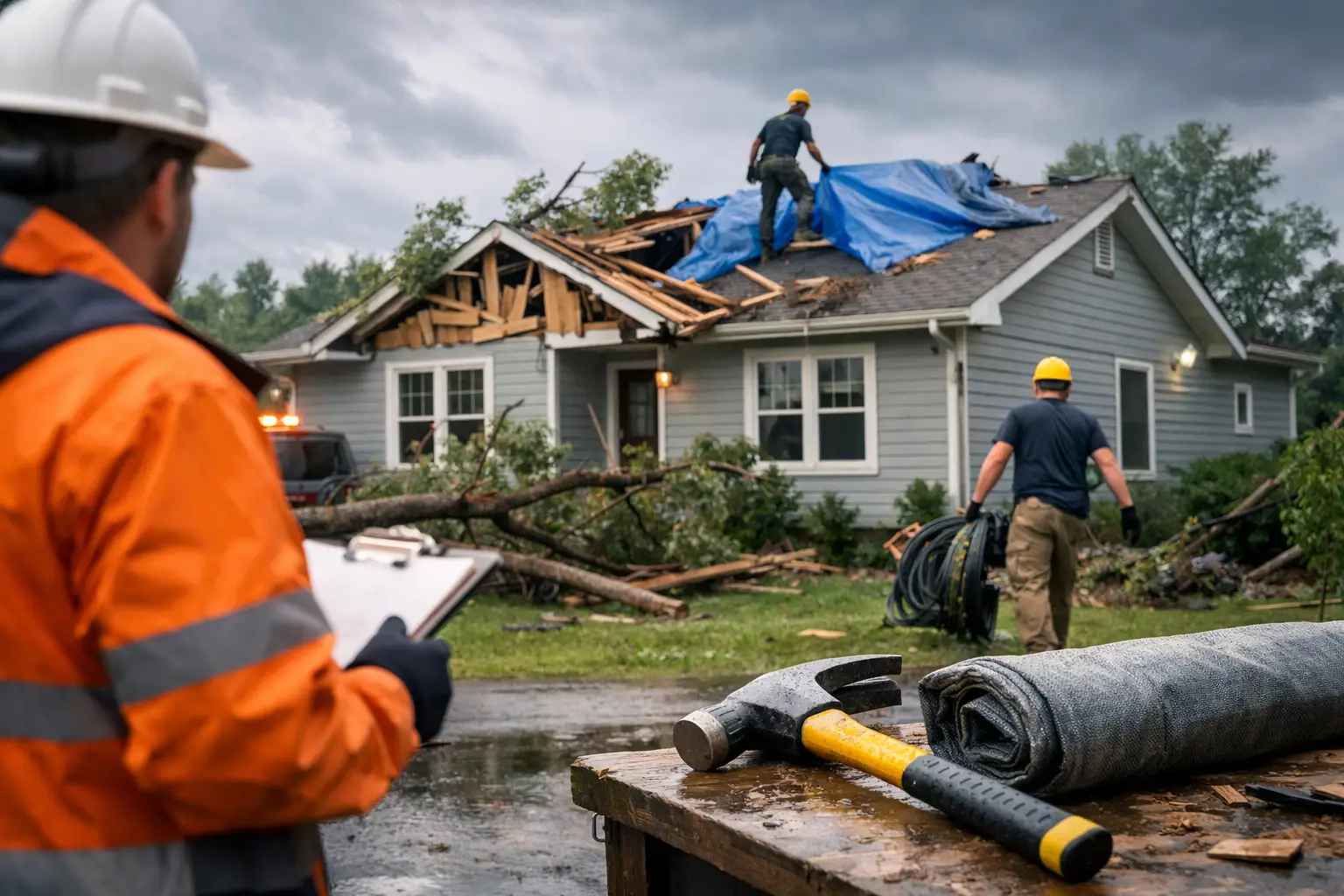 Storm
StormEmergency board-up, roof tarping, and full recovery after wind, hail, and storms.
Learn more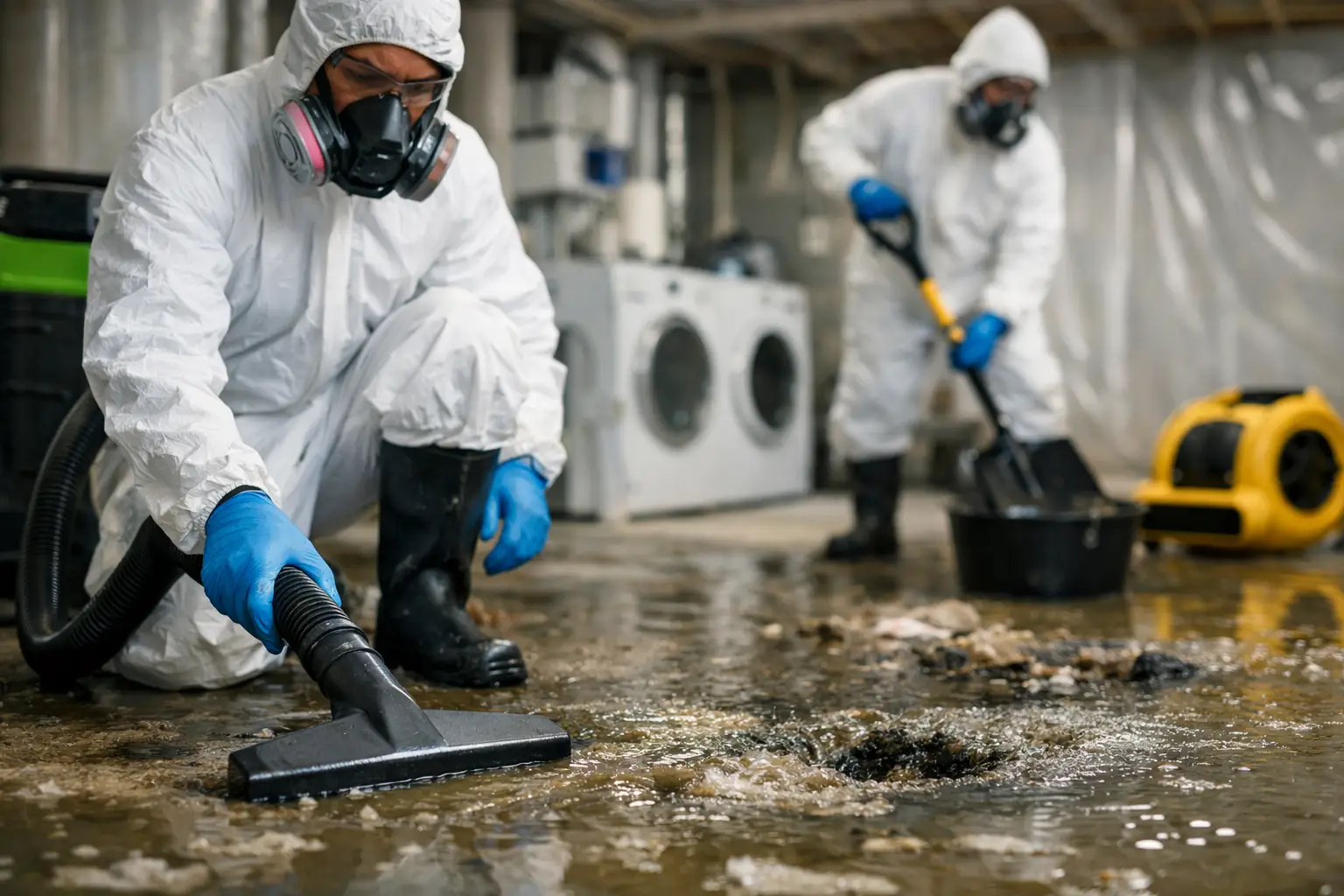 Sewage
Safe biohazard cleanup and sanitizing after sewage backups and overflows.
Learn more Reconstruction
Full rebuild by a licensed general contractor, so your property comes back whole.
Learn moreElevated Operations is an IICRC-certified, licensed general contractor based in Mableton that handles the entire recovery in-house, so after one loss you are never coordinating a cleanup crew, a mold crew, and a contractor separately. One team, one point of contact, from the first pump-out to the final coat of paint.
People call when the property feels like a disaster. They leave reviews because Chris and the crew made it right. These are real, verified Google reviews.
I start by locating the source, isolating the area, and figuring out how far the sewage moved through the bungalow. Then I remove contaminated materials, sanitize hard surfaces, and document what needs repair. Older Atlanta bungalows often hide damage behind trim, under flooring, and along basement edges, so I check beyond the obvious wet spot.
Yes, creek basements need a closer look because moisture, drainage, and access issues can extend contamination faster than homeowners expect. I treat those spaces as a higher-risk cleanup environment, then focus on removal, disinfection, and odor control in the correct order. The goal is to stop the spread before rebuilding starts.
Stop using the affected plumbing and keep people out of the area. Then call for sewage remediation services before you try to dry it yourself. In Atlanta homes with finished basements or tight bungalow layouts, the water can move under flooring and behind walls. Fast response limits contamination and keeps the cleanup contained.
Sometimes, but only on materials that can actually be cleaned and disinfected to a safe level. Sanitization does not save soaked insulation, wet drywall, or carpet pad. In creek basements and older Atlanta homes, I often have to remove contaminated sections first, then disinfect the remaining structure.
If the water came from a sewer line, toilet, or drain backup, I treat it as black water remediation. That means contamination removal, disinfection, and careful handling of affected materials. Atlanta homes with basements or crawl spaces can hide the spread, so I inspect deeper than the surface.
Coverage depends on the policy and the source, but I handle direct insurance billing to keep the process organized. I also document the loss clearly so the adjuster can see what happened and what was removed. When a backup hits a bungalow or basement, that paper trail matters.
Odor control starts after contamination removal, not before. If sewage is still trapped in porous materials, the smell can keep coming back. In Atlanta basements and intown bungalows, I address the source, remove affected materials, and then use disinfection steps that support a real finish, not a cover-up.
I back my restoration work with a 12-month warranty. That matters on sewage jobs because cleanup and reconstruction are tied together. If a space was repaired after contamination removal, I want the homeowner to know the work was completed with accountability from start to finish.
Elevated Operations dispatches IICRC-certified crews across Metro Atlanta from our Mableton base, with a 60-minute emergency response day or night. Choose your city:
Call now for an immediate response, or request your free inspection and get a certified crew on-site within the hour across Atlanta and nearby areas.