24/7 Emergency Restoration · Serving Metro AtlantaEmergency? (770) 404-6895
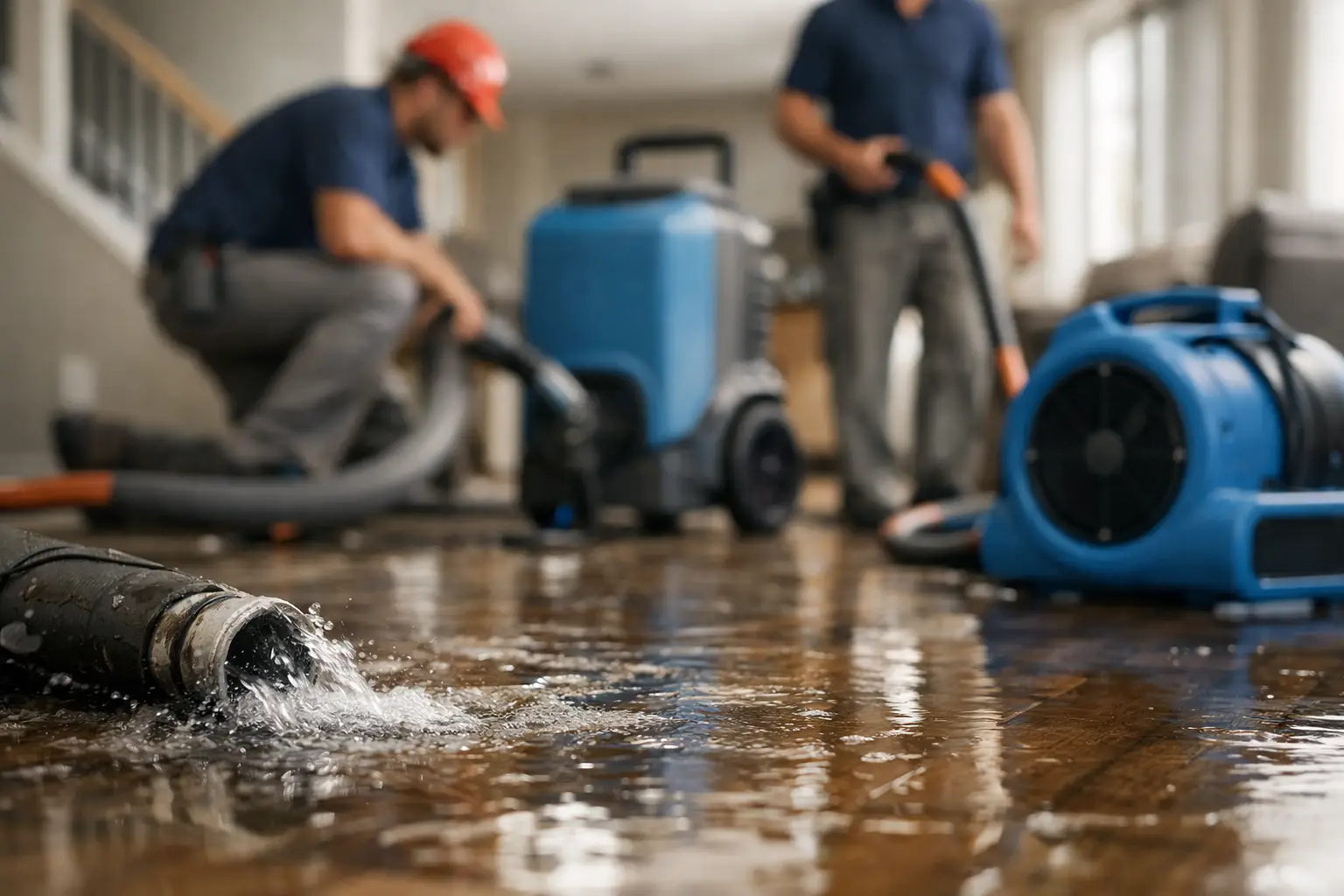
Water mitigation services Austell start with fast water extraction, drying equipment, and control of the damage before it spreads. I’m Chris Kwangwari, owner of Elevated Operations, and I handle water loss the way I’d want my own property handled after a Sweetwater Creek flood event: quickly, clearly, and with the right documentation.
IICRC-Certified · 5-Star Rated · 60-Minute Response · Insurance Billed Directly
Small leaks fool people all the time. I check for hidden moisture, especially around trim, cabinets, and flooring, because the visible puddle is rarely the whole job.
Yes. I serve Cobb County and the surrounding counties listed in my service area, and Austell is part of the core metro response area from my Mableton base.
Yes. I provide direct insurance billing and clean documentation, which helps keep the claim aligned with the actual loss and the work performed on site.
I offer 24/7 emergency response with a 60-minute emergency response window. When water is spreading, that speed matters more than promises.
Check safety, stop the source if you can, and call for water mitigation services right away. Then I focus on water extraction, moisture control, and protecting materials that can still be saved before mold starts in 24 to 48 hours.
I start with the obvious, standing water, wet drywall, warped trim, and anything soaking into carpet or subfloor. In Austell, older homes and mixed-use buildings near the Sweetwater Creek corridor can hide water in places you do not see right away, so visible cleanup is never enough.
The first move is not guesswork. It is loss mitigation. That means shutting down the spread, checking affected rooms, and deciding what needs containment before dehumidification begins. If the water came from a burst line, appliance leak, or storm seepage, the priority stays the same.
A lot of property owners wait for things to “dry out on their own.” That is how secondary damage grows. I do not take that chance. I use drying equipment, document the loss, and keep direct insurance billing clean so the claim process does not slow the work.
Water mitigation services include water extraction, dehumidification, containment when needed, structural drying, and moisture control. I also document the loss, protect salvageable materials, and coordinate direct insurance billing so the work and the claim stay aligned from the beginning.
Mitigation is the emergency phase. It is not cosmetic cleanup. I am stopping active damage, removing standing water, and setting up the right drying plan for the structure. In Austell, that matters after plumbing failures, roof leaks, and the kind of flash flooding that made people remember the Sweetwater Creek 2009 flood.
Containment comes in when wet materials threaten clean areas or when the job needs isolation to control humidity and protect the rest of the property. Not every job needs it, but when it does, I put it in place early instead of pretending air movement alone is enough.
Structural drying is where the details matter. IICRC-certified technicians know how to read the materials, not just run machines. That is the difference between moving air around and actually drying a house, office, or rental in a way that supports a clean repair later.
Water mitigation should start immediately, ideally the same day the water is discovered. The first hours matter most, because drywall, insulation, and flooring can keep absorbing moisture long after the surface looks manageable, especially in humid Cobb County conditions.
I do 24/7 emergency response with a 60-minute emergency response window, because waiting turns a water issue into a reconstruction issue. Austell properties do not get a pass on physics, and moisture keeps moving into framing, cabinets, and wall cavities until it is controlled.
Around Sweetwater Creek, people remember how quickly water can overrun an area during a hard rain event. That memory is useful. It keeps property owners from underreacting when a basement, crawlspace, or ground-floor room starts showing wet spots or musty air.
The faster I can begin water mitigation services, the more likely I can protect finishes, reduce the scope of repair, and keep the claim cleaner. I use drying equipment early, then verify progress with moisture readings instead of relying on appearances.
No, water mitigation is the emergency step that stops ongoing damage, while water restoration is the rebuild and repair that comes after drying. I handle both sides when the loss calls for it, but mitigation always comes first and cannot be skipped.
This distinction matters because homeowners often ask for “restoration” when what they need is immediate loss mitigation. If water is still present, the right call is extraction, drying, and control first. Repair comes later, after the structure is stable and dry enough to rebuild correctly.
In Austell, that sequence matters in houses, townhomes, and commercial spaces alike. A wet subfloor near the Sweetwater Creek area does not care whether the room will be repainted tomorrow. It keeps spreading until the moisture is removed and the materials are stabilized.
I am a licensed general contractor, so I understand the difference between stopping damage and rebuilding after it. That helps me give straight answers. If a section needs removal for drying, I say so. If it can be saved, I say that too.
Homes with basements, crawlspaces, older plumbing, and properties near drainage paths often need water mitigation services first. Austell properties close to Sweetwater Creek, as well as rentals and mixed-use spaces, can take on water fast when drainage or plumbing fails.
I see the biggest problems where moisture has somewhere to hide. That means below-grade areas, wall cavities, under cabinets, and flooring over slab or subfloor that stayed wet after the initial leak. Austell’s housing mix creates plenty of those conditions, especially in older stock.
Commercial spaces can get hit hard too, because a water event interrupts business quickly and spreads into adjacent rooms. I approach those losses with the same sequence every time, extract water, set drying equipment, create containment if needed, and protect unaffected areas from cross-damage.
The Sweetwater Creek 2009 flood is part of the local memory for a reason. It showed how fast water can change a property’s condition. I keep that lesson in mind on every Austell call, because “small” water problems often become expensive when ignored.
Because water left behind keeps working against the structure. Moisture control and structural drying reduce hidden damage, help prevent mold growth, and make sure the property is actually ready for repairs instead of just looking dry on the surface.
A fan by itself is not a drying plan. I use drying equipment, dehumidification, and careful monitoring to pull moisture out of materials in a controlled way. That matters in Austell’s humid conditions, where damp air can slow drying and leave a hidden problem in place.
When people only dry the visible surface, they miss trapped moisture behind baseboards, inside insulation, or under flooring. That is where later odors, soft spots, and failed repairs come from. I do not like callbacks, and I do not build jobs around luck.
My goal is simple, protect the structure and protect the claim. Direct insurance billing helps keep the process moving, and the 12-month warranty backs the work I control. I stand behind that because I know what proper mitigation looks like.
That usually means water traveled farther than the stain shows. In Austell, I check it fast because hidden moisture can keep moving long after the spill or leak is gone.
Odor is often the first clue that moisture control is failing. Around Sweetwater Creek, people know damp air can linger, and that is exactly why I do not wait on dehumidification.
Wood movement tells me the structure absorbed water. I treat that as a drying problem first, not a finish problem, because structural drying has to happen before repairs make sense.
Cabinets and wall cavities trap moisture fast. I look for the need for containment and targeted drying equipment before damage spreads into adjacent rooms or finishes.
These areas can hide the worst of a loss. In Austell, I pay close attention there because moisture can sit out of sight and keep feeding damage until it is extracted and monitored.
From emergency mitigation to full reconstruction, handled in-house so you are never managing a chain of subcontractors mid-crisis.
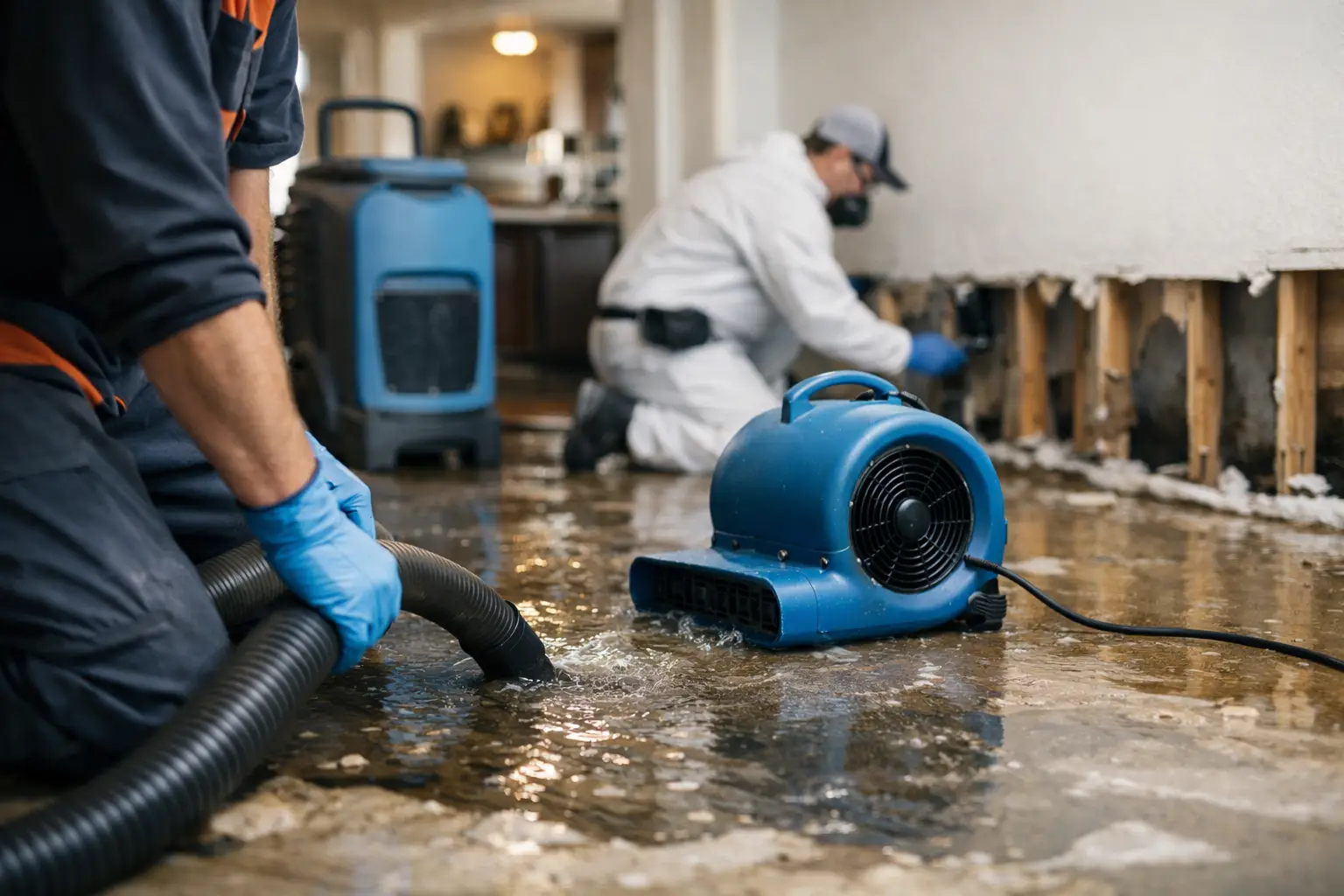 Water Damage
Extraction, structural drying, and moisture mapping after floods, leaks, and burst pipes.
Get help now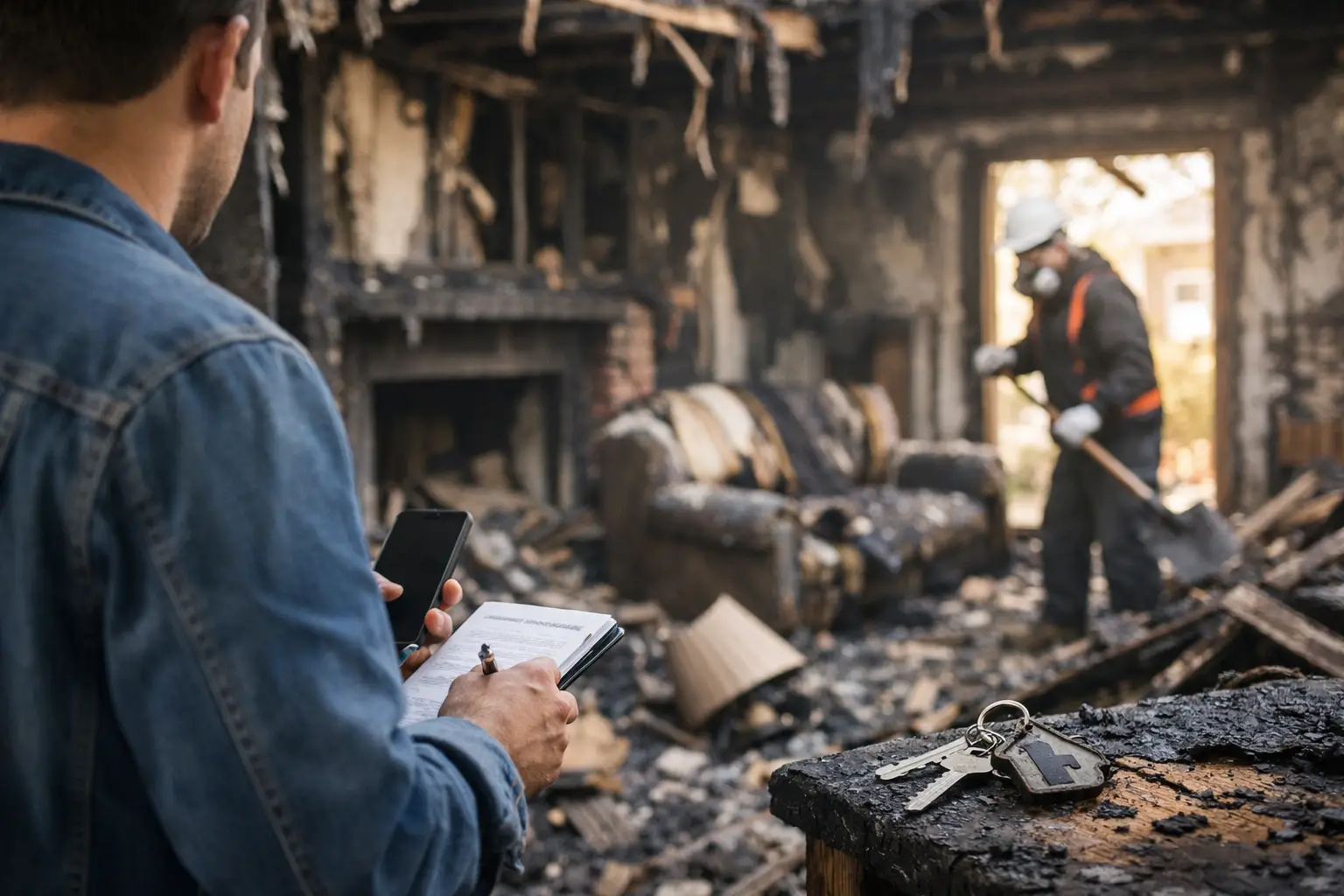 Fire & Smoke
Soot removal, odor deodorization, and content cleaning after fire and smoke damage.
Learn more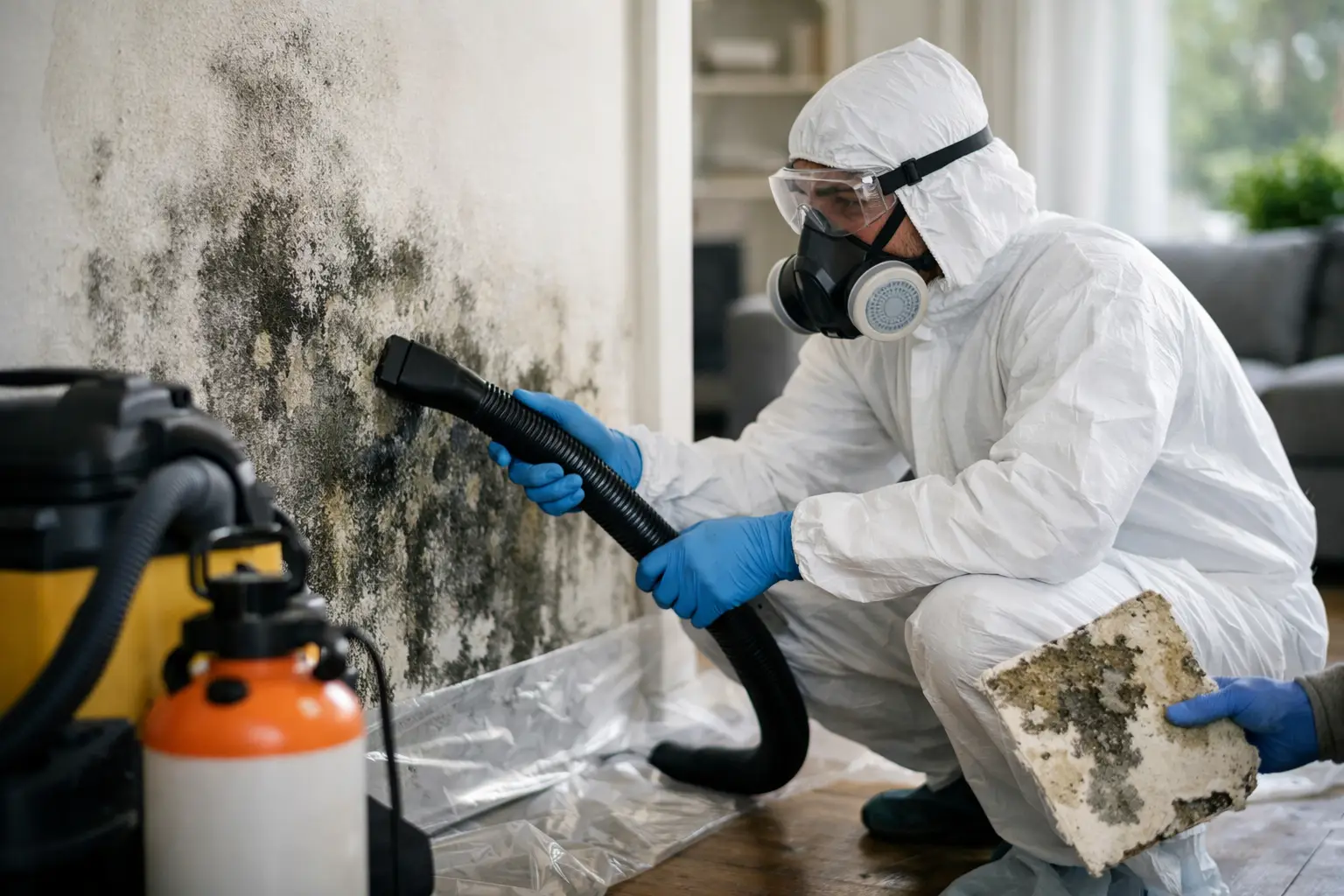 Mold
MoldContainment, removal, and moisture control that stops mold from coming back.
Learn more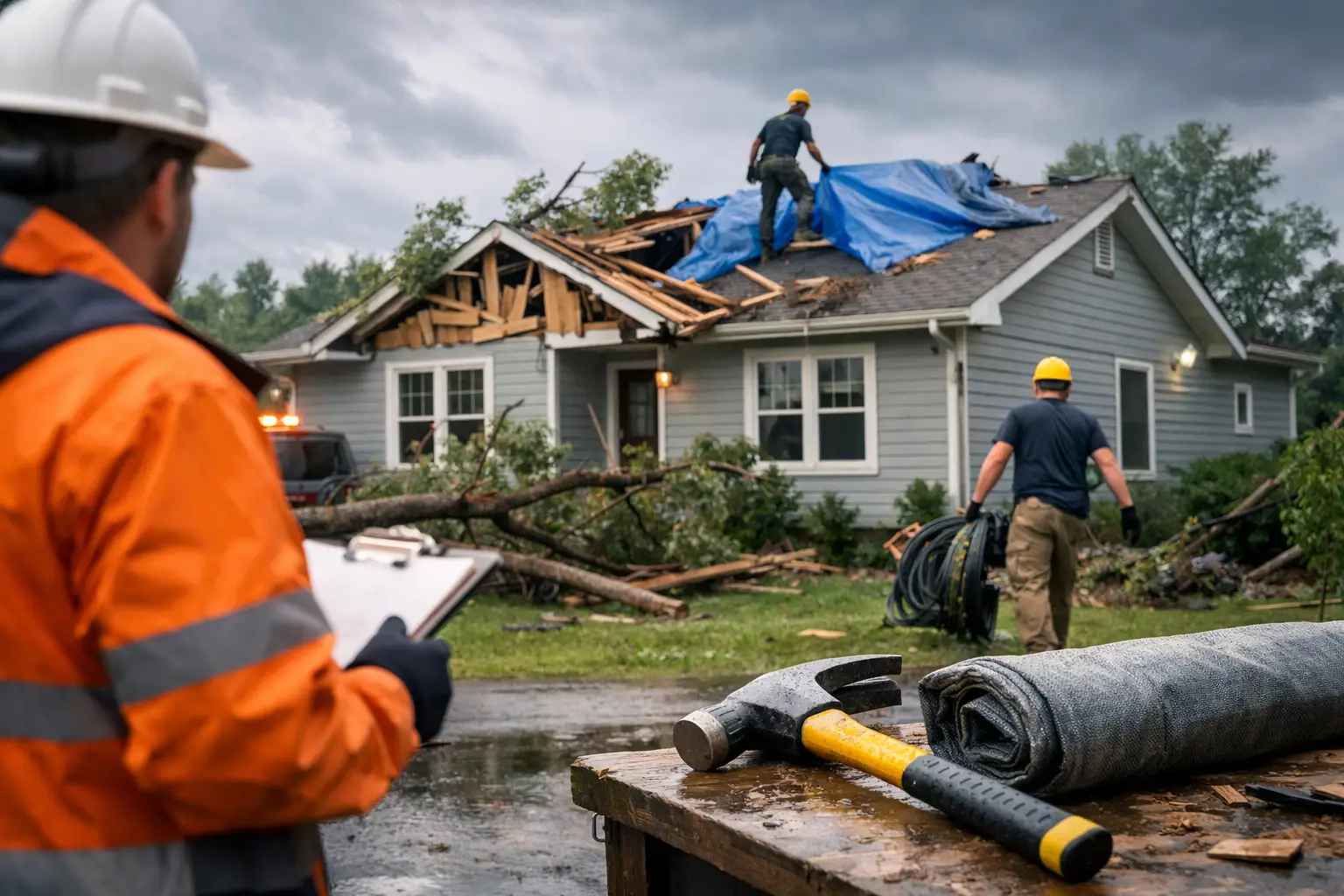 Storm
StormEmergency board-up, roof tarping, and full recovery after wind, hail, and storms.
Learn more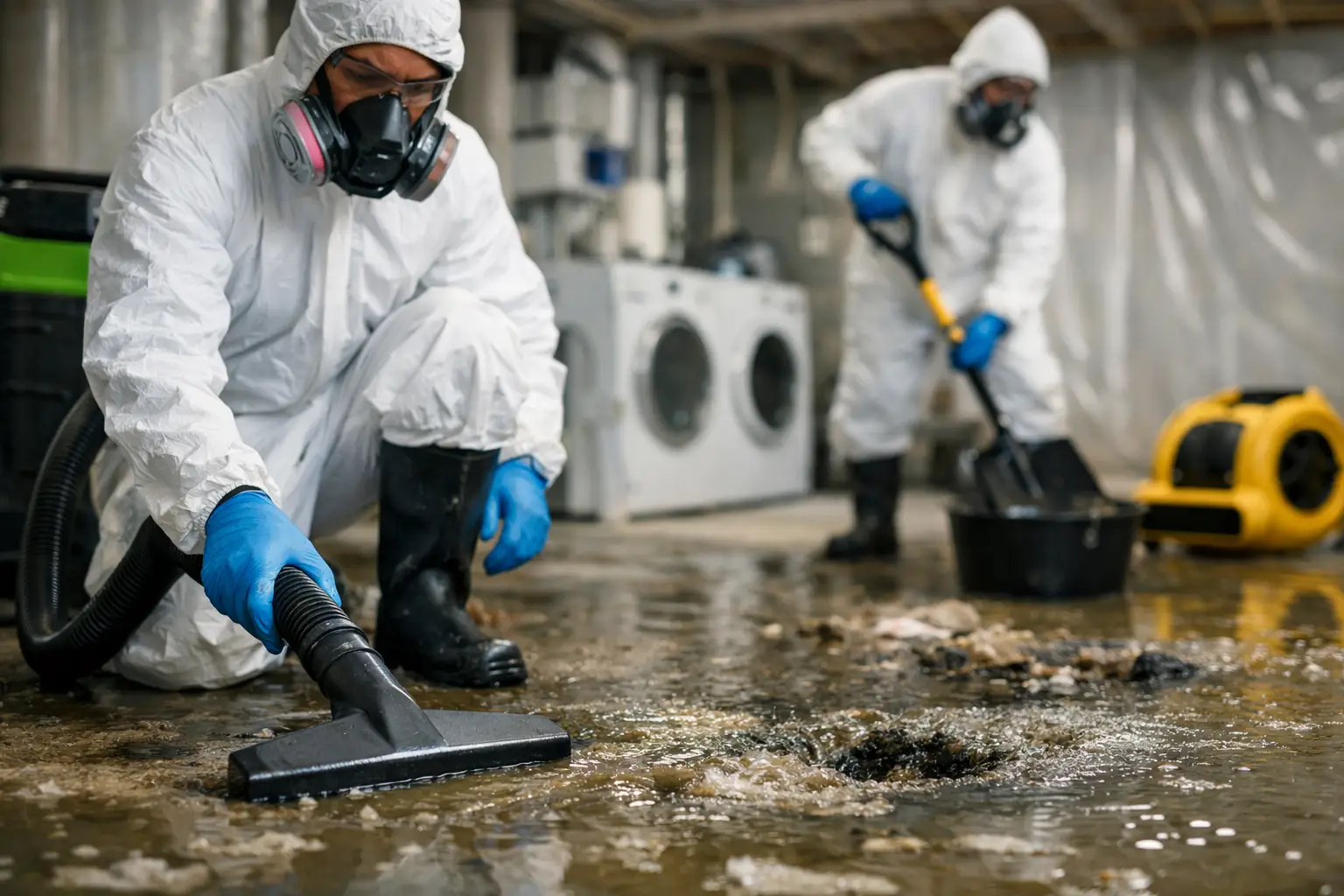 Sewage
Safe biohazard cleanup and sanitizing after sewage backups and overflows.
Learn more Reconstruction
Full rebuild by a licensed general contractor, so your property comes back whole.
Learn moreElevated Operations is an IICRC-certified, licensed general contractor based in Mableton that handles the entire recovery in-house, so after one loss you are never coordinating a cleanup crew, a mold crew, and a contractor separately. One team, one point of contact, from the first pump-out to the final coat of paint.
People call when the property feels like a disaster. They leave reviews because Chris and the crew made it right. These are real, verified Google reviews.
They stop the water from staying in the structure and causing larger damage. I use water extraction, drying equipment, and moisture control to stabilize the property, then document the loss so the repair phase starts on clean facts, not assumptions.
I inspect the affected areas, remove standing water, set up drying equipment, and decide whether containment is needed. Then I monitor drying progress and protect materials that can still be saved. That is the core of loss mitigation, plain and simple.
Yes. I use direct insurance billing to keep the claim moving while the work is underway. That matters when time is short and the property still needs structural drying, moisture control, or further assessment after the first emergency response.
They need the same fast response any wet property needs, but the local flood history makes hesitation a bad idea. Water can move quickly in this area, and the sooner I start extraction, the more structure I can usually protect.
Certification matters because mitigation is a technical job, not just a cleanup. IICRC-certified technicians understand containment, dehumidification, and structural drying in a way that helps avoid hidden moisture and weak repairs after the visible water is gone.
The warranty backs the work I control after mitigation and repair services are completed under my company. I stand behind that because I want the drying, cleanup, and rebuild work to hold up long after the crew leaves.
Yes, deductible assistance is available up to $1,000. I use it when the claim and scope allow it, because I know water damage can hit hard before the restoration work even begins.
If there is still active water, damp materials, or hidden moisture, you need mitigation first. If the structure is already dry and the job shifts to repair, that becomes restoration. I can handle both, but I always start with the damage that is happening now.
Elevated Operations dispatches IICRC-certified crews across Metro Atlanta from our Mableton base, with a 60-minute emergency response day or night. Choose your city:
Call now for an immediate response, or request your free inspection and get a certified crew on-site within the hour across Atlanta and nearby areas.