24/7 Emergency Restoration · Serving Metro AtlantaEmergency? (770) 404-6895
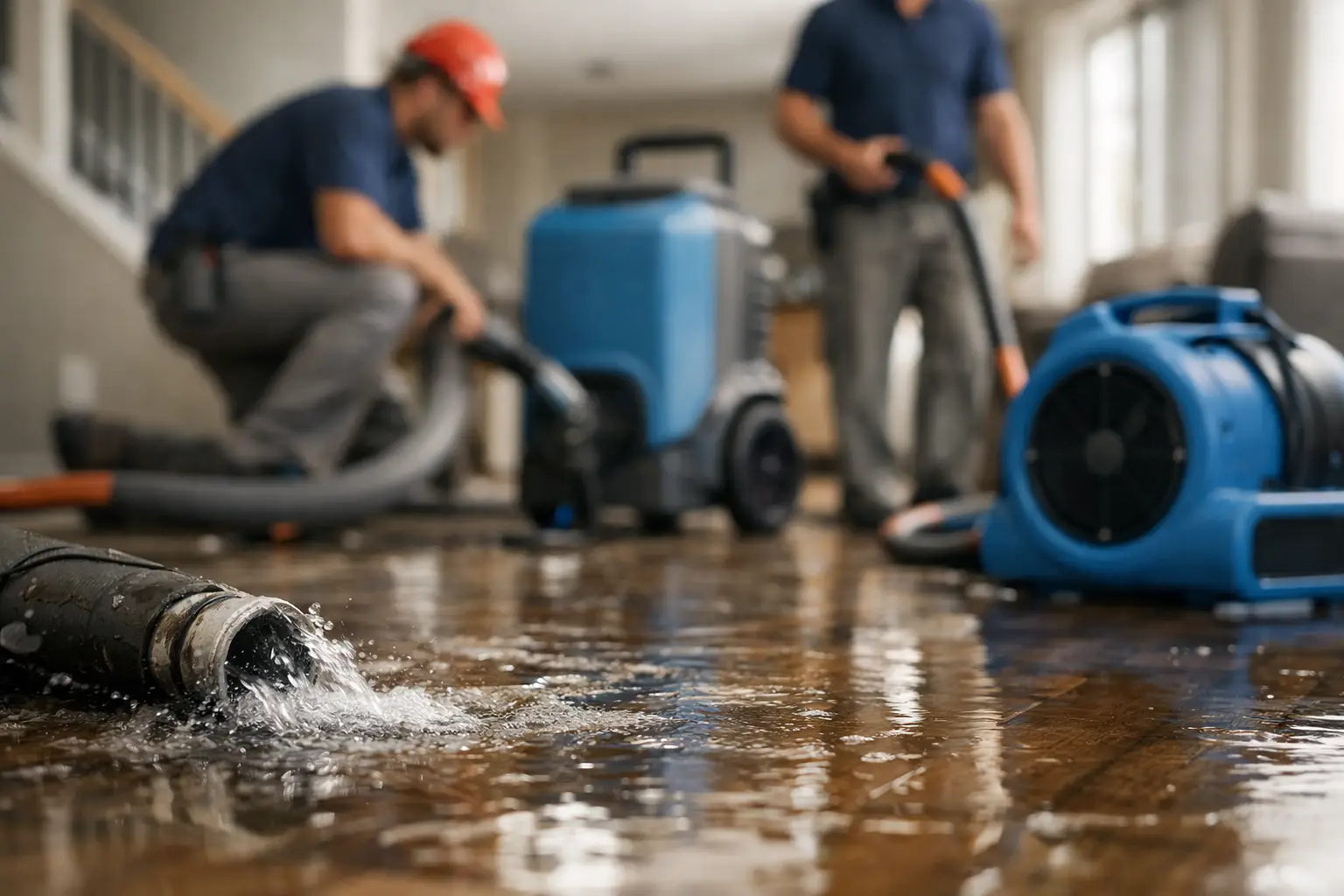
Crawl space mold removal in Austell is not one decision, it is three: remove the mold, stop the moisture, and choose repair or replacement based on what the wood and crawl space actually need. I am Chris Kwangwari, and I look at Sweetwater Creek flood history, not guesswork.
IICRC-Certified · 5-Star Rated · 60-Minute Response · Insurance Billed Directly
Restore when the wood is sound and the problem is contained. Replace when rot, repeated wetting, or soft framing makes repair a bad bet.
Mold starts in 24 to 48 hours when moisture stays in place. In a crawl space, that clock moves fast after leaks or floodwater.
That usually means the moisture source is still there. I would look at drainage, dehumidification, and whether a vapor barrier or encapsulation is needed.
I would not wait if wood is wet or the smell returns. Waiting lets mold spread, and under a crawl space, that usually means a bigger repair later.
Crawl space mold removal in Austell starts with source control, then crawl space cleanup, fungal growth removal, and moisture control. I do not treat mold as a stain. I treat it as proof of a wet crawl space, which means dehumidification, wood treatment when needed, and a real fix for the moisture source.
In Austell, the right process depends on what the crawl space is telling me. After heavy rain or plumbing leaks, I look for standing water, damp insulation, and joist staining. If the mold is active, I use crawl space mold remediation methods that address the source, not just the surface.
Sweetwater Creek flood history matters because it reminds me how fast water finds low spots, and crawl spaces are low spots by design. A pro approach usually includes containment, removal of damaged materials, drying, dehumidification, and a vapor barrier or encapsulation plan if the crawl space keeps taking on moisture.
DIY sprays can make a section look better for a week. They do not fix humidity, and they do not protect joists, subflooring, or stored items under the house. When I see recurring mold, I move fast on fungal growth removal and moisture control, because delay lets the problem spread.
Mold in an Austell crawl space usually starts with moisture, not mold itself. The common causes are humidity, soil moisture, plumbing leaks, poor ventilation, drainage problems, and flood-related wetting. Near Sweetwater Creek, low-lying ground and storm runoff can make those conditions worse after a hard rain.
I look at water first. If the crawl space smells musty, has dark joists, or shows condensation on ducts and pipes, mold has found a wet surface. That is why crawl space mold removal in Austell always includes a moisture check before anyone reaches for a cleaner.
Sweetwater Creek flood events taught local owners a hard lesson: water can enter a property in a slow, sneaky way, then sit under the house long enough for mold to start. Once wood stays wet, mold does not need much help. Dehumidification and a vapor barrier become practical tools, not upgrades.
Some homes also need wood treatment after cleanup, especially when surface growth has moved into porous framing. But I only recommend that after I know the wood is dry enough to stay dry. Otherwise, you are cleaning the same boards twice and paying for the same mistake twice.
Repair is the right move when the framing is still sound and the damage is mostly surface-level or limited. Replacement is the right move when mold, rot, or repeated wetting has weakened insulation, subflooring, or wood beyond practical recovery. I choose based on structure, not emotion.
In Austell, many crawl spaces can be saved with focused restoration. If the problem is localized, I remove damaged materials, dry the area, treat exposed wood, and rebuild the moisture defense. That is usually smarter than tearing out everything under the house just because mold showed up.
But there are times replacement wins. If I see repeated wetting after storms, a sagging vapor barrier, or materials that are too far gone, I will say it straight: replacement is the cleaner path. Sweetwater Creek flooding is a reminder that some crawl spaces are hit again and again.
The comparison is simple. Repair costs less disruption. Replacement gives you a fresh start. If the crawl space is structurally sound, repair plus moisture control is the better play. If the materials are failing, replacement keeps you from chasing the same mold around the crawl space every season.
Often, yes, if the crawl space keeps pulling in moisture. Encapsulation is the stronger answer when humidity, soil vapor, or recurring wetting caused the mold in the first place. If the source was a one-time leak and the crawl space dries correctly, a lighter repair may be enough.
Encapsulation is not a slogan. It is a moisture strategy. In Austell, I recommend it when the crawl space keeps cycling between damp and dry, because that cycle feeds mold faster than most owners realize. A vapor barrier and sealed conditions can make a big difference.
Near Sweetwater Creek, owners who have dealt with repeated storm runoff often want the crawl space protected for the long haul. That is when encapsulation, dehumidification, and careful crawl space mold remediation start working together. One tool alone usually does not solve a repeat moisture problem.
I do not push encapsulation on every house. I compare the crawl space, the drainage, and the history. If the area is already dry, ventilated correctly, and the mold came from an isolated leak, full encapsulation may be more than you need. But if moisture keeps returning, I would rather seal it once than clean it forever.
Yes. Crawl space mold can affect indoor air quality because air moves upward through the house, carrying odors and particles with it. If the crawl space stays damp, the problem does not stay under the house. It can show up as a musty smell, irritated occupants, and ongoing discomfort.
This is why I do not separate crawl space mold removal from the living space. In Austell, I often see homeowners notice the smell upstairs before they notice the crawl space itself. That odor is a clue that fungal growth removal and moisture control need to happen together.
Sweetwater Creek flood memories matter here too. A wet crawl space can become a hidden air-quality issue long after the water is gone. If the air handler, ducts, or floor system sit above that space, the house can keep pulling in what the crawl space is producing.
The fix is not just cleaning. It is drying, dehumidification, and preventing the next wetting event. If you stop at wipe-downs, the smell can return. If you deal with the moisture source and the mold source, indoor air quality usually improves in a way owners can actually notice.
Call a pro when the mold covers more than a small spot, when the crawl space is wet, when wood is soft or stained, or when the smell keeps coming back. DIY may suit a tiny, dry area. Anything bigger calls for crawl space mold remediation and direct insurance billing if damage is involved.
I am blunt about DIY. If you are working under a house in Austell with low clearance, damp insulation, and dark framing, you are not doing simple housekeeping. You are dealing with crawl space cleanup in a confined, dirty environment that can hide more damage than it shows.
A pro brings IICRC-certified technicians, a licensed general contractor, and the ability to compare repair against replacement on the spot. That matters when the issue sits near Sweetwater Creek flood-prone history or when a leak has already affected multiple building materials.
DIY can make sense for wiping a tiny area on dry framing after the moisture source is fixed. But if you are still wondering whether the problem is mold, water damage, or both, I would bring in a pro. Guessing under a house is expensive.
| Typical Trigger | Water Damage Restoration | Mold Remediation |
|---|---|---|
| After a storm like the kind Austell saw around Sweetwater Creek flood history | Water damage means wet insulation, soaked vapor barrier, and damp joists need drying and cleanup now. | Mold means fungal growth removal, dehumidification, and a moisture source check before the crawl space closes back up. |
| A small musty smell after a plumbing leak under the house | Water damage calls for leak repair, drying, and crawl space cleanup before materials stay wet too long. | Mold calls for crawl space mold remediation, wood treatment if needed, and follow-up moisture control. |
| Repeated dampness in a crawl space near low ground in Austell | Water damage points to drainage, a vapor barrier, or encapsulation to keep the space from getting wet again. | Mold points to pro removal, dehumidification, and a stronger seal if the problem keeps returning. |
From emergency mitigation to full reconstruction, handled in-house so you are never managing a chain of subcontractors mid-crisis.
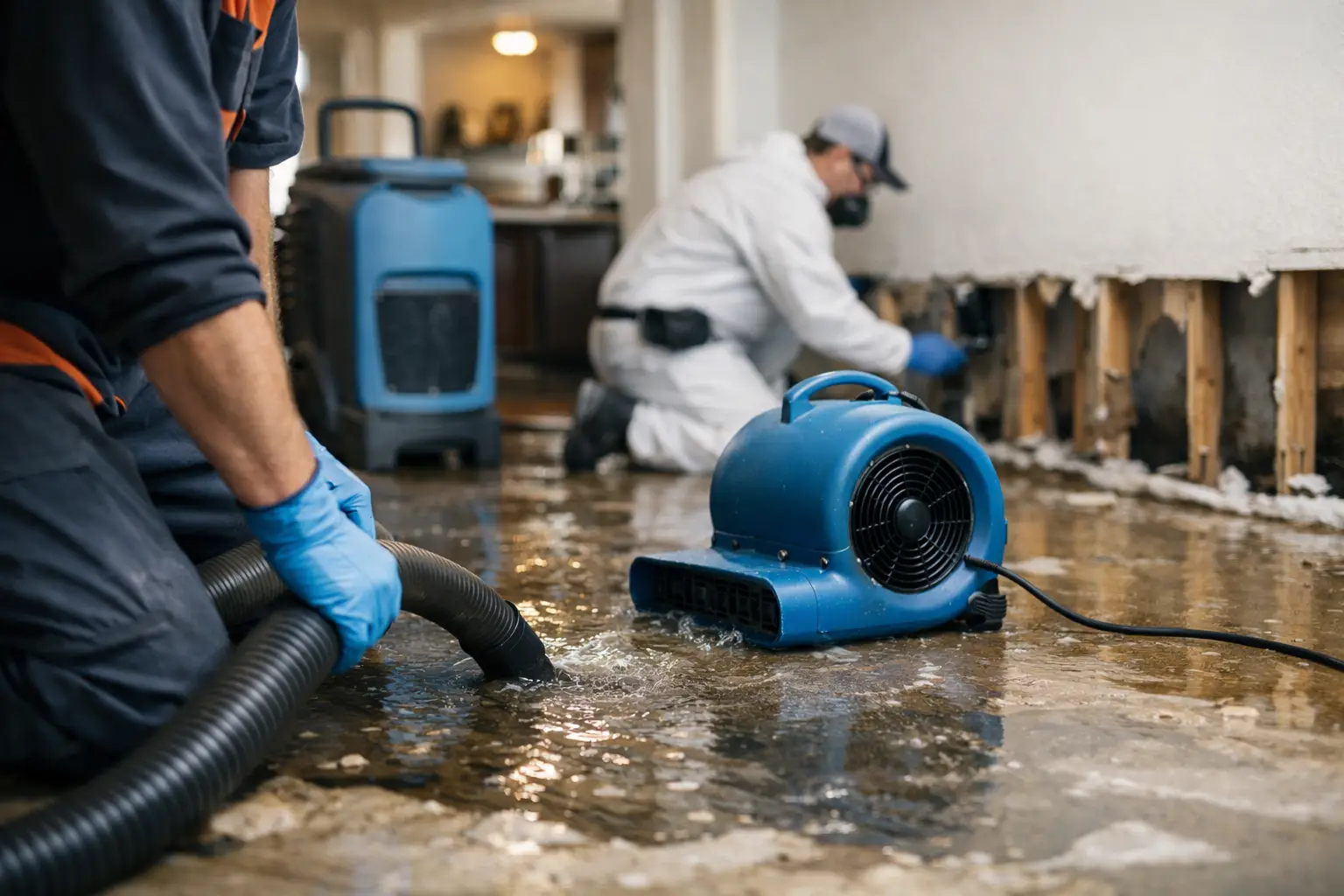 Water Damage
Extraction, structural drying, and moisture mapping after floods, leaks, and burst pipes.
Get help now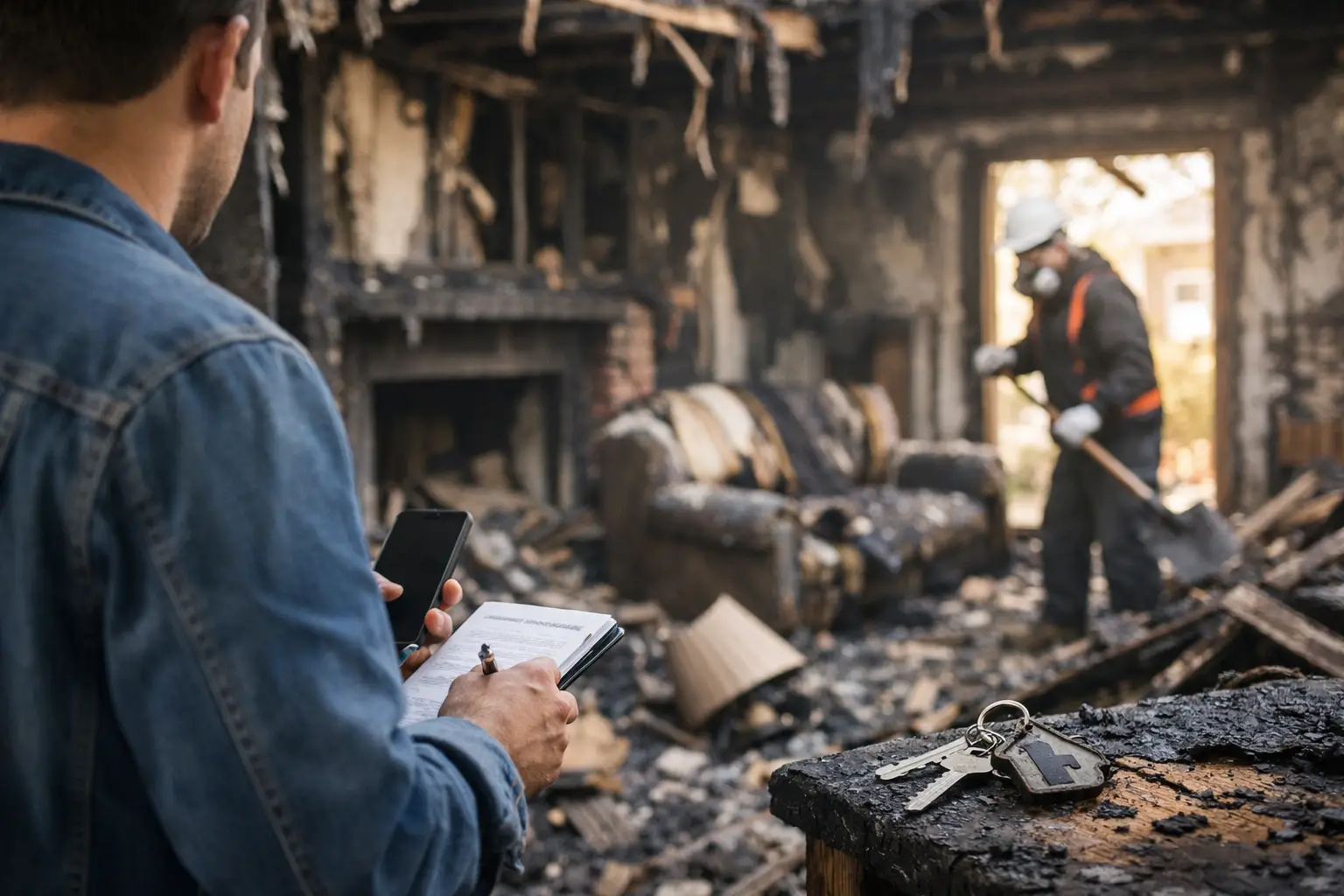 Fire & Smoke
Soot removal, odor deodorization, and content cleaning after fire and smoke damage.
Learn more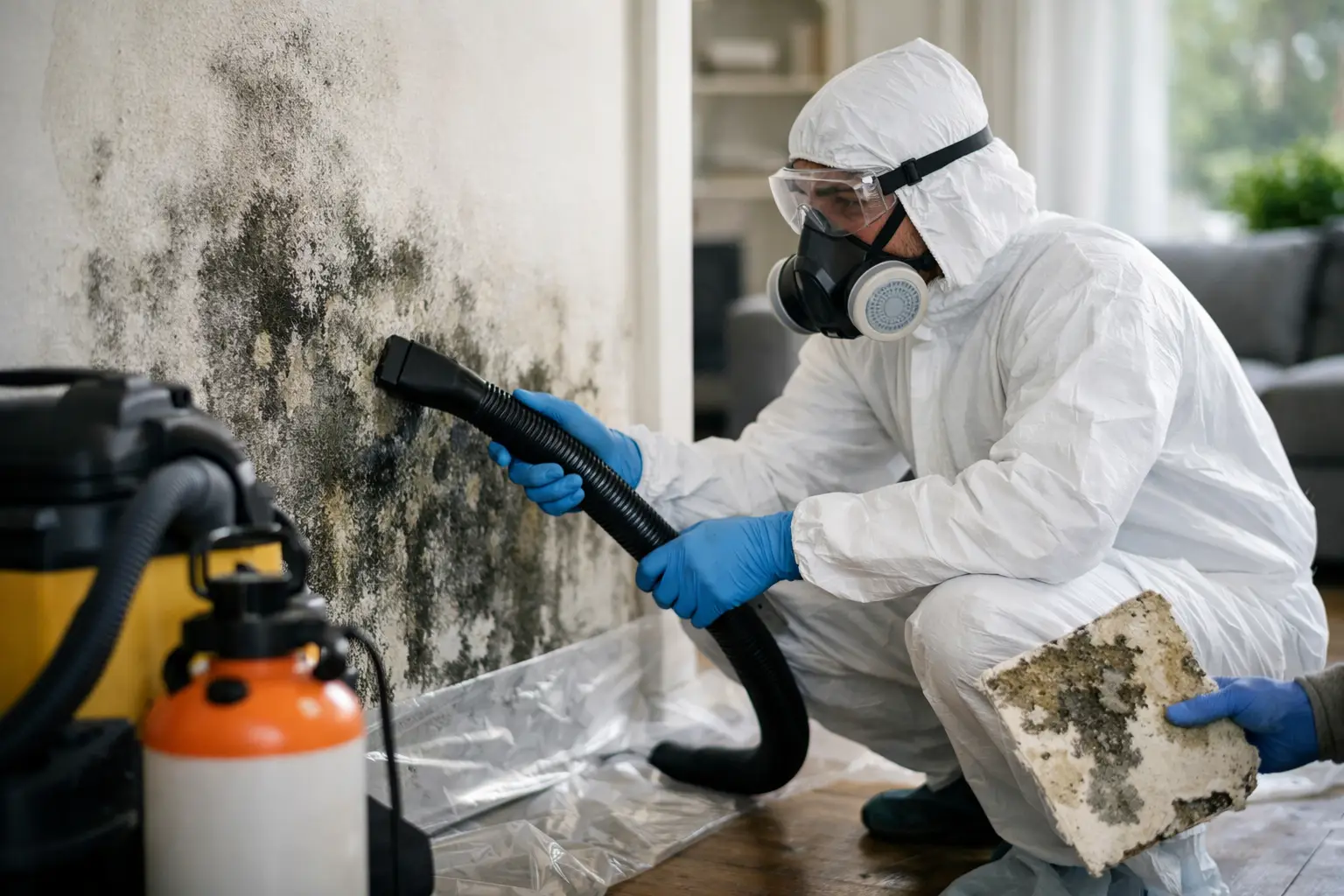 Mold
MoldContainment, removal, and moisture control that stops mold from coming back.
Learn more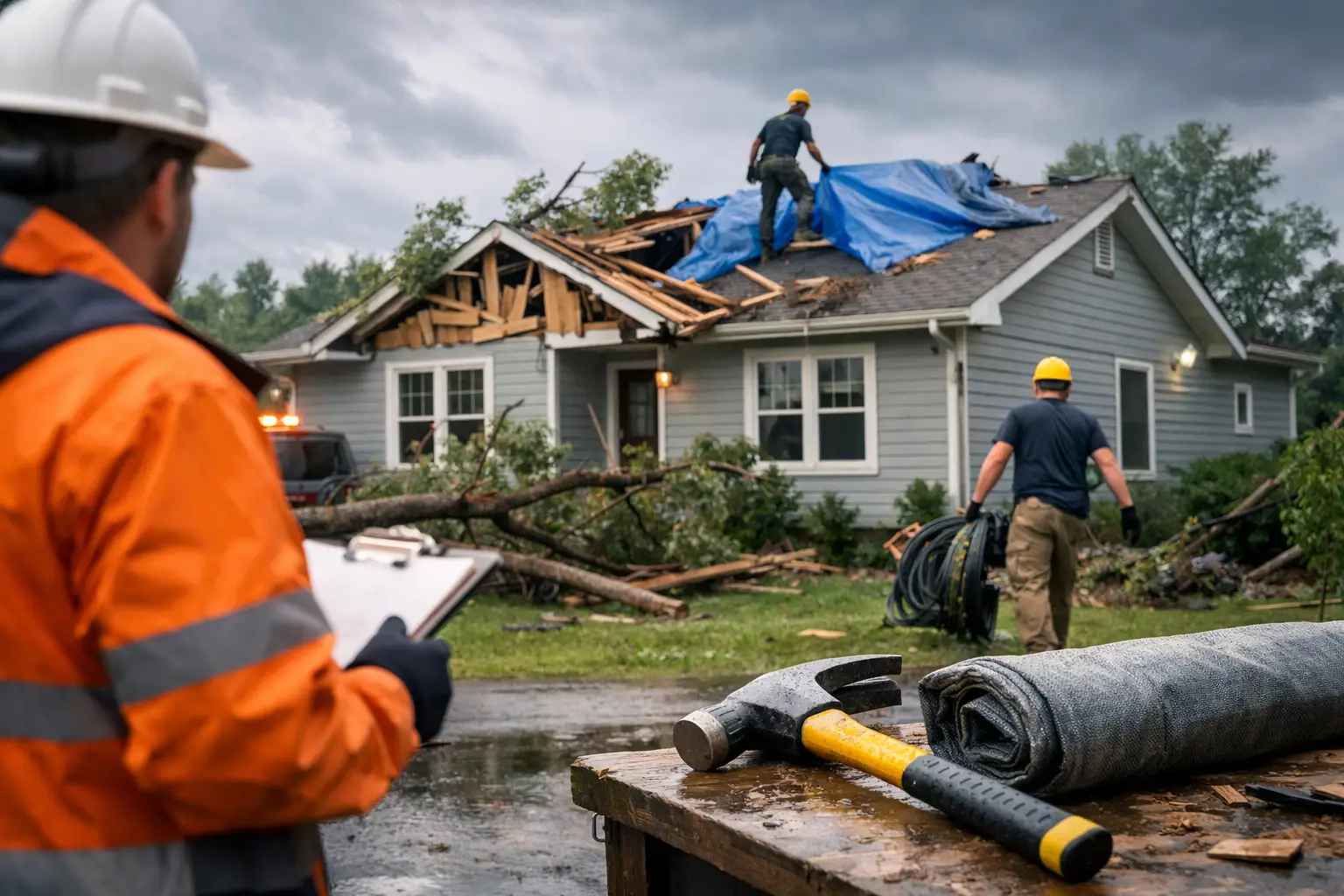 Storm
StormEmergency board-up, roof tarping, and full recovery after wind, hail, and storms.
Learn more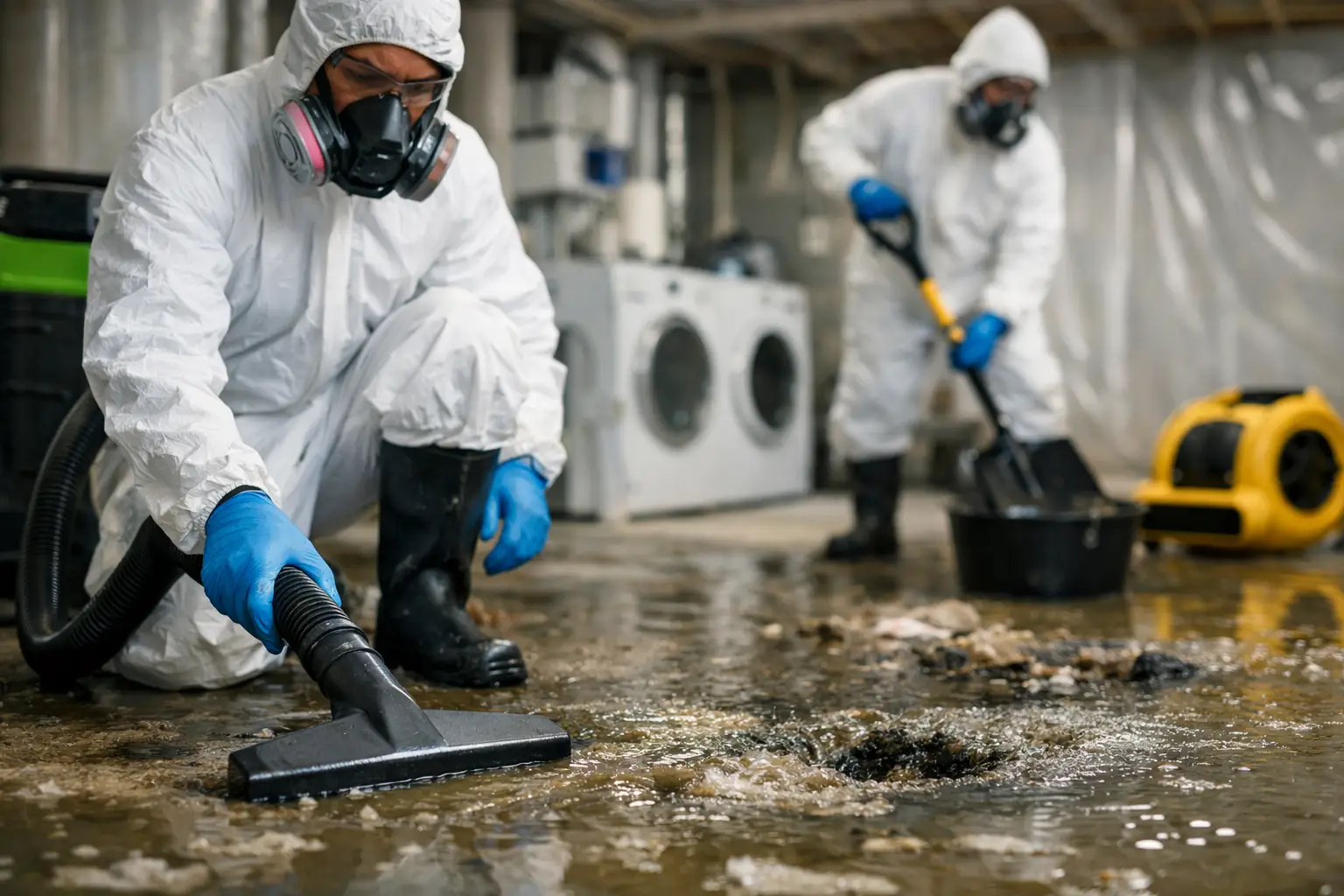 Sewage
Safe biohazard cleanup and sanitizing after sewage backups and overflows.
Learn more Reconstruction
Full rebuild by a licensed general contractor, so your property comes back whole.
Learn moreElevated Operations is an IICRC-certified, licensed general contractor based in Mableton that handles the entire recovery in-house, so after one loss you are never coordinating a cleanup crew, a mold crew, and a contractor separately. One team, one point of contact, from the first pump-out to the final coat of paint.
People call when the property feels like a disaster. They leave reviews because Chris and the crew made it right. These are real, verified Google reviews.
You start by fixing the moisture source, then remove contaminated materials, dry the space, and treat affected wood if it can be saved. In Austell, I compare crawl space mold remediation against replacement based on the framing condition, not just the stain. If Sweetwater Creek flood patterns or storm runoff are part of the story, I expect a stronger moisture-control plan.
Mold grows where moisture stays. In Austell, that can mean plumbing leaks, humid air, poor drainage, soil vapor, or storm water from events like the Sweetwater Creek flood history that local owners remember. If the crawl space stays damp, mold does not need a second invitation.
Sometimes yes, sometimes no. If mold came from repeated humidity or wet soil conditions, encapsulation is often the better comparison to a simple cleanup because it adds a vapor barrier and stronger moisture control. If the mold came from one isolated leak and the space dries well, a full encapsulation may be more than you need.
Yes, because the air in the crawl space can move into the house. That is why I treat crawl space mold removal as an air and moisture issue, not just a cleaning job. If the smell is moving upstairs, the crawl space is affecting the living space and needs a real fix.
Only if the area is small, dry, and the leak is fully fixed. If there is visible mold, damp insulation, or soft wood, DIY usually falls short. I would rather see a homeowner compare the risk honestly, because crawl space mold remediation is harder than it looks once moisture gets into framing.
Wood treatment makes sense when the framing is structurally sound but still shows surface contamination after drying. I do not recommend it as a substitute for drying or moisture control. In Austell, I pair it with dehumidification and, when needed, encapsulation so the same joists do not grow mold again.
Water damage is the wetting event. Mold is the biological result that follows if moisture lingers. In a crawl space, water damage may show up as soaked insulation or standing water, while mold shows as staining, odor, or fuzzy growth. The right response may require both cleanup and fungal growth removal.
I would call a licensed restoration contractor with IICRC-certified technicians and direct insurance billing. That matters when the crawl space needs documentation, moisture control, and possible replacement decisions. Elevated Operations, LLLP, is based in Mableton, and I bring deductible assistance up to $1,000 when the claim qualifies.
Elevated Operations dispatches IICRC-certified crews across Metro Atlanta from our Mableton base, with a 60-minute emergency response day or night. Choose your city:
Call now for an immediate response, or request your free inspection and get a certified crew on-site within the hour across Atlanta and nearby areas.




