24/7 Emergency Restoration · Serving Metro AtlantaEmergency? (770) 404-6895
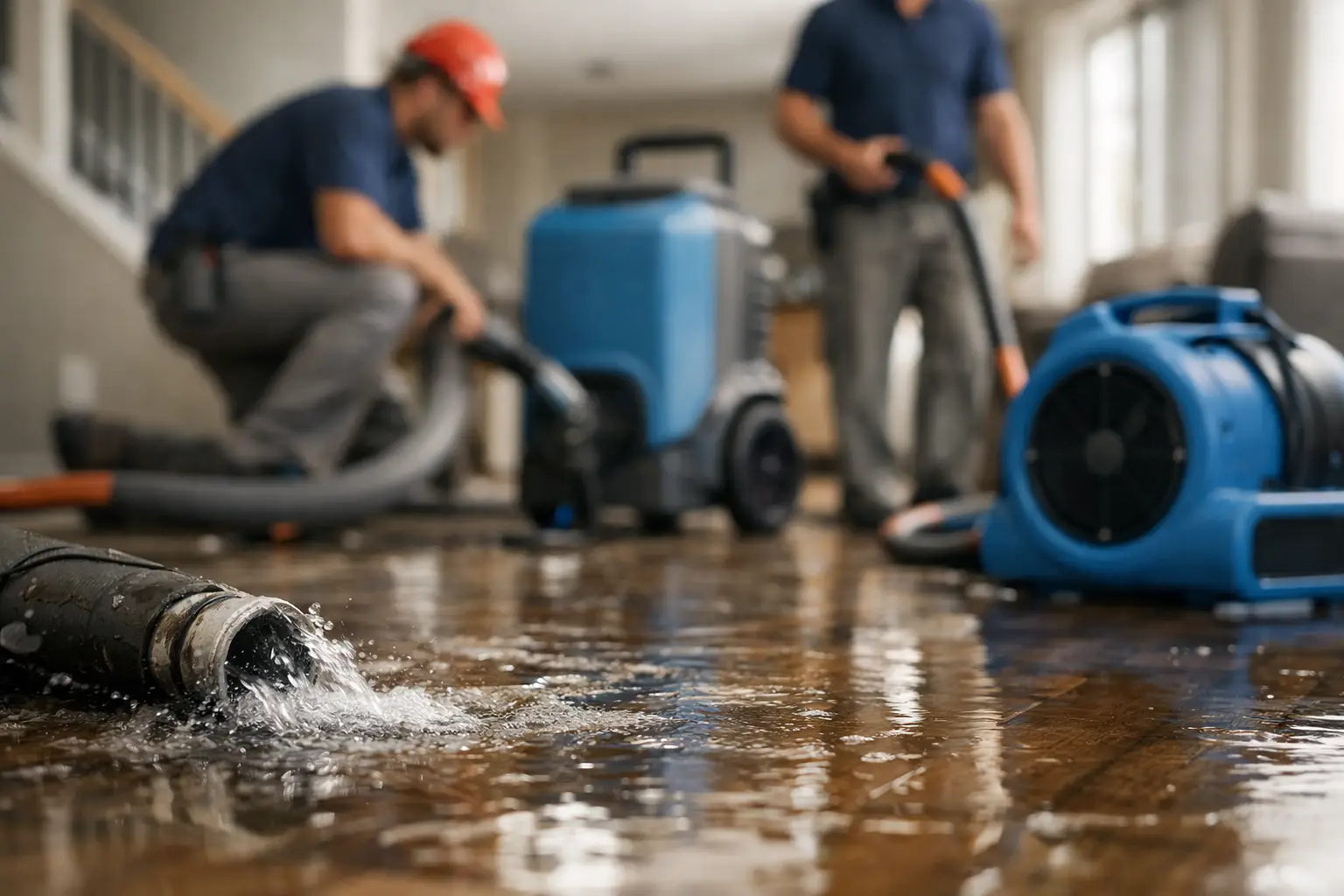
Mold removal services Forest Park starts with fast containment, a real mold inspection, and a plan that fits airport and industrial properties as well as post-war homes near Fort Gillem. I’m Chris Kwangwari, and my crew handles the first hard steps: stop spread, find moisture, document damage, and move straight into remediation.
IICRC-Certified · 5-Star Rated · 60-Minute Response · Insurance Billed Directly
Yes. We respond 24/7 with a 60-minute emergency response and move quickly on containment, inspection, and stabilization.
Often it is. If drywall, flooring, trim, or insulation was affected, mold damage repair has to follow removal so the space is truly usable.
Yes. I handle commercial and industrial mold removal services in Forest Park, including the containment and cleanup those spaces usually need.
Call (770) 404-6895. I’ll walk you through the first steps, then we’ll inspect, contain, and document the job.
If you smell a musty odor, see growth after a leak, or find recurring damp spots, you need mold removal services in Forest Park. In this city, I pay close attention to post-war houses, older rental stock, and buildings near industrial corridors where moisture and hidden damage can sit behind walls.
Start with the nose test, then the sight test. Musty air, discoloration on drywall, bubbling paint, warped trim, or repeated allergy flare-ups are all reasons to call for a mold inspection before the problem spreads through the structure.
Forest Park has a mix of older homes and industrial spaces, plus heavy traffic patterns tied to the airport area. That matters because HVAC issues, roof leaks, plumbing leaks, and condensation can show up fast and stay hidden in crawl spaces, closets, and utility rooms.
If you have a place near Fort Gillem or along busier commercial strips, do not wait for the stain to grow. I would rather find a small area early than walk into a larger mold damage repair job after the source has fed it for weeks.
A proper mold removal services job in Forest Park includes inspection, containment, source control, removal of contaminated material, air scrubbing, HEPA vacuuming, and cleanup. If the damage reached framing, drywall, insulation, or flooring, I also address the follow-on mold damage repair so the area is usable again.
My checklist starts with moisture mapping and a careful mold inspection. Then I isolate the work area with containment so spores are not pushed into clean rooms, hallways, or adjacent units. That step is not optional in occupied homes or busy commercial spaces.
Next comes removal of damaged materials and detailed mold remediation. When the surface can be cleaned safely, we use controlled methods. When the material is too compromised, I remove it and document what happened for the insurance file.
Air scrubbing and HEPA vacuuming come after the bulk removal. That is how I chase the fine debris that gets left behind in corners, seams, and dust layers. In Forest Park, where older post-war construction meets warehouse and industrial exposure, detail work matters.
Before mold cleanup starts, stop the moisture, keep people out of the affected room, and call for emergency help if the area is spreading fast. In Forest Park, I want you to photograph the damage, avoid disturbing the growth, and get the source identified before anybody tears into it.
First, find the leak or damp source if it is obvious. Shut off water if you can do that safely. Do not spray bleach, do not scrub dry debris, and do not run fans across visible growth. That just moves material around and can make cleanup harder.
Second, document everything. Take photos of staining, damaged drywall, wet flooring, and any affected belongings. If the problem is in a rental, office, or industrial suite, those pictures help with insurance and make the next steps cleaner and faster.
Third, call a crew that handles containment and mold remediation, not a general handyman guessing at the job. I am a licensed general contractor, and my team can move from the first emergency call to source control and repair without wasting days.
Mold removal services only solve the job if they also address the source in Forest Park. Mold keeps coming back when the leak, condensation, or drainage problem stays active, so I treat source control as part of the work, not an extra step after cleanup.
A surface cleaning alone does not fix a wet wall, a failed pipe, or a roof issue. In airport-adjacent and industrial buildings, I often see hidden moisture from HVAC systems, utility penetrations, or long-running leaks that were ignored until growth showed up.
The source has to be found before final closure. That may mean removing damaged drywall, checking insulation, examining trim, or opening a cavity enough to see what is feeding the mold. If the water source remains, the problem returns.
IICRC-certified technicians handle the process with containment, controlled removal, and drying coordination. Then we move to repair. That is how mold abatement becomes a real fix instead of a temporary clean-up that fails at the first humid stretch.
Yes, mold can return after removal in Forest Park if moisture comes back or the cleanup was incomplete. That is why I focus on source control, containment, drying, and verification. I do not count a job done just because the visible growth is gone.
Forest Park’s mix of older housing, commercial properties, and industrial activity makes recurrence a real issue when ventilation is poor or a leak is missed. A cleaned wall still fails if the cavity stays wet. Mold will use that moisture again.
Poor demolition is another cause. If someone tears out only the visible surface and leaves contaminated dust in the cavity, hidden material can re-seed the room. That is why HEPA vacuuming and proper containment matter during and after the removal work.
I also pay attention to the building’s use. Vacant spaces near Fort Gillem or active commercial properties may sit closed up longer, which makes moisture detection and follow-up essential. The fix has to hold when the room is closed and the weather shifts.
Forest Park needs a tighter checklist because airport traffic, industrial buildings, and post-war homes create different moisture patterns. I look at crawl spaces, older plumbing, HVAC closets, and warehouse walls with a different lens than I would in a newer subdivision.
Post-war housing often means older materials, older framing details, and updates that were done in pieces over time. That creates seams where water can sneak in and stay hidden. If you live in one of those homes, I inspect the obvious area and the adjacent structure.
Commercial and industrial properties near the airport corridor tend to have different air movement and mechanical demands. That is where containment, air scrubbing, and a disciplined mold remediation process keep dust and spores from moving into operations, storage, or customer areas.
Fort Gillem also changes the conversation. Any property near that area deserves attention to long-term moisture exposure, building age, and maintenance history. I do not assume the stain is the whole story. I assume there is a source until the inspection proves otherwise.
If you can do it safely, shut off the active leak or moisture source before anything else. Mold removal services work best when the feeding source is controlled first.
Do not run fans across visible growth or start pulling materials apart. Disturbance spreads debris and makes containment harder during mold cleanup.
Take clear photos of stains, damaged materials, and affected contents. That record helps with direct insurance billing and makes the mold inspection cleaner.
Ask for a crew that can set containment, use air scrubbing, and handle HEPA vacuuming. That is the difference between cleanup and a proper mold remediation job.
If drywall, flooring, or trim was damaged, the job is not finished until the mold damage repair is handled. I build that into the process from the start.
From emergency mitigation to full reconstruction, handled in-house so you are never managing a chain of subcontractors mid-crisis.
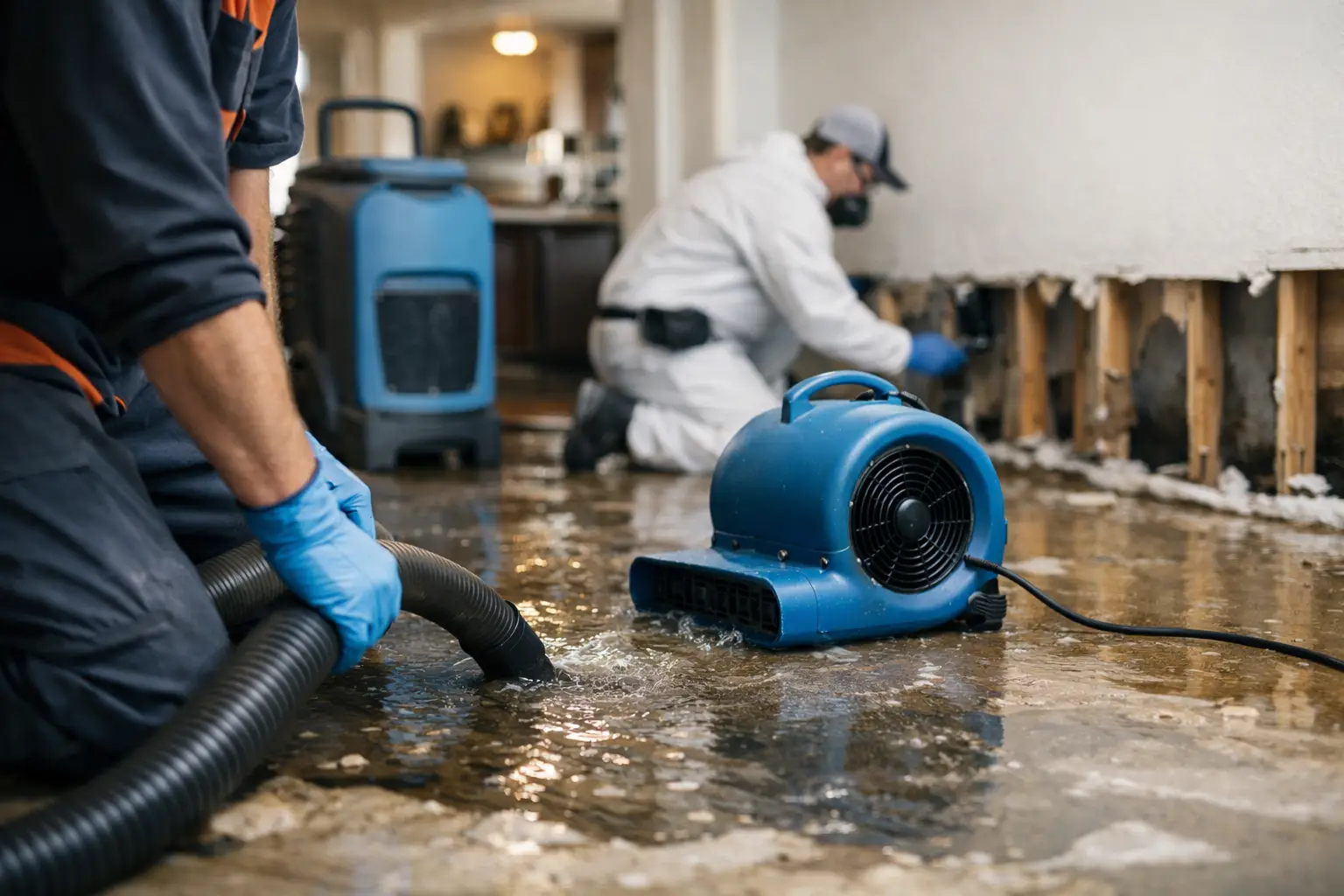 Water Damage
Extraction, structural drying, and moisture mapping after floods, leaks, and burst pipes.
Get help now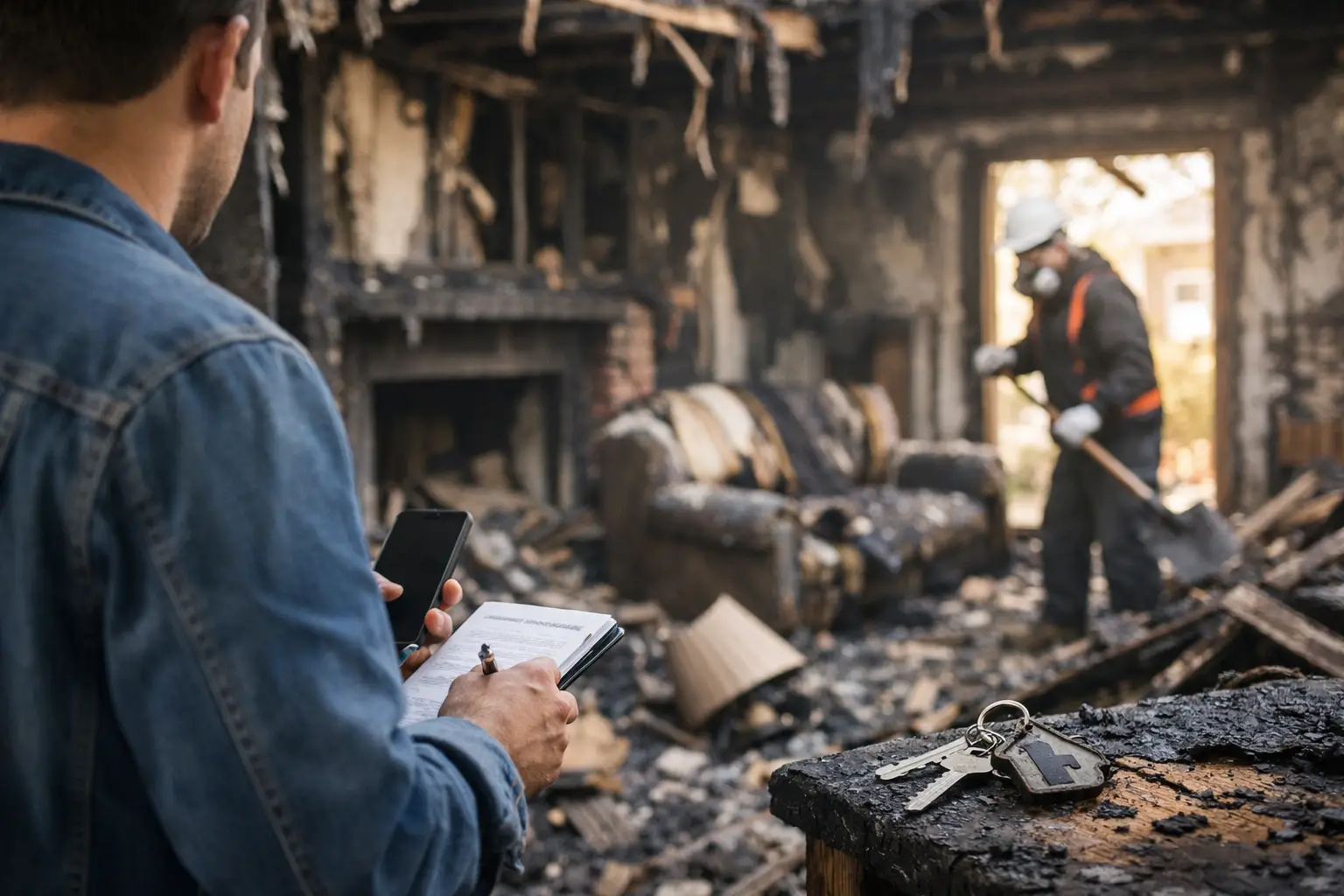 Fire & Smoke
Soot removal, odor deodorization, and content cleaning after fire and smoke damage.
Learn more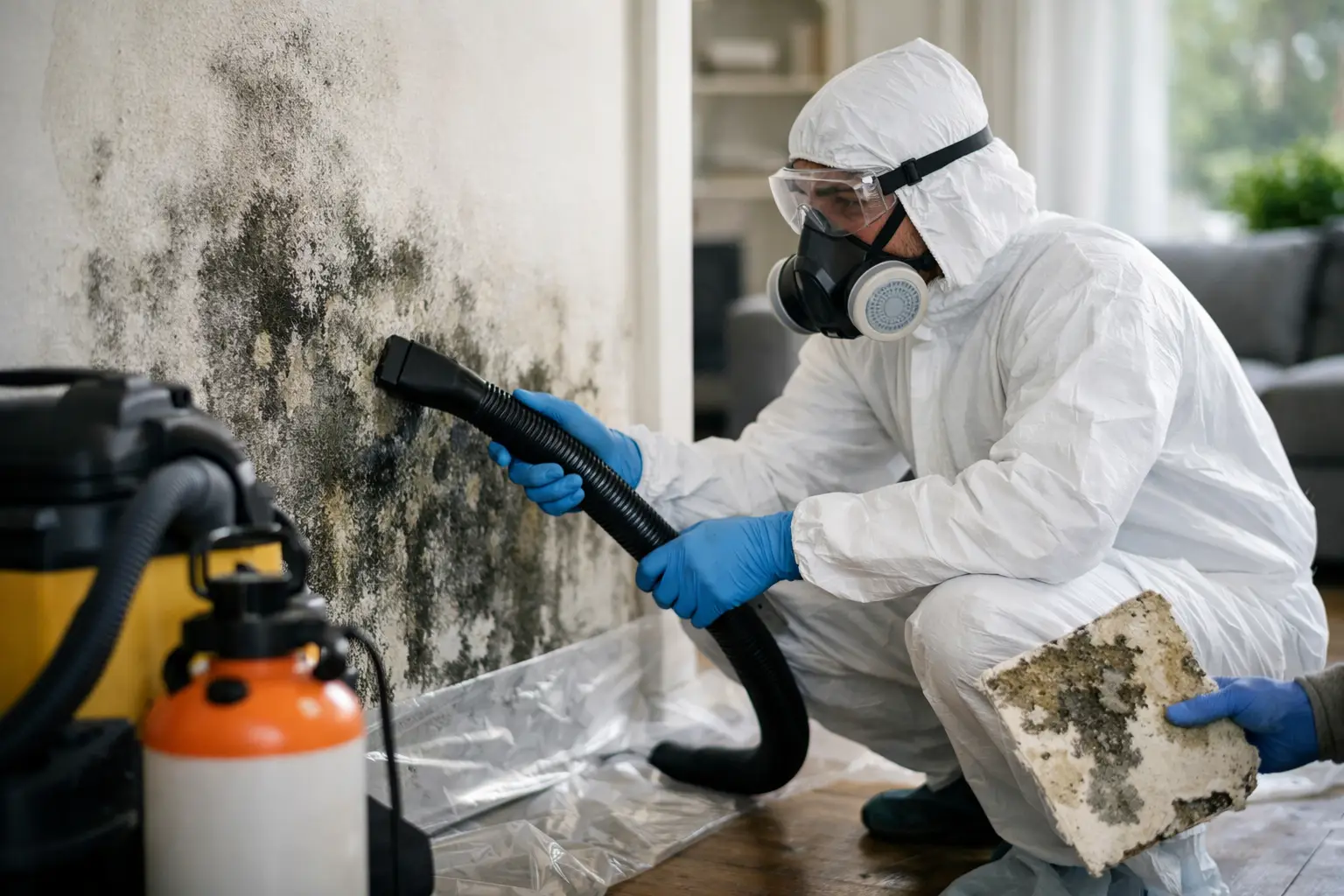 Mold
MoldContainment, removal, and moisture control that stops mold from coming back.
Learn more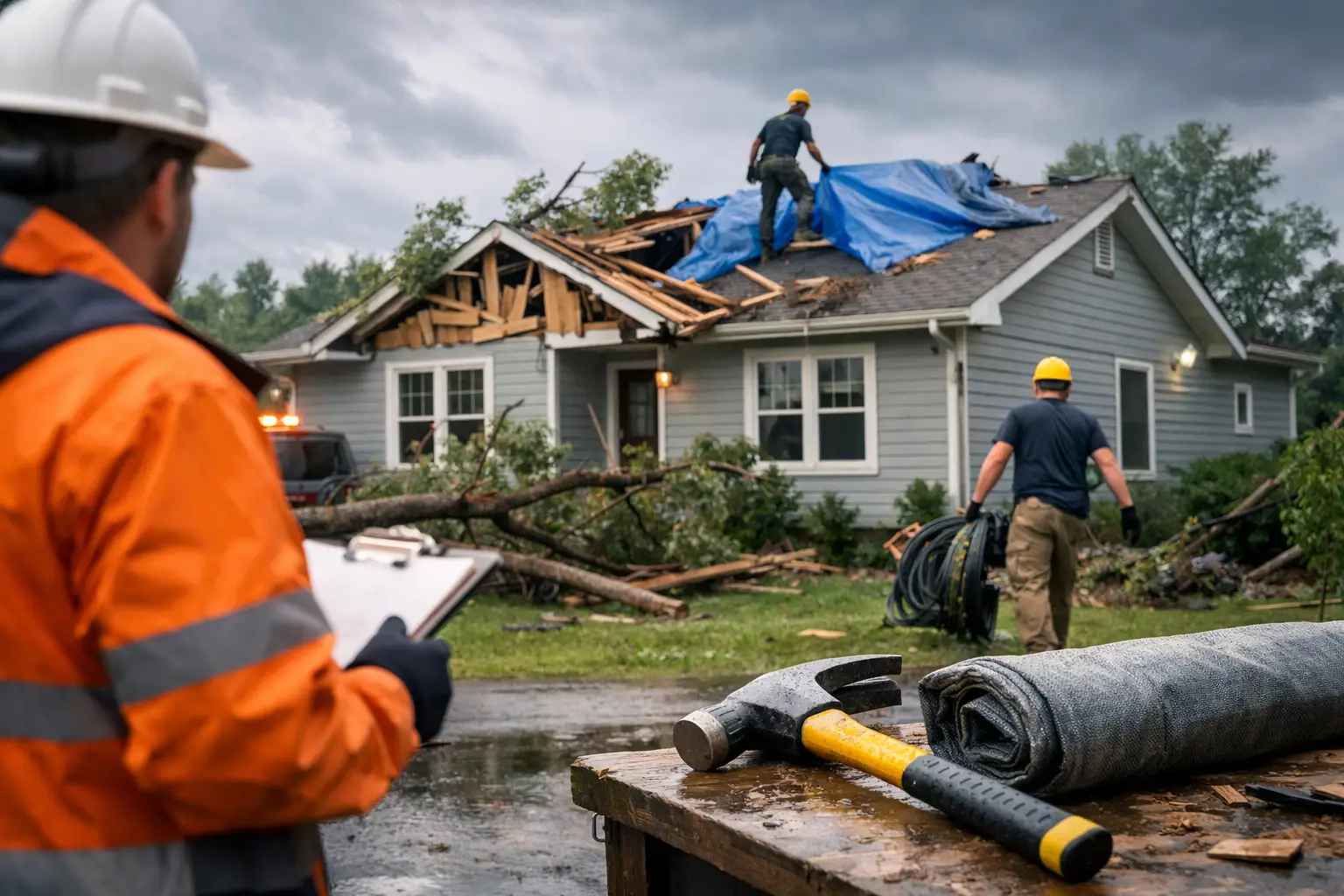 Storm
StormEmergency board-up, roof tarping, and full recovery after wind, hail, and storms.
Learn more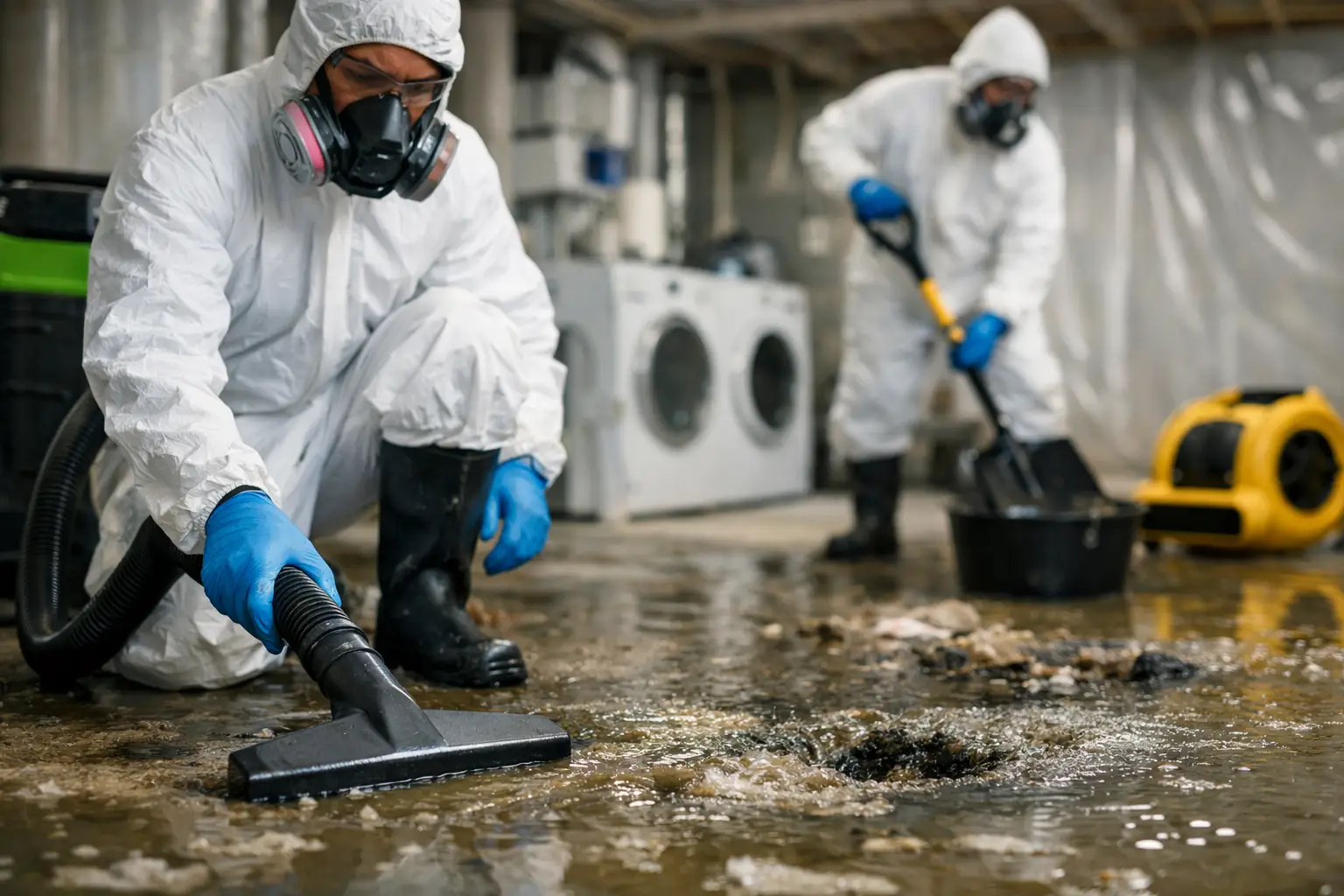 Sewage
Safe biohazard cleanup and sanitizing after sewage backups and overflows.
Learn more Reconstruction
Full rebuild by a licensed general contractor, so your property comes back whole.
Learn moreElevated Operations is an IICRC-certified, licensed general contractor based in Mableton that handles the entire recovery in-house, so after one loss you are never coordinating a cleanup crew, a mold crew, and a contractor separately. One team, one point of contact, from the first pump-out to the final coat of paint.
People call when the property feels like a disaster. They leave reviews because Chris and the crew made it right. These are real, verified Google reviews.
We offer 24/7 emergency response with a 60-minute emergency response window, and that matters in Forest Park where airport traffic, industrial use, and older buildings can let moisture damage spread quickly. I want the area stabilized fast, especially if the leak is active or the room is occupied.
Expect a careful look at walls, closets, crawl spaces, and any past leak areas, not just the visible stain. Post-war homes often hide old repairs and layered materials, so I check for moisture paths, damaged surfaces, and signs that the mold has moved beyond the first spot.
Yes. I handle mold cleanup in Forest Park’s residential, commercial, and industrial settings, including properties influenced by the Fort Gillem area. Those jobs often need containment, air scrubbing, and source control because dust, traffic, and mechanical systems can complicate the work.
Yes, we offer direct insurance billing. I also help with deductible assistance up to $1,000 when the claim qualifies. That does not replace the need for a solid inspection and documentation, but it does help keep the process moving without extra back-and-forth.
I treat mold abatement as a source-and-structure job, not a wipe-down. We are IICRC-certified, licensed as a general contractor, and we have been in restoration since 2007. That means I can handle removal, documentation, and repair with one team instead of handing you off.
Air scrubbing and HEPA vacuuming happen after the damaged material is controlled and removed. I use them to capture fine debris in the work zone, then I verify that the cleanup was handled carefully before the space moves into repair or closure.
We back our work with a 12-month warranty. If I repaired the damaged area and the source was properly addressed, I want the result to hold. That is part of doing the work right, especially in a city where old building materials and humidity can expose weak spots.
Because I know what fails first in this market: hidden moisture, rushed demolition, and weak repair. I’m Chris Kwangwari, owner of Elevated Operations, LLLP, based in Mableton and serving Cobb, Fulton, DeKalb, Douglas, Clayton, Henry, and Paulding counties. Call (770) 404-6895.
Elevated Operations dispatches IICRC-certified crews across Metro Atlanta from our Mableton base, with a 60-minute emergency response day or night. Choose your city:
Call now for an immediate response, or request your free inspection and get a certified crew on-site within the hour across Atlanta and nearby areas.