24/7 Emergency Restoration · Serving Metro AtlantaEmergency? (770) 404-6895
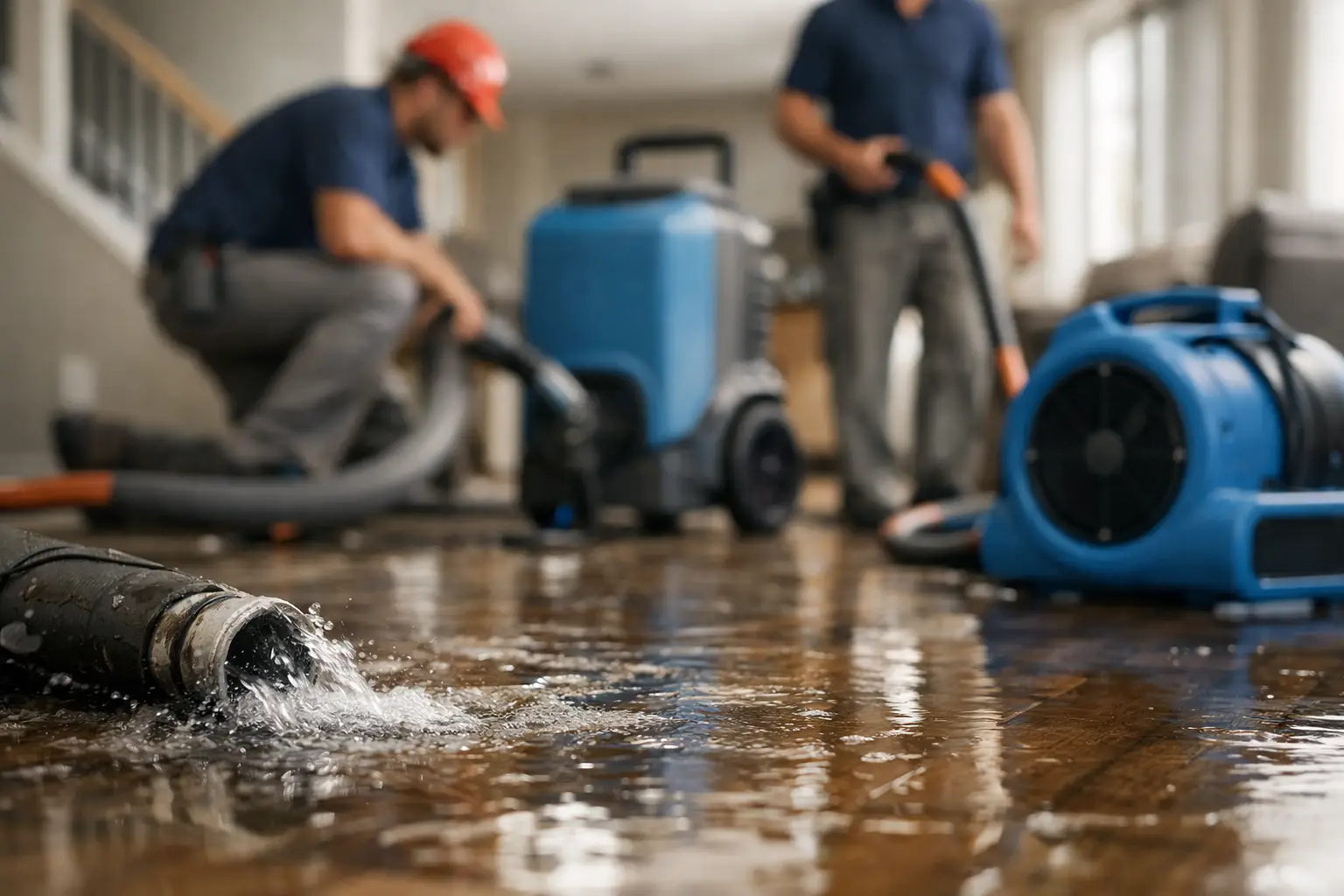
crawl space mold removal Atlanta starts with stopping moisture first, then removing visible mold and fixing what fed it. I am Chris Kwangwari, owner of Elevated Operations, and I use IICRC-certified technicians, direct insurance billing, and a 12-month warranty for homes with intown bungalows, creek basements, and stubborn crawl-space humidity.
IICRC-Certified · 5-Star Rated · 60-Minute Response · Insurance Billed Directly
Yes. Older intown bungalows often need a careful crawl-space inspection, moisture control, and cleanup plan that respects tight access and aging framing.
Yes. Creek basements often trap humidity after storms, and I focus on the water source first, then cleanup, drying, and repair.
I offer direct insurance billing when the claim qualifies, and I can help with deductible assistance up to $1,000.
Call (770) 404-6895. We are based in Mableton and serve Atlanta plus Cobb, Fulton, DeKalb, Douglas, Clayton, Henry, and Paulding counties.
Start with moisture control, then keep people out of the crawl space and document what you see. Crawl space mold removal Atlanta works best when I find the source fast, whether it is standing water, a failed vapor barrier, or humid air under an older bungalow.
In Atlanta, I see the same pattern over and over, a damp crawl space under an intown bungalow or a low spot near a creek basement, then fuzzy growth on joists, insulation, or ductwork. Do not scrape dry material and hope for the best. That spreads spores and wastes time.
Take photos, note any musty smell, and check whether the ground is wet after rain. If you can do it safely, look for torn insulation, exposed soil, plumbing leaks, or clogged drainage. Those clues matter because mold starts in 24 to 48 hours when moisture stays trapped.
Then call a licensed contractor who does crawl space mold remediation, not a handyman guessing at the cause. I have been in restoration since 2007, and I know Atlanta crawl spaces reward speed, clear containment, and a plan that includes cleanup, dehumidification, and repair.
Moisture causes mold, and Atlanta crawl spaces give moisture plenty of chances. High humidity, wet soil, poor drainage, plumbing leaks, and missing encapsulation all feed fungal growth, especially in older homes with shallow crawl spaces and creek-adjacent basements.
Atlanta housing stock matters. Intown bungalows often have vented crawl spaces, aging wood, and small access openings that make inspection hard. Once warm outside air hits cooler crawl-space surfaces, condensation forms, and that is enough for mold to take hold on framing, insulation, and subfloor materials.
Creek basements and low-lying lots add another layer. After heavy rain, water can linger under the house or wick into wood framing. I look for grading issues, foundation seepage, and standing water first, because fungal growth removal without moisture control is just a short-term cleanup.
The fix is not one thing. It may include dehumidification, a vapor barrier, crawl space cleanup, and wood treatment where surfaces are still sound. If the crawl space keeps getting wet, the mold will keep coming back, and the smell will keep drifting indoors.
I remove crawl space mold by stopping the moisture source, containing the affected area, cleaning contaminated materials, and treating exposed wood as needed. Crawl space mold removal Atlanta should also include checking insulation, ductwork, and floor framing so hidden growth does not survive the first pass.
I start with a site-specific inspection. I want to see the soil condition, the framing, any existing vapor barrier, and whether the crawl space has enough drying capacity. Then I separate what can be cleaned from what has to be removed, because cleanup is not the same as repair.
For active crawl space mold remediation, my technicians use IICRC-guided procedures, direct insurance billing when the claim qualifies, and a containment-first approach that limits spread into the living area. If materials are salvageable, I clean them. If they are not, I recommend removal and replacement.
And I do not stop at visible spots. In Atlanta, especially under intown bungalows, mold often hides behind insulation or along the rim joist. I check for fungal growth removal needs around vents, joists, and penetrations, then I verify drying so the repair actually holds.
Often, yes, especially when the crawl space keeps pulling in humid Atlanta air or has a history of damp soil. Encapsulation gives the crawl space a controlled environment, and when paired with dehumidification and a vapor barrier, it helps keep mold from returning.
Encapsulation is not a slogan, it is moisture control. If your crawl space is vented, damp, and hard to keep dry, encapsulation can make sense after mold removal because it separates the house from ground moisture and helps stabilize the air under the floor.
I do not recommend encapsulation blindly. Some crawl spaces need drainage correction first, some need wood treatment, and some need crawl space cleanup before any barrier goes down. But when I see repeated mold on joists in an Atlanta bungalow, encapsulation is often the smarter long-term move.
The goal is simple, dry framing and less humidity. A good system uses a sealed vapor barrier, controlled dehumidification, and a layout that makes future inspections possible. If the crawl space is dry, your odds of seeing the same mold problem again drop fast.
Yes, crawl space mold can affect indoor air quality because air from below the house moves upward through gaps, ducts, and floor penetrations. In Atlanta homes, musty crawl spaces often show up as musty bedrooms, stale hallways, or a general smell after rain.
This matters a lot in intown bungalows, where the crawl space may be shallow and the house may leak air at the subfloor or around plumbing cuts. If mold is active below, spores and odors can move into the living space faster than most owners expect.
I hear the same story from homeowners near creeks and low spots, the house smells worse when it rains. That is a clue. It usually means the crawl space needs more than surface cleaning, it needs moisture control, airflow management, and inspection of the floor system.
If you are sensitive to odors or dampness, do not wait for the smell to fade on its own. A proper cleanup, followed by dehumidification and any necessary encapsulation, can improve conditions. If the source stays wet, the indoor air keeps telling the truth.
Crawl space cleanup usually includes removing damaged materials, cleaning remaining structural surfaces, controlling dust and debris, and setting up the space so it dries correctly. In Atlanta, that often means attention to insulation, soil moisture, and the parts of the crawl space you cannot easily reach.
I treat cleanup as part of the restoration, not a separate chore. That means I look at contaminated debris, fallen insulation, wet cardboard, and anything else that holds moisture or mold. If it stays under the house, it keeps feeding the problem.
After cleanup, I evaluate whether wood treatment is appropriate and whether a vapor barrier should be repaired or installed. If the crawl space is still damp, no amount of tidying will solve it. The space has to dry, and it has to stay dry.
For older Atlanta homes, especially intown bungalows with tight access, crawl space cleanup needs planning. I bring a licensed general contractor perspective, which matters when repairs touch framing, supports, access doors, or other structural details that restoration-only crews sometimes miss.
Look for standing water, plumbing leaks, wet soil, or a torn vapor barrier. If the crawl space is wet, mold cleanup is only half the job.
Do not keep opening the access door. Limit foot traffic, avoid brushing mold, and keep family members away from the crawl space until it is assessed.
Take photos of joists, insulation, ductwork, and any visible growth. Note musty odors, wet areas after rain, and where the home sits, especially near a creek basement or low spot.
Ask for crawl space mold remediation, not just surface cleaning. IICRC-certified technicians can inspect moisture control needs, dehumidification, encapsulation, and any needed wood treatment.
Make sure the plan covers cleanup, drying, and the source of the water problem. If the crawl space keeps getting damp, mold will come back.
From emergency mitigation to full reconstruction, handled in-house so you are never managing a chain of subcontractors mid-crisis.
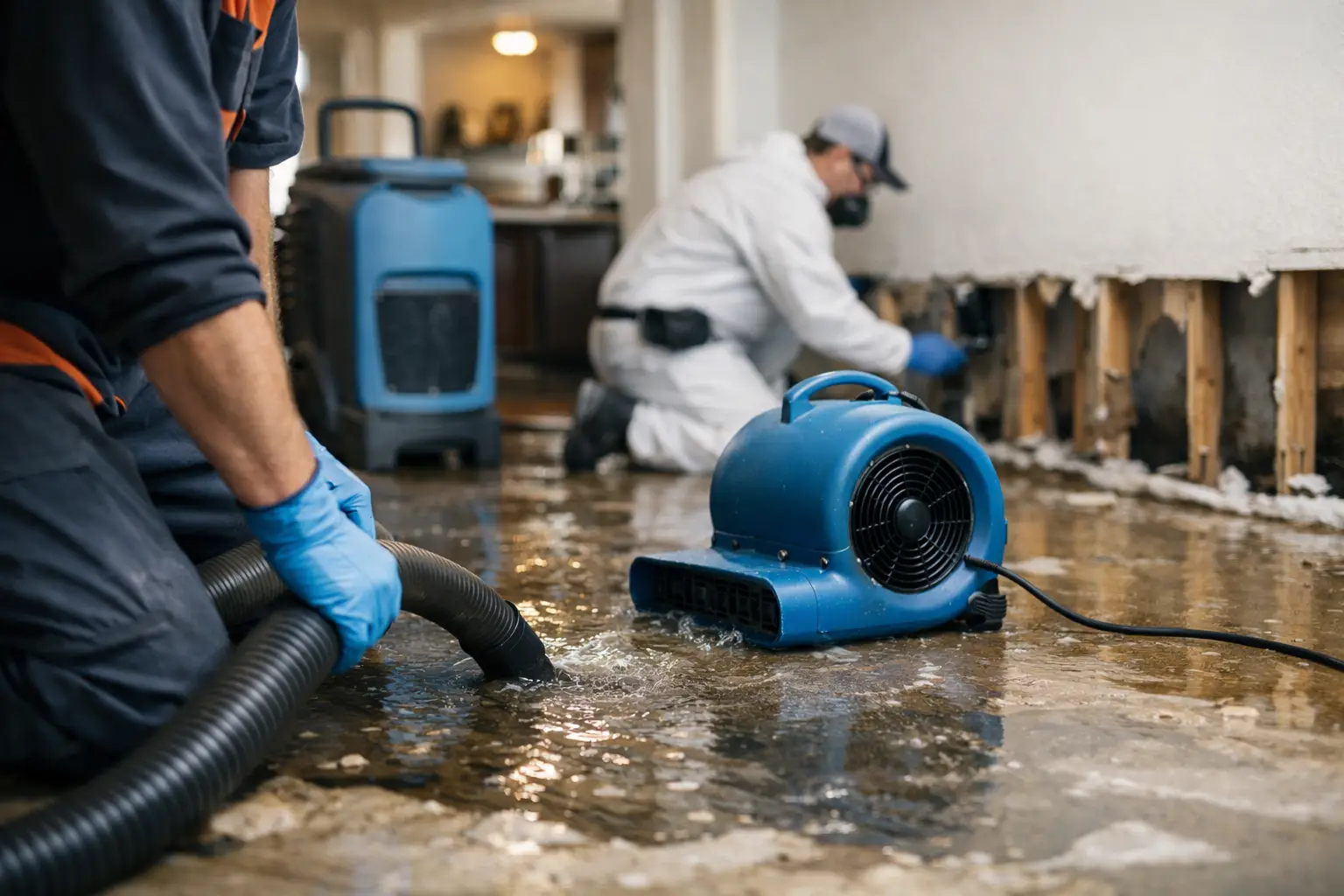 Water Damage
Extraction, structural drying, and moisture mapping after floods, leaks, and burst pipes.
Get help now Fire & Smoke
Soot removal, odor deodorization, and content cleaning after fire and smoke damage.
Learn more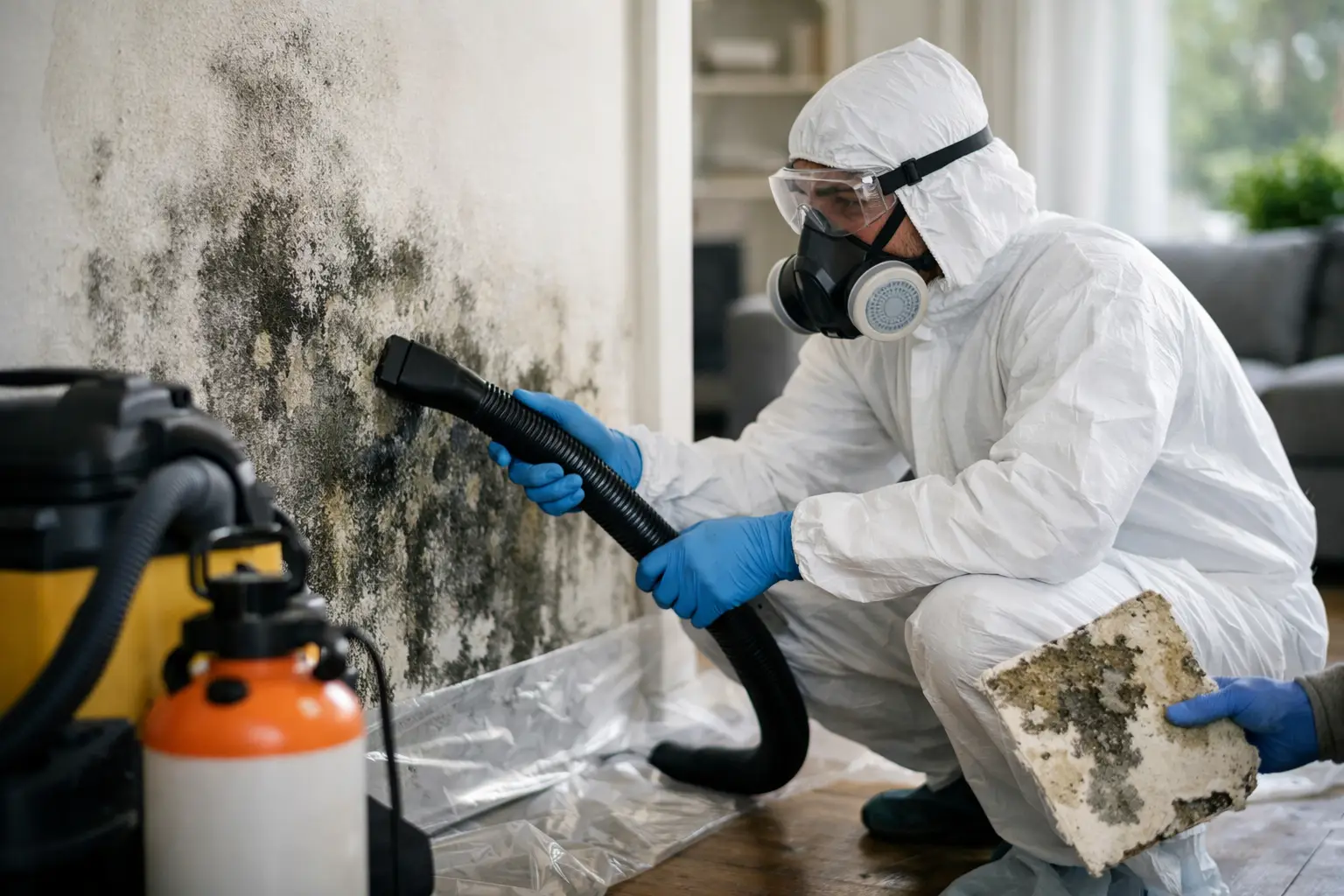 Mold
MoldContainment, removal, and moisture control that stops mold from coming back.
Learn more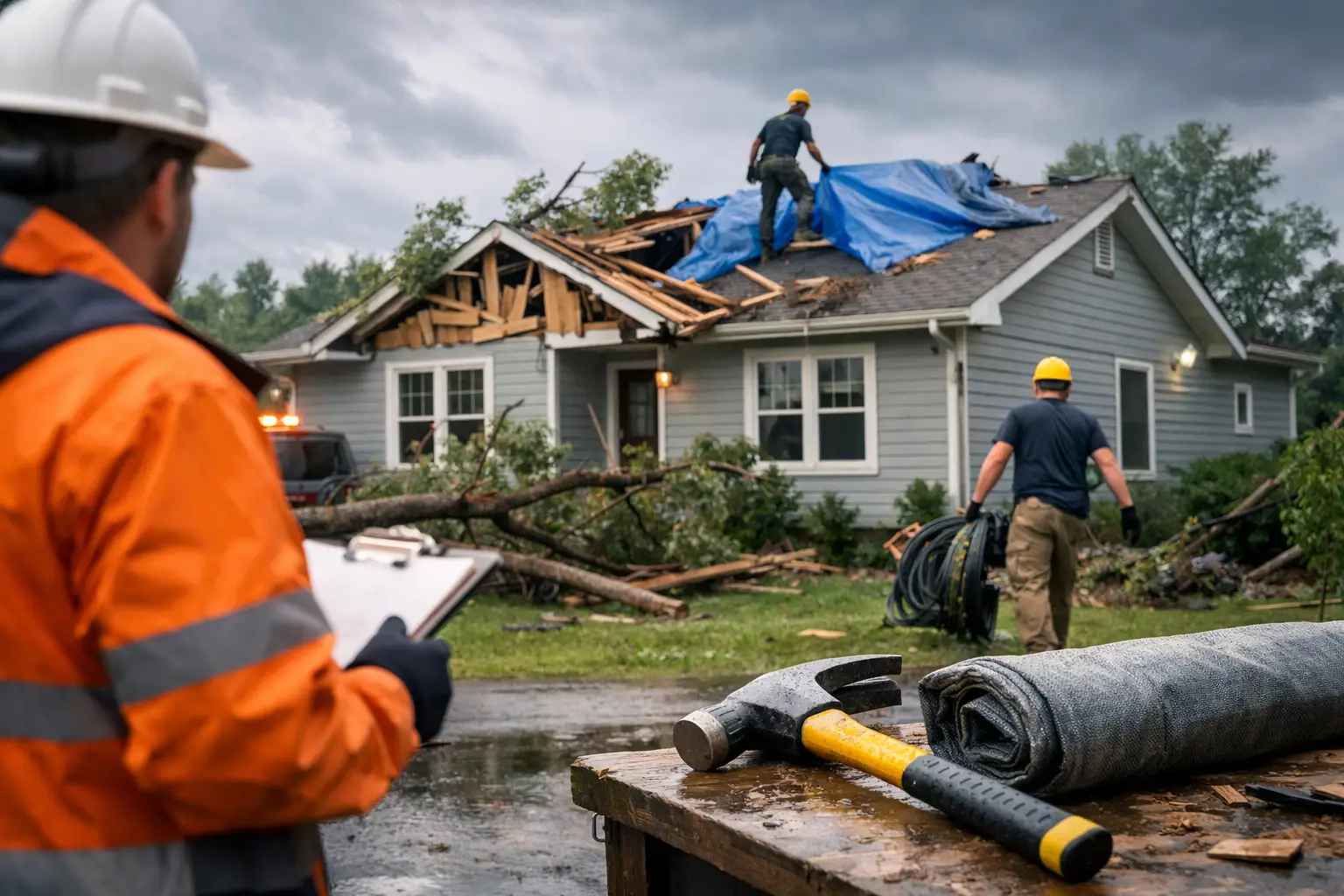 Storm
StormEmergency board-up, roof tarping, and full recovery after wind, hail, and storms.
Learn more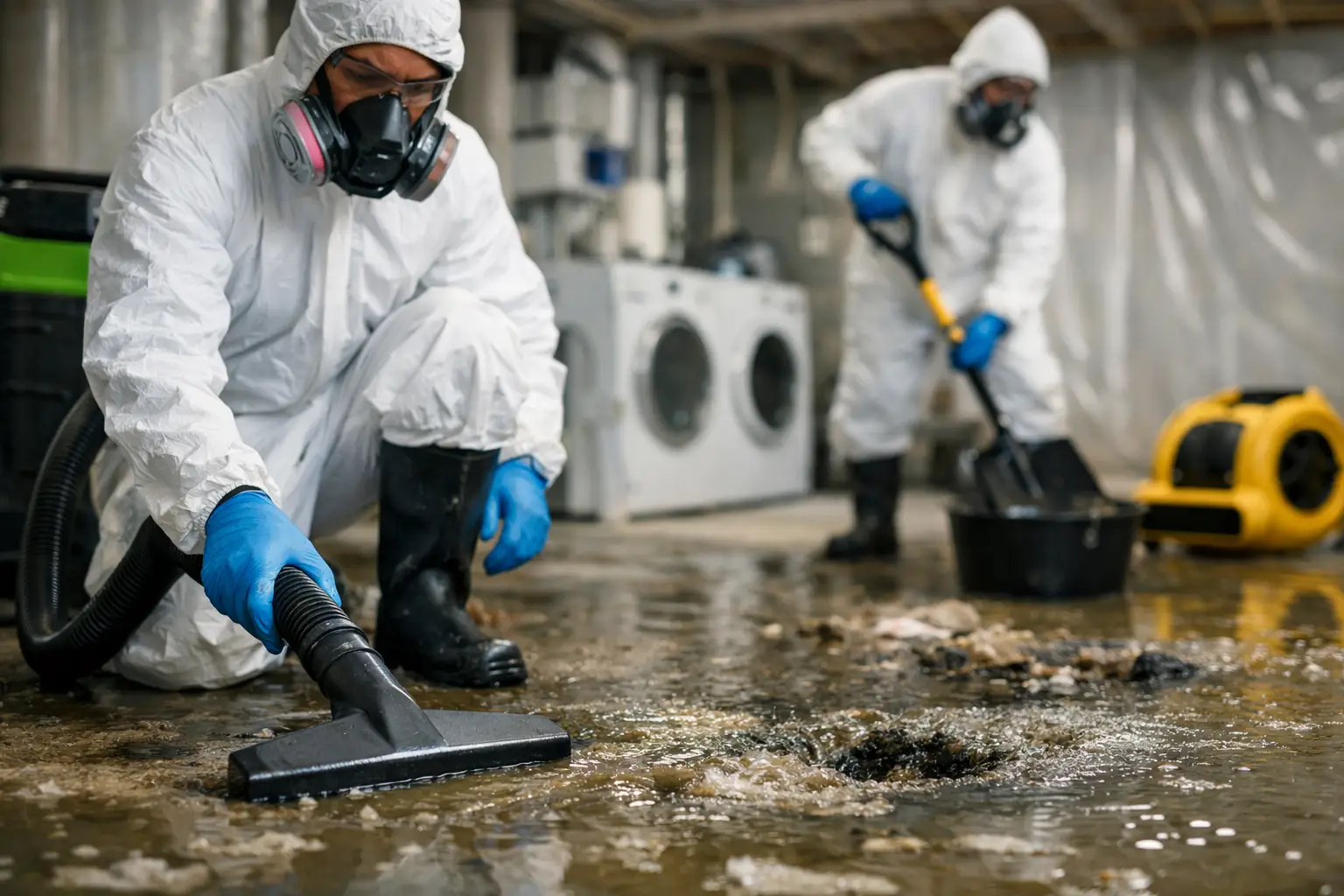 Sewage
Safe biohazard cleanup and sanitizing after sewage backups and overflows.
Learn more Reconstruction
Full rebuild by a licensed general contractor, so your property comes back whole.
Learn moreElevated Operations is an IICRC-certified, licensed general contractor based in Mableton that handles the entire recovery in-house, so after one loss you are never coordinating a cleanup crew, a mold crew, and a contractor separately. One team, one point of contact, from the first pump-out to the final coat of paint.
People call when the property feels like a disaster. They leave reviews because Chris and the crew made it right. These are real, verified Google reviews.
First, stop the moisture source and inspect the crawl space before trying to clean anything. In intown bungalows, a heavy rain can expose drainage issues, wet soil, or a failed vapor barrier fast. I recommend photos, a quick smell check, and then a professional inspection if the crawl space stayed damp long enough for fungal growth.
Musty odors after rain, sagging insulation, stained framing, and damp soil are the big clues. Creek basements often hold humidity longer than expected, so mold may show up even when the living area looks fine. If the smell returns after every storm, moisture control is the real issue.
No. Spray alone does not fix the moisture source, and it can leave hidden growth behind insulation or on framing. In Atlanta crawl spaces, I want the cleanup tied to drying, inspection, and repair. Otherwise, the mold comes back because the conditions never changed.
If the crawl space keeps getting humid or wet, encapsulation is often the right next step. It helps isolate the space from ground moisture and works best with dehumidification and a solid vapor barrier. I decide this after I inspect the home, not before.
Mold can start in 24 to 48 hours when moisture stays trapped under the home. That is why I push homeowners to act fast after leaks, flooding, or rain intrusion. The clock starts when the crawl space stays wet, not when the smell becomes obvious.
It can, especially if ducts run through the crawl space or if the space is holding damp air. Mold, dust, and humidity can affect performance and odor. When I inspect, I check around ducts, penetrations, and framing because those are common transfer points in Atlanta homes.
Old insulation often needs removal if it is contaminated or holding moisture. I look at whether the material can be cleaned or whether it should come out during crawl space cleanup. In older Atlanta homes, especially bungalows, hidden growth under insulation is common and easy to miss.
I have been in restoration since 2007, I am a licensed general contractor, and my team uses IICRC-certified technicians. We offer 60-minute emergency response 24/7, direct insurance billing, a 12-month warranty, and deductible assistance up to $1,000 when the claim qualifies.
Elevated Operations dispatches IICRC-certified crews across Metro Atlanta from our Mableton base, with a 60-minute emergency response day or night. Choose your city:
Call now for an immediate response, or request your free inspection and get a certified crew on-site within the hour across Atlanta and nearby areas.