24/7 Emergency Restoration · Serving Metro AtlantaEmergency? (770) 404-6895
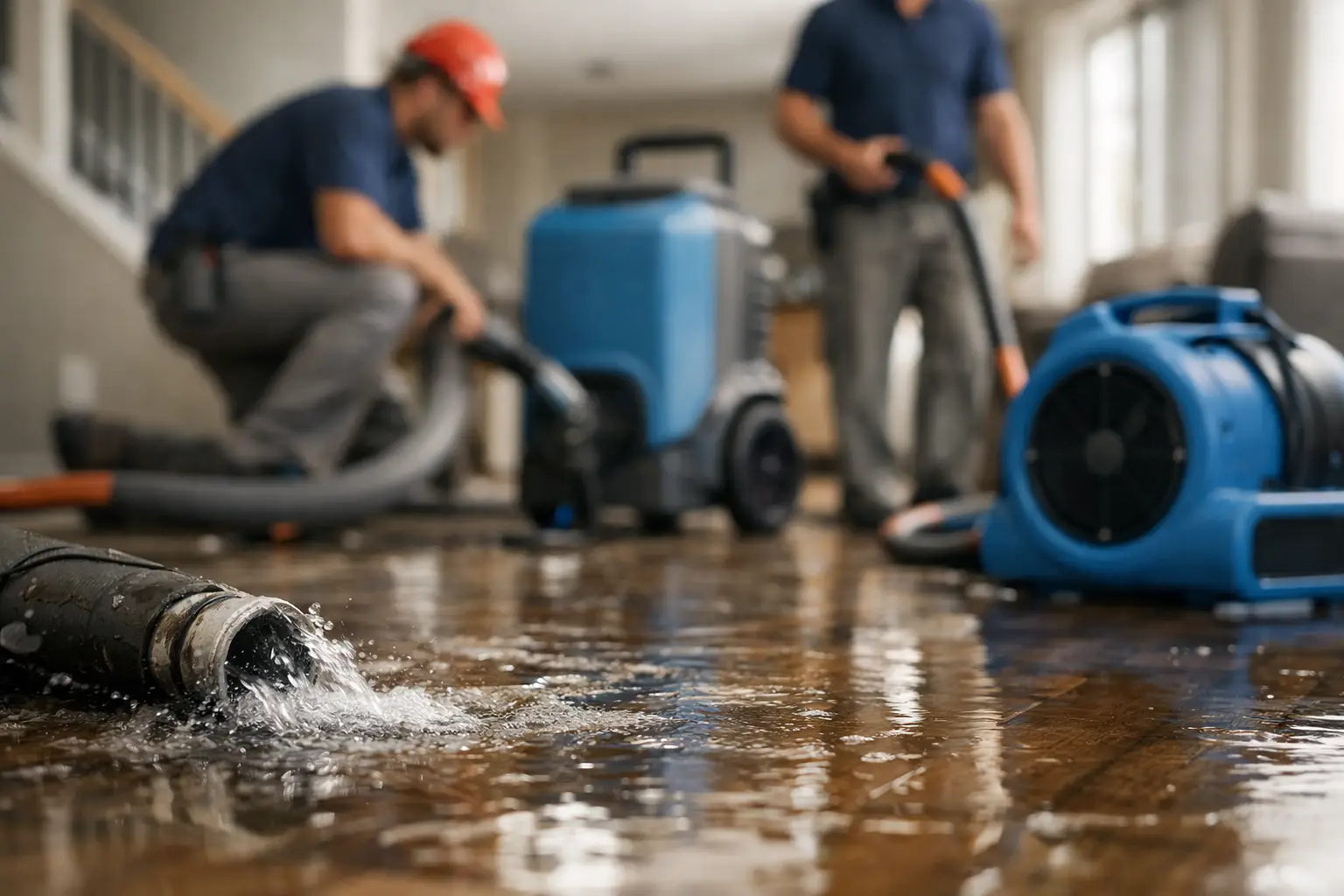
Water extraction and drying Riverdale is not just about getting water out, it is about stopping hidden damage in older subdivisions near the airport corridor and across Clayton County. I’m Chris Kwangwari, and I use direct insurance billing, IICRC-certified technicians, and real moisture monitoring to get the job done the right way.
IICRC-Certified · 5-Star Rated · 60-Minute Response · Insurance Billed Directly
I extract standing water first, then set air movers and dehumidification, then verify the drying process with moisture monitoring. That sequence matters in older Riverdale homes because hidden moisture can linger behind baseboards and under flooring.
Clayton County homes near the airport often include older subdivisions and mixed construction details. That means water can move into the structure fast, and drying has to be measured instead of guessed.
It tells me what the eye cannot. In Riverdale, moisture monitoring helps confirm when a room is actually dry, not just when it looks better after water removal.
Yes. I respond 24/7 with a 60-minute emergency response, and I keep the process direct from the first call through insurance billing and final documentation.
No. Water extraction and drying in Riverdale is not a cleanup job you finish with towels and a fan. I treat it as a controlled drying process, because water moves into baseboards, wall cavities, and subfloors fast, especially in older subdivisions near the airport.
Myth: if the carpet feels dry, the house is fine. Fact: wet carpet extraction is only the first step. In Riverdale, I see water hide under padding, in transitions, and around trim where homeowners never look.
Older housing stock around Clayton County can give water easy paths into materials that look solid from the top. That is why I use moisture monitoring, not guesswork, and why I do not call a job done after the visible water is gone.
But the biggest mistake is waiting for nature to handle it. Warm Georgia air does not fix trapped water. It can make the problem worse if the right air movers and dehumidification are not set up quickly.
The right equipment depends on the loss, but the core tools are professional water removal equipment, air movers, dehumidification, and moisture monitoring. For Riverdale homes, that combination is what gives me control over damp carpet, hidden wall moisture, and the drying process.
Myth: one box fan can dry a house. Fact: fans move air, but they do not remove moisture from it. I use air movers to speed evaporation and dehumidification to pull that moisture out of the air so materials can actually dry.
In older Riverdale homes, I often find trim, carpet tack strips, and low wall sections holding water long after the surface looks better. That is why I check the structure, not just the room, and adjust equipment as the readings change.
And I do not set equipment and disappear. Moisture monitoring matters. I return to verify the drying path, because a guess can leave a crawlspace, hallway, or bedroom trapped at the wrong moisture level.
Drying time depends on what got wet, how long it sat, and how much of the structure absorbed it. I will not guess. In Riverdale, older subdivisions and homes near the airport corridor can dry differently, so I track readings instead of selling a fixed timeline.
Myth: all water damage dries in a day or two. Fact: that may be true for a small surface spill, but not for soaked carpet, drywall, or wood framing. Once water gets into materials, the drying process has to be measured and checked.
If a homeowner waits, mold starts in 24 to 48 hours. That is why I treat water extraction and drying as urgent work, not a convenience service. The longer water stays, the harder structural drying becomes and the more material can be affected.
Near Clayton County subdivisions, I often see mixed construction and older finishes that respond at different speeds. A hallway may look fine while a nearby wall is still wet, so I use moisture monitoring to tell me when the job is actually complete.
Structural drying matters because the structure is what holds the home together. If framing, subfloors, drywall, or trim stay wet, the damage spreads even after the surface water is removed. In Riverdale, that is especially important in older homes with hidden cavities and aging materials.
Myth: once the carpet is dry, the house is dry. Fact: carpet can mask wet padding and wet subflooring beneath it. Structural drying is what addresses the part of the home you cannot see, and that is where many costly failures begin.
Riverdale homes near the airport corridor often deal with tighter lots, older additions, and repeated repairs over the years. Those conditions can create weak points where moisture sits longer, so I pay close attention to wall bases, flooring edges, and transitions.
IICRC-certified technicians do not just dry what is obvious. We look at the full structure, then build the drying setup around what the materials need. That is how I keep a small water event from turning into a much bigger restoration.
No. Small leaks are how many big claims begin. In Riverdale, a modest supply line leak or appliance overflow can seep under flooring, travel along a subfloor, and stay hidden in older subdivisions long enough to cause real damage.
Myth: if it is just a little water, a homeowner can handle it alone. Fact: visible water is only part of the story. Water removal needs more than towels when moisture has already moved into carpet pad, drywall, or cabinets.
I see this often in Clayton County homes near the airport, where a fast-looking cleanup gives a false sense of security. The room may smell better for a day, but moisture can remain in the structure and keep causing harm.
That is why I respond 24/7 and why my crew does not rely on assumptions. We inspect, extract, dry, and verify. Simple on paper. Not simple in a real house.
Sometimes the surface dries, but the carpet system often does not. Wet carpet extraction, pad removal when needed, and controlled dehumidification are what stop trapped moisture from lingering under the floor in Riverdale’s older homes and shaded rooms.
Myth: open windows and wait. Fact: Riverdale humidity can slow drying and keep moisture trapped where you cannot see it. A room can feel less damp while the padding or subfloor stays wet underneath.
Older subdivisions near Clayton County often have carpet installed over materials that absorb water quickly. If I see that, I use air movers, extraction, and moisture monitoring together so the carpet and the structure dry at the same pace.
And I do not pretend every wet carpet can be saved. If the material is too far gone, I say so. That is the owner voice you want on a water loss, not wishful thinking.
Fact: the surface can feel dry while subflooring, baseboards, and wall cavities still hold moisture. In Riverdale, especially in older subdivisions, I verify with moisture monitoring instead of trusting a hand test.
Fact: fans move air, but they do not remove water vapor. I use air movers for evaporation and dehumidification to pull moisture out of the space so the drying process actually finishes.
Fact: small leaks are a common way bigger repairs start. In Clayton County homes near the airport corridor, a little water can travel under flooring and sit hidden long enough to create real damage.
From emergency mitigation to full reconstruction, handled in-house so you are never managing a chain of subcontractors mid-crisis.
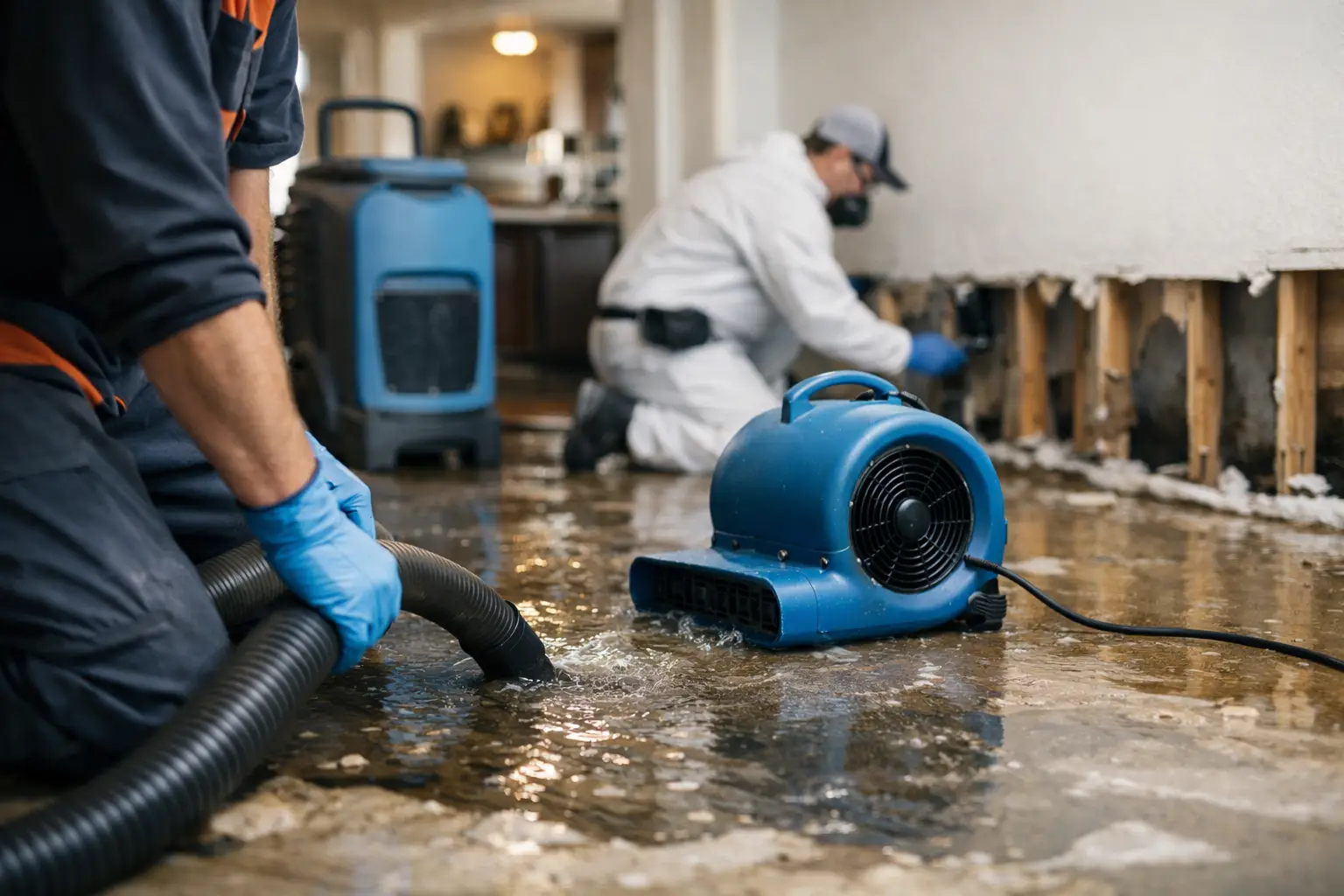 Water Damage
Extraction, structural drying, and moisture mapping after floods, leaks, and burst pipes.
Get help now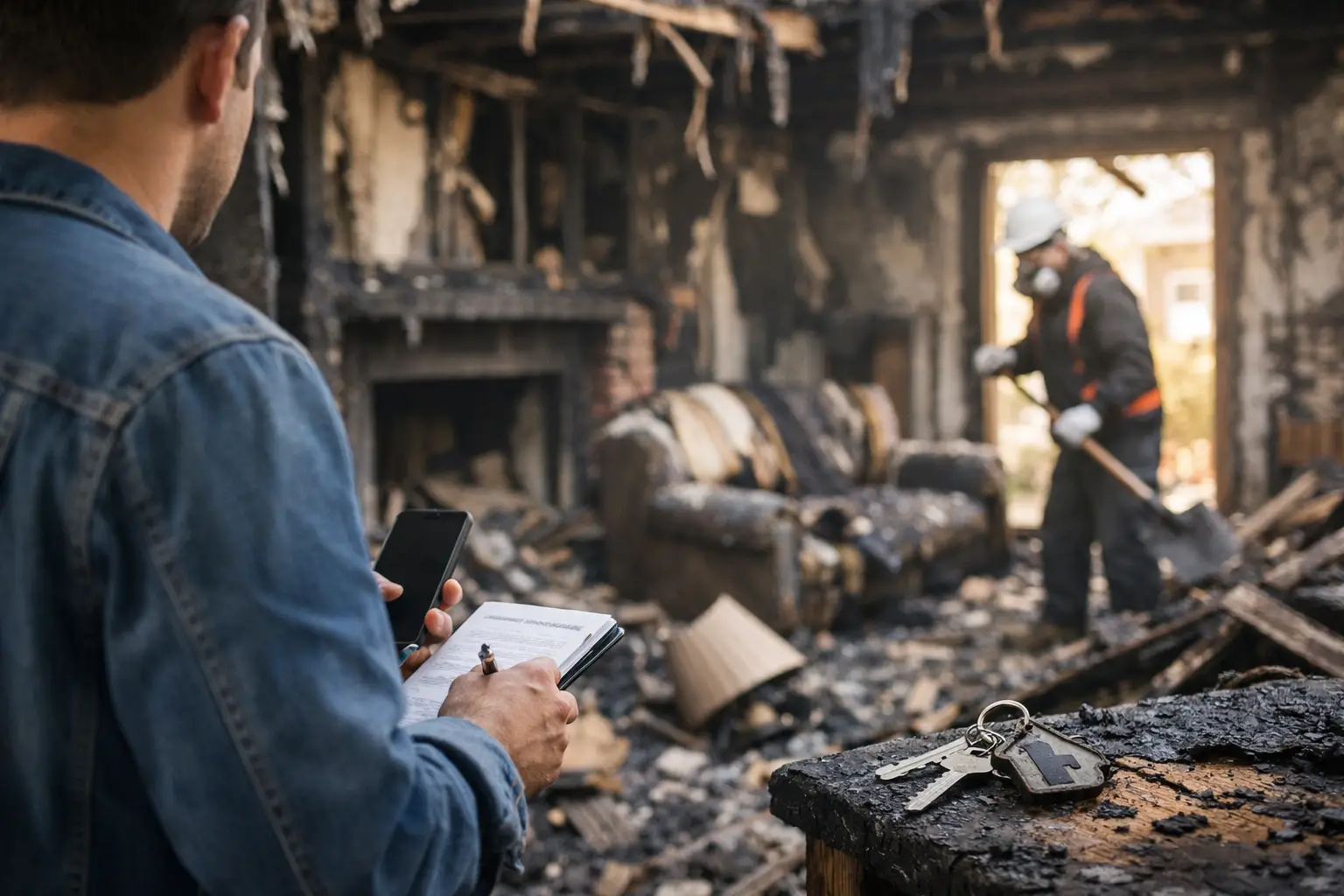 Fire & Smoke
Soot removal, odor deodorization, and content cleaning after fire and smoke damage.
Learn more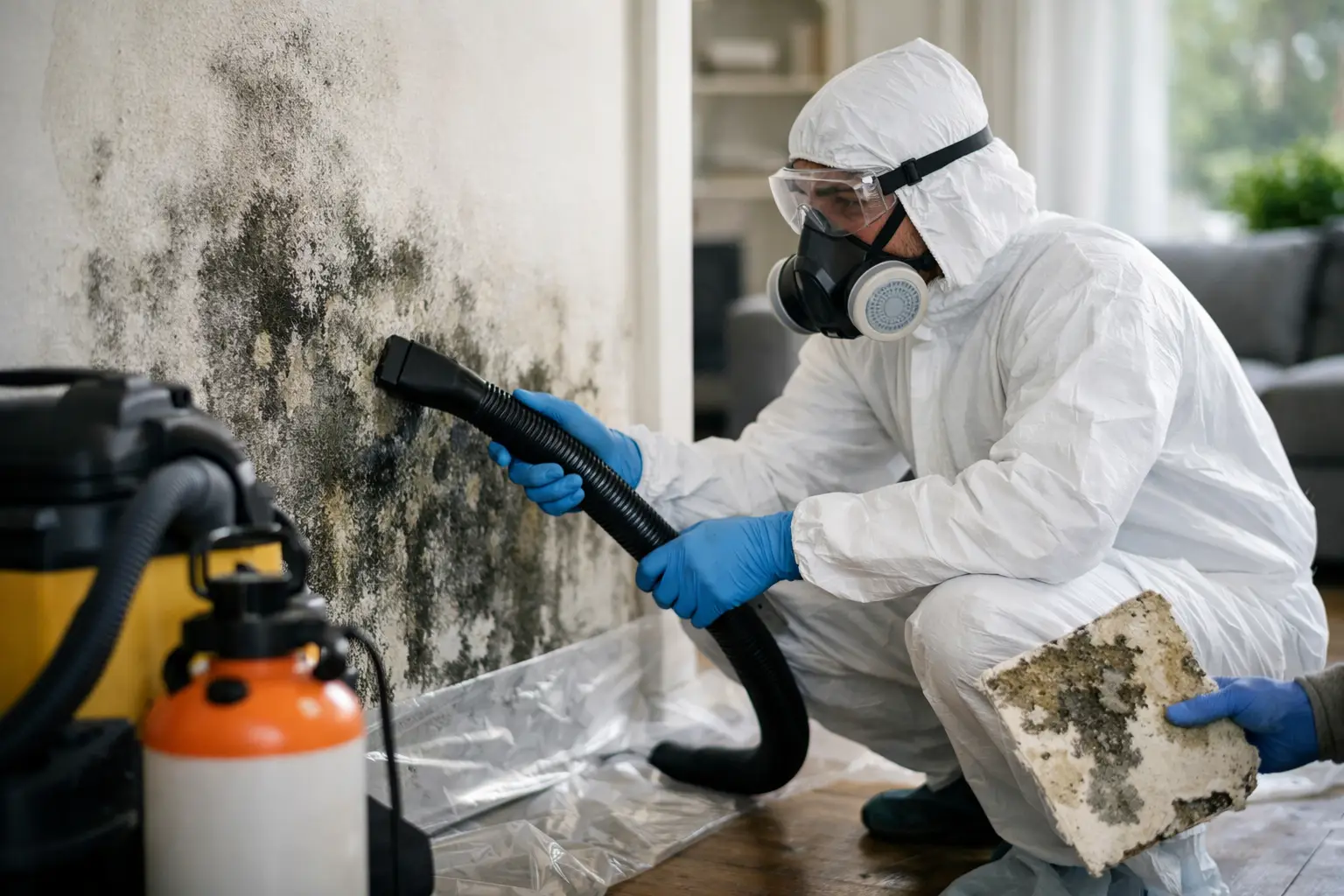 Mold
MoldContainment, removal, and moisture control that stops mold from coming back.
Learn more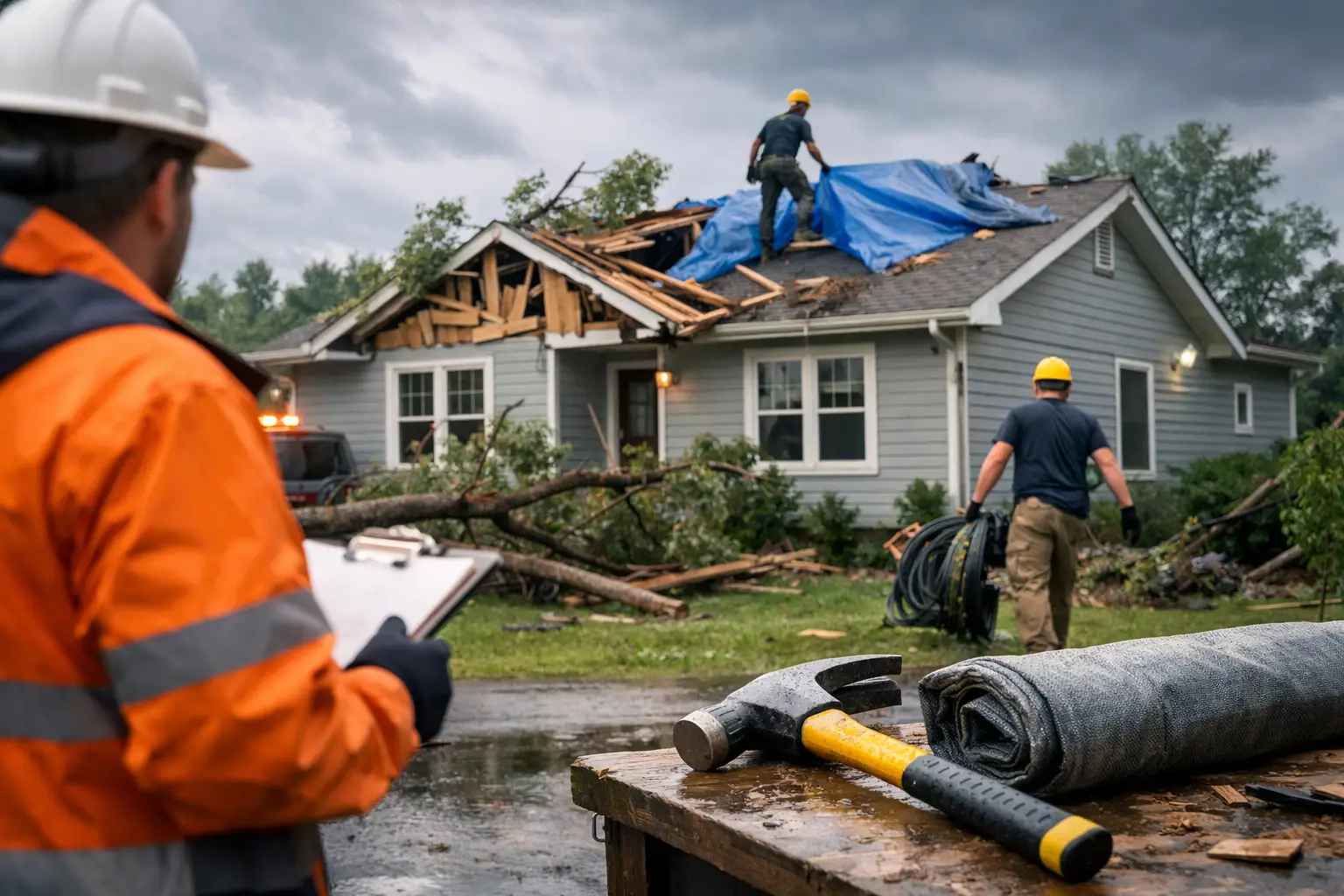 Storm
StormEmergency board-up, roof tarping, and full recovery after wind, hail, and storms.
Learn more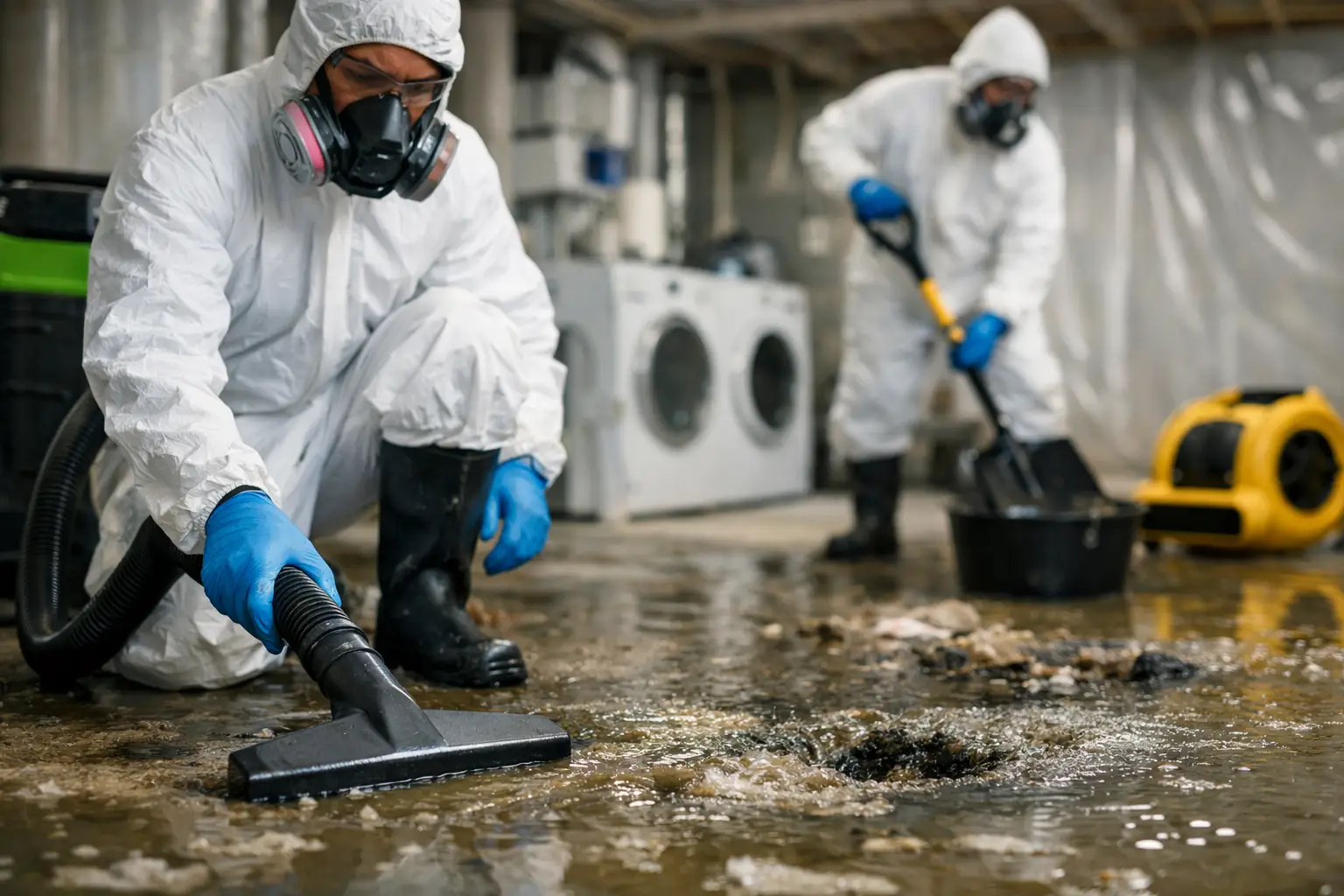 Sewage
Safe biohazard cleanup and sanitizing after sewage backups and overflows.
Learn more Reconstruction
Full rebuild by a licensed general contractor, so your property comes back whole.
Learn moreElevated Operations is an IICRC-certified, licensed general contractor based in Mableton that handles the entire recovery in-house, so after one loss you are never coordinating a cleanup crew, a mold crew, and a contractor separately. One team, one point of contact, from the first pump-out to the final coat of paint.
People call when the property feels like a disaster. They leave reviews because Chris and the crew made it right. These are real, verified Google reviews.
Call right away. I answer 24/7 and send a team with a 60-minute emergency response because water starts moving fast in older Riverdale homes. The sooner I get there, the sooner I can stop water from reaching subfloors, drywall, and trim. Waiting is what turns a simple loss into a bigger restoration.
If you still smell dampness, see swelling at baseboards, or notice uneven flooring, the structure may still be wet. In Riverdale, that is common in older homes where water hides under carpet or along wall edges. I use moisture monitoring to confirm when the structure is actually dry.
Older homes often have materials that absorb water faster and hidden spaces that hold moisture longer. In Riverdale, I see that in older subdivisions near the airport corridor, where water can travel behind trim, under flooring, and into wall cavities before anyone notices. That is why I do not guess.
Sometimes, yes, if the carpet and pad were extracted quickly and the materials are still stable. But I will tell you the truth, not what sounds good. In Riverdale homes, especially older ones, I inspect the carpet, pad, and subfloor before deciding what can be dried and what should be removed.
I offer direct insurance billing and deductible assistance up to $1,000, so the process stays organized from the start. I document the loss, explain the drying plan, and work with your claim so you are not stuck trying to translate water damage while your house is still wet.
I handle both. A small overflow in a Riverdale kitchen or bathroom can still soak materials and need professional water removal. IICRC-certified technicians do not size up a job by appearances alone. If moisture got into the structure, it gets the same serious attention.
I back qualifying restoration work with a 12-month warranty. That matters because drying should not be a mystery. I want the work to hold up after I leave, and I stand behind the process we used to get the home dry and stable.
Call me. I’m Chris Kwangwari, owner of Elevated Operations, LLLP, and I am a licensed general contractor with restoration experience since 2007. My crew handles water extraction and drying in Riverdale with a practical approach, not a sales pitch. Reach me at (770) 404-6895.
Elevated Operations dispatches IICRC-certified crews across Metro Atlanta from our Mableton base, with a 60-minute emergency response day or night. Choose your city:
Call now for an immediate response, or request your free inspection and get a certified crew on-site within the hour across Atlanta and nearby areas.