24/7 Emergency Restoration · Serving Metro AtlantaEmergency? (770) 404-6895
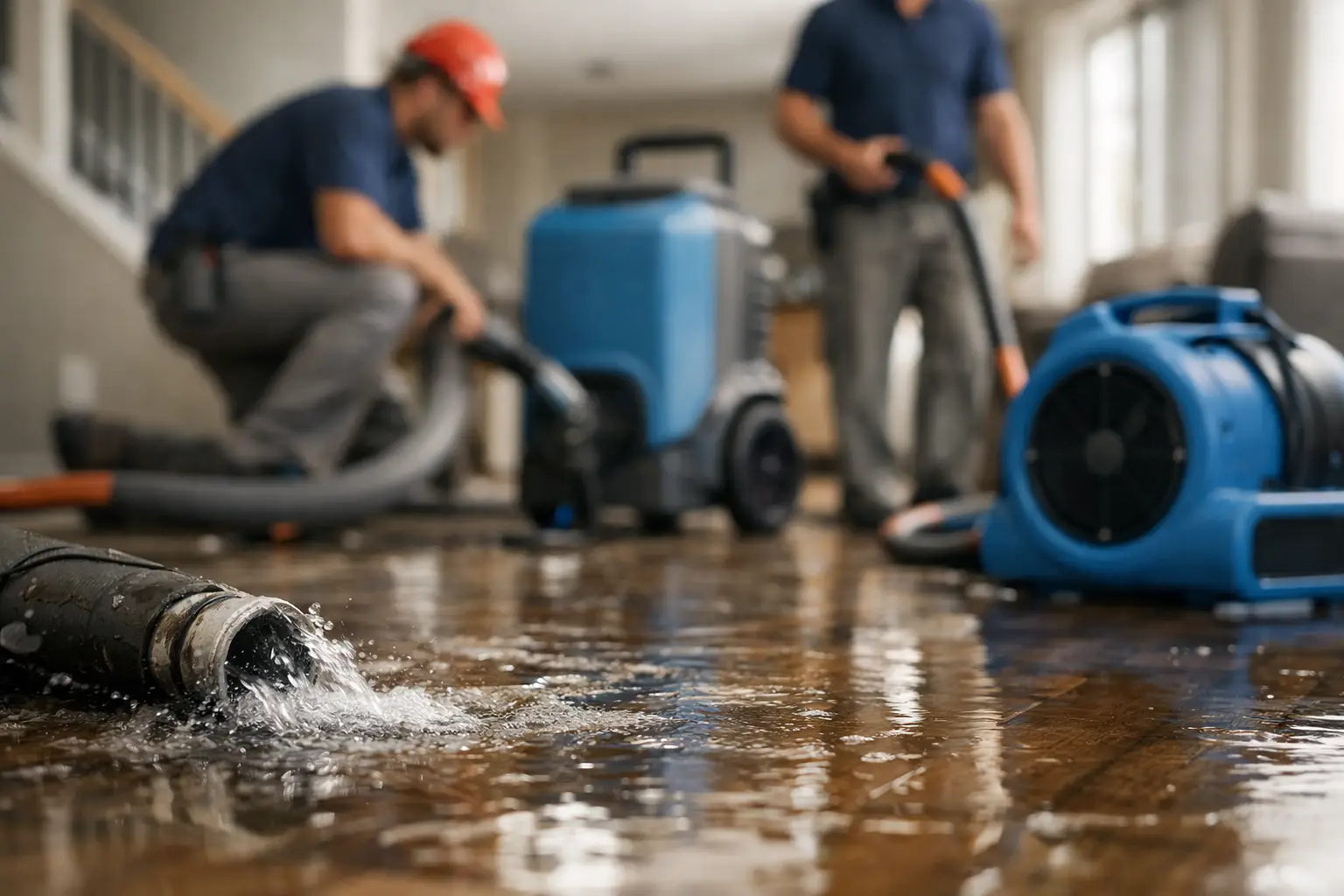
Fire damage restoration Austell starts with one question, what can be saved and what should be replaced. I compare repair, replacement, and DIY versus a pro so Austell property owners can choose the right path after fire cleanup, soot removal, and structural repair.
IICRC-Certified · 5-Star Rated · 60-Minute Response · Insurance Billed Directly
Yes. I start with cleanup, odor work, and a clear repair plan, then move into structural repair only where it makes sense.
Yes. I offer direct insurance billing, which keeps the process moving while the property is being cleaned and repaired.
I still compare the odor source against hidden soot and water damage, because smell often means contamination got deeper than it first looked.
Yes. That comparison is the whole point. I look at what can be saved, what should go, and what creates the cleanest finish long term.
Fire damage restoration in Austell starts with safety, board up services if needed, then debris removal, soot removal, smoke odor removal, and a hard look at what can actually be repaired. I compare the damaged areas against what replacement would cost in time and disruption, then I plan the work around the structure, not guesses.
A fire job is not one thing. It is a sequence. First I secure the property, then I sort the salvageable items from the losses, then I handle fire cleanup and the drying, cleaning, and structural repair work that follows. That order matters in Austell, especially in older housing stock near the Sweetwater Creek corridor where hidden damage can spread fast.
After the 2009 Sweetwater Creek flood, people around Austell learned a hard lesson about layered damage. Water, smoke, and unstable building materials do not wait. I use that same practical lens on fire losses, because a burned room can still have salvageable framing while the contents need content cleaning or full replacement.
And timing matters. Mold starts in 24 to 48 hours after water intrusion, so when a fire is extinguished with a lot of water, the job often becomes fire damage plus water damage in the same building. IICRC-certified technicians make the call on what can dry, what can be cleaned, and what needs to come out.
A lot can be saved after a house fire in Austell, but not everything should be. I usually compare framing, drywall, cabinets, furniture, and personal contents one by one, then decide whether cleaning, deodorizing, or full replacement makes more sense. Smoke odor removal and soot removal often save more than people expect.
The biggest mistake is assuming blackened means lost. It does not. In many Austell homes, the structure may be repairable even when the room looks rough, and content cleaning can bring back items that would otherwise be tossed. I look at heat exposure, soot penetration, and how far smoke traveled before I say yes or no.
Some materials are cheap to replace and expensive to overclean. Some items are the opposite. That is why I compare restoration versus replacement instead of pushing one answer every time. If a section around a kitchen or garage fire is still sound, structural repair can beat demolition. If the smoke got deep into porous material, replacement is smarter.
Near Sweetwater Creek, people know water can change a property fast. Fire does too. If suppression water sat on floors or in walls, I factor water damage into the salvage decision. A room can need fire cleanup, moisture control, and smoke odor removal at the same time, and the right choice depends on the order of damage, not the calendar.
Restore when the structure is sound, the soot is removable, and the odor can be controlled without chasing problems. Replace when heat, smoke, or water have penetrated too deeply. I compare both paths in Austell by room, material, and contents, then I choose the option that actually closes the damage instead of hiding it.
Restoration wins when the bones are good. A hallway with soot on the walls may need professional fire cleanup, targeted cleaning, and repainting, not a full rebuild. Replacement wins when smoke odor has soaked into insulation, subflooring, or soft goods, because those materials hold contamination long after the surface looks clean.
I do not treat every fire like a demolition job. That wastes money and time. But I also do not chase every salvage opportunity just because it sounds better. In Austell, I look at where the fire started, how far the smoke traveled, and whether board up services protected the opening before weather added more damage.
After the Sweetwater Creek flood years ago, a lot of owners saw how one bad event can expose another weak spot. Fire works the same way. If a burned section already had weak materials, replacement can be the honest choice. If the room is structurally sound, restoration usually gets you back faster with less disruption.
For small, very limited soot cleanup, a homeowner can wipe some hard surfaces, but real fire damage restoration in Austell should be handled by a pro. Smoke residue moves into hidden spaces, odors linger, and bad cleaning can smear soot deeper. I compare the DIY risk to the cost of doing it right once.
DIY looks cheaper until the mistakes show up. Soot is not normal dirt. If you scrub it the wrong way, you can drive it deeper into paint, grout, and trim. Smoke odor removal is even less forgiving, because the source can live in insulation and cavities the eye never sees.
A pro brings the right sequencing. That means debris removal first, then controlled cleaning, then drying, then structural repair where needed. It also means direct insurance billing, which matters when a family is trying to get back into a house instead of fighting paperwork after every step.
I am a licensed general contractor, and my technicians are IICRC-certified. That matters on fire jobs in Austell because the work often crosses lines between cleanup and rebuilding. One crew can wipe a cabinet. Another can decide whether that cabinet should be saved, removed, or replaced after heat and smoke exposure.
Fire damage restoration in Austell takes as long as the damage actually requires, not a fixed number. Small fire cleanup jobs move faster than whole-room structural repair, and water from suppression can add mold risk if drying is delayed. I start with the 60-minute emergency response, then map the work by scope.
I do not guess on timelines. A small smoke cleanup after a kitchen fire is a different animal than a house with charred framing, wet insulation, and odor everywhere. The first step is always the same, get eyes on the building fast and decide what can be stabilized now.
The 2009 Sweetwater Creek flood is a useful local reminder that water changes the timeline. If fire suppression soaked walls or floors, drying has to happen before the next step. Mold starts in 24 to 48 hours, so the clock matters even when the fire itself is out.
Some jobs are simple. Some are not. A room with soot, odor, and minor surface damage may need focused fire cleanup and content cleaning. A larger loss can need board up services, debris removal, drying, and structural repair in sequence. The scope drives the schedule, not a sales script.
Yes, smoke damage should be cleaned before repairs in most Austell fire losses. If you patch or paint over soot and odor too soon, you trap the problem and risk having to redo the work. I compare the surface damage to the hidden contamination, then clean first and repair second.
Smoke does not stay where the flame was. It spreads into trim, insulation, vents, and upper surfaces. If repairs start before smoke odor removal and soot removal are done, the new work can fail fast. That is especially true in homes where the fire was contained but the smoke traveled through several rooms.
I see this a lot after kitchen and garage fires. People want the drywall closed, the trim back on, and the place looking normal. But if the smoke residue is still active, the finish work is cosmetic only. Real fire damage restoration means cleaning the contamination out before the structure gets rebuilt.
That same logic applies to water damage after the hoses are done. If the building is wet, repairs wait until drying is complete. If mold risk is present, the clock matters. I compare fire damage, water damage, and the risk of mold together, because a clean repair over dirty materials is still a bad repair.
Water damage comes first after most fire suppression, and mold becomes the next risk if drying is slow. In Austell, I compare the two by looking at wet materials, airflow, and how quickly the area was secured. Water is the trigger, mold is the consequence if cleanup stalls.
After a fire, water damage is usually the immediate enemy. It soaks drywall, flooring, insulation, and contents. If that moisture is ignored, mold can start in 24 to 48 hours. That is why I treat fire damage restoration like a race against hidden secondary damage, not just a burn cleanup.
The Sweetwater Creek flood is part of Austell memory for a reason. People know moisture can stay longer than it should and turn into a bigger problem than the original event. Fire losses do the same thing when suppression water gets trapped behind finishes or under flooring.
So the comparison is simple. Water damage is what you can measure now. Mold is what may follow if the area is not dried and cleaned correctly. I deal with both by securing the structure, removing damaged materials, and making sure the repair plan does not leave a damp cavity behind.
| Typical Trigger | Water Damage Restoration | Mold Remediation |
|---|---|---|
| Fresh soot on hard surfaces after a small blaze | If the fire was knocked down with little water, I compare cleaning and deodorizing to simple repainting in an Austell ranch near Sweetwater Creek. | If suppression water sat in drywall or carpet, mold risk rises fast, and I compare drying plus removal before any cosmetic repair. |
| Charred cabinets, trim, or a room with smoke odor | Water from hoses can soak the subfloor, so I compare restoration to replacement after moisture testing and fire cleanup. | If the cavity stayed damp, hidden mold can follow, and I treat replacement as the safer call for porous materials. |
| Contents with soot, odor, and light heat exposure | Wet items near the burn area may still be salvageable with content cleaning if drying starts quickly after the loss. | If those items sat wet too long, mold can take hold in fabrics and paper goods, which pushes the comparison toward disposal. |
From emergency mitigation to full reconstruction, handled in-house so you are never managing a chain of subcontractors mid-crisis.
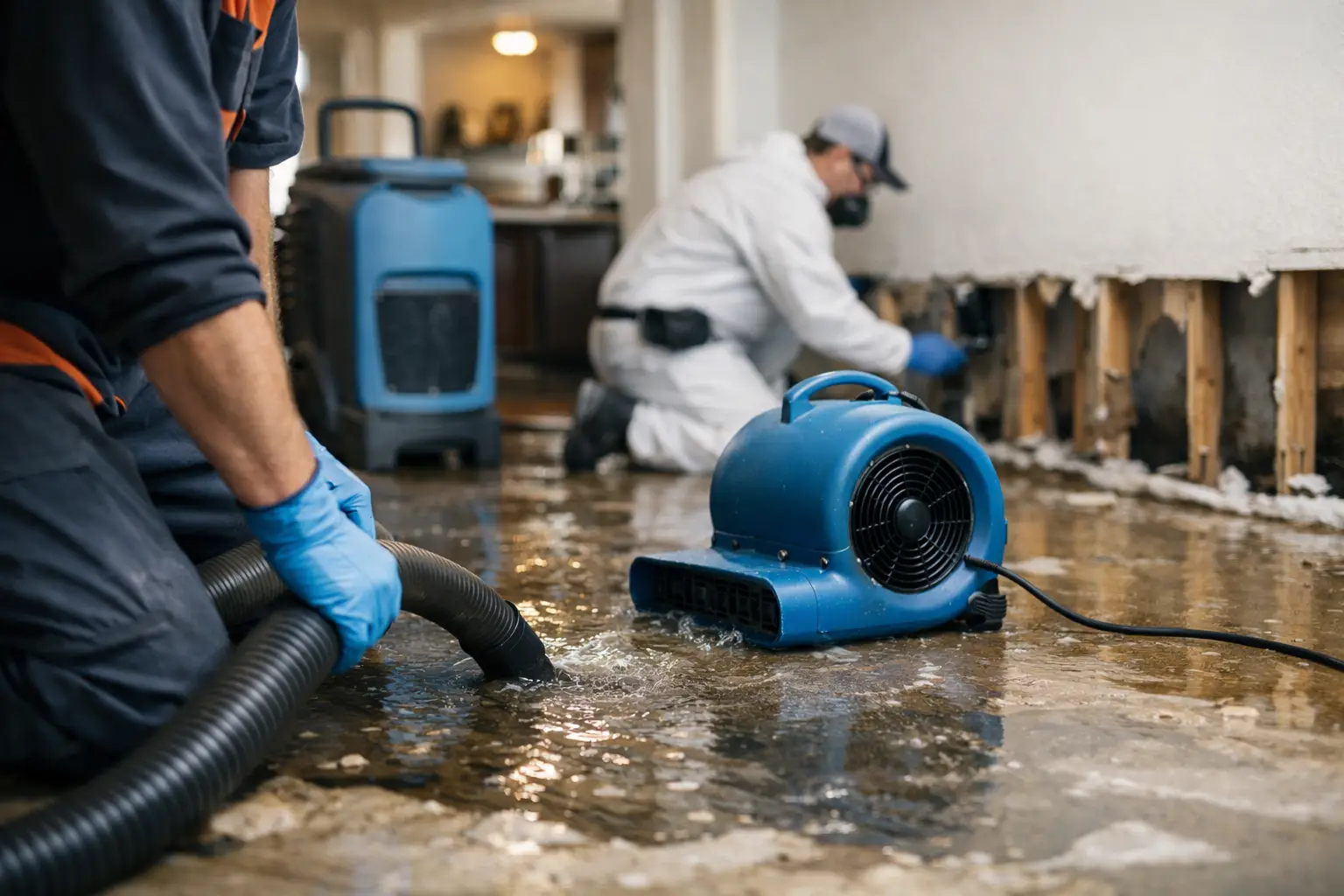 Water Damage
Extraction, structural drying, and moisture mapping after floods, leaks, and burst pipes.
Get help now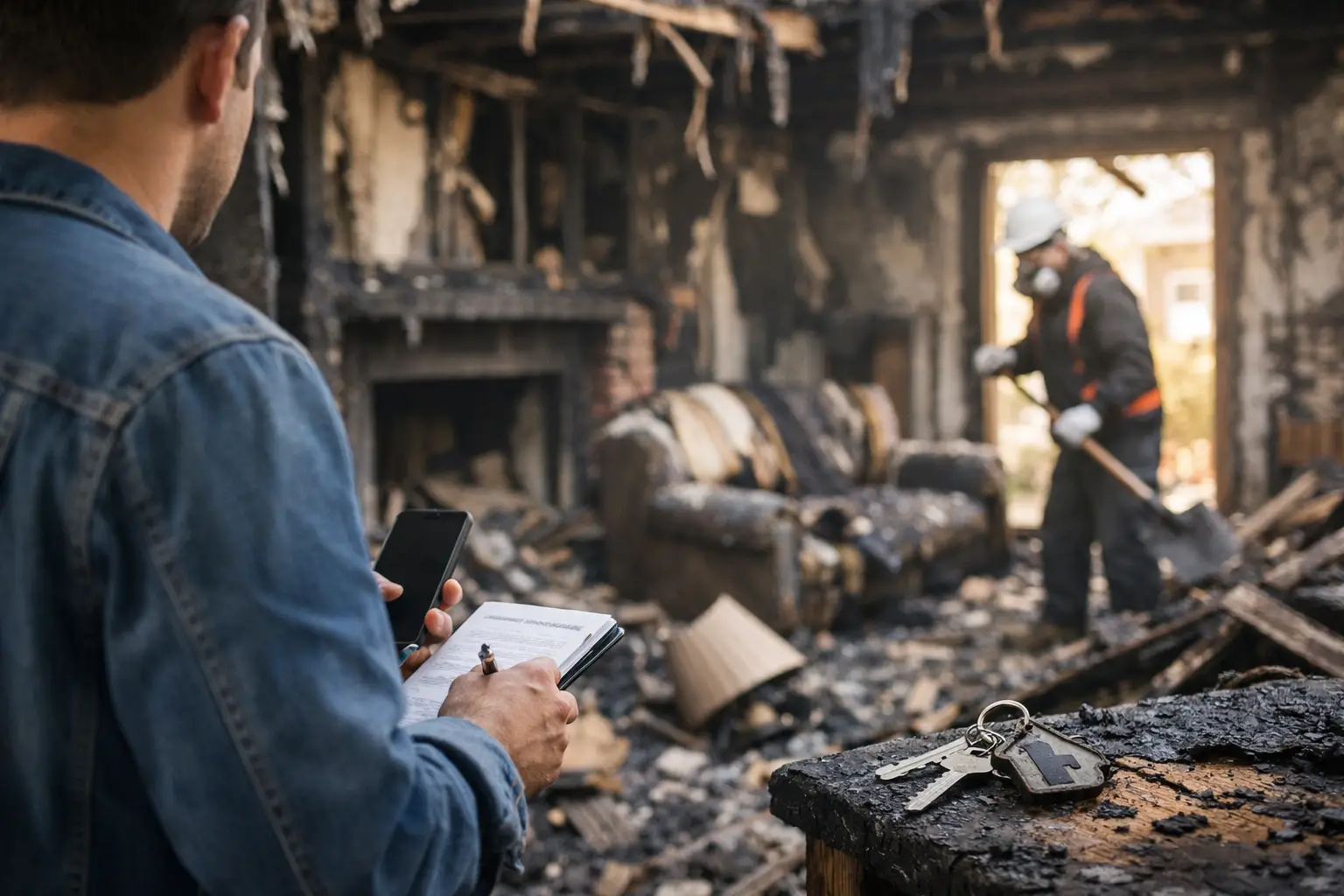 Fire & Smoke
Soot removal, odor deodorization, and content cleaning after fire and smoke damage.
Learn more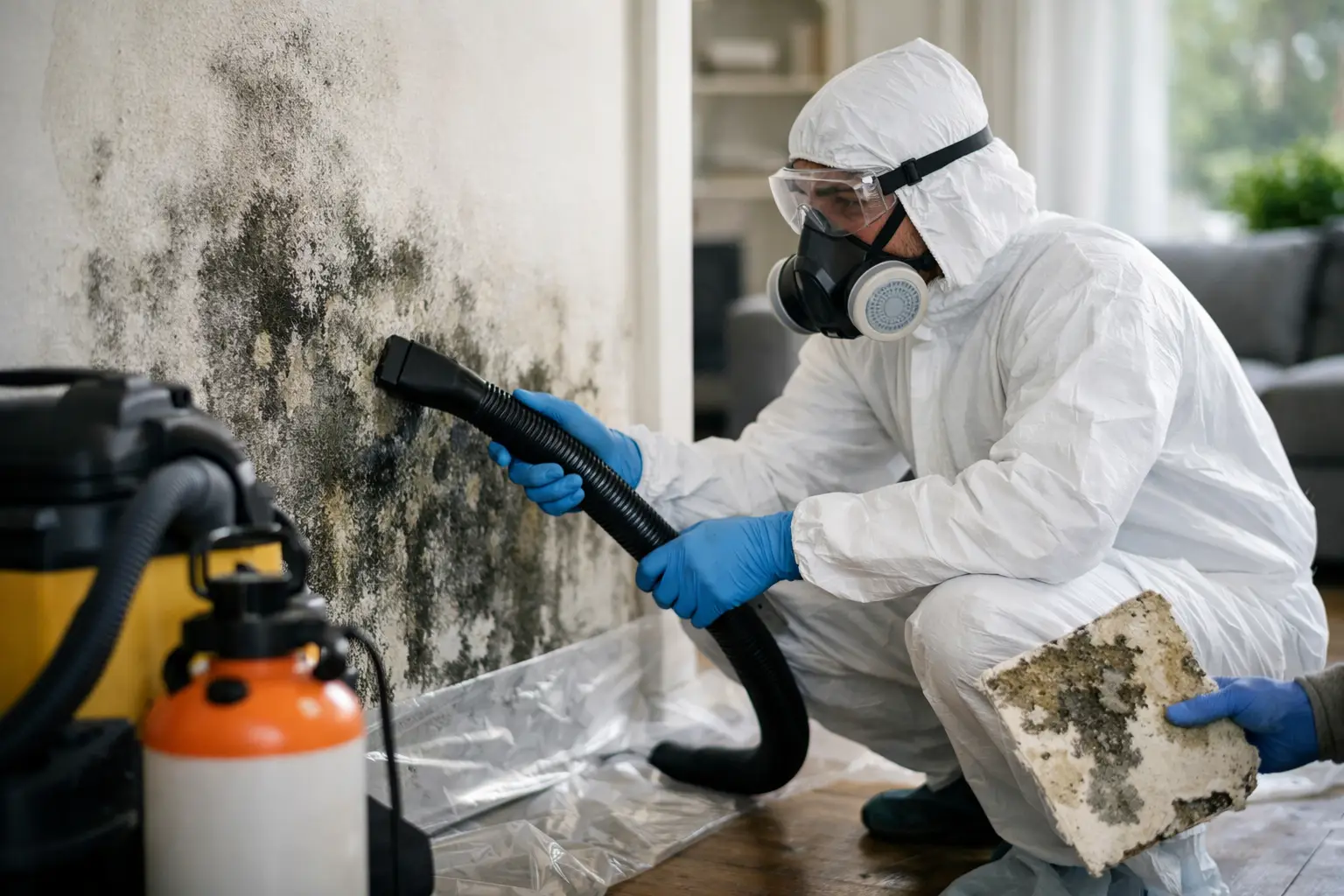 Mold
MoldContainment, removal, and moisture control that stops mold from coming back.
Learn more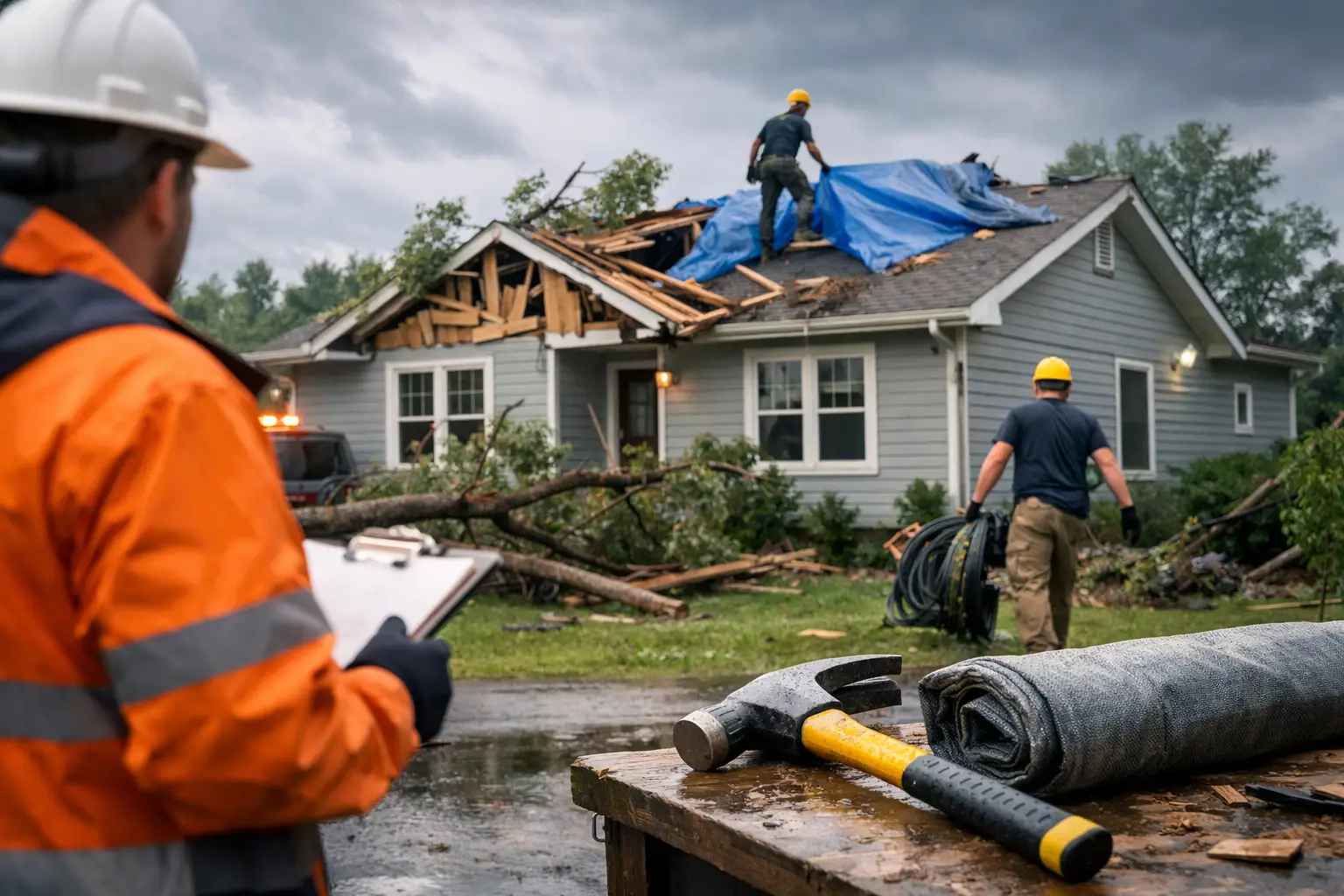 Storm
StormEmergency board-up, roof tarping, and full recovery after wind, hail, and storms.
Learn more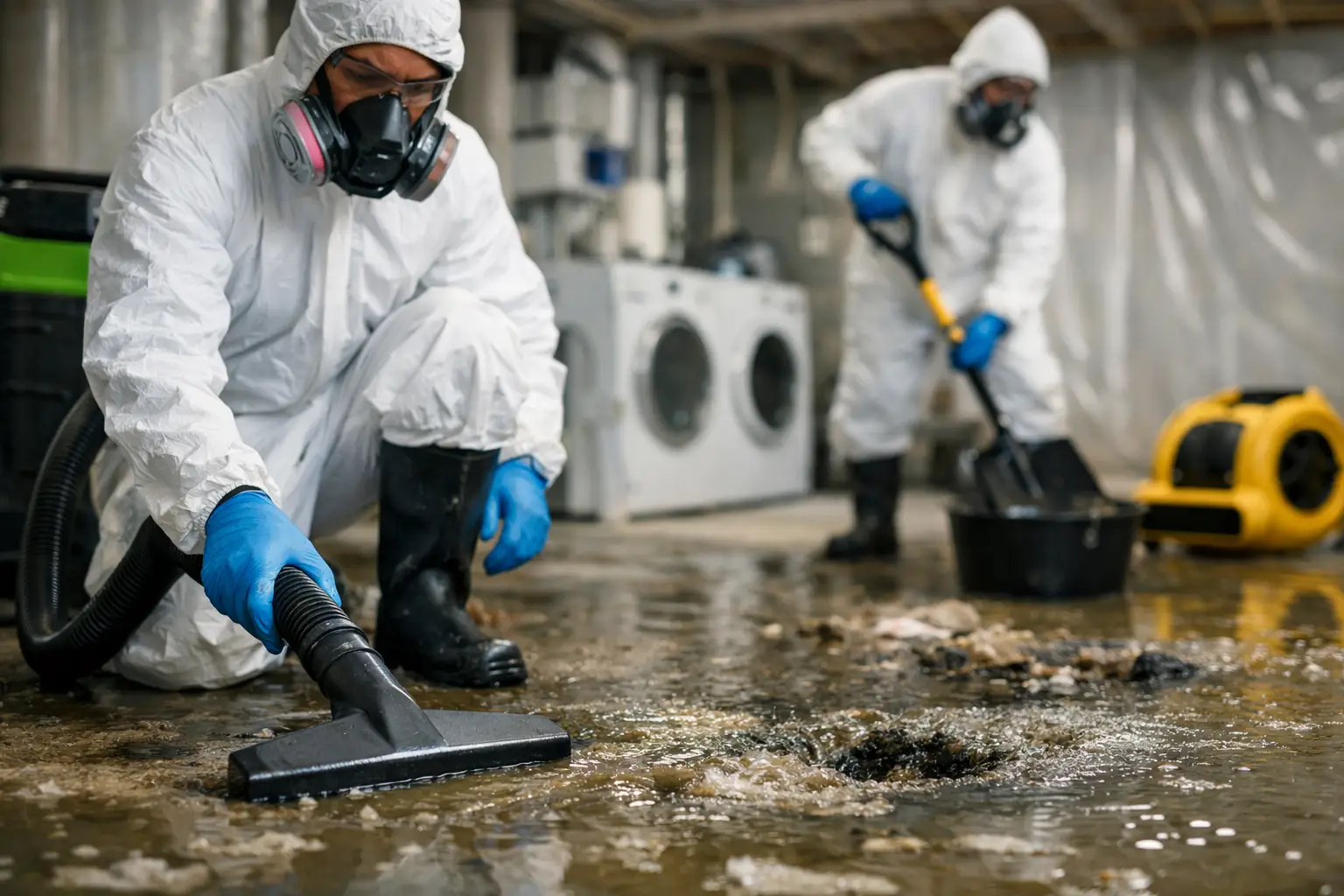 Sewage
Safe biohazard cleanup and sanitizing after sewage backups and overflows.
Learn more Reconstruction
Full rebuild by a licensed general contractor, so your property comes back whole.
Learn moreElevated Operations is an IICRC-certified, licensed general contractor based in Mableton that handles the entire recovery in-house, so after one loss you are never coordinating a cleanup crew, a mold crew, and a contractor separately. One team, one point of contact, from the first pump-out to the final coat of paint.
People call when the property feels like a disaster. They leave reviews because Chris and the crew made it right. These are real, verified Google reviews.
I start with safety, then board up services if openings are exposed, followed by debris removal, soot removal, smoke odor removal, and a decision on what gets repaired or replaced. In Austell, the comparison always includes hidden water from suppression and whether mold risk has started. The goal is not to make the room look better for a day, it is to close the damage correctly.
Sound framing, some cabinets, hard surfaces, and many contents can often be saved if the heat did not penetrate too deeply. Porous materials, insulation, and items with heavy smoke odor often get replaced. I compare each item separately because Austell homes near older corridors and creek-adjacent lots do not all fail the same way after fire.
It depends on scope, not a fixed timer. A contained smoke event may need cleaning and odor work, while a larger loss can require structural repair, drying, and content cleaning in sequence. If water from suppression soaked the building, the schedule expands because mold starts in 24 to 48 hours when drying stalls.
Yes. Repairs over dirty surfaces trap odor and residue, which is how a quick patch turns into a repeat problem. I clean soot and smoke contamination first, then rebuild. That is the better comparison in every fire job I take in Austell, especially when the smoke has reached upper walls, vents, or adjacent rooms.
Choose restoration when the structure is solid and the contamination can be removed cleanly. Choose replacement when heat, soot, or water has reached materials that will hold odor or fail later. Garage fires often look more limited than they are, so I compare the framing, finishes, and contents before I say what stays.
Board up services stop outside damage, but they do not solve the fire itself. After the opening is secured, the real work starts, debris removal, soot removal, drying, and deciding what can be repaired. In Austell, I treat board up as the first move, not the finish line.
Often, yes, if the items were not exposed to extreme heat or deep contamination. I compare fabric, wood, plastics, and paper items separately because each one reacts differently to soot and odor. Content cleaning can save more than people expect, but only when it starts before residue sets in and moisture causes a second problem.
They change everything. Water from firefighting can soak hidden cavities, and if that moisture lingers, mold becomes the next problem. I compare the wet areas first, then decide whether drying, removal, or structural repair comes next. In Austell, especially where people remember the Sweetwater Creek flood, I never treat fire and water as separate issues.
Elevated Operations dispatches IICRC-certified crews across Metro Atlanta from our Mableton base, with a 60-minute emergency response day or night. Choose your city:
Call now for an immediate response, or request your free inspection and get a certified crew on-site within the hour across Atlanta and nearby areas.