24/7 Emergency Restoration · Serving Metro AtlantaEmergency? (770) 404-6895
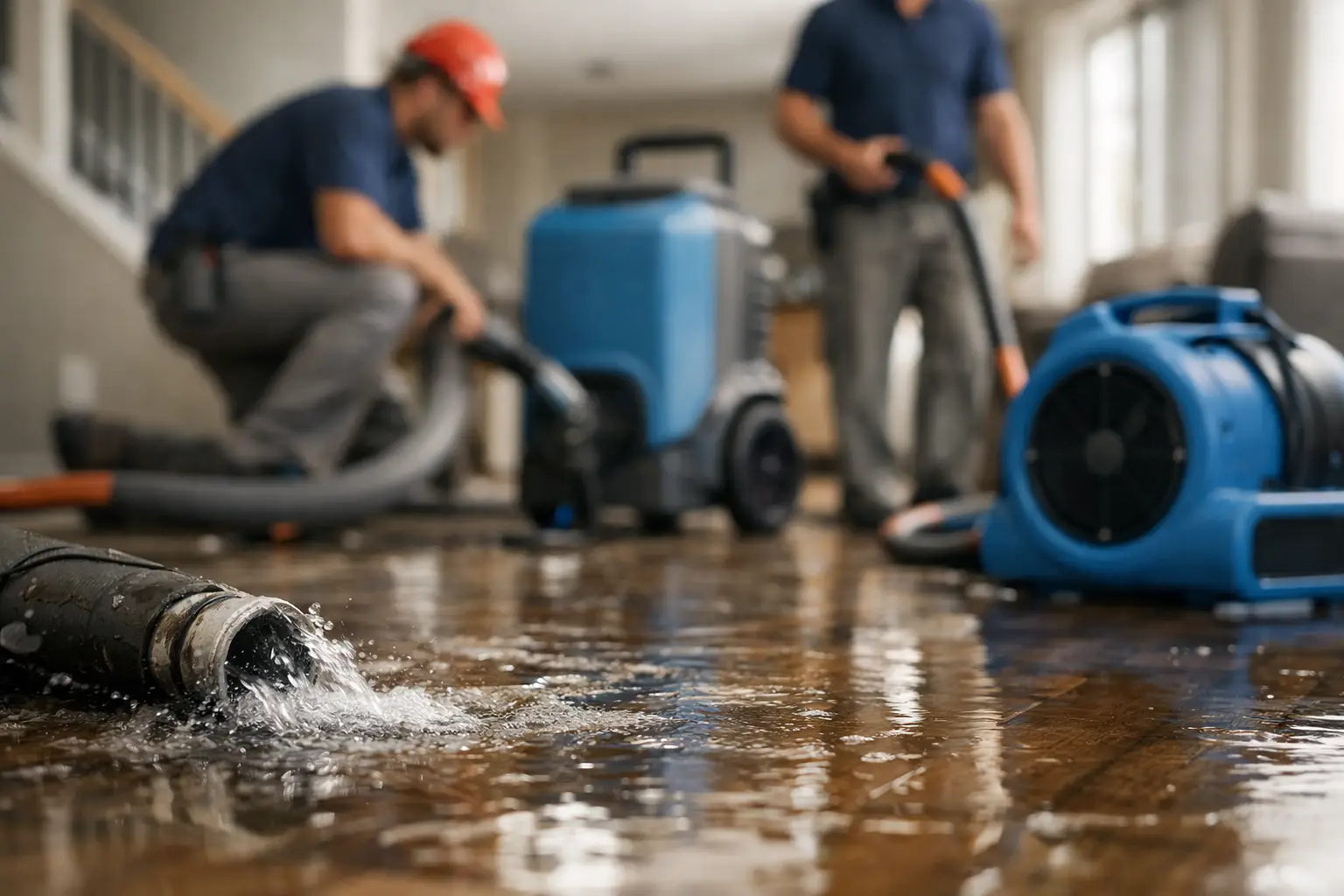
A disaster reconstruction contractor in Hapeville handles the damaged parts of a property after water, fire, wind, or other losses, then brings the structure back to a safe condition. In airport-edge bungalows near Delta HQ, that often means drywall removal, framing repair, structural repairs, flooring replacement, and a careful full rebuild when the damage runs deeper.
IICRC-Certified · 5-Star Rated · 60-Minute Response · Insurance Billed Directly
The process starts after the damage is stabilized and the structure can be assessed. Then I map what needs removal, what can stay, and what has to be rebuilt.
Older homes can hide damage inside layered repairs and mixed materials. That makes hidden water or fire loss easier to miss and harder to fix later.
Yes. Rebuild work often ends with drywall installation, flooring replacement, trim, and other finish items after the structure is sound again.
Then the job may require a larger full rebuild. I look at the structure first, because once the framework is compromised, small patching is usually the wrong answer.
A disaster reconstruction contractor in Hapeville repairs the building after damage has already been stabilized or cleaned up, then restores the structure so it can be used again safely. That can include roof repair, drywall installation, framing repair, structural repairs, flooring replacement, and a full rebuild when the loss is severe.
I treat reconstruction as the building phase after the emergency phase. If water, fire, or storm damage has already hit a home or business near Hapeville's airport edge, the job is no longer just drying or debris removal. The structure itself needs to be put back correctly, not patched casually.
Hapeville has a mix of airport-adjacent homes, older bungalows, and commercial properties influenced by traffic and flight paths around Delta HQ. Those buildings often need careful matching work, especially where original framing, subflooring, or wall assemblies were already older before the loss happened.
And that is where the difference matters. Reconstruction is not just cosmetic work. It is the stage where the property is made sound again, from studs to finishes, with the goal of returning the structure to a usable condition under one coordinated plan.
Hapeville properties need reconstruction when the damage reaches the building materials themselves, not just the surface. Moisture can swell subfloors, fire can weaken framing, and storms can open roofs or walls. In airport-edge bungalows and mixed-use buildings, that structural exposure often spreads quickly.
The local setting matters. Hapeville sits beside major transportation corridors and airport activity, and many properties have older layouts, tight attic spaces, and layered remodels. When a leak starts or storm damage opens the envelope, water and heat can move through those older assemblies fast.
If a home near Delta HQ has damaged drywall, warped flooring, or compromised framing, the issue is not only appearance. It is the hidden materials behind the finishes that decide whether the space can be repaired or needs broader property reconstruction to get back to safe use.
I see this often in homes that were built before modern open-plan renovations. The construction is sturdy, but it can hide damage well. That is why reconstruction work often becomes necessary after what first looked like a small problem.
Property reconstruction is usually needed after water, fire, storm, or impact damage affects structure and finishes together. Once insulation, drywall, flooring, or framing are damaged beyond simple repair, the project moves from cleanup into rebuilding, often with roof repair or structural repairs included.
Water damage is one of the biggest triggers. A hidden leak can destroy drywall, soften flooring, and rot framing before anyone notices. In Hapeville, that can happen in a bungalow, an apartment, or a commercial suite with older materials and limited attic access.
Fire damage creates a different pattern. Heat and smoke can weaken framing, stain assemblies, and force demolition of interior finishes. That is when drywall installation, framing repair, and in some cases a more complete rebuild become part of the recovery plan.
Storms and wind do damage fast. A lifted roof or broken opening can let rain hit the inside of the structure right away. Once the building envelope is open, the damage often spreads beyond the first visible room, which is why reconstruction cannot wait.
Professional reconstruction starts with a clear scope, then moves from demolition and structural correction to rebuilding finishes in the right order. After cleanup, I inspect the exposed structure, complete structural repairs if needed, then handle drywall installation, flooring replacement, trim, and final repair work.
The process should be methodical. First comes assessment of what can stay and what must come out. Then the damaged materials are removed, the structure is checked, and the rebuild begins. That order matters because hidden problems should be found before new materials cover them.
In Hapeville, I often see a need to coordinate with insurance documentation and a sensible repair sequence. If the project includes roof repair or framing repair, those items should happen before interior finishes. Otherwise, new materials can be damaged again and the work gets wasted.
A good reconstruction plan avoids rushing. It should restore the building from the inside out, starting with stability and ending with finished surfaces. That is how a damaged property becomes functional again without skipping the steps that protect the long-term repair.
Yes, one contractor can handle cleanup and rebuild when the company is set up for both recovery phases and can coordinate the work properly. That reduces handoff problems, keeps the scope consistent, and helps make sure demolition, reconstruction, and insurance documentation all match.
I like a coordinated approach because disaster work falls apart when too many hands are telling the story differently. Cleanup crews may remove damaged materials, but the rebuild has to follow the same loss scope. If it does not, you can end up with missing notes, delays, and repeated inspections.
That matters in Hapeville, where homes and businesses sit close to major routes and time-sensitive operations around Delta HQ. Property owners usually want one firm path from mitigation to reconstruction, not a chain of disconnected vendors all guessing at the next step.
A single contractor can make sense when the team is qualified to do both the removal and the rebuild. I am licensed as a general contractor, and my technicians are IICRC-certified. That kind of setup keeps the work tied together instead of split into pieces that do not communicate well.
You need reconstruction after property damage when the structure, not just the surface, is compromised. If drywall is gone, subfloors are swollen, framing is damaged, or the roof opening let moisture spread, the property needs rebuilding rather than a simple patch or paint job.
A useful rule is simple: if the damage changed how the building stands, dries, or supports weight, reconstruction is on the table. That can happen after a leak, a fire, a wind event, or a vehicle impact. Surface cleanup is not enough when the structure itself is affected.
In Hapeville's airport-edge bungalows, I often look for signs like sagging ceilings, soft floors, stained wall cavities, and damaged framing members. Those clues tell you the issue moved beyond cosmetic repair and into structural recovery, which deserves a more careful scope.
And timing matters. Moisture-related damage can get worse quickly, and mold starts in 24 to 48 hours. If the structure stays wet, the repair becomes more invasive, and the work may shift from limited restoration into larger property reconstruction.
Details matter because older Hapeville buildings often have mixed materials, past remodels, and tighter framing conditions that make hidden damage easy to miss. If the rebuild ignores those details, the property may look finished but still have weak spots in the structure or finishes.
Older bungalows near the airport can be straightforward homes, but they are rarely simple once water or fire gets inside. Original framing may meet newer finishes. Add in previous repairs, and you can find several layers of material that all react differently after a loss.
That is why I take a close look before I rebuild. A wall may need drywall installation, but only after I know the framing is sound and the moisture issue is gone. A floor may need flooring replacement, but only after the subfloor is checked and stabilized.
Hapeville's location near Delta HQ also means some properties carry higher day-to-day use, whether by residents, tenants, or business operations. Reconstruction has to account for the building's role, not just its appearance. A patch job is not the same thing as a durable repair.
Cleanup removes damaged material. Reconstruction replaces what the loss destroyed, from framing repair to drywall installation and flooring replacement.
Water, fire, and storm losses often damage materials you cannot see at first. That is why inspection of framing, subfloors, and wall cavities matters.
Roof repair or structural repairs should happen before finishes. If the order is wrong, new materials can be damaged again and the work has to be redone.
Direct insurance billing works best when the contractor documents the loss clearly and keeps the rebuild scope aligned with the damage found on site.
A 12-month warranty gives homeowners a defined repair window after reconstruction, which is especially useful after a full rebuild or major property reconstruction.
From emergency mitigation to full reconstruction, handled in-house so you are never managing a chain of subcontractors mid-crisis.
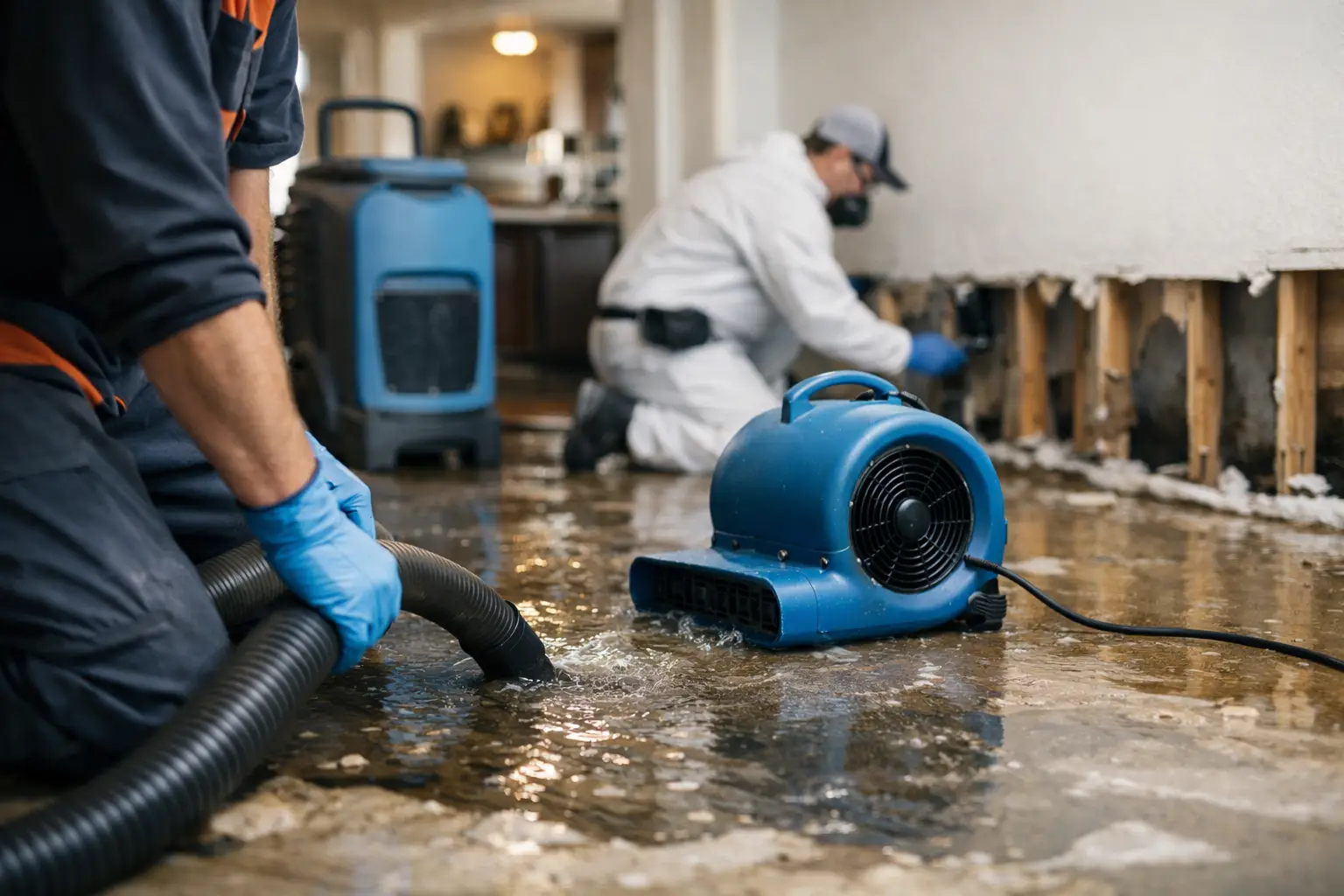 Water Damage
Extraction, structural drying, and moisture mapping after floods, leaks, and burst pipes.
Get help now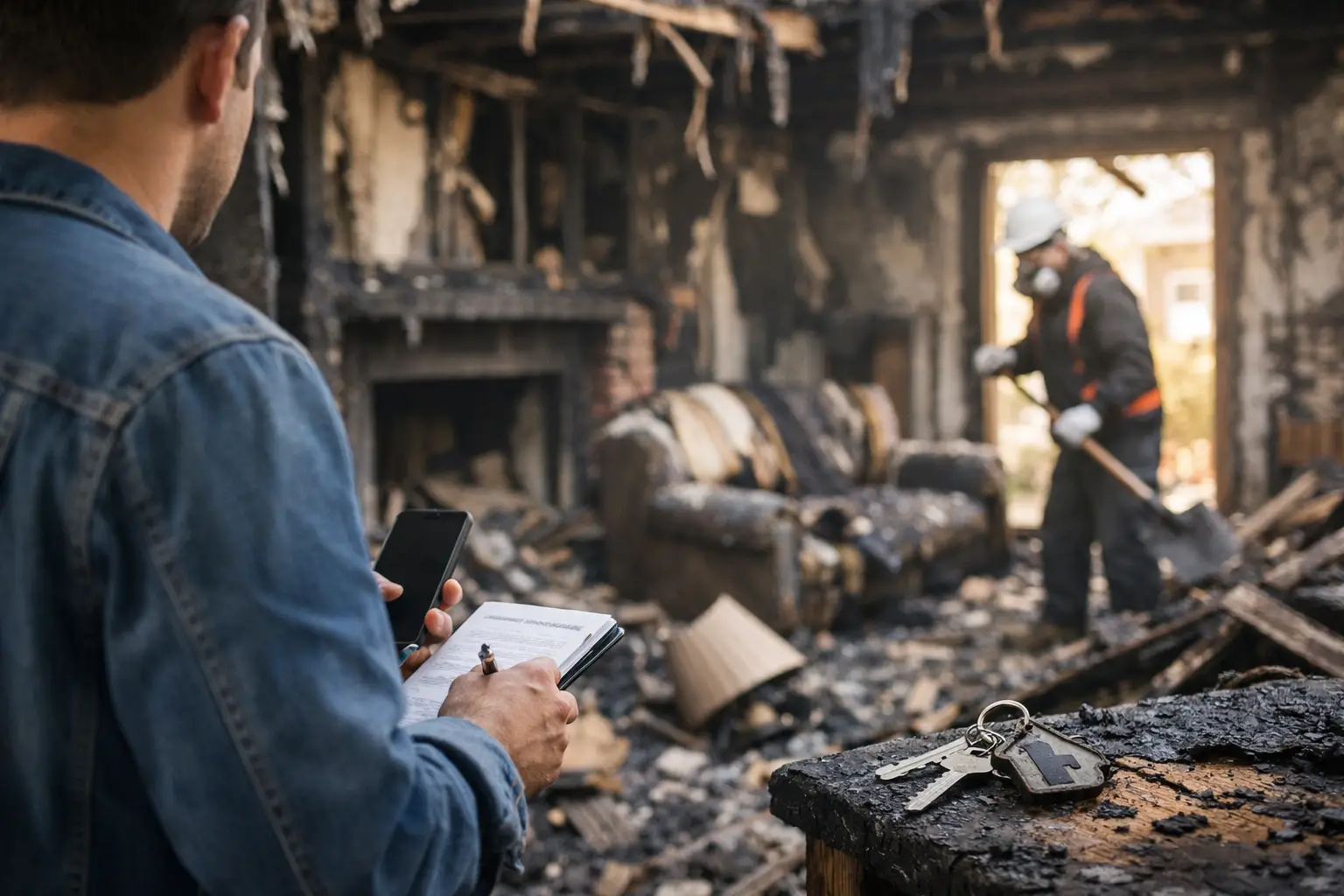 Fire & Smoke
Soot removal, odor deodorization, and content cleaning after fire and smoke damage.
Learn more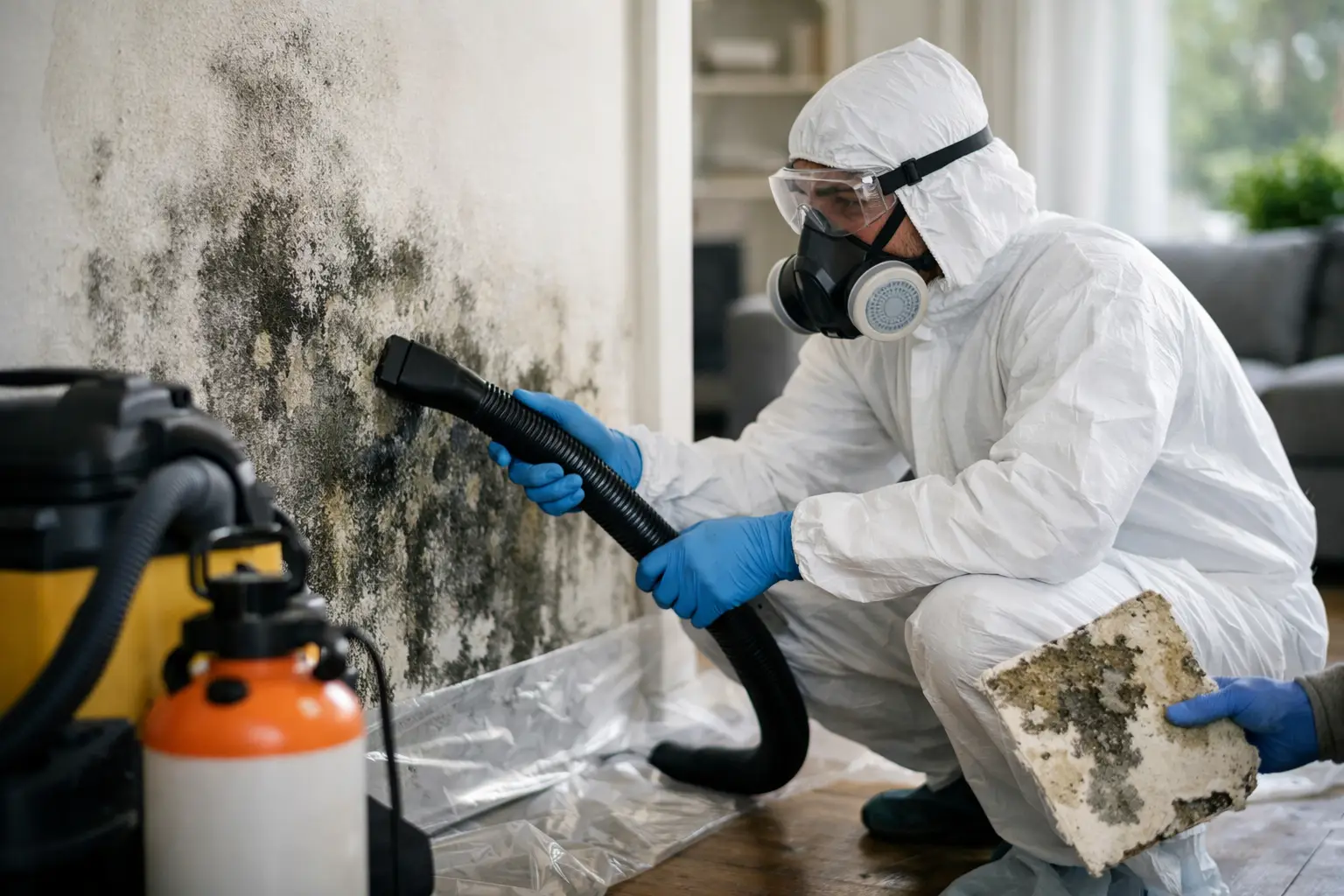 Mold
MoldContainment, removal, and moisture control that stops mold from coming back.
Learn more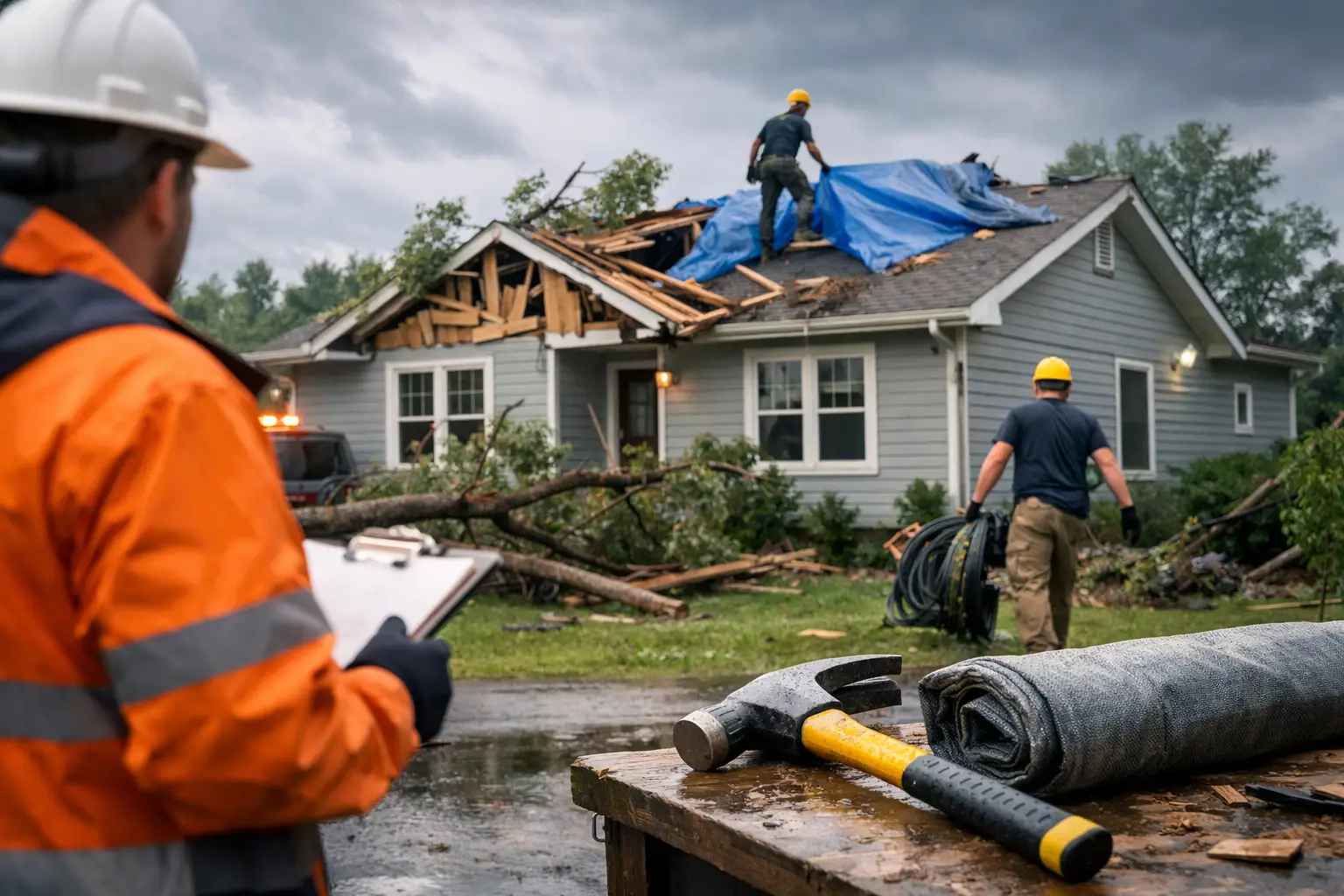 Storm
StormEmergency board-up, roof tarping, and full recovery after wind, hail, and storms.
Learn more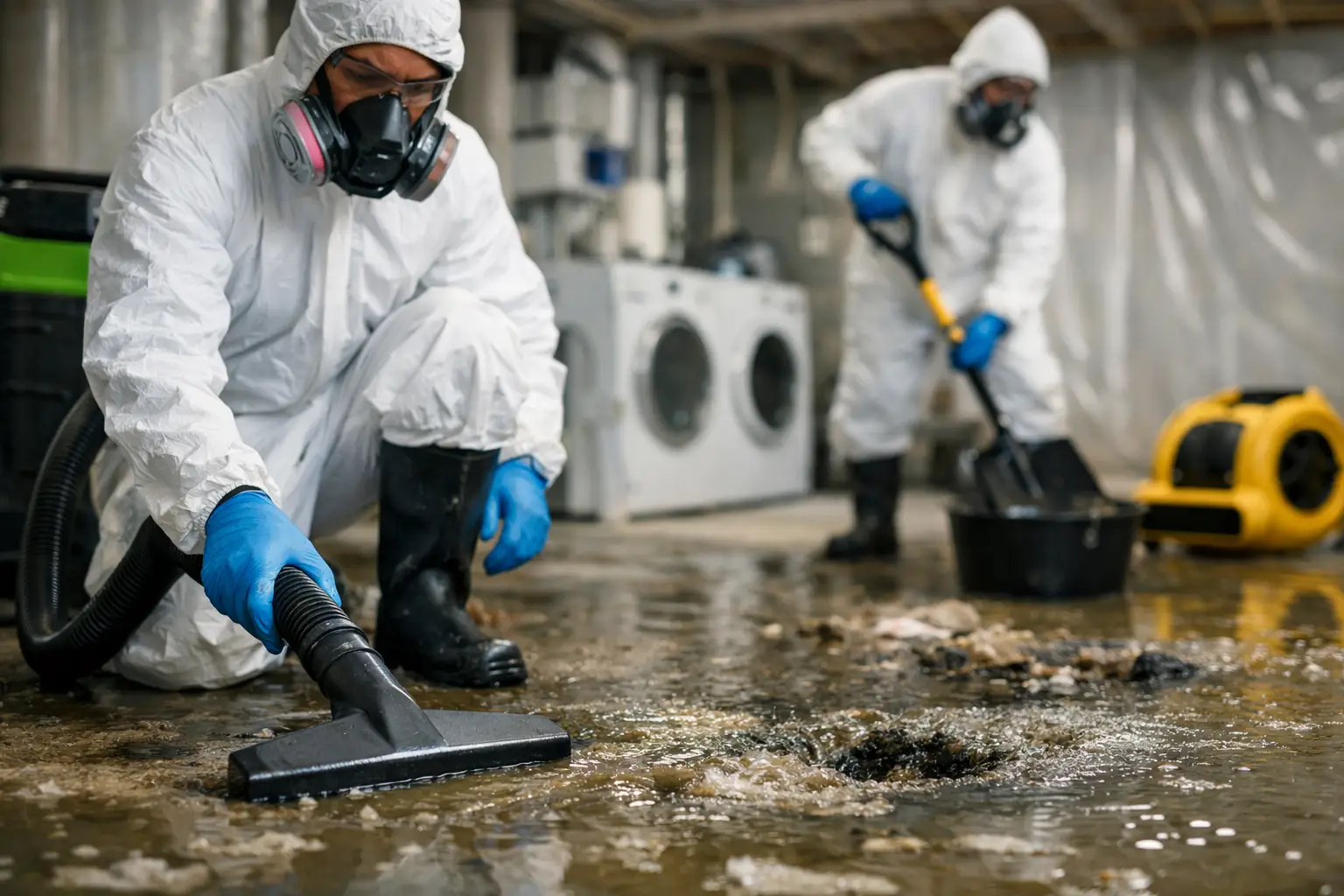 Sewage
Safe biohazard cleanup and sanitizing after sewage backups and overflows.
Learn more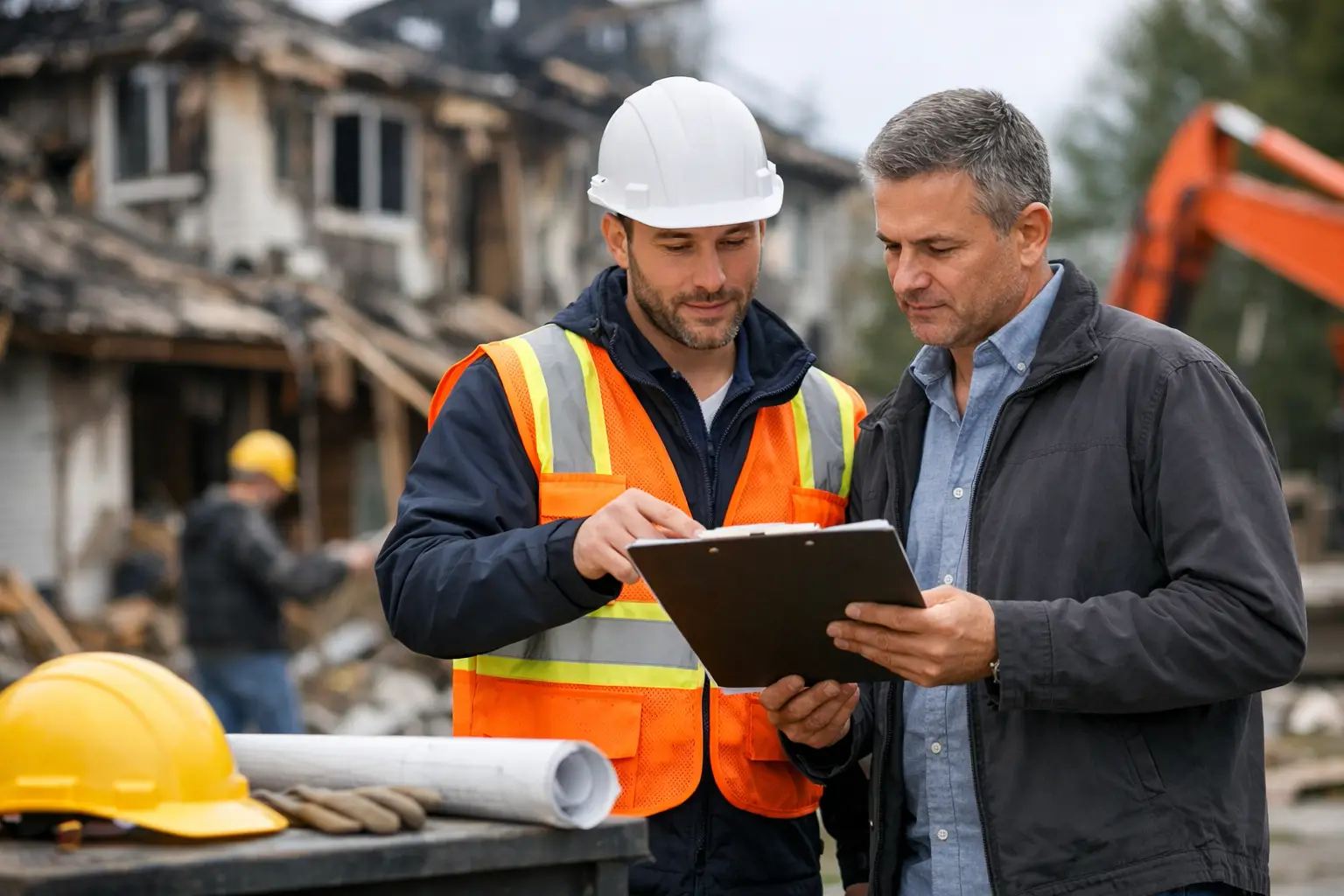 Reconstruction
Full rebuild by a licensed general contractor, so your property comes back whole.
Learn moreElevated Operations is an IICRC-certified, licensed general contractor based in Mableton that handles the entire recovery in-house, so after one loss you are never coordinating a cleanup crew, a mold crew, and a contractor separately. One team, one point of contact, from the first pump-out to the final coat of paint.
People call when the property feels like a disaster. They leave reviews because Chris and the crew made it right. These are real, verified Google reviews.
They often show it in the small things first, like soft floors, stained ceilings, bubbling paint, or doors that stop closing right. In older airport-edge bungalows, those signs can point to water in the walls, damaged framing, or subfloor failure. I always treat those clues seriously, because the visible problem is often only part of the loss.
The building rules do not change, but the property context does. Near Delta HQ, access, timing, and building use can affect how the work is staged. I plan reconstruction so cleanup, structural repairs, and finish work stay coordinated without creating extra disruption for residents or operations.
Repairs fix a damaged section that can still support the rest of the structure. A full rebuild is needed when the loss has spread through multiple systems, like framing, drywall, and flooring, or when the structure is too compromised for isolated patching. That difference matters because the scope changes the whole recovery plan.
Framing repair is enough when the damage is localized and the load path is still intact. Structural repairs are needed when water, fire, or impact has affected important members or spread through more than one area. I inspect the exposed structure before I recommend the next step, because guessing is expensive later.
Yes. If the loss opened the building envelope, roof repair is often part of the reconstruction scope. That is common after wind or storm damage, when water intrusion starts immediately and the interior work cannot finish until the roof system is stable again.
Flooring replacement happens because water can swell, buckle, or loosen the materials underneath the finished floor. In Hapeville homes and commercial spaces, that damage may also affect the subfloor. Once that happens, a surface patch is not enough, and the floor assembly has to be rebuilt correctly.
They should ask what is being removed, what is being saved, and what hidden damage was found after demolition. I also think owners should ask how the contractor will sequence the rebuild, whether direct insurance billing is available, and whether the work carries a warranty. Those answers tell you a lot.
I do, through Elevated Operations, LLLP. My team is based in Mableton, I am owner Chris Kwangwari, and we bring IICRC-certified technicians, licensed general contracting, direct insurance billing, deductible assistance up to $1,000, and a 12-month warranty to the rebuild process.
Elevated Operations dispatches IICRC-certified crews across Metro Atlanta from our Mableton base, with a 60-minute emergency response day or night. Choose your city:
Call now for an immediate response, or request your free inspection and get a certified crew on-site within the hour across Atlanta and nearby areas.