24/7 Emergency Restoration · Serving Metro AtlantaEmergency? (770) 404-6895
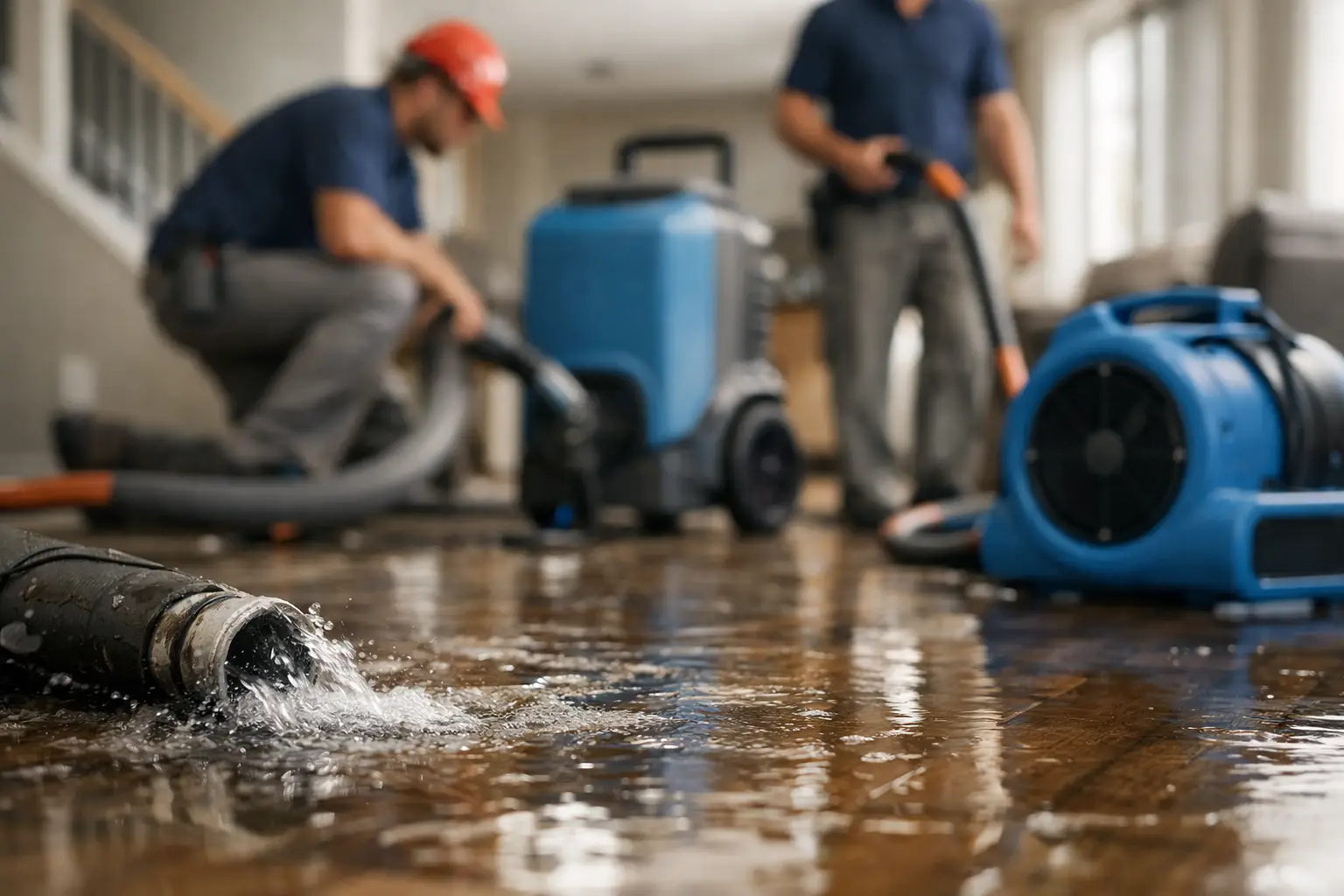
Smoke and soot cleanup Forest Park starts with me moving fast, because every hour matters after fire. I send IICRC-certified technicians, use direct insurance billing, and focus on stopping staining, odor, and deeper damage in homes and businesses near Fort Gillem, the airport corridor, and Forest Park’s post-war neighborhoods.
IICRC-Certified · 5-Star Rated · 60-Minute Response · Insurance Billed Directly
I respond 24/7 with a 60-minute emergency response goal, so yes, same-day smoke cleanup is the standard when conditions allow access.
Then I treat the system as part of the damage, not a side issue. hvac cleaning is often what keeps smoke smell from cycling back.
Often yes. I sort, clean, and document contents carefully, then decide what needs deeper contents cleaning versus replacement.
Yes. I am a licensed general contractor, so I can manage cleanup and the repair phase without handing your job off to another outfit.
Smoke and soot cleanup should start immediately, because residue keeps biting into paint, drywall, fabric, and metal. I respond 24/7, and my team works the first hour to limit staining, odor spread, and corrosion in Forest Park homes and businesses.
In Forest Park, speed matters because this city sits right in the path of airport traffic, industrial activity, and older post-war construction that can hold odor and residue. I treat the first visit like an emergency, not a routine cleaning job.
My crew arrives with a plan for smoke damage cleanup, not guesses. We assess soot behavior, protect clean areas, start surface cleaning where it is safe, and set up air scrubber equipment when the air needs immediate control.
And the reason I push speed so hard is simple, soot does not wait. It works into trim, cabinets, and HVAC systems, then spreads each time the system runs. The longer it sits, the more expensive the cleanup becomes.
I clean smoke and soot damage by controlling the air first, then removing residue from surfaces, contents, and ductwork in the right order. That usually means containment, air scrubber use, careful surface cleaning, hvac cleaning, deodorization, and contents cleaning.
First, I look at what burned and where the smoke traveled. A kitchen flare-up needs a different approach than a warehouse or vehicle-related fire near the industrial corridor. I match the method to the residue, not just the room.
Then my technicians separate salvageable items from items that need deeper contents cleaning. We use dry and wet methods carefully, because the wrong wipe can smear soot into porous material and make the staining worse.
Finally, we address the hidden path of the smoke. That includes hvac cleaning when the system pulled residue through the house, deodorization when odor has soaked into materials, and follow-up checks so the job holds after we leave.
Soot comes off walls and ceilings with the right dry cleaning, controlled washing, and residue-specific surface cleaning. I do not guess on painted drywall, texture, or trim, because a bad wipe can grind soot deeper and spread staining across the room.
Forest Park has a lot of older post-war housing stock, and those materials can be sensitive. I protect them by testing first, then using the right cloths, sponges, and cleaning agents based on the type of soot, not a one-size approach.
Ceilings need special attention because smoke rises and lingers there first. In homes near Fort Gillem or the airport side of town, I often see soot that is light on the wall but heavier at the top edge where air flow collected it.
And if the fire reached the duct system, wall cleaning alone is not enough. I check for hidden residue that will reappear later, then pair soot removal with hvac cleaning and deodorization so the space does not smell burned the next day.
Smoke odor can often be removed when the damage is handled quickly and completely, but only if the source, surfaces, contents, and air path all get treated. I focus on odor removal and deodorization together, because one without the other usually fails.
Odor in Forest Park properties often hangs on because of mixed building materials, old finishes, and HVAC systems that recirculate the smell. I target the source first, then the rooms, then the air movement pattern that kept carrying it.
Some people try sprays or candles. I do not recommend that. Those products mask odor for a few hours, then smoke smell comes back stronger because the residue is still present in the structure, fabrics, or ductwork.
When a job is treated fast, especially in the first day, the chance of complete odor control is much better. That is why I push immediate smoke damage cleanup, fast deodorization, and a full check of nearby rooms and contents.
In the first hour, I stabilize the property, limit spread, and identify where soot, odor, and heat damage are active. That means emergency response, inspection, air control, protection of clean areas, and a plan for immediate smoke and soot cleanup.
The first hour is about control. I want to stop residue from traveling through open doors, hallways, and ducts, especially in Forest Park buildings that sit close to industrial routes or older construction with simple airflow patterns.
My team documents what we see, then starts the work that prevents more damage. That can include setting an air scrubber, isolating affected rooms, and beginning careful surface cleaning on accessible nonporous areas while I verify the scope.
If the property is occupied, I also look at what can be safely removed right away for contents cleaning. Fast decisions matter here. Slow decisions let soot keep staining and let odor settle into every soft surface.
During the first day, I move from stabilization to active smoke damage cleanup. That usually includes soot removal, deodorization, hvac cleaning if needed, contents cleaning, and detailed documentation for direct insurance billing.
The first day is where a lot of the visible improvement happens. In Forest Park, especially in commercial spaces near the airport and industrial corridors, smoke can move fast and get into work areas that looked untouched at first.
IICRC-certified technicians handle the cleaning sequence so we do not cross-contaminate rooms. We work from cleaner areas toward the worst areas, and we keep an eye on how the air is behaving while the cleanup is underway.
I also make sure the insurance side does not slow down the job. With direct insurance billing, the process stays organized while we focus on the actual cleaning, deodorization, and repair planning that the property needs next.
I respond 24/7 and move fast to protect the property, check air movement, identify soot travel, and start smoke and soot cleanup before residue spreads deeper into finishes and fabrics.
My crew begins active smoke damage cleanup, which can include air scrubber setup, surface cleaning, soot removal, deodorization, and contents cleaning, depending on where the fire and smoke traveled.
We keep cleaning hidden residues, verify HVAC impact, continue odor removal, and coordinate direct insurance billing while tracking what can be restored and what needs additional repair work.
As the cleanup wraps, I handle repair planning as a licensed general contractor, then back the work with a 12-month warranty so the property is not left half-finished.
From emergency mitigation to full reconstruction, handled in-house so you are never managing a chain of subcontractors mid-crisis.
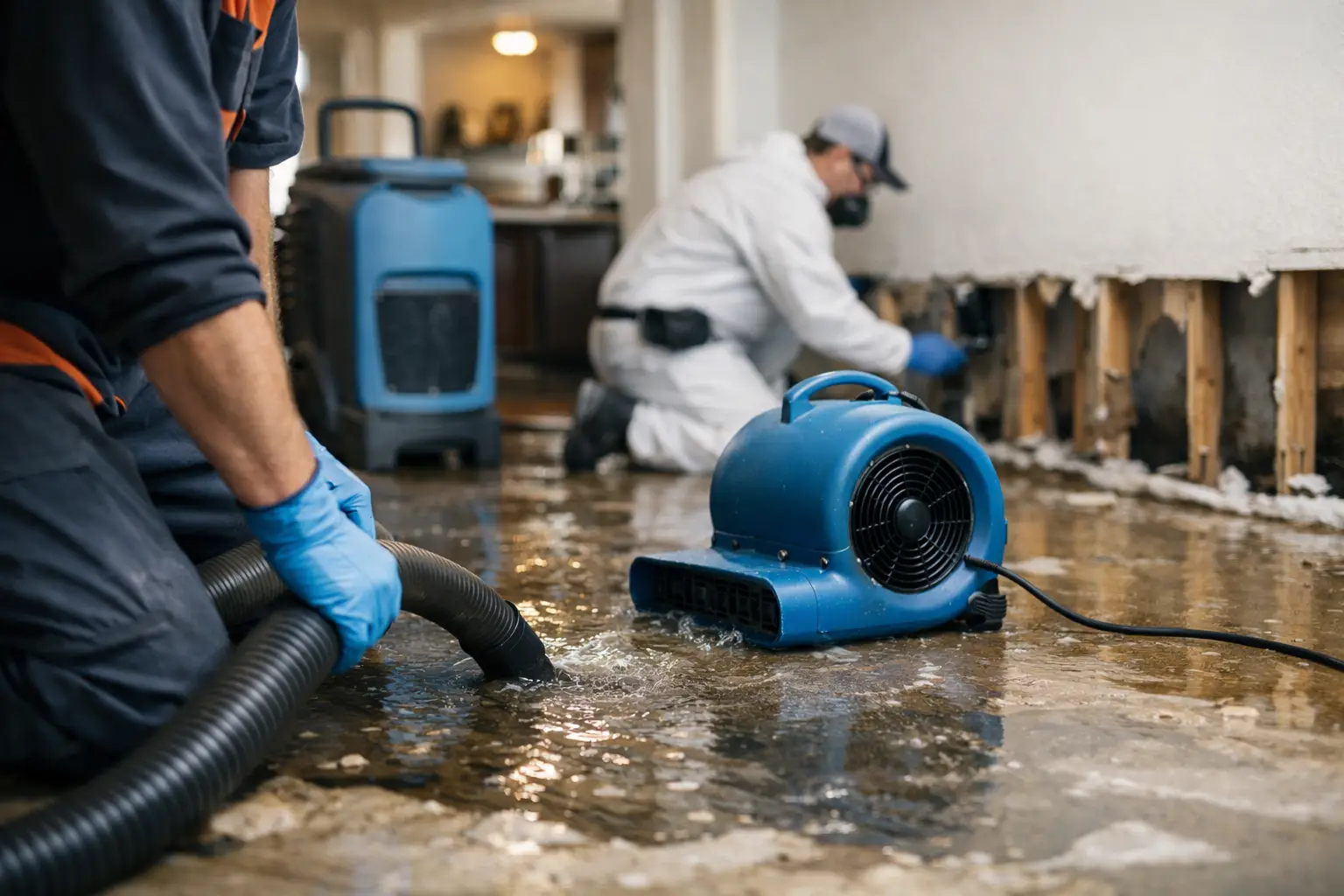 Water Damage
Extraction, structural drying, and moisture mapping after floods, leaks, and burst pipes.
Get help now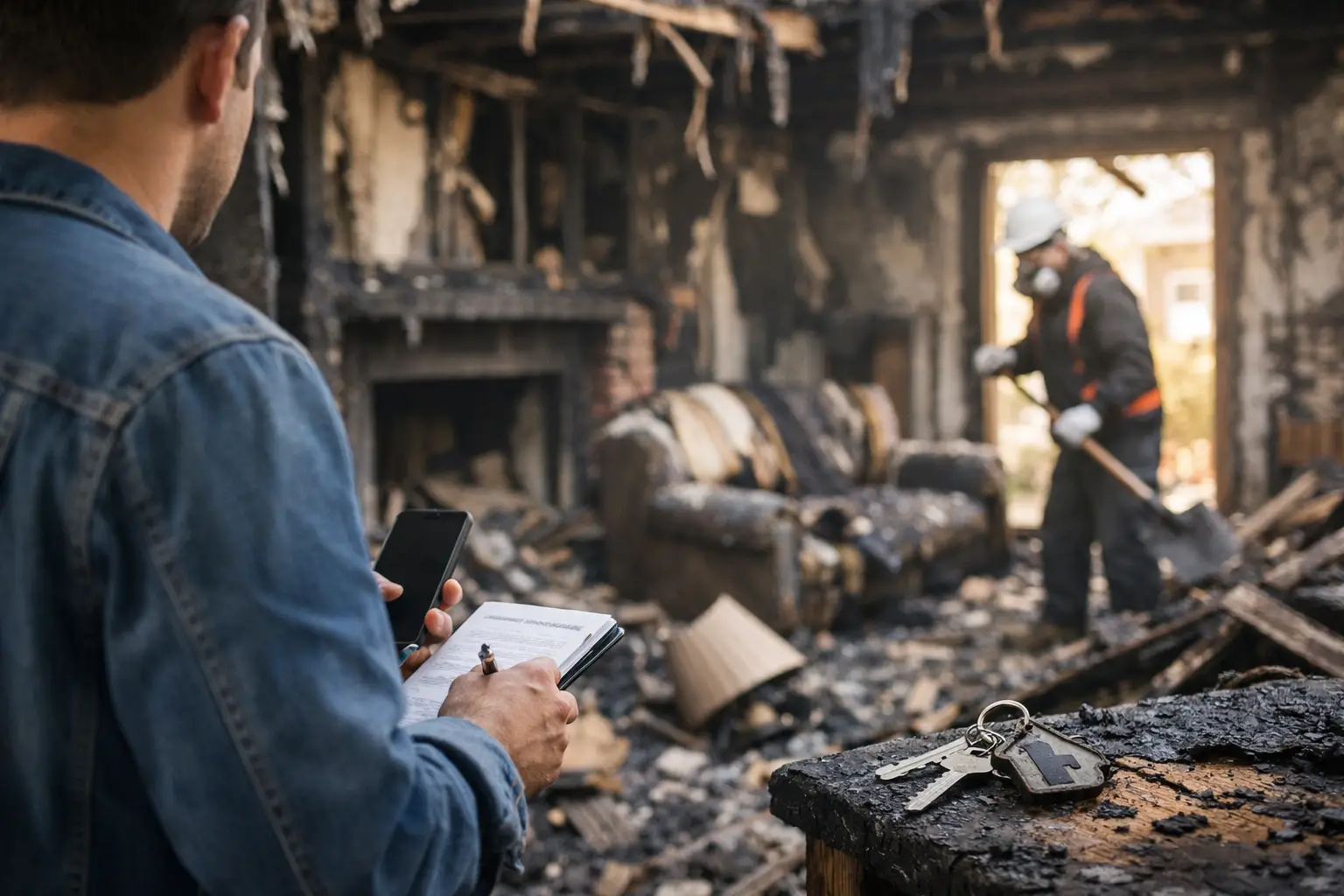 Fire & Smoke
Soot removal, odor deodorization, and content cleaning after fire and smoke damage.
Learn more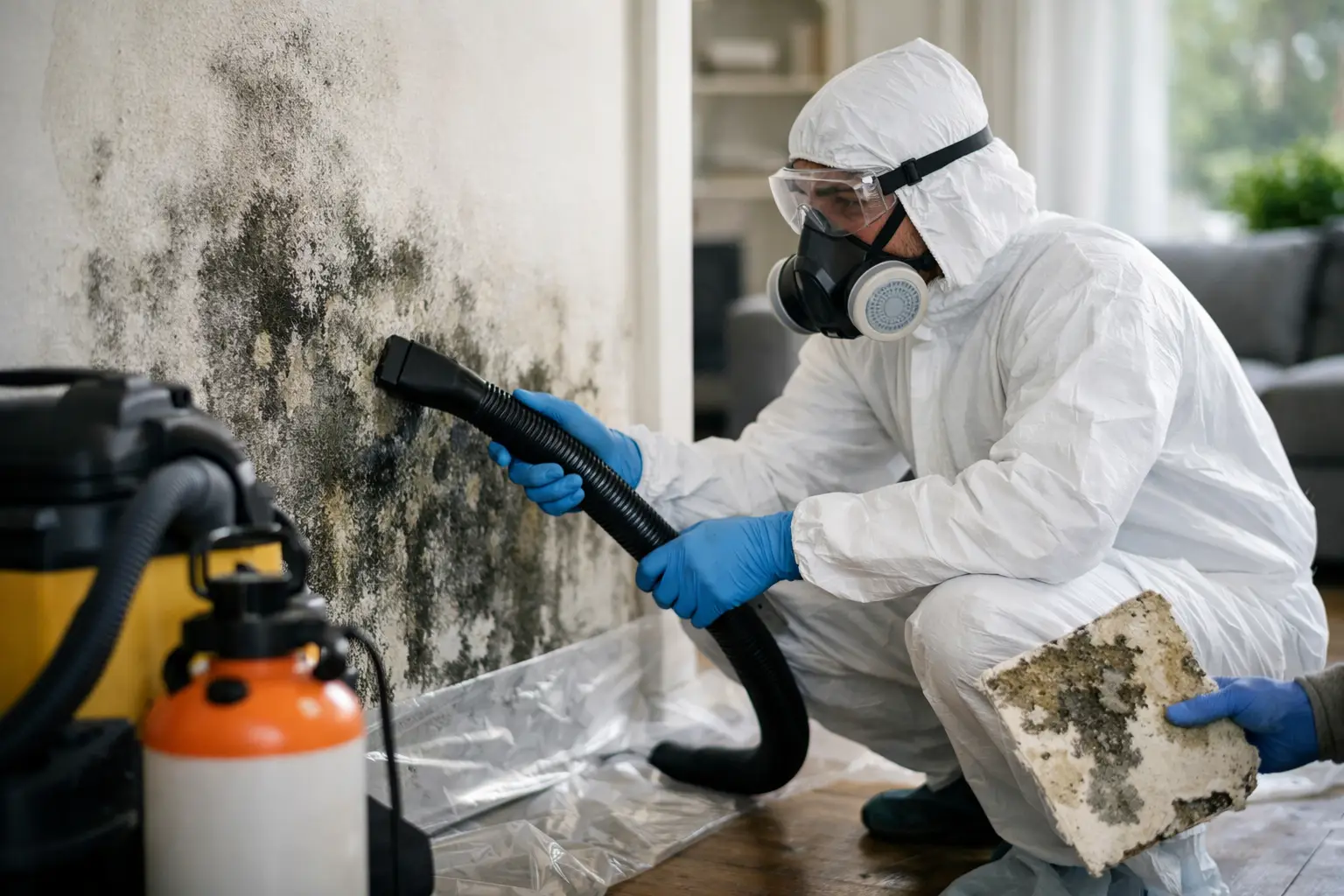 Mold
MoldContainment, removal, and moisture control that stops mold from coming back.
Learn more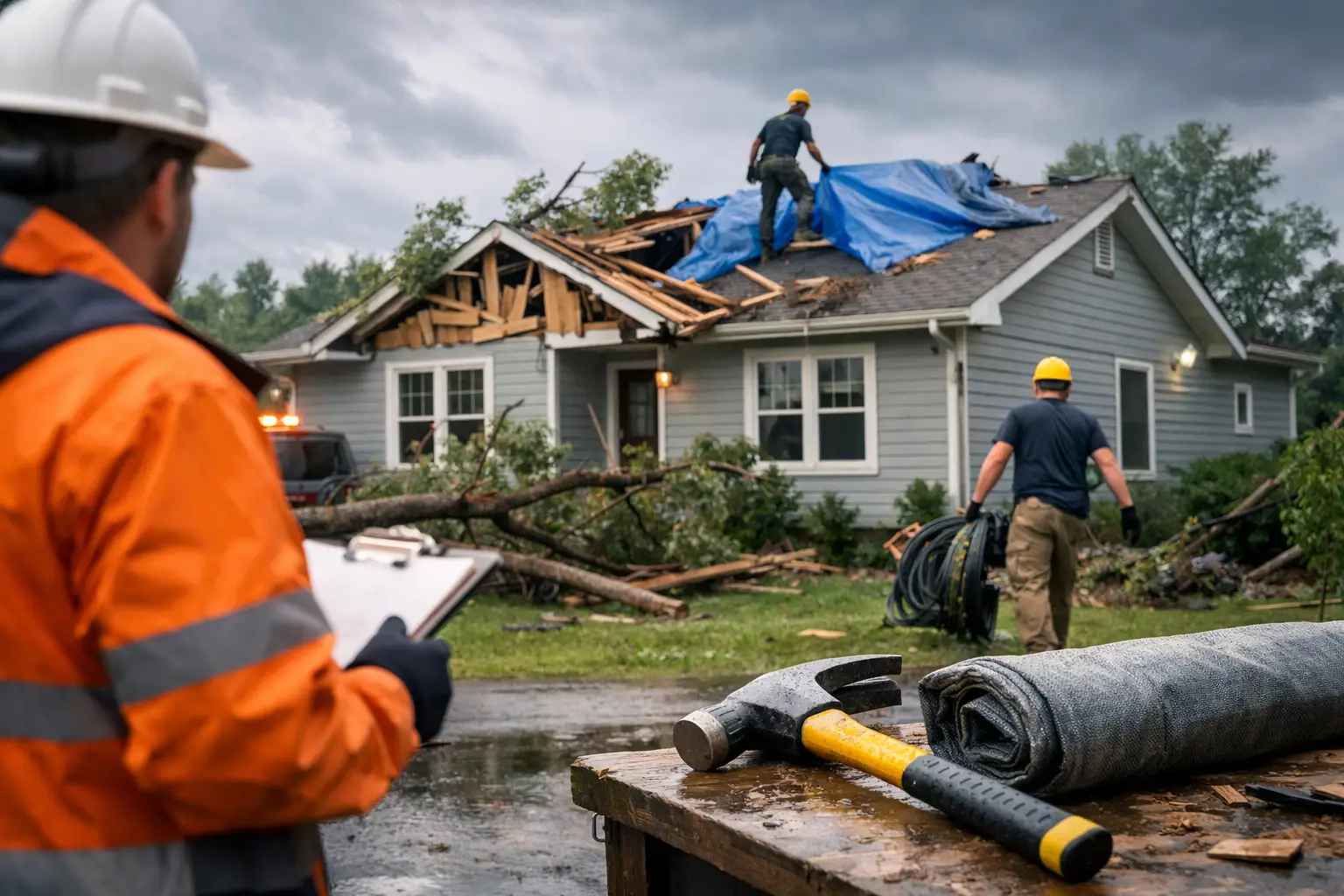 Storm
StormEmergency board-up, roof tarping, and full recovery after wind, hail, and storms.
Learn more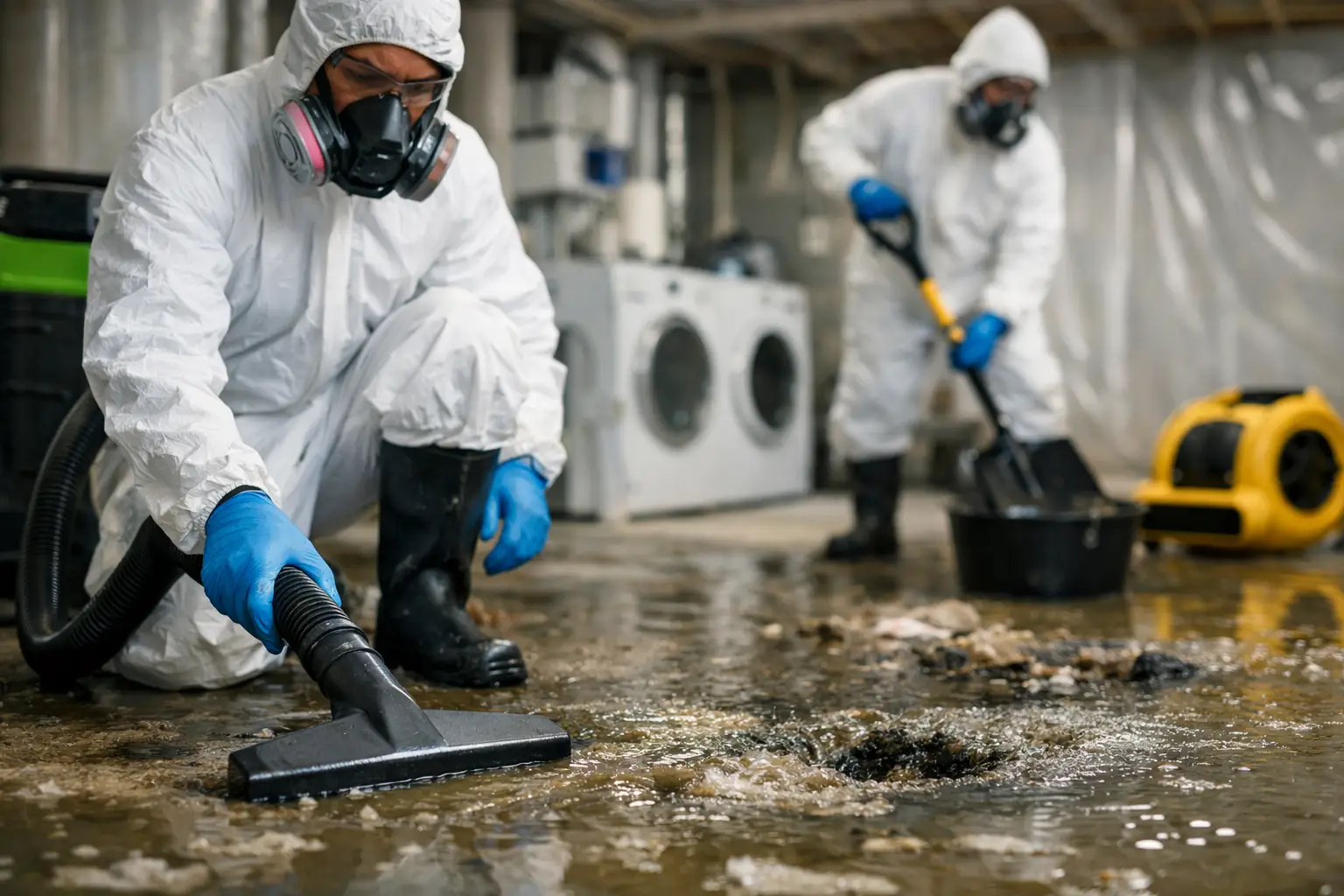 Sewage
Safe biohazard cleanup and sanitizing after sewage backups and overflows.
Learn more Reconstruction
Full rebuild by a licensed general contractor, so your property comes back whole.
Learn moreElevated Operations is an IICRC-certified, licensed general contractor based in Mableton that handles the entire recovery in-house, so after one loss you are never coordinating a cleanup crew, a mold crew, and a contractor separately. One team, one point of contact, from the first pump-out to the final coat of paint.
People call when the property feels like a disaster. They leave reviews because Chris and the crew made it right. These are real, verified Google reviews.
I offer 60-minute emergency response 24/7, so I move as fast as possible when smoke hits a home or business in Forest Park. That matters near Fort Gillem and the industrial side of town, where odor and soot can travel quickly through open bays, older buildings, and shared HVAC systems.
Yes. Many Forest Park homes are post-war builds, and those materials often need a gentler, more precise approach. I test first, then choose the right soot removal method for painted drywall, trim, ceiling texture, or cabinets. Rushing with the wrong cleaner can smear residue and make the room look worse.
Yes, and I treat those jobs seriously because commercial smoke damage cleanup near the airport corridor can move through large open interiors fast. I focus on the air path, affected contents, and HVAC impact, then build the cleanup around keeping your operation organized and documented for insurance.
Smoke odor sticks because it gets into porous materials, HVAC systems, and hidden voids. In Forest Park, that problem can be worse in older buildings or industrial spaces with mixed materials. I attack the source, the surfaces, the contents, and the ductwork, because masking the smell never solves it.
Yes, when smoke has entered the system, hvac cleaning becomes part of the job. If residue moved through the ductwork, the smell can keep coming back each time the system runs. I inspect that path early, because cleaning the walls alone will not stop recirculation.
I clean ceilings with dry removal methods and controlled surface cleaning, not harsh wiping that drags soot across the room. The technique depends on the material and soot type. In Forest Park homes with textured finishes, careful testing matters even more, because one bad pass can damage a whole ceiling.
Yes. I use direct insurance billing, so the claim process stays organized while my team works. That is helpful after a fire because you already have enough to handle. I document the smoke and soot cleanup clearly, then coordinate the billing side without slowing the physical work.
I back the work with a 12-month warranty. If smoke damage cleanup is done right the first time, the property should not keep showing the same hidden issues later. That warranty gives a clear standard for the work we complete after the emergency is over.
Elevated Operations dispatches IICRC-certified crews across Metro Atlanta from our Mableton base, with a 60-minute emergency response day or night. Choose your city:
Call now for an immediate response, or request your free inspection and get a certified crew on-site within the hour across Atlanta and nearby areas.




