24/7 Emergency Restoration · Serving Metro AtlantaEmergency? (770) 404-6895
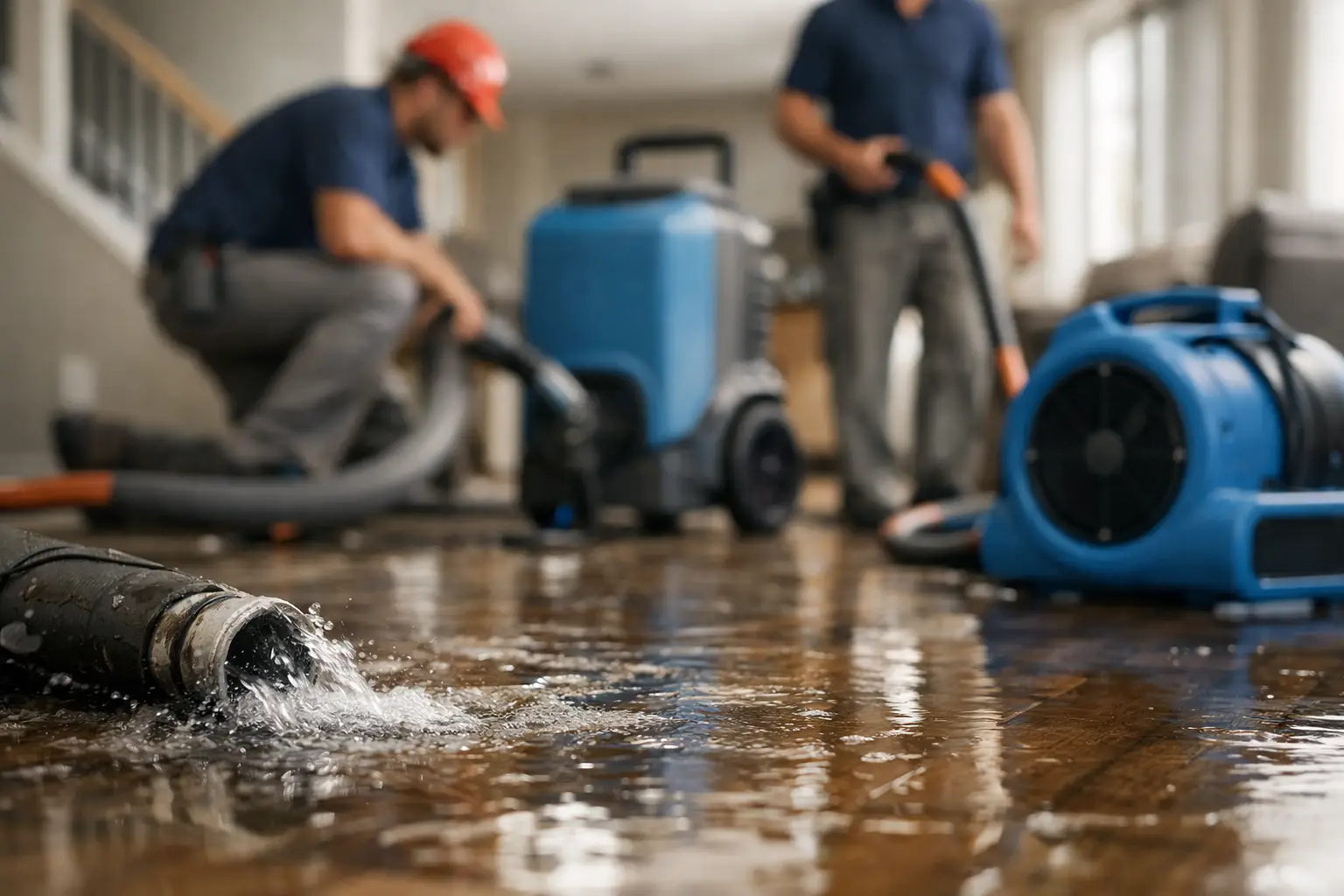
Sewage remediation services Riverdale homeowners need after a backup have to be fast, thorough, and handled the right way. I run Elevated Operations from Mableton, and my crew responds 24/7 in 60 minutes, with IICRC-certified technicians, direct insurance billing, and a 12-month warranty for homes in Clayton County near the airport and older subdivisions.
IICRC-Certified · 5-Star Rated · 60-Minute Response · Insurance Billed Directly
Often, yes. Older homes and tight floor plans can hide contamination under finishes, so I inspect more than the visible spill.
Some hard surfaces can be cleaned and disinfected, but porous materials usually need removal after sewage contamination.
Sometimes, but only after I isolate the affected area and confirm the contamination is controlled. Safety comes first.
That means the source is still active somewhere. I go back to the material, remove what is holding the smell, and finish the drying and disinfection.
Sewage remediation services in Riverdale include sewage cleanup, contamination removal, disinfection, sanitization, odor control, and safe disposal of damaged materials. I treat it as biohazard cleanup, not a mop-up job, because older homes near the airport corridor and in established subdivisions often hide moisture in subfloors, walls, and cabinets.
First I isolate the affected area and look for black water remediation needs, because sewage never stays where people first see it. In Riverdale, that matters in slab homes, split-levels, and older tract houses where water can move under flooring and into wall bases before anyone notices the full spread.
Then I remove unsalvageable materials, clean hard surfaces, and run disinfection steps that match the contamination level. If odors linger, I address odor control at the source, not with cover-up products. That means checking trim, framing, and hidden cavities where sewage contamination can keep feeding the smell.
And I document what I find. Direct insurance billing helps keep the claims side moving, but the field work comes first. If a toilet backup cleanup turns into a larger loss, I explain what stayed, what had to go, and why. No guessing. No shortcuts.
Yes, sewage remediation is necessary after a backup in Riverdale because sewage carries contamination that spreads fast through flooring, porous materials, and air spaces. In older subdivisions near the airport and along busy Clayton County streets, delays can make the cleanup larger, the odor worse, and the damage harder to control.
A backup is not just dirty water. It is black water remediation territory, and that changes the job completely. IICRC-certified technicians know when the issue is surface level and when sewage has soaked into pad, drywall, or cabinet bottoms. That distinction matters in Riverdale homes with older finishes.
EPA guidance says mold can start in 24 to 48 hours, so waiting is a bad bet. Sewer water also creates a sanitation problem right away. If the home has kids, pets, or elderly family members, I push for immediate containment and remediation instead of trying to live around it.
Riverdale homeowners often ask whether a small toilet backup cleanup can be handled later. I say no. If sewage touched a bathroom floor, hallway carpet, or laundry room baseboards, the safest move is prompt contamination removal and disinfection. The smell alone is a warning that bacteria and moisture are still active.
Sometimes, yes, but only if the material is non-porous and the contamination did not soak in. In Riverdale, I sanitize and disinfect hard surfaces when it makes sense, but I replace drywall, insulation, carpet pad, and other porous materials once sewage contamination has penetrated them.
That question comes up a lot in Riverdale because many homes were built when materials were not designed for fast water recovery. Wood trim, particleboard vanities, carpet pad, and lower drywall sections can hold waste even after a surface looks clean. If sewage reached them, sanitization alone is not enough.
I inspect the structure with a restoration mindset, not a cosmetic one. A floor can look fine and still need removal below the surface. That is why I treat sewage cleanup as a health issue first. If I can safely save a material, I do. If not, I say so plainly.
And I do not overextend demolition. Good contamination removal is selective. In a Riverdale bathroom backup, for example, I may save tile and subfloor in one area while removing baseboards, insulation, and cabinet bottoms in another. The goal is safe recovery, not ripping out more than necessary.
After sewage contamination, anything porous or impossible to disinfect fully should be removed, including carpet pad, wet insulation, damaged drywall, soaked baseboards, and often cabinets or particleboard furniture. In Riverdale homes near the airport and older subdivisions, hidden absorption is common, so I inspect beyond what is visible.
I start with the materials that trap waste and moisture. Carpet pad almost never gets saved after sewage. Drywall may need cut-out above the visible line of damage, and insulation usually has to go if sewage reached the cavity. That keeps the cleanup honest and the home safer to reoccupy.
Hard surfaces can sometimes stay if they are cleaned, disinfected, and fully dried. But if a surface is cracked, swollen, or seam-heavy, it may still harbor contamination. Riverdale homes with older kitchens and baths often have those problem areas, especially around sinks, toilets, and laundry hookups.
This is where experience matters. I look at what the material is, where the sewage traveled, and how long it sat. Then I decide what gets removed, what gets treated, and what gets monitored. That approach keeps black water remediation focused and prevents repeat odor problems.
Odor control after sewage cleanup starts with removing the source, cleaning the affected surfaces, and drying the structure completely. I do not hide sewer odor in Riverdale homes. I find where contamination settled, then I treat the materials and air pathways that keep the smell returning.
Sewer odor usually means something was missed or a material still holds contamination. In Riverdale, I often see that in trim gaps, under vanity bases, or in the edge of carpet that looked dry at first. If the smell remains, the job is not finished, period.
I focus on source control first, then sanitization and disinfection. That order matters. If you treat the air before you remove the material, the odor comes back. Older subdivisions around Clayton County can have small hidden cavities that trap odor long after the visible sewage cleanup is done.
Ventilation helps, but it is not the fix. The fix is contamination removal, careful cleaning, and moisture control. When needed, I coordinate the claim side through direct insurance billing so the homeowner is not stuck chasing paperwork while the house still smells like a sewer problem.
Riverdale homeowners should call immediately after a sewage backup because the longer sewage sits, the more it spreads into building materials and air spaces. I respond 24/7 in 60 minutes, and that speed matters in Clayton County homes where older finishes and tight rooms can trap contamination fast.
The first hour is about control. I want the affected area contained, the source identified, and the loss mapped before the contamination migrates into adjacent rooms. In Riverdale, that often means bathrooms, laundry areas, and lower hallways where the backup can move quickly across the floor plane.
This is not a wait-and-see category. If sewage hit flooring or drywall, the cleanup gets more complicated by the hour. I built my company in restoration since 2007, and I have seen small backups become major removals because someone hoped the mess would dry out on its own.
Call the moment you know it is sewage. I will tell you what to shut off, what to avoid touching, and what should stay out of the area. That guidance helps limit damage before my crew arrives at the Riverdale home.
Yes. I use direct insurance billing, so the claim process does not stall while the cleanup is moving.
Yes. Older subdivisions near the airport often need careful contamination removal because moisture can hide in trim, subfloors, and wall bases.
Absolutely. I remove only what sewage contaminated beyond safe cleaning, then disinfect and dry what can be kept.
Yes. Elevated Operations provides a 12-month warranty on our restoration work.
Yes. My team uses IICRC-certified technicians, and I am a licensed general contractor overseeing the work.
From emergency mitigation to full reconstruction, handled in-house so you are never managing a chain of subcontractors mid-crisis.
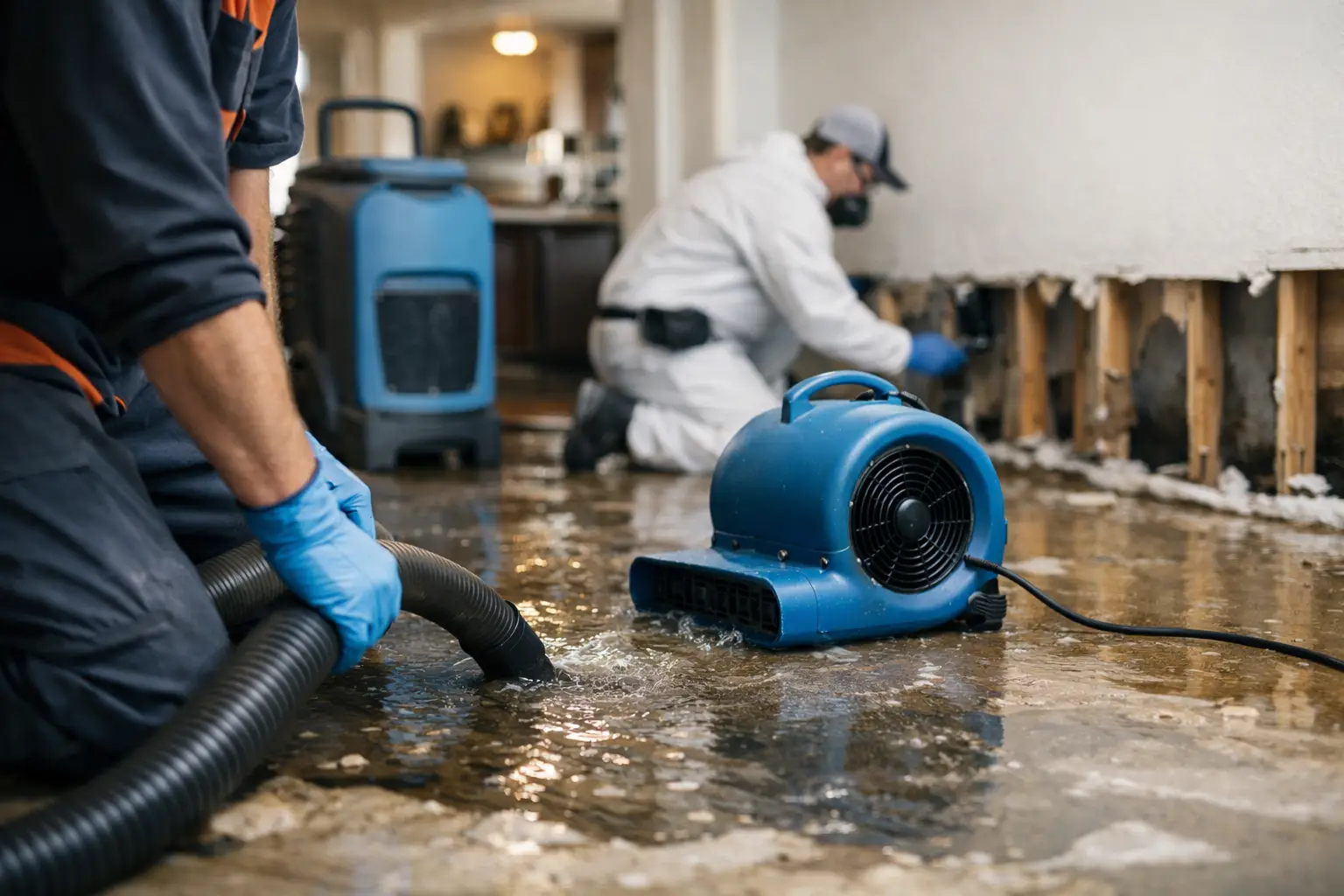 Water Damage
Extraction, structural drying, and moisture mapping after floods, leaks, and burst pipes.
Get help now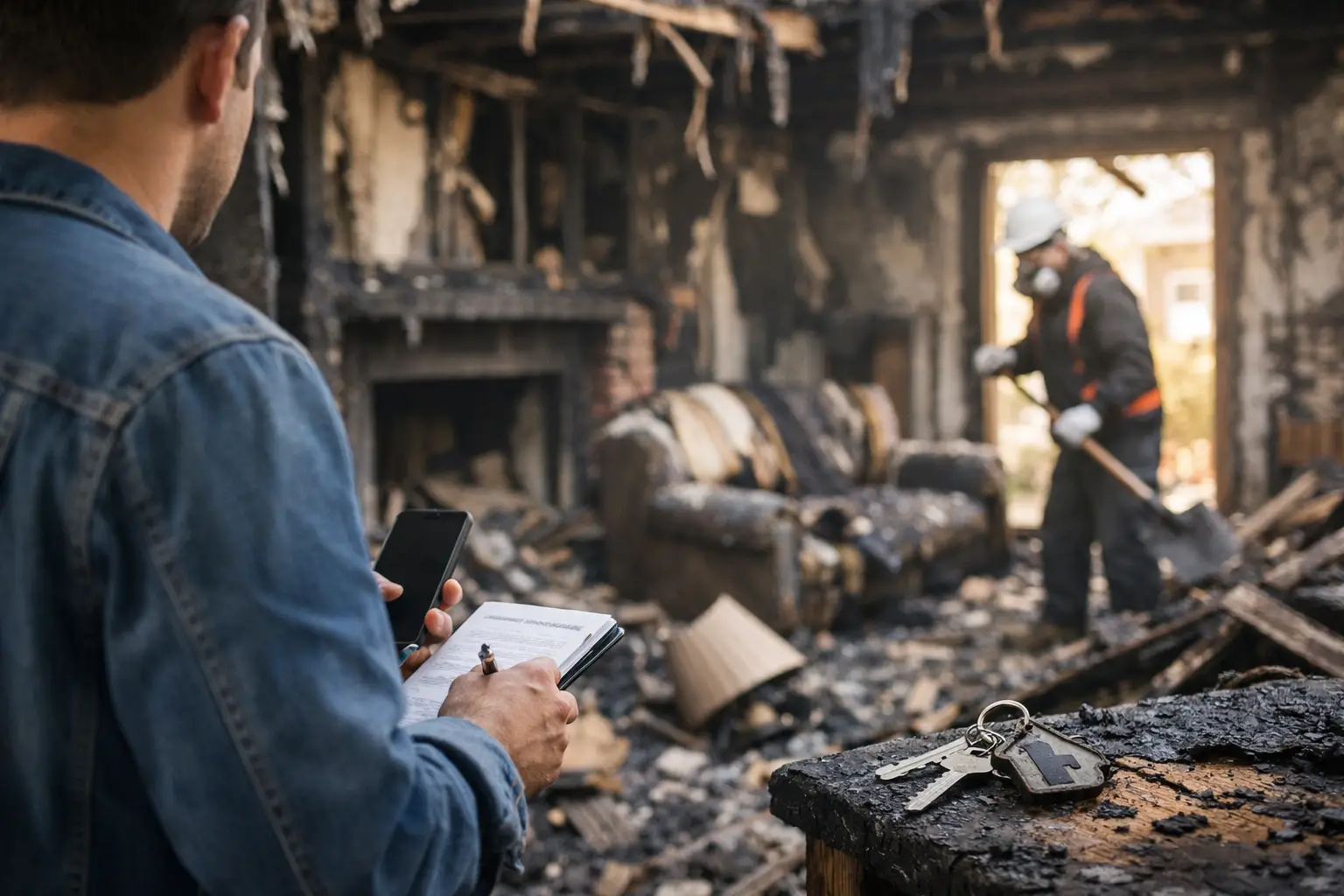 Fire & Smoke
Soot removal, odor deodorization, and content cleaning after fire and smoke damage.
Learn more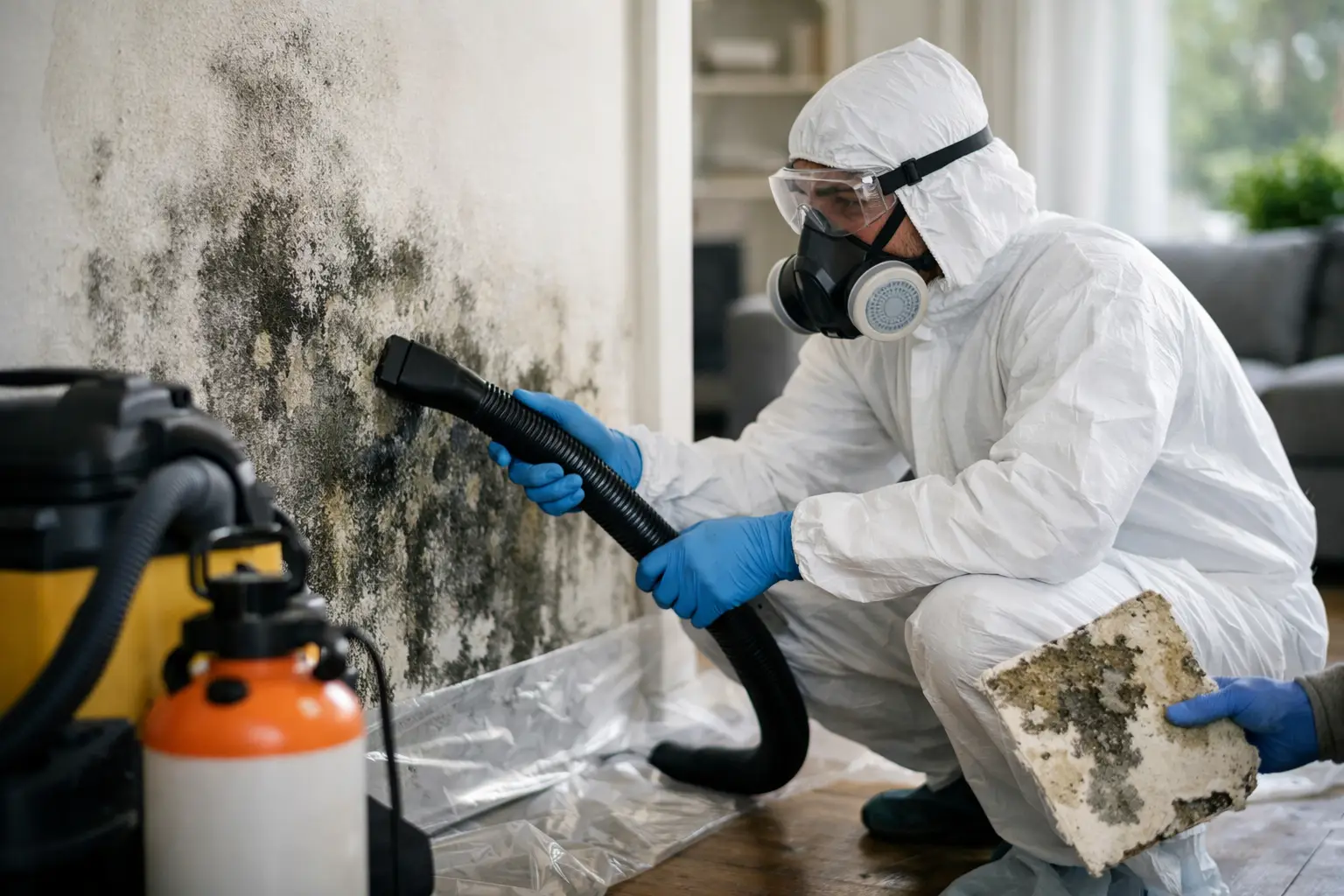 Mold
MoldContainment, removal, and moisture control that stops mold from coming back.
Learn more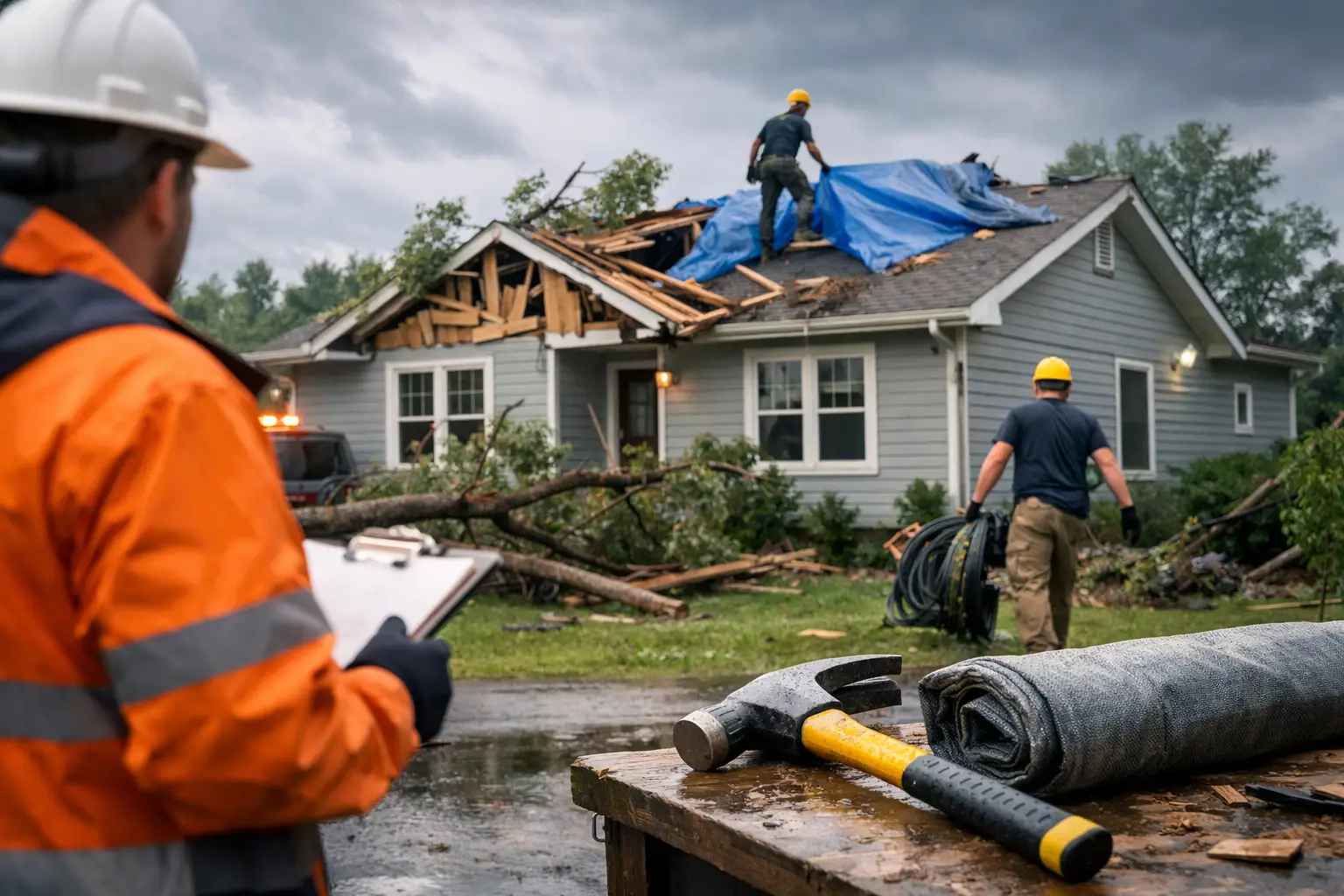 Storm
StormEmergency board-up, roof tarping, and full recovery after wind, hail, and storms.
Learn more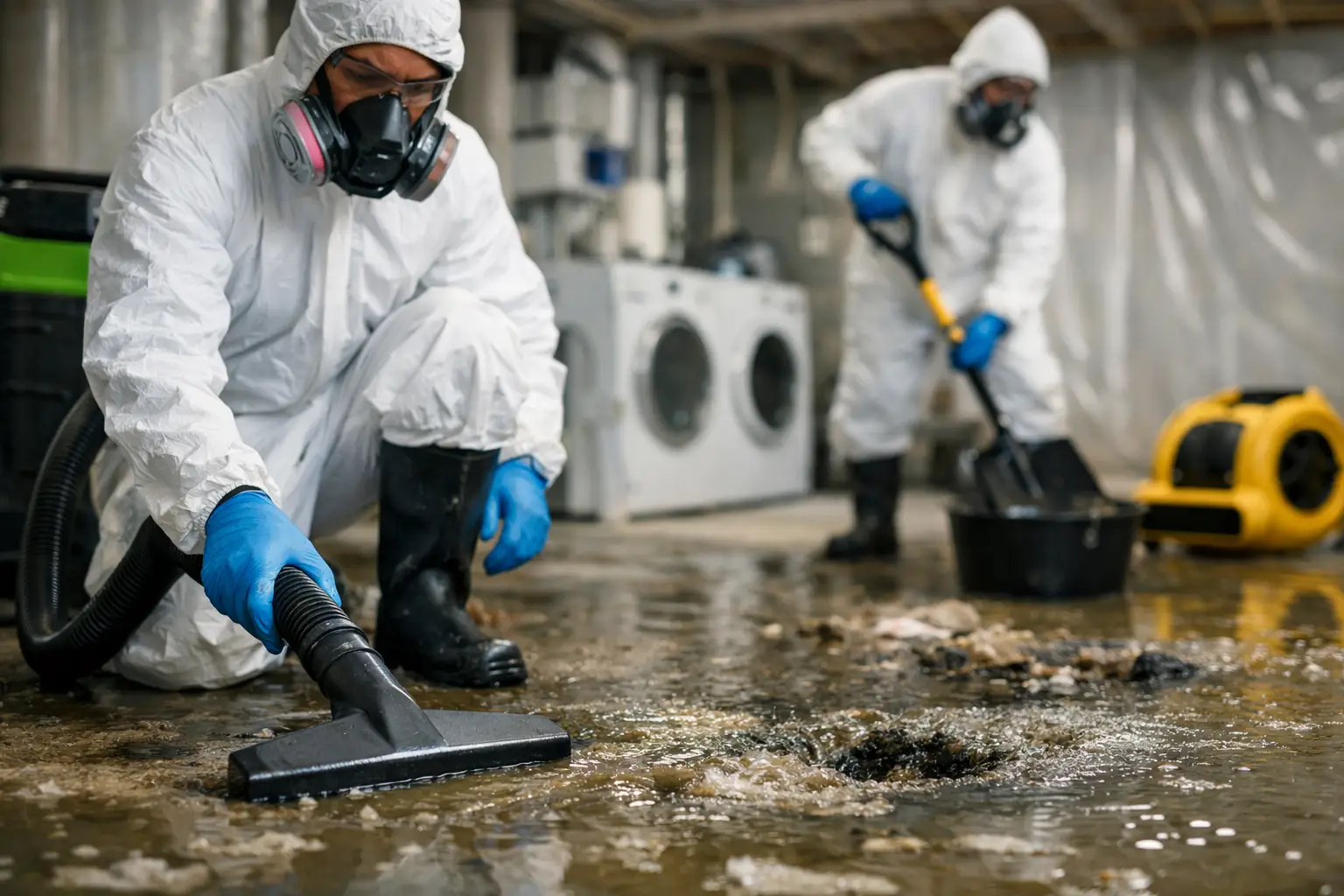 Sewage
Safe biohazard cleanup and sanitizing after sewage backups and overflows.
Learn more Reconstruction
Full rebuild by a licensed general contractor, so your property comes back whole.
Learn moreElevated Operations is an IICRC-certified, licensed general contractor based in Mableton that handles the entire recovery in-house, so after one loss you are never coordinating a cleanup crew, a mold crew, and a contractor separately. One team, one point of contact, from the first pump-out to the final coat of paint.
People call when the property feels like a disaster. They leave reviews because Chris and the crew made it right. These are real, verified Google reviews.
Usually, yes. A toilet backup is a sewage event, not ordinary water damage, and it often falls under black water remediation. In Riverdale bathrooms, contamination can move under flooring and into the base of drywall or vanities even when the visible spill looks small. I inspect the area, remove damaged materials where needed, and disinfect the surfaces that can be safely saved.
It starts with containment, then contamination removal, cleaning, disinfection, and drying. Homes near the airport corridor and in older Clayton County subdivisions often have older finishes that absorb sewage fast. I check flooring edges, cabinets, and wall bottoms because what you see on top is rarely the full loss.
Sometimes, but only on non-porous materials that were not deeply affected. Sanitization helps after sewage cleanup, but it does not make soaked drywall, carpet pad, or insulation safe again. In older Riverdale homes, I look carefully at how far the contamination traveled before I decide what can stay.
I trace the smell to the source and deal with that material first. Odor control works when the sewage contamination is removed, the affected structure is cleaned, and moisture is fully addressed. In Riverdale, sewer odor often hides in trim gaps, cabinet bases, and flooring seams.
Usually wet insulation, damaged drywall, carpet pad if present, swollen baseboards, and any particleboard storage or cabinets that soaked up sewage. Laundry rooms in Riverdale can spread contamination quickly because of floor transitions and wall cavities. I remove what cannot be disinfected fully, then treat the remaining structure.
Yes. I provide direct insurance billing, which helps keep the claim moving while the cleanup is underway. That matters after a sewage backup because the home needs action fast, not a paperwork delay. I also offer deductible assistance up to $1,000 when eligible.
I provide 24/7 emergency response in 60 minutes. That speed matters in Clayton County because sewage can spread into multiple rooms fast, especially in older subdivisions where materials are more absorbent and layouts can trap moisture.
I treat it as restoration and biohazard cleanup, not janitorial work. My team is IICRC-certified, I have been in restoration since 2007, and I am a licensed general contractor. That means I can assess damage, remove contaminated materials, and manage the rebuild side if needed.
Elevated Operations dispatches IICRC-certified crews across Metro Atlanta from our Mableton base, with a 60-minute emergency response day or night. Choose your city:
Call now for an immediate response, or request your free inspection and get a certified crew on-site within the hour across Atlanta and nearby areas.




