24/7 Emergency Restoration · Serving Metro AtlantaEmergency? (770) 404-6895
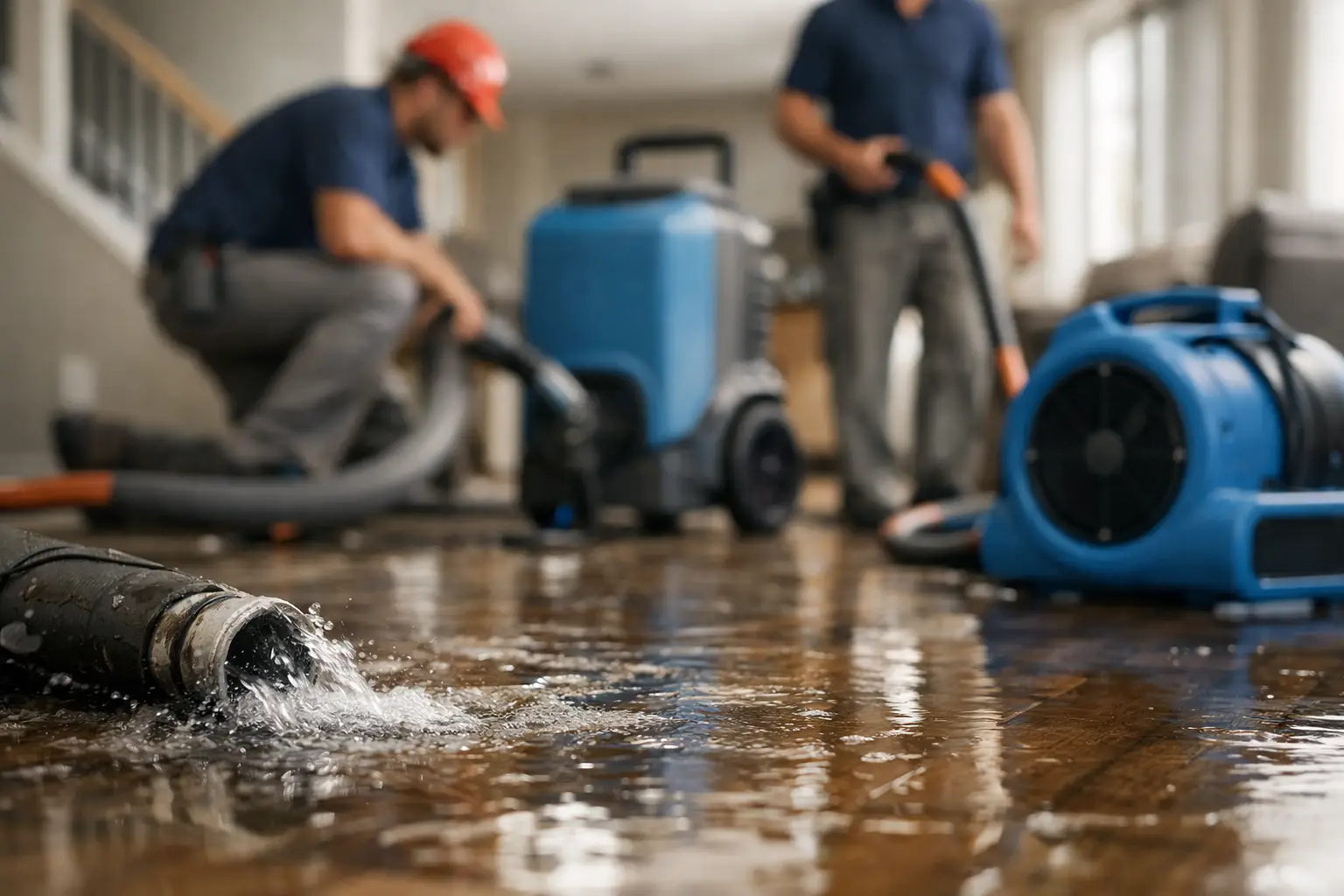
Water mitigation services Decatur homeowners need are about stopping damage fast, not waiting for floors to “dry out on their own.” In Decatur’s Craftsman bungalows, plaster walls, heart-pine floors, and older cast-iron laterals can hide moisture where you cannot see it. I break the myths and show the facts.
IICRC-Certified · 5-Star Rated · 60-Minute Response · Insurance Billed Directly
No. Mitigation stops the damage and dries the structure. Restoration happens after that, when repairs begin. In older Decatur homes, the difference matters because plaster and heart-pine need careful drying before any rebuilding.
Call immediately. Water spreads into trim, floors, and wall cavities fast, especially in older Decatur construction. I offer 24/7 emergency response because waiting is how small leaks become bigger repairs.
Yes. I offer direct insurance billing and keep the documentation organized. That helps move the mitigation process forward while I focus on drying, moisture control, and protecting the structure.
Yes. That is exactly the kind of home that needs careful water mitigation. Plaster, heart-pine, and older plumbing details can trap moisture, so I plan the drying work around the house, not around a template.
The biggest myth is that water mitigation services only matter after a huge flood. Fact, even a small leak in a Decatur bungalow can move into plaster, subflooring, and trim fast. I treat water mitigation as loss mitigation, because hidden moisture is what turns a manageable problem into a bigger one.
In Decatur, I see this in homes with heart-pine floors and older plaster walls. Water does not stay where it started. It wicks into cavities, lath, and framing, then sits there until dehumidification and structural drying are done correctly.
A cast-iron lateral can add another wrinkle. If a drain backs up, people assume the water is “clean enough” to ignore. It is not. IICRC-certified technicians know that source, spread, and material all matter before any drying equipment gets set.
The myth is simple, the damage is not. If you wait because the room looks fine, you can miss moisture behind baseboards, under cabinets, and inside wall assemblies. That is why I start with water extraction, then containment, then the right drying plan.
Water mitigation services include stopping the spread, removing standing water, checking moisture in hidden areas, setting containment when needed, and beginning structural drying. In Decatur homes, that means I pay close attention to plaster, heart-pine, and trim where water can travel quietly through older construction.
Myth, mitigation is just a fan in the room. Fact, proper water damage mitigation is a sequence. I look at the source, perform water extraction, protect unaffected areas with containment, and use drying equipment that matches the materials, not a one-size-fits-all setup.
Decatur homes often have mixed ages of construction. One room may be updated while the next still has original finishes. That is where moisture control matters, because the wrong airflow can push humidity deeper into assemblies instead of pulling it out.
I am not guessing when I set up drying. IICRC-certified technicians measure conditions, track the drying process, and keep the job moving toward dry materials, not just a drier feeling room. That is the difference between appearance and real mitigation.
Water mitigation should start immediately, because the clock starts the moment water hits wood, plaster, or drywall. In Decatur, that matters even more in older homes where heart-pine floors and plaster can trap moisture. Fast action is how I limit damage and reduce the scope of drying.
Myth, you can wait until the next day if the water is not deep. Fact, moisture starts moving right away. By the time a homeowner calls around, water may already be under trim, behind cabinets, or into a crawl space.
Mold starts in 24 to 48 hours, so delay gives biology time to join the problem. I do not treat that as a scare tactic. I treat it as the reason to start loss mitigation fast and keep the structure from turning into a longer repair.
Decatur streets have plenty of older housing stock, and older materials need a faster response, not a slower one. I offer 24/7 emergency response with a 60-minute emergency response target because timing changes outcomes when moisture is already spreading.
No, water mitigation is not the same as water restoration. Mitigation stops the spread and dries the structure, while restoration rebuilds what was damaged after the area is dry. In Decatur, that distinction matters when plaster, trim, and heart-pine need both careful drying and later repair.
Myth, once the water is gone, the job is done. Fact, the real work starts with mitigation and ends with restoration. I handle the first part by removing water, managing humidity, and protecting materials so the damage does not keep growing.
Restoration can mean replacement or repair after drying is complete. But if the mitigation stage is rushed, the restoration stage gets harder. That is especially true in older Decatur homes where wood movement, paint failure, and hidden moisture can show up late.
I am a licensed general contractor, so I understand both sides of the process. But I do not blur them together. Good mitigation sets up a cleaner restoration, and bad mitigation makes even small repairs more expensive and more disruptive.
During water mitigation, I inspect the affected areas, remove standing water, identify hidden moisture, set containment if needed, and begin structural drying. In a Decatur bungalow, that often means checking plaster walls, heart-pine floors, and crawl space conditions that can hide water long after the surface looks fine.
Myth, you can dry a bungalow by opening windows and turning on ceiling fans. Fact, that can make things worse if humidity is already high or if moisture is trapped in cavities. I use drying equipment and dehumidification to control the environment instead of hoping for good weather.
Older Decatur homes deserve care at the material level. Plaster can look intact while the lath behind it is wet. Heart-pine can cup or hold moisture underneath. Water extraction is only the beginning if the hidden structure is still wet.
I document what I find, communicate the plan, and keep the work focused on actual moisture control. That matters when the home has original finishes people want to keep, because a smart mitigation plan protects more of the house before it becomes a demolition job.
Cast-iron laterals make water damage harder to ignore because drain problems can send water where homeowners do not expect it, and that moisture can linger in walls, floors, and under structures. In Decatur, older sewer connections can complicate both cleanup and drying, so I do not guess.
Myth, if the drain still flows later, the problem fixed itself. Fact, a backup can still leave contaminated moisture behind, and that moisture does not care that the pipe seems clear now. It still has to be extracted and dried correctly.
In a Decatur home, a cast-iron lateral issue can affect laundry rooms, baths, and crawl spaces fast. That is why I evaluate the source before I start drying, because the cleanup method changes when the water came from a drain versus a supply leak.
This is where loss mitigation matters. I am trying to limit the spread, reduce damage to materials, and keep the home stable enough for the next step. If the plumbing problem is ignored, the drying job may be fighting the same water all over again.
Fact: Small puddles can soak into heart-pine seams, crawl spaces, and plaster edges fast. In Decatur, I see little leaks turn into hidden moisture problems because the home looks dry before the structure actually is.
Fact: Fans move air, they do not remove moisture. True structural drying uses drying equipment, dehumidification, and moisture checks. That is how I get a wall cavity or floor assembly actually dry, not just more comfortable.
Fact: Older Decatur bungalows can be dried safely when the process respects plaster, trim, and original wood. IICRC-certified technicians know how to dry the structure without turning a mitigation job into avoidable demolition.
From emergency mitigation to full reconstruction, handled in-house so you are never managing a chain of subcontractors mid-crisis.
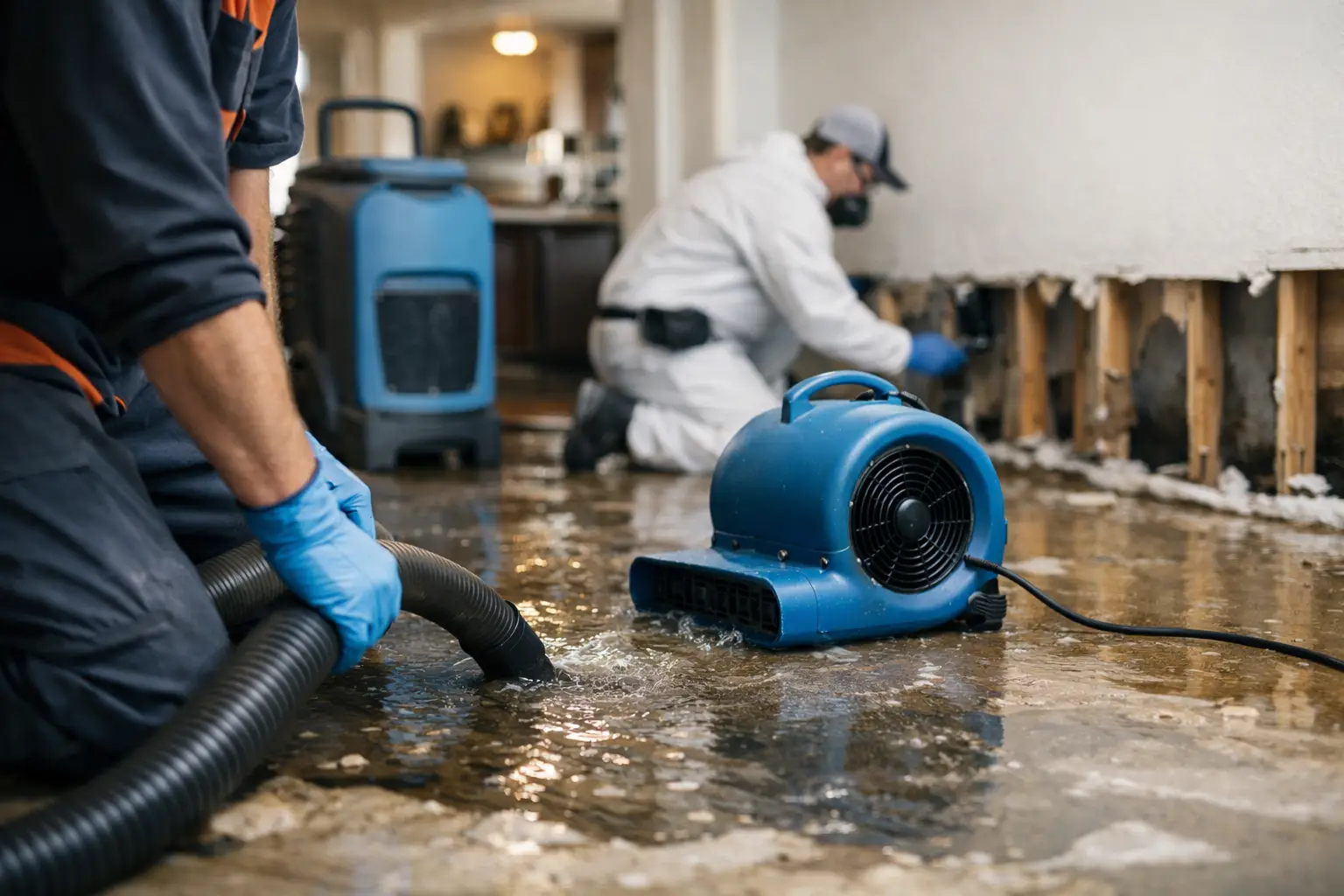 Water Damage
Extraction, structural drying, and moisture mapping after floods, leaks, and burst pipes.
Get help now Fire & Smoke
Soot removal, odor deodorization, and content cleaning after fire and smoke damage.
Learn more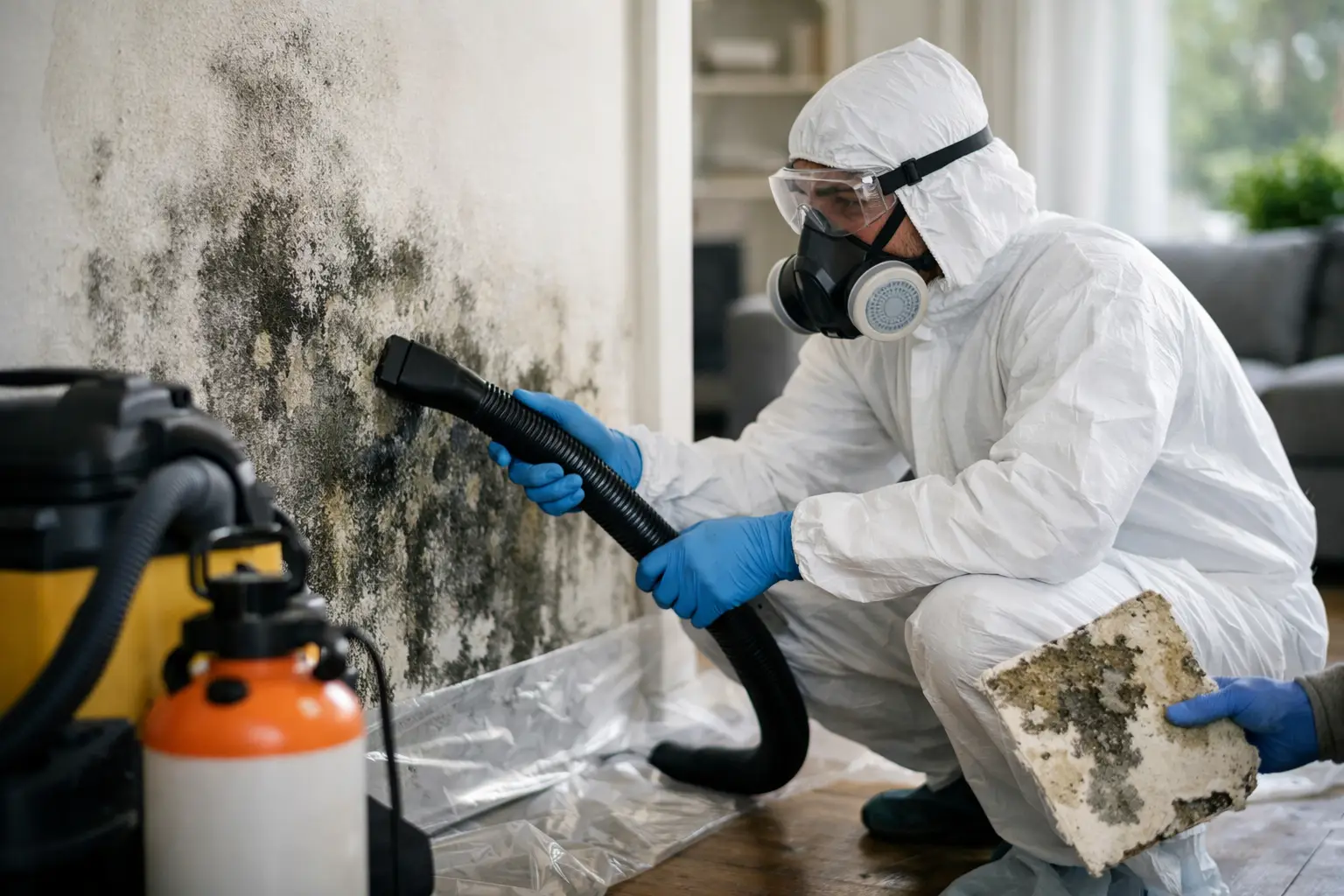 Mold
MoldContainment, removal, and moisture control that stops mold from coming back.
Learn more Storm
StormEmergency board-up, roof tarping, and full recovery after wind, hail, and storms.
Learn more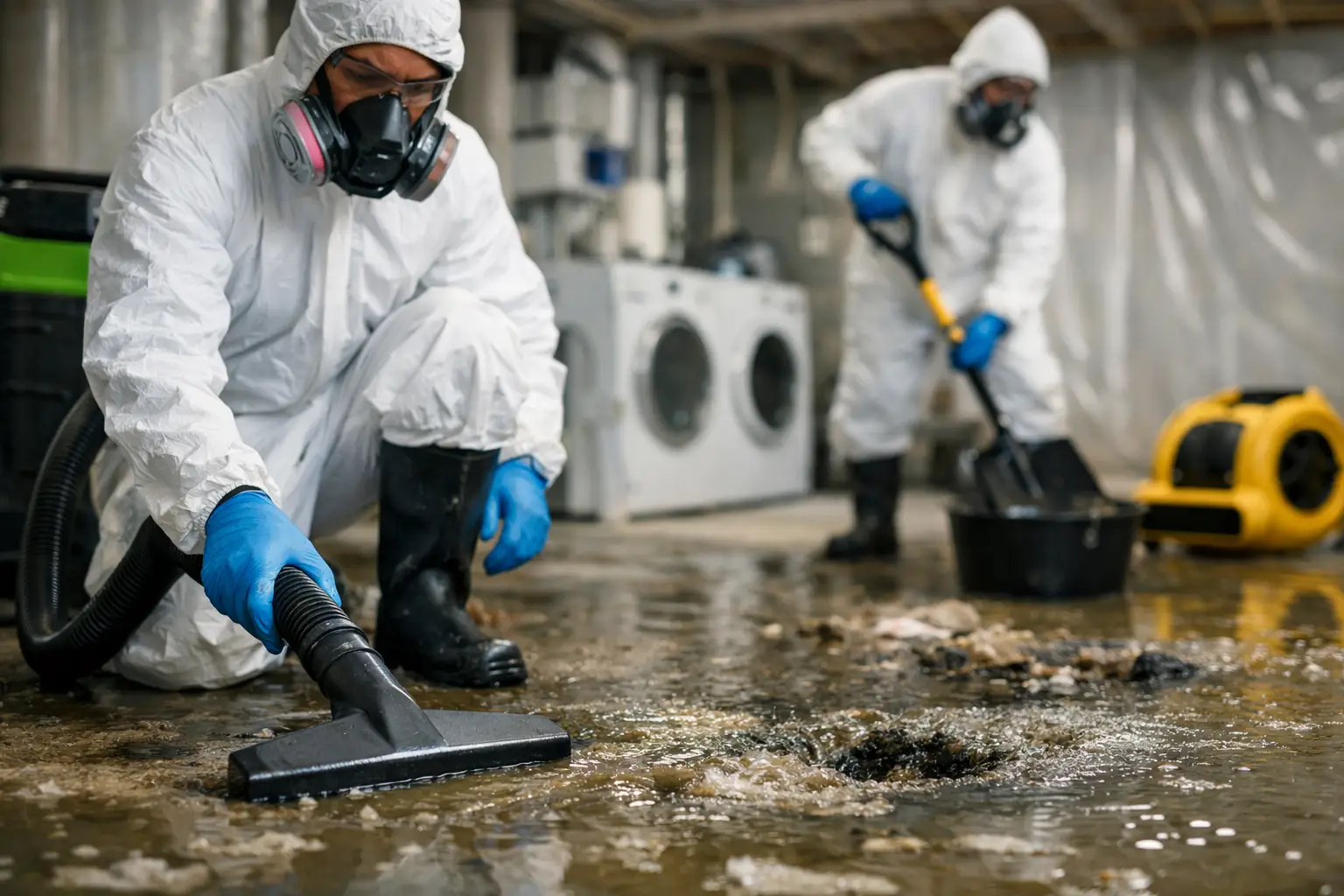 Sewage
Safe biohazard cleanup and sanitizing after sewage backups and overflows.
Learn more Reconstruction
Full rebuild by a licensed general contractor, so your property comes back whole.
Learn moreElevated Operations is an IICRC-certified, licensed general contractor based in Mableton that handles the entire recovery in-house, so after one loss you are never coordinating a cleanup crew, a mold crew, and a contractor separately. One team, one point of contact, from the first pump-out to the final coat of paint.
People call when the property feels like a disaster. They leave reviews because Chris and the crew made it right. These are real, verified Google reviews.
Yes, they often do. Craftsman bungalows in Decatur can have plaster, heart-pine flooring, and older framing that hold moisture differently from newer materials. I adjust the mitigation plan around those details so drying is effective without over-tearing the house apart. The goal is to stop the damage and protect the original structure.
Usually no. Water extraction is the start, not the finish. A cast-iron lateral backup can leave contaminated moisture in flooring, walls, and substructures, so I look at containment, cleaning needs, and structural drying next. In older Decatur homes, that extra moisture can hide in places homeowners do not check on their own.
Plaster walls need careful moisture assessment because the surface can look stable while the cavity behind it is wet. I check for hidden water, set up drying equipment, and use dehumidification to pull moisture out of the assembly. In Decatur, that approach helps preserve original finishes instead of forcing unnecessary removal.
That happens a lot. A room can feel dry while materials are still holding moisture under trim, behind baseboards, or in flooring layers. I still inspect for hidden water and measure the structure before I decide the job is done. In older Decatur homes, the visible surface can be misleading.
Heart-pine moves with moisture, so if it is not dried correctly it can cup, swell, or keep holding dampness under the surface. I use moisture control and structural drying to stabilize the flooring before the problem spreads. That is especially important in older Decatur homes with original wood.
Containment helps isolate wet areas so humidity and debris do not spread into the rest of the house. In a Decatur bungalow with plaster walls and original trim, that matters because I want to protect dry rooms while I work on the damaged space. It keeps the mitigation tighter and more controlled.
Often, yes, and I offer direct insurance billing to make that part easier. I document the job, communicate clearly, and help with deductible assistance up to $1,000 when eligible. The important thing is to start fast, because the longer moisture sits in an older Decatur home, the harder the claim and the drying job can get.
Call me first if the water is spreading or the structure is getting wet. Elevated Operations, LLLP is based in Mableton, and I provide 24/7 emergency response with a 60-minute emergency response target. I am Chris Kwangwari, and IICRC-certified technicians handle the mitigation work with direct insurance billing and a 12-month warranty.
Elevated Operations dispatches IICRC-certified crews across Metro Atlanta from our Mableton base, with a 60-minute emergency response day or night. Choose your city:
Call now for an immediate response, or request your free inspection and get a certified crew on-site within the hour across Atlanta and nearby areas.