24/7 Emergency Restoration · Serving Metro AtlantaEmergency? (770) 404-6895
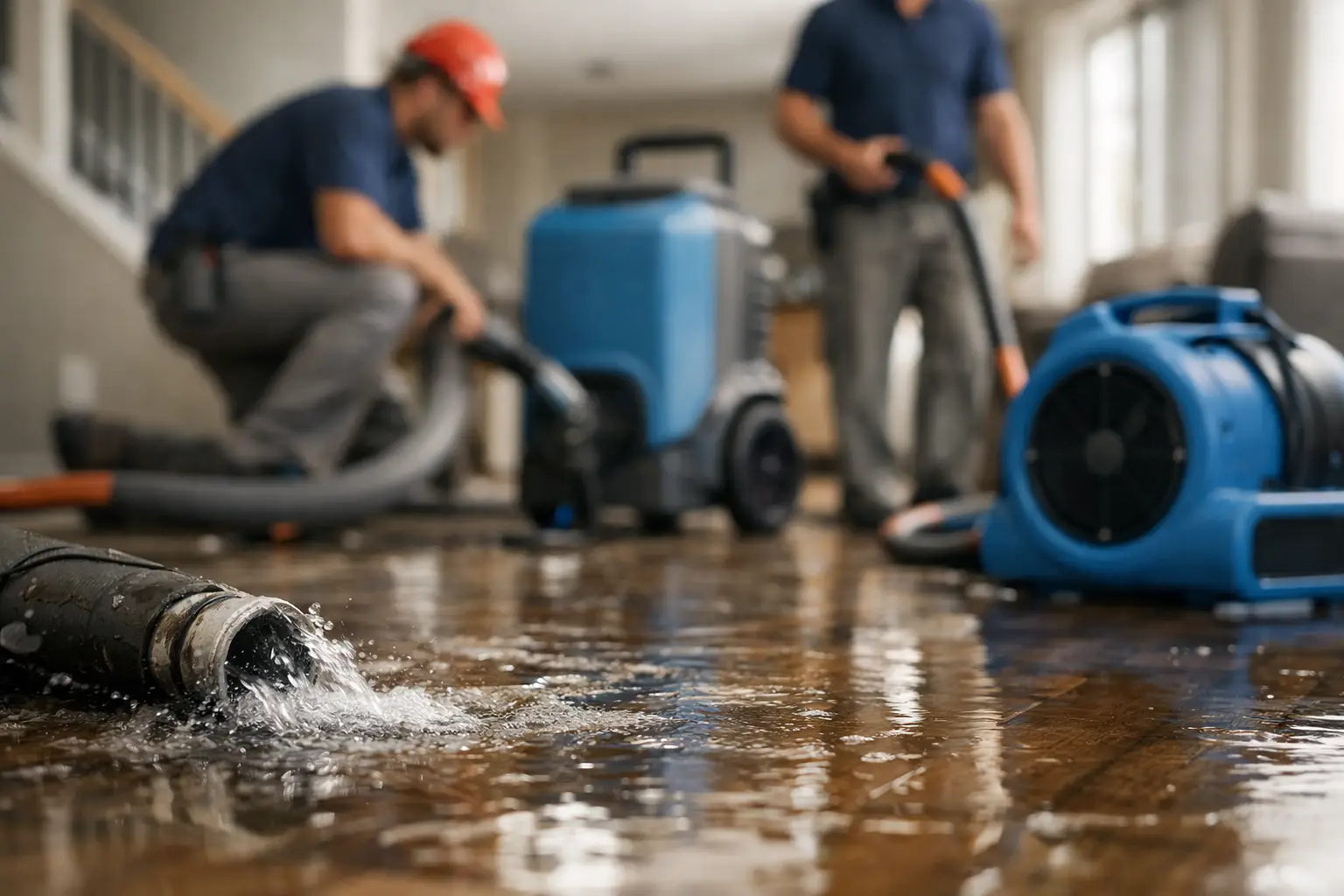
Crawl space mold removal Acworth homeowners need starts with the truth, not a bleach bottle and a hunch. I’m Chris Kwangwari, and I’ve been doing this since 2007. If your crawl space smells musty near Lake Acworth or after a day at the Allatoona dock, I know what that usually means.
IICRC-Certified · 5-Star Rated · 60-Minute Response · Insurance Billed Directly
Not as a fix. A crawl space that is already damp can pull in more humid air and keep the mold cycle going, especially around Lake Acworth and Allatoona.
Yes, if moisture is still present. Small spots can be the first visible sign of a bigger moisture problem, and that is the part I want stopped first.
No. Fans can move humid air around, and bleach does not solve hidden moisture. Real cleanup has to address the source, the affected materials, and the damp conditions.
I am a licensed general contractor, IICRC-certified, and I use a direct, insurance-friendly process. My crew focuses on the moisture source first, then the cleanup and repair.
Myth: mold just shows up in older homes. Fact: crawl space mold starts with moisture, and Acworth homes near Lake Acworth and Allatoona often collect it from humid air, drainage issues, and wet soil under the house.
A crawl space does not need a flood to grow mold. It needs damp air, damp wood, or wet ground long enough for fungal growth to get established. In Acworth, I see this after heavy rain, around low-lying yards, and under homes with weak moisture control.
People blame the age of the house first. That is usually wrong. The real problem is the path moisture takes under the structure, through vents, around piers, or across bare soil, then into joists and subflooring. That is where crawl space mold remediation starts.
If you spend time at the lake or the Allatoona dock, you know humidity hangs around. Your crawl space feels that too. Without dehumidification, a vapor barrier, and the right crawl space cleanup, the space can keep feeding mold long after the visible spots are gone.
Myth: you can spray mold once and move on. Fact: proper crawl space mold removal means finding the moisture source, doing fungal growth removal, cleaning affected materials, and then correcting conditions so the problem does not come right back.
I do not call a fogger a fix. Real work starts with inspection, then crawl space cleanup, containment when needed, and direct treatment of affected surfaces. If wood is stained or active, wood treatment may be part of the plan, but only after the moisture source is addressed.
Acworth crawl spaces often hide the evidence. The joists may look fine from the hatch, but the underside tells a different story. That is why IICRC-certified technicians matter. They know how to assess the scope, not just the odor, and they know when moisture control is the actual repair.
If the floor above still feels musty after a day at the lake, the crawl space may still be holding moisture. I have seen homes near Lake Acworth and up toward Allatoona where the surface mold was cleaned, but the air stayed bad until dehumidification and sealing were done.
Myth: bleach is the fastest solution. Fact: bleach is not a crawl space strategy, especially on porous wood and framing. It can leave moisture behind, miss hidden growth, and fail to solve the conditions that keep mold coming back in Acworth homes.
Bleach sounds decisive. It is not. In a crawl space, the problem is usually on wood, insulation, dust, and framing, not a bathroom tile surface. Those materials soak up moisture and can hold contamination, so simple spraying does not equal real crawl space mold removal.
The better question is what happened under the house in the first place. If you have condensation, standing dampness, or soil humidity, bleach does nothing to stop the cycle. That is why I look at vapor barrier coverage, drainage patterns, and air control before I touch the visible staining.
Around Lake Acworth, the air can stay heavy for long stretches. Near Allatoona, the same thing happens. If the crawl space stays damp, the house keeps paying for it. A one-step chemical fix is the wrong answer, every time.
Myth: crawl space mold stays under the house. Fact: air moves upward through the stack effect, and musty air from a crawl space can affect the rooms above, especially when the home is closed up during humid Acworth weather.
Yes, it can. I have walked into homes where the family thought the issue was only under the house, but the smell was showing up in hall closets, bedrooms, and the HVAC return path. Air does not respect the crawl space hatch.
When moisture control fails, spores and musty odors can travel into the living area. That is why crawl space mold remediation often has to pair cleaning with encapsulation or improved sealing. If the crawl space is still open to wet ground, the air problem usually continues.
Homes near Lake Acworth and the Allatoona dock see plenty of humid days. That humidity does not stay outside. It gets pulled into the structure and can make the indoor air feel stale, even when the house is spotless on top.
Myth: encapsulation is optional decoration. Fact: after mold removal, encapsulation is often the smart next step because it blocks ground moisture, supports dehumidification, and helps keep the crawl space dry enough to stop another outbreak.
Encapsulation is not for looks. It is a moisture control move. If the crawl space floor is bare soil, humidity keeps rising from below, and mold has a reason to return. A properly installed vapor barrier changes that environment and gives the structure a fighting chance.
I have seen Acworth homes where the mold was cleaned, but the space stayed raw and damp. That is a setback waiting to happen. When the crawl space is sealed and supported with dehumidification, the conditions under the house stop feeding the problem day after day.
Near Lake Acworth and Allatoona, I never assume the crawl space will stay dry on its own. Encapsulation is often the difference between a short-term cleanup and a real fix. That is not hype. That is what the moisture load demands.
Myth: the smell is harmless once the visible mold is gone. Fact: a musty crawl space smell usually means moisture is still present, and without the right crawl space mold remediation, mold can return in the same conditions.
The smell is a warning, not a character flaw in the house. Musty odors often mean hidden dampness in framing, insulation, or soil vapor under the home. If that moisture is not corrected, the mold does not have to work hard to return.
A lot of Acworth homeowners call after cleaning what they could see and still smelling it upstairs. That is common. The fix is not more perfume, not more bleach. It is finding the source, then using the right combination of cleanup, sealing, and dehumidification.
If you are close to Lake Acworth or heading out past Allatoona for the weekend, you know what humid air feels like on your skin. Your crawl space feels the same pressure. Without control, that smell sticks around and keeps the cycle alive.
Fact: in Acworth, ordinary humidity can be enough. A crawl space with bare soil, weak ventilation, or wet joists can support mold growth without any dramatic water event.
Fact: surface dryness does not mean the crawl space is healthy. Moisture can stay in framing, insulation, and soil vapor, which is why cleanup and moisture control have to work together.
Fact: crawl space mold removal has to address the source, the contamination, and the conditions that caused it. Without encapsulation, a vapor barrier, or dehumidification when needed, mold often returns.
From emergency mitigation to full reconstruction, handled in-house so you are never managing a chain of subcontractors mid-crisis.
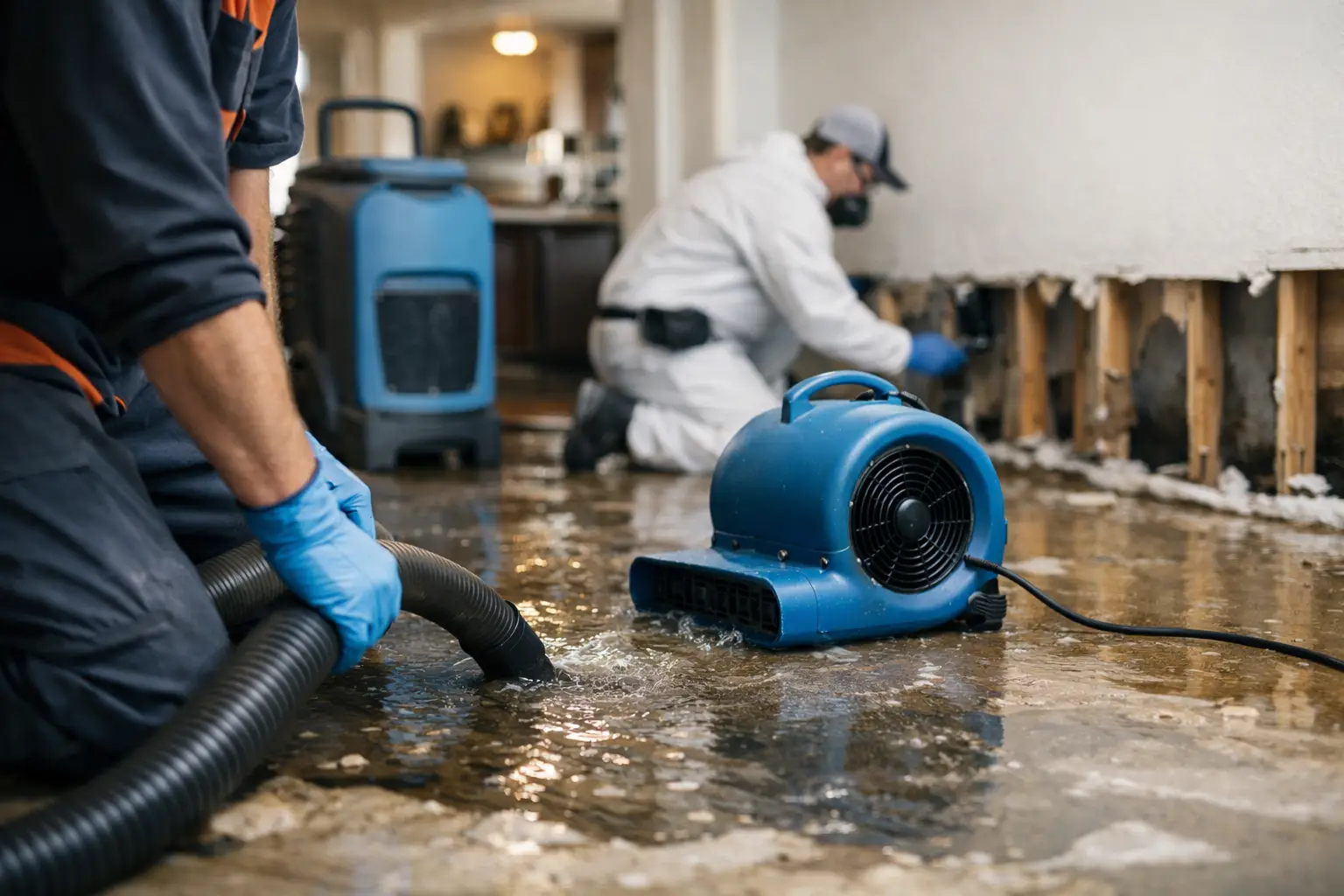 Water Damage
Extraction, structural drying, and moisture mapping after floods, leaks, and burst pipes.
Get help now Fire & Smoke
Soot removal, odor deodorization, and content cleaning after fire and smoke damage.
Learn more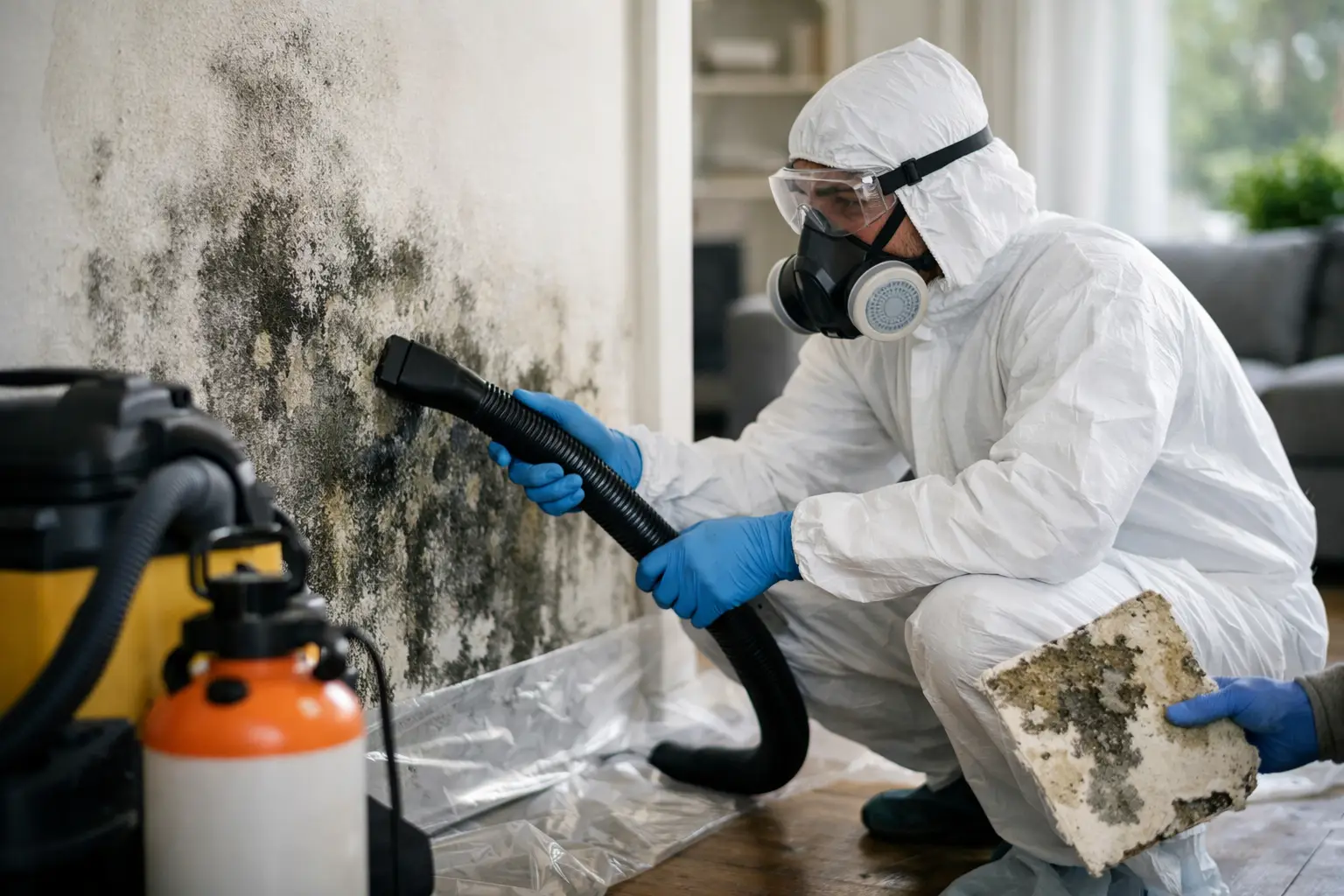 Mold
MoldContainment, removal, and moisture control that stops mold from coming back.
Learn more Storm
StormEmergency board-up, roof tarping, and full recovery after wind, hail, and storms.
Learn more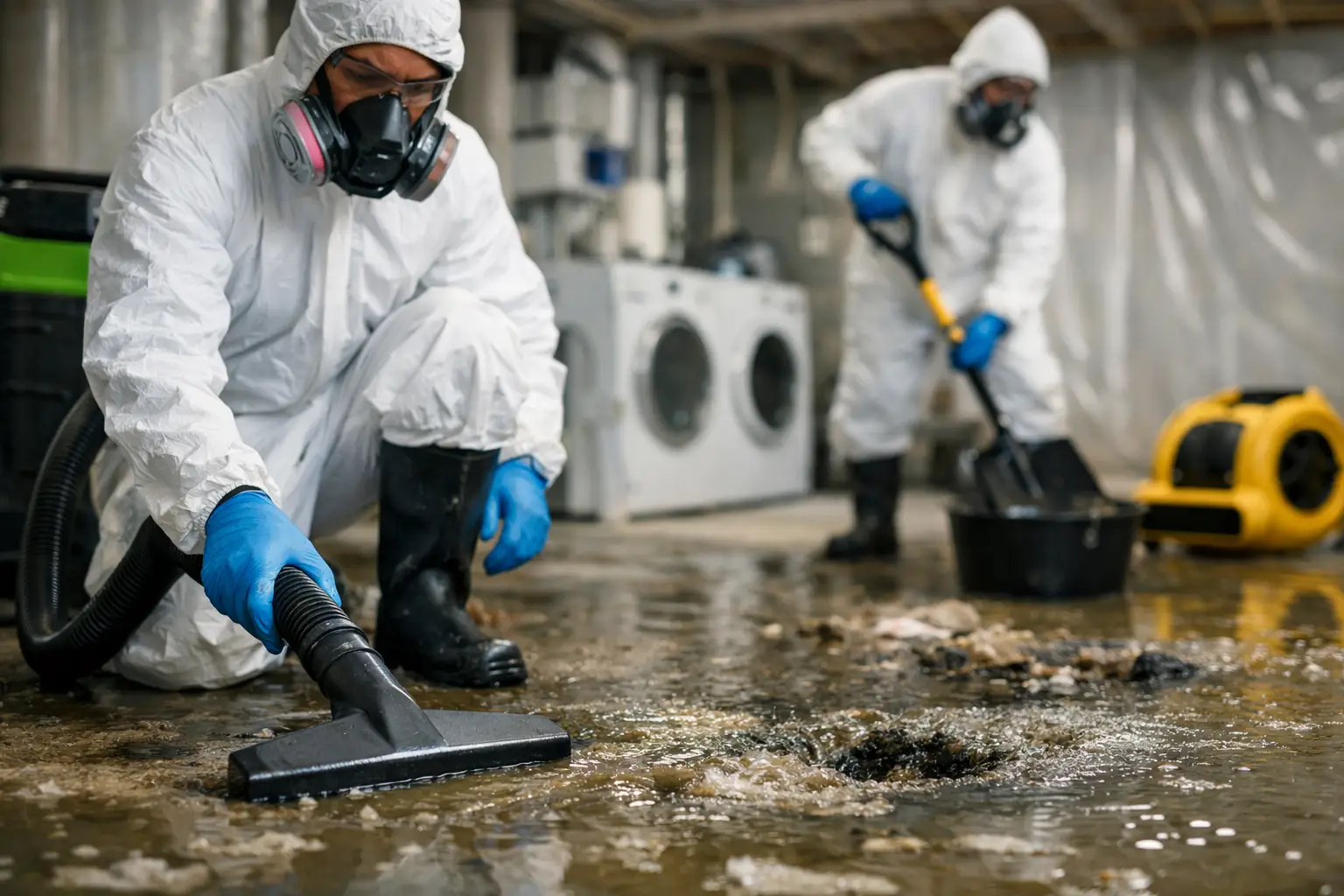 Sewage
Safe biohazard cleanup and sanitizing after sewage backups and overflows.
Learn more Reconstruction
Full rebuild by a licensed general contractor, so your property comes back whole.
Learn moreElevated Operations is an IICRC-certified, licensed general contractor based in Mableton that handles the entire recovery in-house, so after one loss you are never coordinating a cleanup crew, a mold crew, and a contractor separately. One team, one point of contact, from the first pump-out to the final coat of paint.
People call when the property feels like a disaster. They leave reviews because Chris and the crew made it right. These are real, verified Google reviews.
Homes near Lake Acworth and toward Allatoona deal with persistent humidity, and that moisture settles into crawl spaces fast. I see mold start where bare soil, weak drainage, or open vents let damp air hang under the house. Once the wood stays wet long enough, fungal growth follows. The fix is moisture control, not guessing at the stain.
I start with inspection, then identify where moisture is entering and what materials are affected. The work may include crawl space cleanup, fungal growth removal, and wood treatment on affected framing. But the older the house, the more important moisture control becomes. If the source stays, the mold will too.
Rain can raise humidity under the house, soak soil, and expose weak spots in drainage or the vapor barrier. That is common after storms around Acworth, especially if the crawl space already had damp wood or poor airflow. Mold does not need standing water. It needs a wet environment that lingers.
Often, yes. If the crawl space stays open to soil moisture, mold has a way back in. Encapsulation helps cut off that moisture load and pairs well with dehumidification. I do not treat encapsulation like a luxury. If the space keeps going damp, it is part of the fix.
Yes. Air rises, and crawl space odors and spores can move into the living space, especially when the home is closed up in humid weather. Near Allatoona, that can show up as a persistent musty smell in bedrooms or hallways. If the crawl space is the source, indoor air quality will keep suffering until it is addressed.
A vapor barrier helps, but it is not always enough by itself. If the crawl space already has mold, the contaminated materials still need to be cleaned or treated. After that, a properly installed vapor barrier can support moisture control and reduce the chance of another outbreak.
Do not wait for the stain to get obvious. Musty odor often means hidden moisture, and hidden moisture is what lets mold grow in the first place. In Acworth homes, I look at the crawl space floor, framing, and air movement first. The smell is a clue, not a coincidence.
I offer 60-minute emergency response 24/7, and my team handles direct insurance billing. We are based in Mableton, I’m Chris Kwangwari, and we’ve been in restoration since 2007. If you need crawl space mold removal in Acworth, call (770) 404-6895 and I’ll take it from there.
Elevated Operations dispatches IICRC-certified crews across Metro Atlanta from our Mableton base, with a 60-minute emergency response day or night. Choose your city:
Call now for an immediate response, or request your free inspection and get a certified crew on-site within the hour across Atlanta and nearby areas.




