24/7 Emergency Restoration · Serving Metro AtlantaEmergency? (770) 404-6895
Reconstruction Dallas is not just patching what you can see, it is property reconstruction after damage, and that matters in Dallas where well-water, septic systems, and homes near Pumpkinvine Creek can complicate cleanup. I am Chris Kwangwari, and I break down the myths homeowners hear before they make expensive mistakes.
IICRC-Certified · 5-Star Rated · 60-Minute Response · Insurance Billed Directly
It is the rebuild phase after cleanup. I replace what the damage ruined, from drywall to framing, so the home is structurally sound again.
When the damage reaches behind the surface. If flooring, drywall, or framing is compromised, repair alone is not enough.
Yes. Cleanup removes the mess, reconstruction restores the building. In Dallas, I often see both steps in the same job.
If the structure is weakened, warped, or exposed, it is more than damage repair. I inspect the framing, subfloor, and roof system before I decide.
Reconstruction after property damage is the work that puts a structure back together after cleanup is finished. It covers roof repair, drywall repair, flooring repair, framing repair, structural repair, and finish work when materials are removed, weakened, or contaminated by water, fire, or storm damage.
Myth: reconstruction is just cosmetic touch-up. Fact: if the damage reached framing, subfloors, insulation, or structural members, the job is bigger than paint and trim. In Dallas, that distinction matters because older houses, well-water homes, and septic properties often hide damage longer than people expect.
My crews at Elevated Operations, LLLP handle reconstruction as a licensed general contractor, and I keep the process anchored to what was actually damaged, not what looks easiest to replace. That includes structural repair when the bones of the building are affected and property reconstruction when several trades have to work in sequence.
Around Dallas and the Pumpkinvine Creek corridor, moisture can travel farther than the wet spot on the floor. I have seen homeowners assume a small leak only needs a quick patch, then learn the drywall, trim, and flooring repair all have to happen after hidden material is removed and dried properly.
Reconstruction is needed when cleanup stops being enough and building materials have to be replaced. If water, fire, or impact damage reached drywall, flooring, framing, or the roof system, then reconstruction is the next step, especially in Dallas homes with septic issues or groundwater concerns.
Myth: if the surface dries, the house is fine. Fact: drywall can look acceptable while the back side is falling apart, and flooring can hold odor or moisture below the surface. In Paulding County, that mistake shows up often in homes where well-water, septic lines, and drainage patterns keep things damp longer.
Dallas homes near Pumpkinvine Creek can face repeated water intrusion during heavy weather, and that changes the reconstruction scope fast. I look at whether the damage stayed superficial or moved into framing and structural repair, because the difference decides whether you need a handyman fix or full property reconstruction.
Fire changes the rulebook too. After water or fire damage cleanup, reconstruction may be necessary even when the room looks almost usable. IICRC-certified technicians on my team assess what survived, what was compromised, and what has to be rebuilt so the home is safe and consistent again.
Yes, reconstruction commonly follows water or fire damage cleanup once the damaged materials are removed and the structure is ready to rebuild. The mistake is thinking cleanup and reconstruction are the same thing, because cleanup handles contamination while reconstruction restores the building itself.
Myth: once the water is extracted or soot is wiped away, the job is done. Fact: cleanup only clears the damage path. Reconstruction begins after that, when you need drywall repair, flooring repair, framing repair, or roof repair to get the home back to pre-loss condition.
In Dallas, water cleanup after a leak or septic-related overflow can uncover swollen subfloors and hidden wall damage. Near Pumpkinvine Creek, storm-driven moisture can spread into lower areas and behind finishes, so reconstruction follows the cleanup, not the other way around. That sequencing protects the structure and the budget.
After fire cleanup, homeowners often want to keep as much as possible. I respect that, but charred framing, heat-damaged drywall, and warped flooring are not safe to leave in place. My job is to tell you where salvage ends and reconstruction starts, then move it forward with direct insurance billing when appropriate.
Property reconstruction takes as long as the damage requires, because scope controls the schedule. A small room with limited drywall and flooring repair moves differently than a home with structural repair, roof repair, or multiple rooms affected by water, fire, or storm damage.
Myth: there is a standard timeline. Fact: there is no honest one-size-fits-all answer. The rebuild depends on what was removed, what was damaged behind the walls, and how many trades are needed. A drywall patch is not the same as a full reconstruction with framing and finish carpentry.
Dallas homes built across different eras can create very different rebuild paths. Some need straightforward interior repair, while others need coordination between structural repair, subfloor replacement, and trim work. I keep the sequence tight because delays usually come from missed damage, not from the rebuild itself.
I also see homeowners assume they have to wait forever for insurance to sort things out before anything can happen. With direct insurance billing and deductible assistance up to $1,000, I help keep the process moving. That matters when a family is trying to get back into a workable home.
No, every reconstruction project is different because the damage path is different. One Dallas home may need only drywall repair and flooring repair, while another needs roof repair, structural repair, and framing repair after a leak, fire, or impact event.
Myth: if two houses had the same storm, they need the same work. Fact: construction type, drainage, and prior repairs all change the outcome. In Dallas, one home near Pumpkinvine Creek may take on runoff differently than a house on higher ground, even if the storm hit the whole area.
Paulding County homes with well-water and septic systems can add another layer. When moisture, drainage, or hidden line issues show up, the damage can travel through flooring, subfloors, and wall assemblies in ways that are not obvious at first glance. Reconstruction has to follow the evidence, not the assumption.
That is why I inspect carefully before I start rebuilding. IICRC-certified technicians look for hidden effects, and as a licensed general contractor, I make sure the rebuild is code-aware and practical. A clean-looking room can still need serious property reconstruction behind the scenes.
Homeowners often confuse damage repair with reconstruction because both sound like fixing the same problem. Damage repair addresses the visible issue, while reconstruction replaces building materials and restores the structure after the damaged parts have been removed.
Myth: the two terms mean the same thing. Fact: they do not. Damage repair may stop a leak or stabilize a surface, but reconstruction is the rebuilding phase when the home needs more than a patch. That is where drywall repair, flooring repair, and framing repair enter the picture.
In Dallas, that confusion can get expensive because people keep hiring the wrong scope of work. A wet wall by the kitchen sink or a damaged area near a septic line backup is not always a repair-only job. If materials are compromised inside the wall, reconstruction is the honest answer.
I have been in restoration since 2007, and I have learned that the best outcomes happen when the owner hears the truth early. My 4.9-star Google rating across 73 reviews reflects that approach. I tell people what can be repaired, what must be replaced, and what should never be left half-done.
Fact: cleanup removes water and contamination, reconstruction restores the structure. In Dallas homes near Pumpkinvine Creek, hidden moisture often means drywall, flooring, or framing still has to be replaced.
Fact: drywall can hide insulation damage, mold growth, and warped framing. In Paulding County homes with well-water and septic concerns, I inspect beyond the surface before I call it minor.
Fact: roof repair often becomes part of reconstruction when water intrusion spreads into attic framing, ceilings, and walls. If the damage crossed those layers, the rebuild has already started.
From emergency mitigation to full reconstruction, handled in-house so you are never managing a chain of subcontractors mid-crisis.
 Water Damage
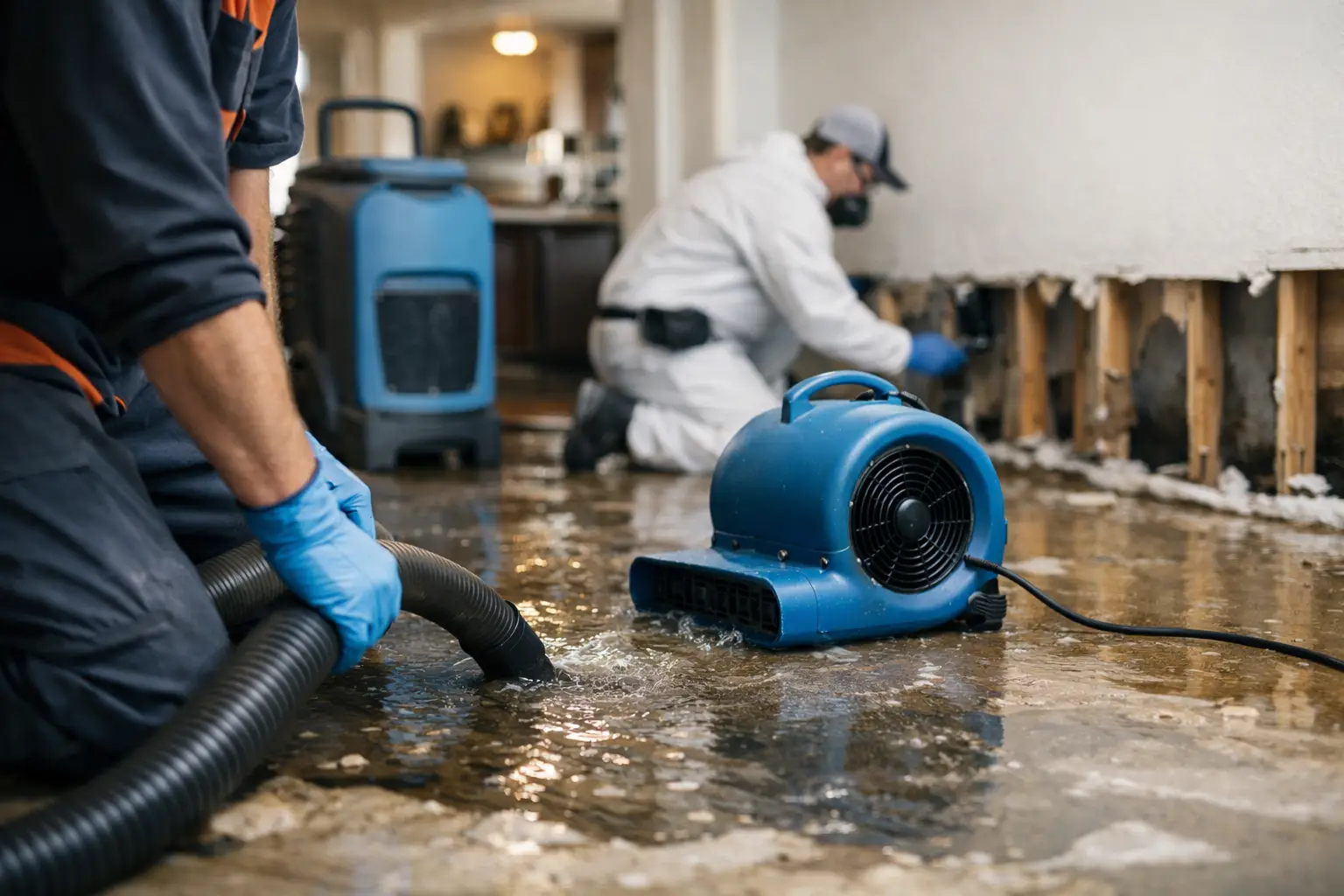
Extraction, structural drying, and moisture mapping after floods, leaks, and burst pipes.
Get help now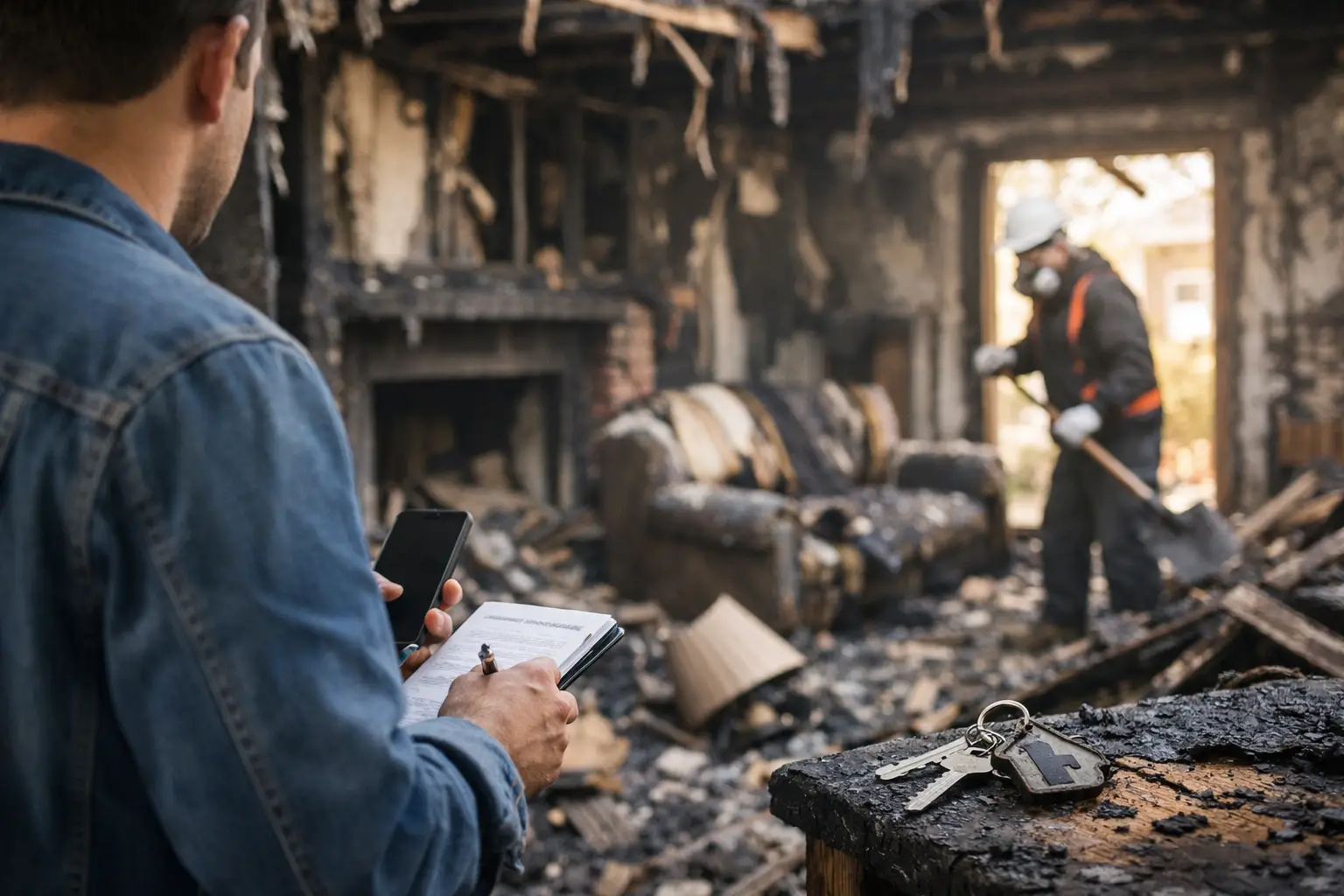 Fire & Smoke
Soot removal, odor deodorization, and content cleaning after fire and smoke damage.
Learn more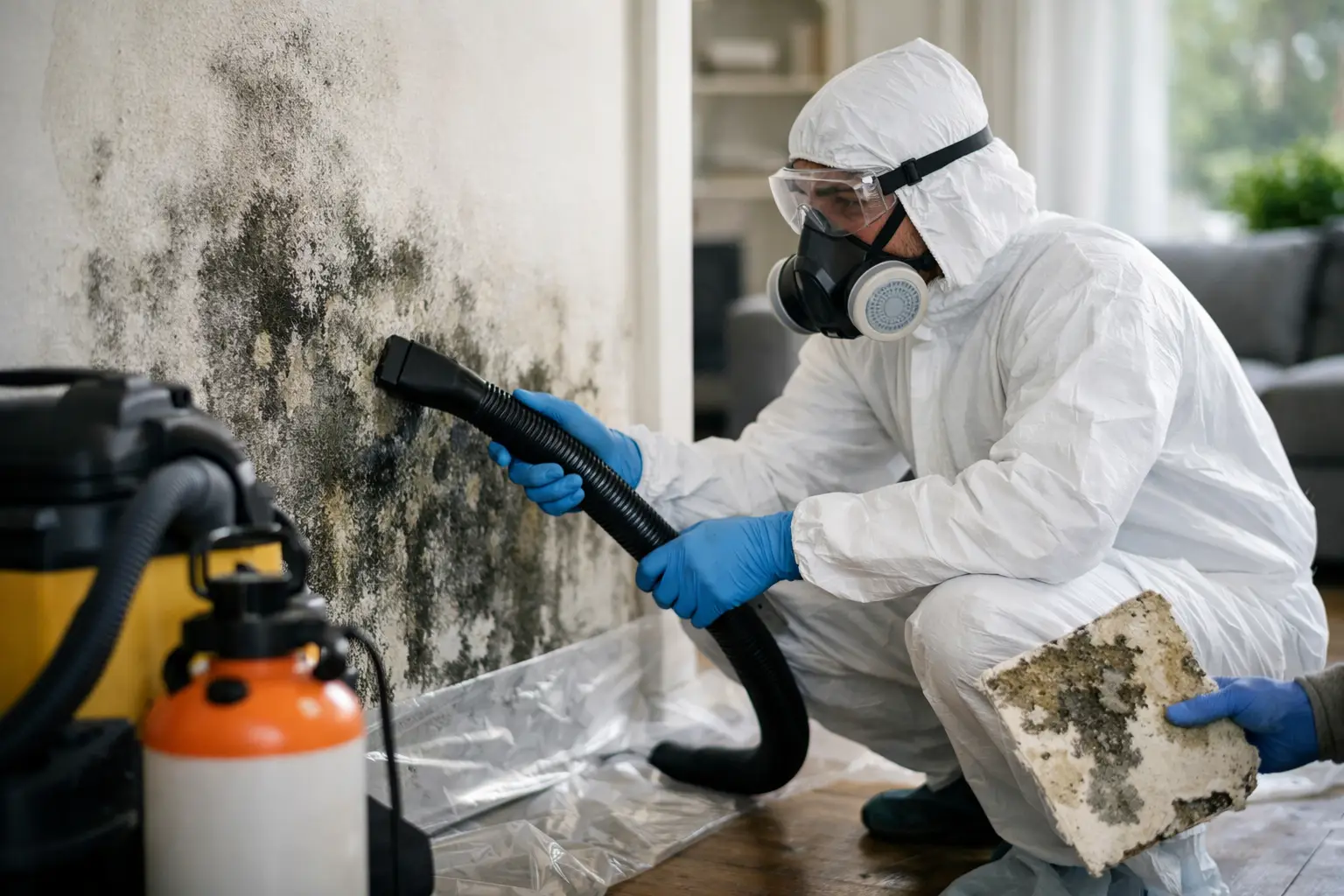 Mold
MoldContainment, removal, and moisture control that stops mold from coming back.
Learn more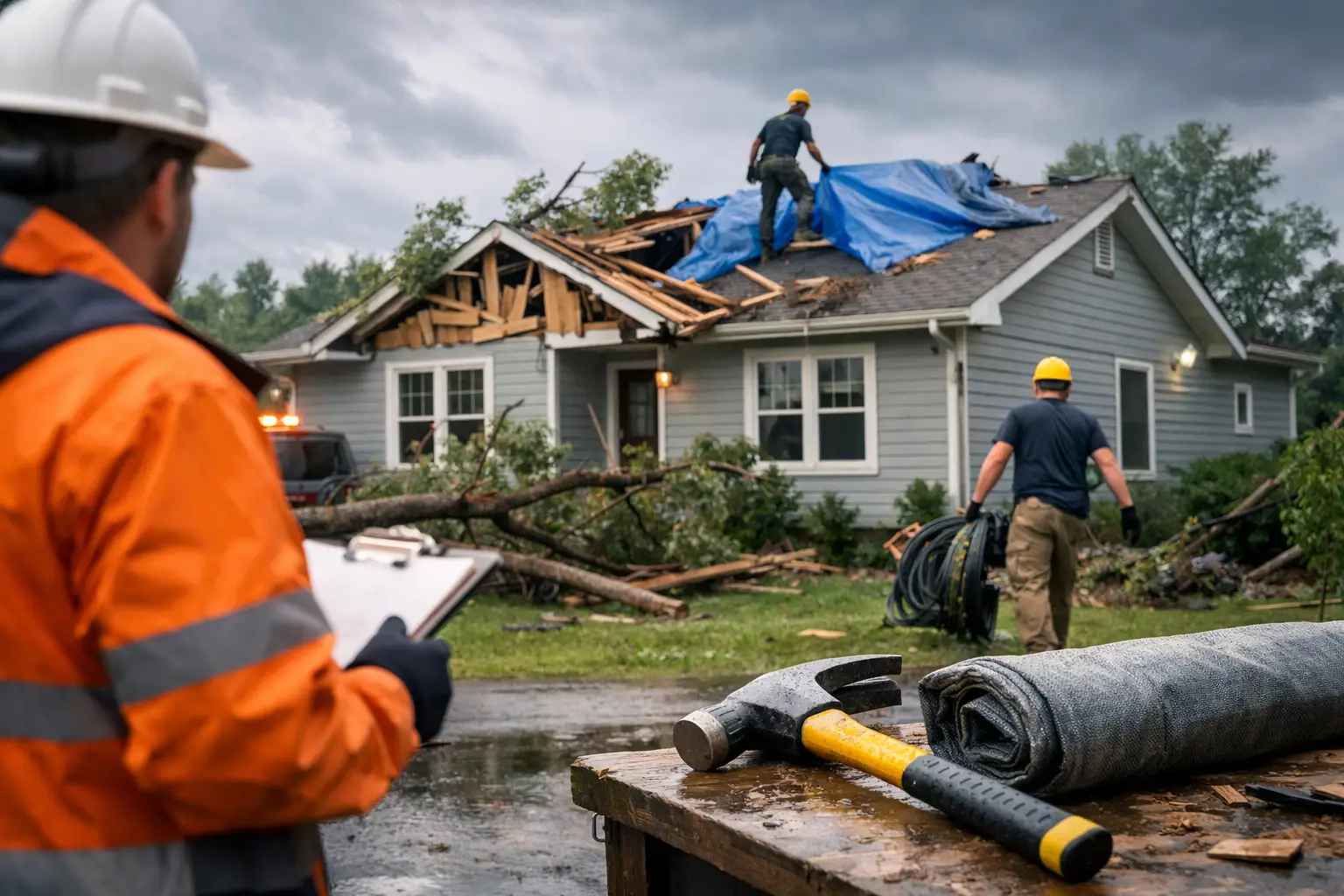 Storm
StormEmergency board-up, roof tarping, and full recovery after wind, hail, and storms.
Learn more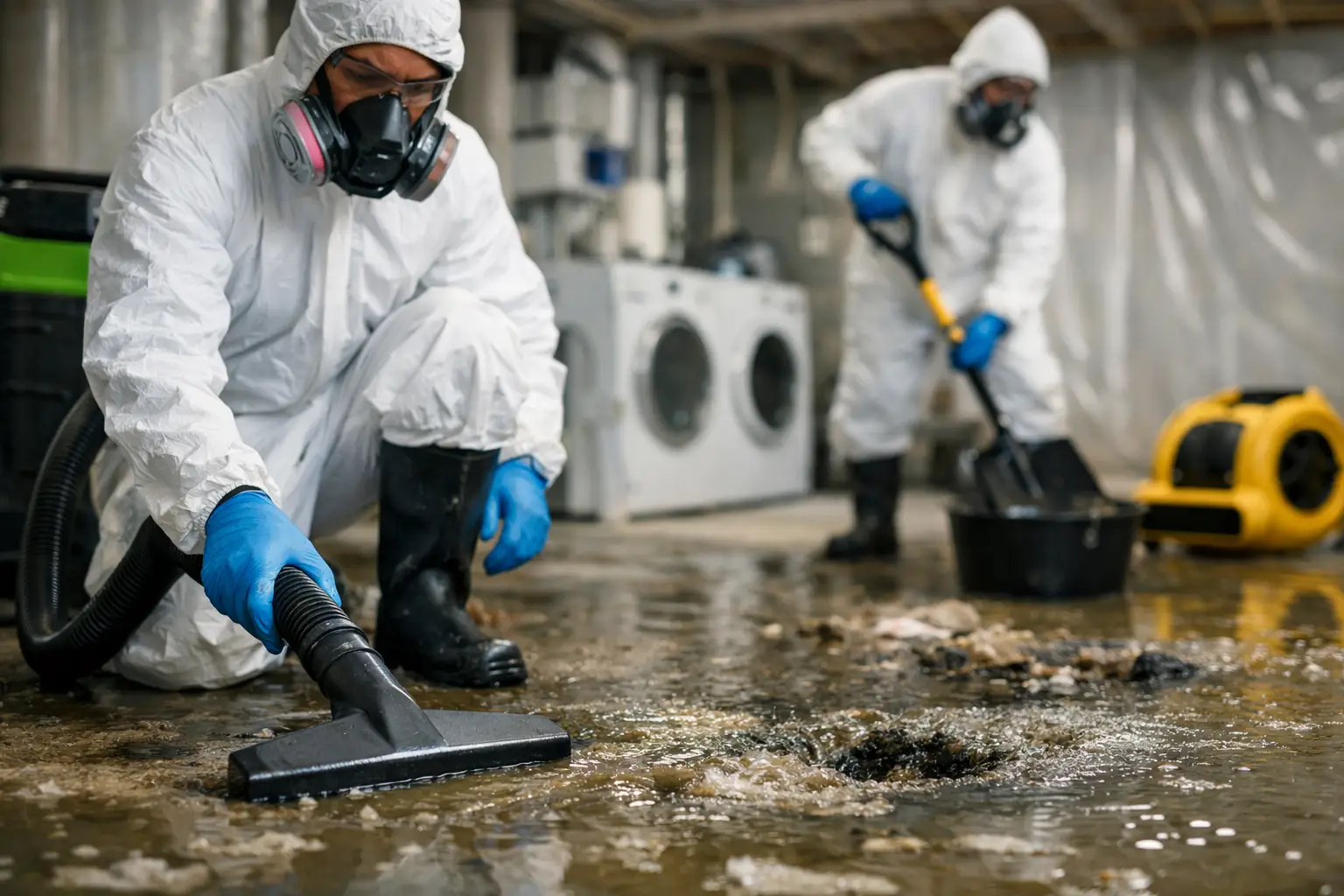 Sewage
Safe biohazard cleanup and sanitizing after sewage backups and overflows.
Learn more Reconstruction
Full rebuild by a licensed general contractor, so your property comes back whole.
Learn moreElevated Operations is an IICRC-certified, licensed general contractor based in Mableton that handles the entire recovery in-house, so after one loss you are never coordinating a cleanup crew, a mold crew, and a contractor separately. One team, one point of contact, from the first pump-out to the final coat of paint.
People call when the property feels like a disaster. They leave reviews because Chris and the crew made it right. These are real, verified Google reviews.
They should know that moisture and contamination can move differently than in sewer-connected homes. Well-water and septic properties in Dallas and Paulding County often need careful inspection before reconstruction begins, because hidden damage may spread through flooring, wall cavities, or subflooring. I check the structure first, then rebuild only what truly needs replacement.
Yes, and storm-driven water is one of the most common reasons I see property reconstruction needs in Dallas. Homes near Pumpkinvine Creek can take on runoff, seepage, or wind damage that reaches roofs, ceilings, and walls. Once cleanup is complete, reconstruction restores the damaged materials and closes the building back up properly.
No, smaller losses can still require reconstruction if the damage reached hidden materials. A leak, backed-up drain, or localized fire can leave drywall, flooring, or framing compromised even when the room does not look destroyed. I look at the structure, not the appearance, before I decide what must be rebuilt.
I start with the damaged components, then move into the rebuild after the structure is ready. That often means drywall repair, flooring repair, trim work, and sometimes framing repair. If insurance is involved, I offer direct insurance billing and deductible assistance up to $1,000 when eligible, so the process keeps moving.
Absolutely. Soot removal and debris cleanup do not fix heat-warped framing, charred drywall, or damaged flooring. After fire cleanup, I evaluate what can be saved and what has to be replaced. Reconstruction brings the home back together safely, and I do not recommend shortcuts when fire has weakened the structure.
Yes. Elevated Operations, LLLP serves Cobb, Fulton, DeKalb, Douglas, Clayton, Henry, and Paulding counties from our Mableton base, and Dallas falls into our Paulding County service area. If the job is in Dallas and it needs reconstruction, my team handles it with the same standards every time.
It matters because reconstruction is not just cleanup, it is building work. As a licensed general contractor, I coordinate the rebuild so the roof repair, drywall repair, flooring repair, and structural repair line up correctly. That matters in Dallas homes where hidden damage can be tied to drainage, storm water, or septic issues.
I do. Elevated Operations offers 24/7 emergency response with a 60-minute emergency response approach, and I take that seriously because water and fire damage do not wait for business hours. If your Dallas home needs reconstruction after a new loss, call (770) 404-6895 and get the conversation started right away.
Elevated Operations dispatches IICRC-certified crews across Metro Atlanta from our Mableton base, with a 60-minute emergency response day or night. Choose your city:
Call now for an immediate response, or request your free inspection and get a certified crew on-site within the hour across Atlanta and nearby areas.