24/7 Emergency Restoration · Serving Metro AtlantaEmergency? (770) 404-6895
Storm damage restoration Austell means stopping active leaks, sorting wind, hail, and water damage, and getting the structure safe again. I’m Chris Kwangwari, owner of Elevated Operations, LLLP in Mableton, and I use IICRC-certified technicians, direct insurance billing, and a 12-month warranty to get damaged homes stabilized after Georgia storms.
IICRC-Certified · 5-Star Rated · 60-Minute Response · Insurance Billed Directly
Yes. I handle the roof issue, the water issue, and the repair path together so the home is stabilized before permanent work starts.
Yes. I work storm and water losses in Austell, and I know why flood-prone areas need fast documentation, drying, and structural review.
Yes. I provide 24/7 emergency response with roof tarping, temporary boarding, and immediate mitigation when a storm leaves the home exposed.
I’m Chris Kwangwari, owner of Elevated Operations, LLLP. I’ve been in restoration since 2007, and I run the company from Mableton.
Storm damage restoration is the process of making a storm-hit home stable, dry, and repairable again. In Austell, that usually starts with inspection, debris removal, roof tarping, temporary boarding, water extraction, drying, and then structural repair when the storm has damaged framing, sheathing, or interior materials.
Austell gets the kind of weather that turns a small problem into a real one fast. The Sweetwater Creek 2009 flood showed how quickly water can overwhelm low areas and move through neighborhoods, yards, and crawl spaces. That history matters when I inspect storm damage here.
Storm work is not one job. It is a sequence. Wind damage repair may start on the roof, but water intrusion can reach insulation, drywall, flooring, and electrical components. Hail damage repair can mean replacing bruised shingles or damaged metal, while also checking the attic for hidden moisture.
IICRC-certified technicians know how to separate surface damage from structural damage. That matters in Austell because older homes, split-level houses, and add-ons can hide leaks longer than people expect. A good restoration plan protects the structure first, then moves into permanent repairs.
Austell sees storm damage because heavy rain, strong wind, hail, and runoff can all hit the same property in one event. The local drainage patterns near Sweetwater Creek make flooding and water intrusion a real concern, especially when storms drop water faster than the ground and systems can handle it.
Austell sits in a part of west Metro Atlanta where stormwater has to move quickly. When it cannot, it backs up into yards, crawl spaces, driveways, and basements. The Sweetwater Creek 2009 flood is the clearest local reminder that water is not just a nuisance here, it is a property threat.
Wind storms create different damage. They peel shingles, loosen flashing, push rain through roof systems, and send limbs into siding, gutters, and windows. That is why roof tarping and temporary boarding are common first steps after a major storm in Austell.
Hail is another local problem. It may not leave a huge hole, but it can scar roofing and shorten the life of shingles. After a storm, I check for soft spots, bruising, missing granules, and signs that water has already started moving under the roof surface.
You fix storm damage to a house by stopping the source of water, documenting the damage, drying the structure, and then repairing the materials that were actually affected. In Austell, that often means roof tarping, debris removal, water mitigation, and structural repair once the home is stable.
The first step is always control. If water is still coming in, I stop that flow before anything else. That may mean temporary boarding on broken windows or roof tarping over a lifted section. If the site is unsafe, the next step is securing the area so the damage does not spread.
Then comes inspection and mapping. I look for hidden water in insulation, wall cavities, ceilings, and subfloors. Storm damage restoration is partly about what you can see and partly about what has not shown itself yet. That is especially true after the kind of flooding Austell saw near Sweetwater Creek.
After drying, repairs begin in the correct order. Structural repair comes before finish work. If framing, drywall, or roof decking are compromised, those pieces must be addressed before paint or trim. Direct insurance billing helps keep the process organized while the claim moves forward.
Yes, roof tarping should happen quickly after storm damage when the roof has been opened by wind, fallen limbs, or hail-related failure. In Austell, tarping is often a temporary protection step that helps prevent more water from entering while the permanent repair plan is developed.
Roof tarping is not a cosmetic fix. It is a damage-control move. If shingles are missing or flashing is torn loose, one rain shower can turn a roof problem into a ceiling problem. Austell weather can change fast, and that is why speed matters after a storm.
I use tarping when a roof needs immediate protection but the full repair cannot be completed right away. That may happen if the roof deck needs inspection, if there is widespread hail damage, or if insurance documentation has to be gathered before permanent work begins.
The goal is to stop more water from entering the home. In storm damage restoration, every hour counts when the structure is open. Roof tarping, paired with drying and debris removal, can keep a repairable problem from becoming a larger reconstruction job.
Yes, storm damage can lead to water intrusion immediately, and that intrusion often continues after the storm ends. In Austell, wind-driven rain, roof openings, clogged drainage, and floodwater near low areas can push moisture into attics, walls, flooring, and crawl spaces.
Water intrusion is the part homeowners miss when they think the storm is over. Water can enter through lifted shingles, damaged vents, broken siding, and even small flashing failures. After the Sweetwater Creek 2009 flood, many people around Austell learned that water finds the weakest point and keeps moving.
Once inside, moisture spreads. It wicks into drywall, wood framing, insulation, and subflooring. If the source is not stopped, the damage continues long after the rain has ended. That is why I treat storm damage restoration as both emergency response and moisture management.
If water has reached structural materials, drying alone may not be enough. Structural repair could be needed if wood swells, drywall crumbles, or floor systems soften. Mold starts in 24 to 48 hours, so fast mitigation is not optional when a storm has soaked the house.
Professional storm damage restoration follows a clear order: inspect, secure, document, dry, clean, and repair. In Austell, that process often includes emergency response, debris removal, tarping or boarding, moisture mitigation, and then coordinated repairs with direct insurance billing and a 12-month warranty on completed work.
I start with a damage assessment that looks at safety and moisture at the same time. That means checking roofs, attic spaces, ceilings, windows, siding, and crawl spaces. The point is to understand what needs immediate protection and what can wait for permanent repair.
Then the site is stabilized. Debris removal keeps broken materials from trapping water or creating hazards. Temporary boarding protects broken openings. Drying equipment and controlled mitigation reduce the chance of secondary damage. This step is where many homes in Austell are saved from bigger losses.
After that, I move into repair planning. Some homes need hail damage repair only. Others need wind damage repair, roof work, and structural repair. Because I’m a licensed general contractor, I can keep the job organized from mitigation through reconstruction instead of handing the homeowner off to five different companies.
A roof leak can hide ceiling damage, insulation damage, and framing issues. In Austell, I expect more than one type of problem after a strong storm, especially when wind and rain arrive together.
Roof tarping and temporary boarding are not shortcuts, they are protection. They buy time so water does not keep entering while the full repair scope is being assessed and documented.
Moisture in walls, crawl spaces, and attics does not stop on its own. In storm damage restoration, drying must begin early or mold and structural deterioration can follow.
Direct insurance billing helps keep claims moving, but the home still needs accurate documentation. I photograph damage, note the affected materials, and stay consistent with what the claim actually shows.
The Sweetwater Creek 2009 flood is part of Austell’s storm story. Homes near drainage paths, low spots, and runoff channels deserve closer inspection after heavy rain.
From emergency mitigation to full reconstruction, handled in-house so you are never managing a chain of subcontractors mid-crisis.
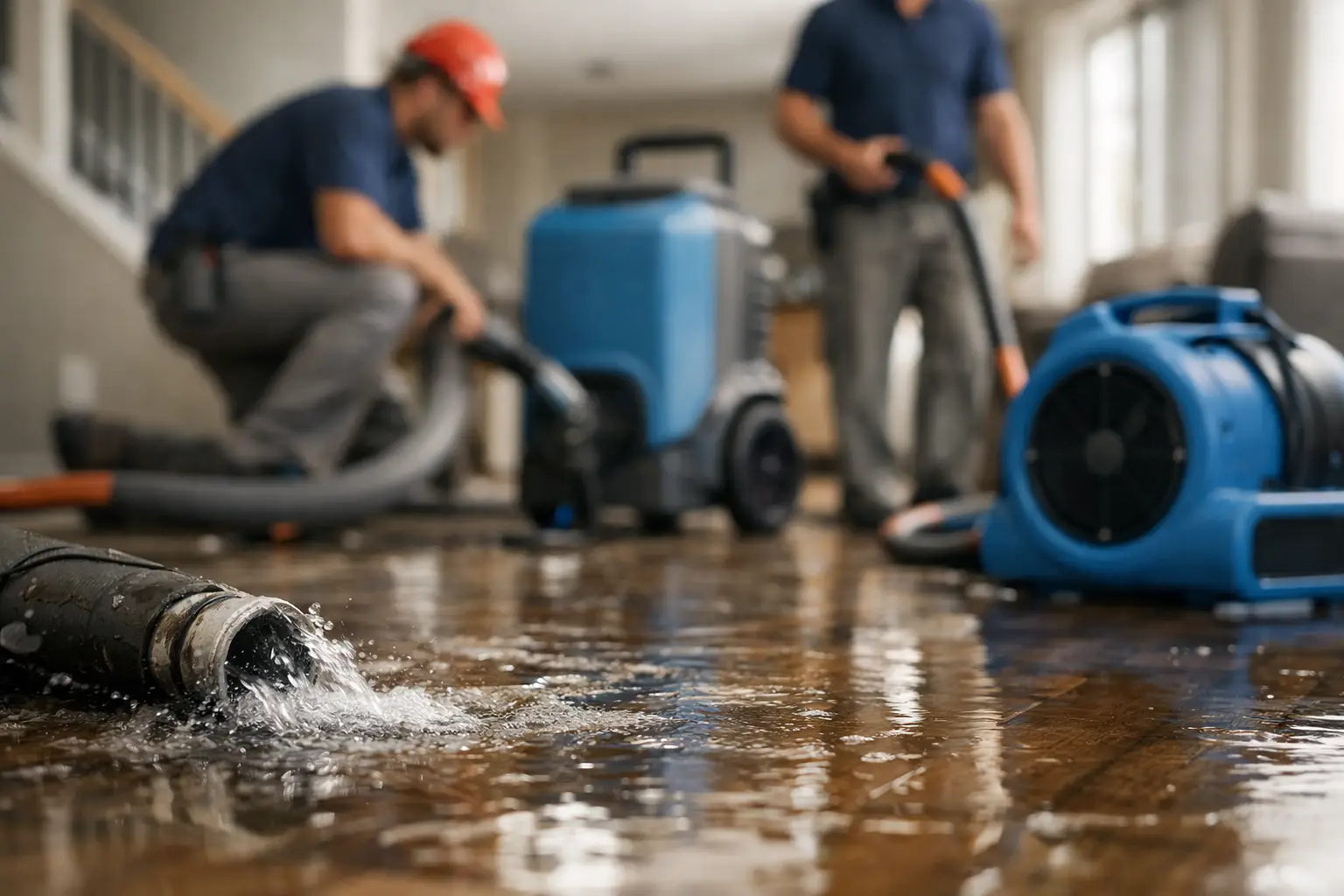
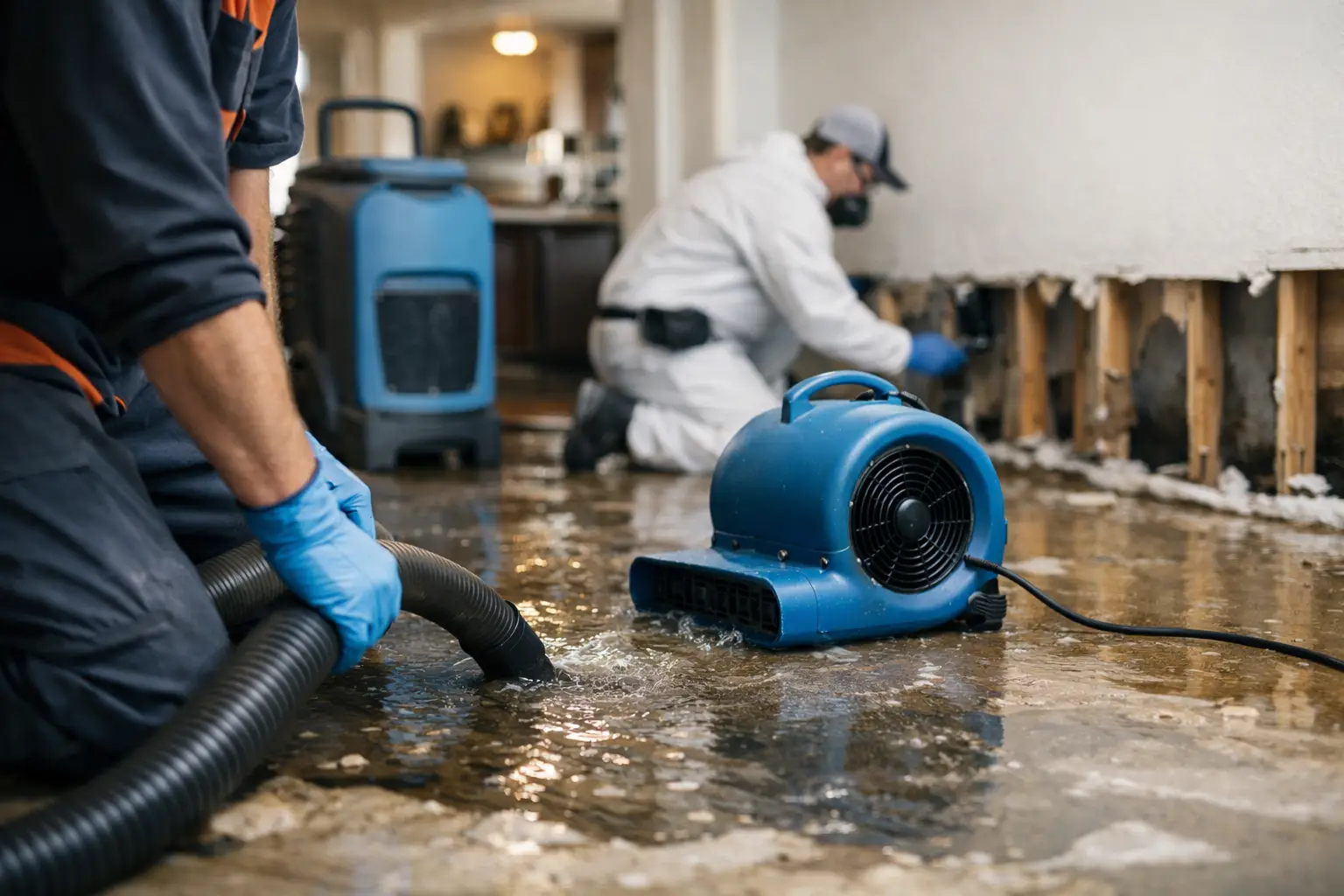 Water Damage
Extraction, structural drying, and moisture mapping after floods, leaks, and burst pipes.
Get help now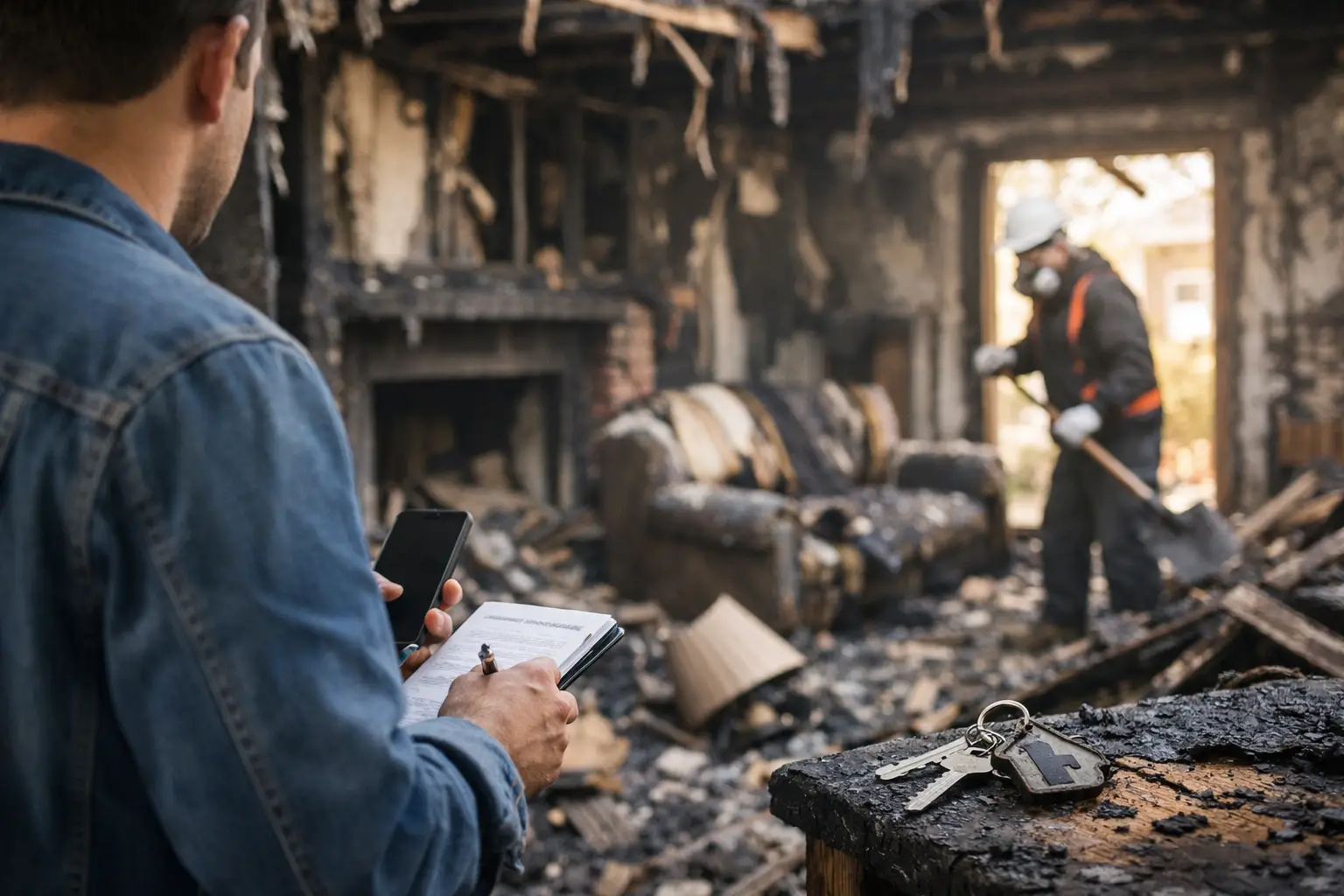 Fire & Smoke
Soot removal, odor deodorization, and content cleaning after fire and smoke damage.
Learn more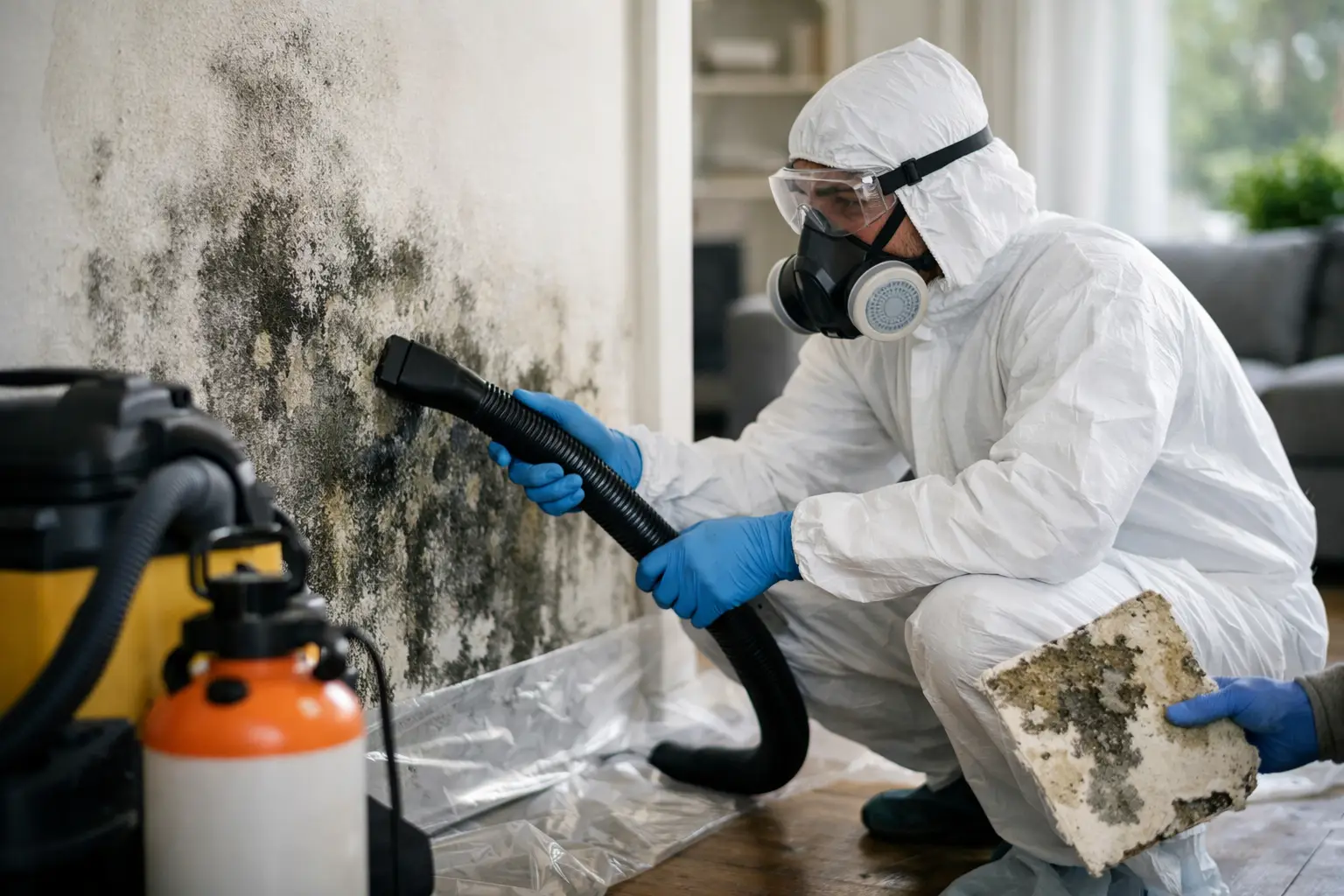 Mold
MoldContainment, removal, and moisture control that stops mold from coming back.
Learn more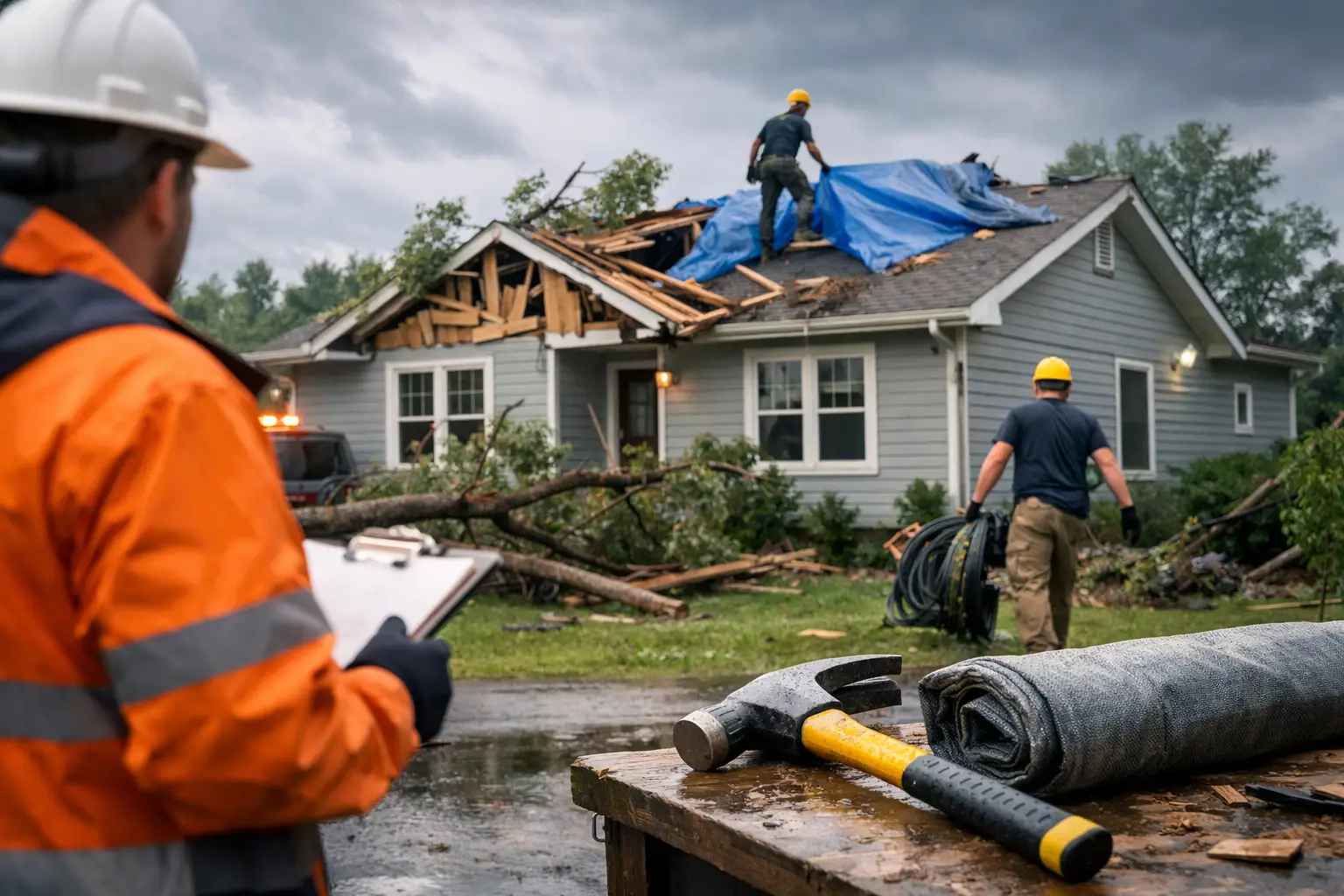 Storm
StormEmergency board-up, roof tarping, and full recovery after wind, hail, and storms.
Learn more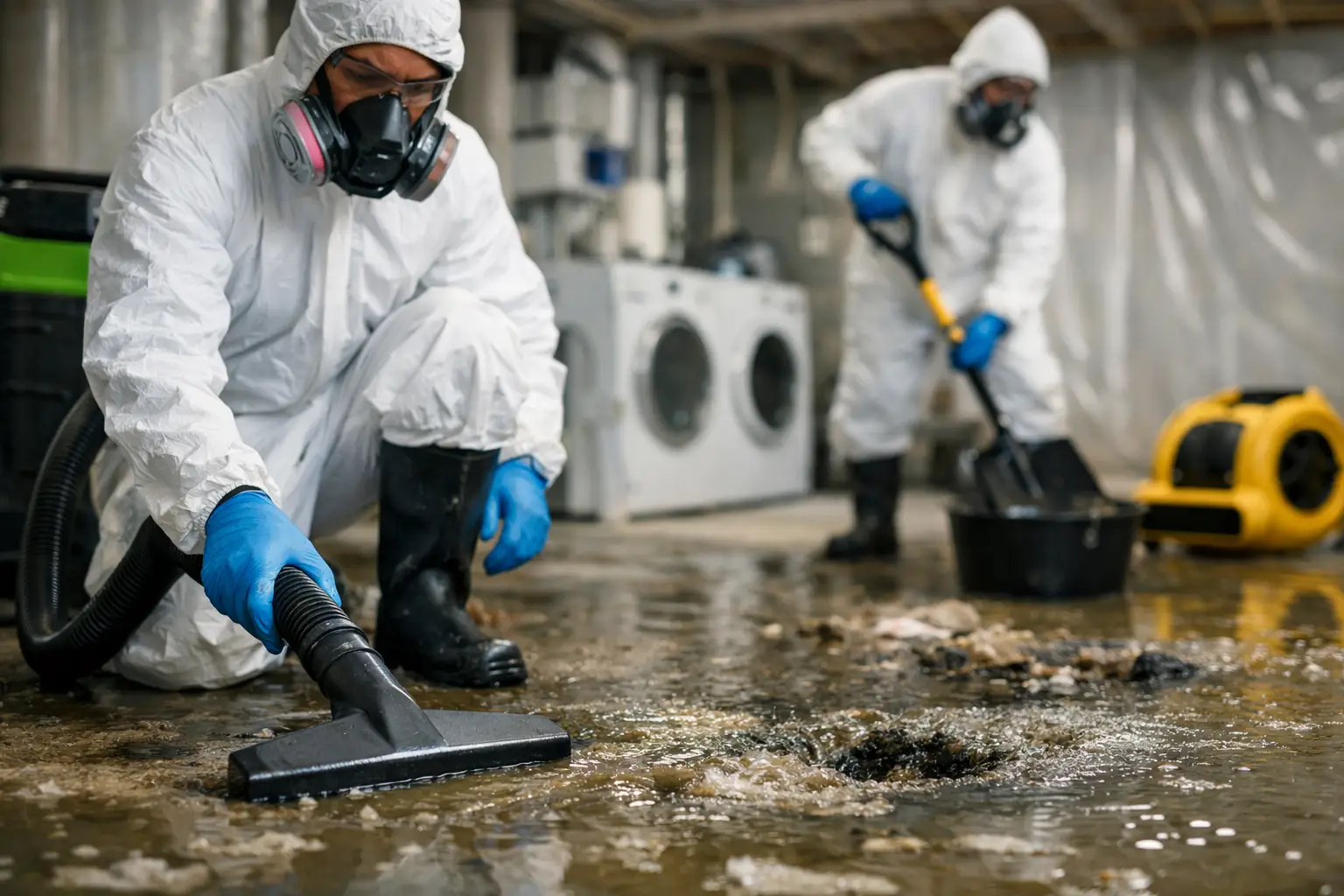 Sewage
Safe biohazard cleanup and sanitizing after sewage backups and overflows.
Learn more Reconstruction
Full rebuild by a licensed general contractor, so your property comes back whole.
Learn moreElevated Operations is an IICRC-certified, licensed general contractor based in Mableton that handles the entire recovery in-house, so after one loss you are never coordinating a cleanup crew, a mold crew, and a contractor separately. One team, one point of contact, from the first pump-out to the final coat of paint.
People call when the property feels like a disaster. They leave reviews because Chris and the crew made it right. These are real, verified Google reviews.
If shingles are missing, flashing is lifted, or you can see daylight through the roof deck, roof tarping is usually the first move to stop more water. Full replacement is a separate question. I inspect the extent of the damage, then decide whether the roof can be repaired or needs broader structural work.
First, keep people out of wet and unsafe areas, then stop additional water entry if you can do so safely. Floodwater near Sweetwater Creek can move fast and carry debris. After that, document the damage and call for emergency response so drying, debris removal, and structural checks can begin.
Wind damage repair usually focuses on lifted shingles, torn flashing, broken siding, and openings created by limbs or debris. Hail damage repair focuses on impact marks, bruised roofing, and hidden roof wear. Both can lead to water intrusion, so I inspect for secondary moisture damage every time.
Yes. Once materials stay wet, mold can start in 24 to 48 hours. That is why storm damage restoration is about speed, not just cleanup. Drywall, insulation, flooring, and framing can all hold moisture after the weather clears, especially if the roof or siding was breached.
Often, yes. Older homes can have layered additions, aging roofing, and moisture pathways that are harder to see. After a storm, structural repair may need to address framing, decking, and hidden water damage before any finish work starts. That order matters if the home has shifted or swelled.
Debris removal should happen as soon as the site is safe. Broken branches, siding, shingles, and soaked materials can trap water and block access to damaged areas. Clearing them early helps with drying, inspection, and emergency protection, especially after heavy wind or flooding.
Direct insurance billing reduces the back-and-forth that can slow a restoration job. It lets the work move while the claim is being reviewed. That matters when a home needs tarping, mitigation, and structural repair, because delays can let moisture and weather cause more loss.
Cleanup removes visible mess. Storm damage restoration identifies what the storm opened, soaked, weakened, or destabilized, then repairs it in the right order. In Austell, that means looking past surface debris and checking for water intrusion, roof damage, hidden structural issues, and the effects of local flood history.
Elevated Operations dispatches IICRC-certified crews across Metro Atlanta from our Mableton base, with a 60-minute emergency response day or night. Choose your city:
Call now for an immediate response, or request your free inspection and get a certified crew on-site within the hour across Atlanta and nearby areas.