24/7 Emergency Restoration · Serving Metro AtlantaEmergency? (770) 404-6895
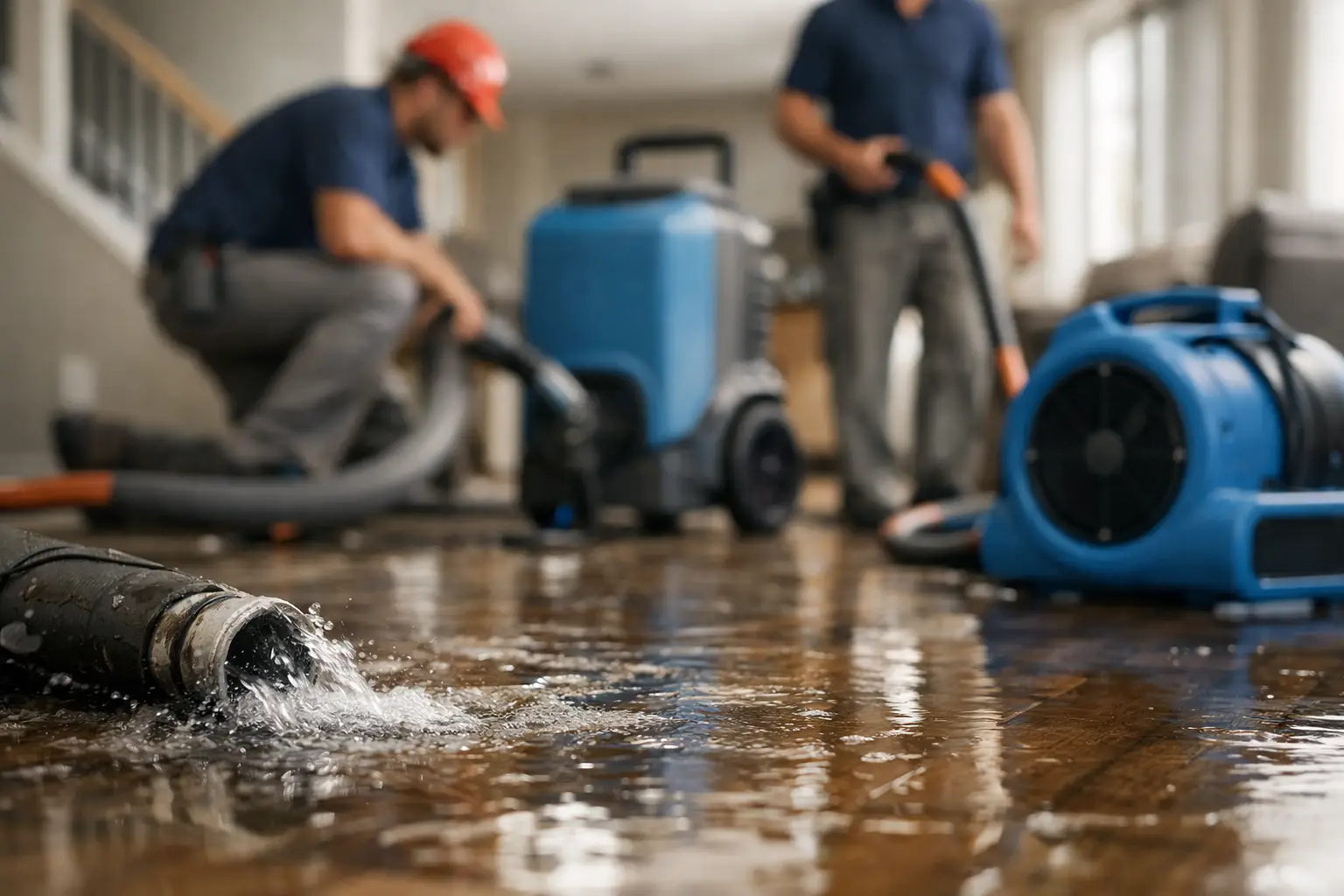
Emergency water removal Dallas starts with fast action, and I take that seriously because water in a Dallas home can spread through carpet, drywall, crawlspaces, and subfloors before you finish one phone call. I’m Chris Kwangwari, and my crew at Elevated Operations handles water mitigation, water extraction, and emergency drying with 24/7 response.
IICRC-Certified · 5-Star Rated · 60-Minute Response · Insurance Billed Directly
I answer 24/7 and can move fast from my Mableton base. Call (770) 404-6895 and I’ll get the process started right away.
I handle standing water removal, carpet extraction, and emergency drying when the job is still salvageable. The sooner I see it, the better.
That is exactly when I check for water mitigation needs beyond the visible puddle. Hidden moisture is what causes the next problem.
I offer direct insurance billing and deductible assistance up to $1,000, so the paperwork does not sit in your lap while the house is drying.
Start with safety, then stop the source if you can, then call me for emergency water removal. In Dallas, that often means checking for soaked carpet, wet baseboards, and whether the water may involve a well system, septic line, or runoff near Pumpkinvine Creek before damage spreads.
I want homeowners to look at the source before they step deep into the mess. A burst supply line, a failed appliance, or intrusion from outside all change the cleanup plan. In parts of Paulding County around Dallas, water issues can involve private systems, and that changes how I approach water cleanup.
If the floor feels soft, buckles, or gives under your weight, stop walking on it. Standing water removal is only part of the job, because the water under the surface keeps moving into framing and trim. That is where IICRC-certified technicians make a real difference.
And if you smell damp earth or see muddy water near low areas, I think about Pumpkinvine Creek and the way water moves across local ground. That matters in Dallas. It tells me whether this is simple water extraction or something closer to flood water removal with deeper drying needs.
As fast as possible, because water starts damaging materials right away and mold can start in 24 to 48 hours. I treat emergency water removal as same-day work, and I offer 60-minute emergency response 24/7 so Dallas homeowners are not waiting while moisture keeps spreading.
Speed matters because wet materials do not wait for business hours. Carpet, padding, drywall, and cabinets can hold water fast. The longer that water sits, the more I need to push into water mitigation, dehumidification, and emergency drying instead of a simpler extraction job.
In Dallas homes with crawlspaces, older framing, or additions tied into the original structure, delay can create hidden problems. Water that looks contained in one room often travels under walls and into adjacent areas. That is why I push for quick pumping water out and follow-up drying.
I’ve been in restoration since 2007, and I know the jobs that go smoothly are the ones where the owner called early. A fast response also helps with direct insurance billing, because the documentation starts right away and the loss is easier to track.
I use the right mix of extraction and drying equipment for the job, not guesswork. That usually means water extraction tools, wet vac extraction for tight areas, air movement for emergency drying, and moisture monitoring so I can see what is wet below the surface.
For emergency water removal, the equipment has to match the material and the amount of water present. A small supply leak is not the same as flood water removal after heavy intrusion. I look at carpet, padding, hardwood, tile, crawlspace access, and any saturation in wall cavities before I decide the setup.
Wet vac extraction is useful in closets, hallways, and smaller rooms where precision matters. Larger losses need stronger extraction and controlled drying. I do not like shortcuts here. If water is still trapped in a baseboard line or under a cabinet toe kick, the damage keeps growing.
My crew is IICRC-certified, and that matters because the tool is only part of the answer. Technique matters too. I also back the work with a 12-month warranty, because proper emergency water removal should be measured in dry materials, not hopeful guesses.
Yes, if I get there quickly and the carpet and pad are still salvageable. Standing water removal from carpet usually requires immediate water extraction, lifted edges when needed, and emergency drying so trapped moisture does not stay under the padding or wick into the walls.
Carpet is tricky because the top can look better than the bottom. I have seen a room with only a sheen on the surface but soaked padding underneath. That is why I do not rely on looks alone. I check the underlay, tack strip area, and adjoining wall lines before I call it contained.
If the water is clean and the response is quick, carpet can often be part of a structured water cleanup instead of a full tear-out. But if the loss involves contaminated water, long delay, or swelling at seams, the plan changes fast. I say that plainly because honesty saves time.
Dallas homes near lower spots and drainage paths can be hit hard when runoff finds a way inside. Around Pumpkinvine Creek, I pay close attention to what entered the home and how far it traveled. That decides whether I’m doing wet vac extraction or broader flood water removal.
After emergency water extraction, I move straight into moisture checking, drying, and damage documentation. The goal is not just to pull water out, it is to stop hidden moisture from turning into warped materials, odor, or mold growth after the visible water is gone.
Once the bulk water is gone, I inspect what still reads wet. That includes baseboards, drywall bottoms, subfloors, cabinets, and any nearby rooms that may have absorbed moisture. Water cleanup is not complete until the structure is dry enough to stay stable.
Then I set the emergency drying plan. That can mean air movement, dehumidification, and repeated readings so I know where the moisture is hanging on. I do not rush this stage. The room has to dry in layers, especially in houses with older framing or mixed flooring.
If insurance is involved, I handle direct insurance billing and keep the paperwork moving. That helps homeowners focus on getting life back in order. And because I’m a licensed general contractor, I can also help if the job needs repairs after the water work is done.
Because waiting can turn a manageable water mitigation job into a larger repair problem. I answer water emergencies 24/7 from my Mableton base, and Dallas homeowners call when they want a licensed general contractor who knows restoration, not a crew guessing its way through the loss.
I built Elevated Operations, LLLP to handle the kind of calls that cannot sit until later. A plumbing failure at night, storm intrusion, or septic-related backup in a Dallas property does not pause. Neither do I. The phone line stays open, and the response stays serious.
Homeowners also want someone who can explain the process without making it complicated. I can do that. I tell you what got wet, what needs extraction, what needs drying, and where insurance may come into play. That kind of clarity matters when the house feels out of control.
And the local details matter. Dallas is not the same as a dense city block. Paulding County homes can sit on more open ground, use septic, or depend on well water, and that changes restoration decisions. I take those conditions seriously because the wrong assumption wastes time.
If the floor gives underfoot or feels spongy, water is probably below the surface and emergency water removal needs to start now.
Water often climbs before anyone notices. Stains, swelling, or peeling paint along the bottom of walls usually mean the job is bigger than surface cleanup.
That smell tells me moisture is sitting somewhere hidden. Around Dallas and Pumpkinvine Creek, I take that as a sign to inspect deeper and dry faster.
In Paulding County, I pay close attention when private systems are involved because the source affects the cleanup plan and the equipment I bring.
If water keeps returning from carpet, corners, or crawlspace edges, the extraction was not enough and the drying plan needs to be expanded.
From emergency mitigation to full reconstruction, handled in-house so you are never managing a chain of subcontractors mid-crisis.
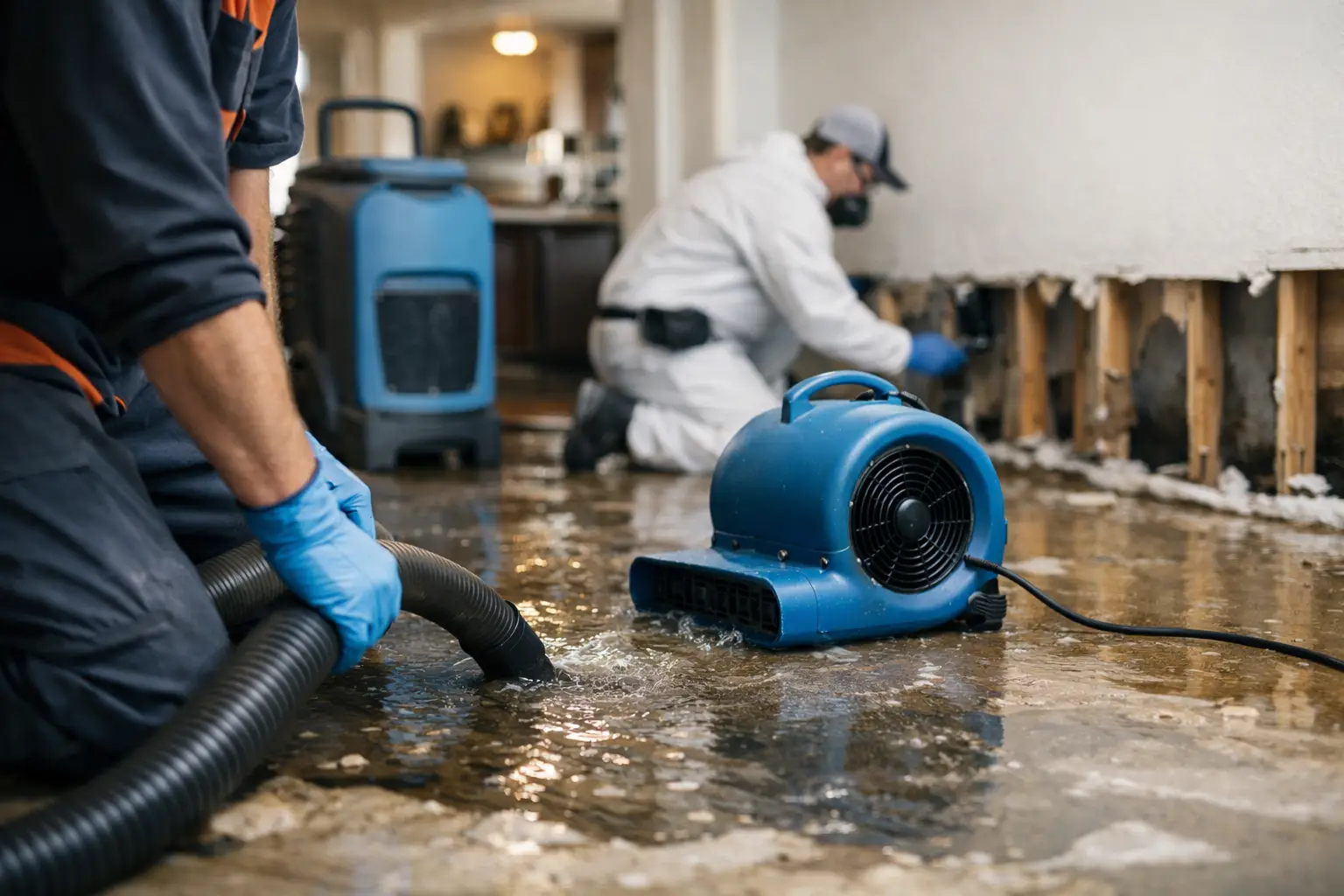 Water Damage
Extraction, structural drying, and moisture mapping after floods, leaks, and burst pipes.
Get help now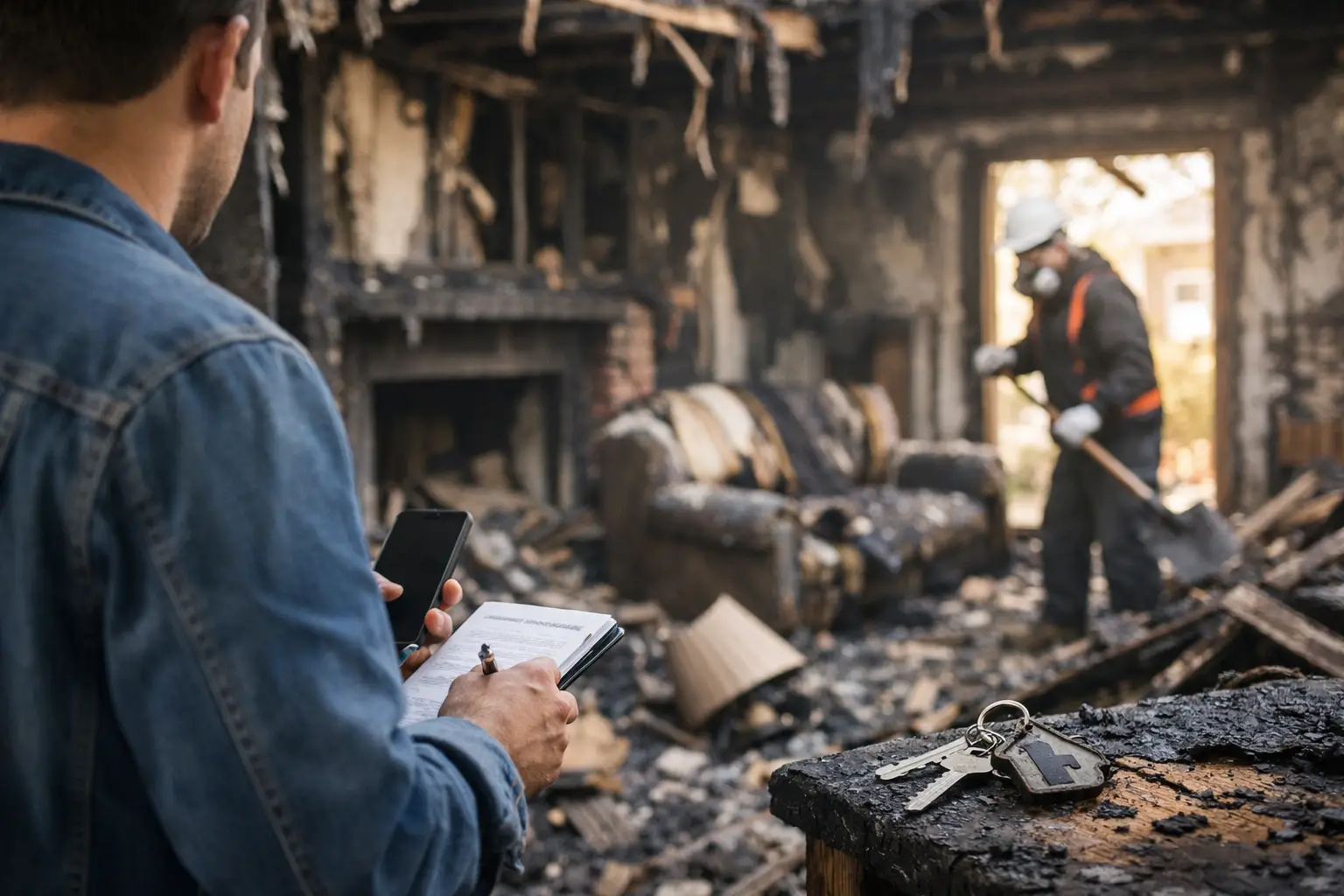 Fire & Smoke
Soot removal, odor deodorization, and content cleaning after fire and smoke damage.
Learn more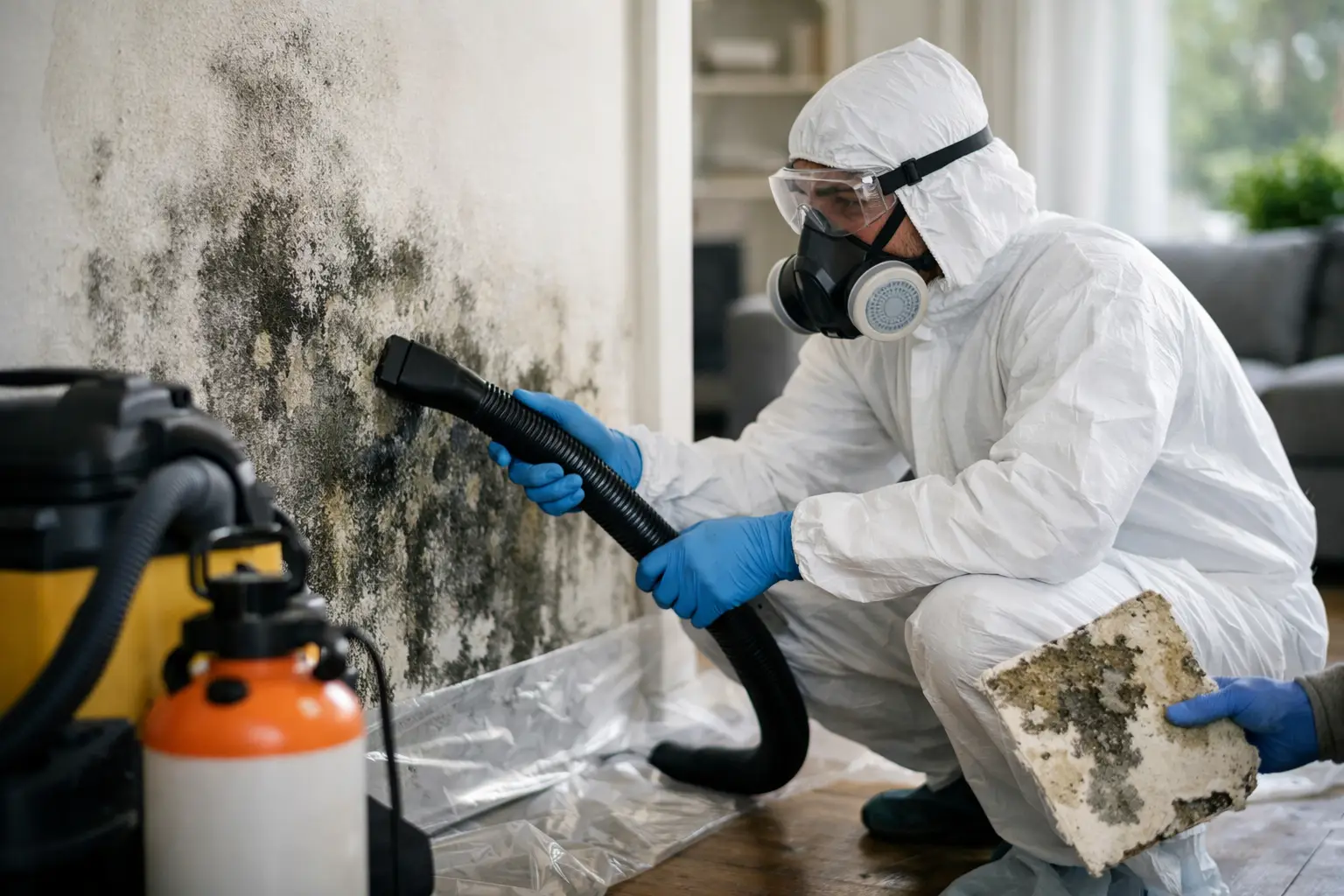 Mold
MoldContainment, removal, and moisture control that stops mold from coming back.
Learn more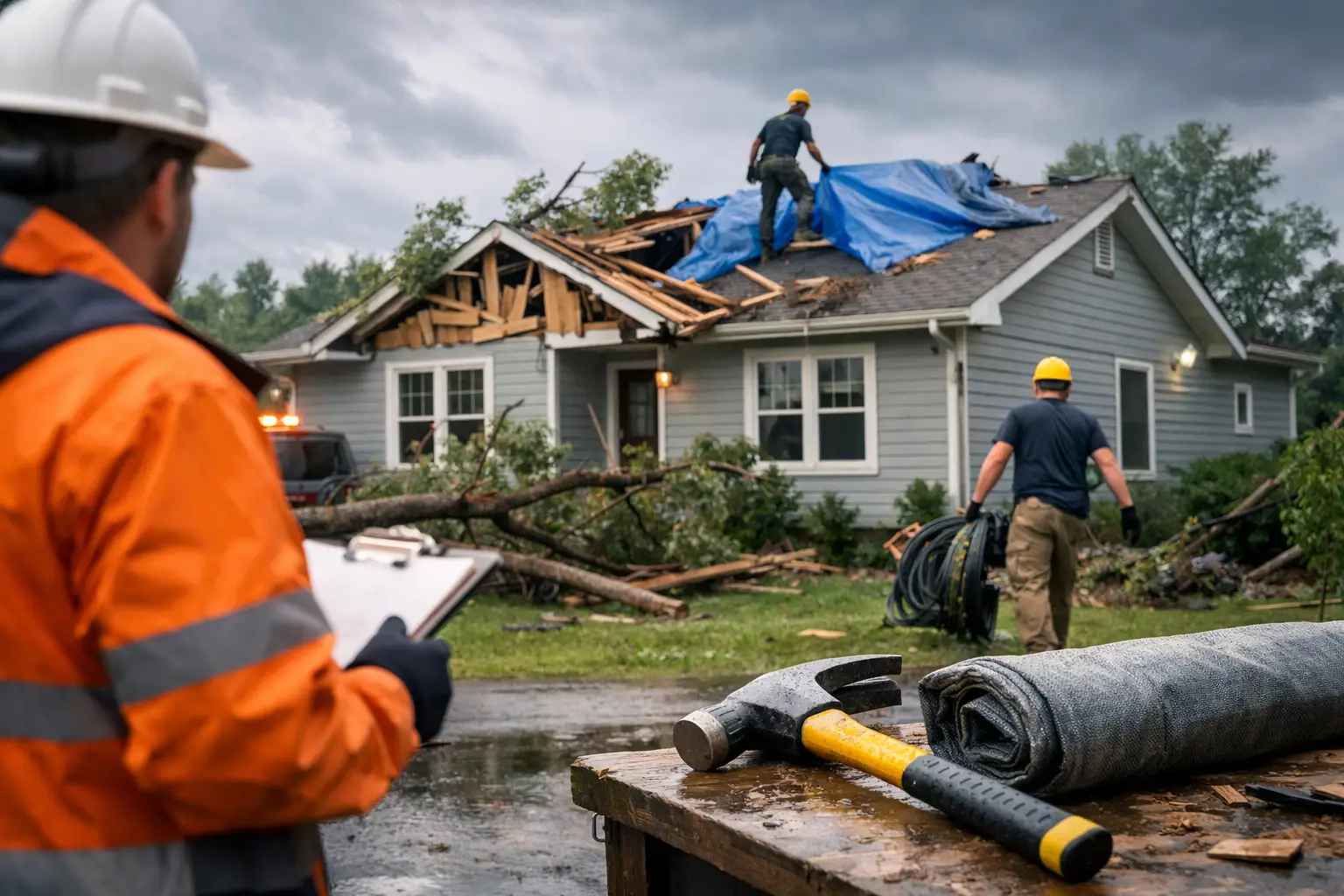 Storm
StormEmergency board-up, roof tarping, and full recovery after wind, hail, and storms.
Learn more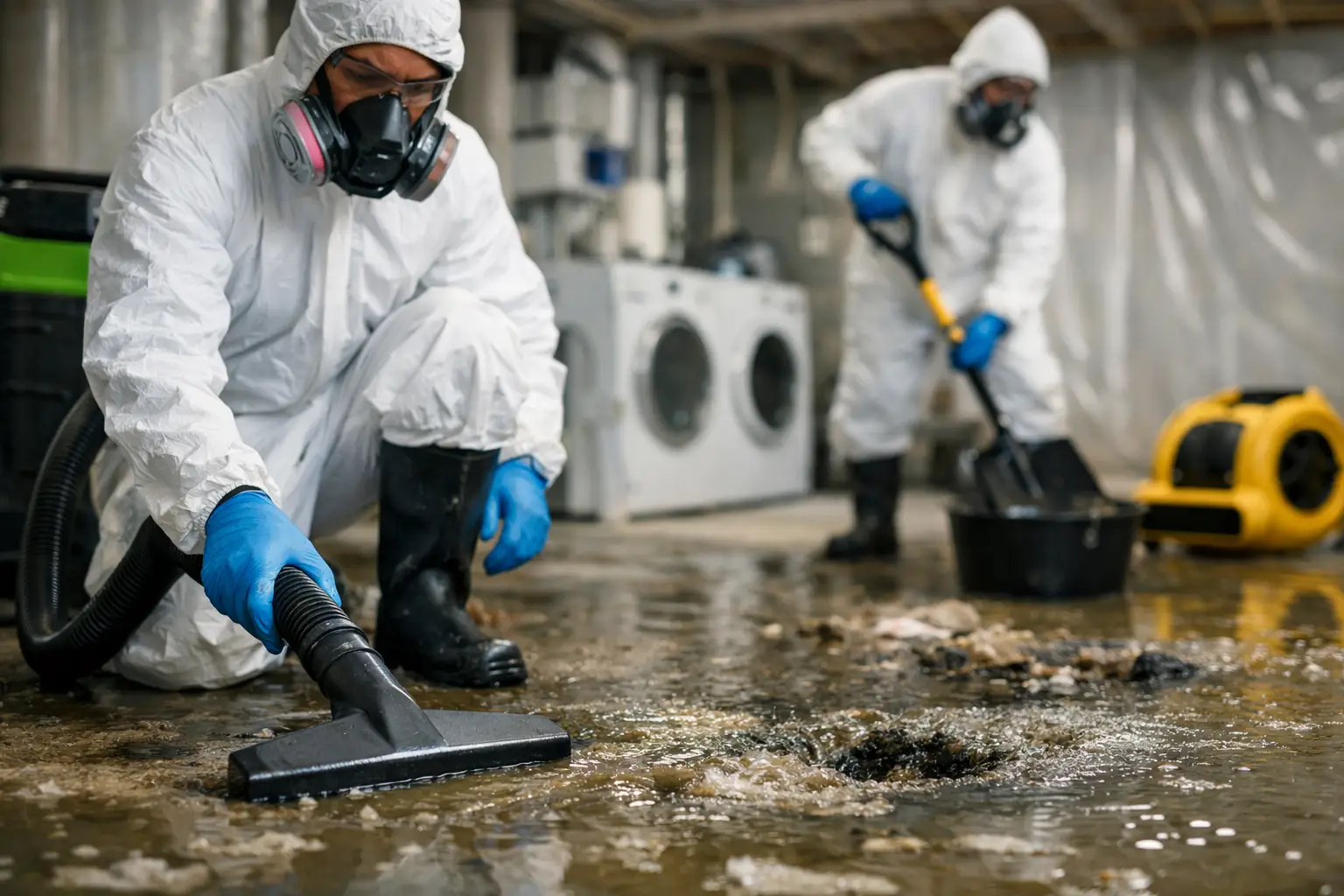 Sewage
Safe biohazard cleanup and sanitizing after sewage backups and overflows.
Learn more Reconstruction
Full rebuild by a licensed general contractor, so your property comes back whole.
Learn moreElevated Operations is an IICRC-certified, licensed general contractor based in Mableton that handles the entire recovery in-house, so after one loss you are never coordinating a cleanup crew, a mold crew, and a contractor separately. One team, one point of contact, from the first pump-out to the final coat of paint.
People call when the property feels like a disaster. They leave reviews because Chris and the crew made it right. These are real, verified Google reviews.
I start with the source, the affected materials, and any sign that water moved farther than it looks. In Dallas homes near Pumpkinvine Creek, I pay close attention to runoff paths, crawlspaces, and low spots because water can travel fast. Then I move from extraction to drying and moisture checks.
Yes, I do, and those details matter. Well-water and septic systems change how I look at the loss, especially if the damage involves backup, overflow, or contamination concerns. I’m based in Mableton and work in Dallas with the right approach, direct insurance billing, and IICRC-certified technicians.
Water mitigation usually means stopping more damage from happening after the leak. For me, that includes water extraction, pumping water out where needed, drying materials, and checking hidden moisture. I also document the loss for insurance and keep the process moving so the structure does not sit wet.
Yes, if stormwater gets inside, I treat it differently than a clean supply leak. Flood water removal calls for careful extraction, safety checks, and a drying plan that looks at the whole basement, not just the visible puddles. Dallas homes can hold water in corners and wall bases for days if ignored.
Wet vac extraction is often enough for smaller areas, closets, or contained spills, but not always. If carpet padding, drywall, or subflooring is involved, I may need more than a small extractor. I check the moisture behind the surface before I decide, because guessing is expensive.
Yes. I offer direct insurance billing, and I document the job so the claim has the details it needs. That helps Dallas homeowners avoid extra back-and-forth while the water work is happening. I want the paperwork to support the repair, not slow it down.
I’m a licensed general contractor and IICRC-certified, and I’ve been in restoration since 2007. A handyman can remove visible water, but emergency water removal needs moisture tracking, drying, and a plan for what happens next. I handle the job as a restoration problem, not a quick mop-up.
Yes, I back the work with a 12-month warranty. That matters because proper emergency water removal is not just about moving water out once. It’s about making sure the affected materials were addressed correctly and that the structure stayed on track after the loss.
Elevated Operations dispatches IICRC-certified crews across Metro Atlanta from our Mableton base, with a 60-minute emergency response day or night. Choose your city:
Call now for an immediate response, or request your free inspection and get a certified crew on-site within the hour across Atlanta and nearby areas.