24/7 Emergency Restoration · Serving Metro AtlantaEmergency? (770) 404-6895
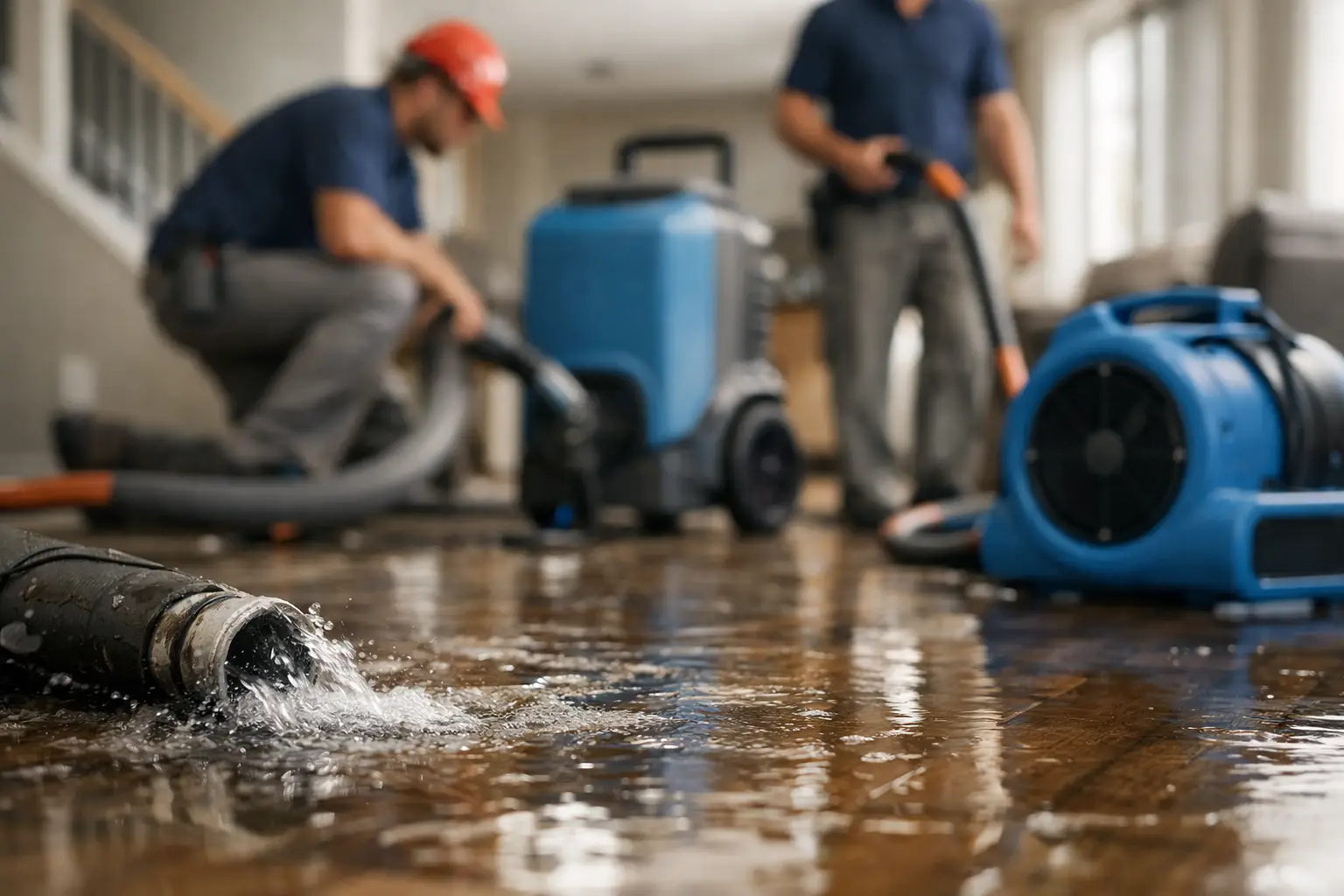
Fire and smoke restoration Roswell starts with fast action, because soot, odor, and water from firefighting keep spreading after the flames are out. I am Chris Kwangwari, and my team at Elevated Operations handles fire damage cleanup, smoke damage cleanup, and the insurance side with direct billing.
IICRC-Certified · 5-Star Rated · 60-Minute Response · Insurance Billed Directly
Yes. Basic cleaning misses hidden soot, smoke odor, and moisture. I treat the structure, contents, and air pathways as one loss.
Yes. If the fire left openings, I secure the property fast so weather, animals, and trespassers do not make the damage worse.
Yes. I remove unsafe debris carefully, separate salvageable items, and document the loss so cleanup and insurance work stay organized.
Yes. Older homes often hold smoke in trim, cavities, and attic spaces, so I clean beyond what you can see on the surface.
Fire and smoke restoration covers the cleanup, stabilization, and repairs needed after flames, soot, smoke, and firefighting water hit your home. I start with safety, then fire damage cleanup, debris removal, soot removal, odor neutralization, and structural drying, followed by repair work as needed.
In Roswell, that often means a different approach for Canton St mill cottages than for newer homes near Vickery or along Big Creek. Older structures can have tighter wall cavities and more hidden smoke paths, so I look for residue in attics, crawlspaces, and behind trim.
Fire damage cleanup is not just visible ash on floors. Smoke leaves a film on cabinets, drywall, insulation, and HVAC components. If water was used to knock down the fire, structural drying has to happen quickly or you end up with a second problem on top of the first.
I am licensed as a general contractor, so I can move from cleanup into repair without bouncing you between companies. My technicians are IICRC-certified, and I back the work with a 12-month warranty, which matters when the house is still carrying smoke odor weeks later.
Smoke damage cleanup starts by identifying the type of residue, then removing it before it spreads. I use controlled cleaning, soot removal, HVAC attention, and odor neutralization to treat the affected surfaces and air paths, not just the obvious walls and ceilings.
Roswell homes near Canton St can hold smoke in older wood trim, plaster, and attic spaces. Homes near Vickery and Big Creek may have more open floor plans, which can move smoke farther than people expect. The path matters, because smoke follows air movement and pressure changes.
I never treat smoke damage like a simple wipe-down. Dry soot behaves differently than oily residue, and the wrong cleaning method can smear it deeper into paint, fabric, or cabinetry. That is why I inspect before I clean, then match the process to the residue.
Odor neutralization only works when the source is removed first. If smoke touched insulation, ductwork, or hidden framing, the smell comes back. I handle smoke damage cleanup with that in mind, and I will tell you plainly when a surface can be saved and when it needs replacement.
Fire restoration should begin as soon as the fire department clears the property. The first hours matter because soot stains deepen, smoke odor settles, and firefighting water can trigger mold in 24 to 48 hours. I offer 24/7 emergency response with a 60-minute emergency response commitment.
Roswell homeowners often wait because they want to see what is left, and I get that. But waiting lets residue etch into finishes and lets moisture spread into framing, especially in areas near Big Creek where humidity already works against you.
I can help with board up services right away if openings were created during firefighting or access control. That keeps out weather and trespassers while the cleanup plan gets set. It also helps protect untouched rooms from more smoke intrusion and debris.
And yes, I handle direct insurance billing, which is useful when you are dealing with adjusters, photographs, inventories, and emergency decisions at the same time. I also offer deductible assistance up to $1,000, because a fire does not wait for your schedule or budget.
Yes, many fire damaged contents can be restored if they are cleaned and treated quickly. I evaluate each item for soot, heat, water, and odor exposure, then decide whether content restoration is realistic or whether replacement makes more sense.
In Roswell, I see this question most with family photographs, electronics, upholstered furniture, and kitchen items. A Canton St cottage may have more heirloom pieces, while a larger home near Vickery may have more high-value furnishings. Either way, the contents need a fast, honest review.
Content restoration is not sentimental guesswork. Some items can be cleaned and deodorized, others can be saved only if they are packed out quickly, and some are done. I will not tell you a damaged item is salvageable just to sound hopeful.
Smoke can travel into drawers, closets, and storage boxes even when a room looks only lightly affected. That is why I inspect contents with the structure, not as a separate afterthought. The right call early can protect items that would otherwise be lost to lingering odor.
They call because immediate stabilization keeps the loss from getting worse. Board up services protect openings, and debris removal clears unsafe material so cleanup can begin. I handle both as part of fire and smoke restoration, especially when weather or access is a concern.
After a fire, broken windows, burned doors, and collapsed sections invite rain, critters, and theft. That is a real issue in Roswell neighborhoods where homes may sit close to the street or wooded edges near Big Creek. The property needs to be secured before anything else moves forward.
Debris removal is not just hauling charred material to the curb. I sort unsafe debris, document what is being removed, and separate salvageable items from true loss. That discipline matters when the claim is being reviewed and when repair work starts next.
I run Elevated Operations out of Mableton and serve Cobb, Fulton, DeKalb, Douglas, Clayton, Henry, and Paulding counties, so Roswell is part of my regular work area. I am a licensed general contractor, and I have been in restoration since 2007, so I know how to keep a fire loss moving.
Expect a layered cleanup, not one service. Fire leaves soot and structural damage, smoke leaves odor and residue, and firefighting water leaves moisture that must be dried. I coordinate the whole sequence so the house is cleaned, dried, and ready for repair without skipped steps.
That sequence matters in Roswell because a home near Canton St may have older materials that absorb odor quickly, while a home near Vickery may have larger HVAC zones that spread smoke farther. The property type changes the work, but the priorities stay the same.
Structural drying often gets overlooked because the fire looks like the main event. It is not. If water from suppression sits in subflooring, drywall, or insulation, you can end up with mold and more demolition. I address that early, before hidden damage turns into a bigger claim.
My team is IICRC-certified, and I keep the work grounded in what the building actually needs. Some rooms need deep cleaning, some need odor neutralization, and some need repair. I tell homeowners the truth about each one, then I build the job from there.
Yes. I provide 24/7 emergency response, and I commit to a 60-minute emergency response. Fires do not respect business hours, and neither do I.
Yes. I offer direct insurance billing, which reduces the back-and-forth when you are already dealing with a loss, an adjuster, and a damaged house.
I offer deductible assistance up to $1,000. I will talk through that early so you know what support is available before the work starts.
Yes. My technicians are IICRC-certified, and I am a licensed general contractor, so I can manage both cleanup and repair with one accountable team.
Yes. I back my restoration work with a 12-month warranty, because fire and smoke cleanup should hold up after the first visit, not just look good on day one.
From emergency mitigation to full reconstruction, handled in-house so you are never managing a chain of subcontractors mid-crisis.
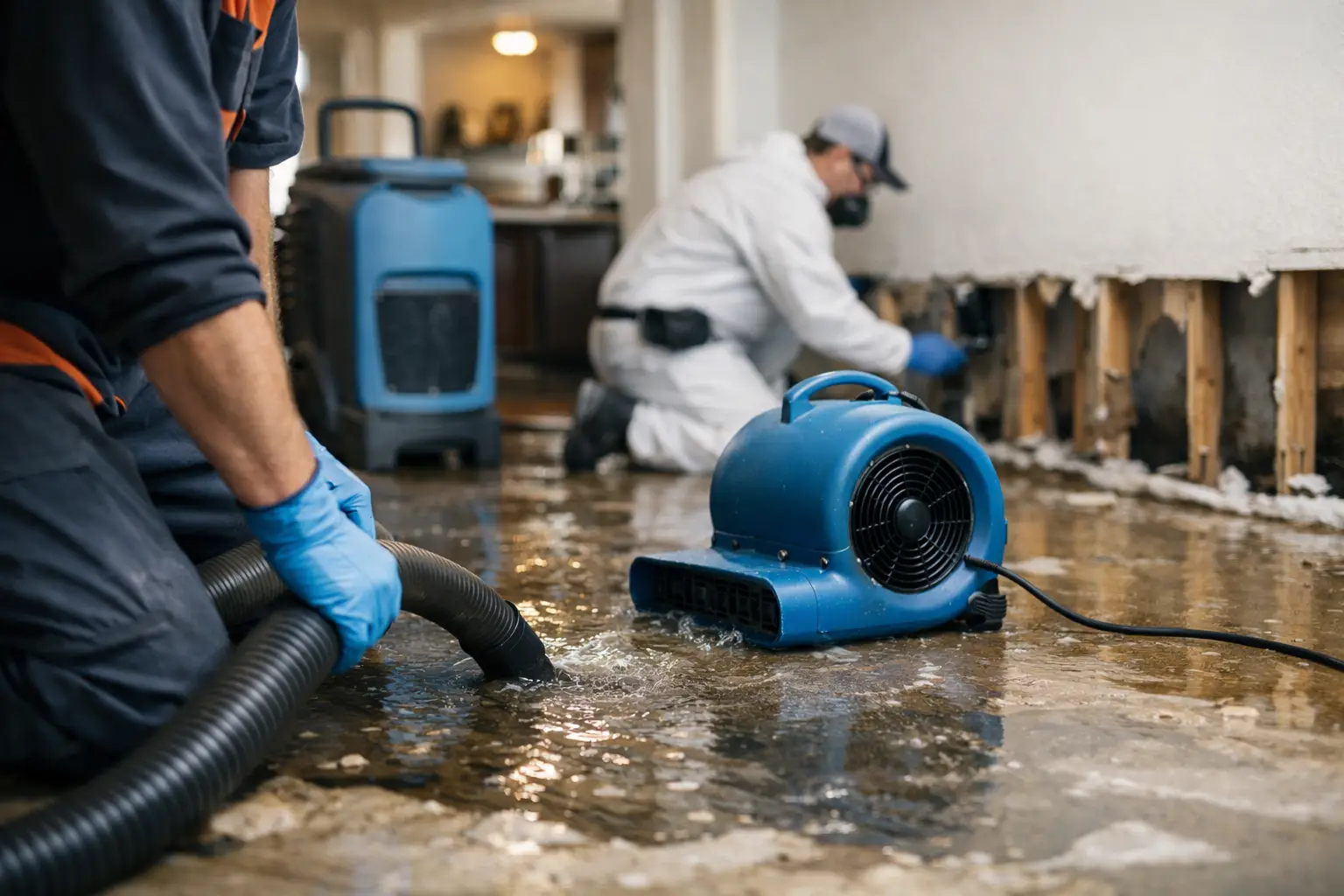 Water Damage
Extraction, structural drying, and moisture mapping after floods, leaks, and burst pipes.
Get help now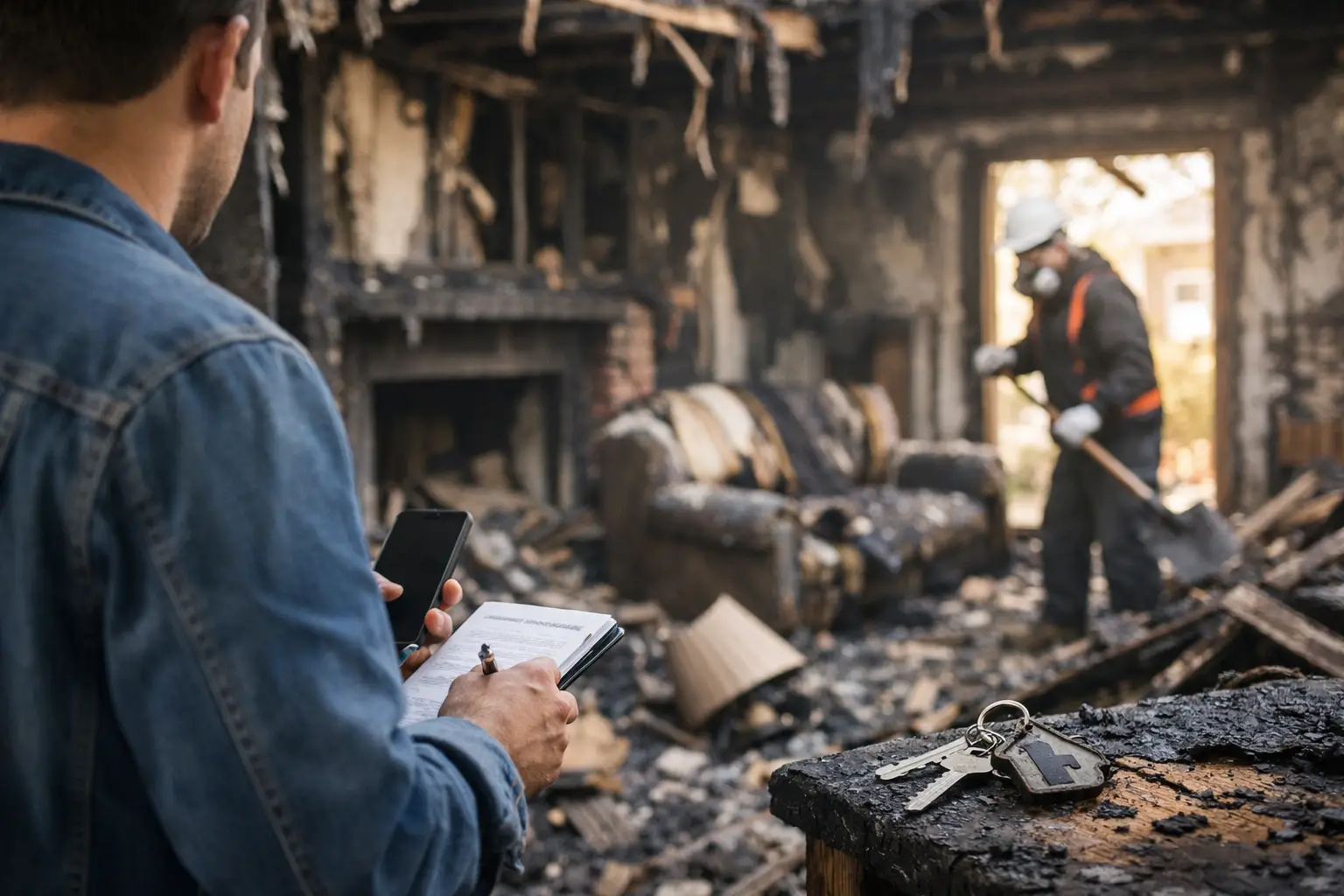 Fire & Smoke
Soot removal, odor deodorization, and content cleaning after fire and smoke damage.
Learn more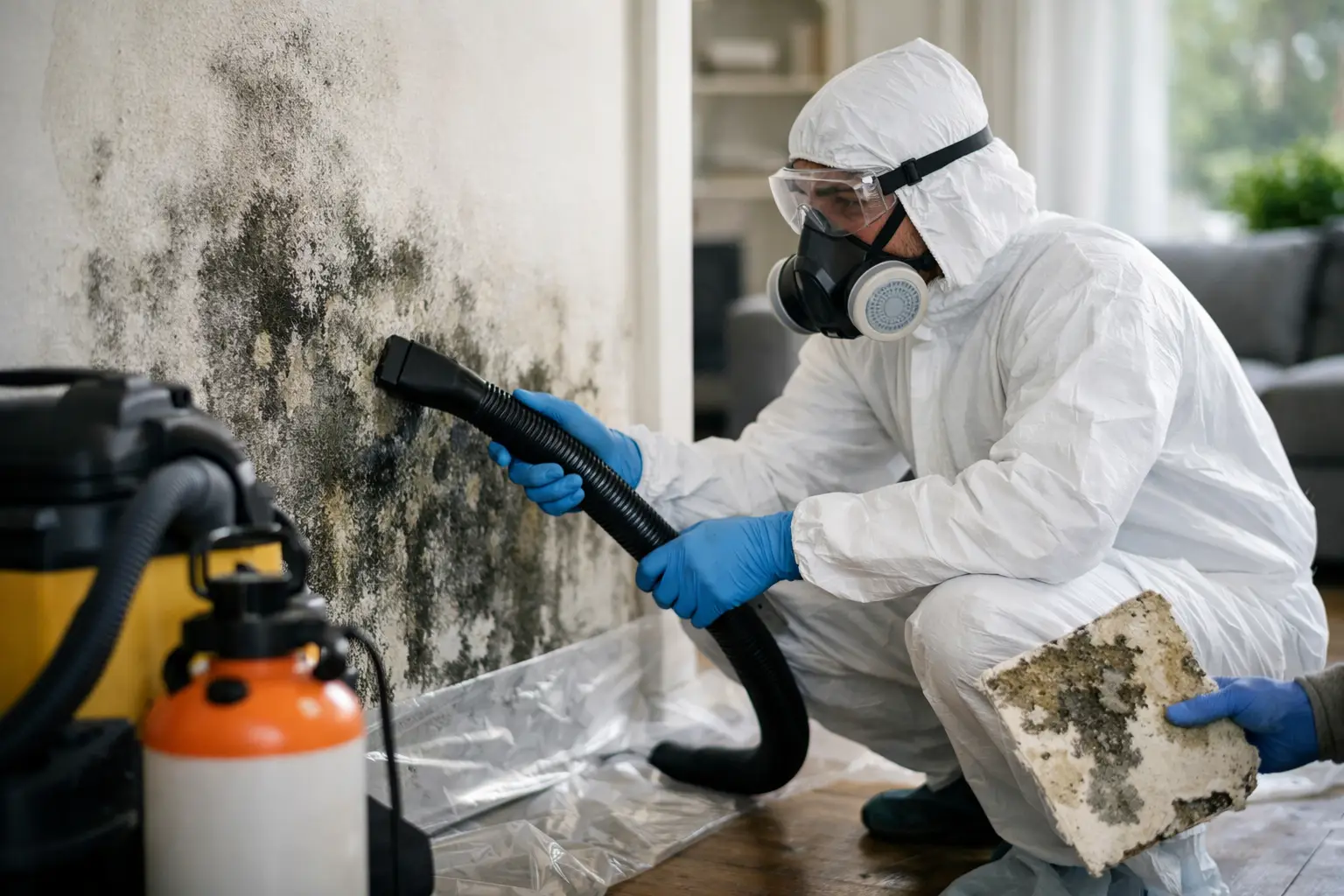 Mold
MoldContainment, removal, and moisture control that stops mold from coming back.
Learn more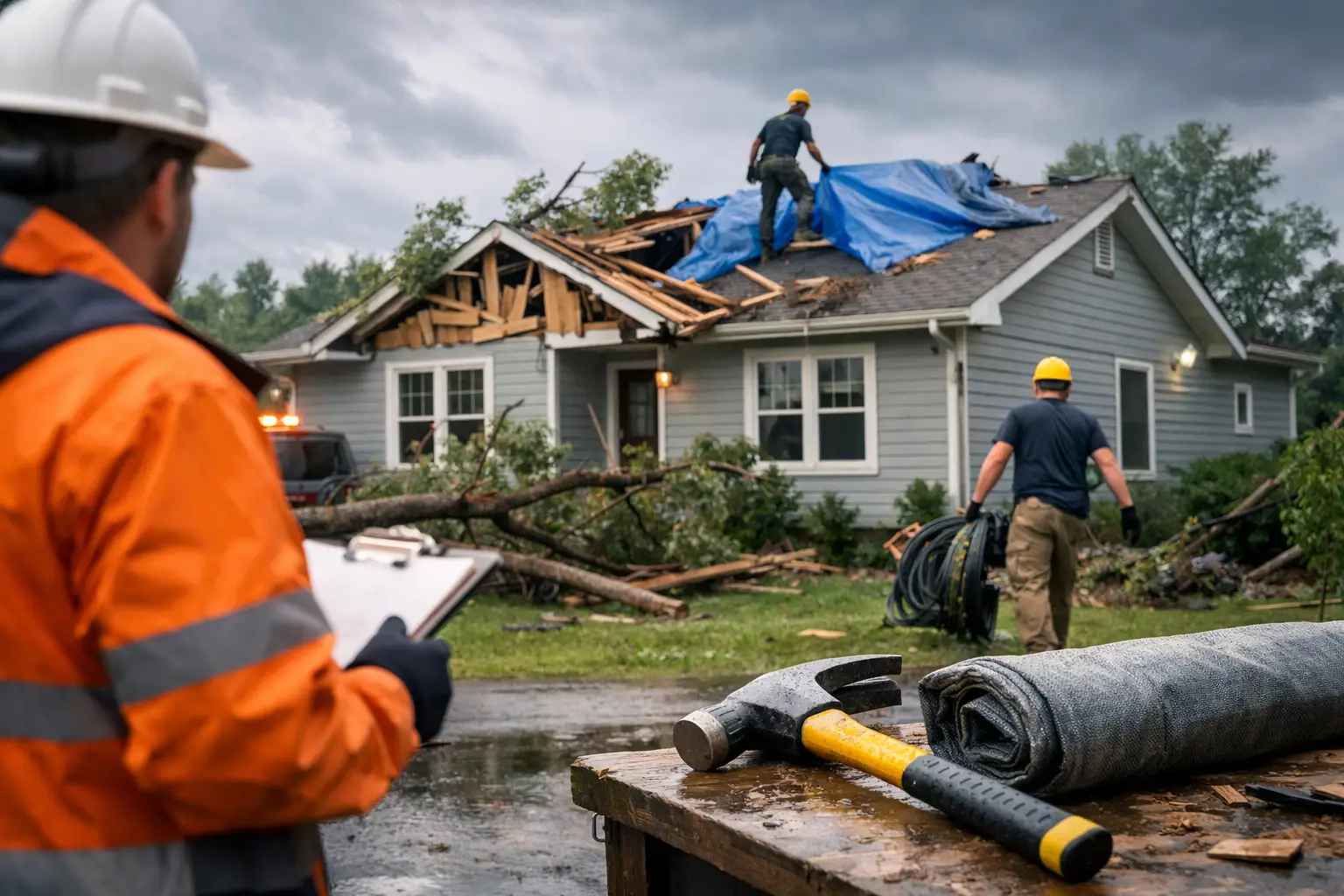 Storm
StormEmergency board-up, roof tarping, and full recovery after wind, hail, and storms.
Learn more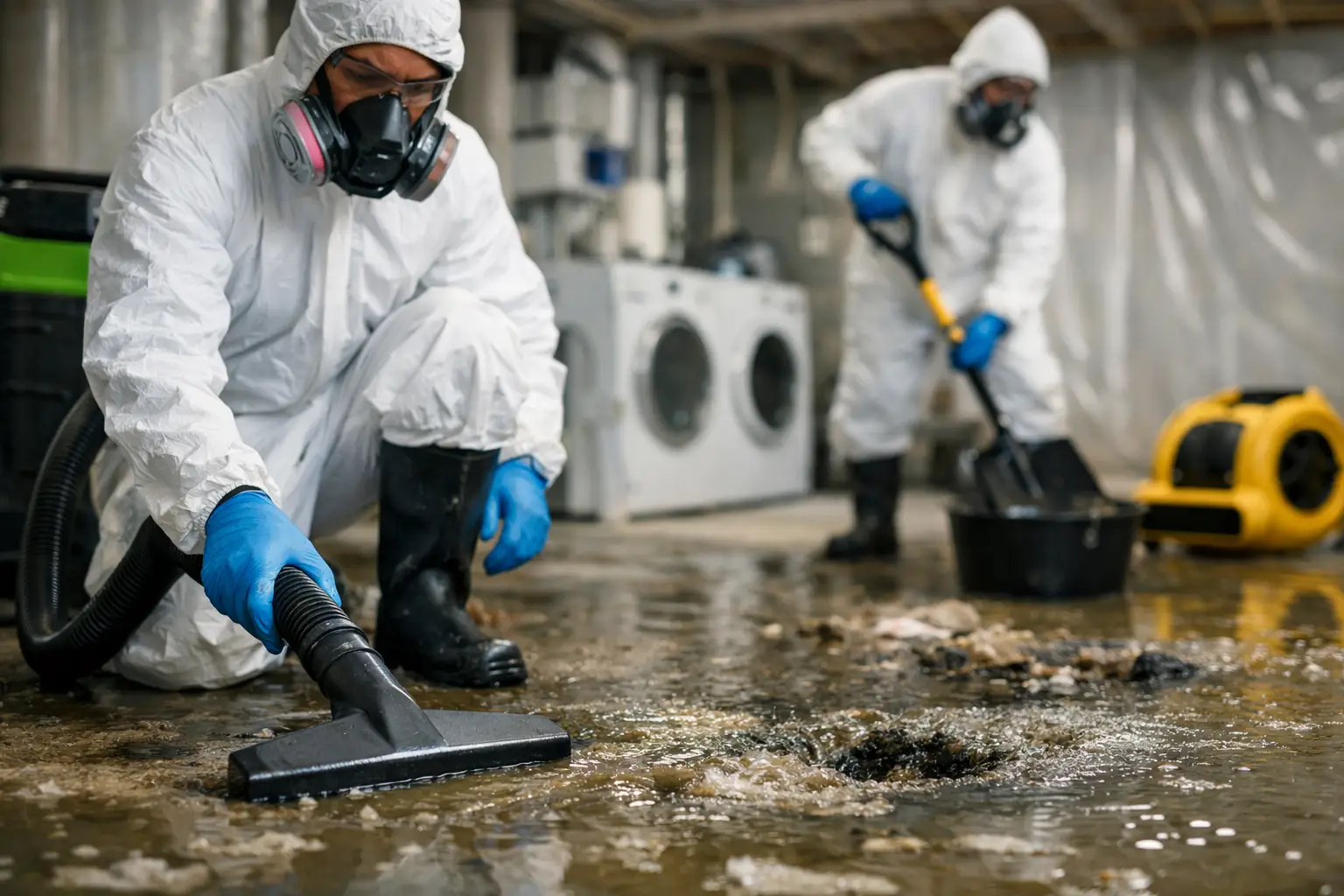 Sewage
Safe biohazard cleanup and sanitizing after sewage backups and overflows.
Learn more Reconstruction
Full rebuild by a licensed general contractor, so your property comes back whole.
Learn moreElevated Operations is an IICRC-certified, licensed general contractor based in Mableton that handles the entire recovery in-house, so after one loss you are never coordinating a cleanup crew, a mold crew, and a contractor separately. One team, one point of contact, from the first pump-out to the final coat of paint.
People call when the property feels like a disaster. They leave reviews because Chris and the crew made it right. These are real, verified Google reviews.
Canton St mill cottages often need extra attention because older framing, trim, and small cavities trap smoke and soot. I start with stabilization, then inspect for hidden residue, moisture, and odor paths. After that, I clean, dry, and repair in the order the structure needs, not the order that looks fastest.
Homes near Vickery and Big Creek often have more open layouts, longer HVAC runs, and stronger air movement, which can carry smoke farther than people expect. I inspect the entire path of the smoke, not just the room where the fire started, then target residue and odor at the source.
I can start as soon as the property is released and access is safe. That early window is critical for board up services, debris removal, soot removal, and drying any firefighting water. Waiting lets residue set, odor sink deeper, and moisture create a second loss.
Yes, I can evaluate fire damaged contents for restoration. Some items clean up well, others need packing, deodorizing, or specialist treatment, and some are too far gone. I look at soot type, heat exposure, and odor before I make a call, because false hope wastes time.
Smoke odor is not just a smell, it is residue on surfaces and in hidden spaces. If I do not remove the source and treat affected materials, the odor comes back when the house warms up or the HVAC runs. That is why odor neutralization follows cleanup, not the other way around.
Yes. I work on properties across Roswell, from older streets like Canton St to newer areas tied to Vickery and the Big Creek corridor. The construction style changes the cleanup plan, but the goal stays the same, clean the loss thoroughly, dry the structure, and restore it correctly.
Call right away and do not start wiping surfaces randomly. Smoke can travel through HVAC, closets, and wall cavities, and the wrong cleaning product can smear soot deeper. I can assess the damage, recommend board up services if needed, and begin smoke damage cleanup before the odor settles in.
I use direct insurance billing, which helps reduce the paperwork burden on you. I document the damage, communicate the scope, and keep the restoration process moving. If your claim has deductible stress, I also offer deductible assistance up to $1,000, which can help at a rough moment.
Elevated Operations dispatches IICRC-certified crews across Metro Atlanta from our Mableton base, with a 60-minute emergency response day or night. Choose your city:
Call now for an immediate response, or request your free inspection and get a certified crew on-site within the hour across Atlanta and nearby areas.




