24/7 Emergency Restoration · Serving Metro AtlantaEmergency? (770) 404-6895
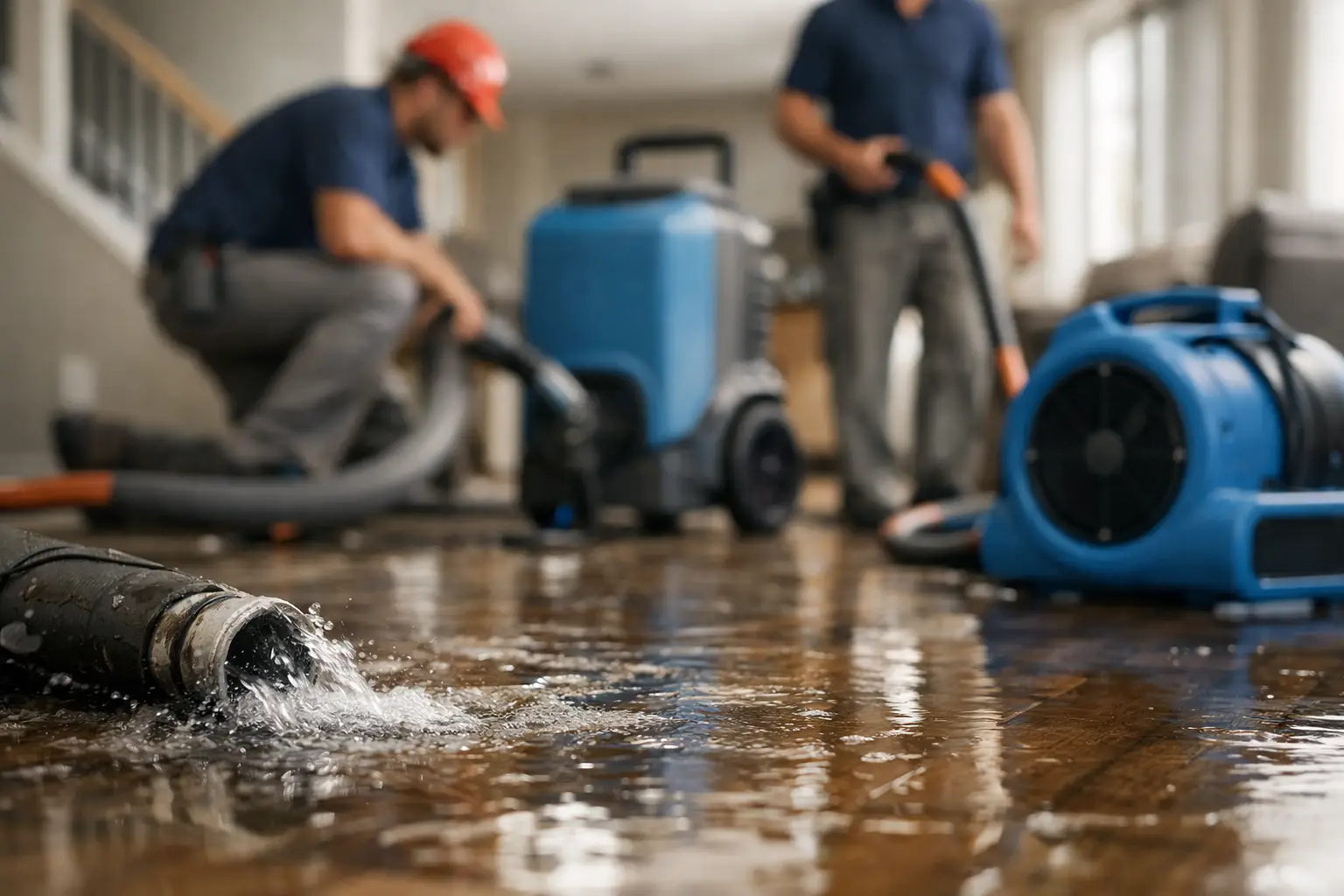
Flooded basement cleanup Atlanta means I decide fast whether to dry, clean, restore, or replace, because intown bungalows and creek basements fail in different ways. I am Chris Kwangwari of Elevated Operations, LLLP, and I have been in restoration since 2007. My crew answers 24/7, with 60-minute emergency response, IICRC-certified technicians, direct insurance billing, and a 12-month warranty.
IICRC-Certified · 5-Star Rated · 60-Minute Response · Insurance Billed Directly
Yes. I handle cleanup in intown bungalows and older basements, where water likes to hide in low walls, carpet edges, and old finish layers.
Bad odor often means contamination or trapped moisture. I treat that as a deeper cleanup problem, not just a drying problem, and I inspect for sewage backup cleanup needs.
Yes. I do direct insurance billing and I document the loss clearly so the claim work moves in order.
I am Chris Kwangwari, owner of Elevated Operations, LLLP. I have been in restoration since 2007, my technicians are IICRC-certified, and I back the work with a 12-month warranty.
Start with safety, then stop the water, then call for basement water removal before the damage spreads. In Atlanta, that matters in intown bungalows with low basement ceilings and in creek basements where runoff keeps feeding the space long after the first puddle.
Turn off electricity to the area if you can do it safely, then keep people out. Flood water extraction is not just about standing water, because soaked trim, drywall, and contents keep wicking moisture upward after the visible water is gone.
If the water came from a sewer line or backed-up drain, treat it as sewage backup cleanup, not a simple mop-up job. That changes the cleanup, the disposal, and the drying plan, especially in older Atlanta homes with finished basement rooms under bungalow additions.
I see owners grab fans first. That is the wrong order. You need the source controlled, moisture mapped, and the wet carpet removal done before basement drying can work the way it should.
I clean up a flooded basement by removing the water, pulling damaged materials, drying the structure, and checking for hidden moisture. In Atlanta, I also look for crawl-to-basement paths, creek seepage, and old bungalow framing that traps water behind walls and under floors.
The first pass is basement water removal, then we move into flood water extraction around corners, under storage, and behind any finished space. If the carpet is salvageable, it gets lifted for dry-out; if not, wet carpet removal is faster and cleaner.
After that, I want the structure open enough to dry. Basement drying is about air movement, dehumidification, and removing what blocks the path. Intown bungalows often have tight rooms and old finishes, so hiding water behind them is a common mistake.
And I do not guess. I check moisture in framing, subfloor, and baseboards, because mold prevention starts with making sure the whole assembly is dry, not just the top layer. If we miss one trapped cavity, the job is not done.
Restore what can dry cleanly and replace what stayed soaked, warped, or contaminated. That is my line. In Atlanta basements, salvage often makes sense for structure, but replacement is the right call for carpet, pad, swollen trim, and materials touched by sewage or long-standing flood water.
Restoration wins when the water was clean, the response was fast, and the material can be dried before breakdown starts. In a creek basement, I look at how far the water traveled and whether the lower wall system is still sound after basement drying.
Replacement wins when the material is already ruined. That includes wet carpet removal that leaves pad contamination behind, trim that swells and splits, or drywall that stayed wet too long. I do not fight for materials that will fail again next month.
Atlanta’s older housing stock makes this choice more important. Intown bungalows often have finished basements built in stages, so one room can be saveable while another room needs replacement. I split the decision by room, not by hope.
Yes, and fast. Mold starts in 24 to 48 hours when wet materials stay damp, so a flooded basement can turn into a mold problem quickly if drying stalls. Atlanta’s humidity and tight basement layouts make mold prevention a race, not a theory.
That is why I push basement drying early. Even when the floor looks dry, framing, insulation, and hidden cavities can still hold moisture. In intown bungalows, old finishes and layered repairs can trap dampness where you cannot see it.
If the water was dirty, mold is only part of the issue. Sewage backup cleanup has to come first, because contamination changes the materials I will keep, the materials I will remove, and the speed at which the cleanup needs to happen.
I do not wait for visible growth. I look for odor, staining, and soft surfaces, then decide whether drying is still enough or whether replacement is the safer call. Mold prevention works best when the water is removed early and the structure is opened correctly.
Drying time depends on how much water entered, what materials were soaked, and how quickly basement water removal started. A small clean-water event can dry differently than a creek basement seep or a sewer backup, and older Atlanta basements often hold moisture in hidden places.
I do not give fake promises on drying. What matters is how much water sat in carpet, subfloor, drywall, and framing before the fans ever turned on. Wet carpet removal can shorten the process a lot, while delayed response slows everything down.
Intown bungalows can dry slower than people expect because rooms are tight and air does not move well around enclosed spaces. Creek basements can also stay damp because the outside conditions keep feeding moisture into the structure even after the visible water is gone.
My rule is simple, dry the whole assembly, not the surface. If one area still reads wet, I keep going. Basement drying is finished when the hidden materials are dry enough to stop the next problem, not when the floor only looks better.
DIY can work for a tiny, clean spill on a bare slab, but I would not bet on it for most Atlanta basements. A pro is the better choice when water reaches drywall, carpet, electrical, sewer lines, or the hidden cavities common in intown bungalows and creek basements.
DIY usually fails when the owner cleans the visible water but misses what is underneath. The floor looks fine, then odors start, then mold shows up. That is why I treat basement water removal as a structure job, not a cleanup chore.
A pro is also the better call when the source is uncertain. Sewage backup cleanup is not something I want handled with household tools, and flood water extraction in a finished basement needs equipment that pulls moisture out instead of just moving it around.
And there is insurance to think about. I do direct insurance billing, and I can help with deductible assistance up to $1,000. If the loss is big enough to matter, the recordkeeping and moisture documentation matter too.
| Typical Trigger | Water Damage Restoration | Mold Remediation |
|---|---|---|
| Clean water hit a slab basement after a storm drain backed up near an intown bungalow. | Restore, dry the slab, remove soaked pad, and keep salvageable framing if it stays within safe moisture range. | Lower risk if basement drying starts fast and hidden cavities are opened right away for mold prevention. |
| Creek water seeped into a finished basement room and soaked carpet at the wall line. | Replace wet carpet and pad if they stayed saturated, then dry the structure and inspect the wall assembly. | Higher risk because moisture can linger behind baseboards and under finishes even after the floor looks dry. |
| A sewer line backed up into a basement bath or laundry space in an older Atlanta home. | Do sewage backup cleanup, remove contaminated materials, and replace anything that cannot be fully cleaned and dried. | Very high risk if contaminated materials stay in place, because odor, bacteria, and trapped moisture can all drive mold. |
From emergency mitigation to full reconstruction, handled in-house so you are never managing a chain of subcontractors mid-crisis.
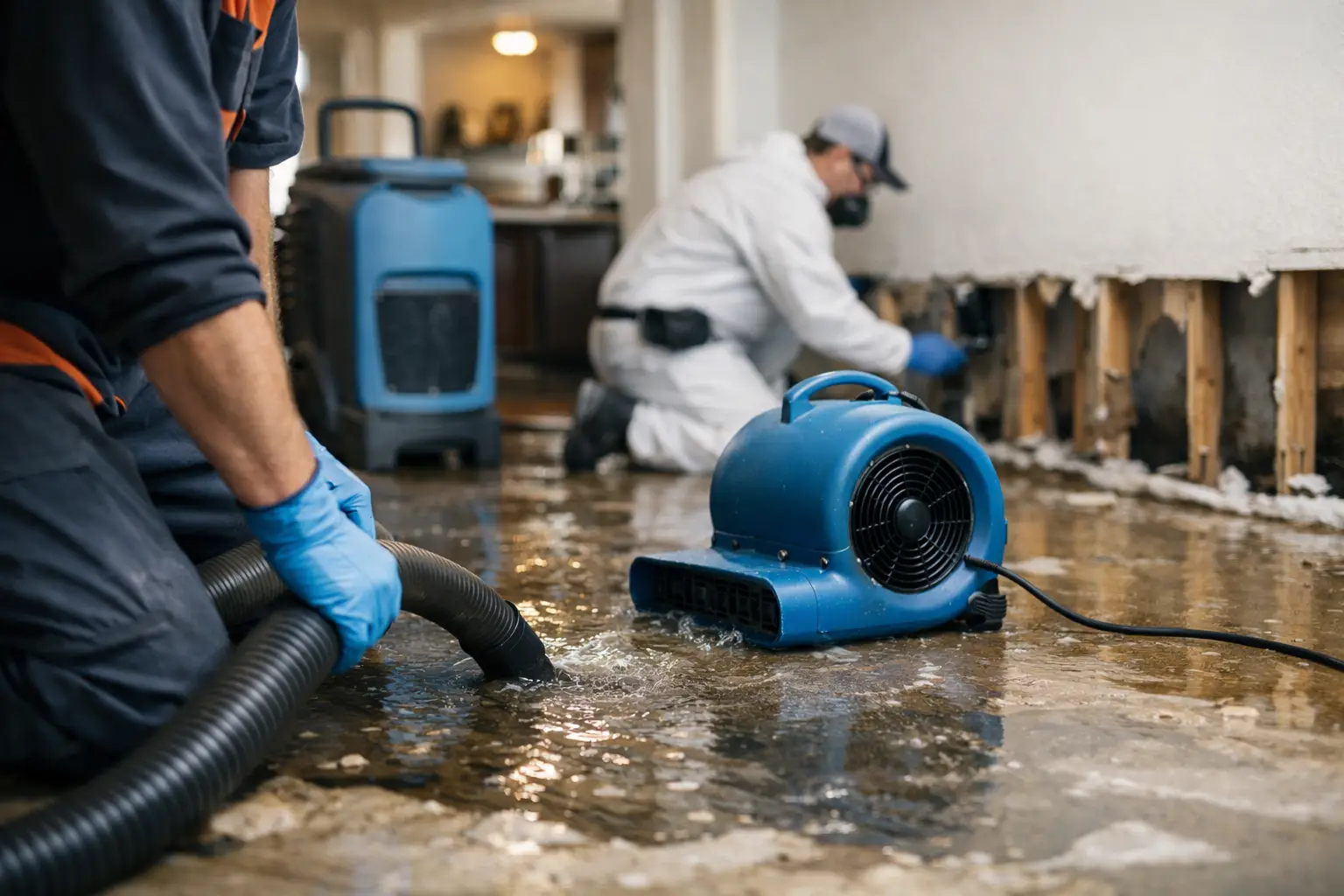 Water Damage
Extraction, structural drying, and moisture mapping after floods, leaks, and burst pipes.
Get help now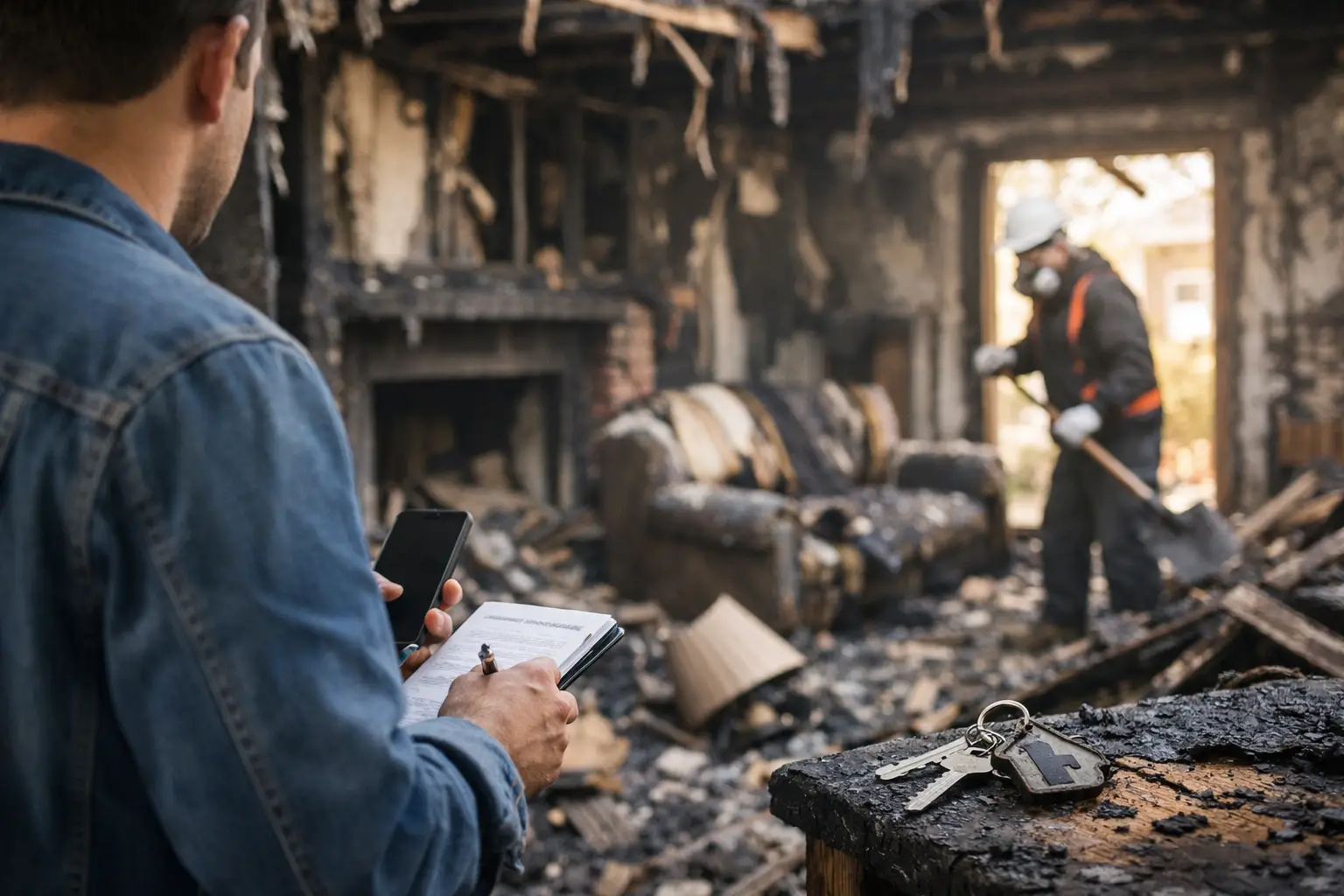 Fire & Smoke
Soot removal, odor deodorization, and content cleaning after fire and smoke damage.
Learn more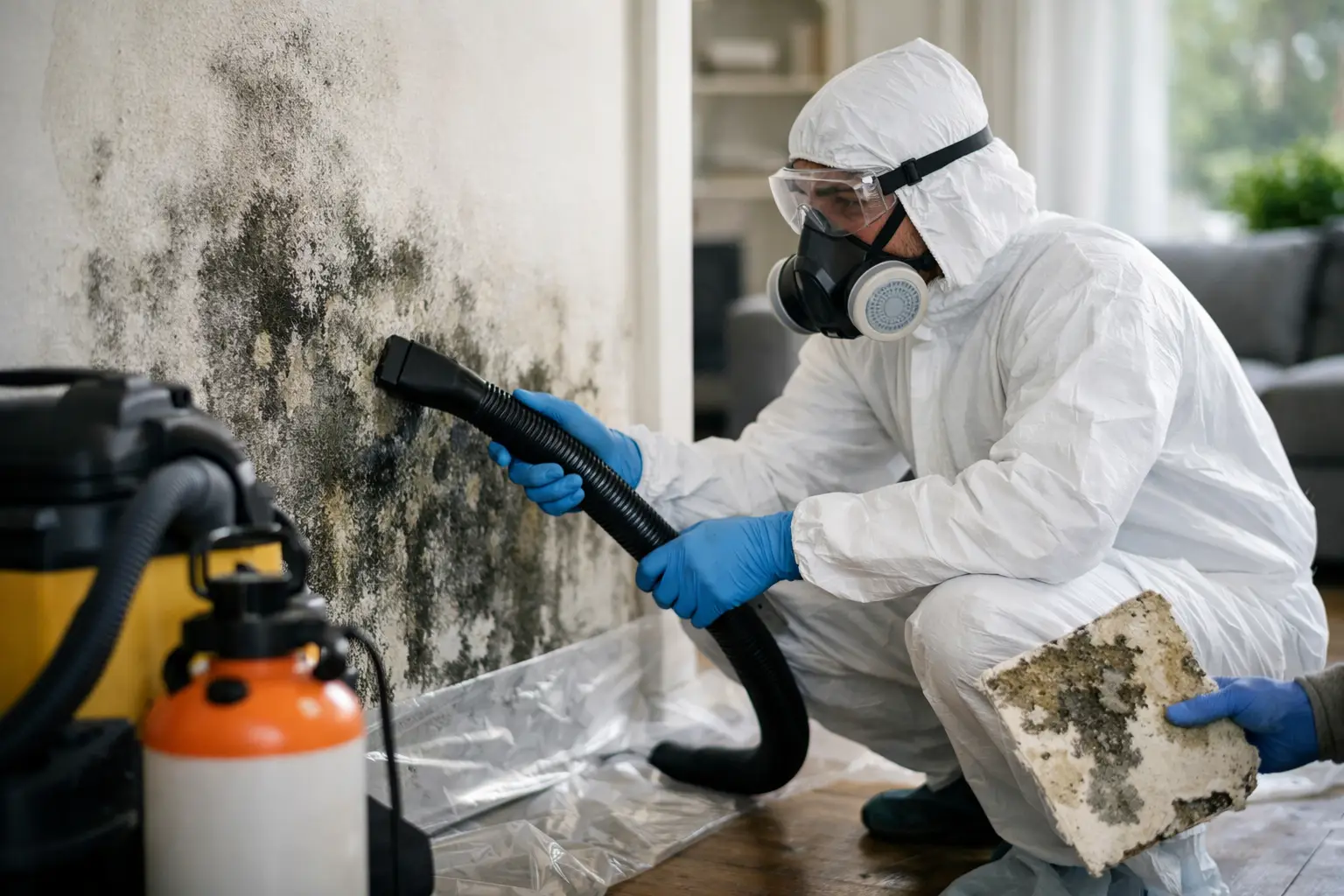 Mold
MoldContainment, removal, and moisture control that stops mold from coming back.
Learn more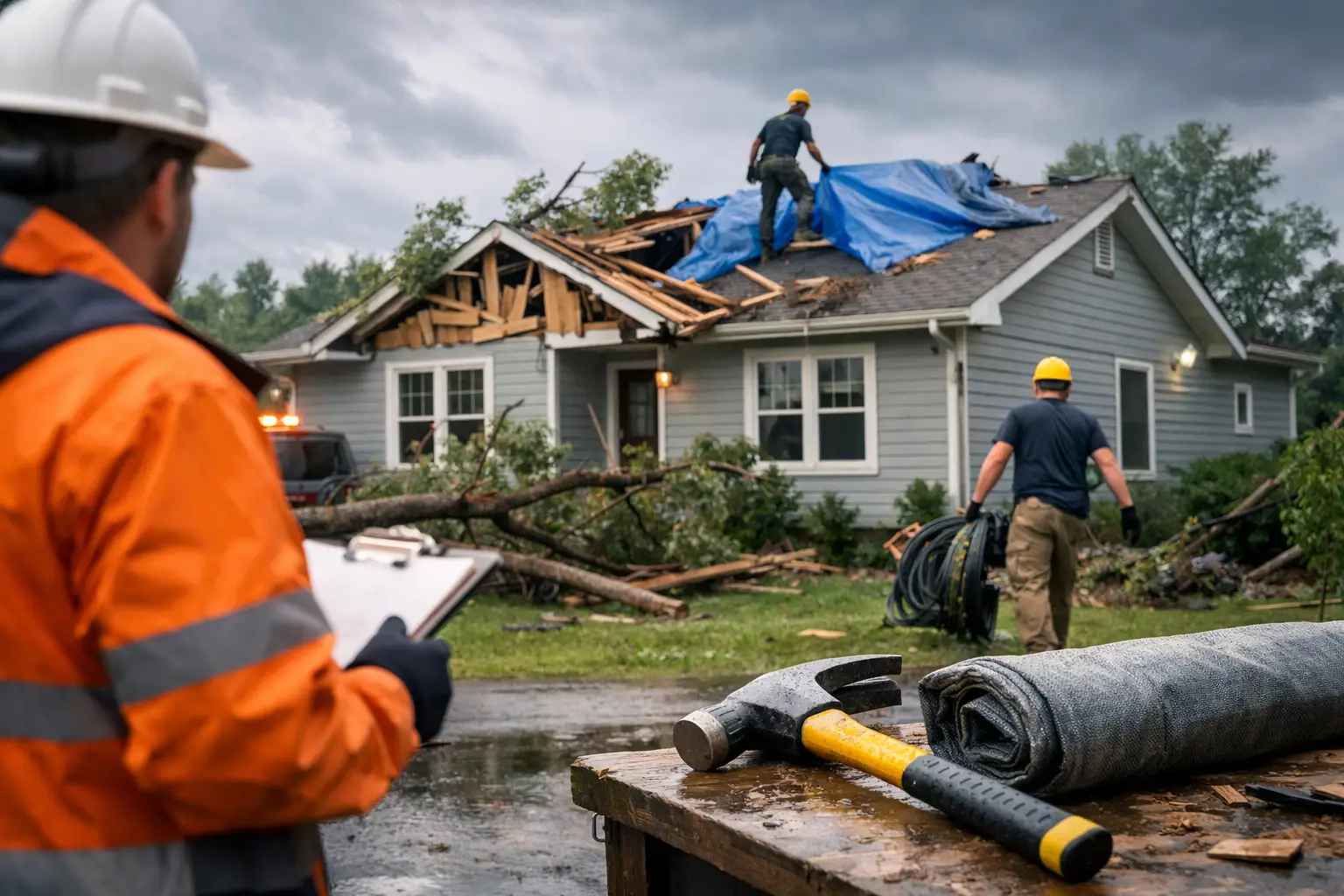 Storm
StormEmergency board-up, roof tarping, and full recovery after wind, hail, and storms.
Learn more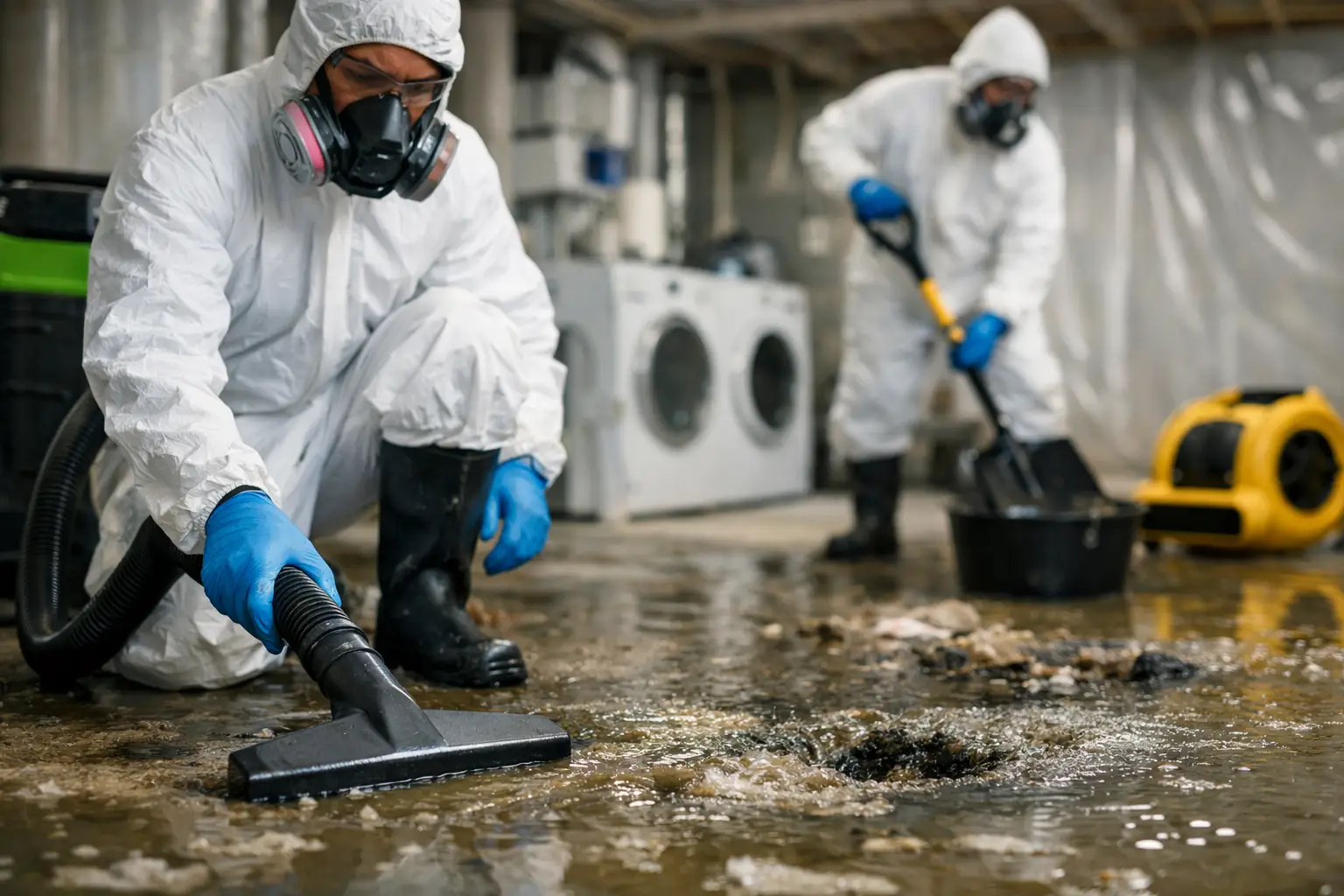 Sewage
Safe biohazard cleanup and sanitizing after sewage backups and overflows.
Learn more Reconstruction
Full rebuild by a licensed general contractor, so your property comes back whole.
Learn moreElevated Operations is an IICRC-certified, licensed general contractor based in Mableton that handles the entire recovery in-house, so after one loss you are never coordinating a cleanup crew, a mold crew, and a contractor separately. One team, one point of contact, from the first pump-out to the final coat of paint.
People call when the property feels like a disaster. They leave reviews because Chris and the crew made it right. These are real, verified Google reviews.
I start by stopping the water source, then I remove standing water, pull damaged materials, and dry the structure. In Atlanta’s older bungalows, water often sneaks into low walls and trim, so I inspect hidden cavities, not just the floor. That is how I keep a small loss from becoming a bigger one.
Get people out, shut off power if it is safe, and call for basement water removal right away. Creek basements can keep taking on moisture after the first surge, so speed matters. I also check whether the water is clean or contaminated, because sewage backup cleanup changes the whole job.
It depends on how fast the water was removed and how much material soaked it up. Wet carpet removal can shorten the drying process if the pad and backing are also addressed. In tight Atlanta basements, air flow is limited, so I open the space and dry the whole structure, not just the surface.
Yes. Mold starts in 24 to 48 hours when damp materials stay wet, and older bungalows often hide moisture behind finish layers. I focus on basement drying and mold prevention right away, because waiting for visible growth means the problem already got a head start.
Restoration makes sense when materials can dry cleanly and hold their shape. Replacement makes sense when carpet, pad, drywall, or trim stayed wet too long or got contaminated. I split the decision by material and condition, because Atlanta basements often have a mix of saveable structure and ruined finishes.
Yes, it is a different category. Sewage backup cleanup means contaminated water, contaminated materials, and a different removal standard. I do not treat it like plain basement water removal, especially in finished spaces where the water can spread into walls, flooring, and contents fast.
Coverage depends on the policy and the cause, so I do not guess. What I can do is document the damage, provide direct insurance billing, and help with deductible assistance up to $1,000. That way the claim has the right paperwork from the start.
Because some losses stop being a cleanup job and become a repair job. I am a licensed general contractor, so I can handle restoration and follow-through when framing, drywall, trim, or flooring need real rebuilding after the water is out.
Elevated Operations dispatches IICRC-certified crews across Metro Atlanta from our Mableton base, with a 60-minute emergency response day or night. Choose your city:
Call now for an immediate response, or request your free inspection and get a certified crew on-site within the hour across Atlanta and nearby areas.