24/7 Emergency Restoration · Serving Metro AtlantaEmergency? (770) 404-6895
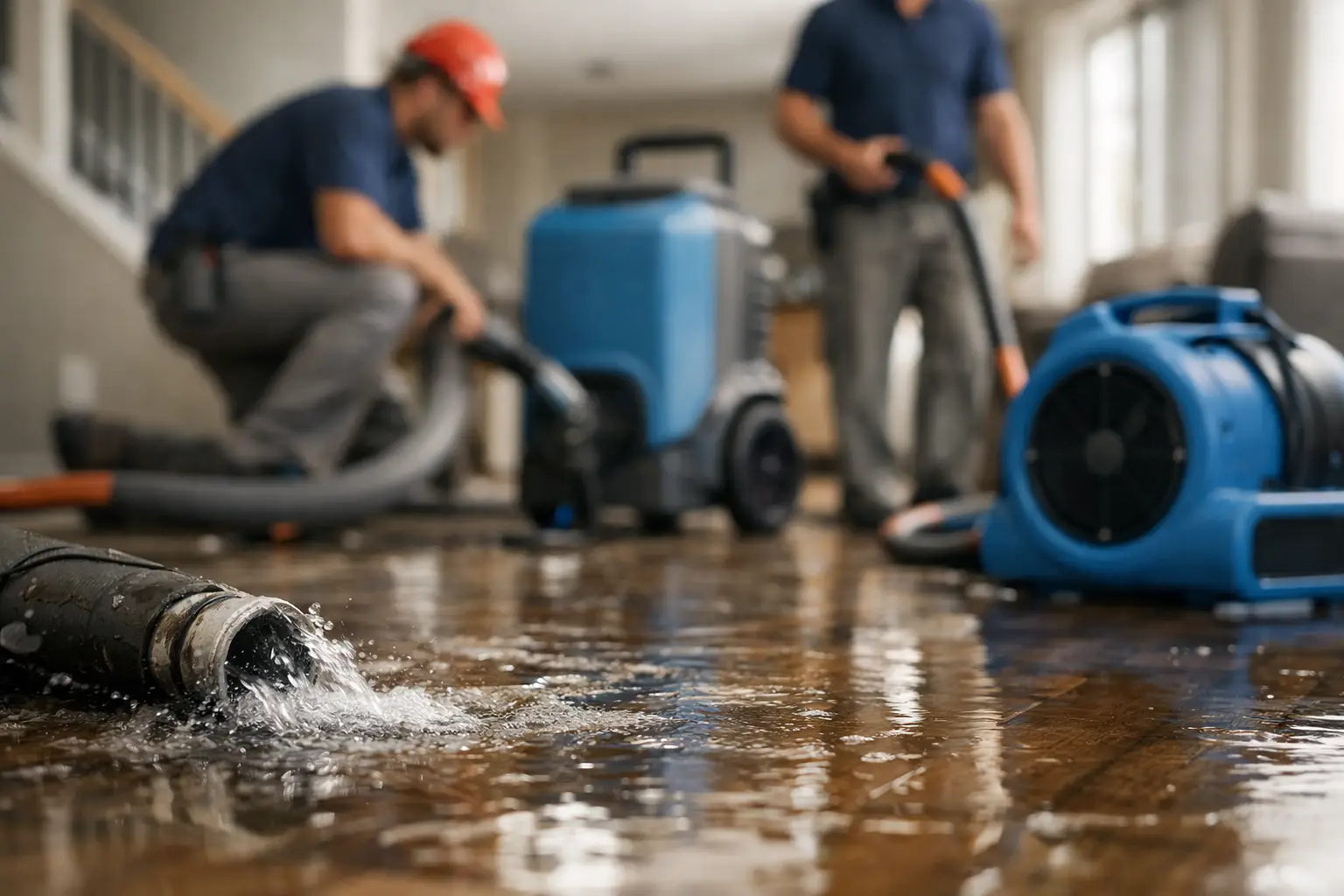
Mold remediation services Acworth usually comes down to one question: restore the structure or replace the material. I compare that call every day in homes near Lake Acworth and the Allatoona dock area, because mold cleanup, water damage, and hidden moisture do not get treated the same way. I am Chris Kwangwari, owner of Elevated Operations, LLLP.
IICRC-Certified · 5-Star Rated · 60-Minute Response · Insurance Billed Directly
It matters because nearby moisture exposure can push a small problem into a bigger one, especially in crawlspaces and older walls.
No. I restore hard, sound materials when possible, but I replace porous or damaged material that cannot be trusted.
I am owner Chris Kwangwari, IICRC-certified, licensed, and I use straight answers, direct insurance billing, and a 12-month warranty.
Call Elevated Operations, LLLP at (770) 404-6895. I respond 24/7 with a 60-minute emergency response and I handle the comparison, the cleanup, and the rebuild.
Mold remediation services start with finding the moisture source, then isolating the affected area, removing contaminated materials when needed, and finishing with mold cleanup and air filtration. In Acworth, I see this most often after roof leaks, crawlspace moisture, or dock-side humidity near Lake Acworth and Allatoona.
First, I want the water problem found. Mold does not appear by itself, it follows a leak, seepage, or damp air. In older Acworth homes and lake-facing properties, that often means a crawlspace, bathroom wall, or trim line that stayed wet too long.
Then I use IICRC-certified technicians to contain the work area, protect the rest of the home, and begin removal of damaged material if it cannot be saved. That is where mold abatement and mold removal stop being buzzwords and become a job with a clear scope.
After that, I focus on drying, hepa vacuuming, and air filtration where dust and spores can travel. If the material can be cleaned and restored, I push for that. If it has to come out, I say so. I do not fake a repair just to avoid replacement.
You need mold remediation when there is active growth, a recurring musty smell, staining that keeps coming back, or water damage that sat long enough for mold to start. In Acworth, that decision usually turns on whether the wet area is still leaking and whether porous materials were affected.
If water got into drywall, insulation, baseboards, or subflooring and sat there, I treat that as a mold question, not just a cleanup question. Mold starts in 24 to 48 hours when conditions are right, so waiting to see if it goes away is the wrong move.
Near Lake Acworth and the Allatoona dock area, homes see extra humidity and seasonal moisture pressure. That does not mean every damp spot is mold, but it does mean I inspect quickly when odors, discoloration, or soft materials show up after a leak.
If the damage is confined and the structure is still sound, restoration may be enough. If the material has broken down, replacement is the safer call. I give direct insurance billing, deductible assistance up to $1,000, and a 12-month warranty when the work is complete.
Restore when the material is non-porous, lightly affected, and structurally sound. Replace when mold has penetrated porous materials or the water damage has weakened them. In Acworth, I see restoration work on framing and hard surfaces, but drywall, insulation, and swollen trim often need replacement.
This is the biggest comparison on any mold job. People want a cheaper answer, but the right answer depends on the material. Hard surfaces like tile, sealed metal, and some framing can often be cleaned. Once mold gets into insulation or saturated drywall, replacement usually wins.
Around older Acworth neighborhoods and lake-adjacent homes, I see crawlspace wood, closet walls, and bathroom partitions get hit hard. If the mold is only on the surface and the source is fixed, restoration may be the best move. If the material is warped or crumbly, I do not recommend saving it.
And I am blunt about this: replacement is not failure. It is the right call when the building material can no longer be trusted. Restoring the wrong thing costs more later, especially when moisture keeps feeding the problem after a quick cosmetic mold cleanup.
DIY is only reasonable for tiny surface spots on hard materials with a known and fixed moisture source. If the mold is spreading, hidden, or tied to water damage, a pro is the better choice. I am talking containment, hepa vacuuming, and proper removal, not wipe-and-hope cleanup.
A homeowner can wipe a small spot off tile and still miss the reason it grew there. That is the trap. If the stain comes back, or if the smell moves through the room, DIY is not solving the problem. It is delaying the real work.
Pro mold remediation services matter when the area includes drywall, insulation, crawlspaces, attic spaces, or repeated dampness from Lake Acworth humidity and Allatoona moisture exposure. Those spaces need inspection, containment, and a plan for restoration or replacement, not a spray bottle and a fan.
I have been in restoration since 2007, and I have seen too many small DIY jobs become larger repairs. A pro is not just about cleaning. It is about finding the source, controlling the spread, and making sure the repair matches the damage.
Water damage is the leak, flood, or intrusion. Mold is what often follows if that moisture stays in place. In Acworth, the best decision starts with the water problem first, because mold remediation services only work well when the source is fixed before cleanup begins.
I always separate the two because they require different thinking. Water damage is about extraction, drying, and structural protection. Mold is about containment, contamination control, and removal or restoration of affected materials. If you treat them like the same job, you miss part of the problem.
In a dock-area property near Allatoona or a home close to Lake Acworth, water intrusion may come from storms, roof issues, plumbing, or damp crawlspace air. If the material stayed wet, the clock starts fast. That is when I stop talking about simple cleanup and start talking about mold abatement.
The verdict is simple. If it is wet, dry it and fix the source. If it is growing, remove or clean it properly. If both are happening, I handle the full sequence so the water damage does not feed another mold cycle.
The timeline depends on how much material is affected, how far the moisture spread, and whether restoration or replacement is needed. Small, visible issues may move faster, but hidden mold tied to water damage takes longer because the source has to be corrected first.
I do not give fake time promises. That is not how this work behaves. A small bathroom issue in Acworth is very different from a crawlspace problem near the lake or a wall cavity hit by repeated leaks. Inspection, containment, removal, drying, and rebuild all affect the schedule.
If the work stays on hard surfaces and the source is already fixed, mold cleanup can be more straightforward. If drywall, insulation, or trim has to come out, replacement adds steps. That is why a real mold inspection matters before anyone guesses about the finish date.
I am licensed as a general contractor, so I look at the whole structure, not just the visible stain. That is how I keep the timeline realistic and the result durable. Fast is good. Correct is better.
| Typical Trigger | Water Damage Restoration | Mold Remediation |
|---|---|---|
| Small spot on bathroom tile after a leak | Dry it, fix the leak, then clean the surface | If growth stays on hard tile, restoration may work |
| Musty crawlspace near Lake Acworth after rain | Check moisture intrusion and ventilation first | If framing or insulation is affected, replacement is likely |
| Wall stain after an Allatoona dock weekend home sat closed | Inspect for hidden plumbing or humidity issues | If drywall is soft or odor remains, mold remediation services are the right move |
From emergency mitigation to full reconstruction, handled in-house so you are never managing a chain of subcontractors mid-crisis.
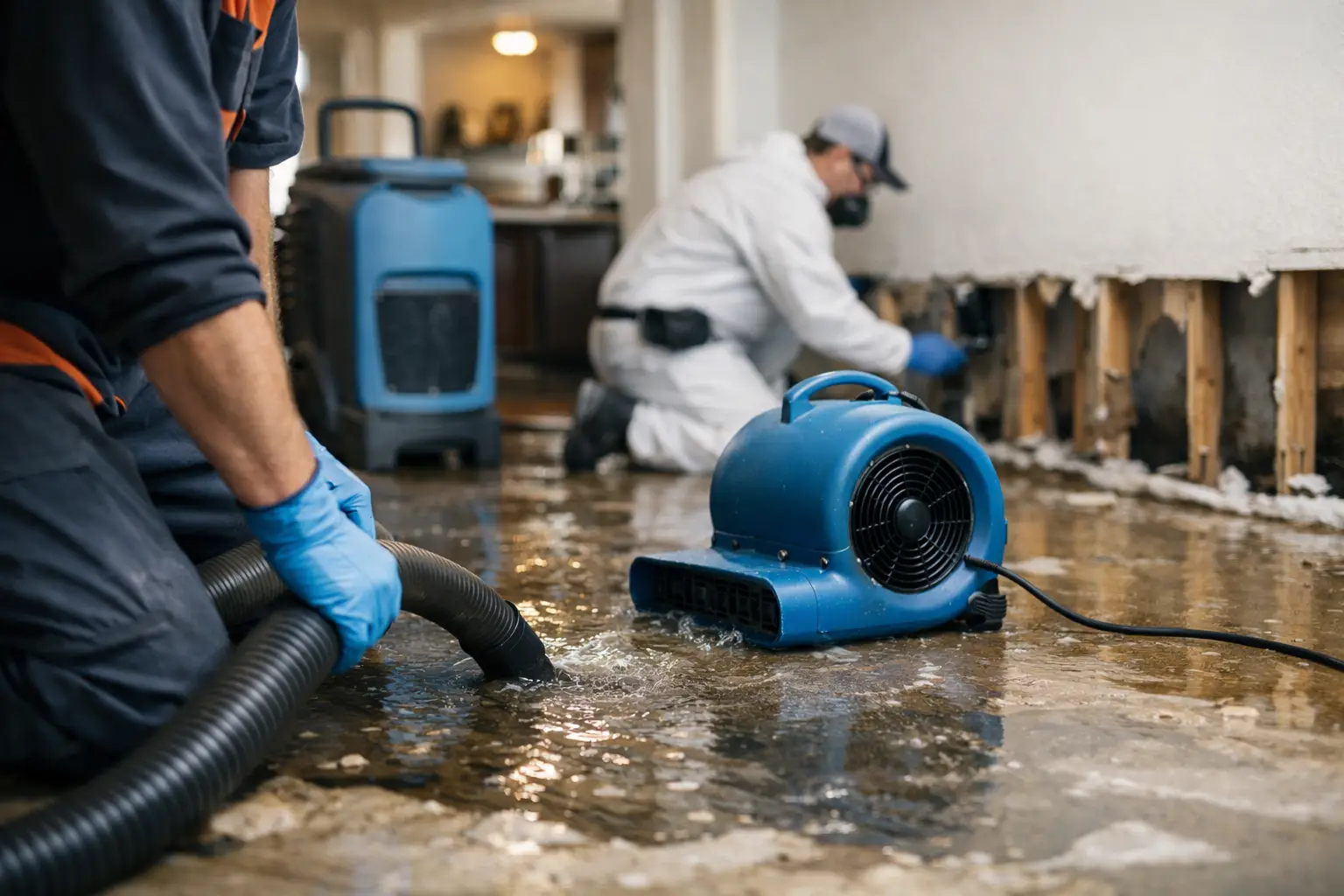 Water Damage
Extraction, structural drying, and moisture mapping after floods, leaks, and burst pipes.
Get help now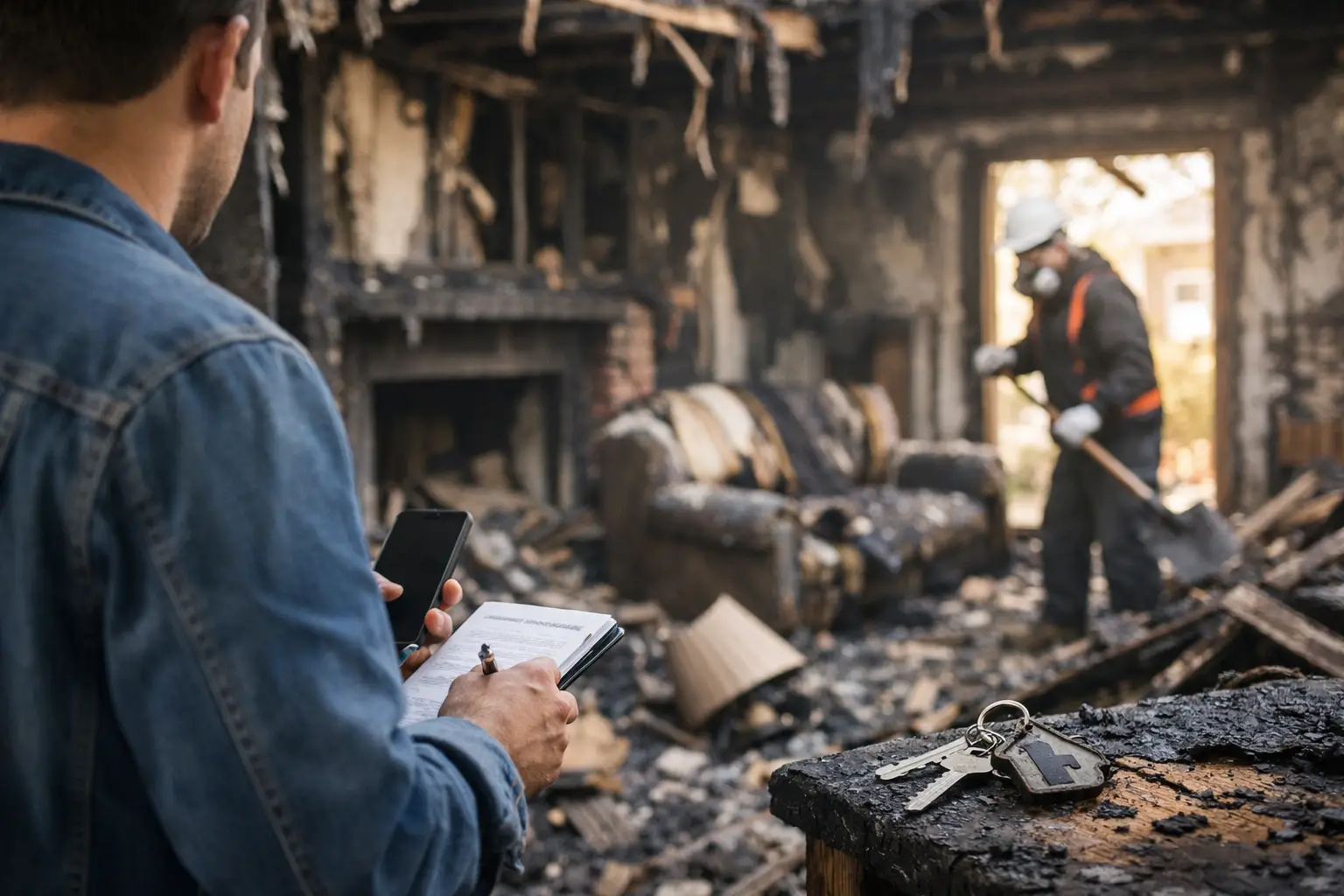 Fire & Smoke
Soot removal, odor deodorization, and content cleaning after fire and smoke damage.
Learn more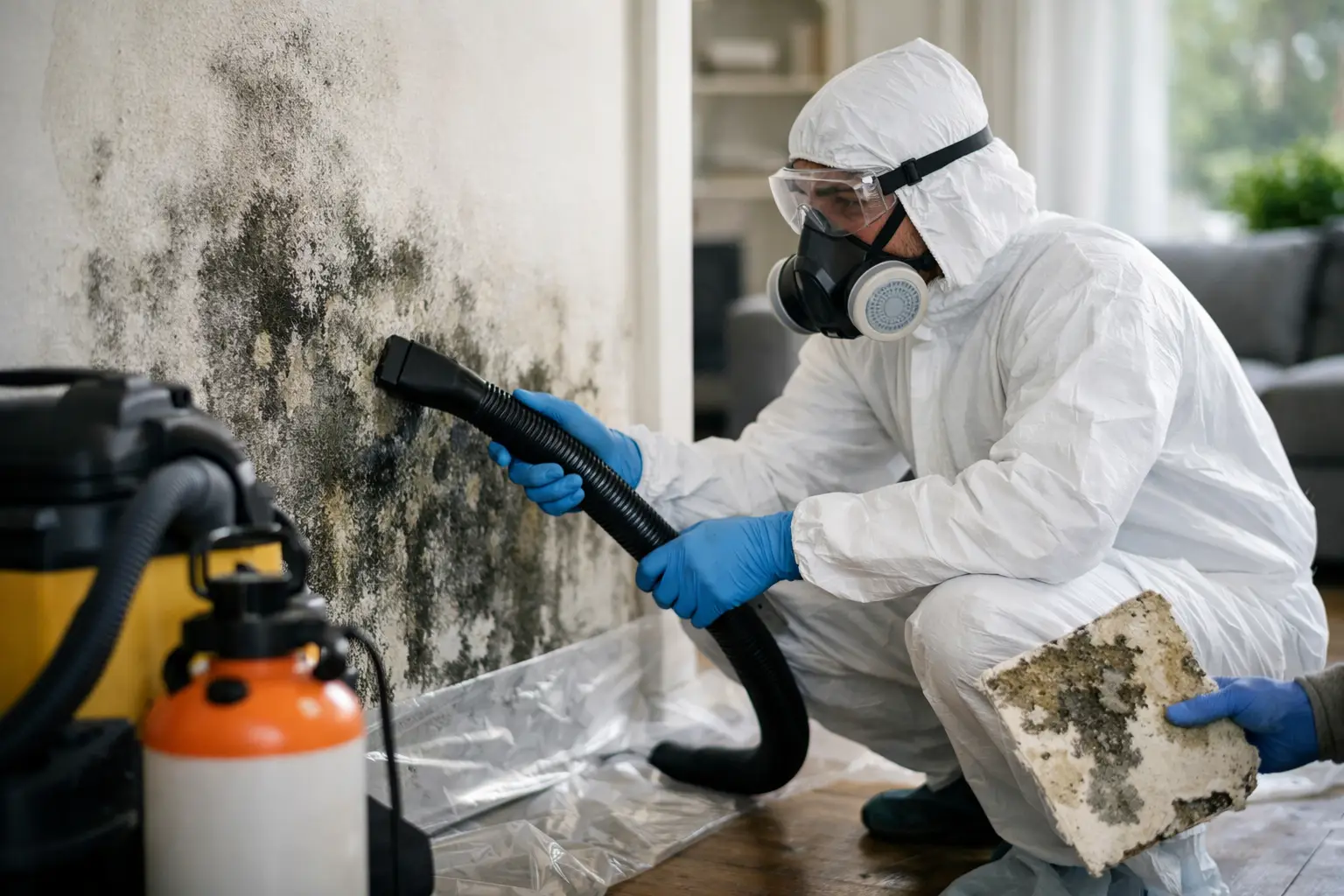 Mold
MoldContainment, removal, and moisture control that stops mold from coming back.
Learn more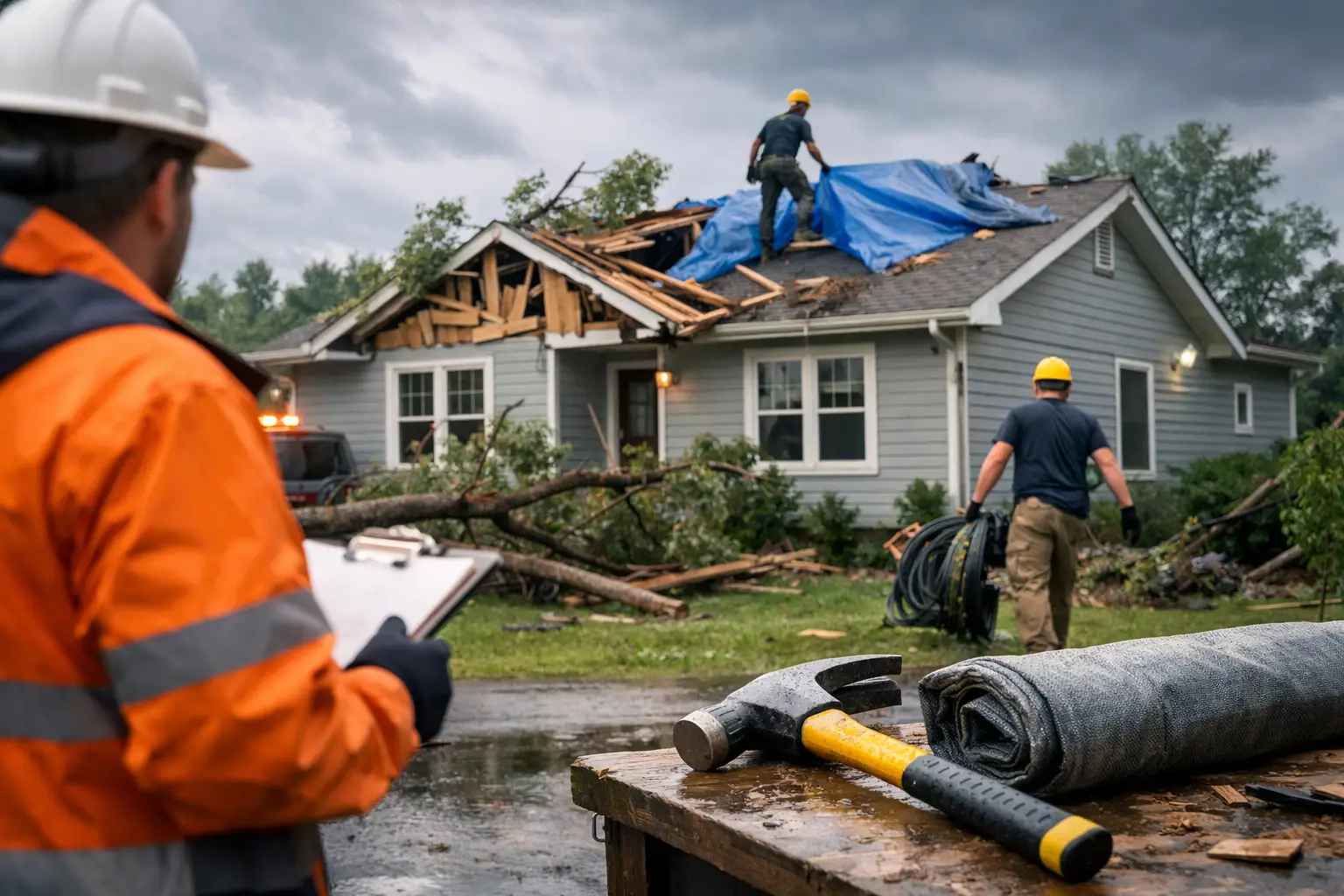 Storm
StormEmergency board-up, roof tarping, and full recovery after wind, hail, and storms.
Learn more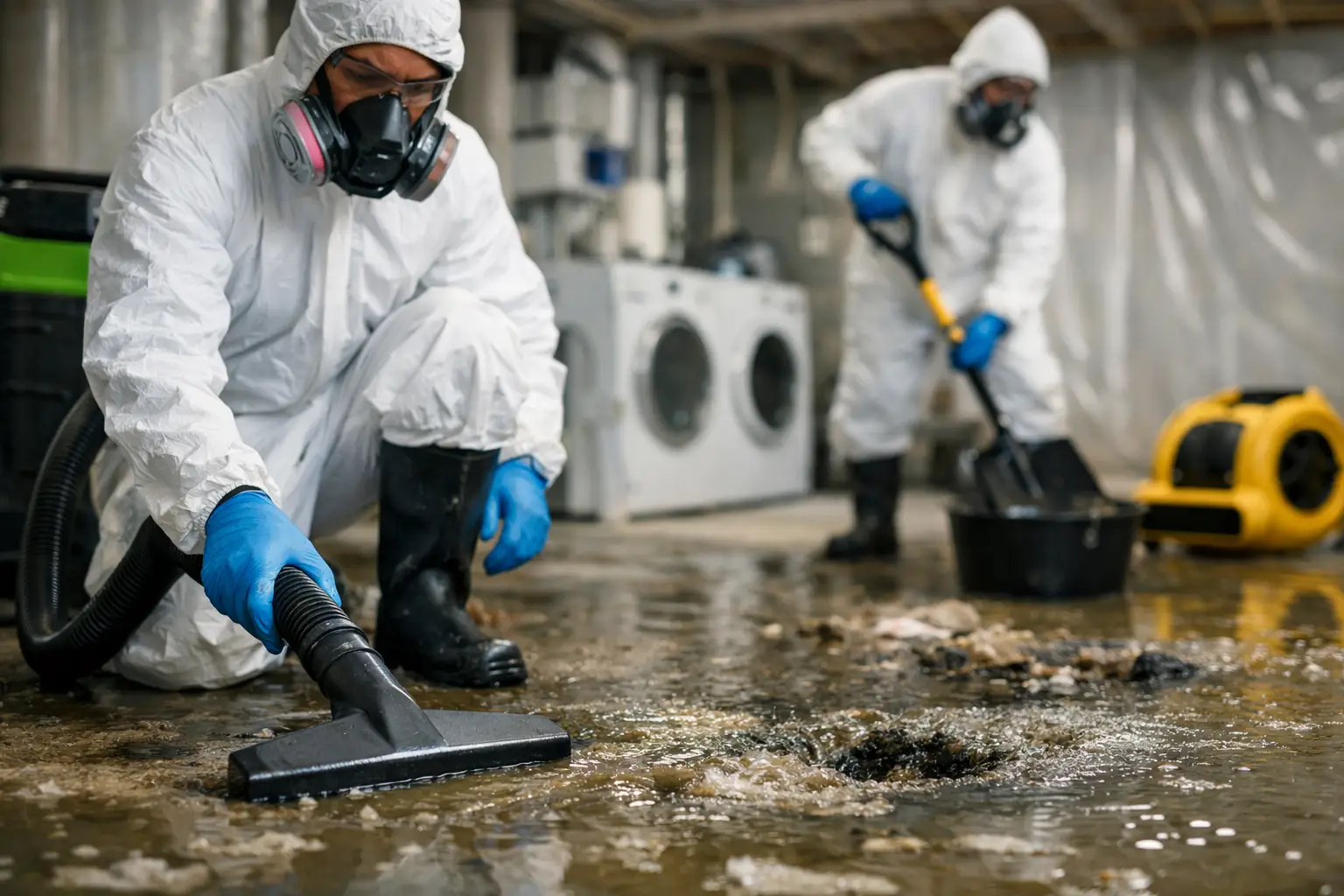 Sewage
Safe biohazard cleanup and sanitizing after sewage backups and overflows.
Learn more Reconstruction
Full rebuild by a licensed general contractor, so your property comes back whole.
Learn moreElevated Operations is an IICRC-certified, licensed general contractor based in Mableton that handles the entire recovery in-house, so after one loss you are never coordinating a cleanup crew, a mold crew, and a contractor separately. One team, one point of contact, from the first pump-out to the final coat of paint.
People call when the property feels like a disaster. They leave reviews because Chris and the crew made it right. These are real, verified Google reviews.
Mold removal cost in Acworth depends on how much area is affected, where the mold is hiding, and how far it has spread, so every job starts with a free inspection and a written quote before any work begins. As a local mold remediation company, we answer 24/7 and bill your insurance directly.
What drives mold removal cost is the affected area and contamination level, so we inspect first and price it in writing, no guesswork.
We handle black mold with containment and HEPA filtration, then verify the air before we call the job done.
Dispatched from Mableton, our IICRC-certified crew reaches Acworth homes fast, 24/7, and bills insurance directly.
I do not promise magic. Mold can be removed from affected materials and controlled in the home, but the real goal is to remove the source and the damaged material that supports growth. If moisture keeps returning from a leak, crawlspace, or humidity issue near Lake Acworth, the mold will come back. That is why I focus on the cause, not just the stain.
Yes, if the water sat long enough or the area smells musty. Homes near the Allatoona dock can deal with extra moisture exposure, and I would rather inspect early than guess later. A mold inspection helps me decide whether the job is restoration, replacement, or both, and it keeps the repair tied to the actual damage.
Hepa vacuuming helps remove fine dust and particles from the work area after containment and material removal. I use it as part of a larger process, not as a stand-alone fix. In Acworth homes, especially where crawlspaces, attics, or wall cavities are involved, it supports cleaner mold cleanup and better indoor air filtration after the affected area is handled.
Choose mold abatement when the growth is spread across multiple materials, tied to hidden moisture, or part of a larger water damage problem. Simple mold removal fits a small, isolated spot on a hard surface. If the issue reaches drywall, framing, or insulation in an Acworth home, the job needs a more complete approach.
Look for musty odor, staining that returns, soft drywall, or visible growth after a leak or flood. Mold starts in 24 to 48 hours under the right conditions, so I treat any lingering dampness seriously. In Acworth, if the area stayed wet and the material is porous, I assume mold may be part of the problem until I inspect it.
Sometimes, yes, but it depends on where the work is and how much containment is needed. I look at the affected rooms, the air path, and whether the job involves aggressive removal or air filtration. If the mold is in a small, isolated area, staying home may be workable. If it spreads through shared air spaces, I take a harder line.
Older homes often need a mix. I try to restore what is structurally sound and replace what has been softened, warped, or contaminated beyond cleaning. That is especially true for drywall, trim, and insulation. In Acworth, the best choice is usually not all or nothing, it is a material-by-material decision based on what water and mold actually did.
It keeps the claim process simpler when the work is covered and the insurer needs direct documentation. I offer direct insurance billing, and I also provide deductible assistance up to $1,000 when applicable. That matters on real jobs in Acworth because homeowners are already dealing with water damage, cleanup decisions, and the pressure to act quickly.
Elevated Operations dispatches IICRC-certified crews across Metro Atlanta from our Mableton base, with a 60-minute emergency response day or night. Choose your city:
Call now for an immediate response, or request your free inspection and get a certified crew on-site within the hour across Atlanta and nearby areas.




