24/7 Emergency Restoration · Serving Metro AtlantaEmergency? (770) 404-6895
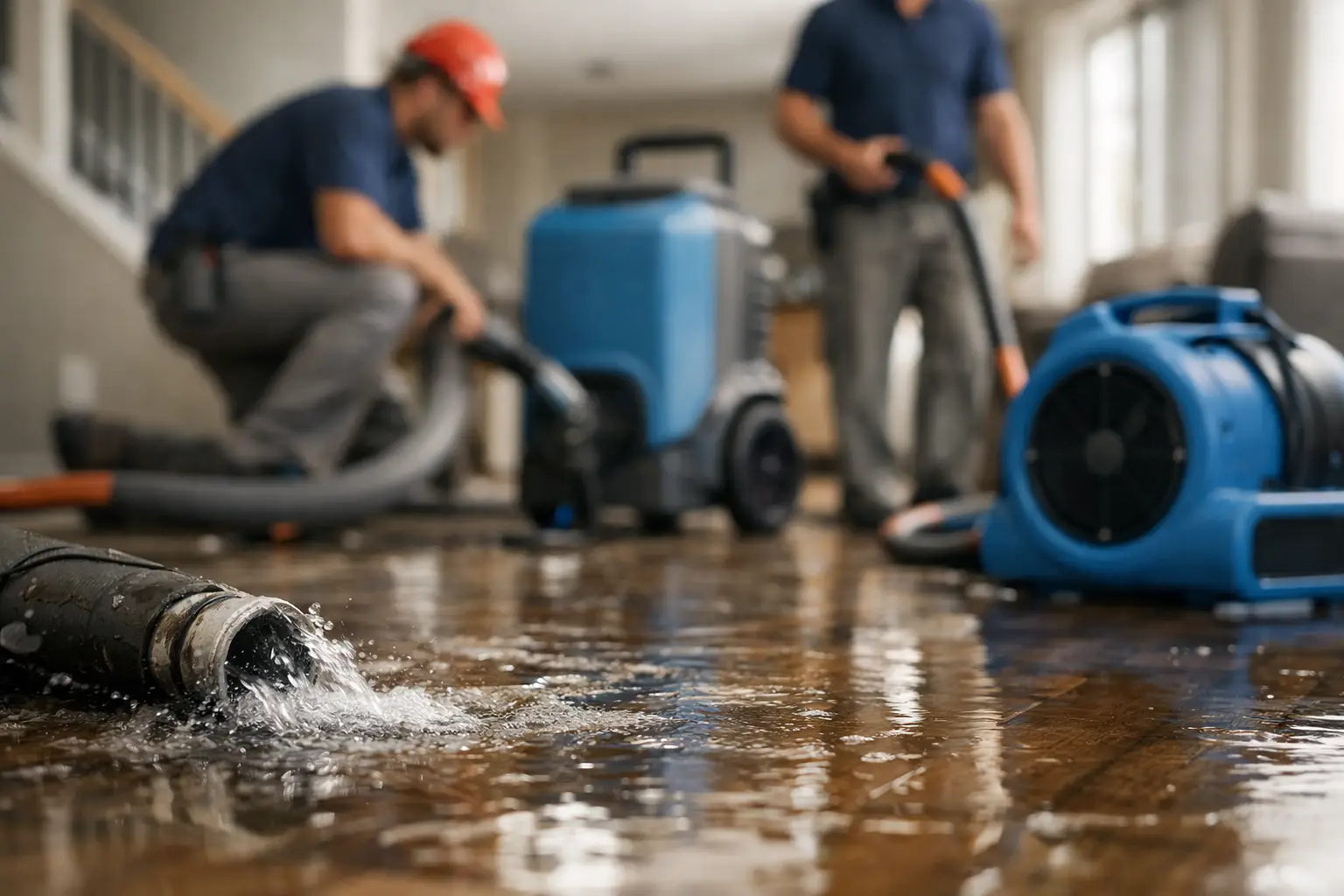
Mold removal services Dallas starts with one thing I do not skip: finding where moisture is coming from, especially in Paulding homes tied to well water, septic systems, and low spots near Pumpkinvine Creek. I am Chris Kwangwari, owner of Elevated Operations, and I handle mold cleanup with direct insurance billing, IICRC-certified technicians, and a 12-month warranty.
IICRC-Certified · 5-Star Rated · 60-Minute Response · Insurance Billed Directly
Yes. I see that kind of moisture pattern in Dallas and I know how to trace it back to the source before cleanup.
I do. Those homes need careful inspection because hidden moisture can build around crawlspaces, bathrooms, and low spots.
When the job calls for it, yes. I use it as part of a controlled cleanup, not as a shortcut.
Call (770) 404-6895. I answer fast, and I handle the rest from there.
I start with mold inspection, containment, removal, and drying, then I look hard at what caused the growth in the first place. In Dallas, that usually means crawlspaces, bathrooms, laundry rooms, and basements in older homes near low-lying ground or around Pumpkinvine Creek.
A Dallas mold job is not just wiping spots off a wall. I set containment so the problem does not spread, use air scrubbing where needed, and finish with HEPA vacuuming after the visible growth is out.
Then I check the structure. In Paulding homes with well water and septic, I have seen moisture show up in places owners do not expect, like under sinks, around slab edges, and behind bathroom trim that stays damp longer than it should.
If the surface is damaged, I handle the mold damage repair side too, because mold cleanup without fixing the wet material is a short-term fix. I have been doing this since 2007, and I do not call a job done until the cause is addressed.
You need mold removal services when you smell a musty odor, see spotting on drywall or trim, or notice allergy symptoms that get worse at home. In Dallas, I also get called after plumbing leaks, storm intrusion, or long damp spells near crawlspaces and basements.
I have walked into houses off Cedarcrest Road where the homeowner thought the issue was just humidity, but the back wall told a different story. One soft spot near a baseboard, one dark line behind a closet, and the whole room can be hiding active growth.
A proper mold inspection matters because the visible patch is often only part of the story. In Dallas and the surrounding Paulding County neighborhoods, moisture can travel through framing, insulation, and subfloor before anyone sees a stain.
If you live near Pumpkinvine Creek or in a home with a crawlspace that stays shaded and damp, do not wait for the whole room to smell off. Mold starts in 24 to 48 hours after water intrusion, so fast action matters.
When a crawlspace has mold, I focus on containment, safe removal, and stopping the damp conditions that keep feeding it. Near Pumpkinvine Creek, I see crawlspaces with heavy humidity, stormwater influence, and wood framing that stays wet long enough for growth to spread.
Those crawlspaces are not all the same. Some are under older ranch homes with easy access, others sit under split-level houses where the first sign is a stale odor inside the living room. I treat both the same way: control the source, then remove the damage.
If the framing is affected, I use targeted mold abatement and keep the work area isolated so spores do not move through the home. And if the insulation or subfloor is too far gone, I say it plainly and replace what cannot be saved.
Dallas homeowners near low ground often deal with water that keeps returning after heavy rain. That is why I do not stop at cleanup. I look at grading, drainage, and the way the crawlspace is breathing, because otherwise the same problem comes back.
Yes, but only if the service is done correctly and the moisture source is identified and fixed. I do not treat mold like a cosmetic stain, because in Dallas the source may be a leak, a damp crawlspace, a septic-related moisture issue, or water intrusion from storms.
I have seen too many homeowners pay for surface cleanup and then call back months later with the same smell. That is what happens when someone removes the visible mold but ignores the wet material, hidden leak, or chronic humidity feeding it.
In Paulding County homes with wells and septic systems, I pay attention to the way water moves around the property. Drainage problems, slow leaks, and standing moisture are part of the story, and the story has to be finished correctly.
My job is to stop the cycle. That means direct insurance billing when the loss qualifies, clear documentation, and repair work that helps prevent a repeat. Mold remediation only works when the source is handled with the same care as the removal.
Older Dallas homes often need a careful mix of containment, drying, and selective removal because the materials are more vulnerable and the crawlspaces are tighter. I work methodically, especially in homes where the crawlspace has been damp for a long time and the flooring above is starting to react.
A classic Dallas call is a home with wood framing, a vented crawlspace, and a musty smell that gets stronger after rain. I have traced that smell to joists, subfloor edges, and insulation that held moisture too long to stay clean and stable.
When I open up a crawlspace like that, I do not rush it. I inspect the extent of the growth, set containment, remove affected materials where needed, and use HEPA vacuuming so the cleanup is thorough, not just visible.
A lot of these homes sit in areas where water has nowhere to go fast enough. That means the repair plan has to respect the house, the soil, and the climate. Clean it once, fix it right, and the house stands a better chance.
Yes, mold can return if the moisture source is still there, and that is why I take the source as seriously as the cleanup. In Dallas, recurring mold often points to crawlspace humidity, plumbing leaks, poor drainage, or a wall assembly that stayed wet too long.
I have been in this business since 2007, and the repeat-call jobs almost always share the same flaw: someone cleaned the surface but left the wet conditions in place. That is why I test, inspect, and document before I recommend the next step.
If your home sits near Pumpkinvine Creek, or if your yard holds water after rain, you need to watch the structure closely. The same damp conditions that feed mold can keep feeding it, even after a repair looks finished on paper.
My approach is straightforward. Remove the mold, remove the wet materials that cannot be saved, verify the area is drying properly, and repair the damaged sections. That is how mold removal services stay effective instead of becoming temporary patchwork.
A homeowner called after smelling damp wood in the hall. I found crawlspace mold from long-term humidity and poor drainage, then set containment, removed affected insulation, and finished the cleanup before the odor had a chance to spread upstairs.
This house had repeated moisture around a bathroom wall. I traced the issue, handled mold inspection and remediation, and worked through the repair plan so the homeowner was not stuck cleaning the same patch every season.
After heavy rain, water kept finding the same weak point. I used air scrubbing, HEPA vacuuming, and careful mold damage repair to get the home back in shape, then explained why the drainage pattern mattered just as much as the stain.
From emergency mitigation to full reconstruction, handled in-house so you are never managing a chain of subcontractors mid-crisis.
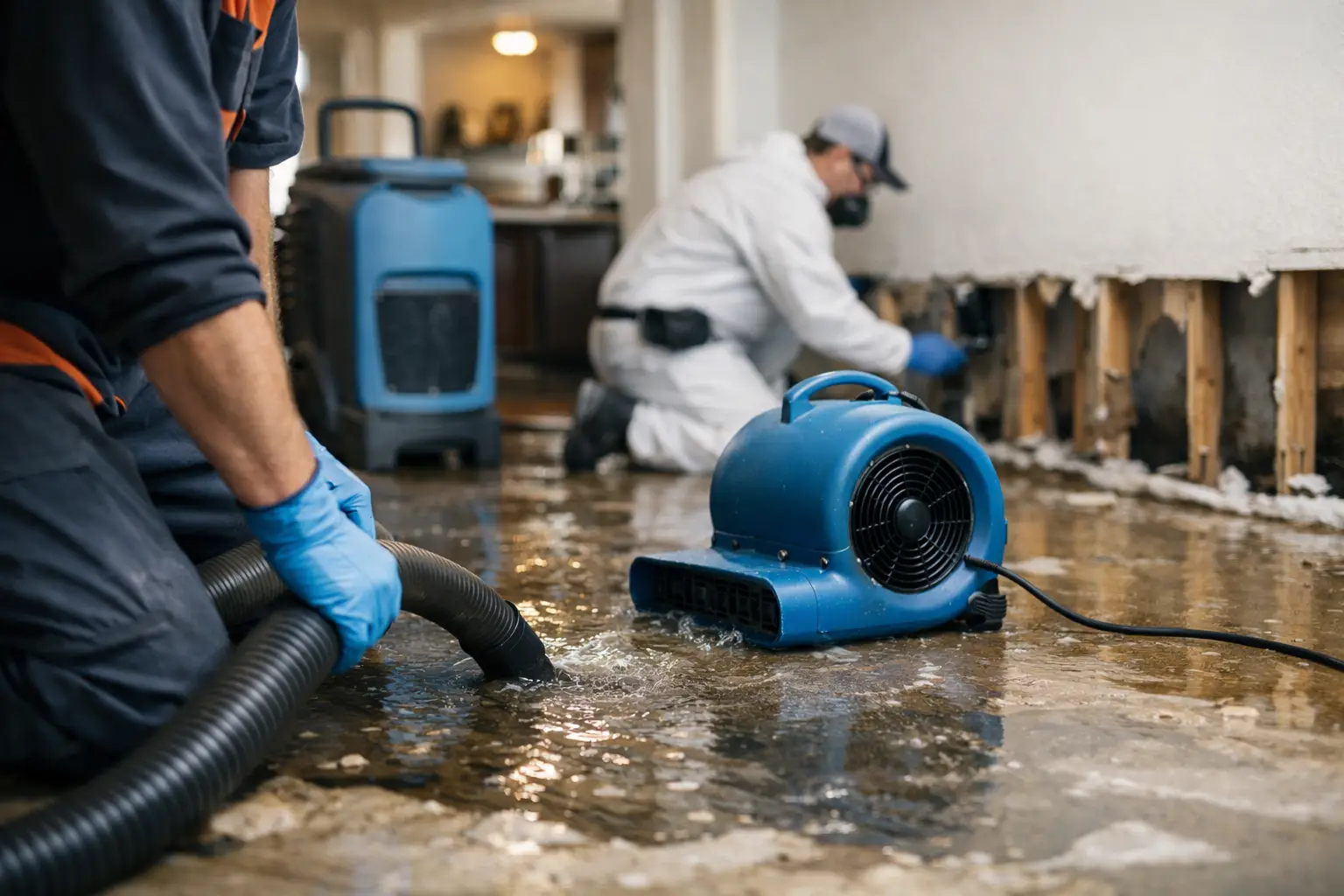 Water Damage
Extraction, structural drying, and moisture mapping after floods, leaks, and burst pipes.
Get help now Fire & Smoke
Soot removal, odor deodorization, and content cleaning after fire and smoke damage.
Learn more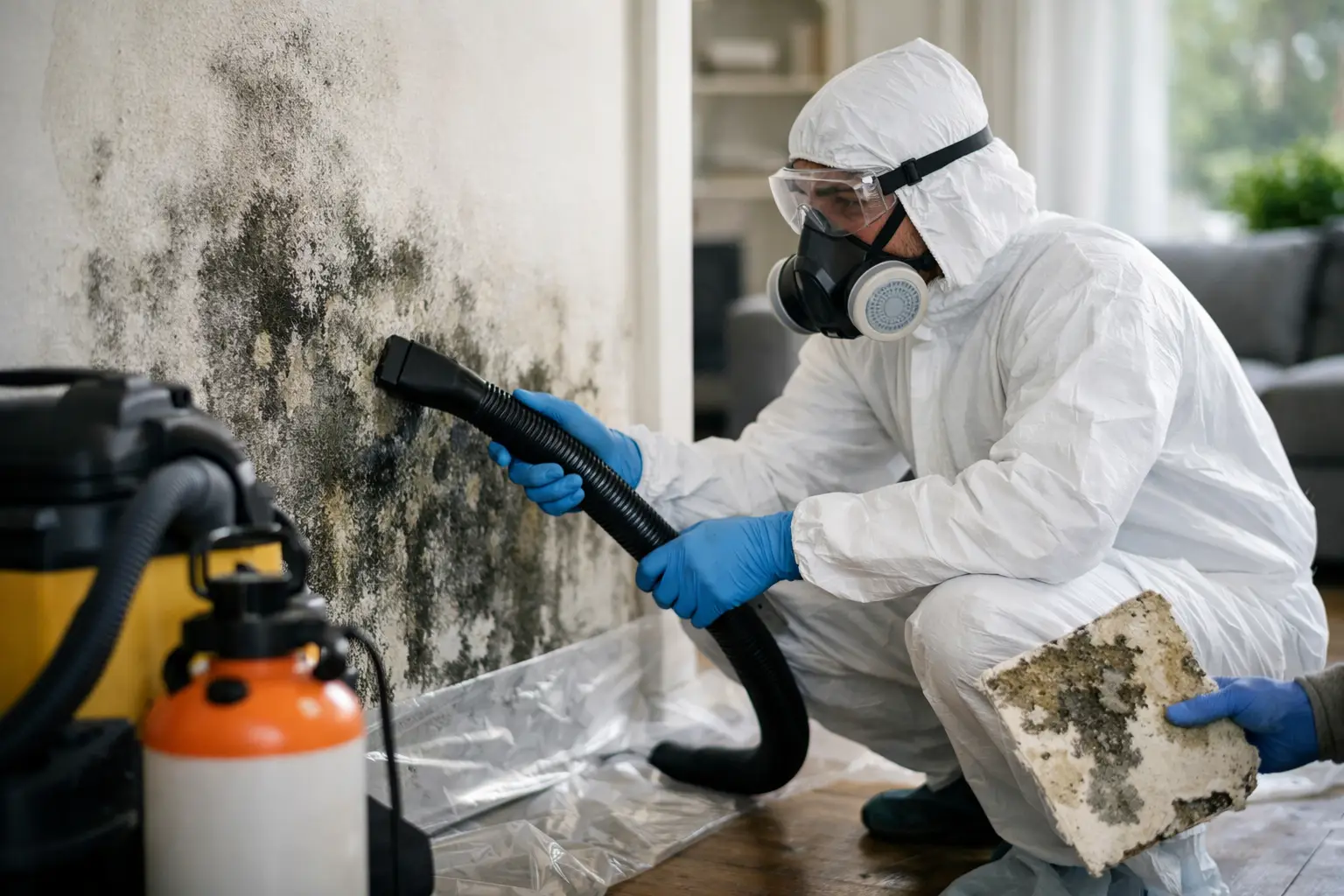 Mold
MoldContainment, removal, and moisture control that stops mold from coming back.
Learn more Storm
StormEmergency board-up, roof tarping, and full recovery after wind, hail, and storms.
Learn more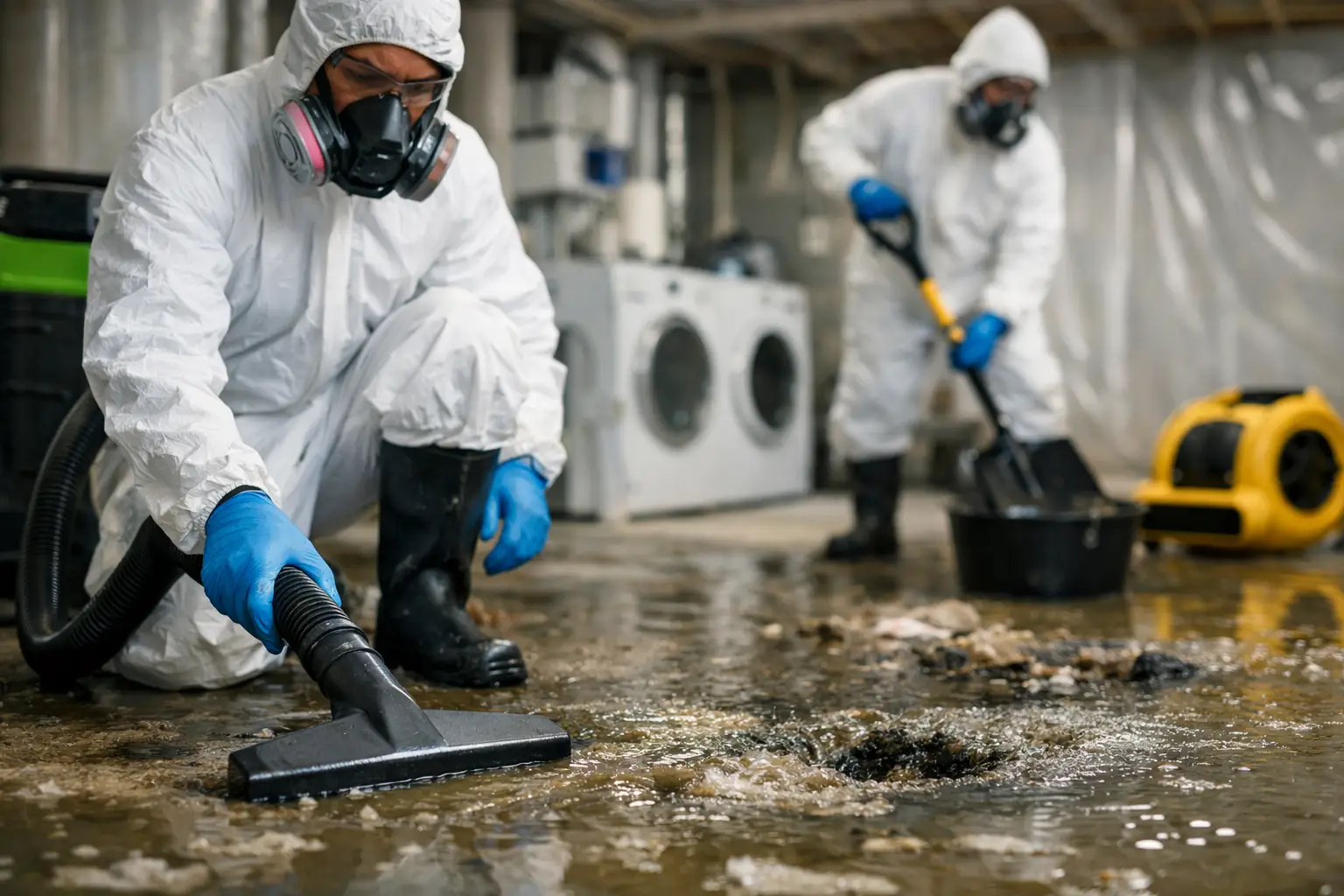 Sewage
Safe biohazard cleanup and sanitizing after sewage backups and overflows.
Learn more Reconstruction
Full rebuild by a licensed general contractor, so your property comes back whole.
Learn moreElevated Operations is an IICRC-certified, licensed general contractor based in Mableton that handles the entire recovery in-house, so after one loss you are never coordinating a cleanup crew, a mold crew, and a contractor separately. One team, one point of contact, from the first pump-out to the final coat of paint.
People call when the property feels like a disaster. They leave reviews because Chris and the crew made it right. These are real, verified Google reviews.
I offer 24/7 emergency response with a 60-minute emergency response target, so if mold shows up after a leak or flood, I can move quickly. In Dallas, speed matters because moisture does not wait, especially in crawlspaces, bathrooms, and walls near Pumpkinvine Creek or low-lying ground.
Yes. I work in Paulding County every week, and I understand how well water, septic systems, and property drainage can affect moisture around a home. I inspect the source, document the damage, and use direct insurance billing when the claim supports it.
I still treat it seriously. Crawlspace mold can move odor and spores into the house, and it often points to a moisture issue that affects framing or subfloor. I use containment, removal, and drying, then I look for the reason that space stayed damp.
Yes. Mold starts in 24 to 48 hours after water intrusion, and a wall can look dry on the outside while insulation or framing is still holding moisture inside. That is why I check more than the stain and do not guess about hidden damage.
My mold removal services include inspection, containment, mold cleanup, air scrubbing when needed, HEPA vacuuming, removal of affected materials, and repair of damaged areas. I focus on the source too, because a finished room is not useful if the moisture problem remains.
I stop the moisture source first, then remove affected materials and verify the area is drying properly. In Dallas homes, that often means dealing with plumbing leaks, crawlspace humidity, or drainage issues before the room is closed back up.
Yes, I offer direct insurance billing. I also provide deductible assistance up to $1,000 when applicable. That helps homeowners get moving faster after a covered loss without juggling the paperwork alone.
I am Chris Kwangwari, owner of Elevated Operations, LLLP, based in Mableton and working across Cobb, Fulton, DeKalb, Douglas, Clayton, Henry, and Paulding counties. We are IICRC-certified, licensed as a general contractor, backed by a 4.9-star Google rating with 73 reviews, and every job comes with a 12-month warranty.
Elevated Operations dispatches IICRC-certified crews across Metro Atlanta from our Mableton base, with a 60-minute emergency response day or night. Choose your city:
Call now for an immediate response, or request your free inspection and get a certified crew on-site within the hour across Atlanta and nearby areas.