24/7 Emergency Restoration · Serving Metro AtlantaEmergency? (770) 404-6895
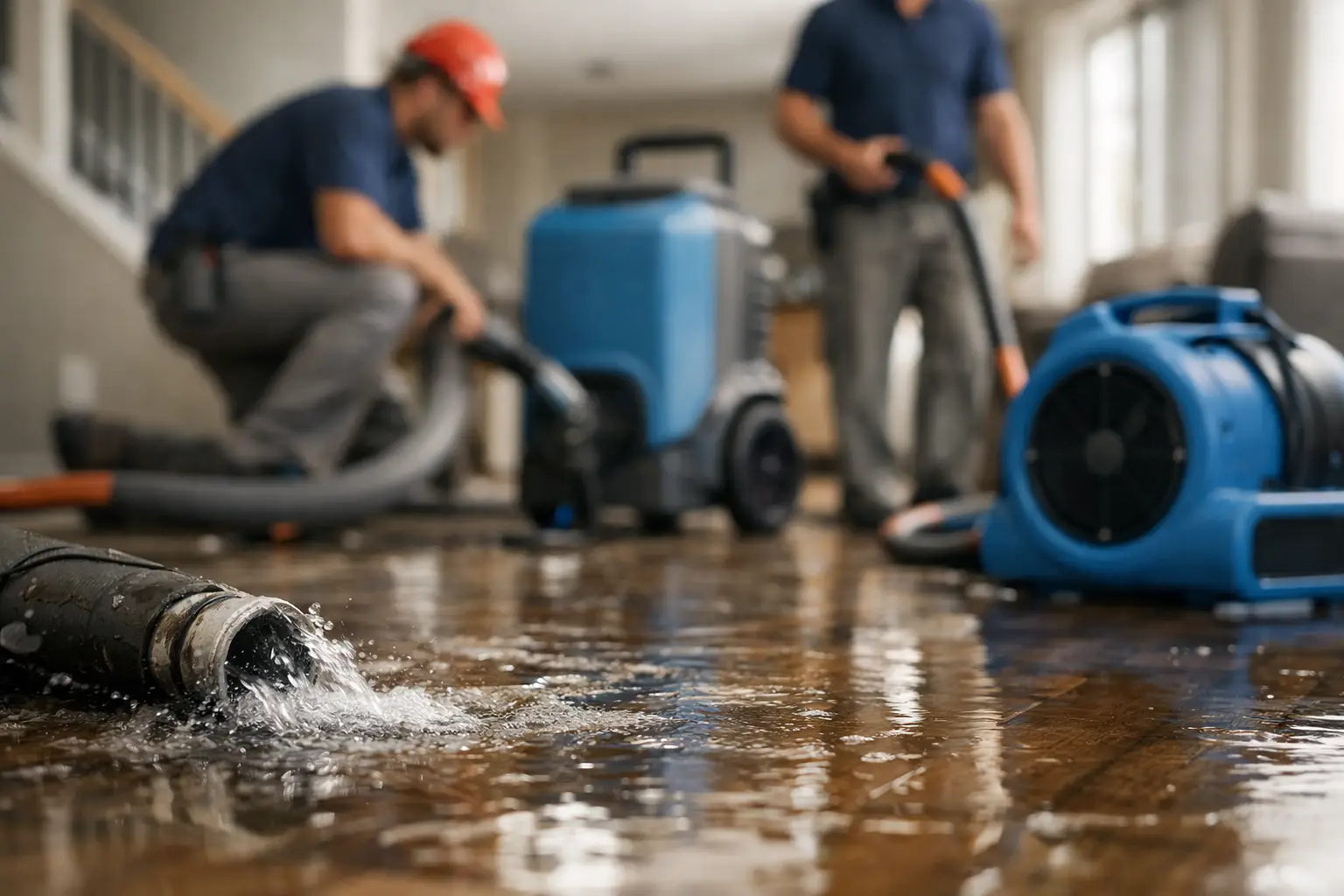
Reconstruction Powder Springs usually comes down to one choice, repair what can be saved or replace what cannot. I look at water, mold, and structural damage differently, especially in west Cobb homes with fewer storm drains and longer runoff paths. I am Chris Kwangwari, owner of Elevated Operations, and I make the call with the property, not the guesswork.
IICRC-Certified · 5-Star Rated · 60-Minute Response · Insurance Billed Directly
If the structure is still sound, repair may be enough. If framing, subfloor, or mold contamination is involved, I move to reconstruction.
If the leak was caught early, targeted roof repair and drywall repair may work. If the cavity stayed wet, rebuild beats patching.
Yes. I handle direct insurance billing and can document the damage first so the rebuild scope is based on facts, not guesses.
I am Chris Kwangwari, owner of Elevated Operations, LLLP. I bring restoration experience since 2007, licensed general contractor oversight, and a 12-month warranty.
Reconstruction after property damage is the work that puts a damaged Powder Springs home back into usable condition after demolition, mitigation, or cleanup. It covers structural repair, drywall repair, flooring repair, framing repair, and finishing work when the original materials cannot be restored.
In west Cobb, I see a lot of homes where the damage starts with slow water intrusion, then moves into walls, subfloor, or trim. Reconstruction is not cosmetic patching. It is the phase where failed materials are removed and the building gets put back correctly.
That matters more here because fewer storm drains and more runoff from rural lots can leave water sitting around foundations longer. Once moisture gets inside, the question is not whether the surface looks better. The question is whether the assembly is sound.
And that is where property reconstruction beats a rushed repair. IICRC-certified technicians handle the mitigation side, then I handle the rebuilding side as a licensed general contractor through Elevated Operations, LLLP, with direct insurance billing and a 12-month warranty.
Reconstruction is needed when the damaged material has lost strength, shape, or safe function, while restoration works when the material can still be cleaned, dried, or repaired. In Powder Springs, that usually means replacing warped framing, swollen subfloor, or mold-damaged drywall instead of trying to save it.
I separate restoration from replacement by asking one hard question: does the material still do its job? If a wall, floor, or beam has been compromised, repair alone is theater. You need structural repair or full property reconstruction.
That is common in west Cobb homes where water may enter from roof leaks, window leaks, or crawlspace moisture, then sit longer because drainage is not always as forgiving. The longer it sits, the less I trust surface-only fixes.
For smaller damage, restoration wins. For soft drywall, isolated roof repair follow-up, or limited flooring repair after a clean leak, I can often save a section. But once framing is affected, I move to rebuild, because hidden damage does not get better on its own.
A pro is the right choice when the work involves load-bearing framing, moisture behind walls, insurance documentation, or anything you want to hold up after the first season change. DIY only makes sense for very small, non-structural cosmetic work you already understand.
DIY looks cheaper until the hidden part gets exposed. In Powder Springs, that hidden part is often the crawlspace, attic, or the back side of a wall where moisture moved before anyone noticed. If you miss that, the repair fails later.
IICRC-certified technicians know how to document loss, dry the structure, and identify what has to come out. Then I step in on the reconstruction side with the right permits, sequencing, and materials, because framing repair and drywall repair are not guesswork jobs.
A homeowner can paint a wall. A homeowner should not be guessing at structural repair after water or fire damage cleanup. I do this because I have been in restoration since 2007, and I know how often a small mistake turns into a larger bill.
Yes, reconstruction often follows water damage cleanup or fire damage cleanup once demolition and drying are complete. The order matters: stabilize the structure, confirm what can be saved, then rebuild only after the damaged materials are removed and the cause is handled.
Water damage and fire damage are not the same job. Water leaves hidden moisture, swelling, and microbial risk. Fire leaves soot, heat damage, and materials that may be too weakened to keep. Both can lead to reconstruction, but the rebuild starts only after the loss is controlled.
In west Cobb, I see water damage more often tied to roof leaks, plumbing failures, or drainage problems around larger lots. Because there are fewer storm drains in some areas, water can linger and create mold conditions fast if the structure was not dried correctly.
Mold starts in 24 to 48 hours, so the cleanup clock matters. If the wall cavity or flooring system is already contaminated, I do not try to save everything. I remove the failed material, then rebuild with the right drywall repair, flooring repair, or framing repair plan.
Water damage usually demands immediate drying and selective replacement, while mold means materials have often been wet long enough to lose value and safety. In Powder Springs, mold reconstruction usually becomes more extensive because stagnant moisture around rural properties lets problems spread behind finishes.
Water damage is the event. Mold is the consequence. If the leak is caught early, I may be able to save flooring, base trim, or sections of drywall. If the material stayed wet, the comparison changes fast, because mold affects the rebuild scope.
That is why I treat moisture control like a stopwatch. West Cobb homes with fewer storm drains can hold runoff around the property longer, and that creates more chances for seepage into crawlspaces or lower walls. The structure decides the plan, not the finish color.
My rule is simple. Water damage with quick response often means restoration plus limited reconstruction. Mold contamination usually means more demolition and more property reconstruction. If a wall assembly is suspected, I rebuild it. I do not gamble on hidden growth.
Full reconstruction lasts longer when the damaged structure has already failed, because it replaces weak material instead of covering it. Restoration lasts longer only when the original material was still sound enough to save, dry, and finish correctly the first time.
A patch can look fine and still fail next season if the underlying framing stayed damp or the subfloor had already softened. I have seen that happen in Powder Springs homes where the outside drainage looked harmless but the interior damage kept moving.
When I compare the two, I ask which choice will survive weather swings, humidity, and day-to-day use. In west Cobb, that usually favors full replacement whenever structural repair is involved, especially after repeated leaks or a delayed response.
But I do not default to demolition. If a section can be saved with roof repair follow-up, drywall repair, or flooring repair, I will say so. Good reconstruction means choosing the smallest correct scope, not the biggest one.
| Typical Trigger | Water Damage Restoration | Mold Remediation |
|---|---|---|
| Water spotted early in a Powder Springs laundry room | Drying plus limited drywall repair may work if studs and subfloor stayed sound | If moisture sat, mold risk rises and property reconstruction often replaces the wall assembly |
| Crawlspace seepage after a west Cobb storm | Restoration can address wet insulation, trim, or isolated flooring repair when caught fast | If odors or staining show up, framing repair and structural repair may be needed before finishes return |
| Roof leak above an interior ceiling | Roof repair and targeted drywall repair may be enough if the deck and framing are intact | If the leak was old, mold means the ceiling cavity and surrounding materials may need rebuilding |
From emergency mitigation to full reconstruction, handled in-house so you are never managing a chain of subcontractors mid-crisis.
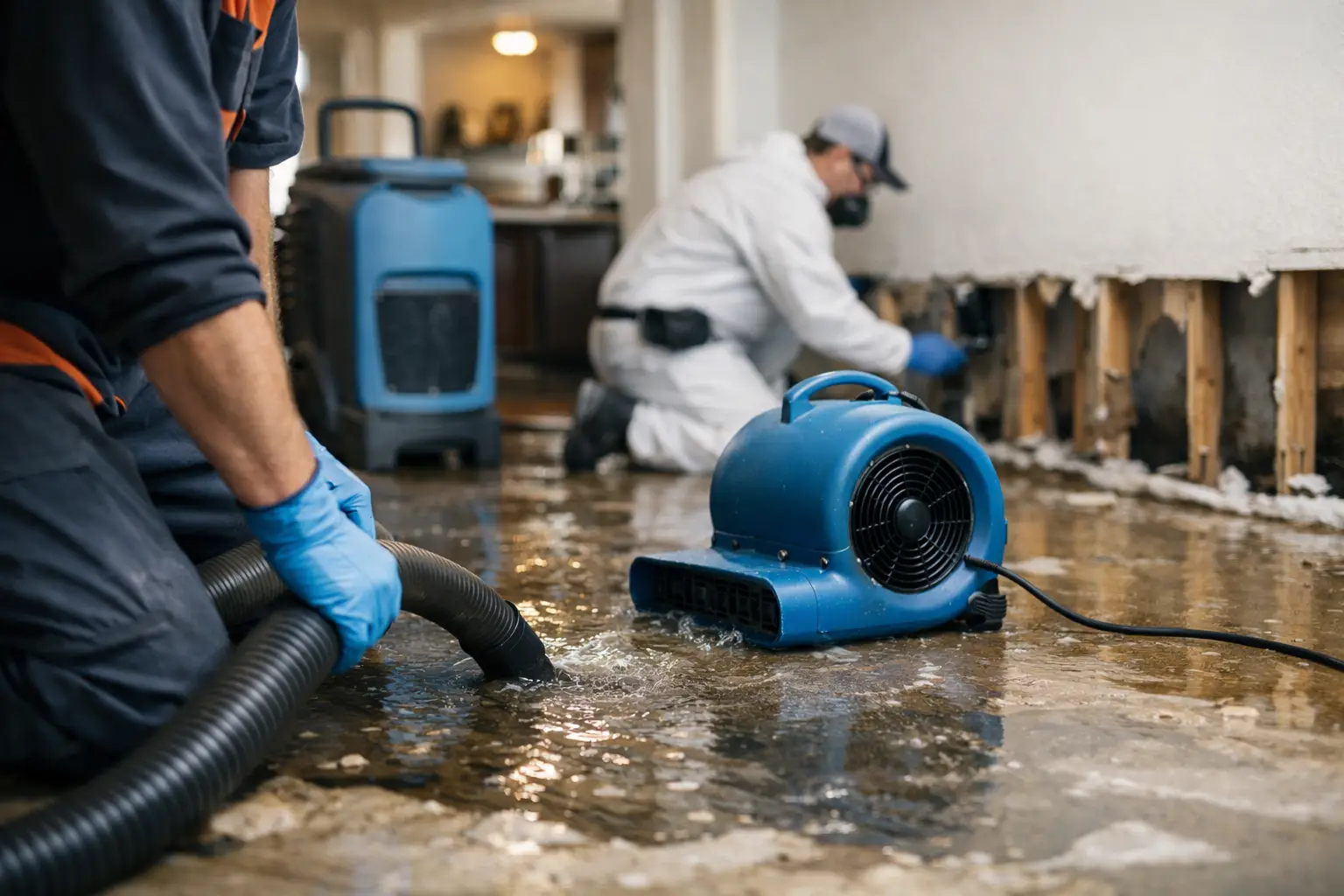 Water Damage
Extraction, structural drying, and moisture mapping after floods, leaks, and burst pipes.
Get help now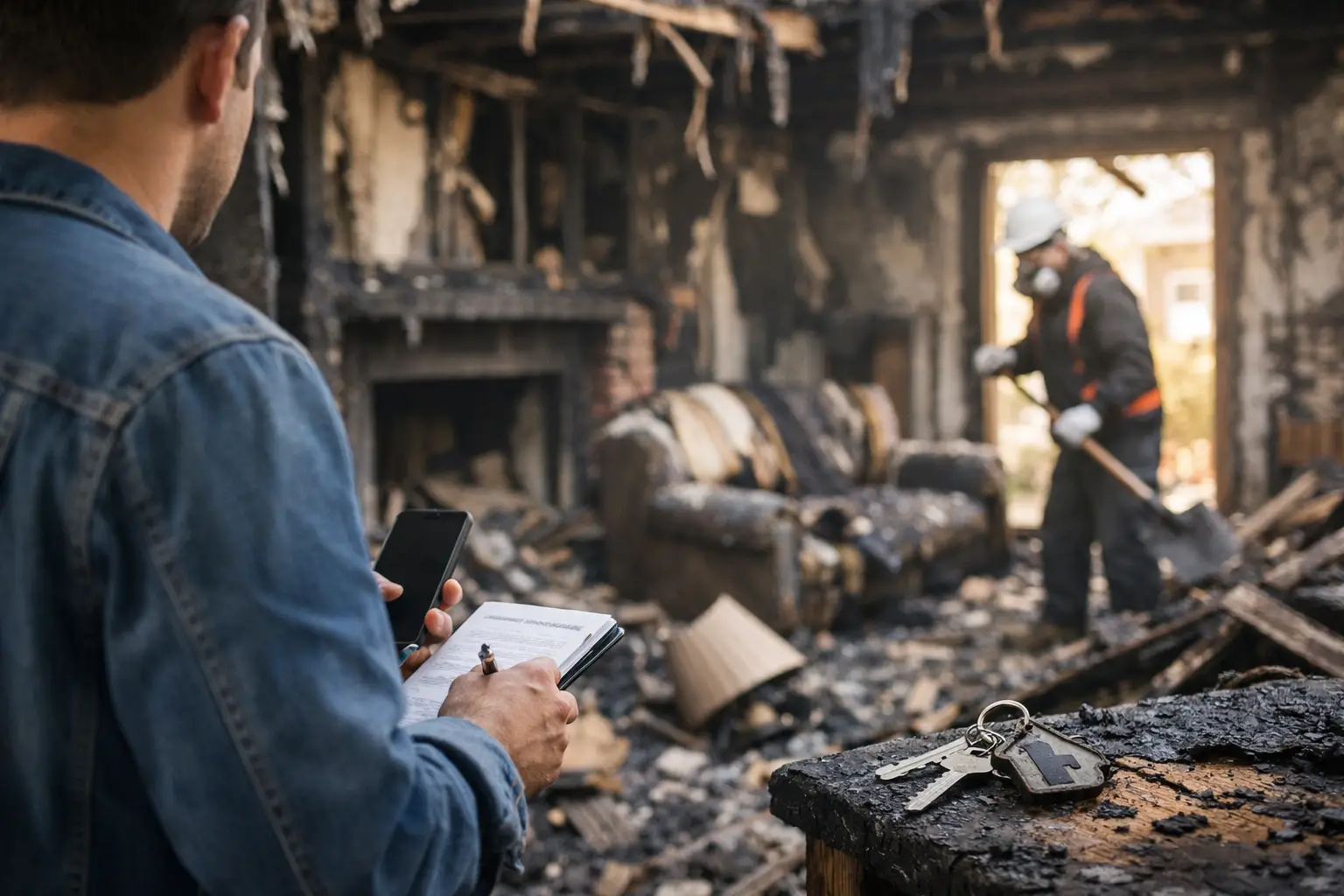 Fire & Smoke
Soot removal, odor deodorization, and content cleaning after fire and smoke damage.
Learn more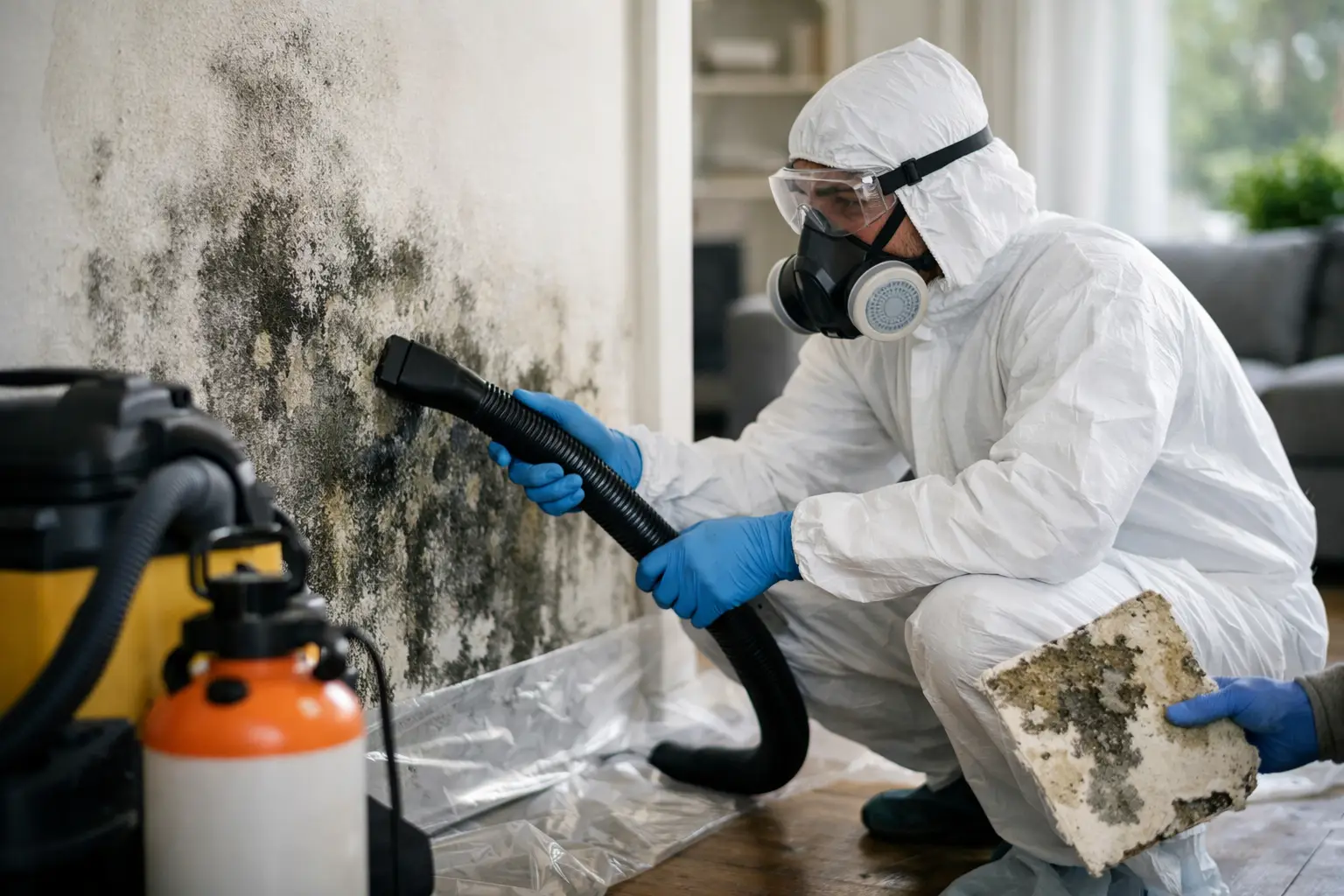 Mold
MoldContainment, removal, and moisture control that stops mold from coming back.
Learn more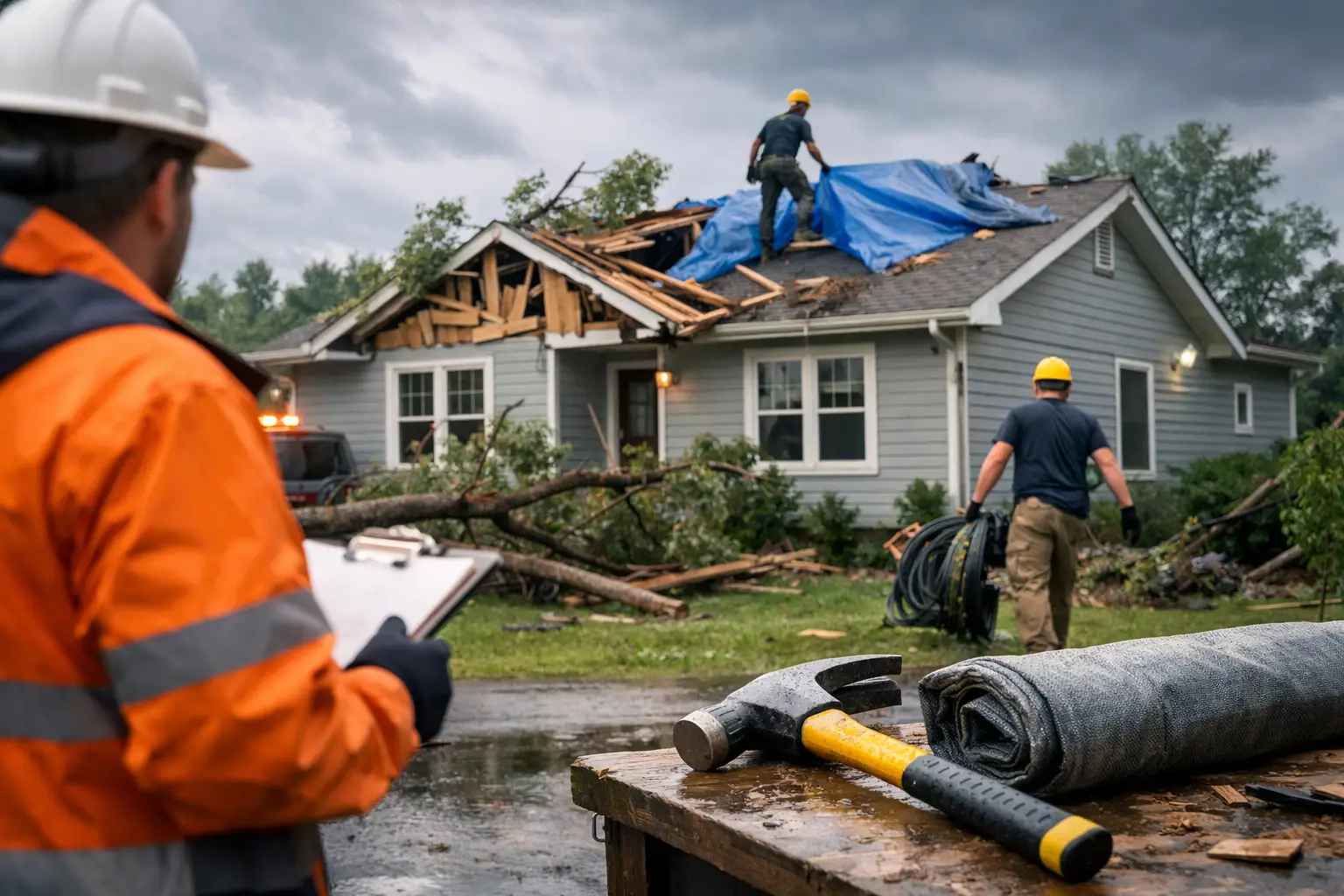 Storm
StormEmergency board-up, roof tarping, and full recovery after wind, hail, and storms.
Learn more Sewage
Safe biohazard cleanup and sanitizing after sewage backups and overflows.
Learn more Reconstruction
Full rebuild by a licensed general contractor, so your property comes back whole.
Learn moreElevated Operations is an IICRC-certified, licensed general contractor based in Mableton that handles the entire recovery in-house, so after one loss you are never coordinating a cleanup crew, a mold crew, and a contractor separately. One team, one point of contact, from the first pump-out to the final coat of paint.
People call when the property feels like a disaster. They leave reviews because Chris and the crew made it right. These are real, verified Google reviews.
I look at whether the damaged materials still perform their job. If framing is warped, drywall is swollen, subfloor is soft, or mold has spread, reconstruction is the right call. In west Cobb, slower drainage and crawlspace moisture can hide damage longer, so I check behind surfaces before I recommend a lighter repair.
Yes, and it often should. Cleanup removes standing water and damaged debris, but reconstruction comes after the structure is dry and the cause is addressed. In west Cobb neighborhoods with fewer storm drains, runoff can linger around the foundation, so I am careful about hidden moisture before I rebuild any wall or floor.
When mold has affected drywall, insulation, framing, or flooring, I stop treating it like a surface problem. Mold starts in 24 to 48 hours, so a delayed leak can spread fast. Once the building materials are contaminated or weakened, I replace them instead of trying to clean around the problem.
It depends on what failed and what has to be removed, dried, and rebuilt. I do not give fake timelines. Small drywall repair jobs move faster than structural repair or full room rebuilds. The real clock starts with moisture removal, insurance approval, and material availability, then the rebuild follows in sequence.
Sometimes, yes. If a roof leak was caught quickly and the damage stayed limited to a small ceiling section, restoration and targeted drywall repair can be the right call. If the decking, insulation, or framing took water, replacement becomes the safer long-term move. I compare both before I decide.
Call for emergency response and get the structure evaluated right away. I offer 60-minute emergency response 24/7, and that matters when crawlspace moisture can spread into flooring or framing. The first step is stop the source, document the damage, and dry the structure before reconstruction choices are made.
Yes, and that is usually the cleanest path when the job crosses from mitigation into rebuilding. IICRC-certified technicians handle the damage side, then I manage the reconstruction as a licensed general contractor. That keeps the scope clearer, helps with direct insurance billing, and prevents the rebuild from starting too early.
The ground and drainage patterns matter. West Cobb rural properties often have fewer storm drains, so water can sit longer around foundations, crawlspaces, and low spots. That changes the comparison between restoration and replacement because hidden moisture can travel farther before it shows up on the surface.
Elevated Operations dispatches IICRC-certified crews across Metro Atlanta from our Mableton base, with a 60-minute emergency response day or night. Choose your city:
Call now for an immediate response, or request your free inspection and get a certified crew on-site within the hour across Atlanta and nearby areas.




