24/7 Emergency Restoration · Serving Metro AtlantaEmergency? (770) 404-6895
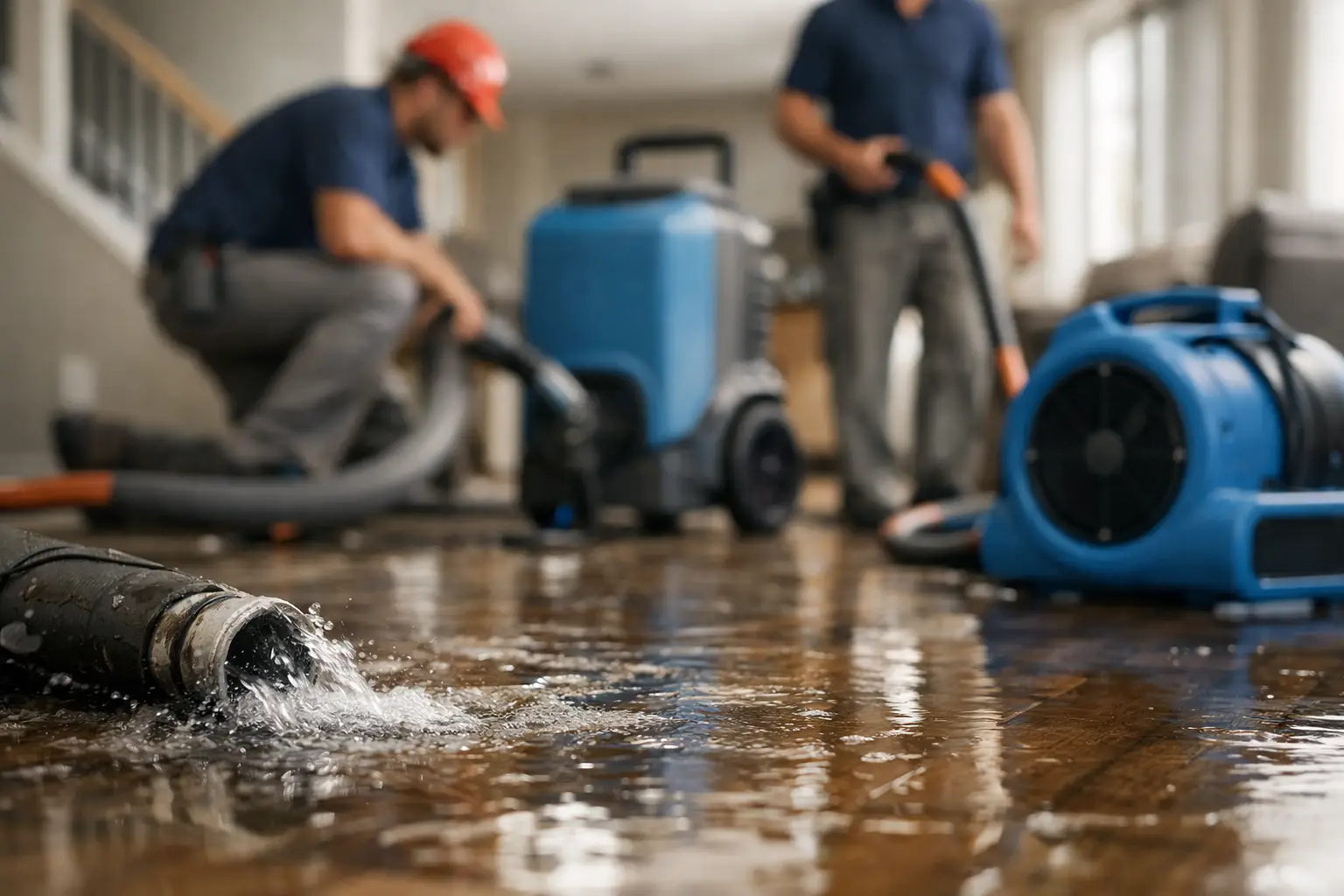
Contents cleaning and restoration in East Point starts with a fast inventory, safe pack out services, and the right cleaning plan for each item. I’m Chris Kwangwari, and I handle damaged contents from MARTA-adjacent homes and College Park-line bungalows with direct insurance billing, IICRC-certified technicians, and a 12-month warranty.
IICRC-Certified · 5-Star Rated · 60-Minute Response · Insurance Billed Directly
Stop handling wet or soot-covered items, make the area safe, and call for emergency response. Fast decisions matter because mold starts in 24 to 48 hours and smoke residue keeps spreading.
Often, yes. I look at the material, finish, and structure first. Solid furniture can sometimes be cleaned and deodorized instead of replaced, especially when the loss was caught early.
Yes. I use direct insurance billing so the contents portion of the claim moves with less back-and-forth. That helps keep the inventory, cleanup, and adjuster communication in one track.
Yes. I know the tighter layouts and storage patterns common in College Park-line bungalows and MARTA-adjacent neighborhoods. That local layout matters when sorting, packing out, and restoring contents.
Contents cleaning and restoration is the process of cleaning, stabilizing, drying, and restoring personal property after fire, water, or mold damage. In East Point, I see it most often in older bungalows near the MARTA corridor, where smoke odor, soot, and moisture can move fast through a house and into furniture, electronics, and documents.
First step, separate salvageable items from true loss. That means furniture cleaning for wood and upholstered pieces, electronics cleaning for devices that can be stabilized, and content cleaning for fabrics, kitchenware, and keepsakes. I do not treat everything the same, because that wastes time and can spread damage.
Second, control the conditions. Water-damaged contents need rapid drying, and mold starts in 24 to 48 hours, so speed matters even when the damage looks small. In a College Park-line bungalow, a damp closet or hall storage area can turn into a bigger loss if contents stay boxed up too long.
Third, document what you have before anything moves. I use direct insurance billing and I keep the process organized for adjusters, because content restoration works best when the inventory is clear, the claim is clean, and the homeowner knows what is being saved, cleaned, or discarded.
Do three things first, and do them in order: make the area safe, stop touching wet or soot-covered items, and call for emergency response. My team provides 24/7 service with a 60-minute emergency response, then I build the contents plan around the loss, the structure, and the insurance file.
Start with safety. If the home has electrical concerns, smoke residue, or standing water, do not power on devices or move heavy furnishings blindly. East Point homes near MARTA and the older bungalow stock around the College Park line often have tight rooms and packed closets, which makes rushed cleanup risky.
Then protect high-value and high-sensitivity items. I look at document drying, photo salvage, small electronics, and soft goods in separate groups because each one needs a different method. If you mix everything together in one box, soot transfers, moisture spreads, and odor removal gets harder.
After that, call me before you haul anything to a dumpster or storage unit. I am a licensed general contractor and I have been in restoration since 2007, so I know how to prioritize contents cleaning and restoration without creating more loss. That saves time and gives the claim a clearer path.
Smoke damaged contents need dry soot removal first, then targeted cleaning, odor removal, and controlled drying if moisture is involved. I separate what can be cleaned in place from what needs pack out services, because the wrong wipe-down can drive soot deeper into fabric, wood grain, or electronics.
I begin with the item type. Hard surfaces, sealed finishes, and non-porous items may respond to careful cleaning, while porous pieces often need more intensive content restoration. East Point homes with compact living rooms and older trim can trap smoke in corners, so I inspect edges, undersides, and drawers first.
Odor is its own problem. Smoke odor does not disappear because a room smells better for an hour. I treat odor removal as part of the contents plan, especially for upholstered furniture, bedding, and closet items that absorbed the loss. That matters in small bungalows where air movement is limited.
Electronics cleaning has to be cautious. I do not guess with power-up tests on damaged devices. I evaluate what can be stabilized, what needs specialty cleaning, and what should stay out of circulation until the contents work is complete. That is how you avoid turning a salvageable item into a total loss.
The best candidates are items with solid structure, limited saturation, and damage caught early, including many furniture pieces, some electronics, hard goods, documents, and personal keepsakes. In East Point, where bungalows can have dense storage and older wood furniture, the salvage decision depends on material, exposure, and how quickly the contents were packed out.
Furniture cleaning often saves items that look worse than they are. Wood tables, chairs, dressers, and some upholstered pieces can often be cleaned if the structure is sound and the damage did not sit too long. I check joints, cushions, backing, and hidden moisture before I call anything salvageable.
Important papers are a different category. Document drying needs to start fast, and I treat records, certificates, and family paperwork as urgent because paper absorbs water quickly and molds quickly. In a house near the MARTA corridor, a small plumbing leak can ruin an entire stack if it is ignored overnight.
Personal property restoration can also include keepsakes, kitchen items, and decorative pieces that matter to the family more than they matter on a resale sheet. I do not pretend everything can be saved. But I do push hard on the items that can be cleaned, stabilized, and returned instead of replaced.
Pack out services are best for contents that need cleaning, odor removal, drying, or controlled storage away from the damaged structure. Keep in place items that are dry, stable, and not exposed to soot or contaminated water. In East Point, I use room-by-room sorting because older layouts can hide damage behind furniture and closets.
I start with the most at-risk items, then work outward. Soft goods, paper items, electronics, and contents stored low to the floor often move first because they are the most vulnerable after a water loss. That is common in College Park-line bungalows, where closets and side rooms are often full.
Not everything belongs in off-site care. Some items are better left in the home until the structure is cleaned and stable, especially if the damage is limited to one area. My job is to avoid unnecessary handling, because every move adds labor, transfer risk, and the chance of more contamination.
I also coordinate with direct insurance billing so the contents plan does not stall while the rest of the claim moves. That matters when the homeowner is trying to live around a loss, keep track of valuables, and understand what is being restored versus what must be replaced.
Work room by room, photograph everything, isolate damaged contents, and move salvageable items out before soot or moisture spreads. East Point’s MARTA-access neighborhoods and College Park-line bungalows often have narrow entries, packed porches, and older storage spaces, so an organized checklist beats a rushed cleanup every time.
The first local challenge is layout. Many East Point homes have tight hallways, small closets, and front rooms that double as storage. That makes sorting important. I look for hidden items under beds, in hall cabinets, and behind furniture because those are the places where moisture and soot settle unnoticed.
The second challenge is timing. With a water loss, the contents clock starts immediately. Mold starts in 24 to 48 hours, and the older the building, the more likely moisture is to move into trim, baseboards, and stored property. That is why I treat prompt contents cleaning and restoration as urgent, not optional.
The third challenge is claim handling. I have been doing this since 2007, and I know homeowners want clear answers, not jargon. I give a straight inventory path, I use direct insurance billing, and I back the work with a 12-month warranty. That is the process I stand behind.
Turn off unsafe utilities if needed, keep family and pets away from damaged contents, and do not start scrubbing soot or moving wet boxes before the loss is assessed.
Separate documents, electronics, furniture, and soft goods into groups. In East Point homes near MARTA and College Park-line bungalows, cluttered rooms make it easy to miss items that can still be saved.
If items need cleaning, odor removal, or controlled drying, move them through a documented contents plan instead of stacking them in another room or garage.
Photograph each room, each shelf, and each category of personal property restoration before anything is discarded. That gives the insurance file a cleaner record and keeps the process organized.
Choose IICRC-certified technicians who do contents cleaning and restoration every day, not a general cleanup crew. I handle this with direct insurance billing, deductible assistance up to $1,000, and a 12-month warranty.
From emergency mitigation to full reconstruction, handled in-house so you are never managing a chain of subcontractors mid-crisis.
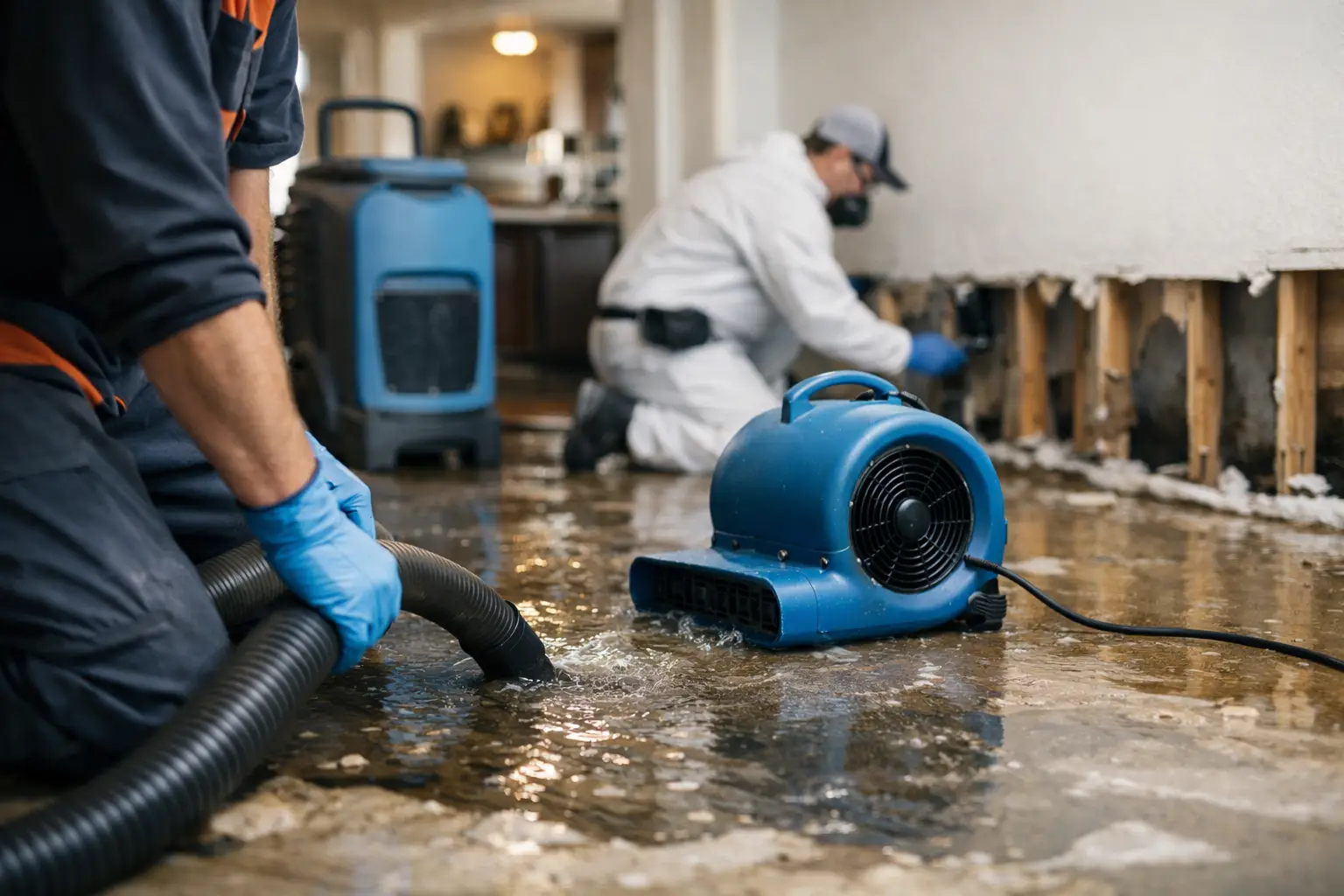 Water Damage
Extraction, structural drying, and moisture mapping after floods, leaks, and burst pipes.
Get help now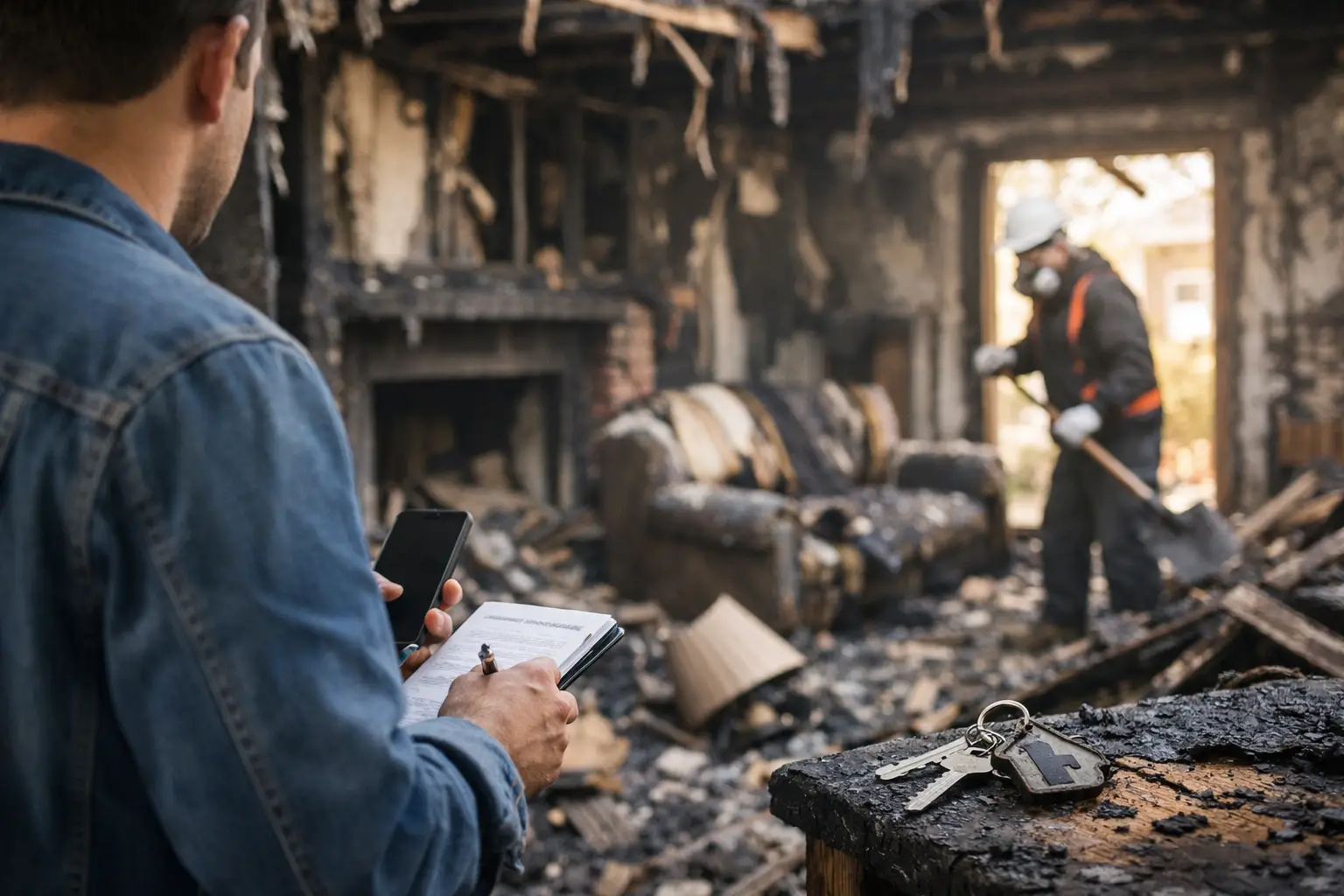 Fire & Smoke
Soot removal, odor deodorization, and content cleaning after fire and smoke damage.
Learn more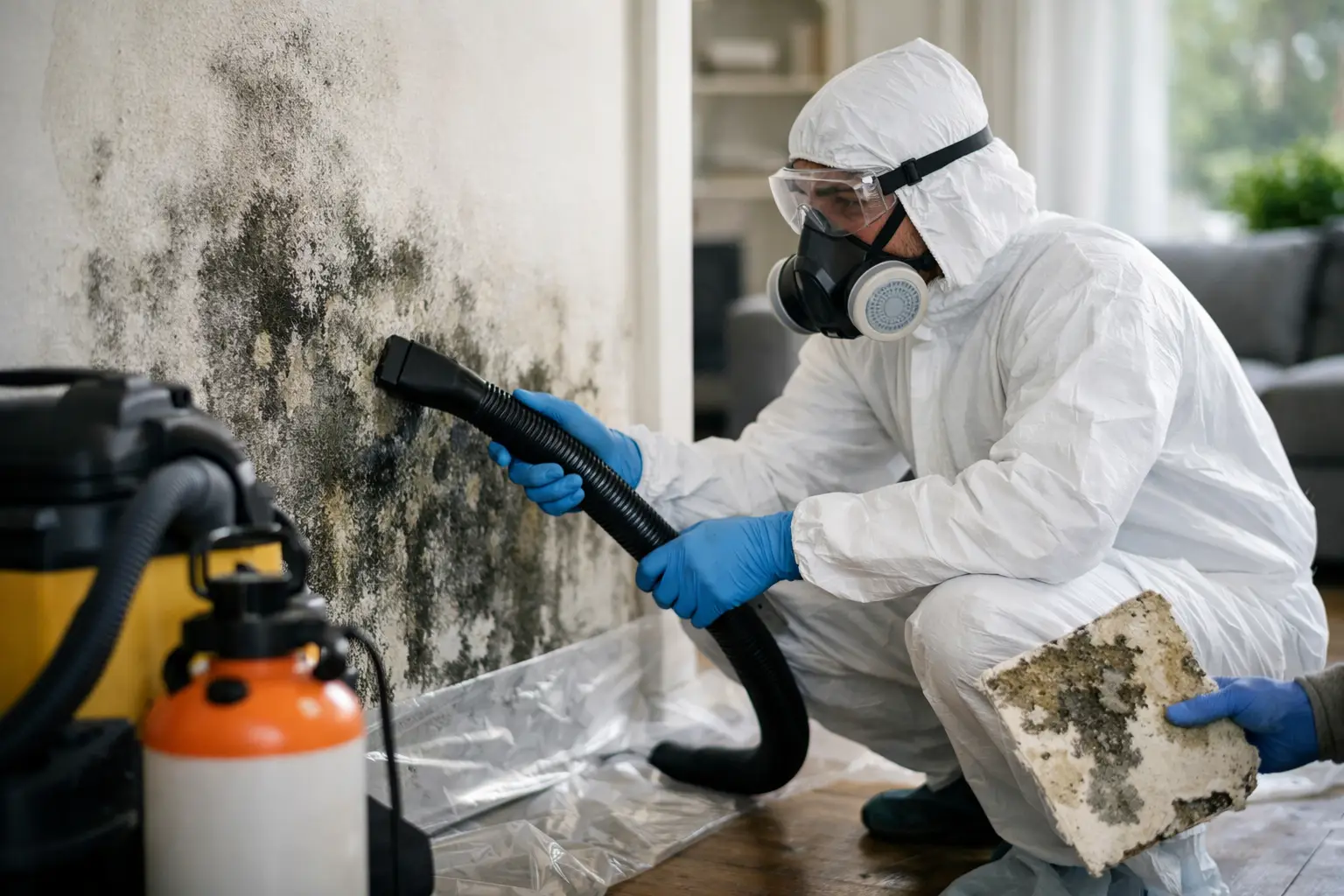 Mold
MoldContainment, removal, and moisture control that stops mold from coming back.
Learn more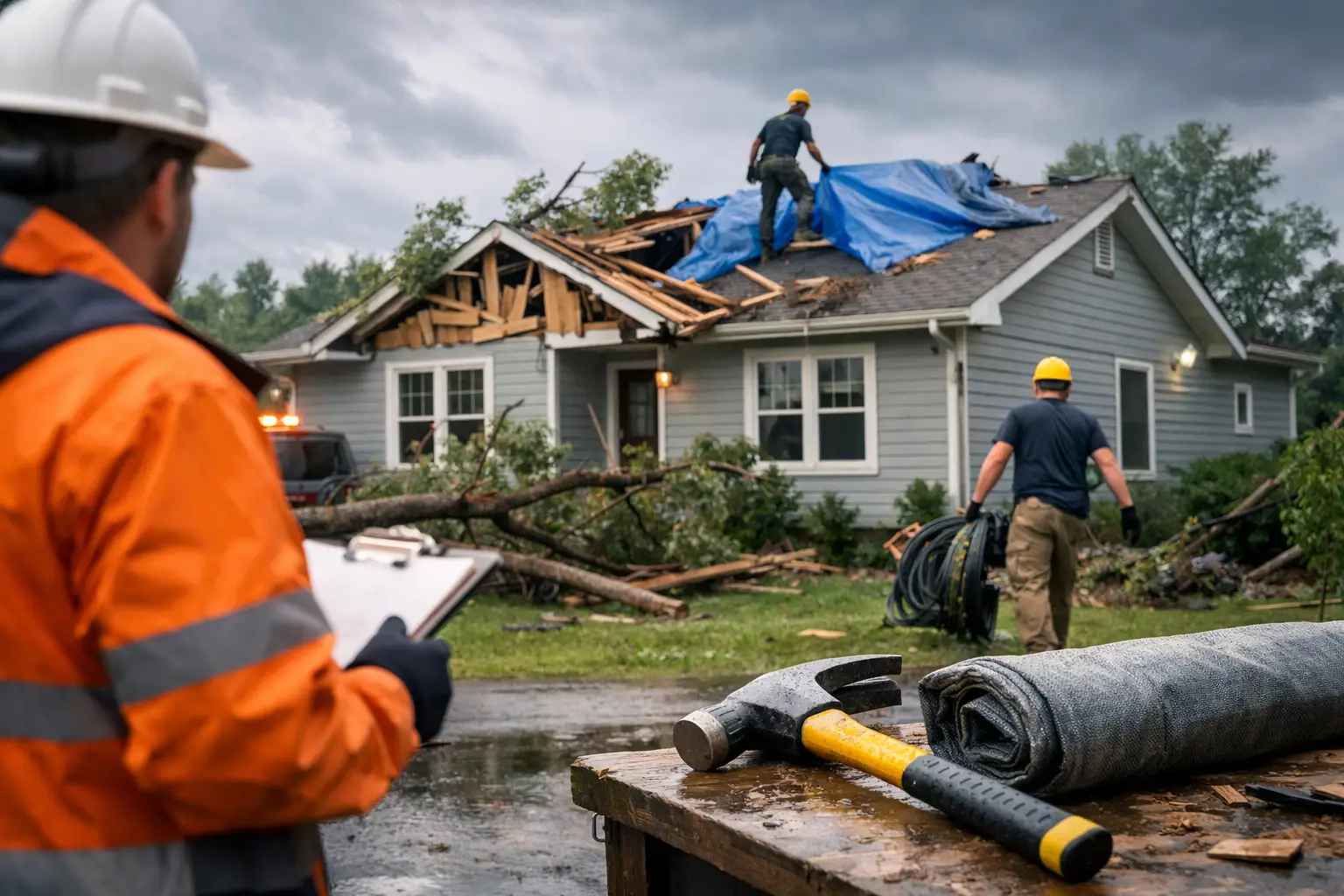 Storm
StormEmergency board-up, roof tarping, and full recovery after wind, hail, and storms.
Learn more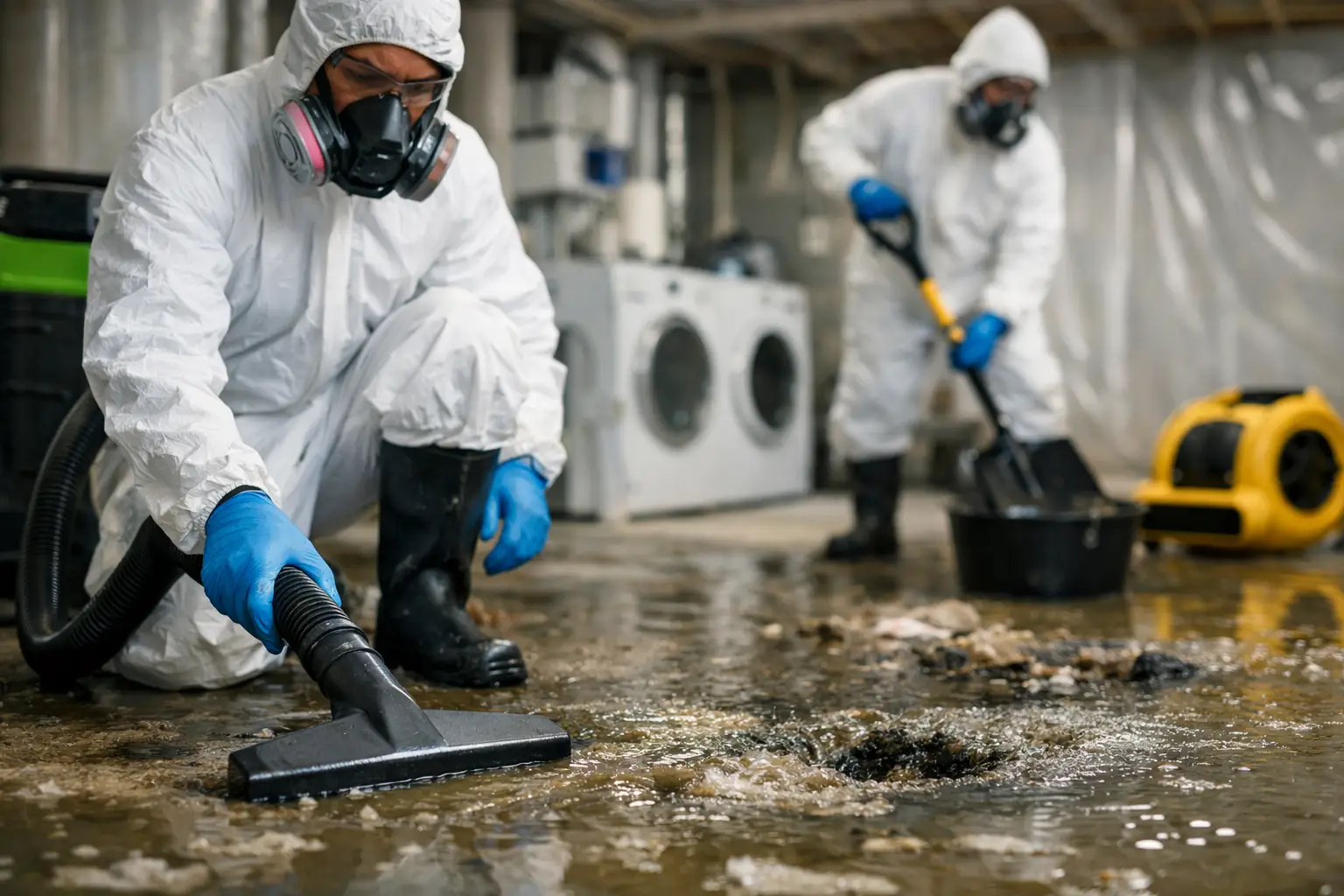 Sewage
Safe biohazard cleanup and sanitizing after sewage backups and overflows.
Learn more Reconstruction
Full rebuild by a licensed general contractor, so your property comes back whole.
Learn moreElevated Operations is an IICRC-certified, licensed general contractor based in Mableton that handles the entire recovery in-house, so after one loss you are never coordinating a cleanup crew, a mold crew, and a contractor separately. One team, one point of contact, from the first pump-out to the final coat of paint.
People call when the property feels like a disaster. They leave reviews because Chris and the crew made it right. These are real, verified Google reviews.
Yes, I do. I handle contents cleaning and restoration in East Point, including homes near MARTA routes and the older bungalow streets that run toward College Park. I look at the actual contents first, then decide what needs cleaning, what needs pack out services, and what should stay on site. That keeps the process efficient and practical.
Often, yes, but not automatically. Fire damage can leave soot, odor, and residue, while flood damage adds moisture and mold risk. I evaluate each item for structure, material, and exposure time. If the contents were caught early, many items can be cleaned, dried, and stabilized instead of replaced, especially furniture and hard goods.
I clean smoke damaged contents by separating hard surfaces from porous materials, removing dry soot first, then addressing odor removal and deeper contamination. Bungalows near College Park often have tight rooms and older trim, so I inspect drawers, undersides, and corners carefully. That avoids pushing soot deeper into the item.
Many items can be saved if the water was caught quickly, including furniture, some electronics, documents, and personal property with solid structure. I pay close attention to document drying because paper fails fast, and mold starts in 24 to 48 hours. The key is fast sorting, controlled drying, and not stacking everything together.
If contents need cleaning, odor removal, drying, or secure storage away from the damaged area, yes. Pack out services make sense when the home is crowded, the structure is still wet, or soot is transferring from room to room. In East Point, older bungalow layouts often make off-site contents work the cleaner choice.
I keep the process organized from the start with inventory, direct insurance billing, and clear scope decisions. I do not bury homeowners in jargon. You know what is being cleaned, what is being dried, and what is being evaluated for salvage. That matters when you are trying to live through a loss and protect what can still be saved.
Yes. Personal property restoration can include smoke-affected keepsakes, household items, and soft goods that picked up odor during the loss. Odor removal is a real step, not a quick spray. I look at the source of the smell, the material, and whether the item can be cleaned without causing more damage.
I bring owner oversight, IICRC-certified technicians, a 60-minute emergency response 24/7, and a 12-month warranty. I am based in Mableton, I have been in restoration since 2007, and I am a licensed general contractor. For East Point homes, that means I know how to handle contents work without guessing.
Elevated Operations dispatches IICRC-certified crews across Metro Atlanta from our Mableton base, with a 60-minute emergency response day or night. Choose your city:
Call now for an immediate response, or request your free inspection and get a certified crew on-site within the hour across Atlanta and nearby areas.