24/7 Emergency Restoration · Serving Metro AtlantaEmergency? (770) 404-6895
Fire and smoke restoration Douglasville is not just a wipe-down and a fresh coat of paint. I’m Chris Kwangwari, and I handle the hard truth: soot, odor, debris, and hidden damage do not fix themselves in Douglasville homes, especially the builder-grade houses and subdivisions off I-20 near Dog River Reservoir.
IICRC-Certified · 5-Star Rated · 60-Minute Response · Insurance Billed Directly
Homes off I-20 often have builder-grade materials that show soot and odor fast. That means cleanup has to be thorough, not cosmetic.
Yes. I use board up services to secure openings fast, reduce extra loss, and protect the home before cleanup and repairs begin.
Yes, but only after the source is removed. Odor neutralization is part of the process, not a substitute for soot removal and cleaning.
I can assist with your deductible up to $1,000, and I also offer direct insurance billing to keep the claim process moving.
Fire and smoke restoration is not one job, and it is never just surface cleaning. I treat it as a full recovery process, from board up services and debris removal to fire damage cleanup, soot removal, odor neutralization, and structural drying when water was used to put the fire out.
Myth: if the burn area looks small, the work is small. Fact: smoke moves through ductwork, closets, attics, and hallways fast. In Douglasville, I see that happen in builder-grade layouts off I-20 where one room turns into a whole-house smoke damage cleanup problem before homeowners realize it.
Myth: you can sort out restoration later. Fact: fire damage changes by the hour, especially when moisture and soot are both present. Dog River Reservoir weather does not cause the fire, but local humidity can make residue cling harder and increase the need for immediate structural drying and detailed cleaning.
Myth: one contractor can guess their way through it. Fact: IICRC-certified technicians handle the process correctly, and I stay involved as a licensed general contractor. That matters when you need contents, framing, insulation, and finishes evaluated in the right order instead of patched together after the fact.
Smoke damage is removed with a methodical process, not a scented spray. I start by identifying where soot settled, then I clean affected surfaces, treat materials that can be saved, and use odor neutralization where smoke odor has soaked into porous items and hidden cavities.
Myth: repainting covers smoke. Fact: paint can trap odor and stain bleed-through if the soot is not removed first. That mistake is common in Douglasville’s builder-grade homes, where thin finishes and standard trim do not forgive shortcuts after a kitchen fire or attic smoke event.
Myth: all smoke looks the same. Fact: dry soot, oily residue, and protein smoke each behave differently. On homes near Dog River Reservoir, I pay close attention to HVAC runs, closets, and upstairs bedrooms because smoke damage cleanup often reaches places the homeowner never smelled until days later.
Myth: the smell means the damage is cosmetic. Fact: odor means smoke compounds are still present. I use targeted cleaning, content restoration when items can be saved, and odor neutralization only after the source is addressed. If the residue remains, the smell comes back. It always does.
Yes, many fire damaged contents can be restored, but not by wishful thinking. I look at what the item is made of, how much soot and heat exposure it took, and whether content restoration will actually hold up before I recommend cleaning, packing, or replacement.
Myth: everything in the house is ruined after a fire. Fact: that is rarely true. I have seen furniture, hard goods, and keepsakes saved when the homeowner called quickly and the smoke damage cleanup started before residue hardened into the fibers and seams.
Myth: contents restoration is the same as house cleaning. Fact: it is a separate discipline. Some items need specialty cleaning, controlled deodorizing, and careful inventory handling. In Douglasville homes with open layouts and attached garages, smoke can hit storage areas and personal property in uneven ways.
Myth: if it smells smoky, it is gone. Fact: some items hold odor better than others, and I do not pretend otherwise. I tell homeowners straight when content restoration makes sense and when replacement is the honest answer, especially after heavy soot removal is needed.
Fire restoration should begin as soon as the scene is safe and the fire department releases the property. Waiting lets soot etch surfaces, moisture spread, and odors lock in, which turns a contained loss into a bigger one and makes fire damage cleanup harder.
Myth: a few days will not matter. Fact: it matters immediately. I provide 60-minute emergency response 24/7 because board up services, debris removal, and initial stabilization should happen fast after a Douglasville fire, especially when openings expose a home to weather and theft.
Myth: the insurance company has to approve everything before anyone starts. Fact: some steps cannot wait. I handle direct insurance billing and can assist with your deductible up to $1,000, but the first priority is stabilizing the structure and stopping additional loss from spreading.
Myth: smoke damage cleanup can wait until the weekend. Fact: the longer soot sits, the more it stains, corrodes, and penetrates finishes. That is true in homes near I-20 and in older streets around Douglasville too, where mixed materials make delay even more expensive.
No, builder-grade homes do not handle smoke better. They can actually show damage faster because standard drywall, trim, paint, and carpeting absorb soot and odor quickly, which makes fire and smoke restoration in Douglasville feel bigger than the visible burn area suggests.
Myth: newer means easier. Fact: newer construction often means less margin for error. In Douglasville subdivisions off I-20, I see smoke travel through compact mechanical chases, attic spaces, and shared wall cavities, which means the cleanup can reach far beyond the room that burned.
Myth: the house can just air out. Fact: odor does not “air out” of drywall, insulation, or ductwork on its own. If smoke damage cleanup is skipped, those materials keep releasing odor back into the home, and every warm day makes the problem more obvious.
Myth: one visible scorch mark tells the whole story. Fact: I inspect for hidden damage because builder-grade finishes hide very little once soot starts moving. That is why IICRC-certified technicians matter, and why I do not guess at what needs cleaning, removal, or structural drying.
Homes near Dog River Reservoir often need careful odor neutralization because humidity can make smoke odor cling longer to porous materials and hidden cavities. That does not create the fire, but it does make smoke damage cleanup more stubborn if the source is not fully removed.
Myth: smell is just a nuisance. Fact: smoke odor is evidence that residue remains somewhere in the structure or contents. Around Dog River Reservoir, the air can make that residue more noticeable, especially after a fire hits carpeting, insulation, fabrics, or wood trim.
Myth: deodorizer is enough. Fact: fragrance is not restoration. I clean, remove, and treat the source first, then use odor neutralization as part of a complete plan. If soot remains in a closet, attic, or supply line, the odor will return and so will the complaint.
Myth: a light smoke event cannot spread far. Fact: even a small kitchen fire can leave odor in nearby rooms, upstairs bedrooms, and closets. In Douglasville, that often means fire and smoke restoration has to include more square footage than the homeowner expected on day one.
Fact: soot removal has to be done correctly or it smears and stains. I clean in the right order, then address odor neutralization after the source is gone.
Fact: content restoration can save many items if they are treated quickly. I decide based on material, exposure, and whether the item can be made safe and clean again.
Fact: it moves fast through Douglasville homes, especially builder-grade layouts off I-20. That is why I take smoke damage cleanup seriously from the first call.
From emergency mitigation to full reconstruction, handled in-house so you are never managing a chain of subcontractors mid-crisis.
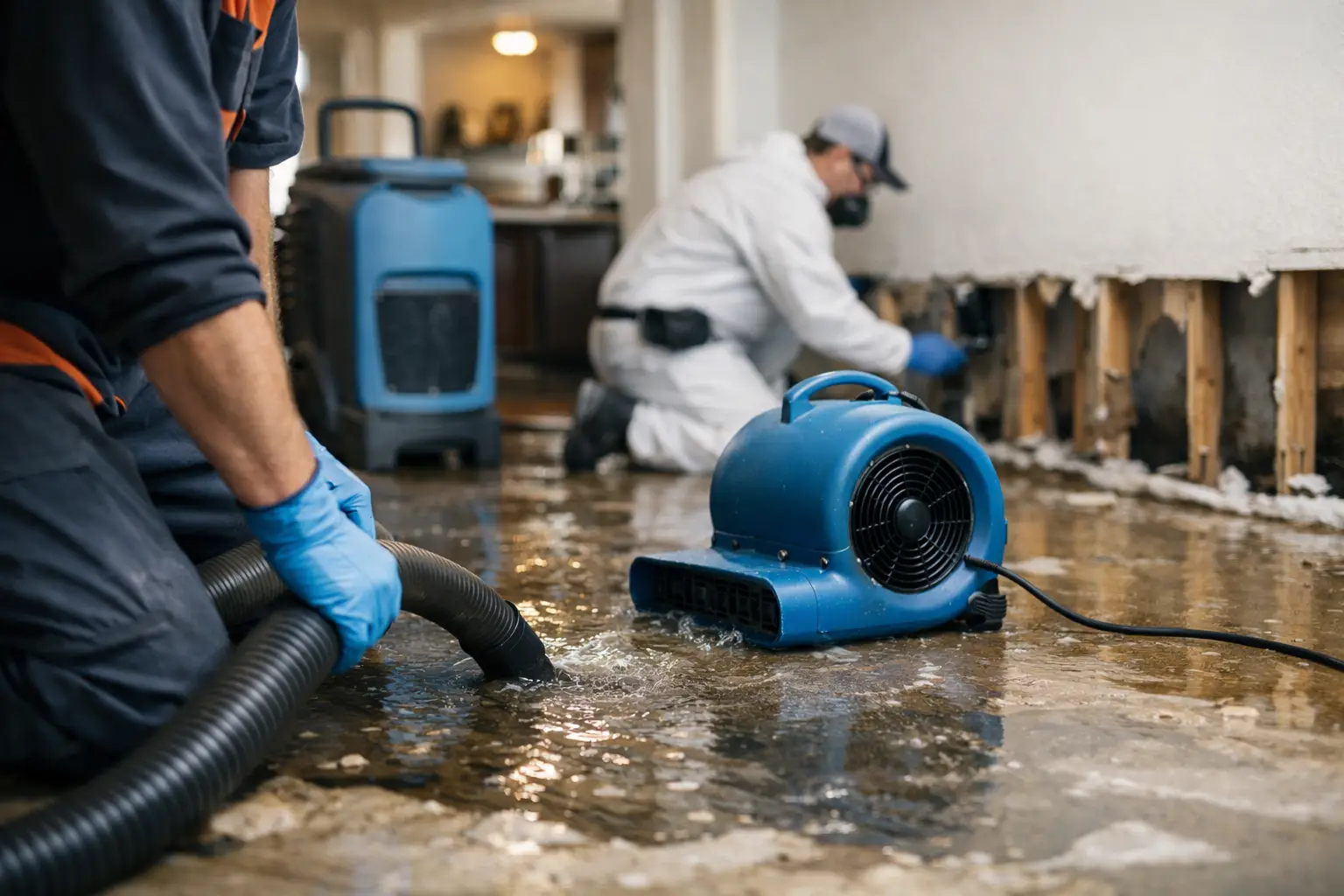 Water Damage
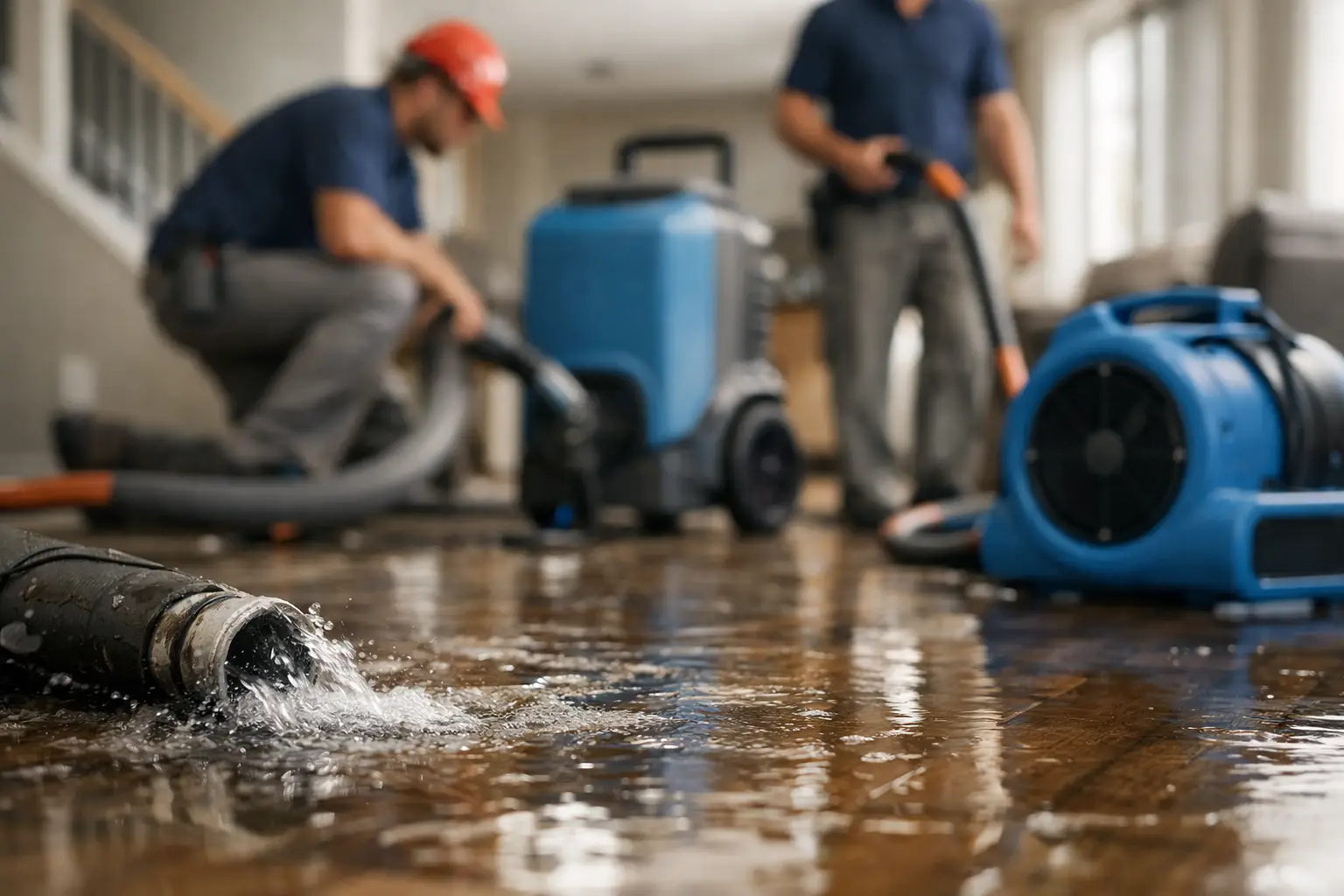
Extraction, structural drying, and moisture mapping after floods, leaks, and burst pipes.
Get help now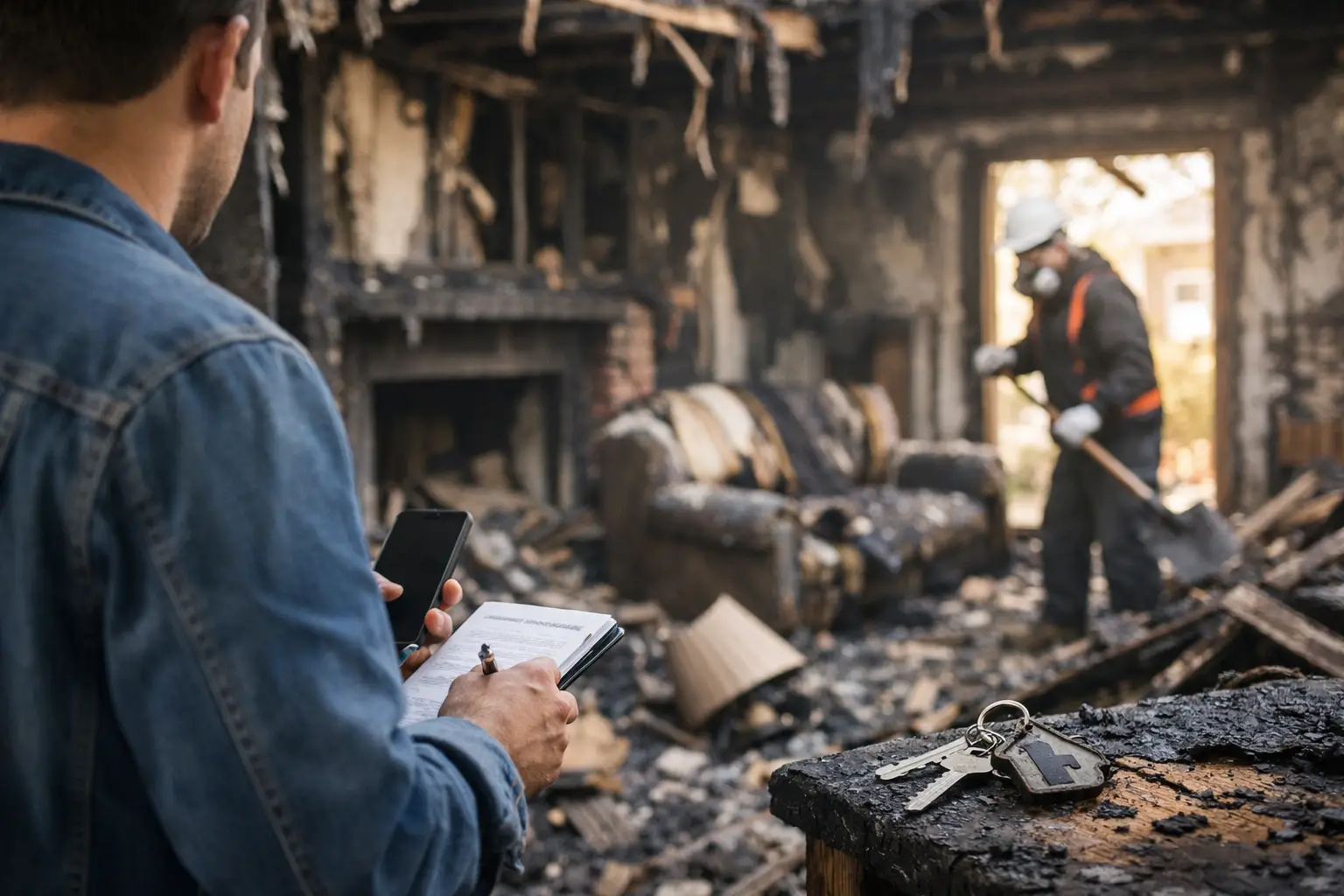 Fire & Smoke
Soot removal, odor deodorization, and content cleaning after fire and smoke damage.
Learn more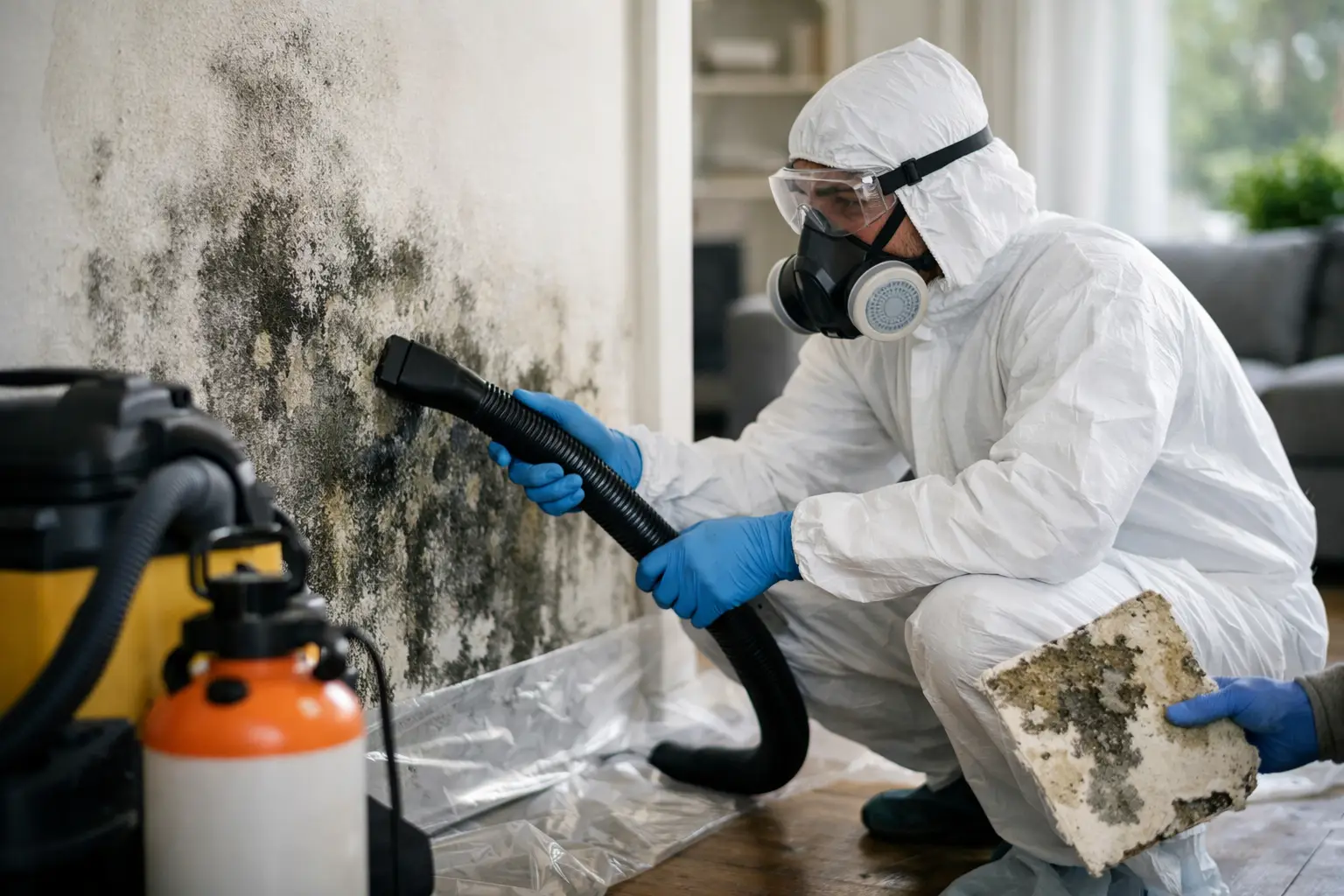 Mold
MoldContainment, removal, and moisture control that stops mold from coming back.
Learn more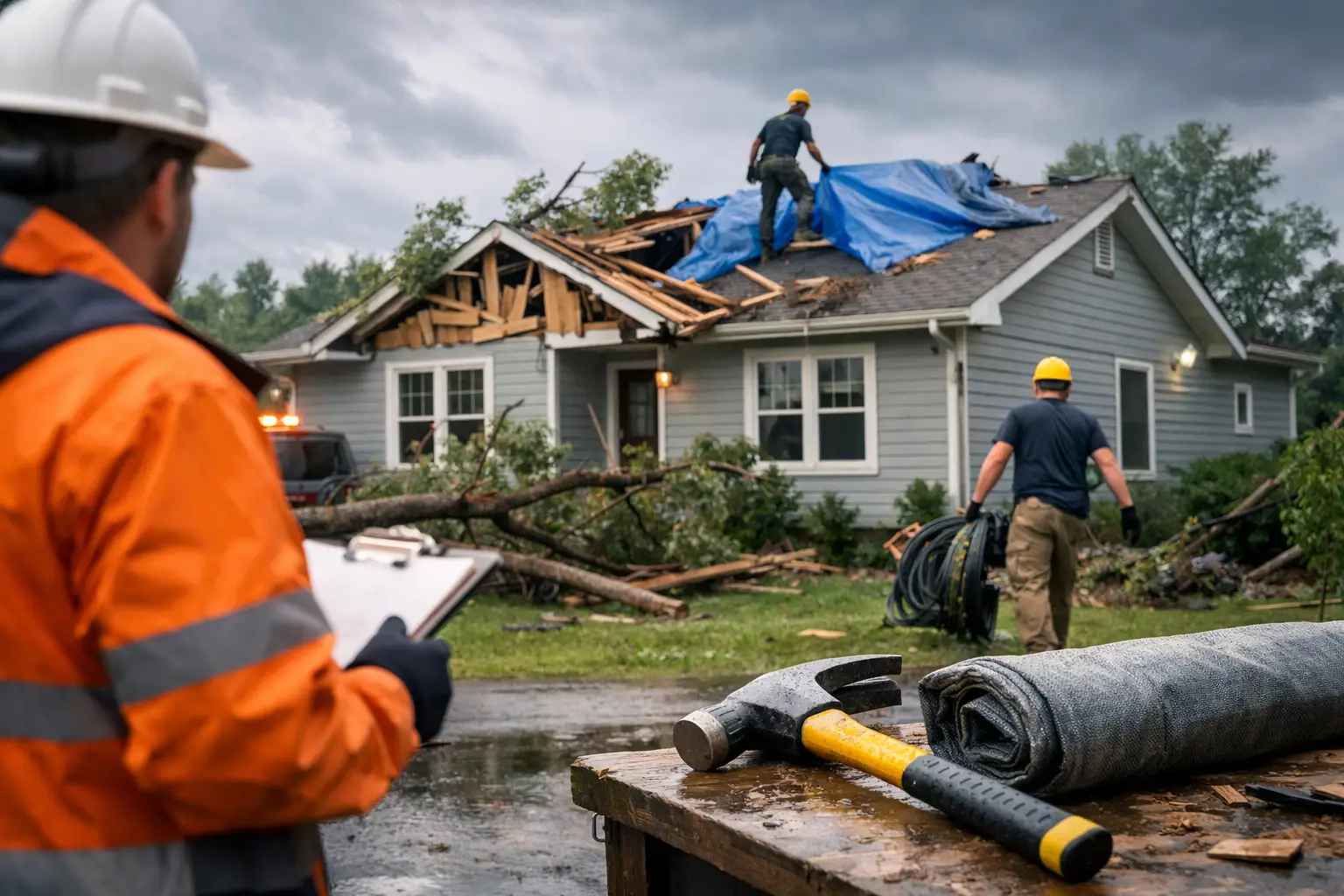 Storm
StormEmergency board-up, roof tarping, and full recovery after wind, hail, and storms.
Learn more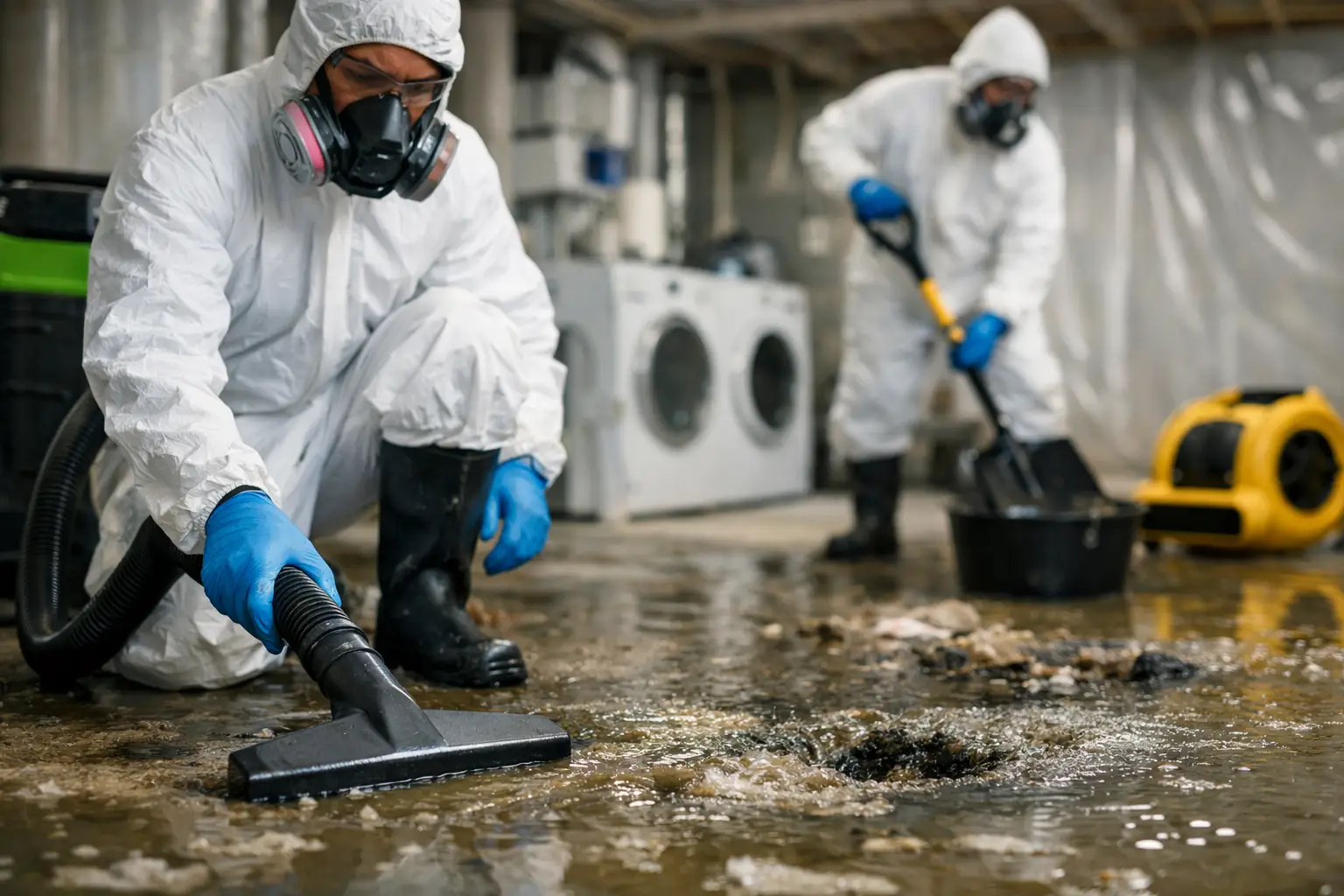 Sewage
Safe biohazard cleanup and sanitizing after sewage backups and overflows.
Learn more Reconstruction
Full rebuild by a licensed general contractor, so your property comes back whole.
Learn moreElevated Operations is an IICRC-certified, licensed general contractor based in Mableton that handles the entire recovery in-house, so after one loss you are never coordinating a cleanup crew, a mold crew, and a contractor separately. One team, one point of contact, from the first pump-out to the final coat of paint.
People call when the property feels like a disaster. They leave reviews because Chris and the crew made it right. These are real, verified Google reviews.
I can respond in 60 minutes, 24/7, once it is safe to enter. Fast action matters because soot etches surfaces, moisture spreads from suppression efforts, and odor settles into drywall and contents. In Douglasville homes near I-20, I usually want stabilization started before the damage has time to travel.
It includes debris removal, board up services if openings are exposed, soot removal, smoke damage cleanup, and structural drying if water was used during suppression. If the attic is involved, I also look at insulation, framing, and air pathways because smoke in the attic often migrates into bedrooms and hallways below.
Sometimes, yes. I look at the material, the type of soot, and how long it sat before treatment. Hard goods, some furniture, and personal items may be restored, while others are too contaminated. I do not guess. I assess, explain, and tell you plainly what content restoration can and cannot do.
I treat those homes carefully because standard drywall, trim, and carpet can absorb smoke quickly and show staining fast. I clean the residue, address hidden odor paths, and inspect cavities and HVAC components. Builder-grade construction leaves little room for shortcuts, so I do not take them.
Humidity can help smoke odor cling to porous materials and can make lingering residue more noticeable in the days after the fire. It does not cause the damage, but it can make cleanup tougher. That is why I focus on source removal first, then odor neutralization only after the soot is handled.
Yes, I offer direct insurance billing. That helps keep the process organized after a fire, when homeowners are already juggling cleanup, documentation, and property access. I also work from a licensed general contractor perspective, which helps when the structure itself needs repairs beyond the initial cleaning.
Then the damage is not minor. Smoke odor usually means residue remains in the structure or contents, even if the burn area was small. I see this often in Douglasville homes where smoke moved into closets, hallways, and vents. If the smell is present, the work is not finished.
Yes, I back my work with a 12-month warranty. IICRC-certified technicians handle the restoration, and I stay accountable as the owner, Chris Kwangwari. If a smoke or fire-related issue was addressed by my team, I stand behind the work and the process.
Elevated Operations dispatches IICRC-certified crews across Metro Atlanta from our Mableton base, with a 60-minute emergency response day or night. Choose your city:
Call now for an immediate response, or request your free inspection and get a certified crew on-site within the hour across Atlanta and nearby areas.