24/7 Emergency Restoration · Serving Metro AtlantaEmergency? (770) 404-6895
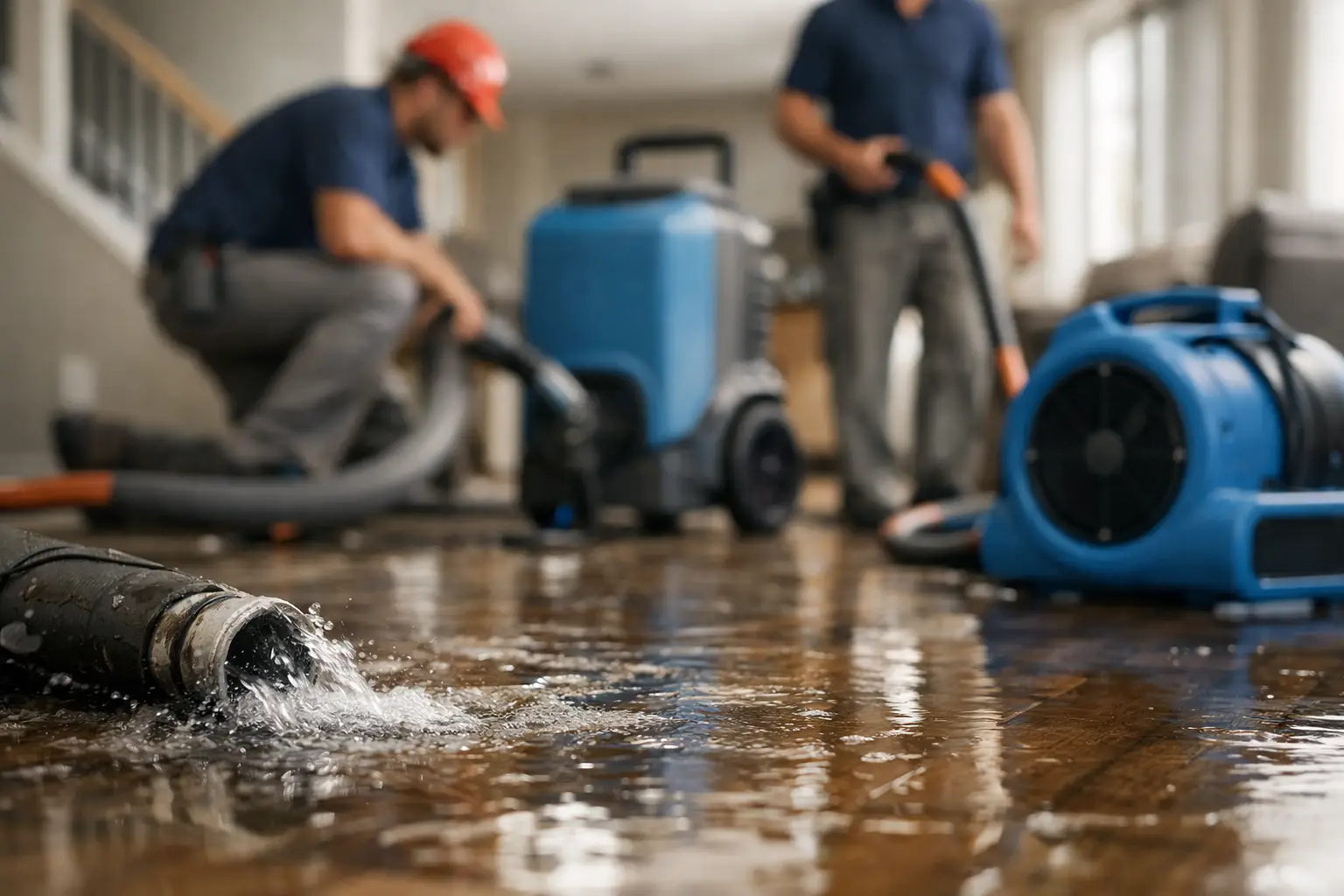
Flooded basement cleanup Dallas starts with one decision: stop the water, protect the structure, and choose the right level of help. In Dallas, with Paulding well-water and septic systems and homes near Pumpkinvine Creek, I compare restoration versus replacement, DIY versus pro, and water damage versus mold so you know what fits the damage.
IICRC-Certified · 5-Star Rated · 60-Minute Response · Insurance Billed Directly
Yes. I look at source, contamination, and what materials actually absorbed water. If the structure can be dried and saved, restoration makes sense. If sewage or long exposure is involved, replacement is the smarter call.
Yes. I handle extraction, drying, and the rebuild decisions that follow. Near Pumpkinvine Creek, I also pay close attention to drainage patterns and repeat flooding risk.
I treat that as sewage backup cleanup until proven otherwise. That means careful removal, sanitation, and a hard look at anything porous that got hit.
Yes. I provide a 12-month warranty on the work I complete, because cleanup has to hold up after the water is gone.
First, cut the risk, then call for flooded basement cleanup Dallas. If the water is near electrical equipment, sewage, or soaked walls, stay out and let a pro handle basement water removal and flood water extraction before the damage spreads.
I start with safety, not carpet. In Dallas, basement flooding can come from heavy rain, sump failure, or a septic backup tied to Paulding County systems. If you smell sewage or see muddy water, treat it as sewage backup cleanup, not a simple mop-up job.
If the water is clear and shallow, move dry items and stop more water from entering. But once wet carpet is sat in place, the clock is against you. Basement drying works best when it starts fast, before water reaches base plates and wall cavities.
Around Pumpkinvine Creek, I see homeowners delay because the basement still looks usable. That is a bad bet. I look at source, depth, and what soaked, then I decide whether restoration makes sense or whether replacement is the smarter call.
You clean it up by finding the source, extracting standing water, removing unsalvageable materials, drying the structure, and checking for mold risk. For flooded basement cleanup Dallas, I compare what can be restored, what must be replaced, and what needs a licensed pro.
My process is direct. I inspect the water source, protect the area, perform basement water removal, and use flood water extraction where needed. Then I assess drywall, insulation, flooring, and trim. If the carpet is ruined but the pad and subfloor are sound, wet carpet removal may be enough.
In Dallas, I pay attention to whether the home is on well-water, septic, or tied to storm runoff. That matters. A basement hit by creek overflow near Pumpkinvine Creek needs a different cleanup than one with a supply line leak or washing machine failure.
DIY works only when the loss is small, clean, and contained. Once water is deep, dirty, or repeated, I bring in IICRC-certified technicians. Elevated Operations, LLLP, has handled restoration since 2007, and I do direct insurance billing when the claim belongs in the system.
Restore when the structure is dry, clean, and still sound. Replace when materials are contaminated, swollen, warped, or tied to sewage or long exposure. In Dallas, I compare restoration versus replacement by looking at the source, how far water traveled, and mold risk.
Restoration is the right call when water is caught early. That can mean drying framing, saving subflooring, and keeping some finishes in place. Replacement is the better move when drywall wicks high, insulation is soaked, or the basement had septic water pushed in from a backup.
A home near Pumpkinvine Creek may have a different risk pattern than a basement on higher ground in Dallas. I look at repeated intrusion and how the drainage behaves on the property. If the issue will return, I say so plainly. I do not dress up a bad basement as a quick fix.
This is where mold prevention matters. If materials stay damp too long, the problem grows. Mold starts in 24 to 48 hours. When that window is already closing, I push for faster demolition and replacement instead of trying to save materials that will fight you later.
A pro is better when the water is dirty, the damage is widespread, or the basement stayed wet long enough for mold to start. DIY can work for very small clean water losses, but flooded basement cleanup Dallas usually needs proper extraction, drying, and documentation.
DIY looks cheap until it fails. A homeowner can pull a rug and run fans, but that does not equal basement drying. Moisture hides in cavities, under baseboards, and in insulation. If you miss that, the floor may feel dry while the structure is still wet inside.
I prefer pro work when the home has septic influence, stormwater, or any smell that hints at sewage backup cleanup. In Dallas, that is not a place to experiment. IICRC-certified technicians know what to test, what to remove, and what to protect before the job spreads.
The pro path also helps with insurance. I provide direct insurance billing, and as a licensed general contractor, I can handle the rebuild side when cleanup exposes damaged framing or flooring. That matters when you want one accountable plan, not three vendors pointing at each other.
Yes, a flooded basement can cause mold fast, especially if drying is delayed or materials stay damp. In Dallas, mold prevention depends on fast extraction, fast drying, and removing contaminated materials before they keep feeding growth.
Mold starts in 24 to 48 hours, and basements give it a quiet place to spread. A Dallas basement with wet drywall, carpet backing, or insulation can turn into a mold problem before the floor even looks bad. That is why I push quick basement water removal.
If the water came from Pumpkinvine Creek flooding, a septic issue, or sewer backflow, the cleanup is not just about drying. Contaminated materials need a harder look. Some items are worth saving. Others should go. I do not blur that line because it costs more later.
The goal is to stop the chain: water, lingering moisture, mold. That is the whole game. Once that chain starts, the repair bill gets uglier and the health concerns climb. I would rather remove the bad material early than pretend a fan can fix everything.
Bring in insurance and a licensed contractor when the loss is more than a minor clean-water spill, when structure is affected, or when sewage, stormwater, or repeated leaks are involved. In Dallas, that is common enough to treat as serious from day one.
Insurance becomes useful when the damage reaches flooring, walls, cabinets, or finished space. I handle direct insurance billing, which keeps the paper trail cleaner and helps the claim move without the homeowner acting as the middleman. That matters after a rough night of water intrusion.
A licensed general contractor matters when cleanup turns into rebuild. Maybe the wet carpet comes out and the subfloor is shot. Maybe drywall has to be cut and replaced. I manage that side because restoration is not only extraction, it is getting the basement functional again.
Homes in Dallas and the broader Paulding County area often sit with drainage quirks that come and go with weather. Near Pumpkinvine Creek, a flooded basement can be a one-time event or a pattern. I look for the pattern because that tells you whether a patch job will hold.
| Typical Trigger | Water Damage Restoration | Mold Remediation |
|---|---|---|
| Clear water after a supply line break in a Dallas basement | Restoration usually wins, with flood water extraction, basement drying, and limited wet carpet removal if materials were caught early. | Mold risk stays lower if drying starts fast, but hidden dampness behind trim still needs checking. |
| Septic or sewage backup in a Paulding County basement | Replacement often wins for contaminated carpet, pad, and porous materials, plus sewage backup cleanup and deep sanitation. | Mold risk is high because contaminated materials and lingering moisture feed growth quickly. |
| Creek-driven flooding near Pumpkinvine Creek after heavy rain | Restoration may work for structure and some finishes, but repeated wetting pushes the case toward replacement. | Mold risk climbs if basement water removal is delayed and moisture stays trapped in walls or insulation. |
From emergency mitigation to full reconstruction, handled in-house so you are never managing a chain of subcontractors mid-crisis.
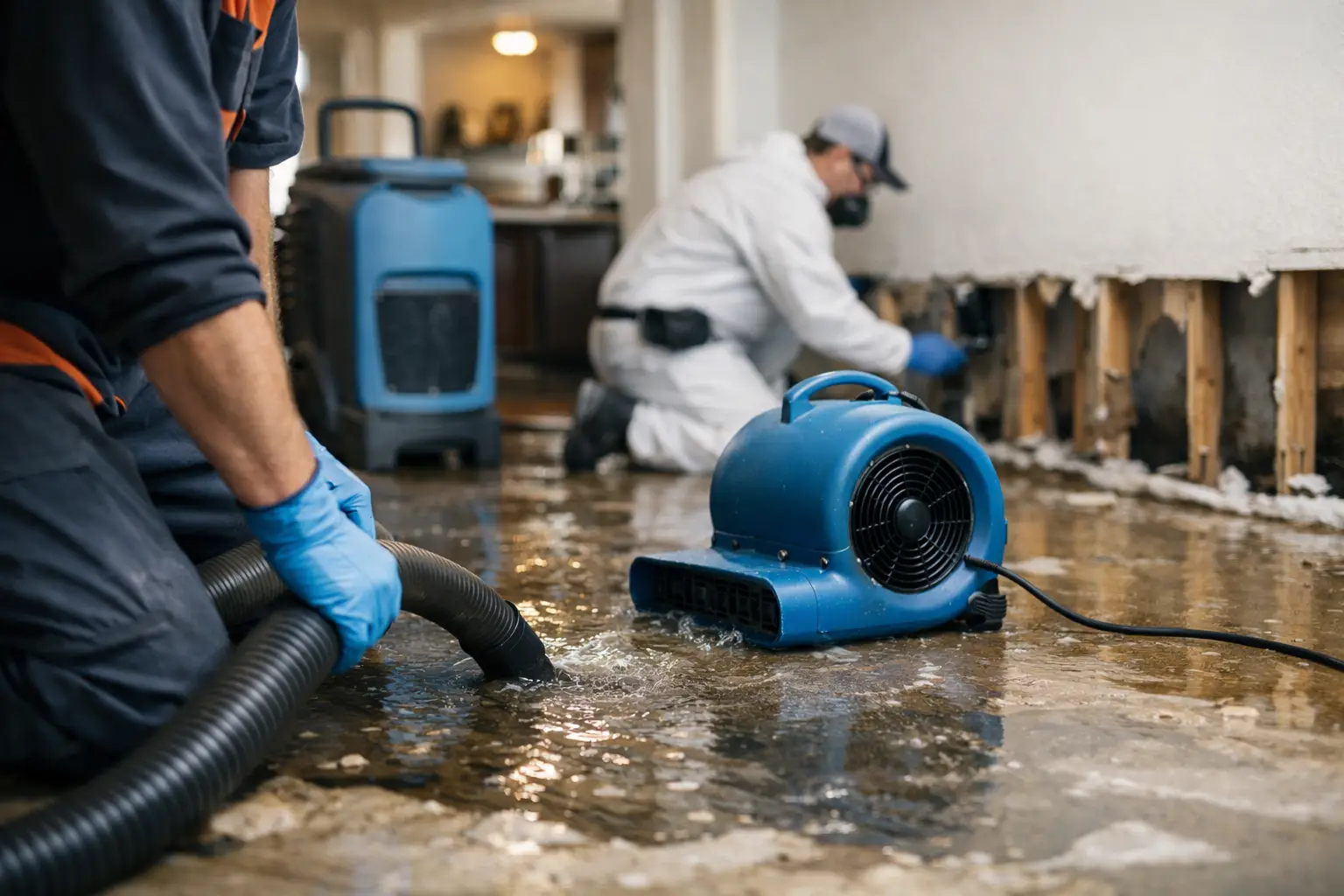 Water Damage
Extraction, structural drying, and moisture mapping after floods, leaks, and burst pipes.
Get help now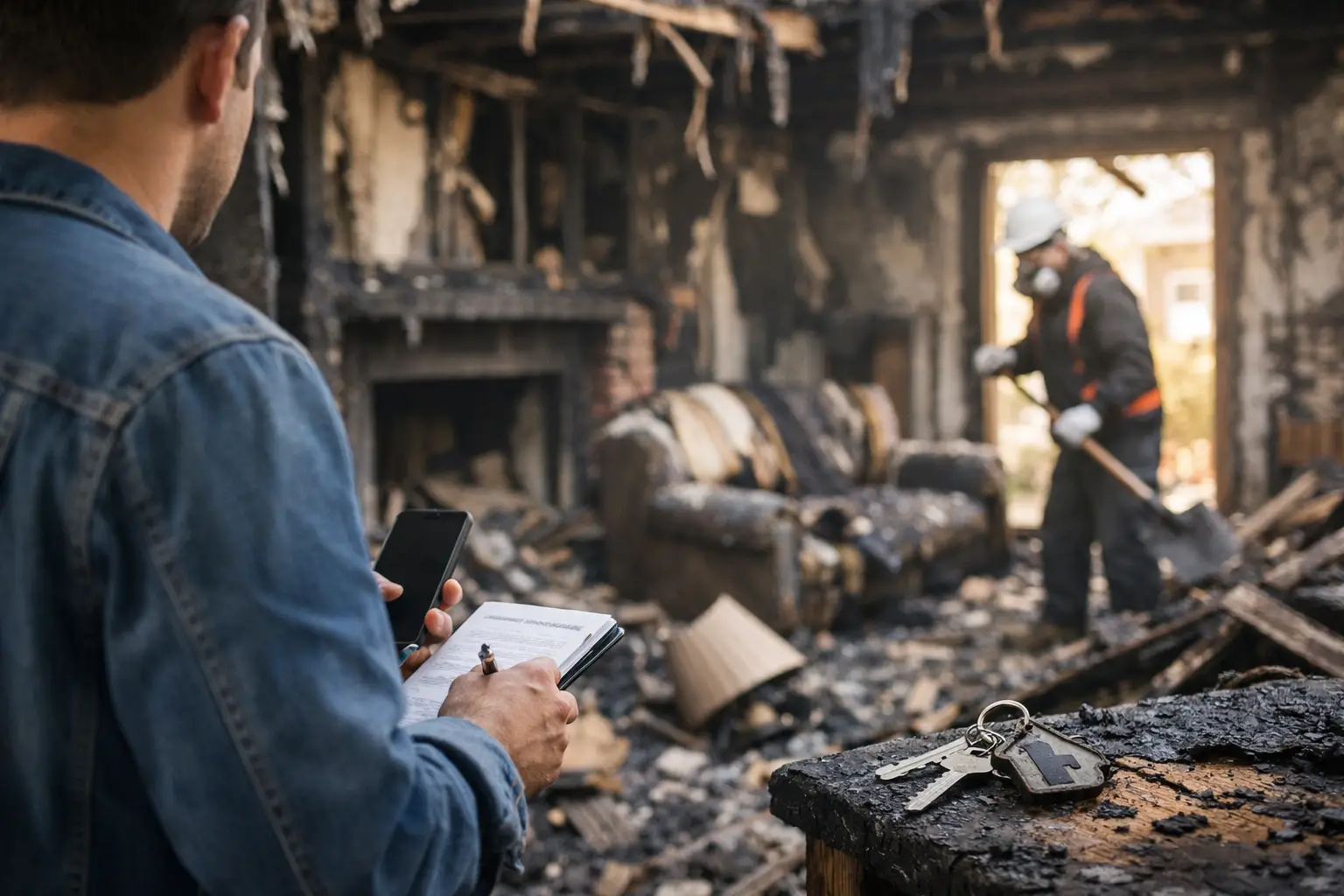 Fire & Smoke
Soot removal, odor deodorization, and content cleaning after fire and smoke damage.
Learn more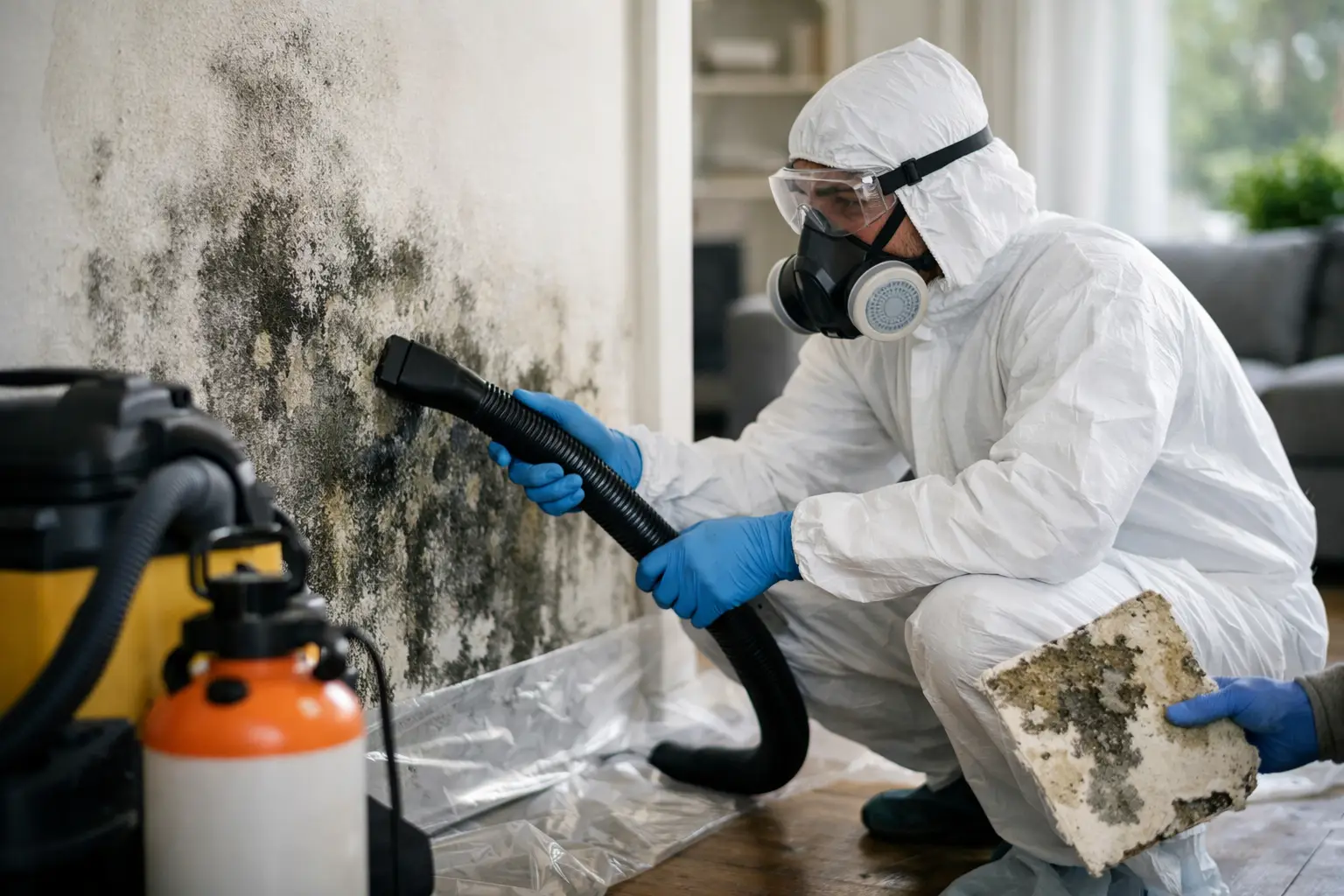 Mold
MoldContainment, removal, and moisture control that stops mold from coming back.
Learn more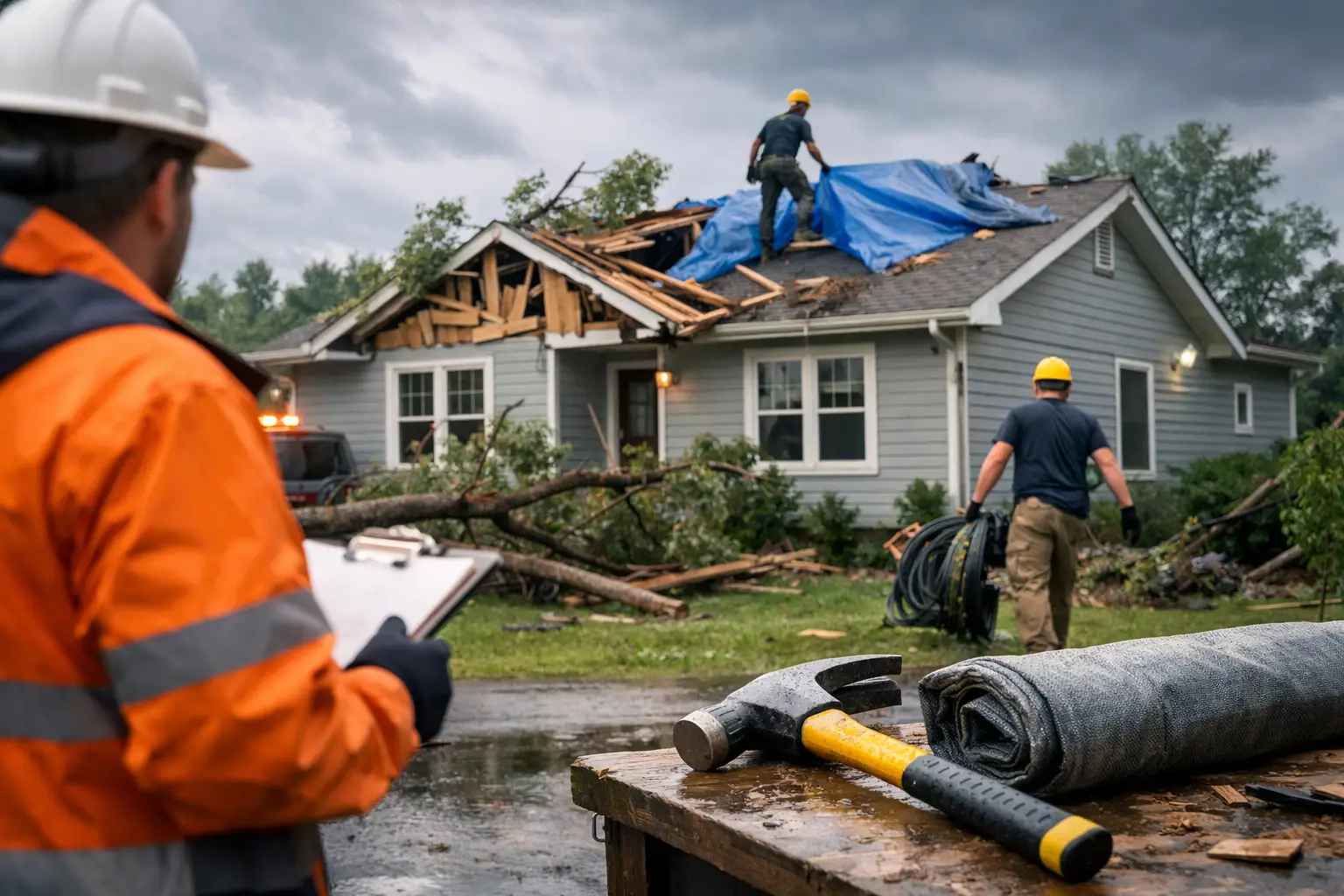 Storm
StormEmergency board-up, roof tarping, and full recovery after wind, hail, and storms.
Learn more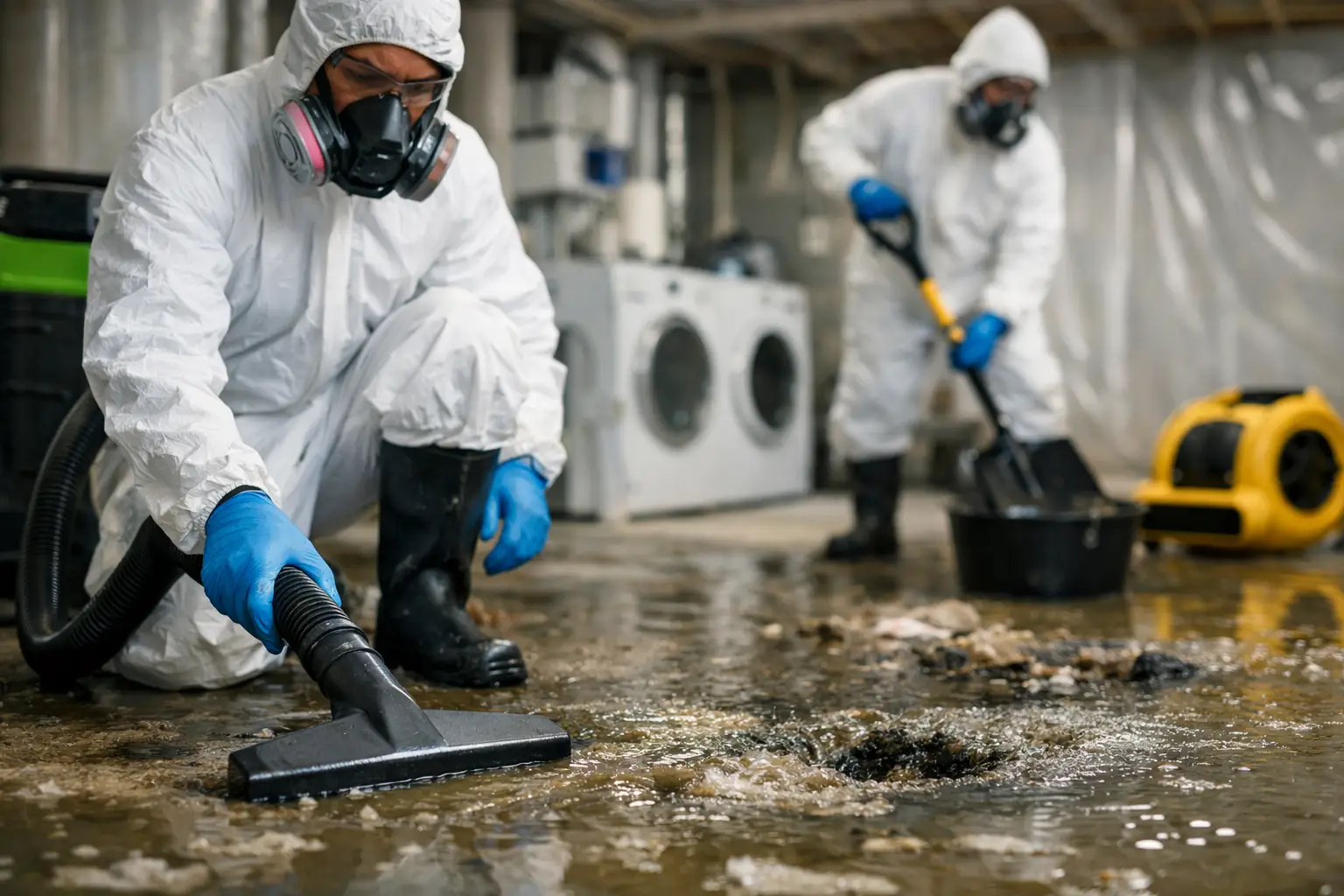 Sewage
Safe biohazard cleanup and sanitizing after sewage backups and overflows.
Learn more Reconstruction
Full rebuild by a licensed general contractor, so your property comes back whole.
Learn moreElevated Operations is an IICRC-certified, licensed general contractor based in Mableton that handles the entire recovery in-house, so after one loss you are never coordinating a cleanup crew, a mold crew, and a contractor separately. One team, one point of contact, from the first pump-out to the final coat of paint.
People call when the property feels like a disaster. They leave reviews because Chris and the crew made it right. These are real, verified Google reviews.
After extraction, I check for hidden moisture in walls, trim, and subflooring. That is where many DIY jobs fail. If you skip that step, mold prevention gets harder and the repair bill grows. I would rather remove the bad material early than leave a damp pocket behind a finished wall.
I do not give fake timelines. I will say this, though, the longer wet carpet, pad, drywall, or insulation sits, the harder the job gets. Around Pumpkinvine Creek and throughout Paulding County, I see homeowners wait too long because the floor feels better than the structure actually is.
The first move is safety. The second is documentation for insurance. Then I look at what can be removed, sanitized, or replaced. If sewage reached porous finishes, replacement is usually the better call because contamination does not stay politely on the surface.
If the water was dirty or smelled like sewage, mold prevention is only part of the issue. Contamination and moisture together create a bigger problem. I look at both. If materials cannot be cleaned and dried correctly, I recommend replacement instead of hoping the basement will behave later.
A pro makes sense when the basement has a history of seepage, sits near Pumpkinvine Creek, or involves septic concerns. IICRC-certified technicians know what to open up, what to dry, and what to discard. That is the difference between a temporary cleanup and a real fix.
I judge that choice by source and time, not optimism. If the carpet came from a basement flood near Pumpkinvine Creek, I look harder at contamination and hidden moisture. Sometimes restoration is right. Sometimes the carpet is only dragging the rest of the basement into a worse problem.
I also back the work with a 12-month warranty. That matters after a flood because the job is not done when the water is gone. The repair has to hold. If it does not, I want the chance to make it right without excuses.
I work across Cobb, Fulton, DeKalb, Douglas, Clayton, Henry, and Paulding counties, so Dallas is squarely in my area. If the basement problem is small, I will say so. If it is bigger, I will say that too. No drama. Just the facts and the fix.
Elevated Operations dispatches IICRC-certified crews across Metro Atlanta from our Mableton base, with a 60-minute emergency response day or night. Choose your city:
Call now for an immediate response, or request your free inspection and get a certified crew on-site within the hour across Atlanta and nearby areas.