24/7 Emergency Restoration · Serving Metro AtlantaEmergency? (770) 404-6895
Smoke and soot cleanup Riverdale starts with knowing what burned, where the smoke traveled, and what surfaces it touched. I am Chris Kwangwari with Elevated Operations, and I use this page to explain the damage, the cleanup steps, and why older subdivisions near Clayton County airport paths need fast, careful smoke damage cleanup.
IICRC-Certified · 5-Star Rated · 60-Minute Response · Insurance Billed Directly
Often, yes. Older subdivisions can have more places for smoke to travel, hold, and hide, especially in ductwork, attic spaces, and original finishes.
I check the smoke path, the residue type, the HVAC system, and which materials are salvageable before any cleaning starts.
When conditions call for it, yes. An air scrubber helps reduce airborne soot while the structure is being cleaned and deodorized.
Because odor usually remains in porous materials, hidden soot, or HVAC components. Surface cleaning alone does not always remove the source.
Smoke and soot cleanup is the process of removing smoke residue, greasy soot, and odor from building materials, contents, and HVAC pathways after fire exposure. It is part cleaning, part material assessment, and part deodorization, because smoke moves far beyond the burned room.
In Riverdale, I see this most often in homes where smoke drifts through hallways, vents, and attic spaces before anyone realizes how far it went. Older subdivisions can have mixed materials, older ductwork, and finishes that hold residue differently, so one room may look fine while the rest of the home still carries smoke damage.
Soot is not just dark dust. It can be oily, dry, acidic, or sticky depending on what burned, and that changes the cleanup method. That is why surface cleaning is never the same as wiping down a wall with household products and hoping for the best.
A good smoke damage cleanup plan looks at walls, ceilings, trim, insulation, contents, and air movement. If the smoke reached the HVAC system, hvac cleaning becomes part of the work. And if odor still lingers after visible residue is gone, deodorization and air scrubber use matter next.
Riverdale sees smoke and soot problems because homes near Clayton County, close to airport activity and older subdivisions, can face fast smoke spread, older materials, and complex ventilation routes. A small fire, kitchen flare-up, or electrical failure can leave residue in more places than people expect.
I work in metro Atlanta long enough to know Riverdale homes have their own patterns. The housing stock includes older subdivisions with original framing, aging duct systems, and rooms that were built before today’s tighter deodorization and ventilation expectations. That makes cleanup more detailed, not less.
Airport-adjacent conditions also matter because people often notice smoke odors more quickly when they are already sensitive to outside air changes. That does not cause the fire, but it can make residents realize something is wrong sooner, especially when odors settle into fabrics, vents, and soft goods.
Smoke cleanup in this area often follows kitchen flare-ups, electrical issues, furnace problems, or small fires that spread soot through the structure. I have seen homes where one room was burned lightly, yet the upstairs bedrooms still needed contents cleaning, odor removal, and full surface cleaning.
You clean smoke and soot damage by stabilizing the air, removing loose residue, cleaning surfaces with the right method for the soot type, and then addressing odor at the source. The order matters, because dry wiping, wet wiping, and deodorization each solve different parts of the problem.
The first step is control. I want the home assessed before anyone starts scrubbing, because the wrong movement can smear soot deeper into paint, trim, and carpet edges. An air scrubber can help capture airborne particles while the work is underway, especially when fine soot is still circulating.
Then I focus on the surfaces that actually hold residue. That includes ceilings, walls, cabinets, switches, window tracks, and vent covers. Surface cleaning has to match the material, because painted drywall, sealed wood, metal, and fabric each react differently to soot removal.
If smoke passed through the return air or supply lines, hvac cleaning comes into play. If the fire involved stored items, contents cleaning may be needed before anything is returned to the home. Good smoke and soot cleanup is organized, not random, and deodorization is often the final layer.
What removes soot from walls and ceilings is the right combination of dry removal, careful surface cleaning, and, when needed, sealing or deeper restoration after the residue is lifted. The key is using the right method for the soot type so the stain does not spread or bite into the finish.
Ceilings and upper wall lines collect soot because hot smoke rises. In Riverdale homes, especially in older subdivisions with textured surfaces or older paint, residue can cling hard. I do not treat that like ordinary dirt. If you push too hard, you drive smoke staining deeper into the finish.
Dry soot is handled differently from oily soot. Dry residue may lift with controlled dry methods first, while greasy residue often needs a more deliberate cleaning sequence. Either way, the work needs patience. Fast scrubbing creates halos, streaks, and missed corners around trim and crown molding.
If the wall or ceiling coating has been compromised, cleaning alone may not be enough. Smoke damage cleanup sometimes includes odor removal planning and restoration decisions after the residue is gone. That is why I inspect both the appearance and the material condition before I call a surface truly clean.
Smoke odor can often be removed when the source is fully cleaned, hidden residue is addressed, and the air path is treated, but it depends on how deep the smoke traveled. Odor removal is not perfume, it is source control plus cleanup plus deodorization of the materials that hold smell.
Odor lives in porous materials. It settles into drywall paper, insulation, carpet, fabric, cabinets, and HVAC components. That is why a room can look clean and still smell like smoke the next morning. The residue and odor load are often tied together, even when the stain is subtle.
In Riverdale, I often see odor problems linger in older homes where smoke moved through closets, attic bypasses, and return vents. An air scrubber can help during the process, but the real answer is thorough smoke and soot cleanup paired with deodorization and, when needed, hvac cleaning.
I do not promise magic. I do promise a method that respects the building and the materials inside it. If the fire was small and the cleanup begins quickly, odor removal is often very effective. If smoke sat for a long time, contents cleaning and deeper restoration steps may be required.
Smoke cleanup should start as soon as the property is safe to enter, because soot is corrosive and odor sets quickly. EPA guidance notes mold can start in 24 to 48 hours after water is introduced during firefighting, so quick action matters for both smoke and moisture damage.
I tell homeowners not to wait for the smell to fade on its own. It usually does not. Smoke residue keeps reacting with surfaces, especially on metal, painted walls, and electronics. The longer it sits, the more cleanup becomes restoration instead of simple cleaning.
That is especially true in Riverdale homes where the fire department may have added water during suppression. Once moisture and soot are both present, the clock gets shorter. Drying, surface cleaning, and deodorization need to begin in an organized way to limit secondary damage.
A 60-minute emergency response 24/7 matters because smoke does not pause overnight. I am in restoration since 2007, and I have learned that fast assessment protects more materials, reduces the spread of odor, and gives you a clearer path through insurance and repair decisions.
Dry soot, oily soot, and protein residue behave differently. I match the cleanup method to the residue, because one bad pass can smear the problem across walls, trim, and ceilings.
Smoke does not stay in the fire room. It follows hallways, returns, attic bypasses, and HVAC pathways, so deodorization and hvac cleaning are often part of the job.
Drywall paper, insulation, upholstery, and carpet backing absorb smoke fast. Surface cleaning helps, but deep odor removal may require contents cleaning or replacement of damaged materials.
Smoke residue can corrode metals and stain finishes quickly, and water from firefighting can add mold risk within 24 to 48 hours. Early cleanup matters.
Direct insurance billing can simplify the process, and I use clear documentation because insurance carriers want a record of the smoke damage cleanup and the work completed.
From emergency mitigation to full reconstruction, handled in-house so you are never managing a chain of subcontractors mid-crisis.
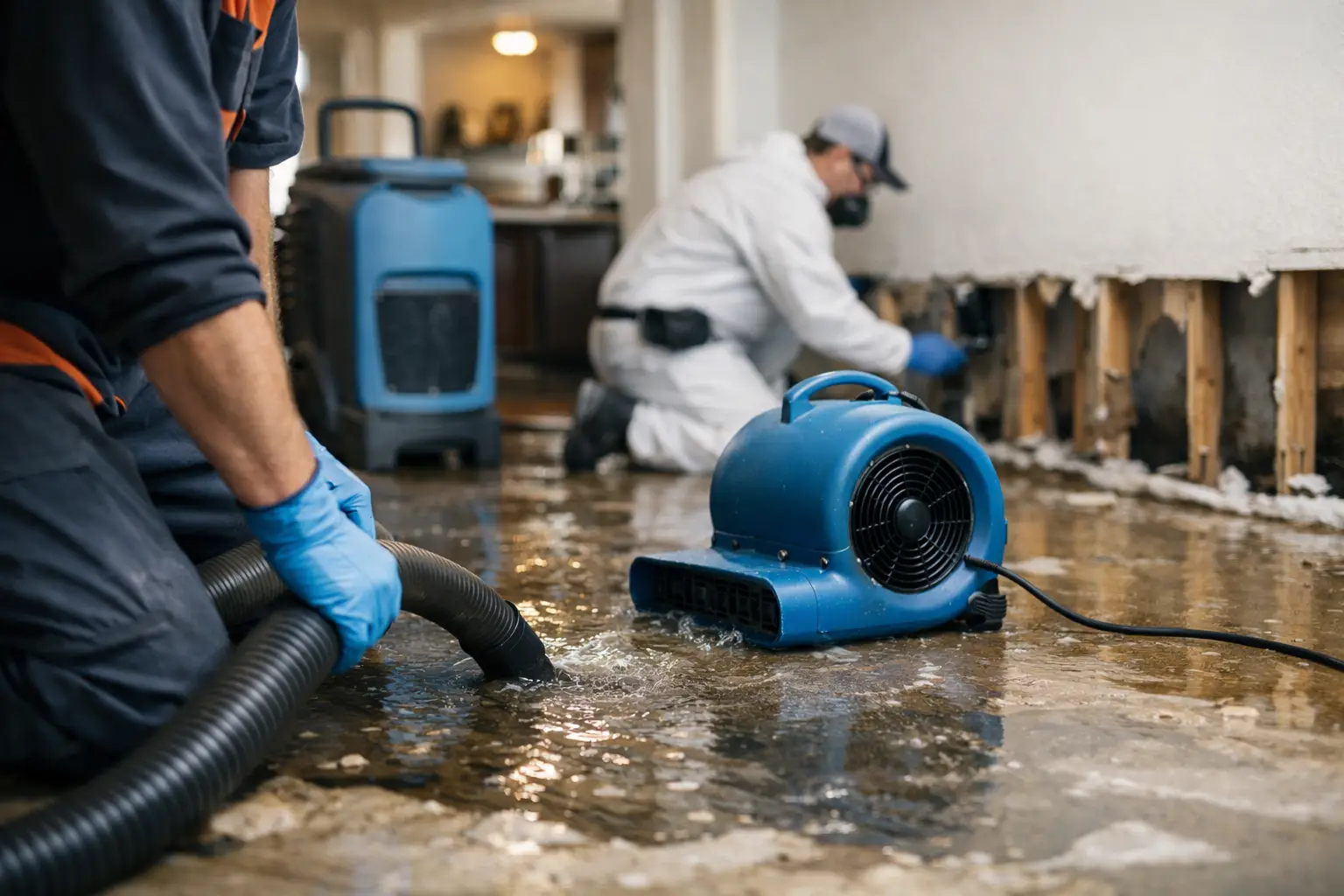 Water Damage
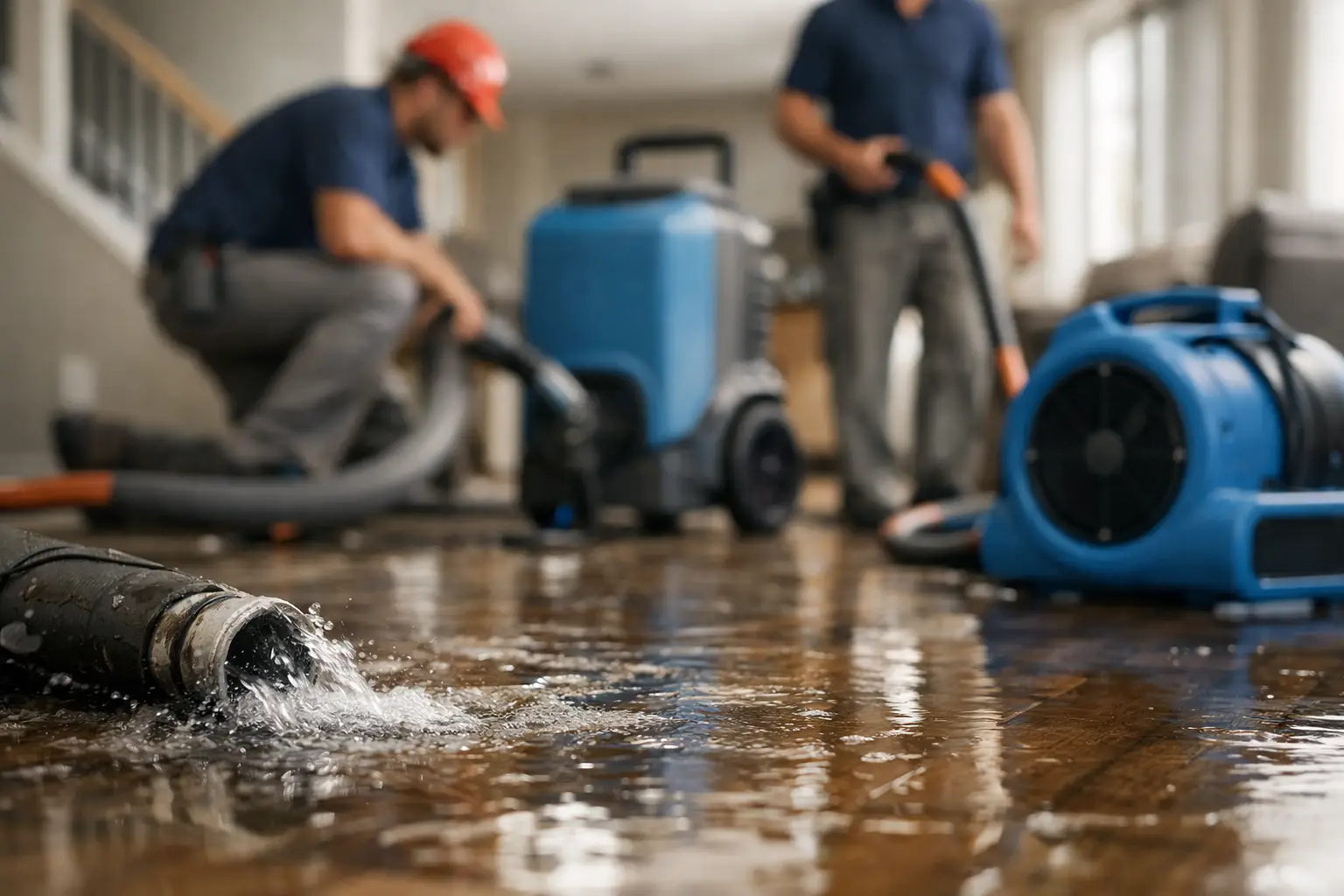
Extraction, structural drying, and moisture mapping after floods, leaks, and burst pipes.
Get help now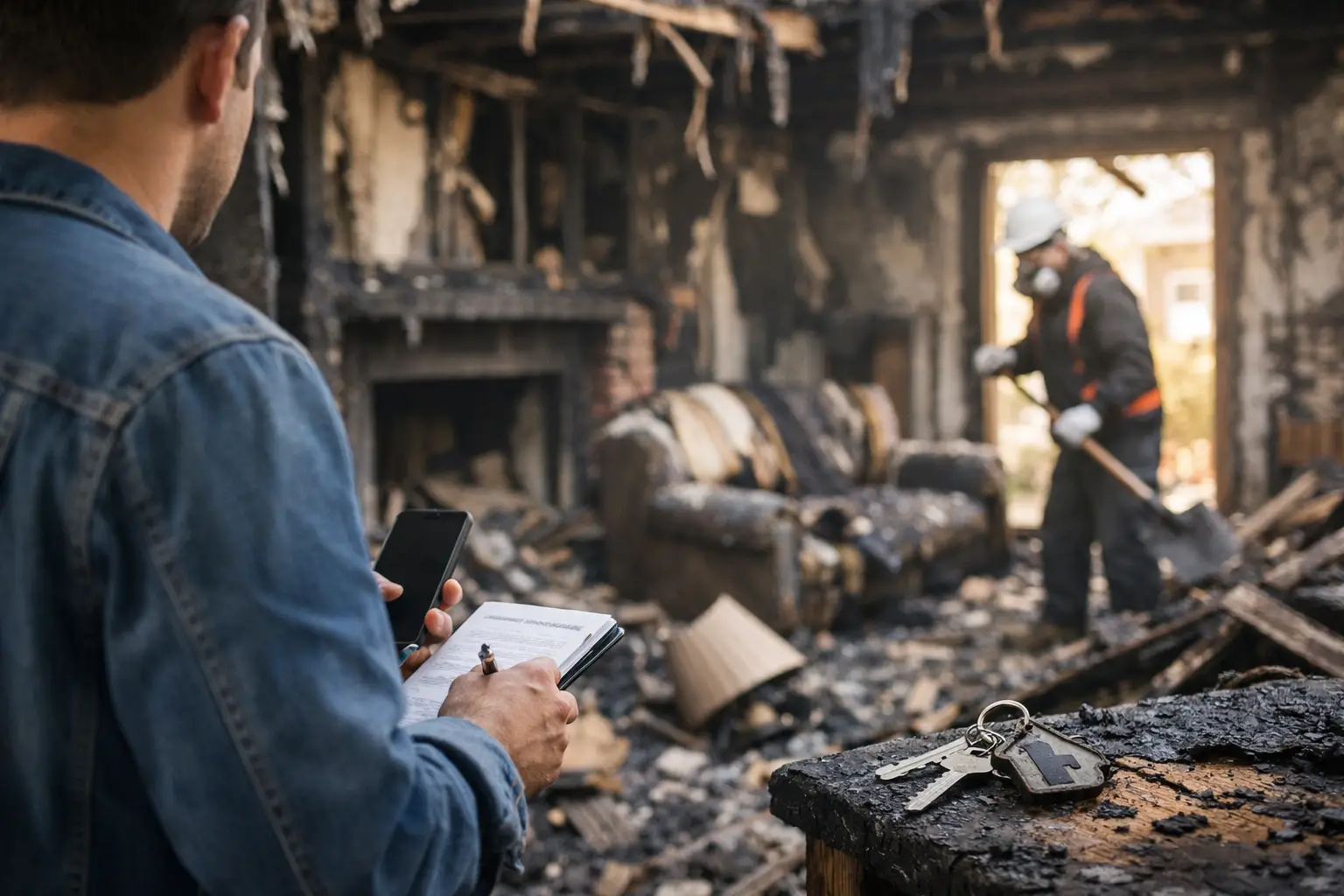 Fire & Smoke
Soot removal, odor deodorization, and content cleaning after fire and smoke damage.
Learn more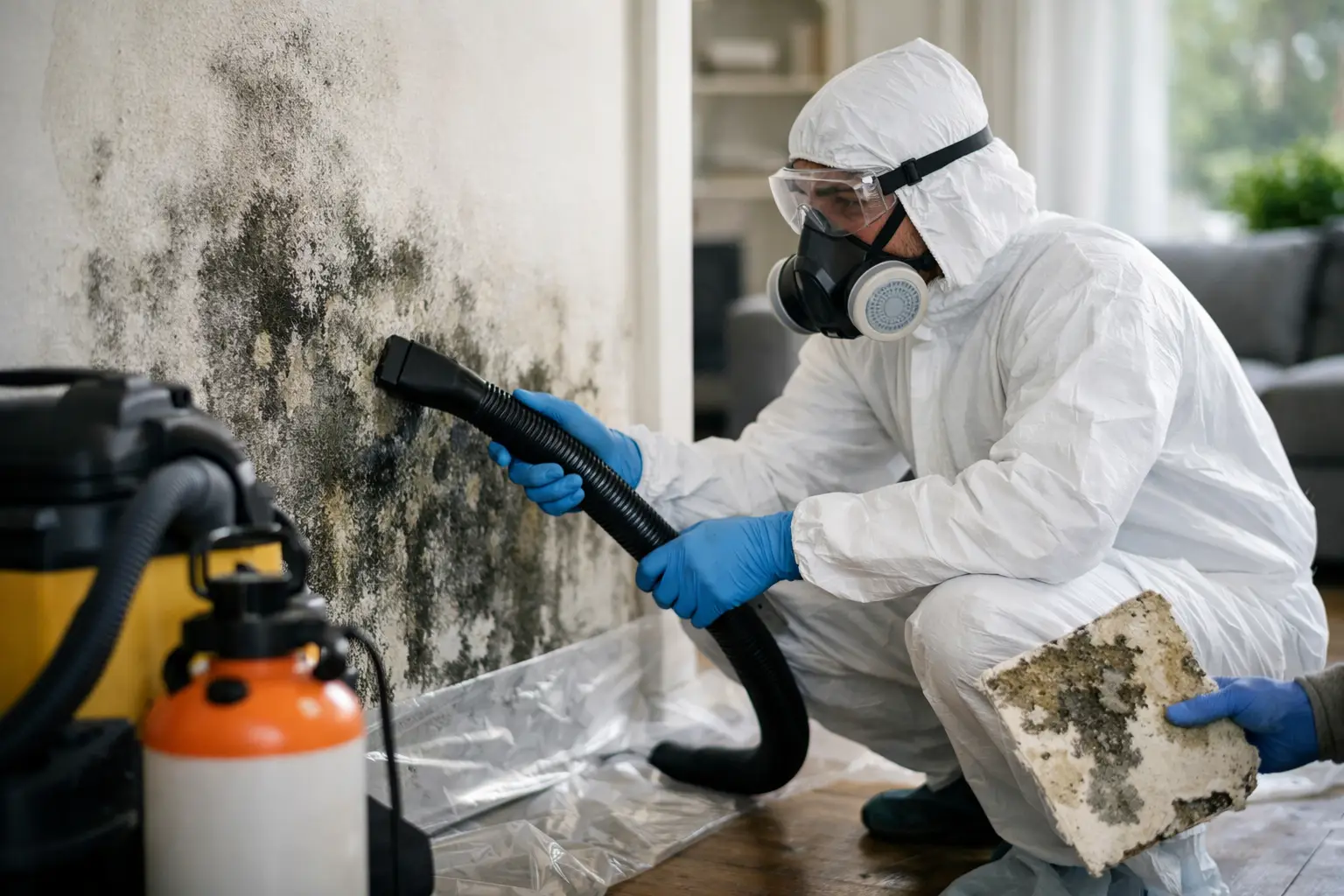 Mold
MoldContainment, removal, and moisture control that stops mold from coming back.
Learn more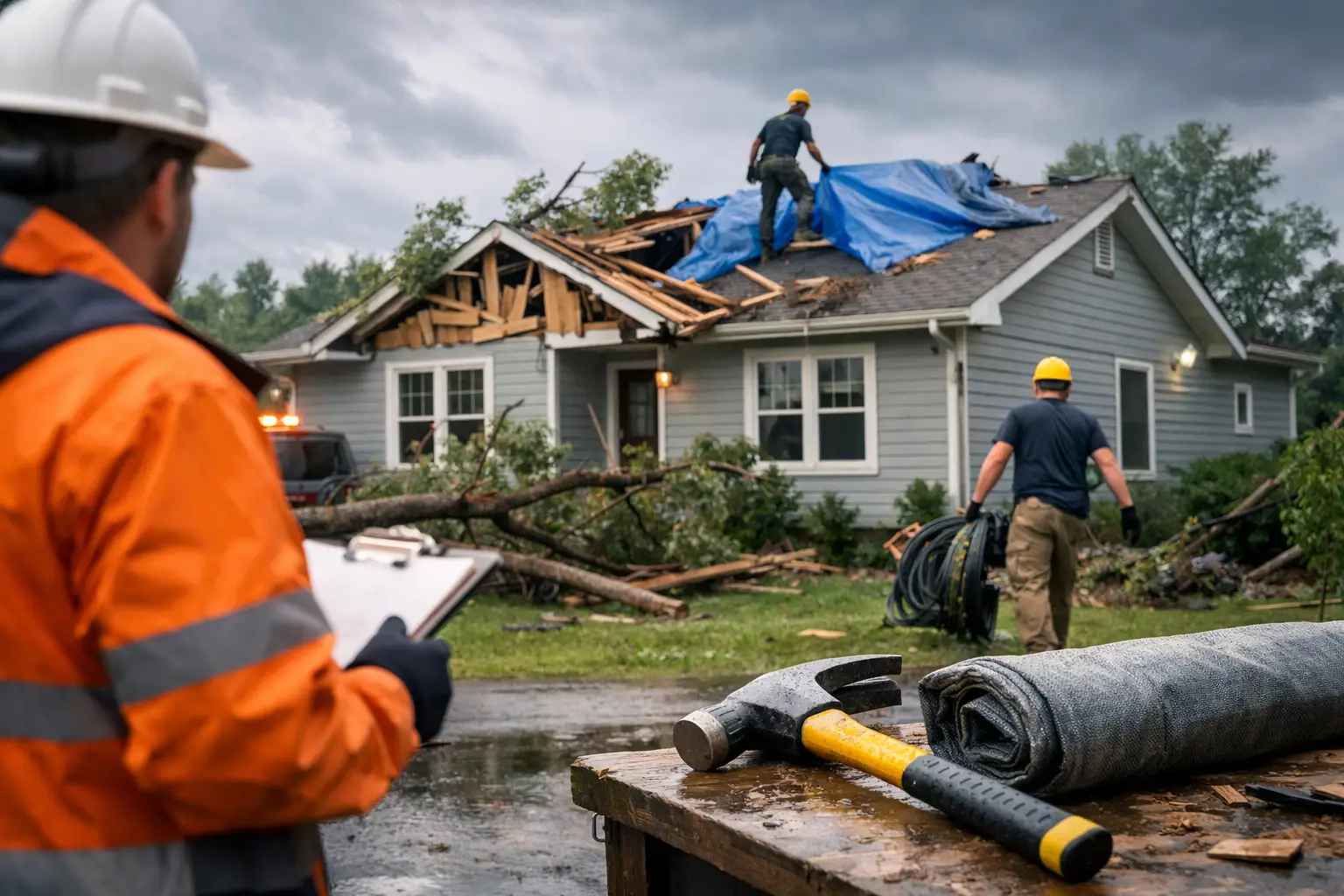 Storm
StormEmergency board-up, roof tarping, and full recovery after wind, hail, and storms.
Learn more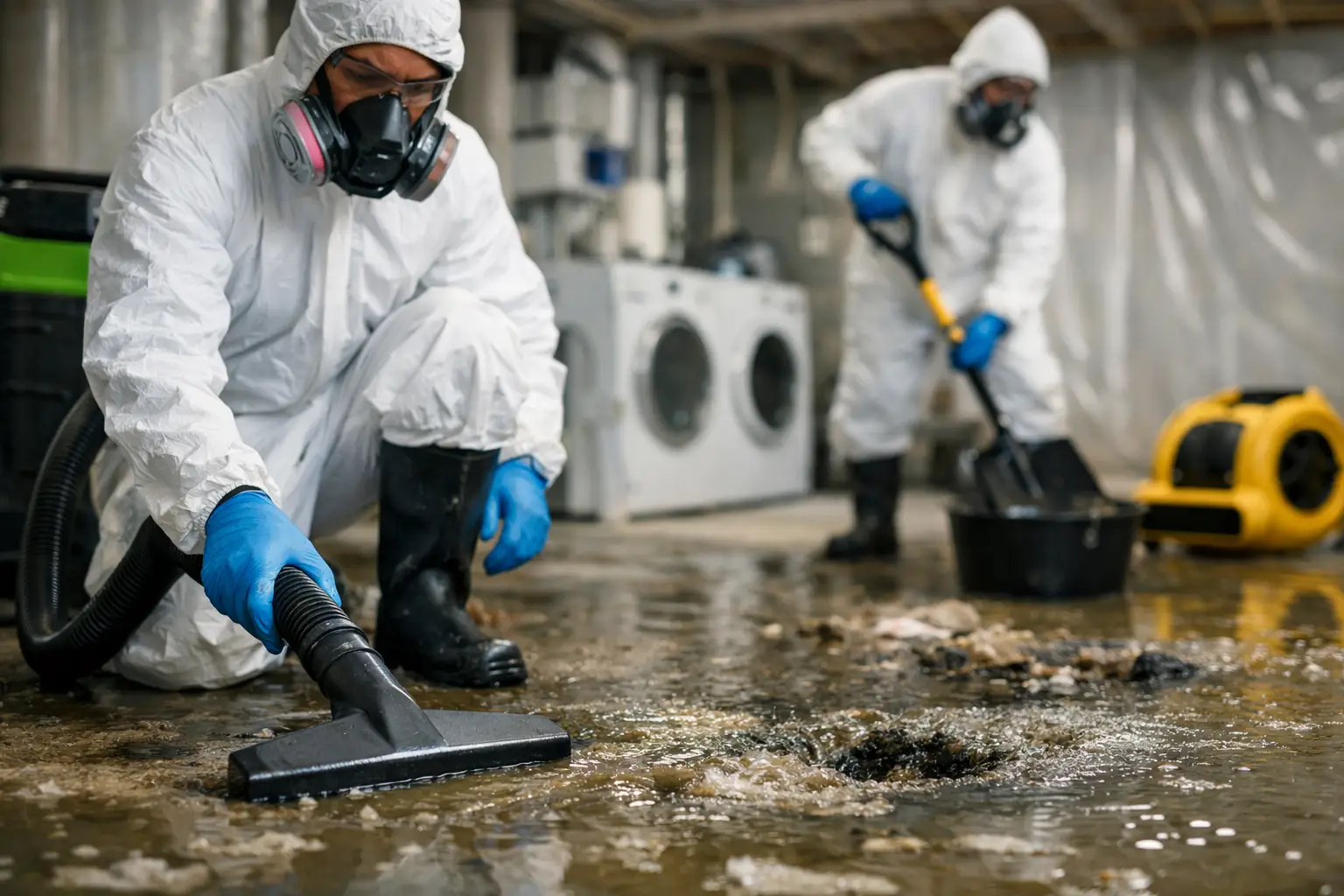 Sewage
Safe biohazard cleanup and sanitizing after sewage backups and overflows.
Learn more Reconstruction
Full rebuild by a licensed general contractor, so your property comes back whole.
Learn moreElevated Operations is an IICRC-certified, licensed general contractor based in Mableton that handles the entire recovery in-house, so after one loss you are never coordinating a cleanup crew, a mold crew, and a contractor separately. One team, one point of contact, from the first pump-out to the final coat of paint.
People call when the property feels like a disaster. They leave reviews because Chris and the crew made it right. These are real, verified Google reviews.
I start with a damage inspection, then control airborne particles, remove loose residue, and clean each surface according to the soot type. In Riverdale, older subdivision homes often need extra attention around vents, trim, and upper walls. If smoke reached the HVAC system, hvac cleaning and deodorization come next.
Sometimes yes, if the smoke did not penetrate deep into porous materials and cleanup begins quickly. Complete odor removal depends on the source, the materials involved, and whether the HVAC system carried the smell. I focus on source cleanup, contents cleaning, and deodorization, not temporary masking.
The right sequence removes it, not one harsh cleaner. I use dry methods where appropriate, then careful surface cleaning matched to the wall finish and soot type. Textured ceilings and older paint need more caution, because pushing too hard can spread the residue or leave permanent streaking.
As soon as the home is safe to enter. Soot is corrosive, odors set quickly, and firefighting water can create added moisture concerns. EPA guidance notes mold can start in 24 to 48 hours, so early smoke damage cleanup protects both materials and air quality.
Yes. Small fires can create big odor problems, especially in homes with open hallways, older ductwork, or soft furnishings. I look at the full smoke path, not just the burn spot, because smoke can leave residue in closets, returns, and contents far from the flame.
If smoke entered the return or supply side, yes, hvac cleaning is often part of the restoration plan. Ducts, registers, and air handlers can hold fine soot and odor. If those parts are not addressed, the home may keep recycling the smell even after visible cleaning is finished.
Contents cleaning means treating movable items that absorbed smoke, such as furniture, décor, electronics, and household goods. In homes near Clayton County airport corridors and older subdivisions, those items often carry odor even when the structure looks clean. That work helps keep salvageable belongings from being discarded too quickly.
Yes, insurance often plays a major role after fire loss, and I offer direct insurance billing. I also provide deductible assistance up to $1,000 when applicable. IICRC-certified technicians handle the work, and I back the restoration with a 12-month warranty.
Elevated Operations dispatches IICRC-certified crews across Metro Atlanta from our Mableton base, with a 60-minute emergency response day or night. Choose your city:
Call now for an immediate response, or request your free inspection and get a certified crew on-site within the hour across Atlanta and nearby areas.