24/7 Emergency Restoration · Serving Metro AtlantaEmergency? (770) 404-6895
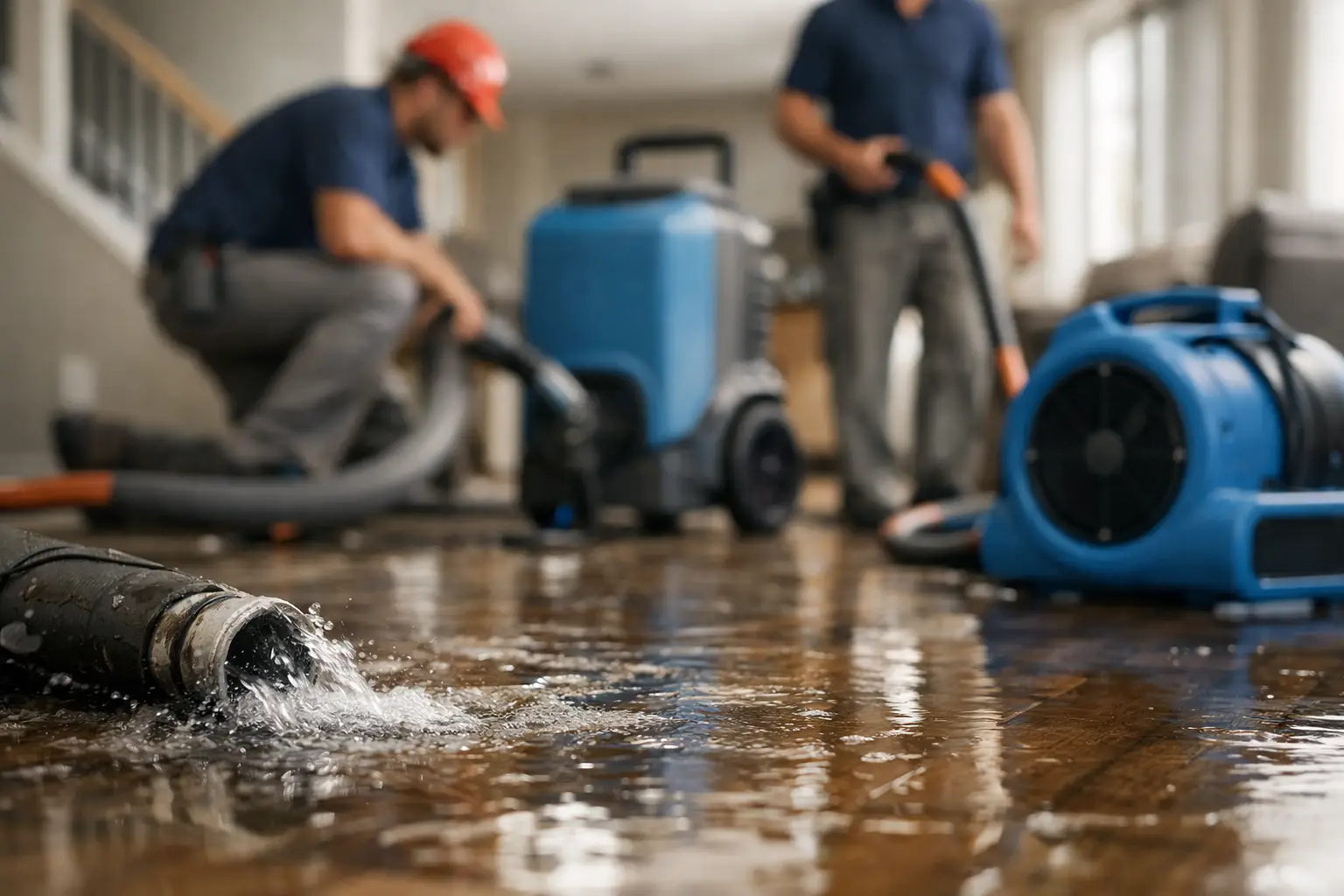
Emergency water removal Forest Park means getting water out fast before drywall, subfloor, and hidden cavities start failing. I’m Chris Kwangwari of Elevated Operations, LLLP, and I handle water damage in Forest Park with 24/7 emergency response, IICRC-certified technicians, direct insurance billing, and a 12-month warranty.
IICRC-Certified · 5-Star Rated · 60-Minute Response · Insurance Billed Directly
That it can wait. In my view, it cannot. In post-war homes near Fort Gillem, water gets into places you do not see, and that turns a small leak into a bigger repair.
Because extraction only removes the free water. Hidden moisture is what wrecks drywall, flooring, and framing in Forest Park, and emergency drying is what stops that second wave of damage.
Watch for runoff at thresholds, wall dampness, and carpet that feels dry on top but soft underneath. Airport-area properties in Forest Park can hide moisture longer than people expect.
No. I look at the source, the structure, and the spread. A post-war bungalow, a crawlspace home, and a light industrial space all need different water mitigation decisions.
Myth: a little water can sit until morning. Fact: standing water and trapped moisture spread fast in post-war Forest Park homes, especially near the airport and industrial corridors where slab, crawlspace, and utility issues are common.
Forest Park has a lot of post-war housing, and those houses were not built for today’s plumbing loads, washer leaks, or storm runoff. A small delay turns into swollen trim, wet insulation, and odor that takes over rooms.
I see this near Fort Gillem more than people think, where older structures and mixed-use spaces can hide moisture inside walls. Water cleanup is not about appearances. Dry carpet on top can still mean soaked pad underneath.
That is why I treat emergency water removal as a same-day problem, not a next-day chore. Water mitigation starts with stopping spread, then pumping water out, then checking where it moved, because the real damage is often hidden.
Myth: water extraction can wait if the leak stopped. Fact: the sooner emergency water removal starts, the less likely you are to face swollen framing, ruined flooring, or mold growth that begins in 24 to 48 hours.
In Forest Park, I do not advise waiting for a cleanup company to fit you in later. Whether the water came from a supply line, appliance, or storm entry, emergency drying has to start while materials are still salvageable.
Airport traffic, industrial lots, and older pavement around town can push runoff in odd directions. That means flood water removal is not always where you expect it to be. Water can track under baseboards and across rooms before you notice.
I back that urgency with 24/7 service and a 60-minute emergency response. My crew does water extraction, moisture checks, and water mitigation as one job, because the clock starts the moment water reaches finishes and cavities.
Myth: carpet is done once it gets wet. Fact: standing water removal from carpet can often be attempted quickly with wet vac extraction and controlled drying, but only if the pad, backing, and subfloor have not been too damaged.
I do not assume carpet has to be torn out. In a lot of Forest Park homes, especially post-war houses with simple room layouts, standing water removal can save flooring if I get there early and the water has not soaked through too long.
Wet vac extraction helps pull surface water fast, but the real question is what is underneath. Carpet may look fine while the pad and tack strip are soaked, so I inspect for hidden saturation before I recommend repair or replacement.
If the carpet is salvageable, I move directly into emergency drying with targeted air movement and dehumidification. If it is not, I say so plainly. Flood water removal is not about forcing a save, it is about making the right call.
Myth: a shop vac and fans are enough. Fact: proper emergency water removal uses water extraction tools, wet vac extraction, moisture inspection, and emergency drying equipment sized for the loss and the building materials involved.
IICRC-certified technicians do not guess their way through a wet house. We use extraction equipment, drying gear, and inspection tools to find where water migrated, which matters in Forest Park homes with crawlspaces, older framing, and patched additions.
Airport and industrial exposure can mean mixed building types, from older residences to light commercial spaces. That is why I choose the equipment based on the structure, not a one-size approach. Pumping water out is only the first step.
The goal is to stop secondary damage. Water cleanup without real drying just leaves moisture trapped behind trim, under flooring, and in wall cavities. I check the materials, the source, and the spread before I call a job under control.
Myth: once the water is gone, the job is finished. Fact: after emergency water extraction, I verify hidden moisture, start emergency drying, document conditions for the claim, and track whether materials need removal or can be saved.
This is where a lot of homeowners get surprised. The surface can look dry while the subfloor still reads wet, especially in post-war Forest Park homes where water can move along framing and behind baseboards without much warning.
After extraction, I do not rush away. I check moisture readings, set drying equipment, and coordinate direct insurance billing if the loss is covered. That keeps the process cleaner for the homeowner and the adjuster.
If demolition is needed, I explain why. If materials can remain, I explain that too. Water mitigation only works when the next step is intentional, not when somebody just mops and hopes the problem disappears.
Myth: all water jobs are the same. Fact: flood water removal in Forest Park can be different near Fort Gillem and the airport corridor because runoff, access, and building types vary from one property to the next.
Near Fort Gillem, and across parts of Forest Park influenced by airport and industrial activity, properties can have unique drainage patterns and mixed construction. That changes how I approach standing water removal and how quickly I check for contamination and hidden moisture.
Not every wet floor is the same problem. A slab home, a crawlspace home, and a small commercial building all react differently to the same leak. I built my process around that reality, not around a generic disaster script.
My license as a general contractor matters here because water damage often leads into repair questions. I can identify what needs drying, what needs removal, and what needs to be rebuilt after the water cleanup is complete.
Fact: clear water can still soak drywall, flooring, and insulation in Forest Park homes. I treat every emergency water removal call as a structural drying problem first, not a visible-stain problem.
Fact: fans alone do not remove hidden moisture from post-war walls, subfloors, or closets. I use water extraction, moisture checks, and emergency drying together so the fix reaches the wet materials, not just the air.
Fact: not always. Many homes near the airport corridor and around Fort Gillem can be saved if I start water mitigation quickly and keep the water from setting into framing, trim, and flooring.
From emergency mitigation to full reconstruction, handled in-house so you are never managing a chain of subcontractors mid-crisis.
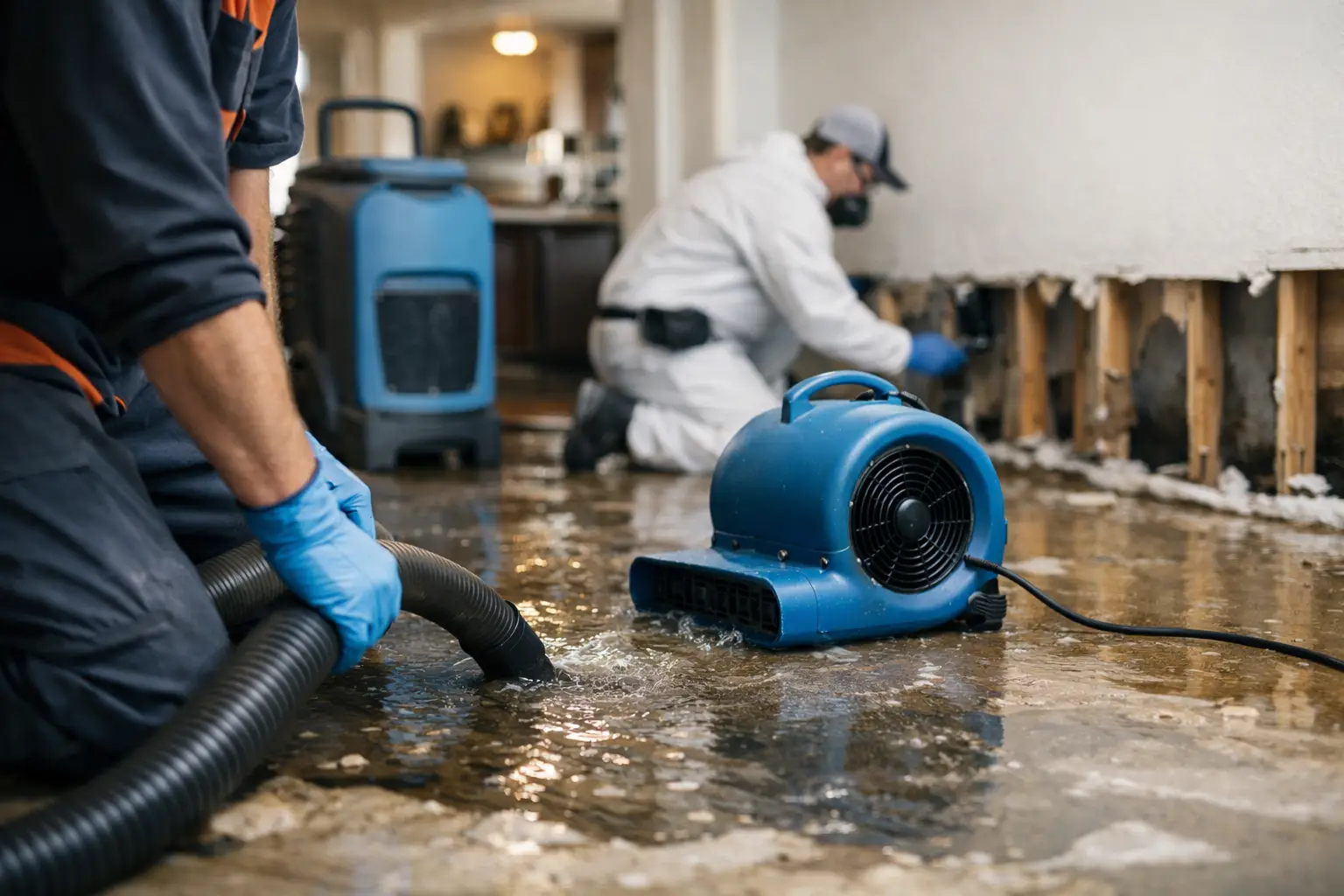 Water Damage
Extraction, structural drying, and moisture mapping after floods, leaks, and burst pipes.
Get help now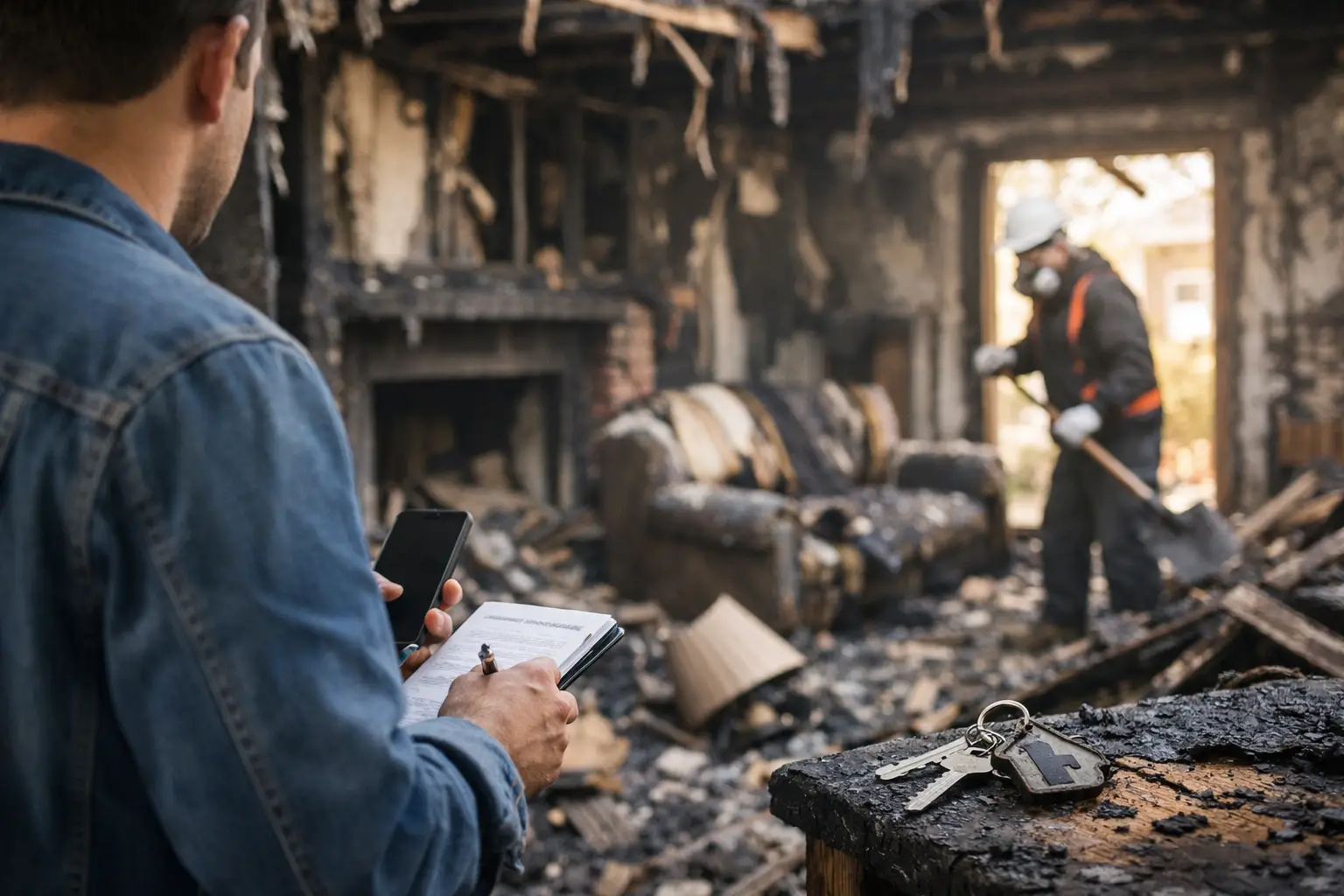 Fire & Smoke
Soot removal, odor deodorization, and content cleaning after fire and smoke damage.
Learn more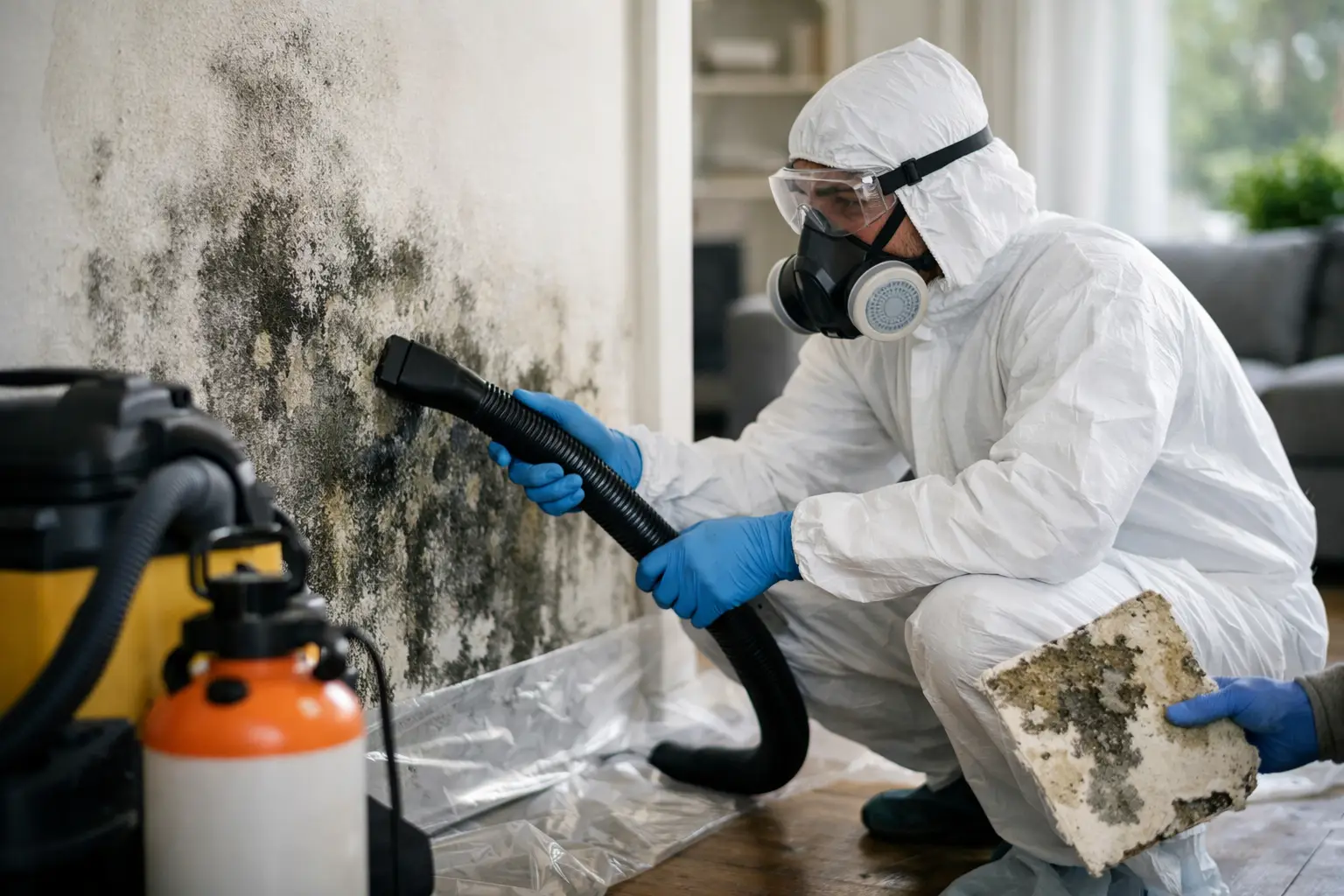 Mold
MoldContainment, removal, and moisture control that stops mold from coming back.
Learn more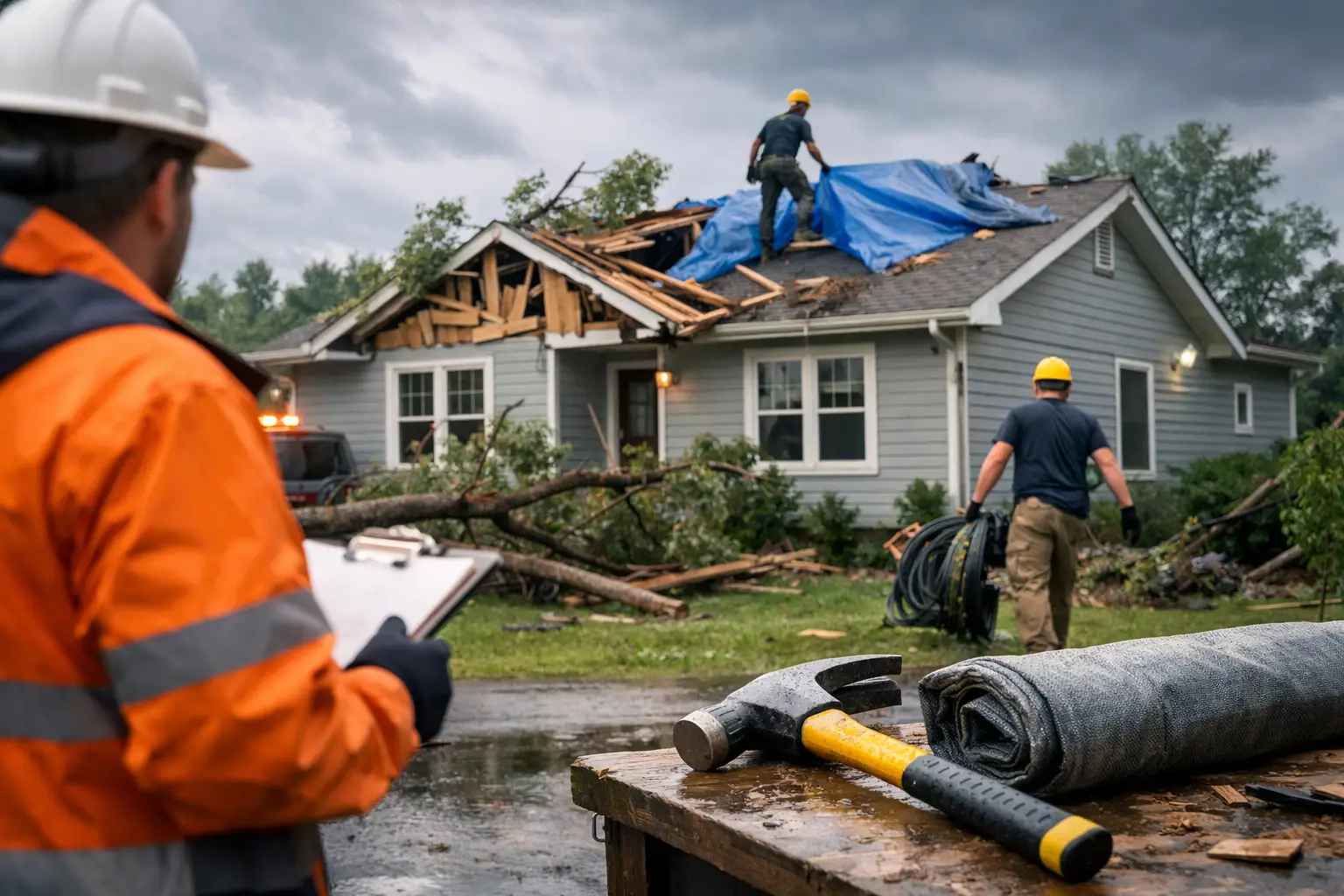 Storm
StormEmergency board-up, roof tarping, and full recovery after wind, hail, and storms.
Learn more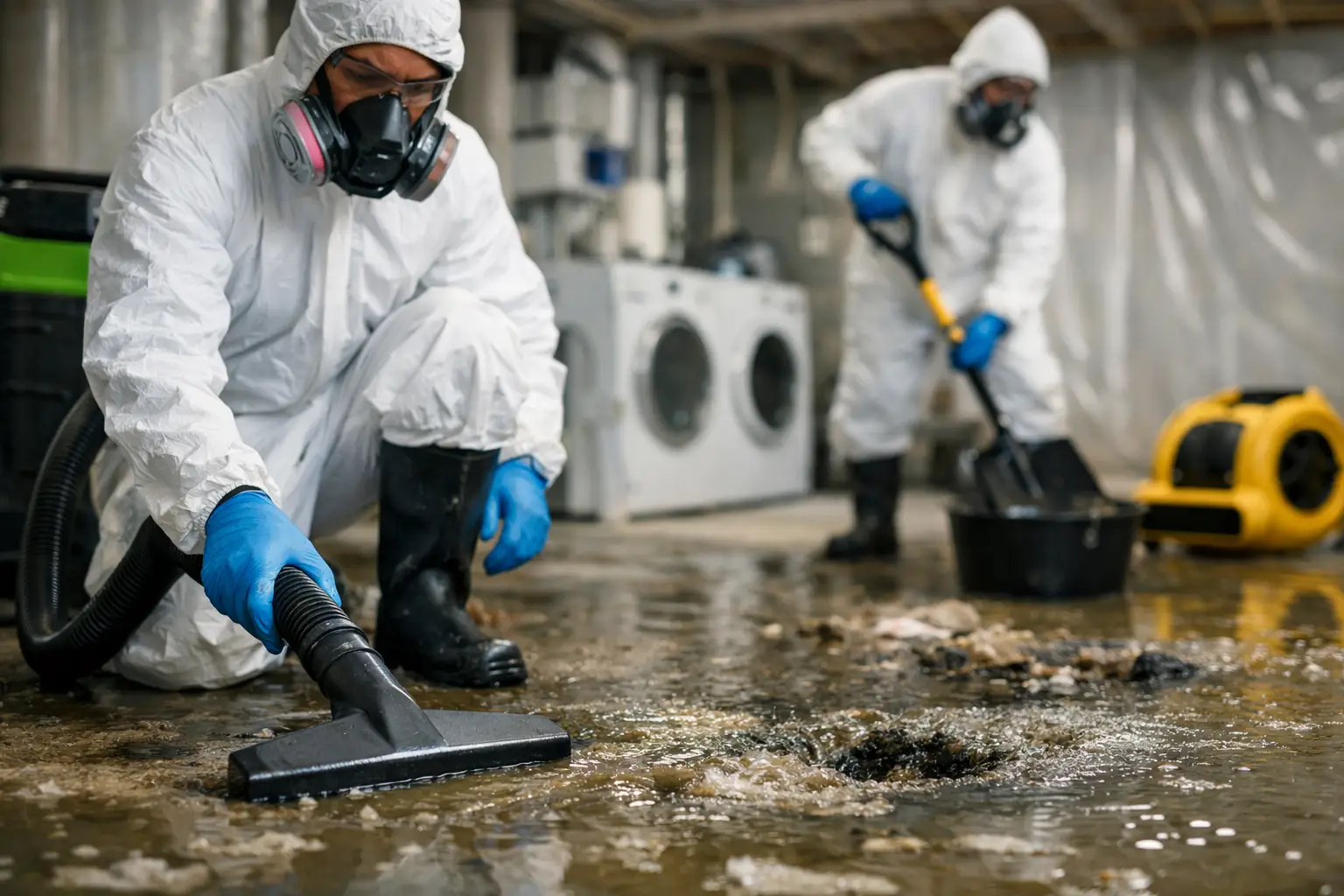 Sewage
Safe biohazard cleanup and sanitizing after sewage backups and overflows.
Learn more Reconstruction
Full rebuild by a licensed general contractor, so your property comes back whole.
Learn moreElevated Operations is an IICRC-certified, licensed general contractor based in Mableton that handles the entire recovery in-house, so after one loss you are never coordinating a cleanup crew, a mold crew, and a contractor separately. One team, one point of contact, from the first pump-out to the final coat of paint.
People call when the property feels like a disaster. They leave reviews because Chris and the crew made it right. These are real, verified Google reviews.
I start with moisture mapping, source control, and water extraction, then I decide what can be dried and what cannot. Post-war homes in Forest Park often have smaller utility spaces, older framing, and layered repairs, so hidden moisture is the real threat. I do not guess, and I do not treat every room the same.
Access, building mix, and drainage are the issues. Near the airport corridor, some properties deal with runoff or repeated moisture at thresholds and low points. I adjust the water cleanup plan to the structure, then I verify what got wet behind walls, under flooring, and around mechanical areas before I leave a site.
Yes, sometimes. I look at how long the carpet sat wet, whether the pad is saturated, and whether the subfloor stayed intact. In Forest Park bungalows and post-war homes, quick standing water removal can save carpet, but only when the backing, tack strip, and lower layers are still recoverable.
Delay lets water travel into places you cannot see. In Forest Park, that can mean warped trim, damaged subfloors, and hidden odor that keeps returning. Mold starts in 24 to 48 hours, so I push emergency drying immediately after extraction and inspect the structure before any final decision is made.
Yes, I offer direct insurance billing. That matters when homeowners are already dealing with emergency water removal, loss documentation, and the stress of a wet house. I also provide deductible assistance up to $1,000 when applicable, and I keep the process organized so the claim has a clear paper trail.
I use emergency drying based on the materials, the size of the affected area, and where moisture migrated. Homes near Fort Gillem can have mixed construction and older additions, so I inspect more than the visible damage. Drying has to reach the framing, cavities, and flooring layers, not just the surface.
Yes. I’m Chris Kwangwari, owner of Elevated Operations, LLLP, and I’m a licensed general contractor with IICRC-certified technicians on the job. That matters when emergency water removal turns into repair decisions. I can handle the response, the drying, and the rebuild path without handing you off to guesswork.
I stand behind the work with a 12-month warranty. After emergency water removal in Forest Park, I want the drying and cleanup to hold up, not fail after the crew leaves. If something needs attention within the warranty window, I take that seriously and address it through the proper process.
Elevated Operations dispatches IICRC-certified crews across Metro Atlanta from our Mableton base, with a 60-minute emergency response day or night. Choose your city:
Call now for an immediate response, or request your free inspection and get a certified crew on-site within the hour across Atlanta and nearby areas.