24/7 Emergency Restoration · Serving Metro AtlantaEmergency? (770) 404-6895
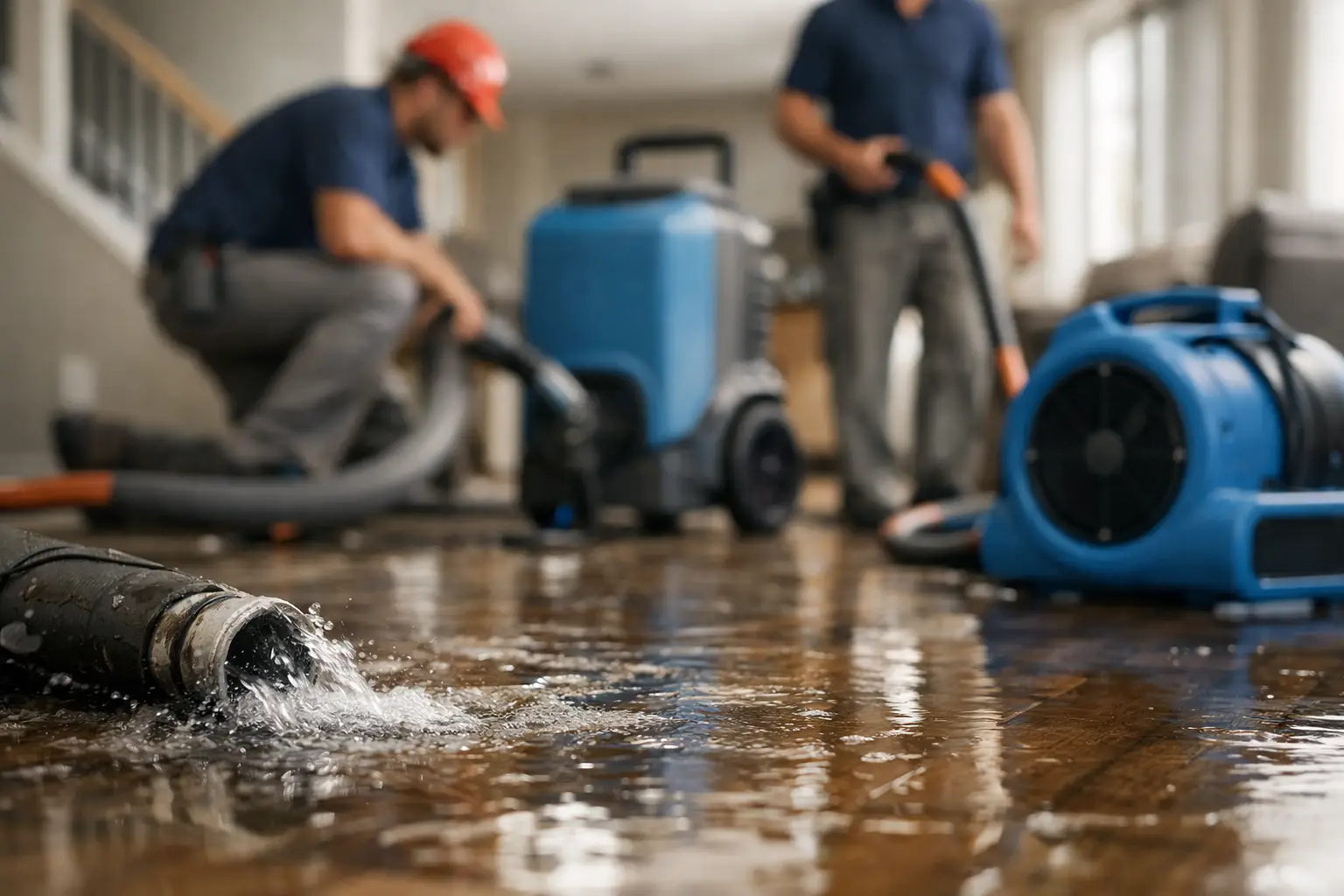
Water extraction and drying College Park starts with stopping the source, removing standing water, and setting up the right drying plan fast. I am Chris Kwangwari, owner of Elevated Operations, LLLP. My IICRC-certified technicians use direct insurance billing, moisture monitoring, and structural drying to protect College Park properties, from historic district buildings to convention hotels.
IICRC-Certified · 5-Star Rated · 60-Minute Response · Insurance Billed Directly
Yes. I provide 24/7 emergency response, and water losses do not wait for business hours. Call (770) 404-6895.
Yes. I work on commercial and lodging losses, including water extraction and drying near the convention hotels in College Park.
Yes. I offer direct insurance billing so you are not stuck managing the paperwork alone while the property is still wet.
I back my restoration work with a 12-month warranty, because I want the job finished the right way, not halfway.
Start by stopping the water source, keeping people out of the wet area, and calling me for 24/7 emergency response. I send IICRC-certified technicians from our Mableton base to begin water removal, document damage, and set the drying process before moisture spreads into walls, floors, and trim.
First, shut off the supply if you can do it safely. Then move valuables, paper items, and electronics out of the wet zone. In College Park, that matters in older homes near the historic district, where water can move quickly through original flooring, plaster, and trim.
Next, call Elevated Operations at (770) 404-6895. I handle the first response with direct insurance billing, and I move fast with a 60-minute emergency response 24/7. That is not a marketing slogan. It is how I keep a small leak from becoming a bigger loss.
And if the water reaches carpet, pad, or baseboards, do not wait for it to dry on its own. Wet carpet extraction, dehumidification, and controlled air movers have to begin in the right order. Around convention hotels and busy commercial corridors, delays just create more structural drying work.
It works in a sequence: inspect, extract, dry, monitor, and verify. I use water removal first, then place air movers and dehumidification equipment, then track moisture monitoring until the structure reaches a stable dry condition. Skipping any step leaves hidden dampness behind, especially in wall cavities and under floors.
I start with a walk-through and a moisture reading map. That tells me where the water traveled, not just where you can see it. In College Park, older structures and convention-facing properties can have concealed wet areas behind finishes, and those hidden pockets are what cause trouble later.
Then I remove standing water and saturated materials that cannot be saved. After that, I set the drying plan. Air movers push air across wet surfaces, dehumidification pulls moisture out of the air, and the drying process keeps moving until the readings stop changing.
I do not guess. I monitor. Moisture monitoring shows whether the structure is actually drying or just appearing dry on the surface. That matters in hallways, lobbies, and guest rooms near the convention hotels, where a rushed finish can leave odors, swelling, or mold starts in 24 to 48 hours.
I use extraction equipment, air movers, dehumidifiers, and moisture meters, matched to the material and the size of the loss. The goal is simple: remove water fast, move air correctly, and dry the structure without causing extra damage to finishes, flooring, or contents.
For wet carpet extraction, I use tools that pull water from carpet and pad before drying begins. That is important in homes and suites near the airport and convention corridor, where carpet can hold moisture deeper than people expect. Surface drying is not enough.
Air movers are placed to push air across floors, baseboards, and wall edges. Dehumidification then lowers humidity so the water has somewhere to go. If the air stays damp, the structure stays damp. That is why equipment setup is part science and part experience.
I also use moisture meters to check drywall, framing, subfloor, and trim. In College Park, especially around the National Register historic district, I pay close attention to older materials because they react differently. The wrong equipment placement can dry one side and trap moisture on the other.
Structural drying matters because wet materials do not stay harmless. They can swell, warp, stain, and grow odor problems if moisture remains trapped. I dry the structure, not just the visible surface, so the building stays stable and the repair scope does not keep growing.
A floor can look fine and still be wet underneath. A wall can feel dry and still hold moisture in the cavity. That is why structural drying is the real job, not just wiping up water. If I stop too soon, the building keeps telling on us later.
College Park has a mix of historic properties and high-traffic lodging near the convention hotels. Those buildings need careful drying because traffic, finishes, and age all change how water behaves. What works in a newer tract home may fail in an older building with more layers and more voids.
I treat structural drying as the protection step. It keeps the material stable, supports the repair, and lowers the chance of hidden damage. IICRC-certified technicians know when to keep drying, when to adjust the setup, and when the readings say the job is ready for the next phase.
The drying process depends on what got wet, how much water entered, and how quickly extraction started. I will not guess at a clock. I use moisture monitoring to tell you when materials are drying properly and when the setup needs to change for better results.
What I can tell you is this: speed matters at the beginning. The sooner water removal starts, the less material has to be dried later. In a College Park hotel room, hallway, or older residence, a delay lets moisture move deeper into carpet, padding, subfloor, and wall materials.
Weather, indoor humidity, and building design all affect the timeline. Near the convention corridor, doors opening and closing can keep humidity moving. In the historic district, original finishes may hold moisture differently. That is why I monitor, adjust, and keep the drying plan active until the readings settle.
If mold is a concern, the clock gets shorter in a bad way. Mold starts in 24 to 48 hours, so I do not waste time. I respond 24/7, document the loss, and start the extraction and drying sequence immediately so the structure has a fighting chance.
Do the safe basics: shut off water if possible, avoid standing water, keep children and pets out, and move dry belongings away from the affected area. Leave the extraction, drying, and documentation to us, because the wrong move can push water deeper into the structure.
If the leak is from a fixture, turn off the supply valve only if it is accessible and safe. If it is a major event, leave the area and call me. Around College Park, I see people try to shop-vac too early, and that often spreads water into edges and underlayment.
Do not pull up carpet unless I tell you to. Wet carpet extraction requires the right sequence, and tearing things apart can make the repair harder. If you are in a historic home or a hotel space near the convention area, document visible damage with photos, then wait for my crew.
I handle direct insurance billing and deductible assistance up to $1,000, so you do not need to sort everything out first. Your job is to protect people and limit access. My job is to take over the water extraction and drying process with the right equipment and the right order.
Call (770) 404-6895 any time. I send my team 24/7 from our Mableton base to College Park, including the historic district and properties near the convention hotels.
We identify the source, map visible and hidden moisture, and decide what can be saved. IICRC-certified technicians document the loss for direct insurance billing.
We perform water extraction, including wet carpet extraction when needed, and remove standing water before it migrates into subfloors, walls, or trim.
We place air movers and dehumidification equipment to drive the drying process. The setup changes based on the materials, layout, and moisture readings.
We check readings during the job to confirm structural drying is progressing. If the numbers stall, we adjust the equipment instead of guessing.
We confirm the structure is dry, review the next steps, and back the work with a 12-month warranty. That is how I finish a loss the right way.
From emergency mitigation to full reconstruction, handled in-house so you are never managing a chain of subcontractors mid-crisis.
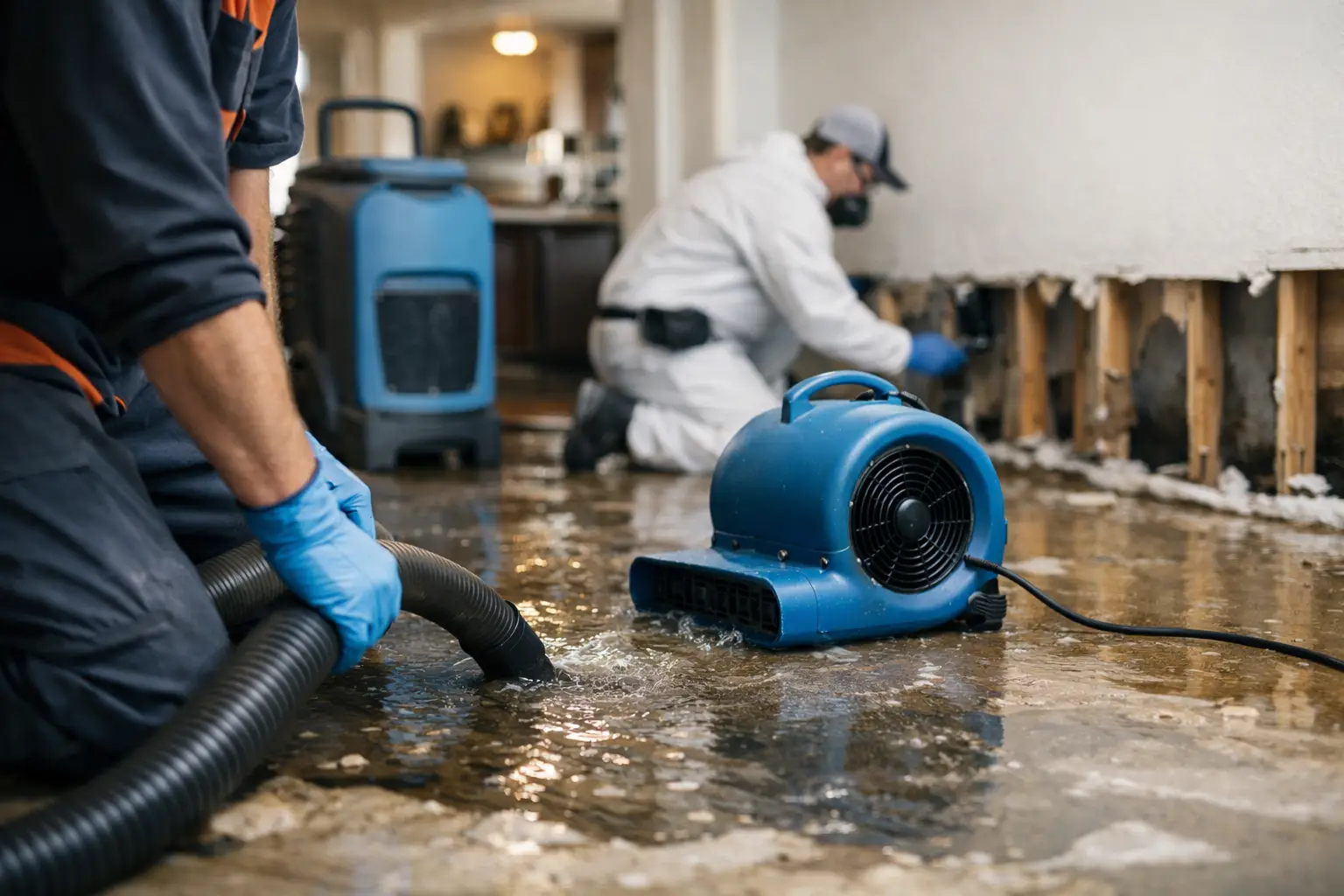 Water Damage
Extraction, structural drying, and moisture mapping after floods, leaks, and burst pipes.
Get help now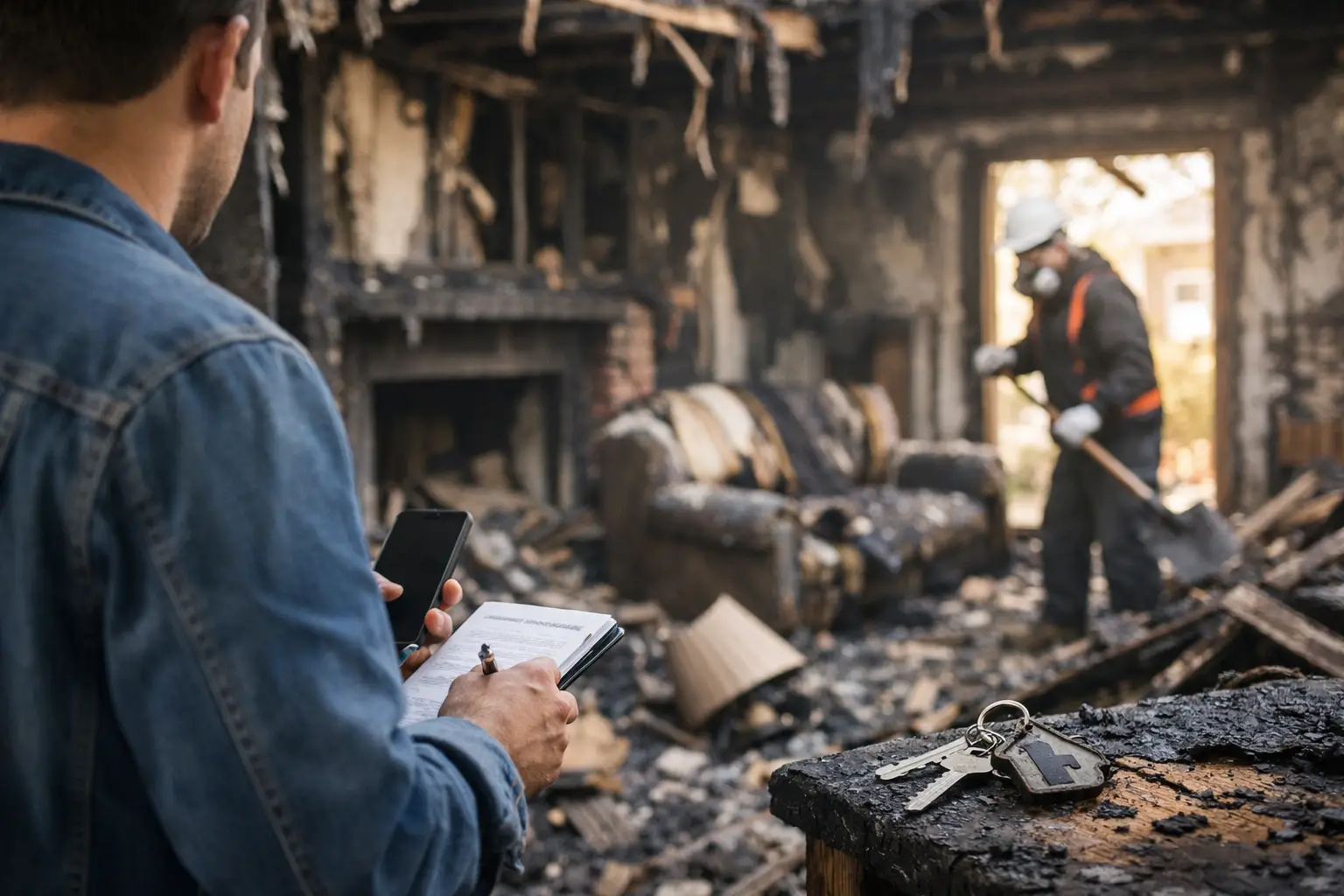 Fire & Smoke
Soot removal, odor deodorization, and content cleaning after fire and smoke damage.
Learn more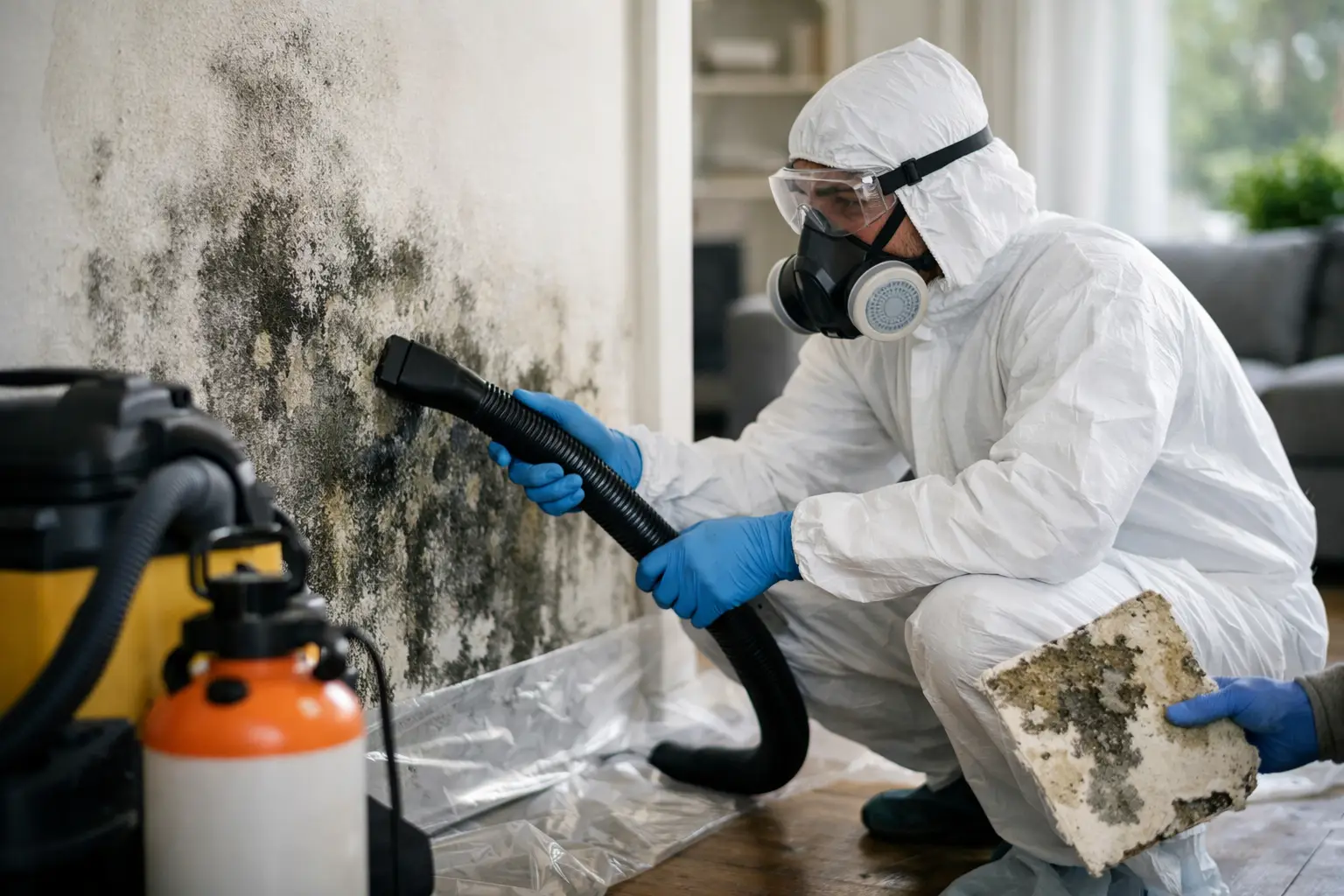 Mold
MoldContainment, removal, and moisture control that stops mold from coming back.
Learn more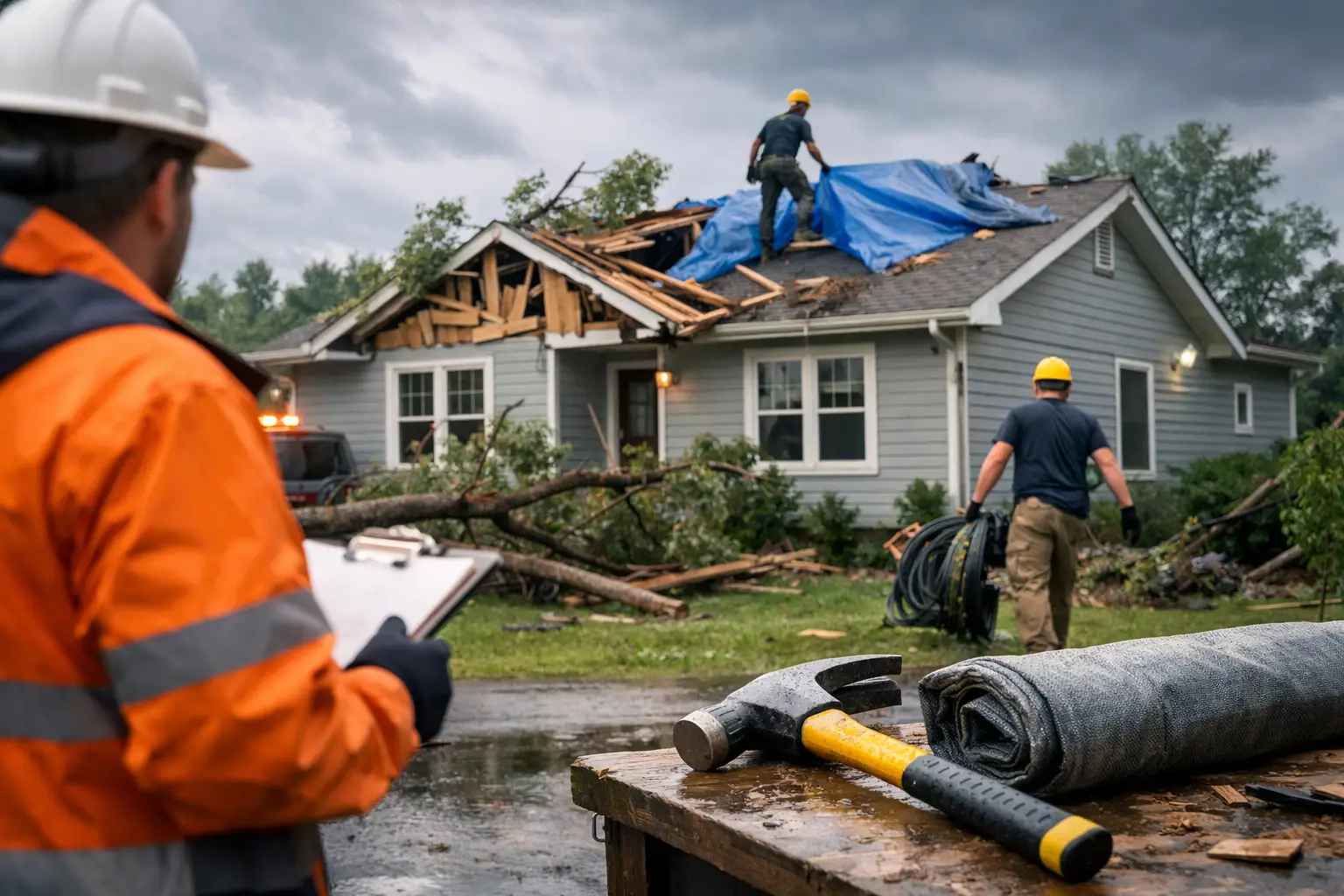 Storm
StormEmergency board-up, roof tarping, and full recovery after wind, hail, and storms.
Learn more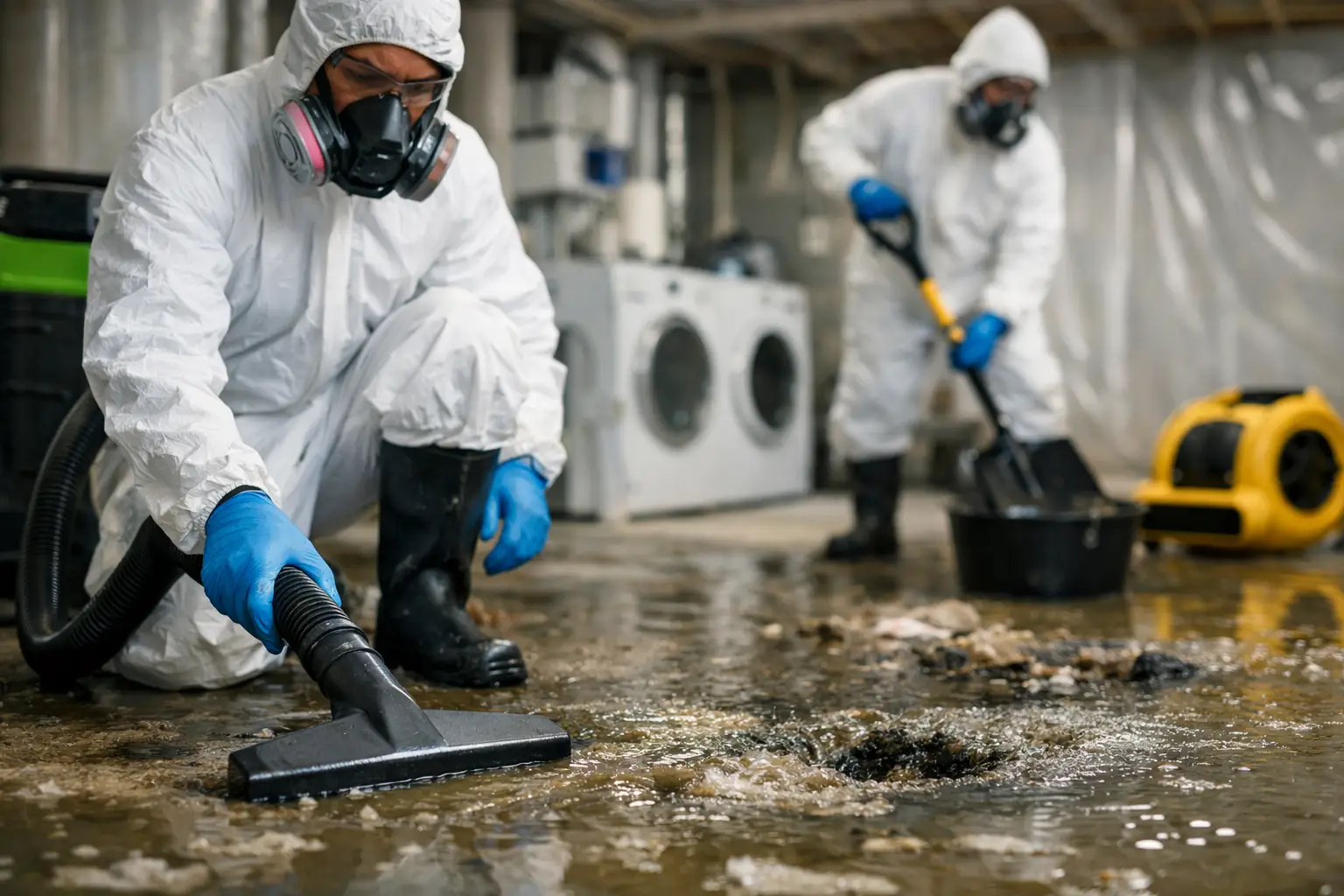 Sewage
Safe biohazard cleanup and sanitizing after sewage backups and overflows.
Learn more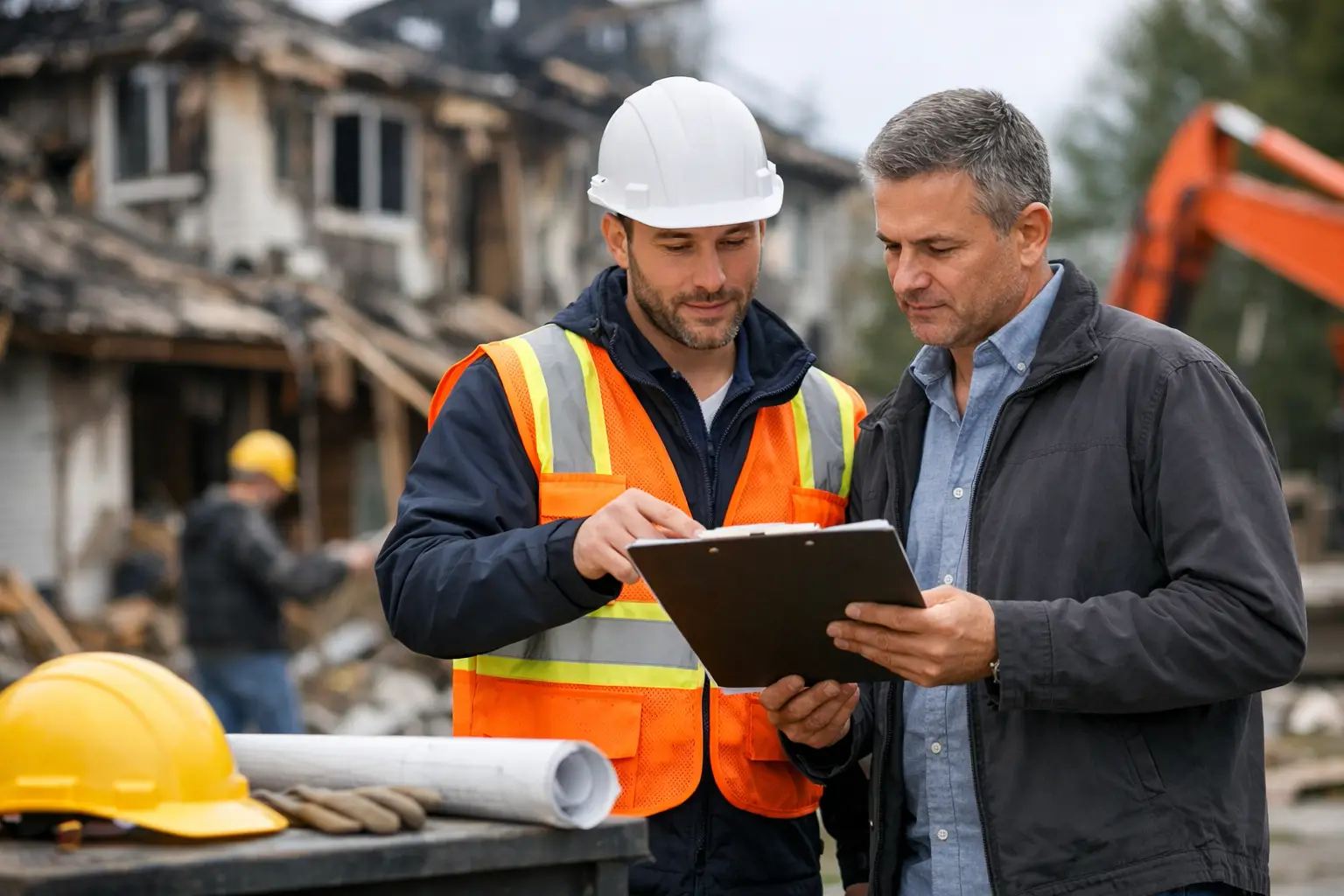 Reconstruction
Full rebuild by a licensed general contractor, so your property comes back whole.
Learn moreElevated Operations is an IICRC-certified, licensed general contractor based in Mableton that handles the entire recovery in-house, so after one loss you are never coordinating a cleanup crew, a mold crew, and a contractor separately. One team, one point of contact, from the first pump-out to the final coat of paint.
People call when the property feels like a disaster. They leave reviews because Chris and the crew made it right. These are real, verified Google reviews.
Shut off the source if it is safe, keep guests away from the wet zone, and call me right away. In a hotel, water moves fast through carpet, baseboards, and adjacent rooms, so fast water removal matters more than waiting for housekeeping or maintenance to catch up. I send IICRC-certified technicians 24/7, and I can work with your insurer through direct insurance billing.
Yes. I treat older materials carefully because the National Register historic district has different risks than newer construction. I use the right extraction and drying sequence, then monitor moisture instead of blasting everything the same way. Original floors, trim, and framing need a controlled approach, not a one-size-fits-all setup.
Because air movement alone does not remove enough moisture from carpet and pad. Wet carpet extraction pulls water out first, then air movers and dehumidification finish the drying process. In a humid Georgia building, an open window can actually slow progress by adding more moisture instead of less.
You do not guess, you measure. I use moisture monitoring to check drywall, framing, subfloor, and trim until the readings show the structure is dry. That matters in College Park properties with layered finishes, older construction, or high-traffic hotel spaces where hidden dampness can stay active after the surface looks fine.
Ordinary cleanup stops at what you can see. Structural drying goes deeper and targets the building itself, including materials under the surface. I remove water, set the equipment, and verify the readings until the structure is stable. That is the difference between a short-term cleanup and real restoration.
Yes. I offer direct insurance billing, which keeps the process moving instead of putting the burden on you. I also provide deductible assistance up to $1,000 when applicable. That is useful when a loss interrupts a home, a rental, or a hotel room and you need the work started now.
Mold starts in 24 to 48 hours, so I treat every water loss like a clock is running. That is why I push immediate extraction and structural drying, especially in warm, humid spaces or buildings near the convention hotels where traffic and climate can keep moisture trapped longer.
Because waiting is usually expensive. I have been in restoration since 2007, I am a licensed general contractor, and my team knows how to set the drying plan the first time. You get a 4.9-star Google rating from 73 reviews, a 12-month warranty, and a crew that takes the loss seriously.
Elevated Operations dispatches IICRC-certified crews across Metro Atlanta from our Mableton base, with a 60-minute emergency response day or night. Choose your city:
Call now for an immediate response, or request your free inspection and get a certified crew on-site within the hour across Atlanta and nearby areas.