24/7 Emergency Restoration · Serving Metro AtlantaEmergency? (770) 404-6895
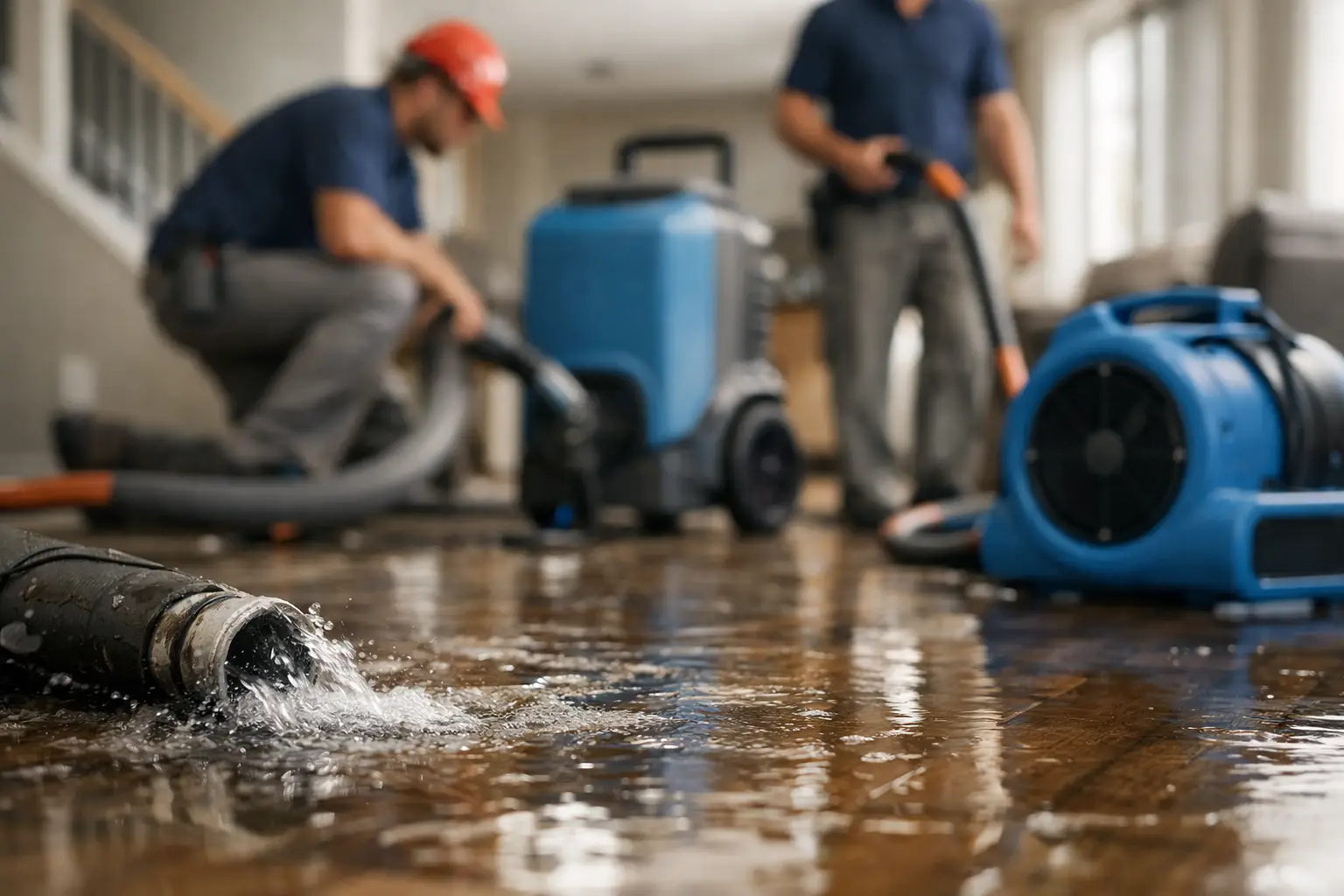
Water mitigation services Smyrna means I get to the loss fast, stop spread, and start drying before the damage gets bigger. In a 60s-70s slab ranch or a Battery townhome, the first hour matters. I send IICRC-certified technicians, use direct insurance billing, and keep the job moving from extraction to structural drying.
IICRC-Certified · 5-Star Rated · 60-Minute Response · Insurance Billed Directly
Call now. I run 24/7 emergency response, and wet materials do not get easier overnight. I move fast on active losses.
That type of home hides moisture well. I check the floor system, wall bottoms, and slab edges so the drying plan matches the house.
Vertical spread is the risk. I use containment and drying equipment to stop moisture from moving into the lower levels.
I provide direct insurance billing and deductible assistance up to $1,000 on qualifying work, so the mitigation step does not stall out.
Water mitigation services in Smyrna start with stopping the spread, extracting standing water, setting containment where needed, and beginning structural drying fast. I send IICRC-certified technicians to assess the source, protect affected materials, and start moisture control before hidden damage grows in walls, floors, and trim.
In a Smyrna slab ranch, water often moves sideways before it shows itself. That means the visible puddle is rarely the whole job. We look under baseboards, into wall cavities, and across the slab so the mitigation matches the actual water path, not just the wet spot you see.
At The Battery or nearby townhome communities, stacked layouts can push moisture into shared walls, lower levels, and ceiling assemblies. That changes the response. I use containment, drying equipment, and dehumidification to keep the affected area tight while we pull the structure back to dry conditions.
This is loss mitigation, not guesswork. I document the damage, coordinate direct insurance billing, and keep the process moving under a licensed general contractor. If materials can be saved, we save them. If they cannot, I say so quickly and clearly, because delay is expensive.
Water mitigation should start immediately, not tomorrow. Mold can start in 24 to 48 hours, and in Smyrna that clock matters even faster in humid summer conditions and closed-up interiors. The sooner we begin water extraction and drying, the more material we can keep and the less structural damage spreads.
I treat the first hour like an emergency because it is one. A supply line break, dishwasher leak, or upstairs overflow does not pause while you make calls. My 24/7 team is built for rapid response, with a 60-minute emergency response when the situation is active and the water is still moving.
In a 60s-70s slab ranch, slow response can let water run under flooring and hide against the slab. In a Battery townhome, it can drop into lower levels or travel along framing and shared assemblies. Speed is not a marketing word here, it is the difference between drying and demolition.
People wait because they think the water looks minor. Then the baseboards swell, the drywall wicks, and the smell starts. I have been in restoration since 2007, and the pattern never changes. Fast mitigation saves time, limits disruption, and keeps the rebuild smaller.
During the first hour, we identify the source, stop active water if possible, begin water extraction, and map the affected materials. Then we set the drying plan, protect untouched areas, and decide where containment or dehumidification is needed. That first hour is about control, not cleanup theater.
I start with the source and the spread. If a shutoff is available, we use it. If not, the job becomes stabilizing the site and preventing the water from moving farther into flooring, cabinetry, or adjoining rooms. Good mitigation is fast, but it is also disciplined.
On Smyrna slab homes, that first hour often focuses on the floor system and the lowest points where water collects. In townhomes near The Battery, the priority can be ceiling impact below, wall cavities, and stair landings. Same water, different path, different plan.
My technicians document conditions, place drying equipment where it actually matters, and decide whether containment will keep the job from becoming a whole-house humidity problem. That is how loss mitigation works in real life. Calm, direct, and fast. No wasted motion.
A Smyrna slab ranch dries differently because the water often sits on or below the floor system, while a Battery townhome can send moisture vertically into multiple levels. I adjust structural drying, containment, and dehumidification to the building type so the equipment works where the water actually went.
Slab ranches from the 60s and 70s often hide moisture at the base of walls and under flooring glued or set tight to the slab. That means the job may depend on fast water extraction, careful moisture control, and targeted drying equipment, not just a few fans pointed at the room.
Townhomes near The Battery can complicate the response because water does not respect floor lines. It can move through subfloors, wall assemblies, and shared chases. I treat that as a containment problem first, then a drying problem, because stopping spread protects the rest of the structure.
The right approach depends on what the structure is telling me. I do not use the same setup on every home. IICRC-certified technicians read the moisture, check the hidden areas, and adjust the plan so the drying is specific to the building, not the calendar.
Speed matters because water keeps moving, materials keep absorbing it, and mold can start in 24 to 48 hours. In Smyrna, whether the property is a slab ranch or a Battery townhome, delay increases the chance of hidden damage, warping, odors, and larger insurance claims.
A wet room gets worse by the hour. Drywall wicks. Trim swells. Flooring telegraphs damage. The longer the structure stays wet, the more likely the job shifts from mitigation to replacement. That is why I answer emergency calls around the clock and move quickly when water is active.
Humidity in metro Atlanta does not help. In Smyrna, moisture control has to be handled with purpose, because the air can work against the drying process. Dehumidification is not optional on a serious loss. It is part of getting the house back to dry conditions.
People often think the water is the problem. It is part of the problem. The bigger issue is what the water leaves behind inside the structure. Speed limits that spread, and in restoration that matters every time. I have seen the difference for years.
Yes, I handle direct insurance billing and help document the loss so the claim moves cleaner. I also offer deductible assistance up to $1,000 on qualifying work. That matters in Smyrna because water damage mitigation usually needs photos, moisture readings, and clear scope from the start.
Insurance companies want proof, and so do I. We document the source, the affected rooms, the materials involved, and the drying progress. That makes the file cleaner and keeps the mitigation from getting tangled in avoidable questions later.
Direct insurance billing reduces the back-and-forth for you. I do not make homeowners sit in the middle as messengers while wet materials sit in the house. The goal is simple: get the work moving, keep the record straight, and protect the structure while the claim is handled.
As a licensed general contractor and the owner of Elevated Operations, LLLP, I know the difference between emergency response and paperwork delay. I have been in restoration since 2007. I do not leave people guessing about what the loss needs or what comes next.
I identify the source, stop active water if possible, and begin water extraction right away. Then I map wet areas in the Smyrna home, whether it is a slab ranch near older neighborhoods or a townhome close to The Battery.
I set drying equipment, control moisture, and use containment where the layout calls for it. The point is to stabilize the structure, limit spread, and start structural drying before materials begin to fail.
We monitor readings, adjust dehumidification, and keep the drying plan tight. Hidden moisture often shows up here, especially in baseboards, wall cavities, stair runs, and slab edges in older Smyrna homes.
Once the structure is dry, I move into repair and rebuild as needed under my licensed general contractor credentials. The job closes only after the mitigation work is complete and the home is ready for the next step.
From emergency mitigation to full reconstruction, handled in-house so you are never managing a chain of subcontractors mid-crisis.
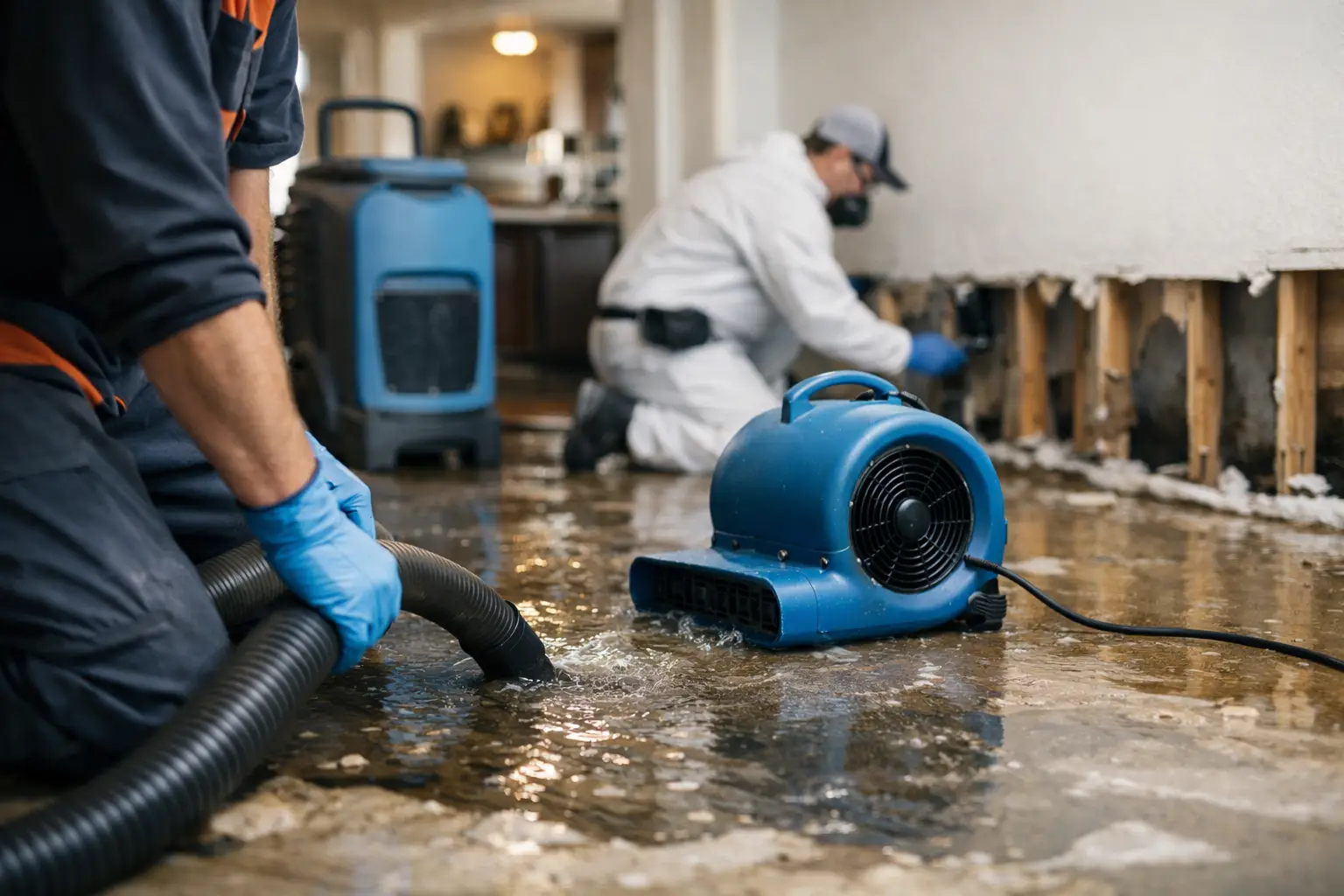 Water Damage
Extraction, structural drying, and moisture mapping after floods, leaks, and burst pipes.
Get help now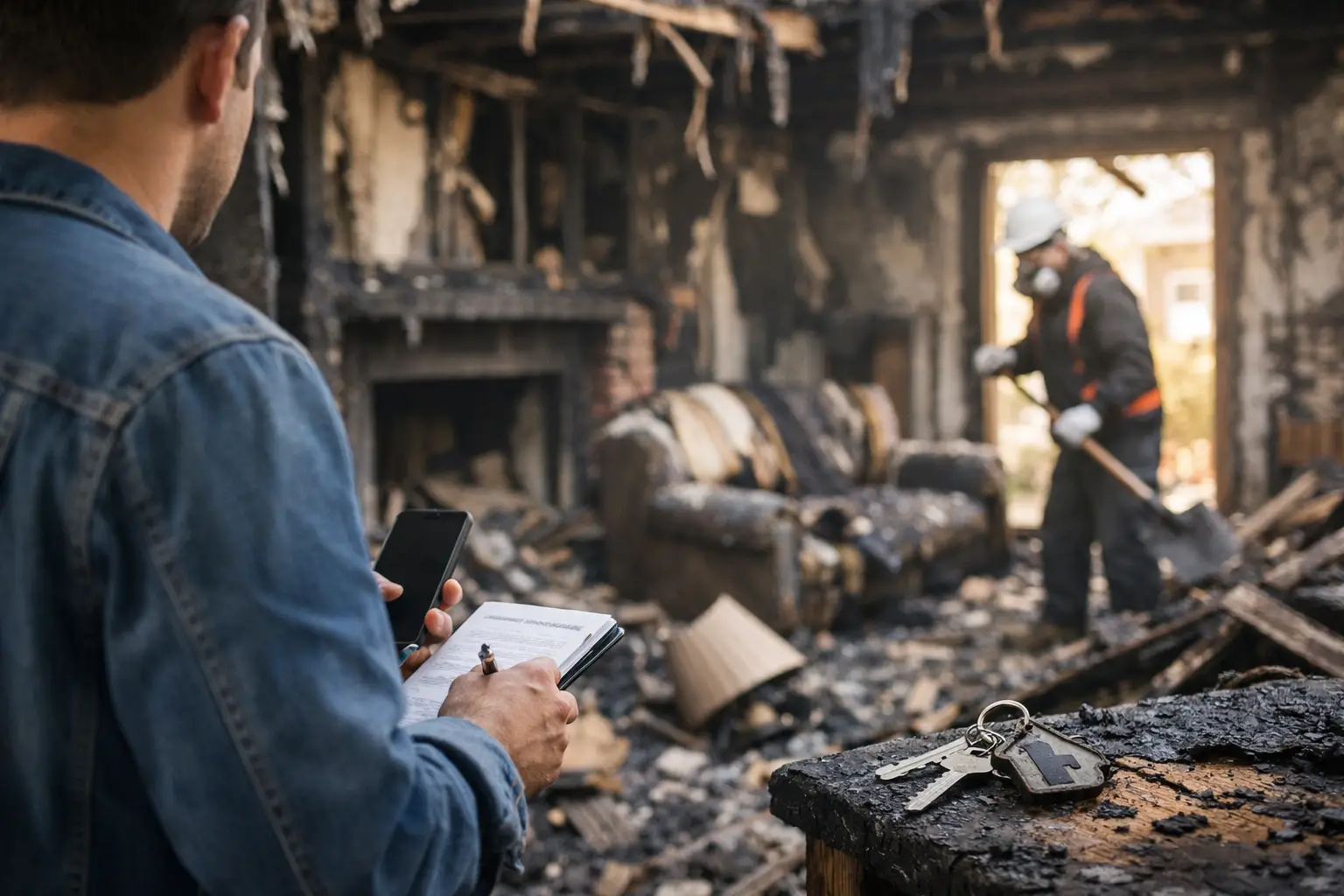 Fire & Smoke
Soot removal, odor deodorization, and content cleaning after fire and smoke damage.
Learn more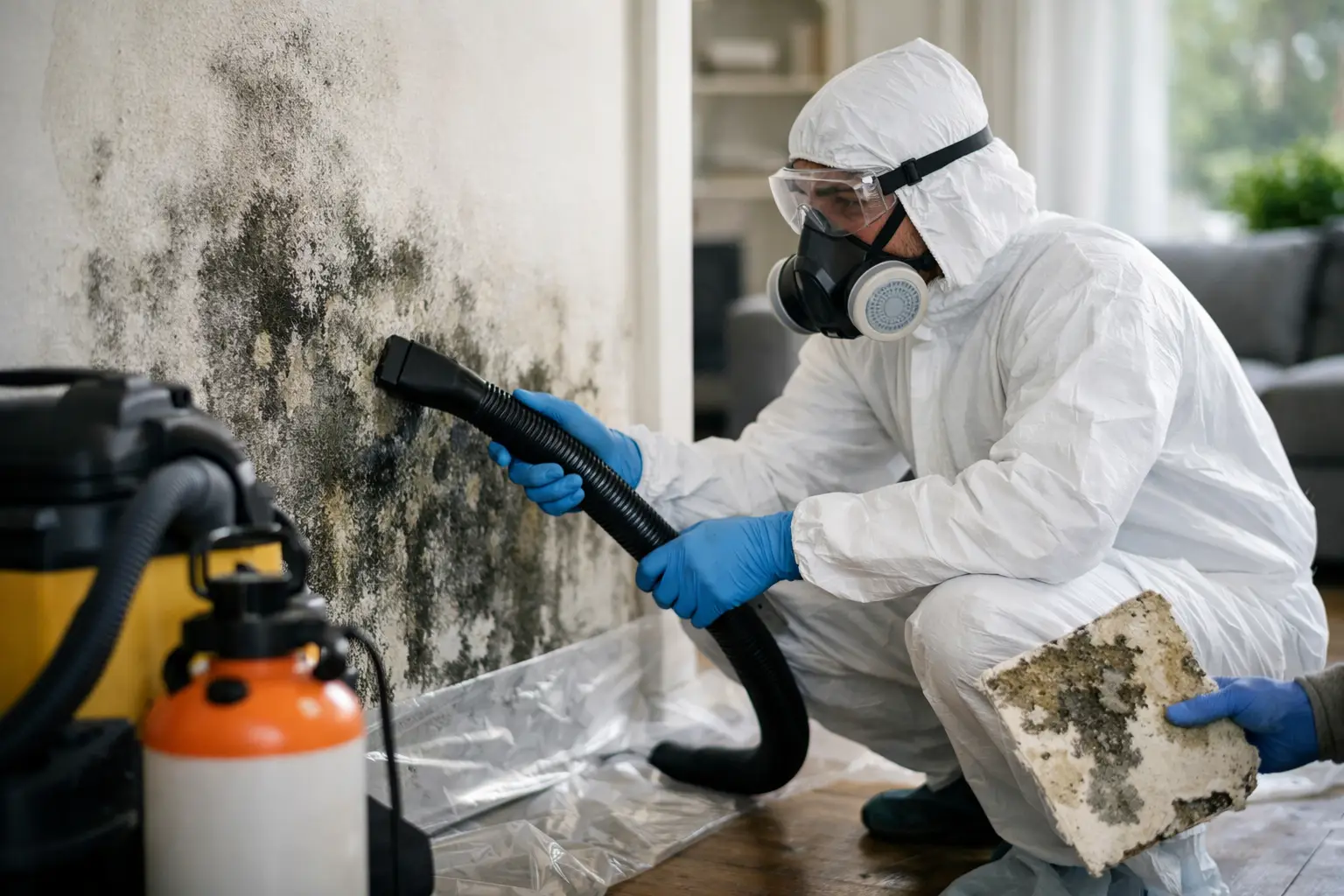 Mold
MoldContainment, removal, and moisture control that stops mold from coming back.
Learn more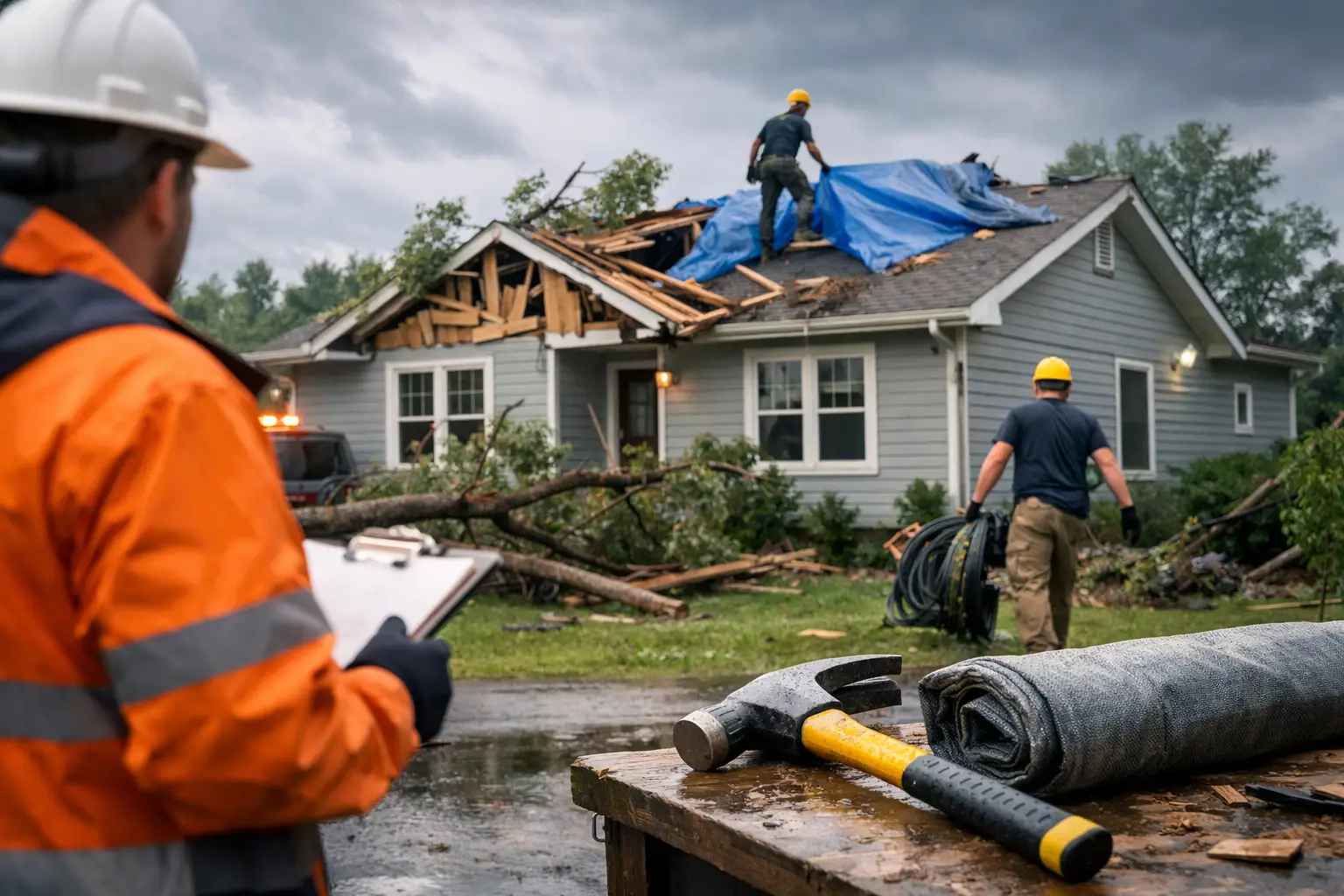 Storm
StormEmergency board-up, roof tarping, and full recovery after wind, hail, and storms.
Learn more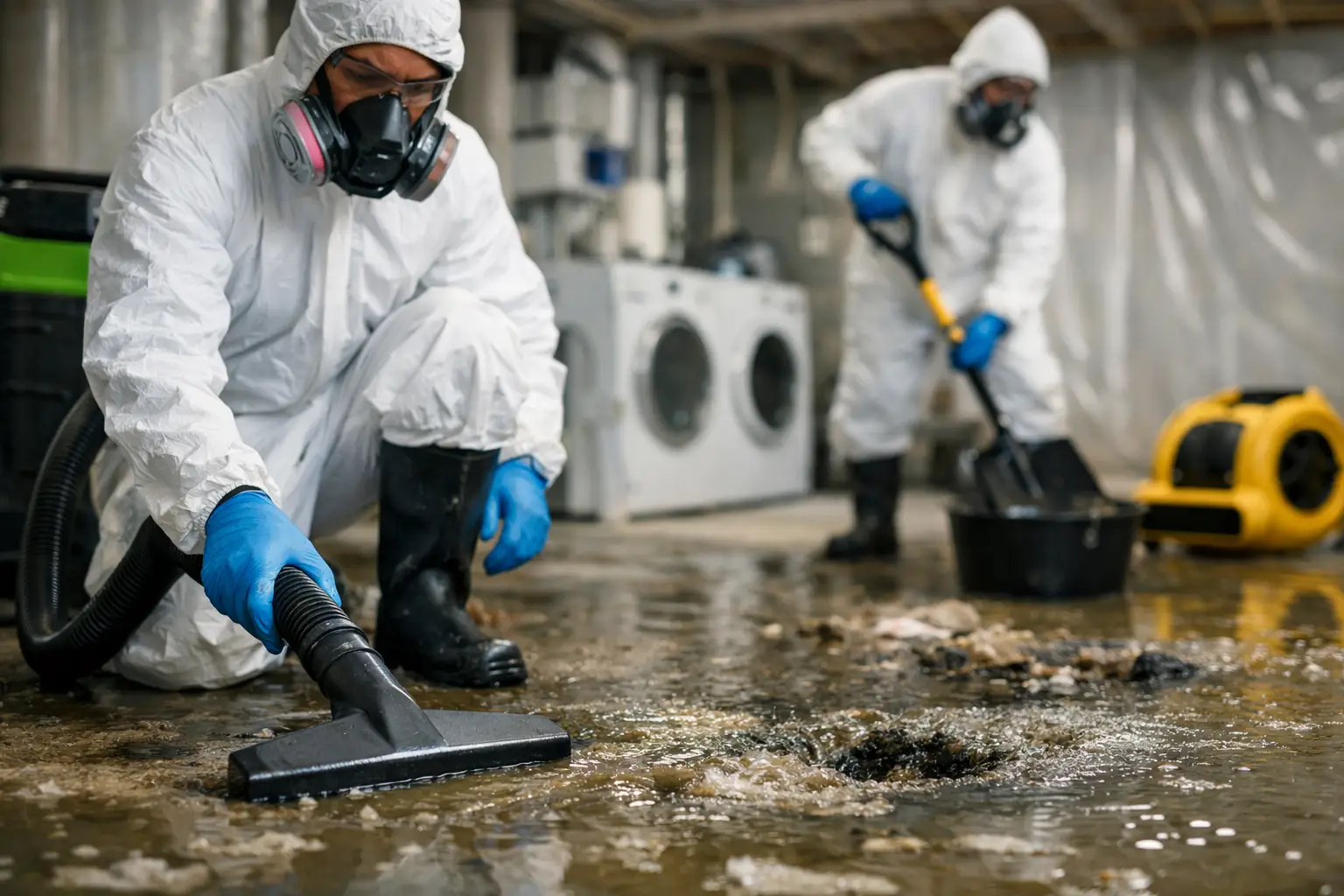 Sewage
Safe biohazard cleanup and sanitizing after sewage backups and overflows.
Learn more Reconstruction
Full rebuild by a licensed general contractor, so your property comes back whole.
Learn moreElevated Operations is an IICRC-certified, licensed general contractor based in Mableton that handles the entire recovery in-house, so after one loss you are never coordinating a cleanup crew, a mold crew, and a contractor separately. One team, one point of contact, from the first pump-out to the final coat of paint.
People call when the property feels like a disaster. They leave reviews because Chris and the crew made it right. These are real, verified Google reviews.
Yes. Older 60s-70s slab ranches in Smyrna often trap moisture low and wide across flooring and wall bottoms, while townhomes near The Battery can push water vertically through multiple levels. I adjust water mitigation services to the structure, because the drying path is never the same in both homes.
We stop the source, remove standing water, check cabinets and adjacent flooring, and start drying before the leak turns into hidden damage. In a Smyrna kitchen, that often means looking under toe kicks, behind baseboards, and into nearby rooms if the moisture traveled farther than it first appeared.
No. Water mitigation services focus on stopping damage, extracting water, drying the structure, and stabilizing the property. Water restoration comes after that, when repairs and rebuilding begin. In Smyrna, I handle the mitigation first so the restoration stage is smaller and more controlled.
I offer 24/7 emergency response with a 60-minute emergency response target when the loss is active. That matters in Smyrna because standing water does not wait, and a slab ranch or townhome can hide damage fast. The call needs an immediate response, not a callback tomorrow.
Yes. I provide direct insurance billing and document the loss carefully so the claim file is cleaner. That includes photos, moisture readings, and scope notes. For Smyrna homeowners, that support helps keep the process moving while the home is being dried and stabilized.
That is common in slab ranches, and it is one reason fast water mitigation services matter. Water can sit beneath the visible surface and keep damaging materials even after the top looks better. I use moisture checks and structural drying to find and address that hidden area.
When the layout calls for it, yes. Townhomes near The Battery can spread moisture through shared walls, ceilings, and vertical assemblies, so containment helps protect unaffected areas. I use it as part of a focused mitigation plan, not as decoration. It has to serve the structure.
I back my work with a 12-month warranty. That matters after a water loss because homeowners want accountability, not vague promises. If something in the mitigation scope needs attention, I want the process clear and the work handled by the same team that started it.
Elevated Operations dispatches IICRC-certified crews across Metro Atlanta from our Mableton base, with a 60-minute emergency response day or night. Choose your city:
Call now for an immediate response, or request your free inspection and get a certified crew on-site within the hour across Atlanta and nearby areas.




