24/7 Emergency Restoration · Serving Metro AtlantaEmergency? (770) 404-6895
Fire damage restoration Acworth starts with one hard truth, the damage is usually bigger than what you see. I am Chris Kwangwari, and I explain the myths homeowners hear after a fire at a Lake Acworth home or an Allatoona dock area property, then show what actually has to happen next.
IICRC-Certified · 5-Star Rated · 60-Minute Response · Insurance Billed Directly
Yes. Small fires can still leave smoke in hidden places. I inspect the whole path, not just the burn area.
Yes. Odor often means residue settled where you cannot see it. I handle smoke odor removal and the cleanup behind it.
Often, yes. The myth is that everything is lost. The fact is that many items can be cleaned if they are handled quickly.
Yes. I operate from Mableton and serve Cobb County, including Acworth, with 24/7 emergency response and direct insurance billing.
Fire damage restoration in Acworth starts with safety, board up services if needed, then debris removal, soot removal, smoke odor removal, and structural repair. The myth is that a fire is only a cleanup job. The fact is that fire cleanup is often a building and contents recovery process too.
At Elevated Operations, I look at the whole loss, not just the burnt room. A kitchen fire near downtown Acworth, or a dock-side smoke event near Lake Acworth or Allatoona, can push soot into HVAC paths, attic spaces, and wall cavities that look untouched from the outside.
The first practical step is to make the site safe and stabilize openings. If the structure is exposed, I use board up services before I worry about cosmetics. That protects the property, reduces secondary damage, and gives my IICRC-certified technicians a controlled space to begin fire cleanup.
Then we move in order. Debris removal comes first, then soot removal, then smoke odor removal, then structural repair where materials are too damaged to keep. Some homeowners want to jump straight to paint. I do not. Paint over odor is a bad bet and I will say so plainly.
A lot more can be saved than most people think, but not everything should be saved. The myth is that fire automatically destroys all contents. The fact is that content cleaning can recover furniture, decor, and some personal items if the damage level, heat exposure, and soot type allow it.
I see this all the time after house fires in Acworth neighborhoods near the lake or on older streets close to the city center. Homeowners assume every cabinet, couch, and photo is gone. In reality, the right content cleaning process can often save items that were never directly burned.
The trick is speed and the right judgment. Soot is acidic, and smoke keeps working long after flames are out. If contents sit too long, the loss grows. IICRC-certified technicians know which items can be cleaned, which need specialty handling, and which are too far gone to keep.
I will not promise a miracle. Some items are a write-off, especially after heavy heat or prolonged smoke exposure. But the myth that everything must be replaced is wrong. I have seen families keep meaningful pieces because the cleanup started correctly, not because someone guessed and hoped.
Yes, smoke damage has to be addressed before most repairs. The myth is that structural repair should happen first because it is the visible work. The fact is that smoke odor removal and soot removal must come before finish repairs, or the smell and residue can get trapped inside new materials.
That matters in Acworth homes where rooms open into each other, especially older layouts that connect kitchens, dens, and hallways without much separation. If you rebuild over smoke residue, you seal the problem in. I do not sign off on cosmetic work before the contamination is handled.
Smoke odor removal is not perfume. It is a process that deals with what settled into drywall, trim, insulation, and soft goods. That is why fire cleanup has to include the right prep before paint, flooring, or trim work starts. Otherwise, the repair is only partial and the odor comes back.
Near Lake Acworth and Allatoona, humidity can make smoke residue feel even more stubborn in enclosed spaces. I keep the sequence strict. Clean first, evaluate second, repair last. That order saves money, time, and aggravation because it avoids tearing out new work to fix what should have been handled initially.
It depends on the damage, but the myth is that all fire restoration should move fast just because the fire is out. The fact is that soot removal, smoke odor removal, structural repair, and content cleaning each have their own timeline, and hidden damage changes the schedule fast.
I do not give fake certainty. A small kitchen fire is not the same as a house fire that pushed smoke through the attic. In Acworth, the work changes based on what burned, how far smoke traveled, and whether water from firefighting caused extra damage.
If board up services are needed, that happens first. Then we assess materials, contents, and the structure itself. Some properties need quick stabilization, while others need more careful fire cleanup before any rebuilding begins. The real schedule starts with what I can verify on site, not what someone hopes.
Homeowners often think the clock should be short because the flames were short. That is the wrong math. Restoration is a sequence, not a sprint. I have been in restoration since 2007, and I know that doing steps in the wrong order costs more time later than doing them right the first time.
No, not every fire cleanup job needs major structural repair. The myth is that smoke means rebuilding and rebuilding means major demolition. The fact is that many losses are limited to surface cleanup, odor treatment, and localized repairs, though some fires do require deeper structural work.
In Acworth, I see a mix of losses. Some are contained to a single room, while others spread into attic spaces or wall assemblies. Near Lake Acworth or the Allatoona area, open layouts and attached outdoor spaces can let smoke travel in ways homeowners do not expect.
Structural repair is only necessary where the materials are damaged beyond safe reuse. That is why I inspect, document, and then decide. I am a licensed general contractor, so I can handle the repair side after the cleanup side is properly assessed. No guesswork, no pretending.
The myth I hear most is that if paint looks okay, the wall is okay. Not true. Fire cleanup can reveal hidden damage behind the surface, especially where smoke and moisture have both been present. I would rather tell a homeowner hard news than let them rebuild on a bad base.
Yes, board up services are often the right move after a fire, especially if openings are exposed. The myth is that a burned house can wait until daylight or until the insurance adjuster arrives. The fact is that exposed properties are vulnerable immediately, even near Lake Acworth or Allatoona.
I treat exposed windows, doors, and damaged openings as urgent. A structure near the lake or along the Allatoona corridor can face weather exposure, trespass, and further loss if it is left open. Fire cleanup begins with stabilization when needed, not after the problem gets bigger.
Board up services are not cosmetic. They buy time, protect the structure, and help the rest of the restoration move in a controlled way. Homeowners sometimes think covering openings is an optional extra. It is not. It is basic property protection after a fire.
Once the site is secured, I can move into debris removal, soot removal, and the repair plan with fewer surprises. That sequence matters. If you skip stabilization, you invite more damage before the actual restoration even starts, and that is the kind of delay nobody in Acworth needs.
Fact: Smoke and soot often travel farther than the fire itself. In Acworth homes, I have seen light-looking rooms with hidden odor, residue, and moisture damage that needed full fire cleanup and targeted structural repair.
Fact: Smoke odor removal has to happen before finish work. Paint can trap odor in drywall and trim, especially after a fire near Lake Acworth or around Allatoona where humidity makes residue linger.
Fact: Content cleaning can save a surprising number of items when it starts early. IICRC-certified technicians know how to separate keepable items from losses, instead of writing off every room on sight.
From emergency mitigation to full reconstruction, handled in-house so you are never managing a chain of subcontractors mid-crisis.
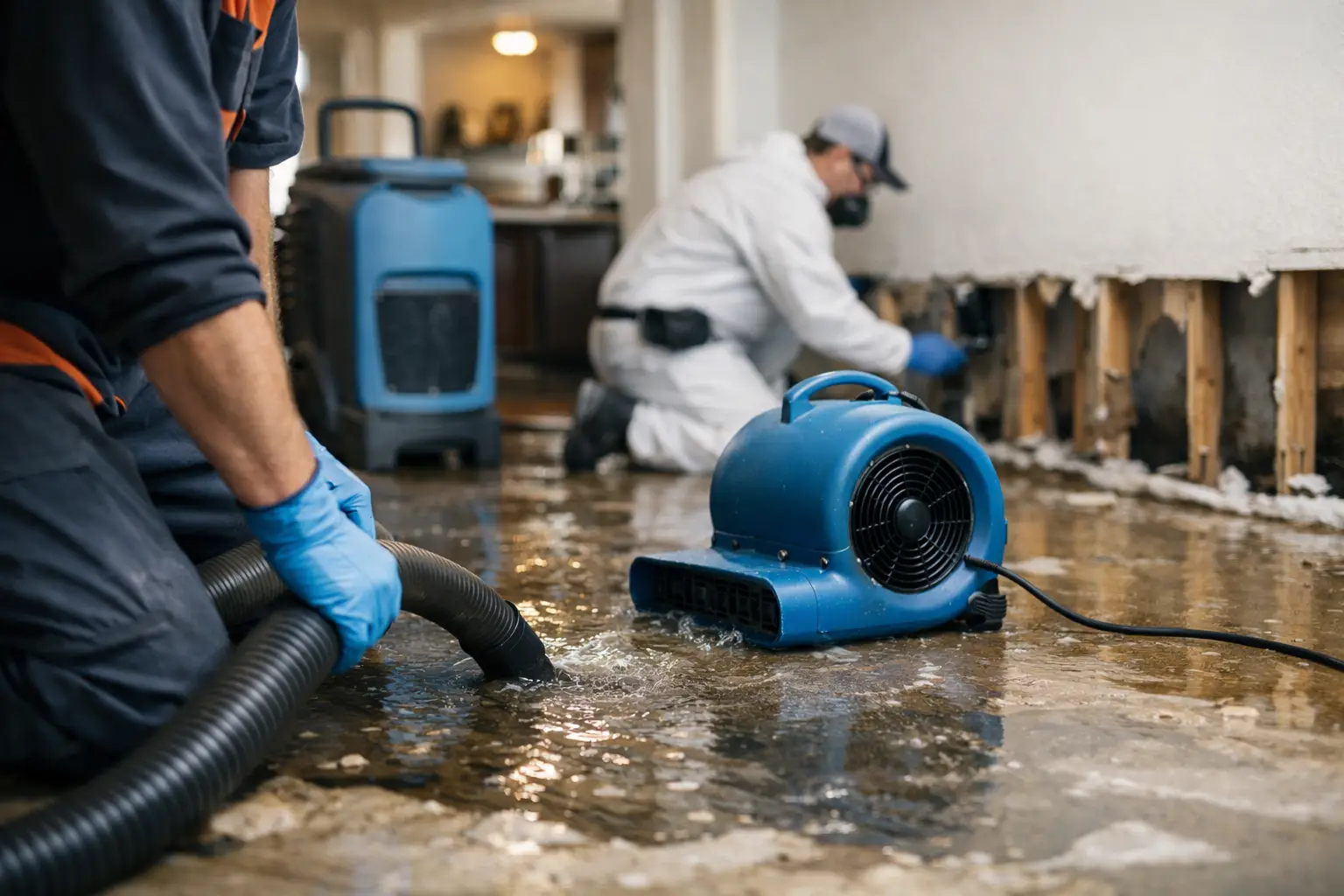 Water Damage
Extraction, structural drying, and moisture mapping after floods, leaks, and burst pipes.
Get help now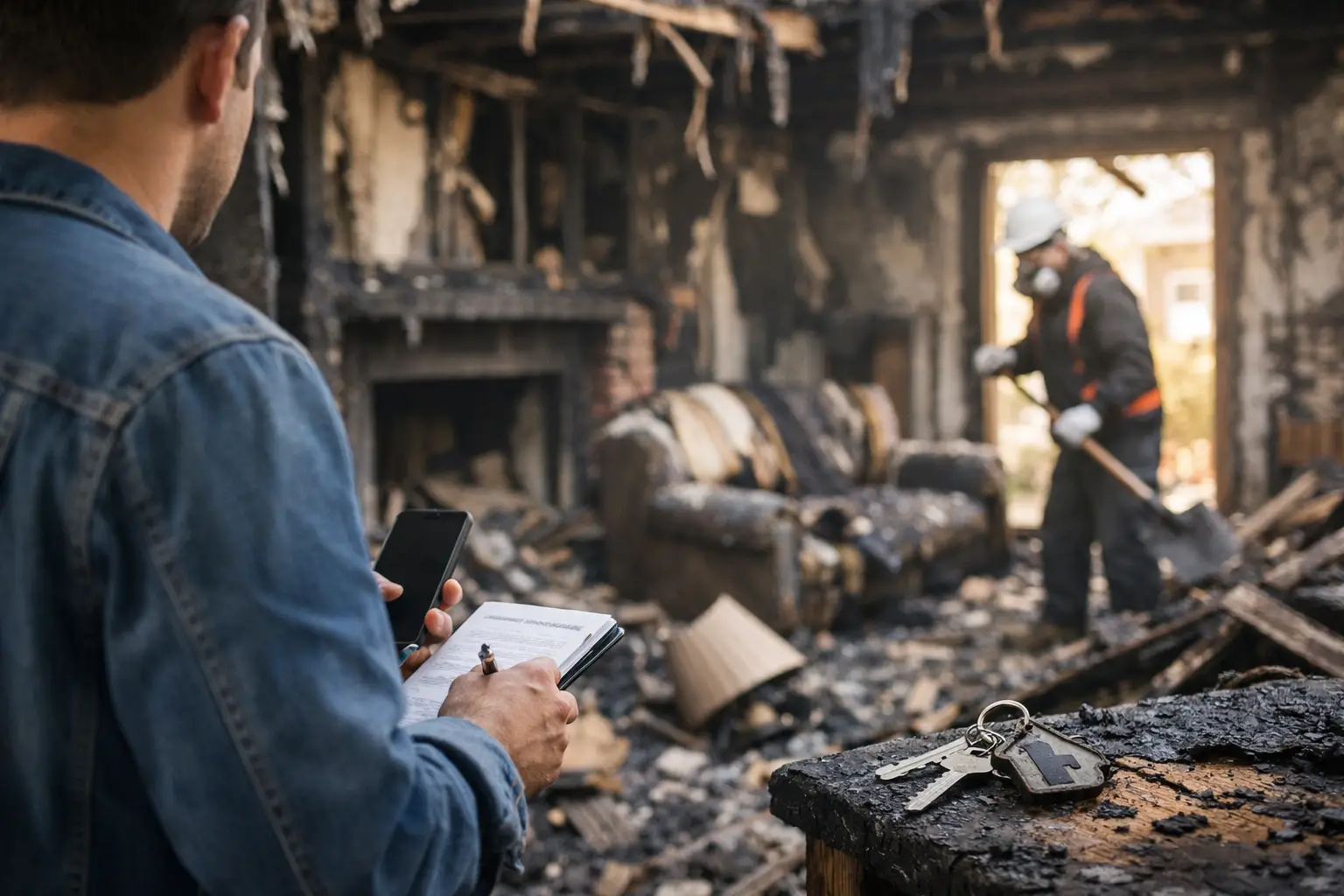 Fire & Smoke
Soot removal, odor deodorization, and content cleaning after fire and smoke damage.
Learn more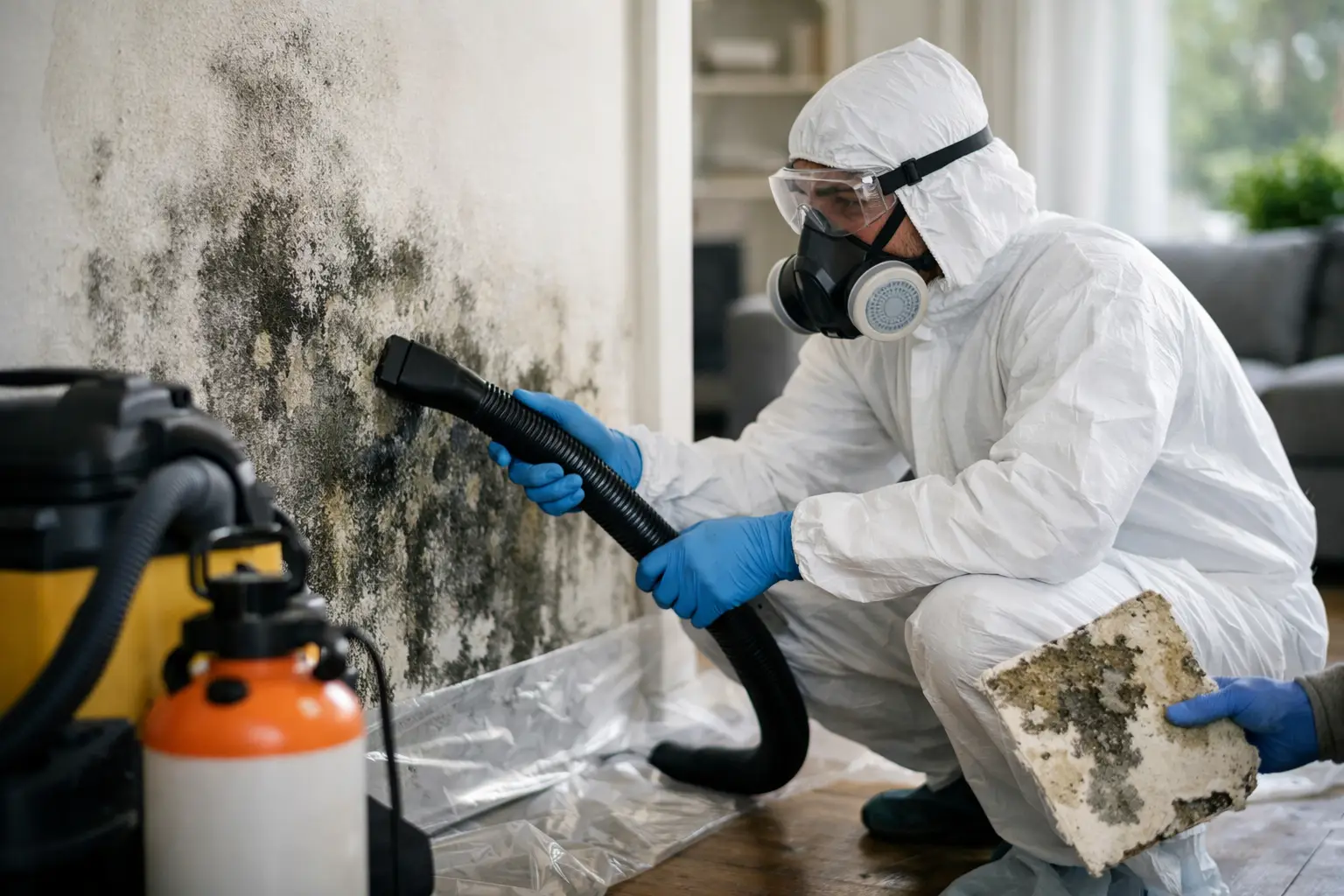 Mold
MoldContainment, removal, and moisture control that stops mold from coming back.
Learn more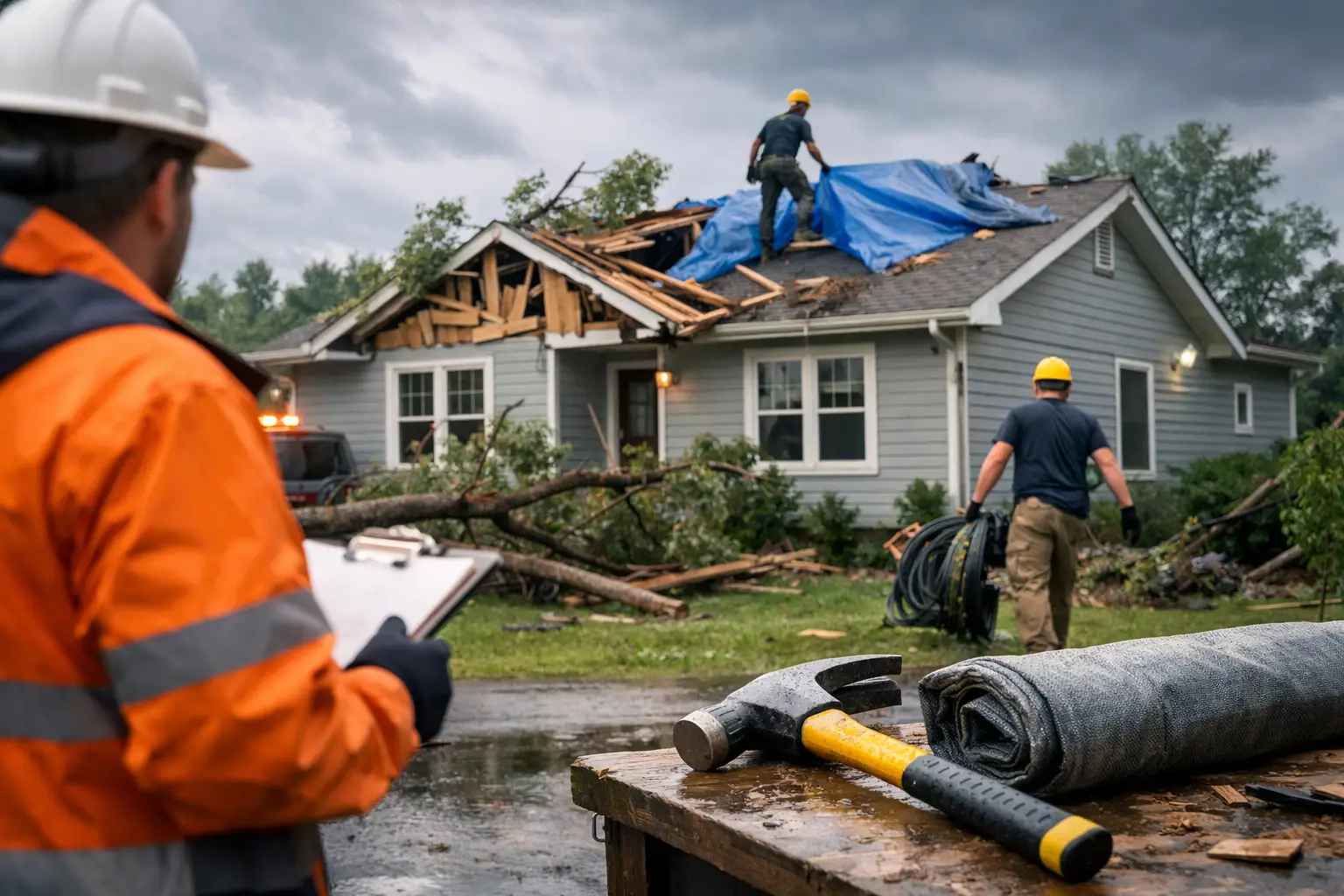 Storm
StormEmergency board-up, roof tarping, and full recovery after wind, hail, and storms.
Learn more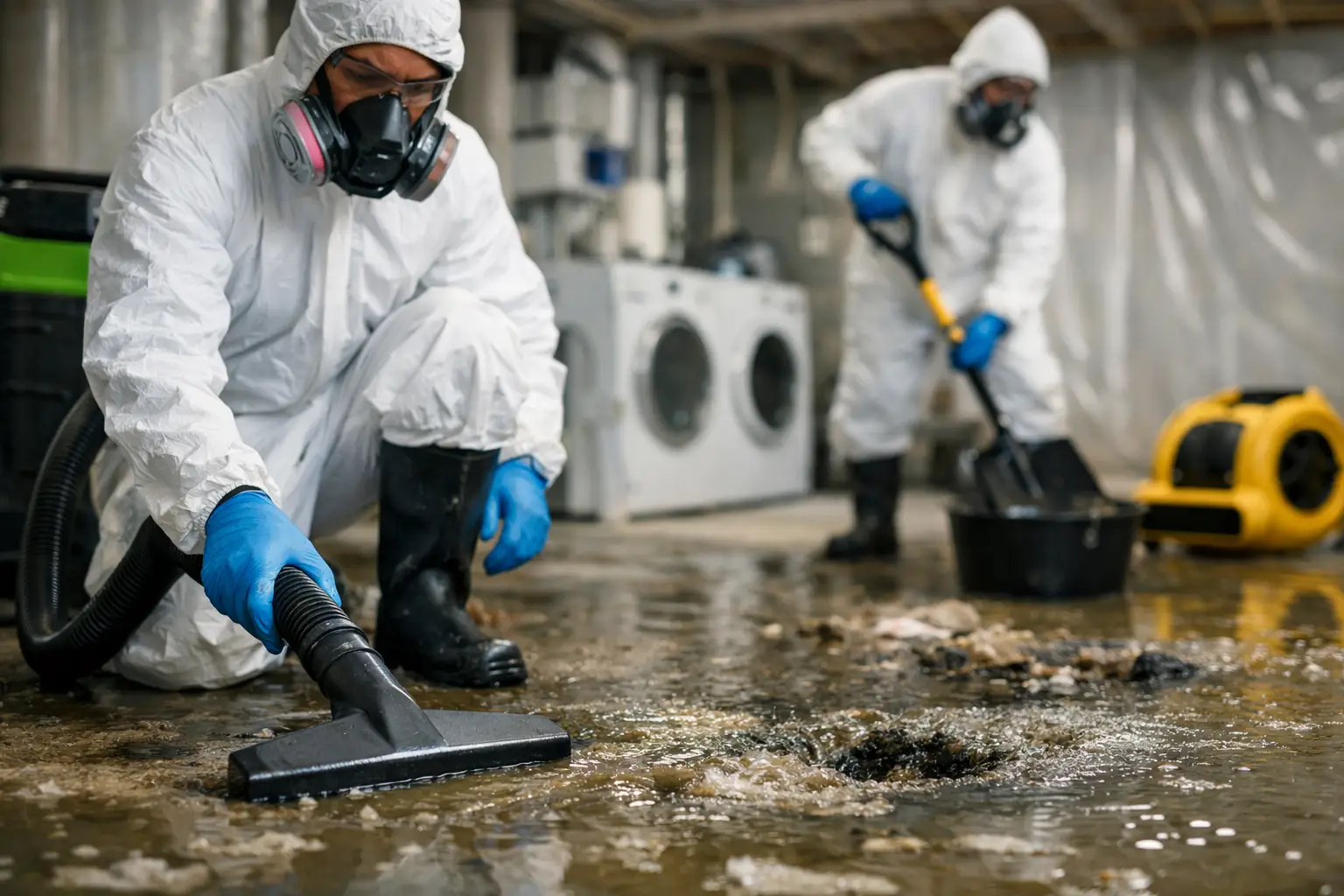 Sewage
Safe biohazard cleanup and sanitizing after sewage backups and overflows.
Learn more Reconstruction
Full rebuild by a licensed general contractor, so your property comes back whole.
Learn moreElevated Operations is an IICRC-certified, licensed general contractor based in Mableton that handles the entire recovery in-house, so after one loss you are never coordinating a cleanup crew, a mold crew, and a contractor separately. One team, one point of contact, from the first pump-out to the final coat of paint.
People call when the property feels like a disaster. They leave reviews because Chris and the crew made it right. These are real, verified Google reviews.
Call for board up services first if the structure is exposed. Waiting invites rain, theft, and extra soot movement. I can document the damage for insurance after the site is stabilized. That order protects the property and keeps the restoration moving instead of letting the loss spread.
Fire cleanup can include debris removal, soot removal, smoke odor removal, content cleaning, and structural repair where needed. For homes near Lake Acworth, I also pay attention to how smoke may have traveled into attics, porches, and connected spaces that look unaffected at first glance.
Yes, but only if the underlying residue is handled first. Older Acworth houses often have materials and layouts that hold odor in trim, framing, and hidden cavities. I do not rely on fragrance or surface cleaning. I treat the source, then verify the smell is actually gone.
You need an on-site inspection. Some damage is only surface-level, while other losses weaken framing, drywall, or roof components. I look at the actual materials, not just the burn marks. If the structure is compromised, I will say so and handle the repair path correctly.
Often yes, depending on heat exposure and soot type. Content cleaning is about judgment and speed. In Cobb County homes, I see plenty of items that can be recovered if they are handled before residue sets in. Waiting too long makes salvage much harder.
Yes. I handle fire damage restoration across the area, including properties affected near Lake Acworth and Allatoona. Dock-adjacent losses can bring smoke, wind, and moisture together, so the cleanup plan has to be careful from the start. That is not a DIY job.
Because a fire loss is already stressful enough. Direct insurance billing keeps the restoration process moving without making you act as the middleman on every step. I handle that part when possible, along with deductible assistance up to $1,000, so the paperwork does not stall the cleanup.
I bring owner oversight, a licensed general contractor background, IICRC-certified technicians, a 4.9-star Google rating with 73 reviews, and restoration experience since 2007. I do not treat fire cleanup like a guess. I treat it like property recovery that has to be done in the right order.
Elevated Operations dispatches IICRC-certified crews across Metro Atlanta from our Mableton base, with a 60-minute emergency response day or night. Choose your city:
Call now for an immediate response, or request your free inspection and get a certified crew on-site within the hour across Atlanta and nearby areas.