24/7 Emergency Restoration · Serving Metro AtlantaEmergency? (770) 404-6895
Reconstruction East Point is about choosing the right path after damage, not just putting walls back. I compare restoration versus replacement, DIY versus a pro, and water damage versus mold so East Point owners near MARTA and College Park-line bungalows can see what fits, what fails, and when each choice applies.
IICRC-Certified · 5-Star Rated · 60-Minute Response · Insurance Billed Directly
Water damage gets the first response, but mold changes the whole plan fast. If it starts spreading, I shift from repair thinking to removal and reconstruction.
Repair if the panel is solid and the stain is superficial. Replace if it is soft, swollen, or tied to framing damage behind the wall.
That is usually more than flooring repair. I check the subfloor and framing because soft flooring often means hidden damage underneath.
I am owner Chris Kwangwari, and my team has been in restoration since 2007. We respond 24/7, bill insurance directly, and rebuild damaged homes the right way.
Reconstruction after property damage is the building-back phase after cleanup, when damaged parts are repaired or replaced and the space is made usable again. In East Point, that often means work in older bungalows near MARTA, where drywall repair, flooring repair, framing repair, and structural repair have to match the existing house.
I treat property reconstruction as the step that follows drying, debris removal, or demolition. Cleanup stops the damage from spreading. Reconstruction puts the place back together. Those are different jobs, and mixing them up is how owners waste time on the wrong contractor.
East Point has plenty of older housing stock, especially bungalows around the College Park line and near transit corridors. That matters because patching one wall is not the same as rebuilding trim, plaster, subfloor, or framing that has aged in place for decades.
If the damage is cosmetic, repair may be enough. If the studs are compromised, the subfloor is soft, or the roof line opened the structure to water, I move into reconstruction. That is when the work stops being touch-up and becomes real building again.
Reconstruction is needed when damage has gone past surface repair and the structure itself needs rebuilding. In East Point, that usually means broken framing, failed drywall, sagging flooring, roof repair after leaks, or damage repair that exposes what is behind the finish materials.
Restoration tries to save what can be saved. Reconstruction replaces what cannot. That is the line I draw on every East Point job, especially in older homes where the finish materials may hide rot, moisture damage, or past patchwork that cannot carry another round of repair.
If a ceiling sags, a wall is soft, or the floor feels uneven, I stop thinking in paint and patch terms. That is structural territory. And if the home sits near MARTA or on a tight bungalow lot, access and staging matter too, so the rebuild has to be planned carefully.
I also look at timing. Mold starts in 24 to 48 hours, so waiting turns a simple rebuild into a larger one. Water damage, fire damage cleanup, and smoke contamination all change the scope. When the materials cannot be dried, cleaned, or stabilized, replacement beats restoration.
Choose repair when the material is still sound, replacement when it has lost strength, and rebuild when the damaged area is part of the structure or finish system. In East Point bungalows, that decision often turns on whether the issue is isolated drywall repair or broader framing repair and structural repair.
I compare three things on site: the material condition, the hidden damage, and the match to the rest of the house. A small section of water-stained drywall may need repair. Rotten framing behind it needs replacement. If the damage runs through multiple layers, reconstruction is the honest answer.
That matters in older East Point homes because materials are rarely uniform. One room may have newer flooring, another may still carry original trim or plaster details. If I can preserve those details, I do it. If they are beyond saving, I say so plainly and rebuild cleanly.
For roof repair related water intrusion, I never stop at the stain. I look at decking, insulation, framing, and the wall cavity below. For flooring repair, I check the subfloor and transitions. The visible problem is often the smallest part of the job.
Yes, reconstruction can follow water or fire damage cleanup once the damaged area is dry, stable, and cleared for rebuild. In East Point, that often means replacing drywall, flooring, trim, or framing after the cleanup phase has removed contamination and exposed what needs to be rebuilt.
Water damage cleanup comes first because trapped moisture can keep destroying materials long after the leak stops. Fire damage cleanup comes first because smoke, soot, and char have to be removed before new materials go in. I will not rebuild over bad conditions just to make a room look finished.
East Point homes near transit corridors and older bungalow streets often have layered repairs from previous owners. After cleanup, I check what can be preserved and what must go. That may include drywall repair in one room and full property reconstruction in another if the damage spread behind the walls.
The verdict is simple. If the source is fixed and the structure is stable, reconstruction follows cleanup. If the cause is still active, or if hidden damage remains, the rebuild waits. Good work is sequenced. Rushing it just means tearing it out again.
DIY can work for very small, non-structural repairs, but a pro is the better choice when the job involves framing, structural repair, insulation, code-sensitive work, or insurance documentation. In East Point, older bungalows and mixed-age homes make hidden damage more likely, which raises the risk of a bad DIY outcome.
I am direct about this. DIY is tempting because a wall patch looks simple. But once you open a wall in an East Point bungalow, you may find old wiring routes, patched framing, or moisture damage that changes the job fast. That is where experience pays for itself.
A licensed general contractor matters when the work goes beyond cosmetics. My team is IICRC-certified, and I handle direct insurance billing when the job involves a claim. That means the rebuild is managed as a whole process, not a stack of unrelated tasks done by whoever is available.
If the issue is a small cosmetic fix, DIY may be enough. If the damage touches structure, moisture, or insurance paperwork, I would call a pro. That is not a sales line. It is the safer way to keep the repair from becoming a larger reconstruction.
East Point housing changes the job because older bungalows, transit-area homes, and infill properties often hide uneven framing, outdated finishes, and layered repairs. I plan reconstruction around what is already there, so the rebuilt area fits the house instead of fighting it.
Near MARTA and along the College Park line, you see a mix of classic bungalow forms and updated interiors. That combination creates real reconstruction decisions. A new wall has to meet old plaster, old trim profiles, or settled floors without looking forced or failing later.
I start with the bones of the house. If the framing is straight, I can focus on property reconstruction that matches the finish. If the framing repair is needed, the rebuild has to account for load, alignment, and how the repaired section ties back into the rest of the room.
This is why I do not treat every East Point job like a fresh build. The house tells me what works. Sometimes that means careful drywall repair and flooring repair. Sometimes it means removing more, then rebuilding in a way that respects the age and layout of the home.
| Typical Trigger | Water Damage Restoration | Mold Remediation |
|---|---|---|
| Water damage after a leak in an East Point bungalow near MARTA | Restoration may save drywall, trim, and flooring if the leak is caught fast and the structure stayed dry. | If the leak sat long enough for mold to start, I move to removal and reconstruction, not simple patching. |
| Fire damage cleanup in a College Park-line home | Cleanup can stop at drying and smoke removal if the structure stayed intact and only finishes were affected. | If firefighting water sat in hidden cavities, mold risk rises and the rebuild has to start after full drying and demolition. |
| Collapsed drywall, soft flooring, or rotted framing | Repair is enough when the damage is surface-level and the substructure is still sound. | If moisture or contamination reached framing, I replace the affected sections and rebuild the damaged area from the structure out. |
From emergency mitigation to full reconstruction, handled in-house so you are never managing a chain of subcontractors mid-crisis.
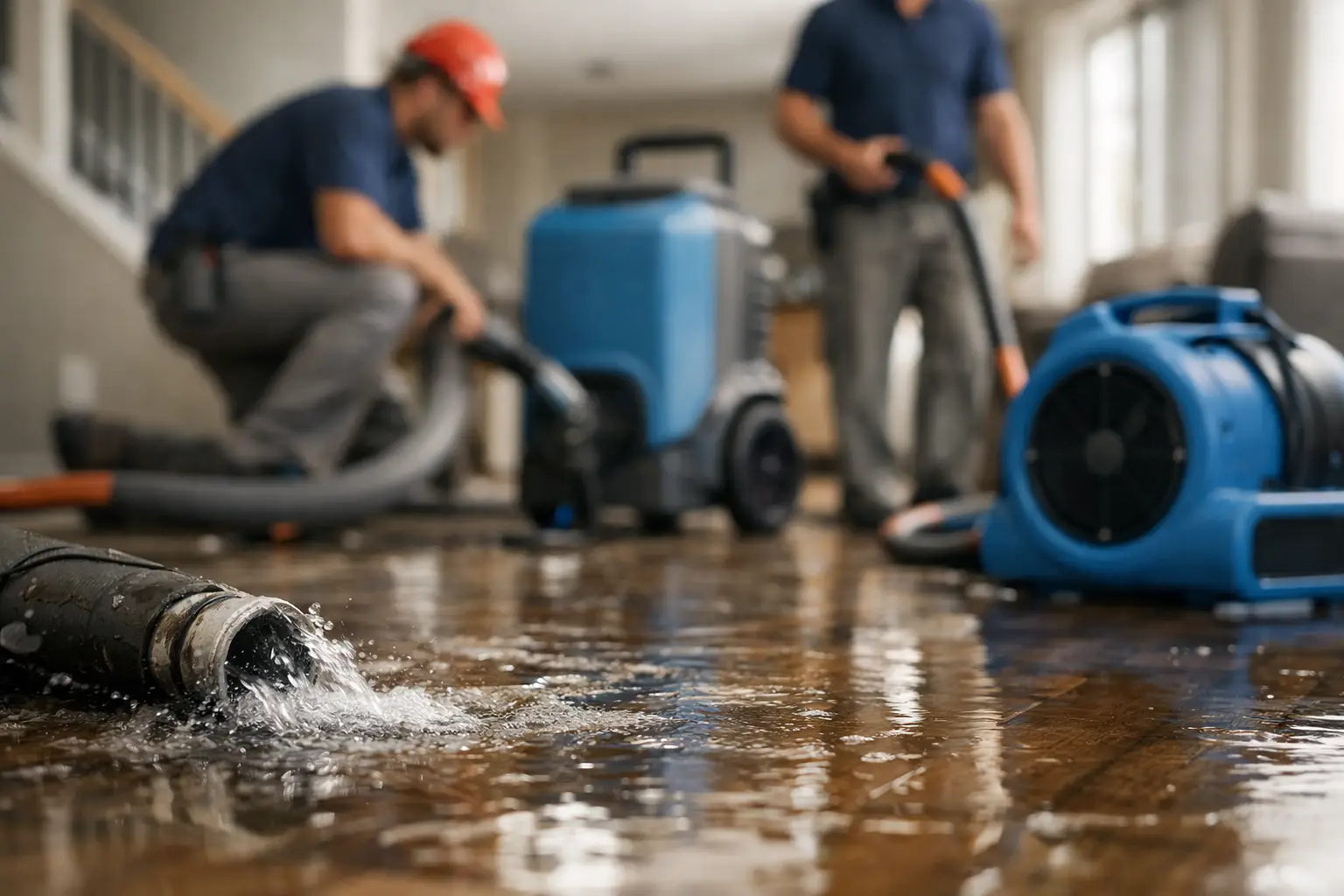
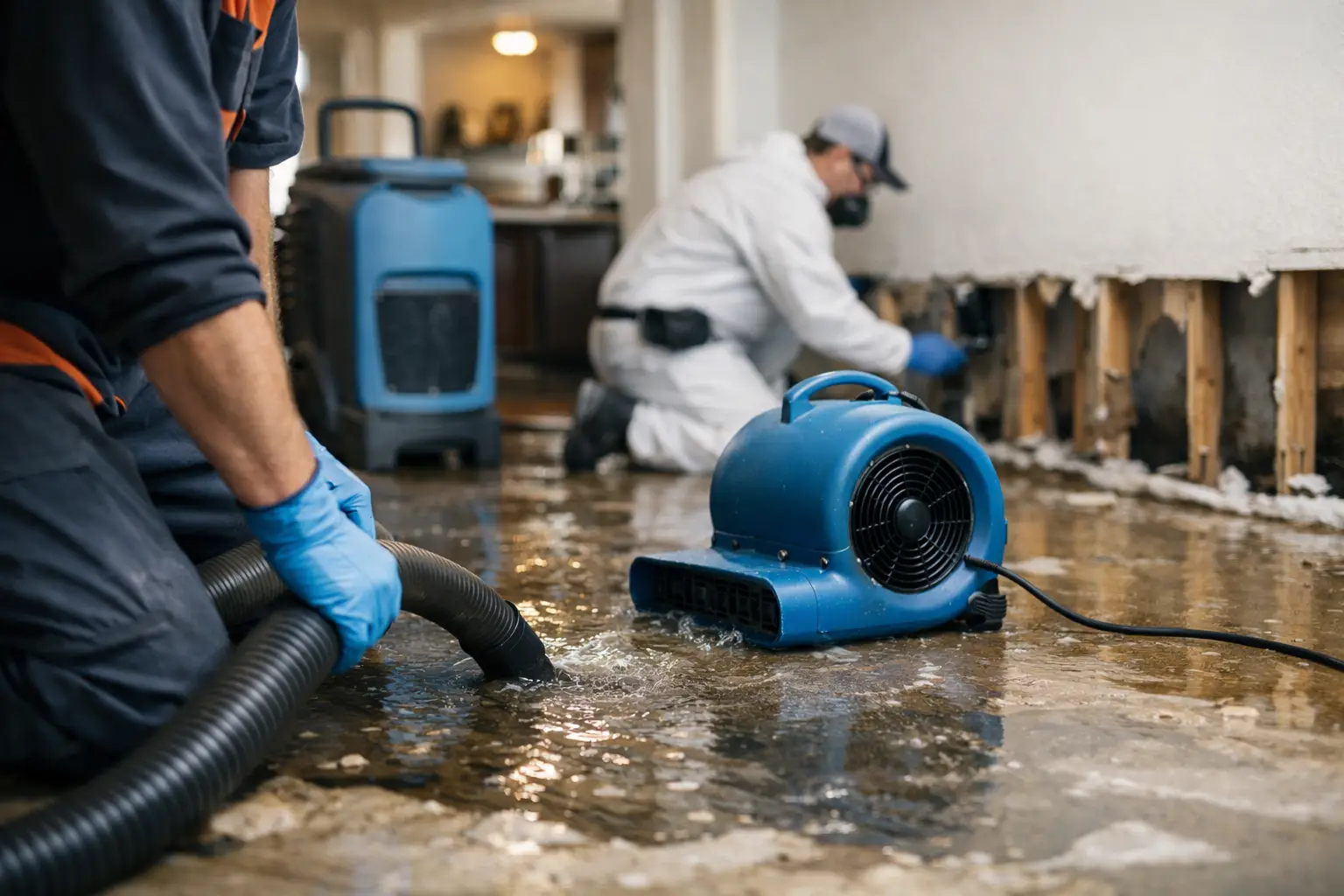 Water Damage
Extraction, structural drying, and moisture mapping after floods, leaks, and burst pipes.
Get help now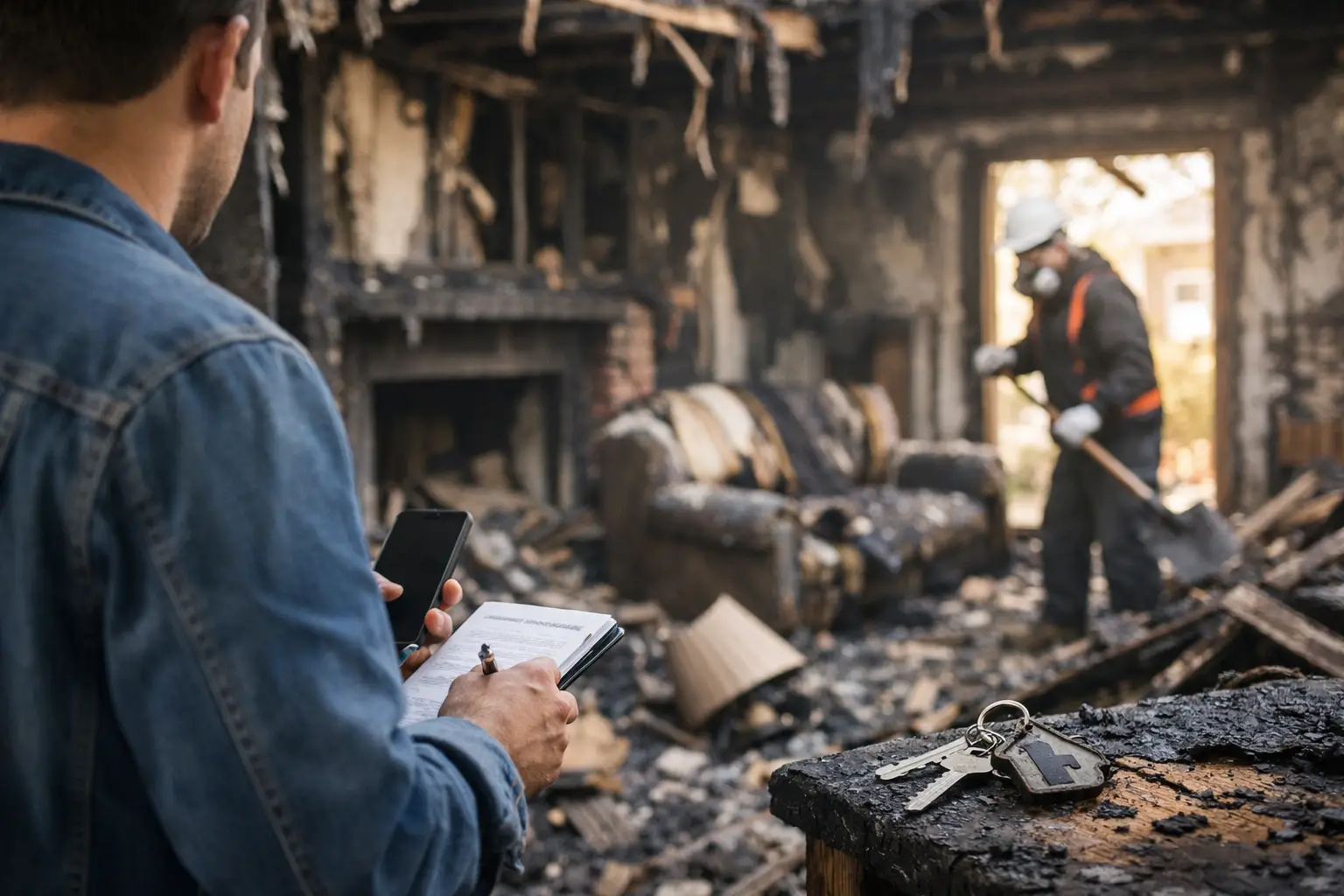 Fire & Smoke
Soot removal, odor deodorization, and content cleaning after fire and smoke damage.
Learn more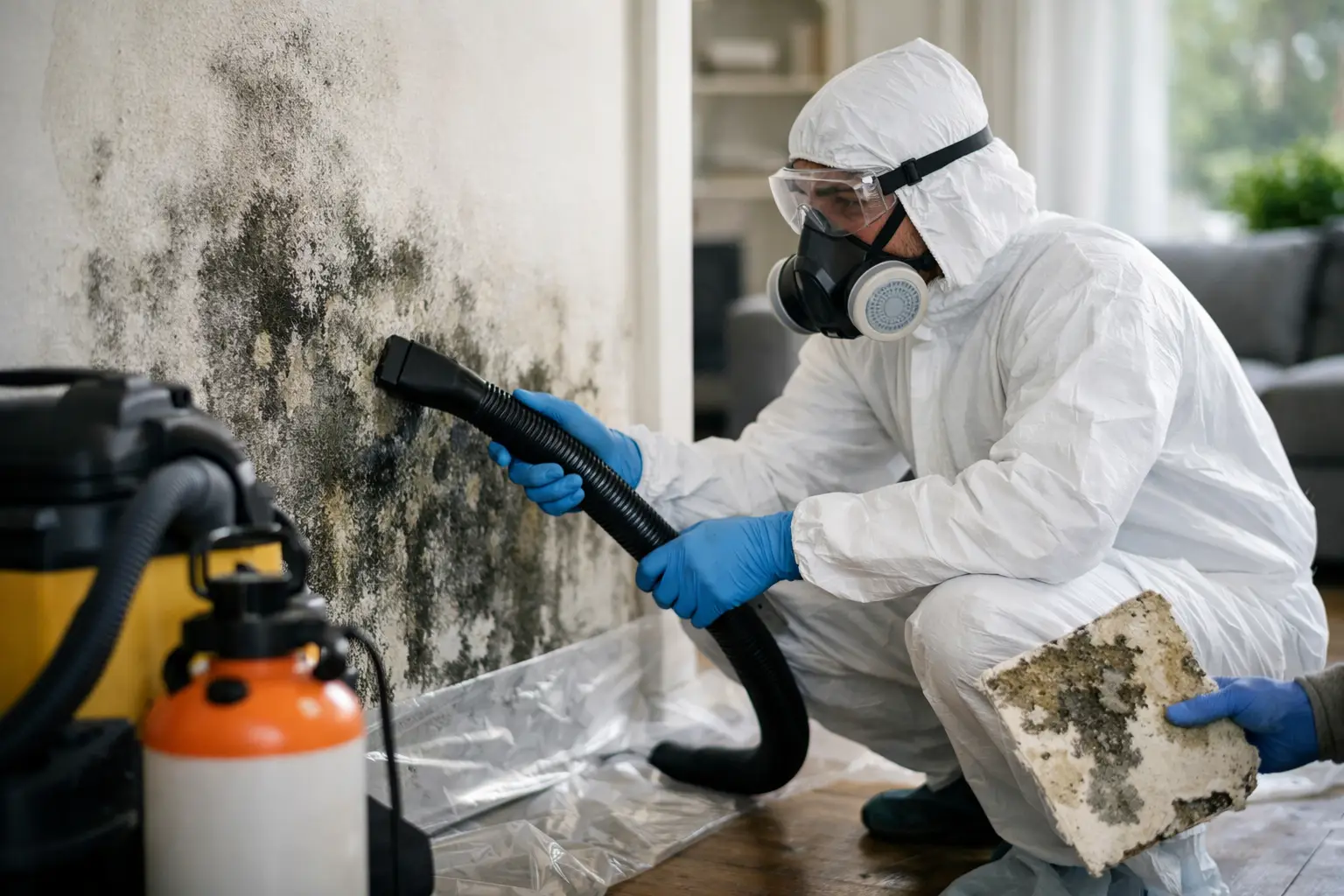 Mold
MoldContainment, removal, and moisture control that stops mold from coming back.
Learn more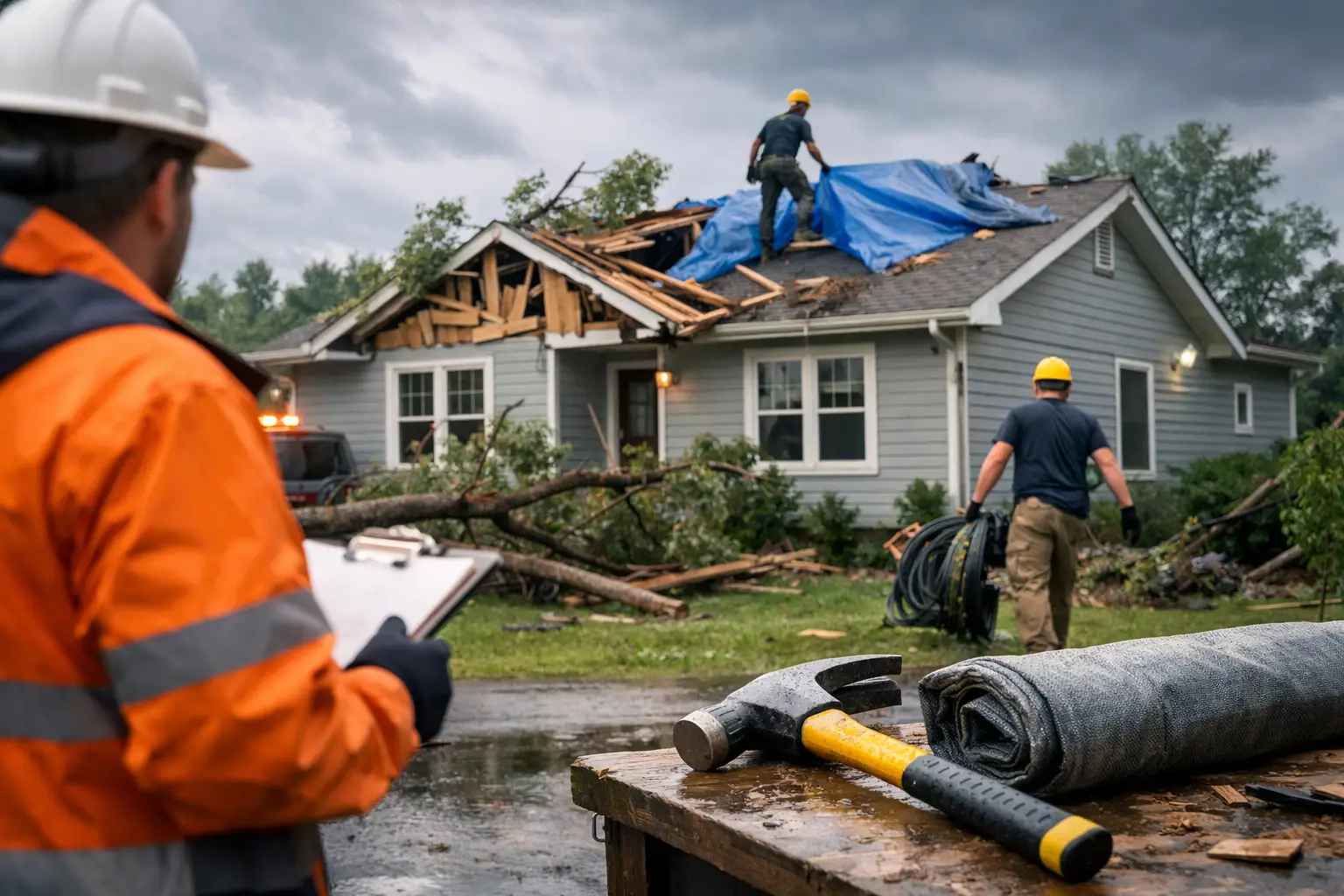 Storm
StormEmergency board-up, roof tarping, and full recovery after wind, hail, and storms.
Learn more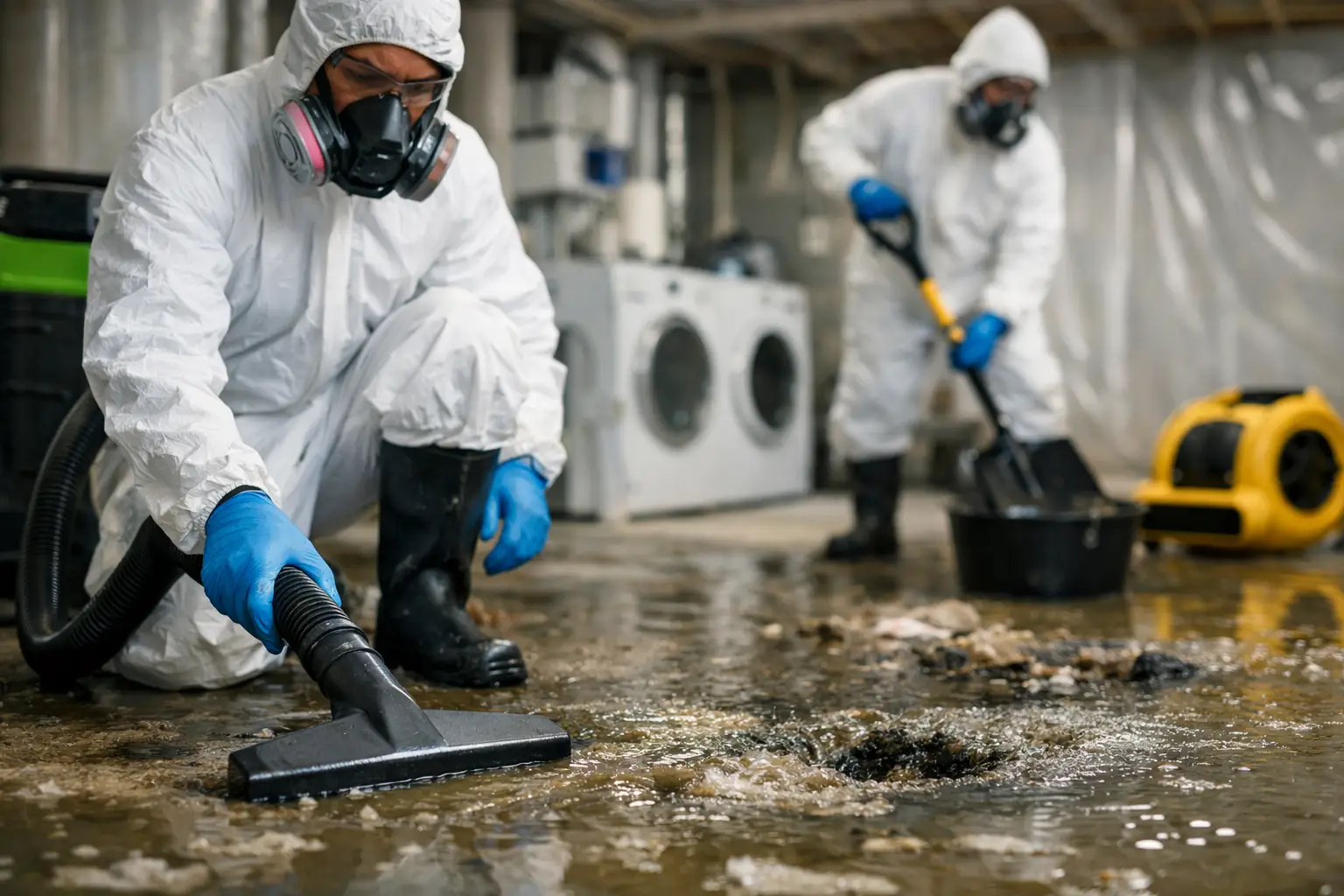 Sewage
Safe biohazard cleanup and sanitizing after sewage backups and overflows.
Learn more Reconstruction
Full rebuild by a licensed general contractor, so your property comes back whole.
Learn moreElevated Operations is an IICRC-certified, licensed general contractor based in Mableton that handles the entire recovery in-house, so after one loss you are never coordinating a cleanup crew, a mold crew, and a contractor separately. One team, one point of contact, from the first pump-out to the final coat of paint.
People call when the property feels like a disaster. They leave reviews because Chris and the crew made it right. These are real, verified Google reviews.
Reconstruction is the rebuild phase after damage has been stabilized or cleaned up. Simple repair covers smaller surface problems, like a cracked patch of drywall or isolated flooring repair. In East Point, I treat reconstruction as the right move when the damage reaches framing, subfloor, or other structural parts of the home.
Reconstruction is needed when the house cannot be made whole with a patch. In East Point bungalows, that often shows up as sagging floors, damaged trim systems, wall cavities opened by water, or framing repair after long-term moisture. If the material is weak or unsafe, I rebuild it instead of trying to save it.
Yes, reconstruction should follow water damage cleanup once the source is fixed, the area is dry, and hidden damage has been checked. I do not rebuild over wet framing or wet drywall. In East Point homes, especially older ones, waiting for proper drying prevents repeat damage and keeps the rebuild honest.
Yes, but only after soot, char, and any firefighting moisture are handled. Fire damage cleanup clears the conditions that would ruin new materials. Then reconstruction can begin with drywall repair, flooring repair, or more extensive property reconstruction if heat or water damaged the structure behind the finishes.
I choose restoration when the material still has strength and can be cleaned or repaired. I choose replacement when the material has lost integrity. In East Point, older homes and bungalow layouts can hide damage, so I look past the surface before deciding. If the structure is compromised, replacement wins.
Only for small, non-structural fixes. Once the job involves framing, hidden moisture, or insurance paperwork, DIY gets risky fast. East Point homes often have older construction details and layered repairs, so one wrong cut can turn a repair into a larger reconstruction. A licensed pro is the safer call.
It depends on the damage, the materials, and what is hidden behind the walls. I do not guess on timing because every East Point house is different. A small drywall repair is not the same as structural repair or full property reconstruction. The scope is set after inspection and cleanup.
Yes. I offer direct insurance billing and deductible assistance up to $1,000 on qualifying claims. That matters when the job involves water damage, fire damage cleanup, or a rebuild that crosses into structural repair. I keep the process moving so the homeowner is not stuck managing every piece alone.
Elevated Operations dispatches IICRC-certified crews across Metro Atlanta from our Mableton base, with a 60-minute emergency response day or night. Choose your city:
Call now for an immediate response, or request your free inspection and get a certified crew on-site within the hour across Atlanta and nearby areas.