24/7 Emergency Restoration · Serving Metro AtlantaEmergency? (770) 404-6895
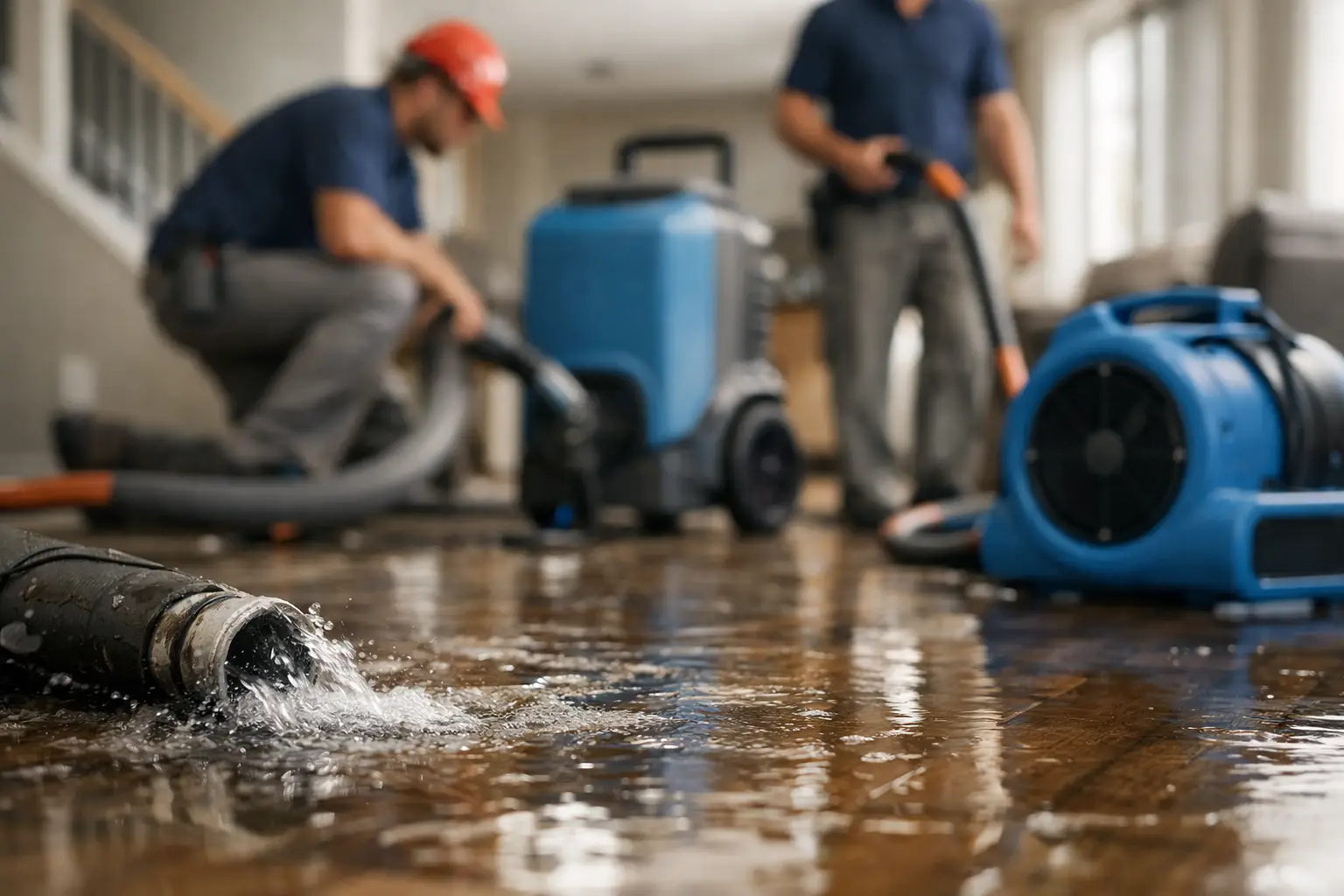
Mold removal services Riverdale often start with a mold inspection, then move into containment, air scrubbing, hepa vacuuming, cleanup, and repairs based on what is actually found. In Riverdale, especially near Clayton’s airport corridor and older subdivisions, the real cost question is scope, access, and whether insurance will treat the loss as sudden and covered.
IICRC-Certified · 5-Star Rated · 60-Minute Response · Insurance Billed Directly
I do, through Elevated Operations, LLLP. I am Chris Kwangwari, a licensed general contractor, and my team works from Mableton across Clayton County and the rest of metro Atlanta.
Yes. I offer direct insurance billing, which keeps the restoration and the claim on the same track instead of making you manage every step yourself.
Then I can handle the mold damage repair side as well. That matters when cleanup, source correction, and reconstruction need to happen in one coordinated plan.
Yes, I back completed restoration work with a 12-month warranty. If I fix it, I stand behind it.
Mold removal services in Riverdale usually cost more when the job needs containment, air scrubbing, and mold damage repair, not just surface cleanup. I price by scope, access, and moisture conditions, because a small visible patch can hide a wider problem in older homes near the airport corridor.
Riverdale homes vary a lot. Some older subdivisions have tight attic access, older duct routes, or bathrooms that have leaked for years. That changes labor, setup, and what has to be removed, cleaned, or protected before any mold cleanup starts.
I look at whether the work is isolated or spread across materials. Mold remediation becomes more involved when drywall, insulation, trim, or framing are affected. If the source is still active, cost rises because the fix is not just cleaning, it is stopping moisture and then verifying the area is dry.
And insurance questions matter early. If the loss started from a covered water event, the claim can help with mitigation and repairs. If the issue built up slowly, the carrier may treat it differently. I handle direct insurance billing, which keeps the paperwork cleaner for Riverdale property owners.
Mold removal services usually include a mold inspection, containment, HEPA vacuuming, air scrubbing, removal of affected material when needed, and follow-up cleaning. In Riverdale, I also look closely at the water source, because airport-area humidity and older home construction can hide recurring moisture problems.
The job starts with what I can confirm, not assumptions. A mold inspection looks for visible growth, moisture patterns, and the areas most likely to spread contamination. Containment keeps the work zone separated so disturbed material does not move through the rest of the house.
Then comes the cleanup itself. HEPA vacuuming removes settled debris from surfaces, while air scrubbing helps manage airborne particles during the work. In some homes, especially older ones with repeated leaks, mold abatement also means removing porous materials that cannot be fully restored.
If materials are salvageable, I clean them with the right process and verify the area is dry enough to stay that way. If damage is more serious, mold damage repair may follow. I am a licensed general contractor, so I can handle the restoration side without handing you off to another crew.
Mold removal services do not solve the source by themselves unless the water problem is found and corrected. In Riverdale, that source is often a roof leak, plumbing leak, crawlspace moisture, or poor ventilation in older subdivisions, so remediation has to include the cause, not only the visible growth.
That is the part people miss. Mold can be cleaned, but if water keeps entering the building, the growth comes back. I look for active leaks, past staining, warped materials, and damp cavities because those tell me whether the issue is truly contained or still feeding itself.
A proper plan usually combines mold remediation with source repair. That may mean plumbing work, roof repair coordination, drainage corrections, or replacing compromised materials. Near Clayton’s airport area, humidity and tight building envelopes can also make indoor moisture control part of the conversation.
I do not call a job finished because a wall looks better. It is finished when the source is addressed, the affected materials are handled correctly, and the area is ready to stay dry. That is how you avoid paying twice for the same problem.
Yes, mold can return after removal if the moisture source stays active or the affected area was only partially cleaned. Riverdale homes in older subdivisions are especially vulnerable when hidden leaks, damp crawlspaces, or poor ventilation are left untreated after the first round of cleanup.
I see this most often when someone gets a quick surface clean and calls it done. The room looks better for a while, then stains reappear. That is usually not a failure of cleaning, it is a failure to remove the source or dry the structure correctly.
The fix is disciplined work. Containment, air scrubbing, and hepa vacuuming help reduce spread during the job, but the long-term answer is moisture control. If framing, drywall, or insulation stayed wet too long, mold cleanup alone will not stop recurrence.
This is where insurance can be tricky. A carrier may cover the direct result of a covered water loss, but repeated growth tied to ongoing maintenance issues is a different story. I document conditions carefully, because clear records help move claims in the right direction.
You may need mold removal services if you smell a musty odor, see discoloration, have had a leak, or notice repeated respiratory irritation in one part of the home. In Riverdale, older subdivisions and homes near the airport corridor often hide moisture behind walls, so symptoms matter.
A visible spot is not the only clue. I pay attention to warped baseboards, bubbling paint, soft drywall, and stains around bathrooms, laundry rooms, and exterior walls. Those signs often point to moisture that has already been around long enough for mold to start.
If the home had a burst pipe, roof leak, or overflow and the area stayed damp, a mold inspection is the smart next step. The EPA notes mold can start in 24 to 48 hours after water exposure, so waiting usually makes the job larger.
People in Riverdale also ask after they clean up a leak themselves and still smell something off. That is usually when I recommend a professional look. Mold damage repair should not begin until the affected materials and the source are both understood.
Insurance often covers mold remediation when it follows a sudden covered water event, but not when the growth comes from long-term neglect or ongoing seepage. In Riverdale, the adjuster usually wants proof of the cause, the date of loss, and the extent of water-related damage.
The policy language matters. Many claims start with the water event, then move into mitigation, cleanup, and some repairs if the damage is tied to that event. Direct insurance billing can help keep the process organized, especially when the job includes containment and restoration in one sequence.
Carriers usually look for documentation, photos, and a clear explanation of what failed. If the damage is from a pipe burst, appliance overflow, or sudden intrusion, that is easier to frame than long-term humidity or repeated leaks. IICRC-certified technicians know how to document the work for the file.
In some homes, the insurer may pay for part of the loss and leave certain repairs to the owner. That is where deductible assistance up to $1,000 can matter, depending on the claim and the work involved. I go over that with clients before the job moves forward.
A small contained cleanup is different from wider mold remediation with material removal, air scrubbing, and mold damage repair. I estimate based on what is actually affected.
If the leak or moisture problem is still active, cost goes up because the job must include source correction before cleanup can hold.
Photos, moisture findings, and a clear loss story help the claim. I use direct insurance billing so the paperwork stays organized.
If the claim is covered, deductible assistance up to $1,000 may help reduce the out-of-pocket burden, depending on the file and scope.
I back restoration work with a 12-month warranty, because cleanup without accountability is not enough.
From emergency mitigation to full reconstruction, handled in-house so you are never managing a chain of subcontractors mid-crisis.
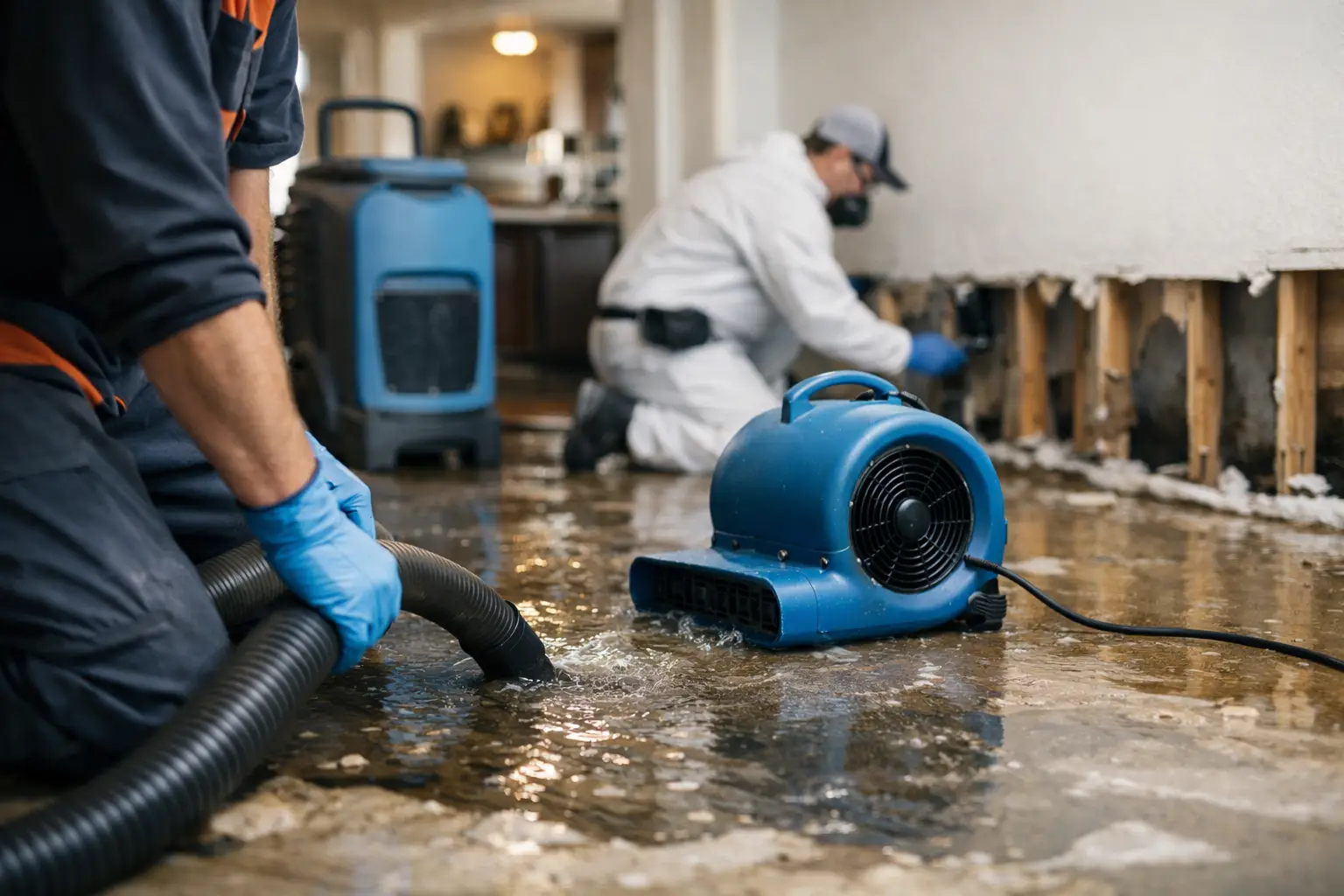 Water Damage
Extraction, structural drying, and moisture mapping after floods, leaks, and burst pipes.
Get help now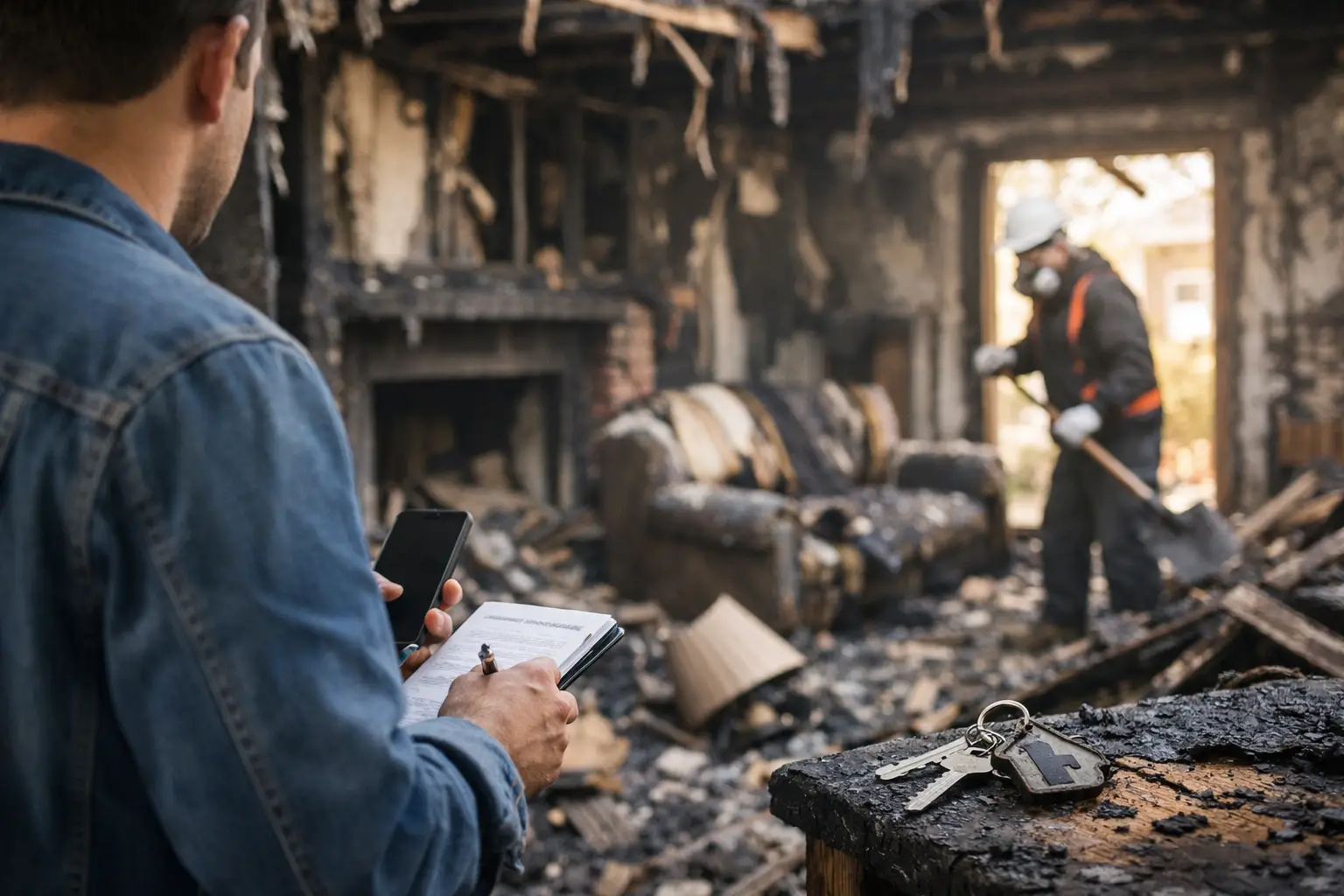 Fire & Smoke
Soot removal, odor deodorization, and content cleaning after fire and smoke damage.
Learn more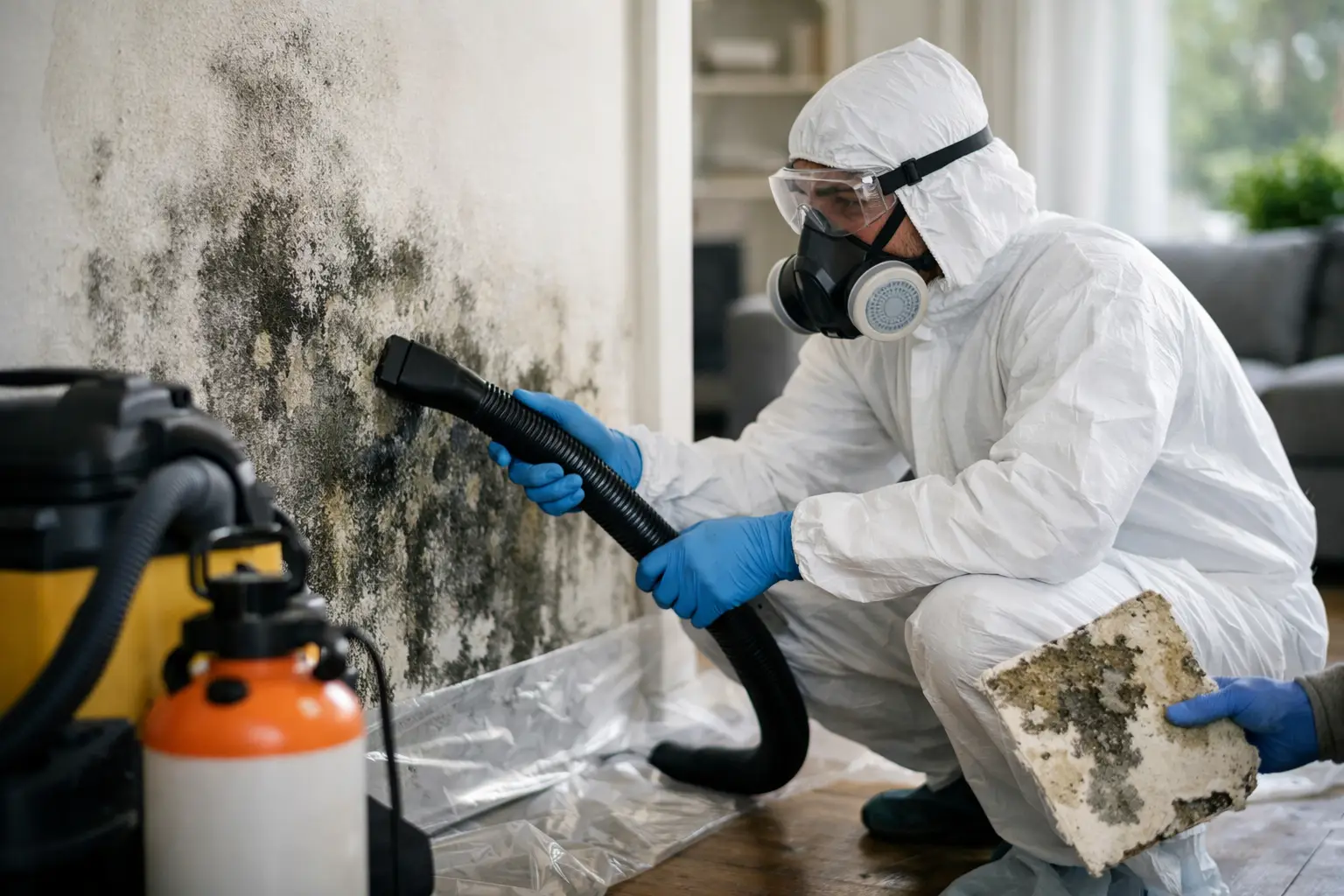 Mold
MoldContainment, removal, and moisture control that stops mold from coming back.
Learn more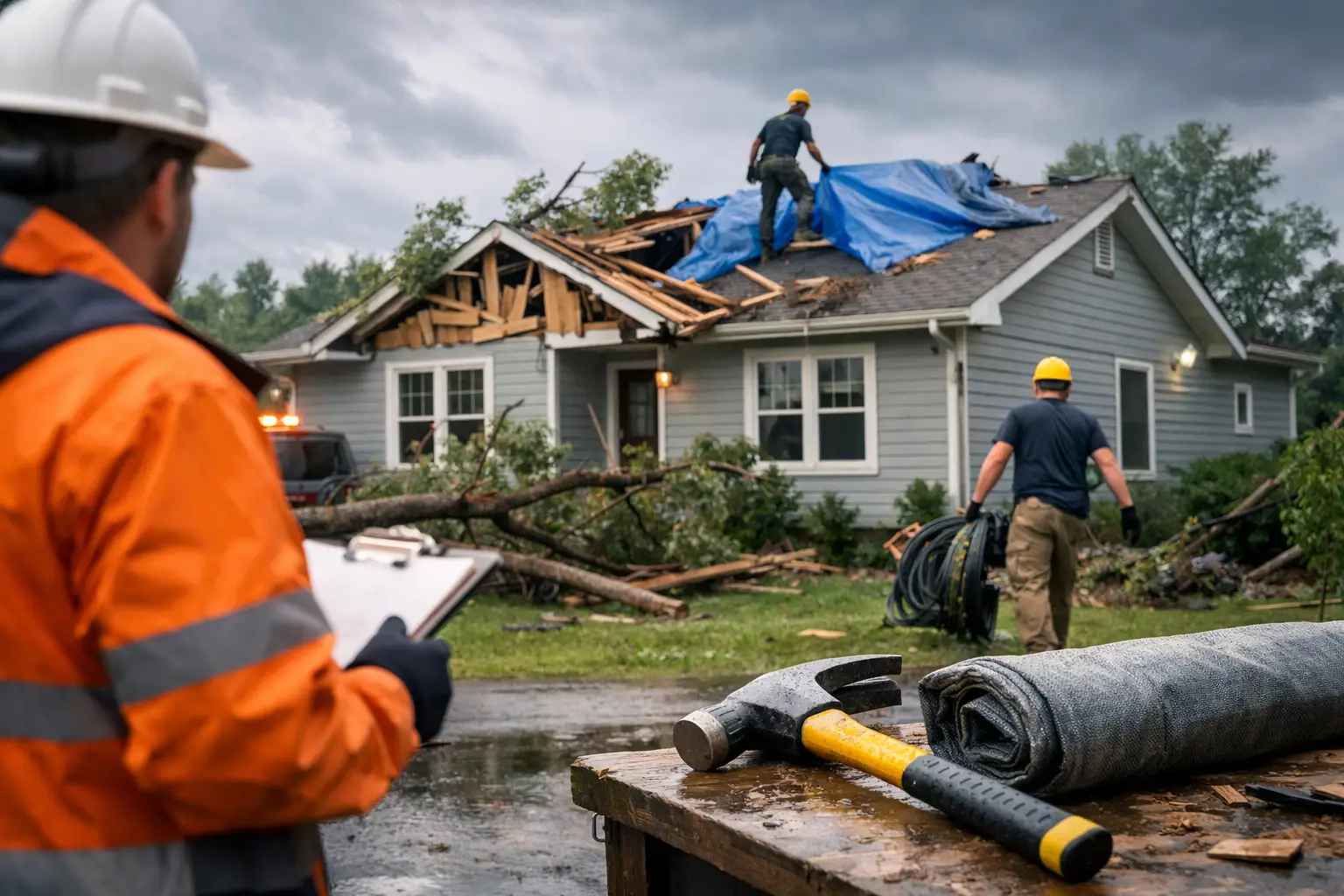 Storm
StormEmergency board-up, roof tarping, and full recovery after wind, hail, and storms.
Learn more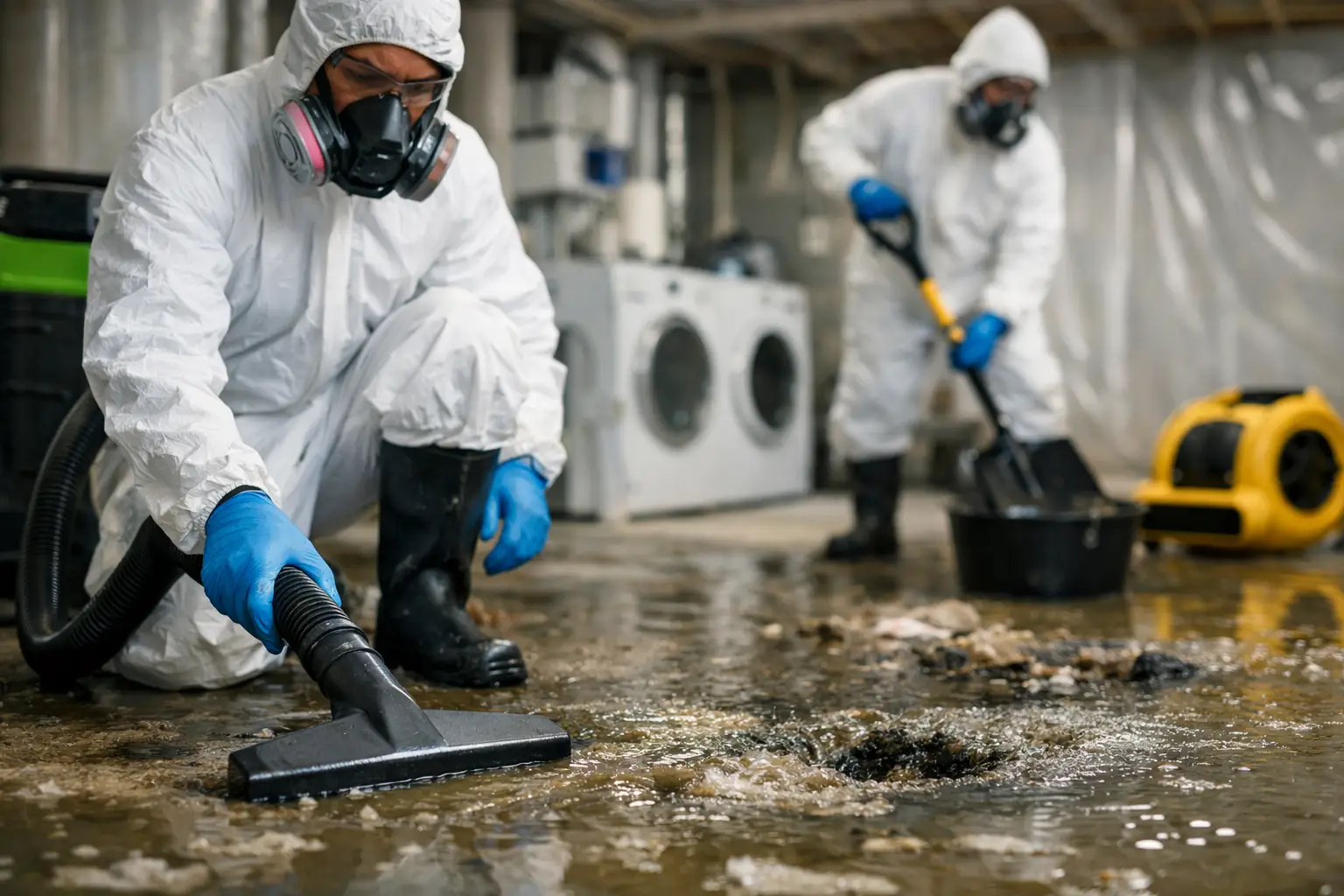 Sewage
Safe biohazard cleanup and sanitizing after sewage backups and overflows.
Learn more Reconstruction
Full rebuild by a licensed general contractor, so your property comes back whole.
Learn moreElevated Operations is an IICRC-certified, licensed general contractor based in Mableton that handles the entire recovery in-house, so after one loss you are never coordinating a cleanup crew, a mold crew, and a contractor separately. One team, one point of contact, from the first pump-out to the final coat of paint.
People call when the property feels like a disaster. They leave reviews because Chris and the crew made it right. These are real, verified Google reviews.
Older subdivisions usually mean older materials, tighter access, and more hidden moisture. That raises labor because I may need containment, air scrubbing, hepa vacuuming, and selective removal of damaged materials. If the source has spread into crawlspaces, walls, or attic areas, the job becomes more involved than a simple surface cleanup.
It can, if the leak or intrusion was sudden and the policy treats it as a covered water loss. Insurers want to know what happened, when it happened, and what was damaged. I document those details and offer direct insurance billing so the claim process stays organized from the start.
Call me first so I can document the damage and explain the scope. Then we can start mitigation while the claim is moving. The carrier usually wants photos, cause details, and proof of affected materials. Direct insurance billing helps keep the restoration moving while the paperwork is being reviewed.
Usually not. Sudden water losses are treated differently than long-term seepage or maintenance issues. That is why I always look for the source and the timeline. In Riverdale homes, especially older ones, the difference between a burst pipe and a slow leak can change coverage significantly.
That is common. If the loss is covered, deductible assistance up to $1,000 may help with the out-of-pocket side, depending on the claim and scope. I talk through that early so you know what the project looks like before work starts, not after.
No. Sometimes the inspection shows only a limited area that needs cleanup, not full abatement. Other times the finding is bigger because moisture spread through multiple materials. I inspect first, then decide whether the right answer is cleanup, remediation, repair, or all three.
You can wipe a small spot, but that does not tell you whether the source is fixed or whether spores were spread. In Riverdale, I often find hidden damage behind what looked like a minor surface issue. If the area has stayed damp, it is better to get a professional look first.
I offer 24/7 emergency response with a 60-minute emergency response target. That matters when a leak just happened and the area needs containment fast. My team is IICRC-certified, and I have been in restoration since 2007, so I know how to keep a mold problem from spreading.
Elevated Operations dispatches IICRC-certified crews across Metro Atlanta from our Mableton base, with a 60-minute emergency response day or night. Choose your city:
Call now for an immediate response, or request your free inspection and get a certified crew on-site within the hour across Atlanta and nearby areas.