24/7 Emergency Restoration · Serving Metro AtlantaEmergency? (770) 404-6895
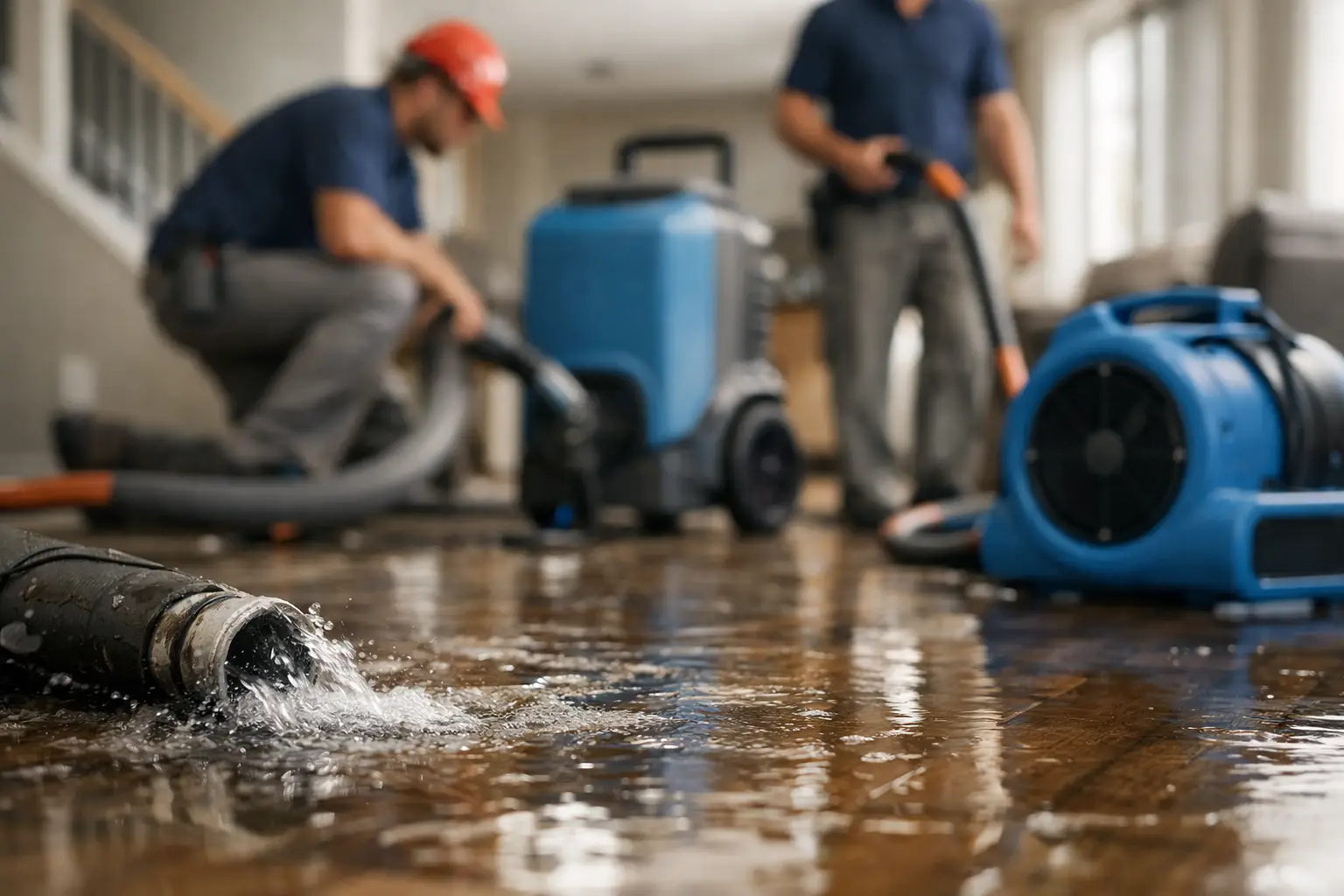
Storm damage restoration Dallas starts with fast stabilization, honest documentation, and a plan that fits your home. I’m Chris Kwangwari, owner of Elevated Operations, LLLP, and we respond 24/7 from Mableton with a 60-minute emergency response. In Dallas, I pay close attention to Pumpkinvine Creek properties, well-water systems, and septic setups.
IICRC-Certified · 5-Star Rated · 60-Minute Response · Insurance Billed Directly
Yes. I offer 24/7 emergency response, and storm damage does not wait for business hours.
No. If the roof is open to rain, tarping is smart protection, even when the visible damage seems small.
Yes. I check attics, walls, and other hidden areas because small openings can cause bigger problems fast.
I do. I’m Chris Kwangwari, and I stay involved through documentation, insurance, and repair decisions.
Storm damage restoration in Dallas usually includes emergency stabilization, roof tarping, temporary boarding, debris removal, water cleanup, drying, hail damage repair, wind damage repair, and structural repair when needed. I start by stopping more damage, then I document what happened for insurance and build the repair plan around the home, not a script.
Dallas homes see a mix of wind-driven rain, hail, and fallen limbs, especially where trees, older roofs, and creek-adjacent drainage all meet. Around Pumpkinvine Creek, water can keep moving long after the storm passes, so I look hard at seepage points and hidden wet areas.
In Paulding County, a lot of homes depend on well-water and septic systems, which changes how I handle cleanup after a storm. You do not want contaminated runoff, saturated soil, or electrical issues treated like a simple surface repair, because the problem often sits below the visible damage.
IICRC-certified technicians handle the work, and I stay hands-on through direct insurance billing and documentation. If the storm hit siding, decking, insulation, or framing, I do not guess. I inspect, protect, dry, and then move into structural repair only after I know what is actually compromised.
I fix storm damage to a house by securing the structure first, finding the full extent of the damage, and then repairing the building layer by layer. That means roof protection, water mitigation, drying, and finally repair work that matches the home’s original structure and materials as closely as possible.
First comes safety and containment. If the roof is exposed, I may use roof tarping right away. If windows or doors are open to the weather, temporary boarding can keep rain, animals, and debris from making a bad situation worse before the real repairs begin.
Then I look for the path of damage, not just the impact point. Hail damage repair can involve more than shingles, because hail often bruises roofing, dents soft metal, and pushes water into flashing, vents, and attic areas. Wind damage repair can be just as sneaky, especially when uplift loosens materials without tearing them off completely.
After that, I move into cleanup and rebuild. Debris removal matters because storm waste hides nails, wet insulation, and broken siding. If the structure needs it, I handle structural repair with a licensed general contractor mindset, which matters when the damage reaches framing, sheathing, or other load-bearing parts.
Yes, roof tarping should happen quickly after storm damage if the roof is open, leaking, or missing materials. I treat it as a damage-stopping step, not a cosmetic one. In Dallas, a tarp can be the difference between a contained repair and a much larger water intrusion problem.
Dallas storms can move fast, and one exposed roof section can lead to ceiling stains, soaked insulation, and swollen trim before you have time to think. If the home sits near Pumpkinvine Creek or on a property with heavy runoff, water can press into the building from more than one direction.
I see people wait because the visible hole looks small. That is a mistake. Roof tarping is often the right immediate response when hail damage repair or wind damage repair leaves shingles, underlayment, or flashing compromised. The goal is not perfection, it is protection until the permanent work starts.
If the storm also broke windows or damaged exterior doors, I may pair tarping with temporary boarding so the whole shell is protected. That keeps interior finishes drier, limits additional debris intrusion, and gives the insurer a clearer picture of the original storm loss instead of a second wave of avoidable damage.
Yes, storm damage can lead to water intrusion very quickly, especially when wind lifts shingles, hail breaks sealing points, or gutters overflow into weak spots. In Dallas, I treat any roof, siding, or window breach as an active moisture problem until I prove it is dry and stable.
Water does not need a giant opening. A small lifted shingle, cracked flashing, or split window seal can send moisture into attic spaces, wall cavities, and subfloors. That matters in Paulding County homes where well-water and septic systems already make the site more sensitive to saturation and drainage issues.
Pumpkinvine Creek properties can be especially tricky after heavy rain, because runoff and ground moisture can keep feeding the structure even after the sky clears. I pay close attention to crawlspaces, low trim lines, and places where exterior grade sits close to the home, because those areas are where surprises show up.
My approach is simple, find it early, dry it completely, and do not assume it is minor because the stain looks small. Mold starts in 24 to 48 hours, so if storm damage has already opened the building, the clock starts immediately. IICRC-certified technicians know that timeline matters.
Yes, I handle hail damage repair and wind damage repair as part of full storm damage restoration. I look beyond the obvious marks and check for loosened roofing, dented exterior components, broken seals, and hidden water entry points that often show up after the storm has already moved on.
Hail damage is not always dramatic. Sometimes the shingles look fine from the driveway, but the surface has been bruised and the protective layers are weakened. Wind damage can be even quieter, because the storm may lift materials just enough to break the seal without leaving a clean tear.
Dallas has a lot of homes with mixed roofing ages and add-ons over time, which means matching materials can matter. I do not treat hail damage repair like a one-size job. I inspect the whole roof system, then the exterior envelope, so I can separate real storm loss from older wear and tear.
If the damage reaches plywood, fascia, soffit, or framing, I bring the work into structural repair instead of patching over it. That is where being a licensed general contractor helps. The repair has to hold up in the next storm, not just pass a casual glance after the first one.
Insurance usually starts with documentation, photographs, and a clear loss report, then it moves into scope approval and repairs. I offer direct insurance billing, which keeps the process cleaner for homeowners. I also provide deductible assistance up to $1,000, so the conversation stays practical from the start.
I do not talk around the insurance side. I handle storm damage restoration every day, and I know insurers want evidence, sequence, and a credible repair scope. That means showing what the storm caused, what needs protection now, and what can wait until the adjuster has reviewed the loss.
Dallas homeowners often call after they have already done the right thing, like putting a tarp on the roof or moving furniture out of a wet room. Good. That helps. I then build the file around the actual damage, including debris removal, water intrusion points, and any interior impact that followed the storm.
If the property is near Pumpkinvine Creek or depends on well-water and septic, I note the site conditions carefully because those details can affect cleanup and access. I want the record to be specific enough that the insurer can understand why the repair plan looks the way it does.
Dallas homeowners call me because I respond fast, answer directly, and do the work the right way from stabilization through repair. Elevated Operations, LLLP is based in Mableton, I’ve been in restoration since 2007, and I bring owner oversight to every storm loss I take on.
I am not a call center. I am Chris Kwangwari, and I stay involved. That matters when a storm has damaged a home in Dallas and the owner needs someone who can make the first call, the insurance documentation, and the repair sequence make sense without spinning the situation.
My team is IICRC-certified, we offer 24/7 emergency response with a 60-minute emergency response, and we back completed work with a 12-month warranty. Those are not slogans. They are the structure of how I run storm response in Cobb and the surrounding counties, including Paulding.
People also want straightforward communication. I get that. A storm loss is stressful enough without guessing who is showing up or what the next step is. I keep the process simple, protect the home first, and then move into the repair work only after the damage is properly understood.
If the roof is open, leaking, or missing shingles, yes. Roof tarping helps stop additional water intrusion before the permanent repair starts.
Yes. I provide direct insurance billing and document the storm loss clearly so the claim process stays organized and accurate.
I check siding, windows, attic spaces, and structural areas. Storm damage restoration often includes debris removal, boarding, drying, and structural repair.
Yes, and I pay close attention to runoff, crawlspaces, and drainage issues in those areas because water can keep moving after the storm.
I factor that into the response. Those systems change cleanup, access, and saturation concerns, especially after heavy rain and wind damage.
From emergency mitigation to full reconstruction, handled in-house so you are never managing a chain of subcontractors mid-crisis.
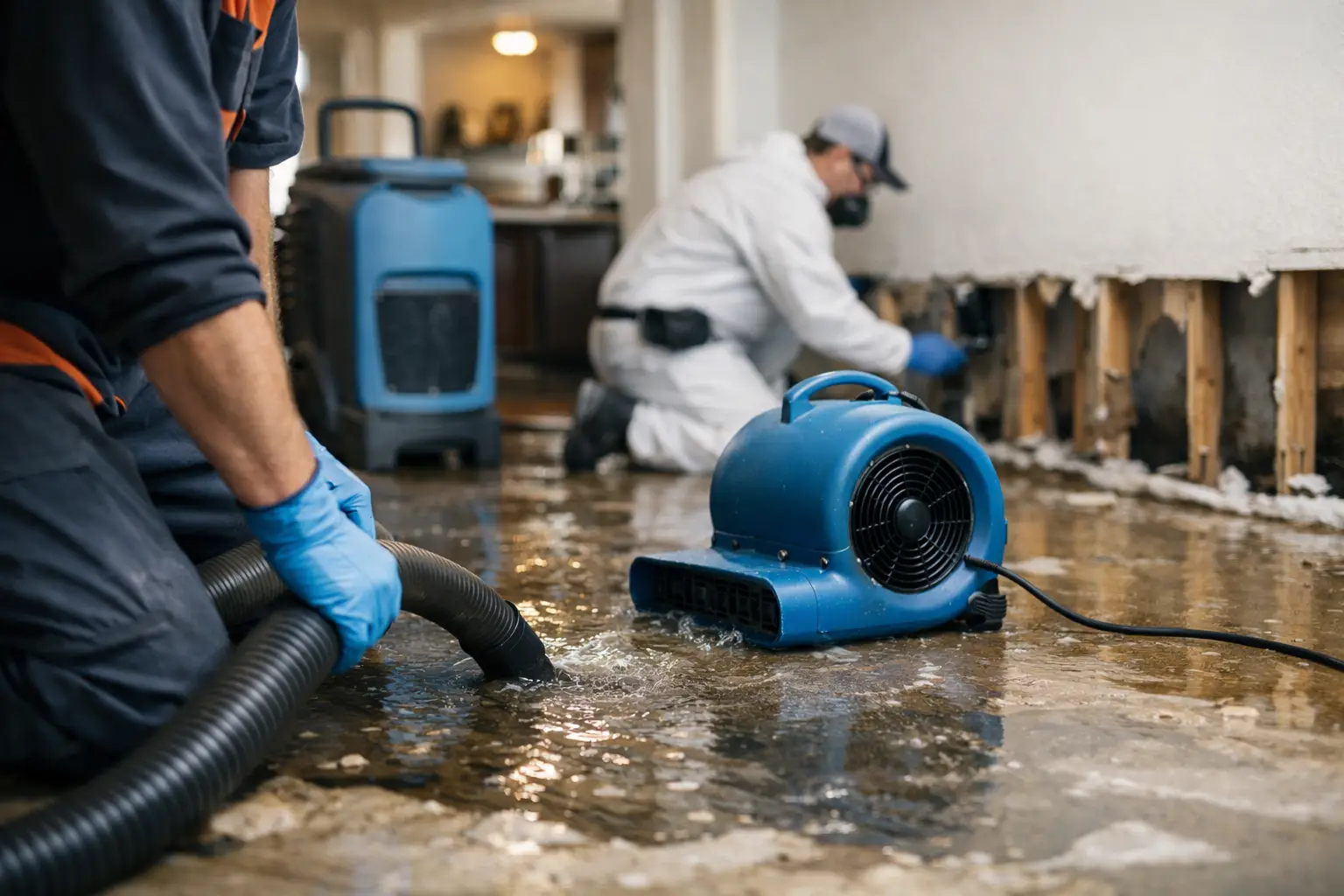 Water Damage
Extraction, structural drying, and moisture mapping after floods, leaks, and burst pipes.
Get help now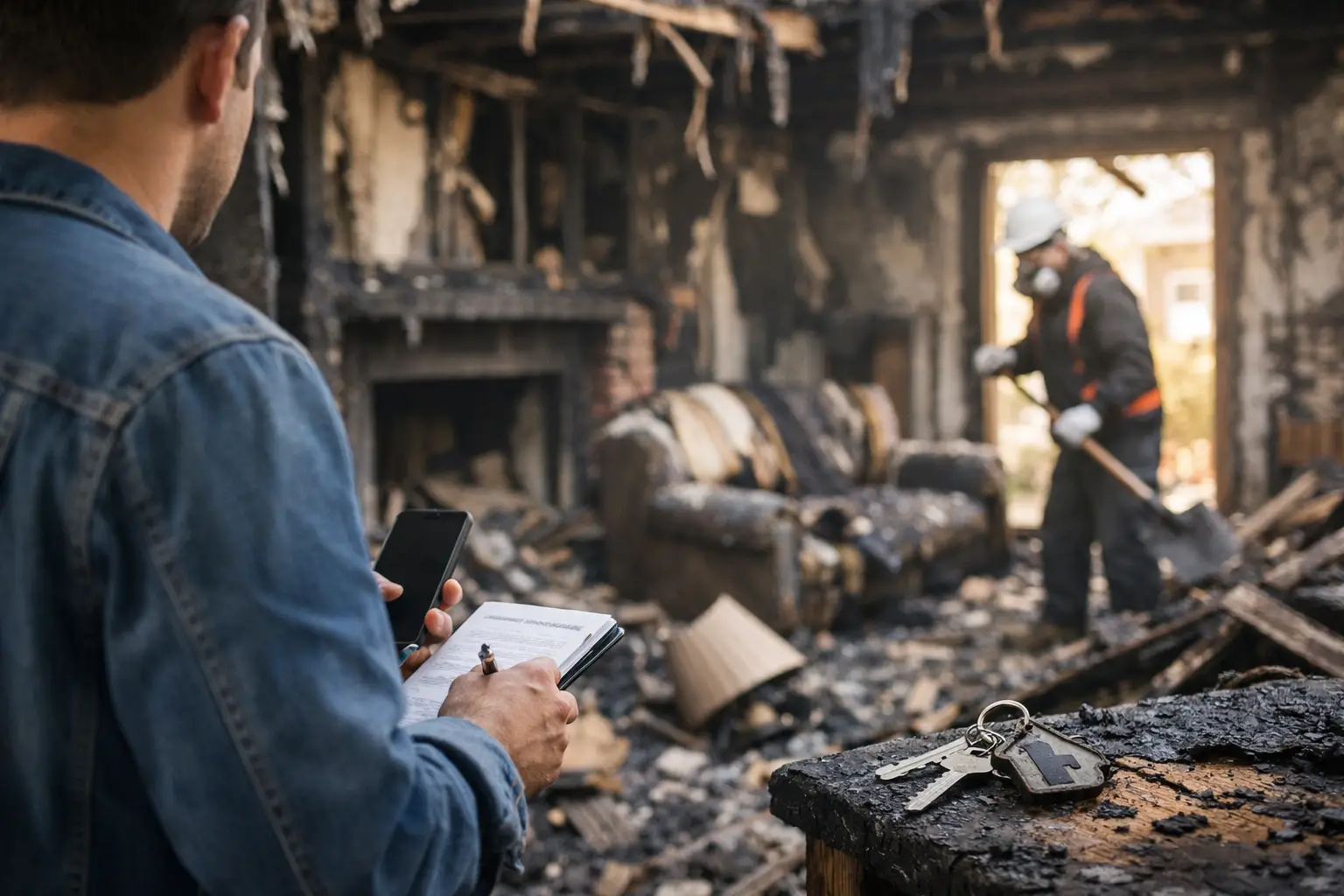 Fire & Smoke
Soot removal, odor deodorization, and content cleaning after fire and smoke damage.
Learn more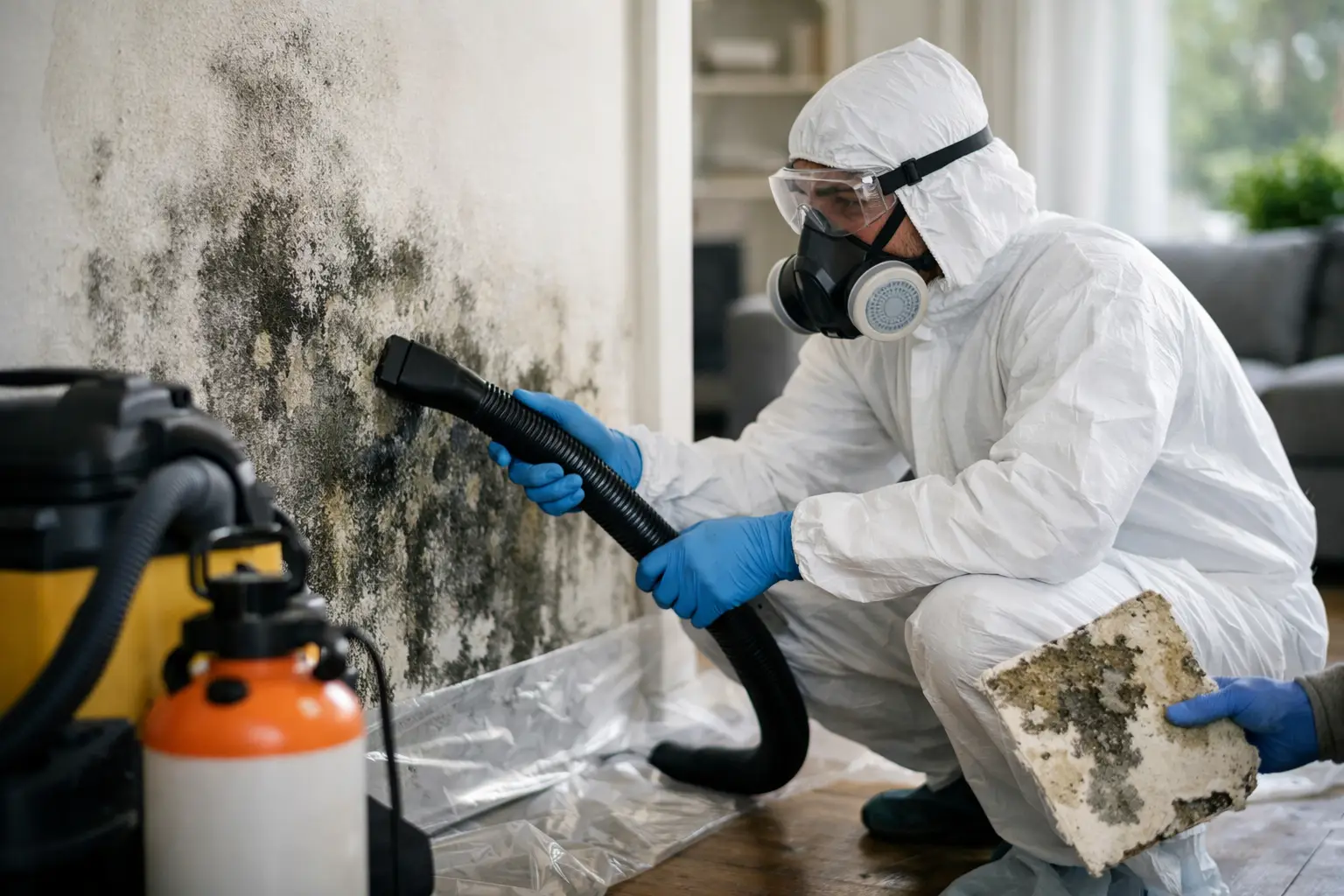 Mold
MoldContainment, removal, and moisture control that stops mold from coming back.
Learn more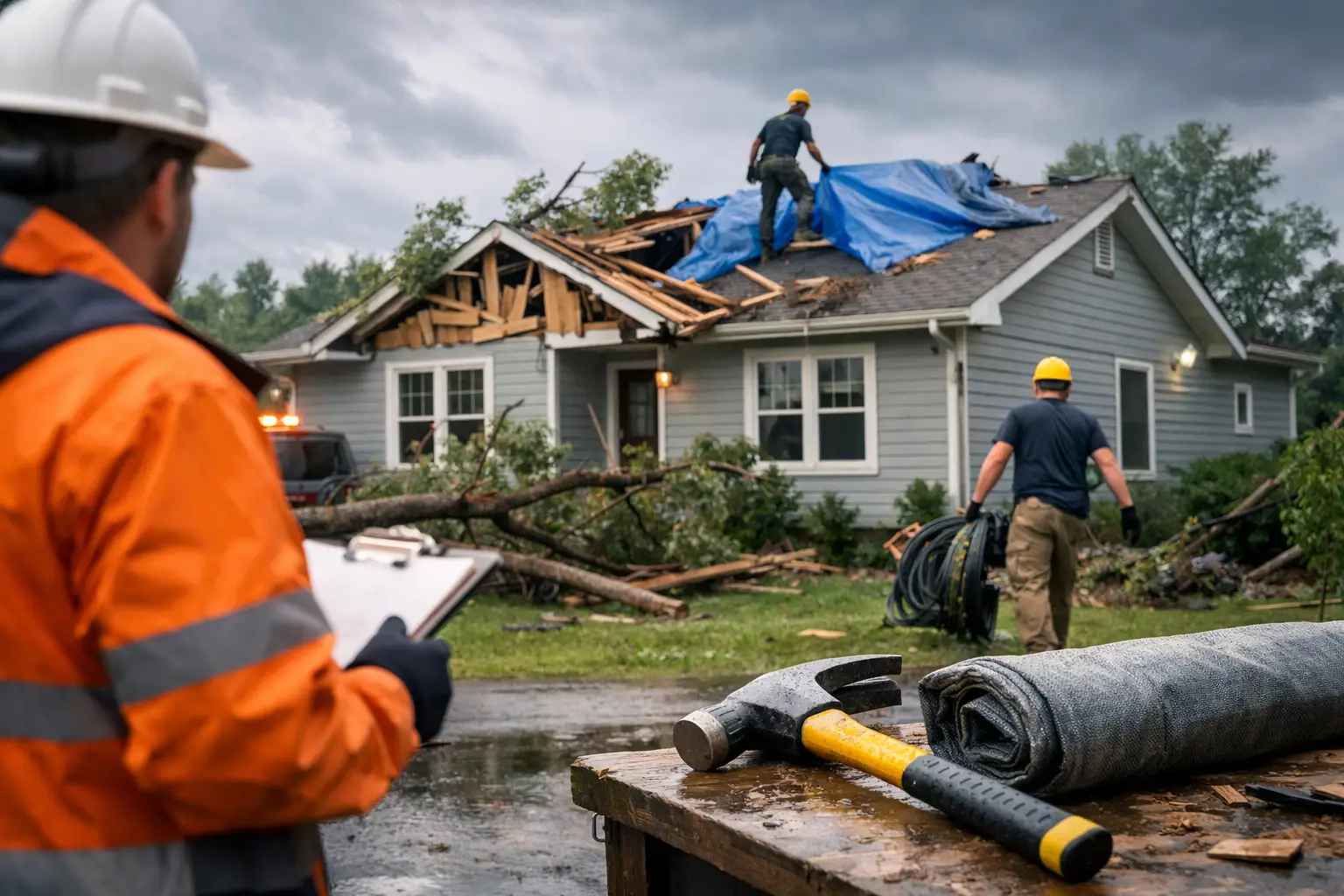 Storm
StormEmergency board-up, roof tarping, and full recovery after wind, hail, and storms.
Learn more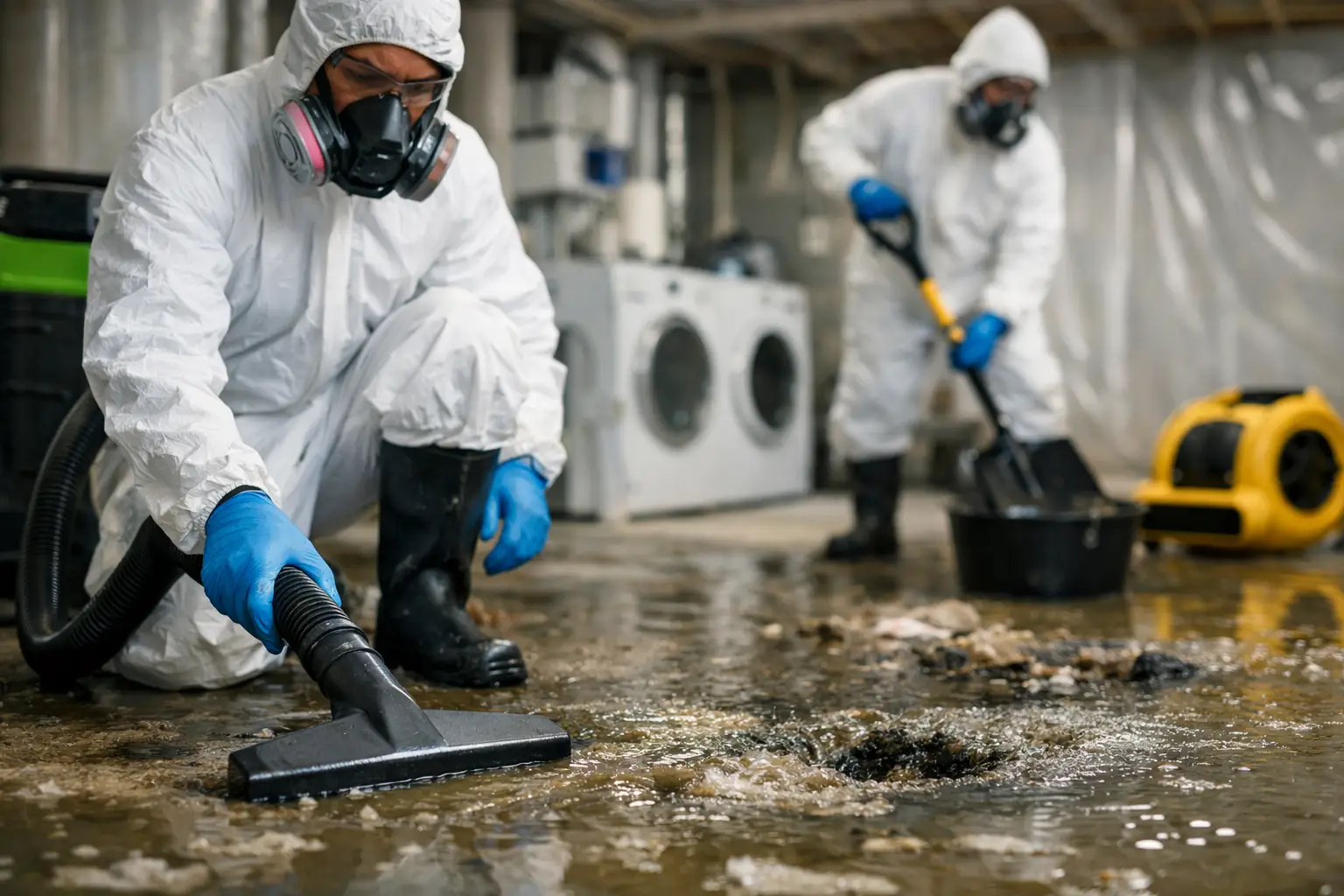 Sewage
Safe biohazard cleanup and sanitizing after sewage backups and overflows.
Learn more Reconstruction
Full rebuild by a licensed general contractor, so your property comes back whole.
Learn moreElevated Operations is an IICRC-certified, licensed general contractor based in Mableton that handles the entire recovery in-house, so after one loss you are never coordinating a cleanup crew, a mold crew, and a contractor separately. One team, one point of contact, from the first pump-out to the final coat of paint.
People call when the property feels like a disaster. They leave reviews because Chris and the crew made it right. These are real, verified Google reviews.
Call as soon as it is safe to do so. The sooner I can inspect, tarp, and document the damage, the less chance there is for water intrusion, hidden wet insulation, or secondary issues. Hail damage repair often looks simple at first, but the roof system can be compromised in ways you cannot see from the ground.
If shingles are lifted, flashing is loose, soffits are damaged, or water shows up in the attic after wind-driven rain, that is more than a quick patch. I look for seal failure, hidden openings, and structural movement. Wind damage repair has to address the system, not just the visible edge.
Yes. Homes near Pumpkinvine Creek can have drainage and moisture challenges after a storm, so I look closely at runoff paths, crawlspaces, and low entry points. That location detail matters because water can continue affecting the structure after the rain stops, especially when the soil stays saturated.
I treat that as important site information, not a side note. In Paulding County, well-water and septic systems can affect access, cleanup, and how storm runoff behaves on the property. I plan the restoration around those conditions so the work does not create a new problem while solving the old one.
Yes. Temporary boarding is part of emergency stabilization when the home is open to weather, debris, or unwanted entry. I use it to protect the interior while the rest of the storm damage restoration is documented and scheduled. It is a practical step, not a substitute for the permanent repair.
I remove storm debris as part of the larger restoration plan, especially when branches, broken siding, wet insulation, or roofing materials are scattered around the home. Debris removal helps reveal hidden damage and keeps the property safer during repair work. It also improves access for drying and inspection.
Storm damage restoration starts with emergency protection, moisture control, and claim documentation. Remodeling starts with a design plan. I work storm losses in the right order, first stop the damage, then dry the structure, then repair what the storm actually broke. That sequence matters in Dallas after heavy weather.
I offer deductible assistance up to $1,000 on qualifying work. I keep that conversation direct because homeowners dealing with storm damage already have enough to manage. The goal is to make the next step clear and keep the focus on proper restoration, not confusion.
Elevated Operations dispatches IICRC-certified crews across Metro Atlanta from our Mableton base, with a 60-minute emergency response day or night. Choose your city:
Call now for an immediate response, or request your free inspection and get a certified crew on-site within the hour across Atlanta and nearby areas.




