24/7 Emergency Restoration · Serving Metro AtlantaEmergency? (770) 404-6895
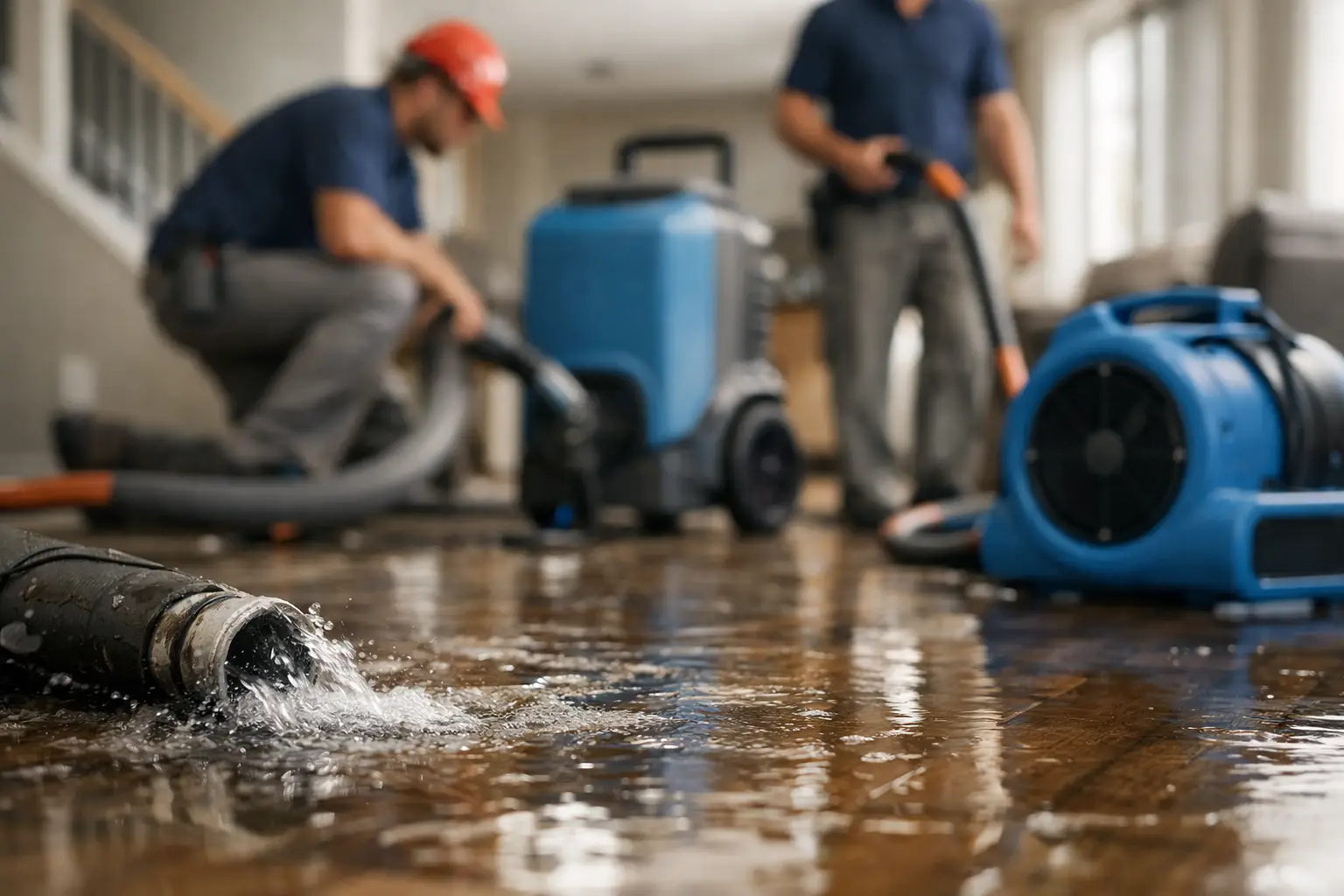
Smoke and soot cleanup Hiram means removing acidic residue, controlling odor, and checking hidden damage after a fire or heavy smoke event. In Hiram, I see it matter most in homes near the Paulding retail corridor and newer subdivisions where HVAC systems, finishes, and contents can spread residue fast.
IICRC-Certified · 5-Star Rated · 60-Minute Response · Insurance Billed Directly
No. Odor is only one part. Real smoke and soot cleanup removes residue, checks hidden spaces, and protects surfaces from long-term damage.
Because ducts can spread residue. In newer subdivisions, the system can carry smoke into rooms that never burned.
Ceilings need the right cleaning method, or the soot can smear and stain deeper. Careful surface cleaning comes first.
Yes. I offer 24/7 emergency response with a 60-minute emergency response. When smoke damage hits, waiting makes the cleanup harder.
Smoke and soot cleanup is the process of removing residue, odor, and hidden contamination after smoke exposure so materials do not keep degrading. It includes surface cleaning, contents cleaning, odor removal, and checks for HVAC contamination and deeper damage before the smell and staining settle in.
Smoke cleanup is not just wiping a wall. Soot is a fine, oily, or dry residue that clings to painted drywall, trim, cabinet faces, and glass. In Hiram homes, especially newer builds around the retail corridor, it can move quickly through open floor plans and vent paths.
I treat smoke and soot cleanup as a sequence. First comes inspection, then containment, then the right cleaning chemistry for the residue type. A light layer on a hallway ceiling needs a different approach than sticky soot in a kitchen or smoke film inside a closet.
And the goal is not cosmetic alone. Smoke damage cleanup matters because residue can keep staining, corroding metal, and holding odor. If the work stops at what you can see, the house may still smell like smoke long after the fire is out.
Smoke damage happens in Hiram because homes and businesses sit close to busy retail traffic, active construction, and everyday electrical and cooking risks. Newer subdivisions can still have smoke movement through HVAC systems, while older components, garages, and attached spaces can spread soot farther than people expect.
Hiram has a mix of newer subdivisions and commercial activity around the Paulding retail corridor. That combination matters. Open layouts, attached garages, and central air systems can move smoke residue from one room to another even when the fire source was small and localized.
I also see smoke cleanup called for after kitchen flare-ups, dryer events, electrical failures, and fireplace problems. The building may look fine from the street, but the film on supply vents, light fixtures, and upper walls tells a different story once you look closely.
But the real problem is how fast residue settles. Soot does not wait. The first hours are critical because the longer it sits on paint, metal, fabric, and electronics, the harder it is to remove without leaving stains or permanent odor behind.
You clean smoke and soot damage by matching the cleaning method to the residue, protecting clean areas, and removing contamination before it spreads. That means inspection, dry soot removal, surface cleaning, targeted deodorization, and sometimes hvac cleaning or contents cleaning when smoke traveled farther than one room.
The first step is identifying the soot type. Dry soot, oily soot, and residue from different fuels do not respond the same way. A technician has to know when to use dry cleaning methods, when to use wet cleaning, and when agitation would only smear the damage across more surfaces.
Next comes controlled cleaning. I use surface cleaning on walls, trim, fixtures, and hard contents after protecting the rest of the property. In a Hiram home near the retail corridor, that often means checking vents, return grilles, and ceiling lines because smoke can ride the airflow.
Then comes detail work. Odor removal is not a single product, it is a process that can include deodorization, filter changes, and air scrubber use during active cleanup. If smoke reached soft contents, we separate salvageable items from items that need more specialized handling.
What removes soot from walls and ceilings is the right combination of dry soot removal, careful surface cleaning, and sometimes repaint prep after residue is fully gone. The wrong approach, like scrubbing too hard too soon, can push soot deeper into paint or leave a shadow that comes back later.
Walls and ceilings are tricky because soot likes texture, corners, and temperature changes. In newer Hiram subdivisions, flat ceilings and bright paint show staining fast, especially in hallways, around supply vents, and above kitchen areas where smoke can rise and spread before it cools.
I start with dry removal where possible, then move to cleaning methods suited for the surface. Some finishes can handle more agitation. Others need a softer touch. That matters on painted drywall, crown molding, recessed lighting, and ceiling fans, where one bad pass can create more work.
And if the soot has already bonded to porous surfaces, cleaning may be only part of the answer. A proper smoke damage cleanup plan also checks for sealing, repainting prep, and odor control so the wall does not look clean but still carry smoke through the room.
Smoke odor can often be removed, but success depends on how long the smoke sat, what burned, and what materials absorbed it. Odor removal usually requires cleaning, deodorization, and attention to hidden areas like ducts, insulation, and contents, not just spraying a scent over the problem.
Odor is stubborn because smoke particles get into fabric, insulation, carpet padding, cabinets, and HVAC pathways. In Hiram homes with central systems, I always think about where air moved, not just where the fire started. The smell can show up in a bedroom far from the burn room.
Deodorization is part science, part sequencing. You clean first, then address the source of the odor, then treat the remaining air and porous materials. Air scrubber use can help during active work, but the real cure is removing the residue that keeps releasing smell.
Some contents need more attention than others. Clothes, paper goods, and soft furnishings may need contents cleaning or separate handling. If a homeowner only masks the odor, the smoke smell often comes back when humidity rises or the HVAC system starts running again.
Smoke cleanup should start as soon as it is safe to enter because soot gets harder to remove the longer it sits. EPA guidance says mold can start in 24 to 48 hours after water is introduced during firefighting, so quick cleanup also helps prevent a second problem.
I tell homeowners not to wait for the smell to fade. It usually gets worse. In Hiram, that can matter even more when a home sits closed up near the retail corridor or in a newer subdivision where windows stay shut and HVAC keeps recirculating air.
Fast response helps with both smoke and water side effects. Firefighting often leaves moisture behind, and that moisture can trigger another cleanup problem if it is not addressed quickly. Drying, dehumidification, and contamination control need to start early.
The practical reason is simple. Soot and moisture work together to stain, corrode, and spread odor. Early smoke and soot cleanup gives me a better shot at saving finishes, electronics, and contents before the damage becomes embedded and harder to correct.
It can stain and corrode finishes, metal, and electronics if it stays in place.
In Hiram homes, HVAC systems can spread residue beyond the fire room if they keep running.
Surface cleaning removes residue, deodorization targets smell, and both are needed for real smoke damage cleanup.
Fabric, insulation, and contents often hold odor longer than hard surfaces do.
The sooner cleanup starts, the better the chance of reducing staining, odor, and secondary water-related damage.
From emergency mitigation to full reconstruction, handled in-house so you are never managing a chain of subcontractors mid-crisis.
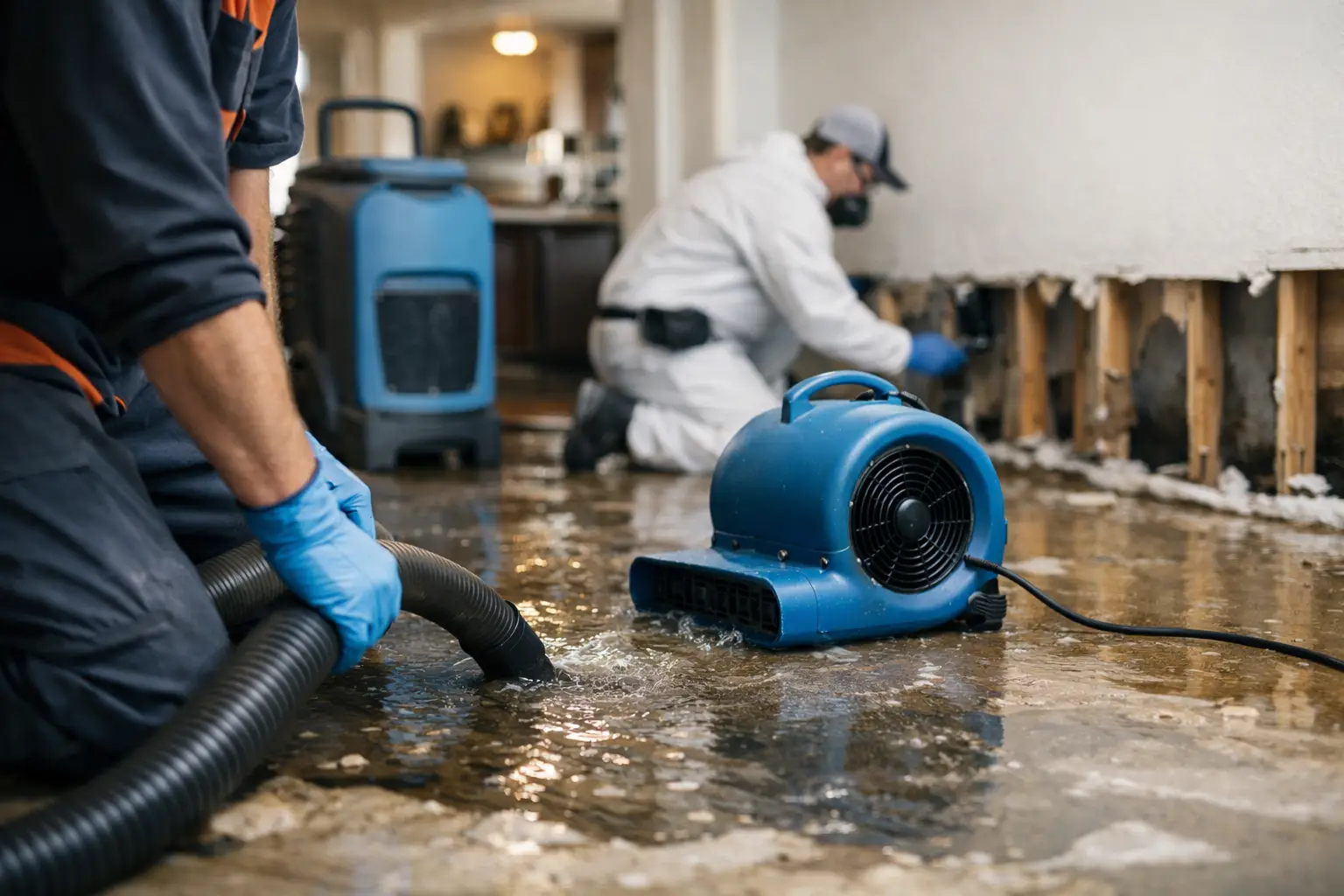 Water Damage
Extraction, structural drying, and moisture mapping after floods, leaks, and burst pipes.
Get help now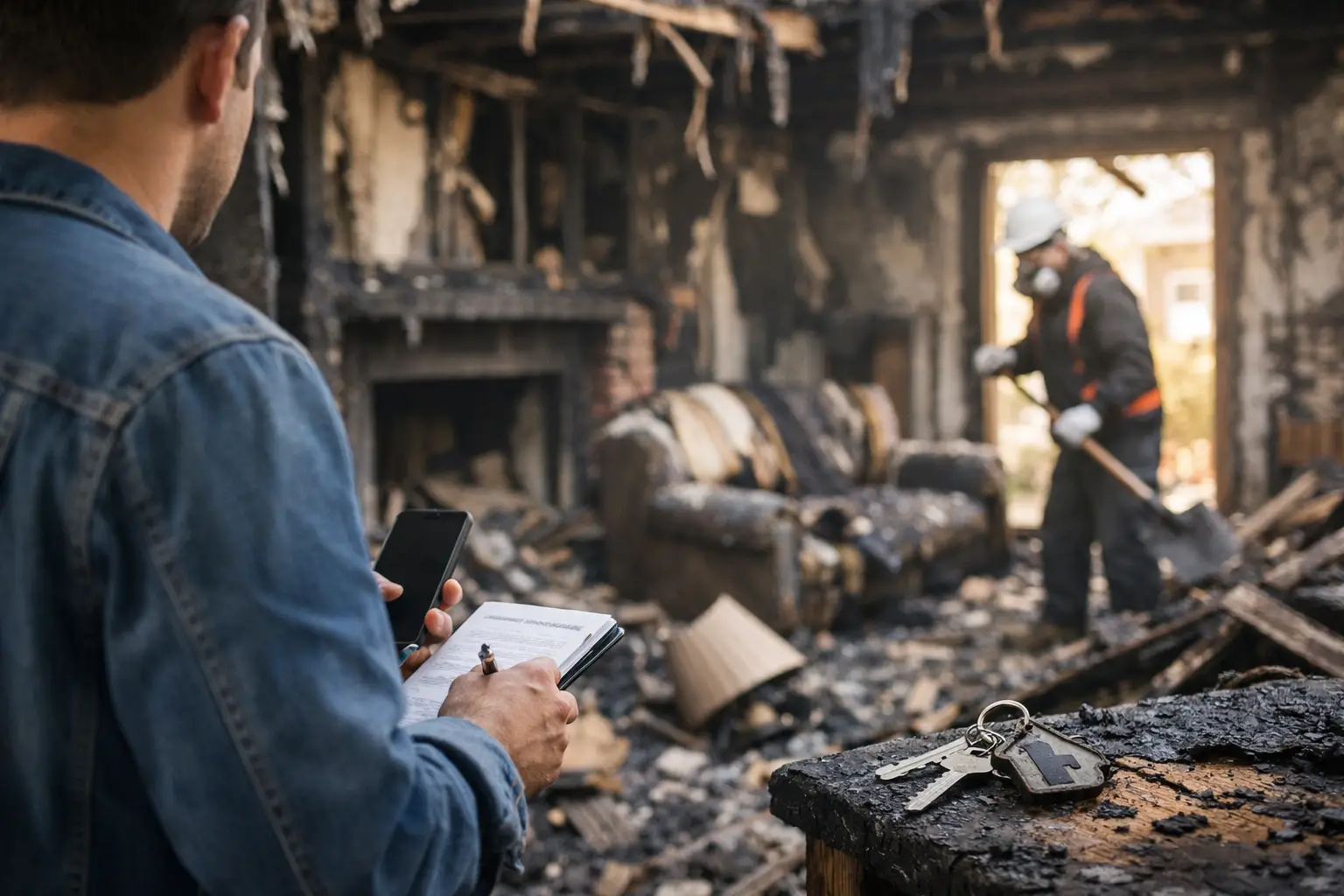 Fire & Smoke
Soot removal, odor deodorization, and content cleaning after fire and smoke damage.
Learn more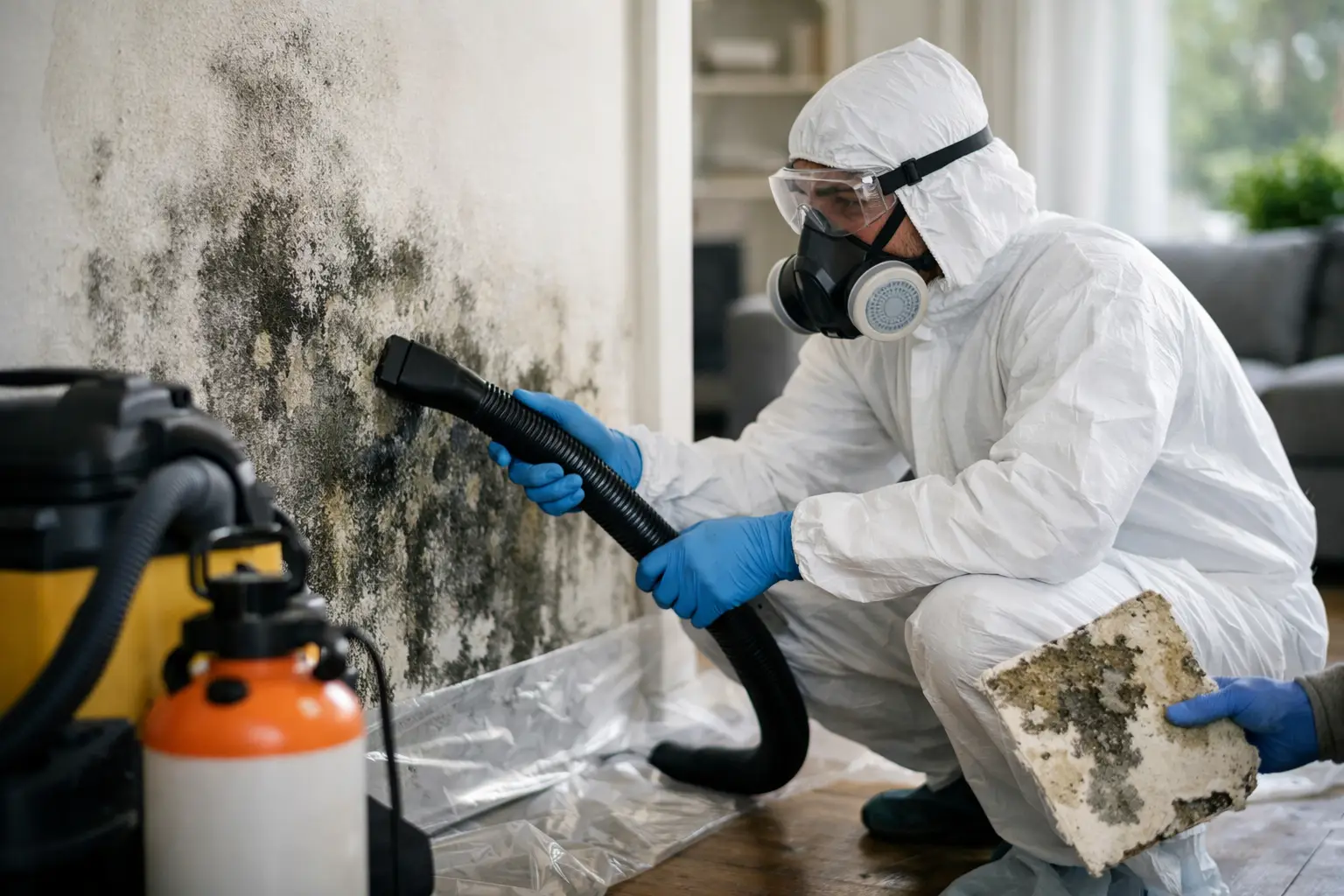 Mold
MoldContainment, removal, and moisture control that stops mold from coming back.
Learn more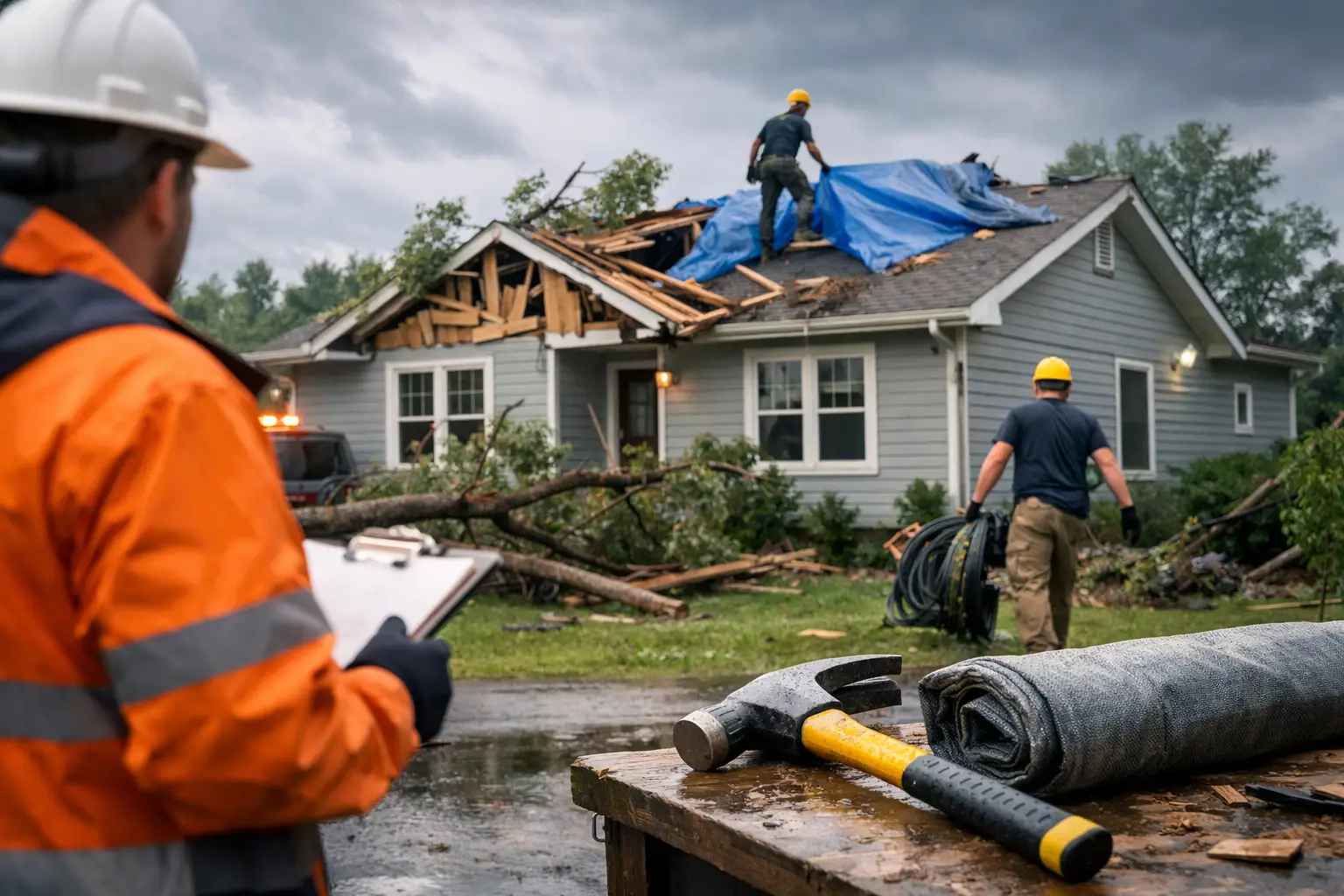 Storm
StormEmergency board-up, roof tarping, and full recovery after wind, hail, and storms.
Learn more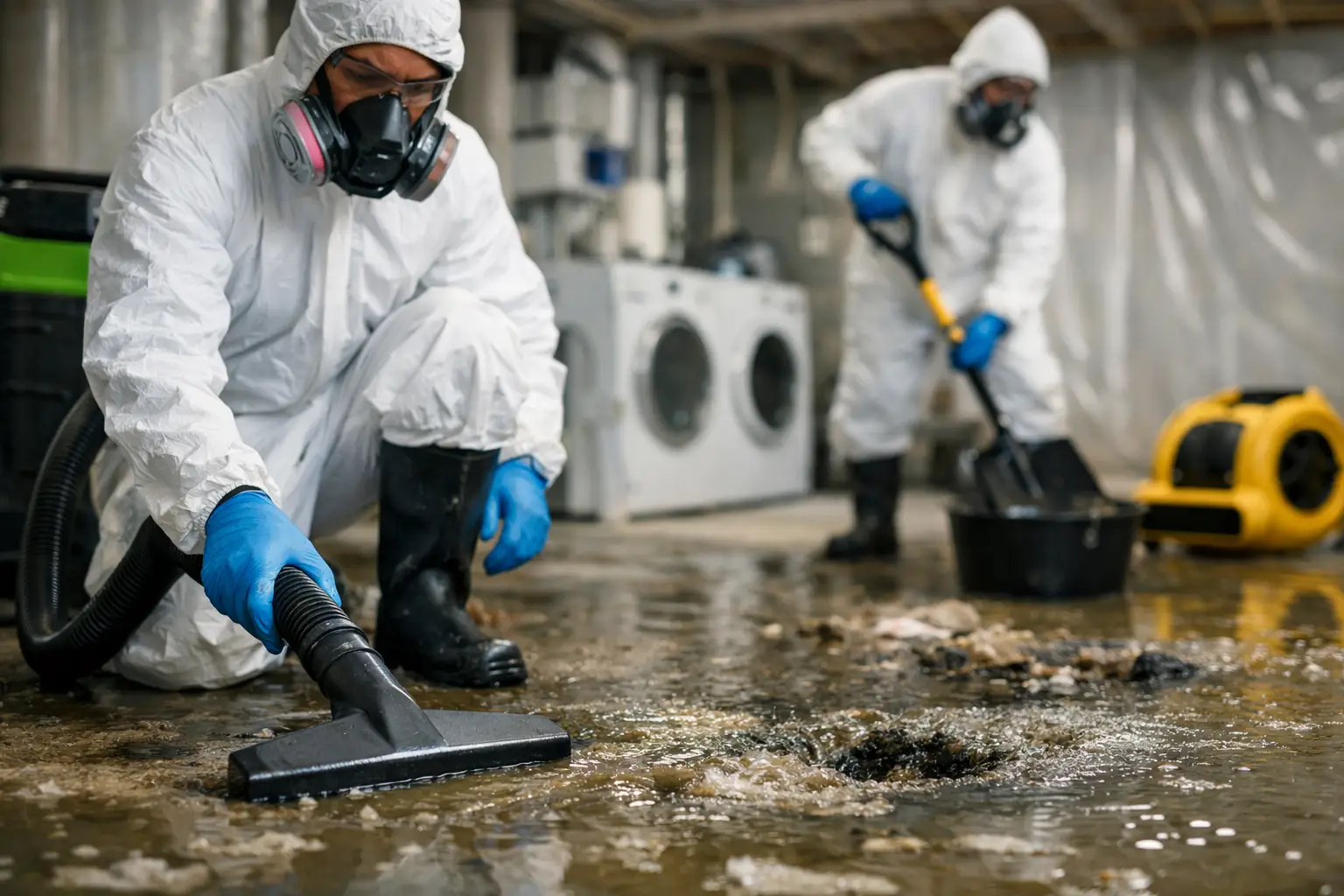 Sewage
Safe biohazard cleanup and sanitizing after sewage backups and overflows.
Learn more Reconstruction
Full rebuild by a licensed general contractor, so your property comes back whole.
Learn moreElevated Operations is an IICRC-certified, licensed general contractor based in Mableton that handles the entire recovery in-house, so after one loss you are never coordinating a cleanup crew, a mold crew, and a contractor separately. One team, one point of contact, from the first pump-out to the final coat of paint.
People call when the property feels like a disaster. They leave reviews because Chris and the crew made it right. These are real, verified Google reviews.
I start by finding the residue type and the path it took through the home, then I clean the affected surfaces, vents, and contents in the right order. In Hiram, open layouts and HVAC systems can move smoke farther than owners expect, so I do not guess. I inspect first, then clean with the right method.
Often, yes, but only if the source residue is removed and the hidden areas are addressed too. Newer subdivisions can still hold odor in cabinets, ducts, and fabrics because the building may be tighter and the HVAC system can recirculate smoke. Deodorization works best after cleaning, not before.
The right dry soot removal and surface cleaning process removes residue without smearing it deeper into paint. I choose the method based on the wall finish, ceiling texture, and soot type. If someone scrubs too hard, the stain can spread or become harder to seal later, so the sequence matters.
As soon as the property is safe to enter. Soot keeps bonding to surfaces, and firefighting water can create a second problem if cleanup waits. EPA guidance says mold can start in 24 to 48 hours after moisture is introduced, so quick action protects both the structure and the contents.
If smoke moved through the air handler, returns, or supply lines, yes, hvac cleaning may be part of the job. In Hiram, I check the system because ducts can keep pushing odor and fine residue into rooms long after the visible soot is gone.
Contents cleaning means evaluating salvageable items like furniture, decor, clothing, and household goods, then cleaning them with methods that fit the material. It helps keep smoke residue from lingering in the home and can reduce the smell that comes back after the structure is cleaned.
Small fires can still leave a lot of residue because smoke travels quickly and settles in hidden places. I have seen minor incidents affect walls, vents, and cabinets in Hiram homes near the retail corridor. The fire may be small, but the cleanup can still be detailed.
Yes. I offer direct insurance billing, and I am a licensed general contractor with IICRC-certified technicians. Elevated Operations, LLLP has been in restoration since 2007, and I back the work with a 12-month warranty. I also provide deductible assistance up to $1,000 when eligible.
Elevated Operations dispatches IICRC-certified crews across Metro Atlanta from our Mableton base, with a 60-minute emergency response day or night. Choose your city:
Call now for an immediate response, or request your free inspection and get a certified crew on-site within the hour across Atlanta and nearby areas.