24/7 Emergency Restoration · Serving Metro AtlantaEmergency? (770) 404-6895
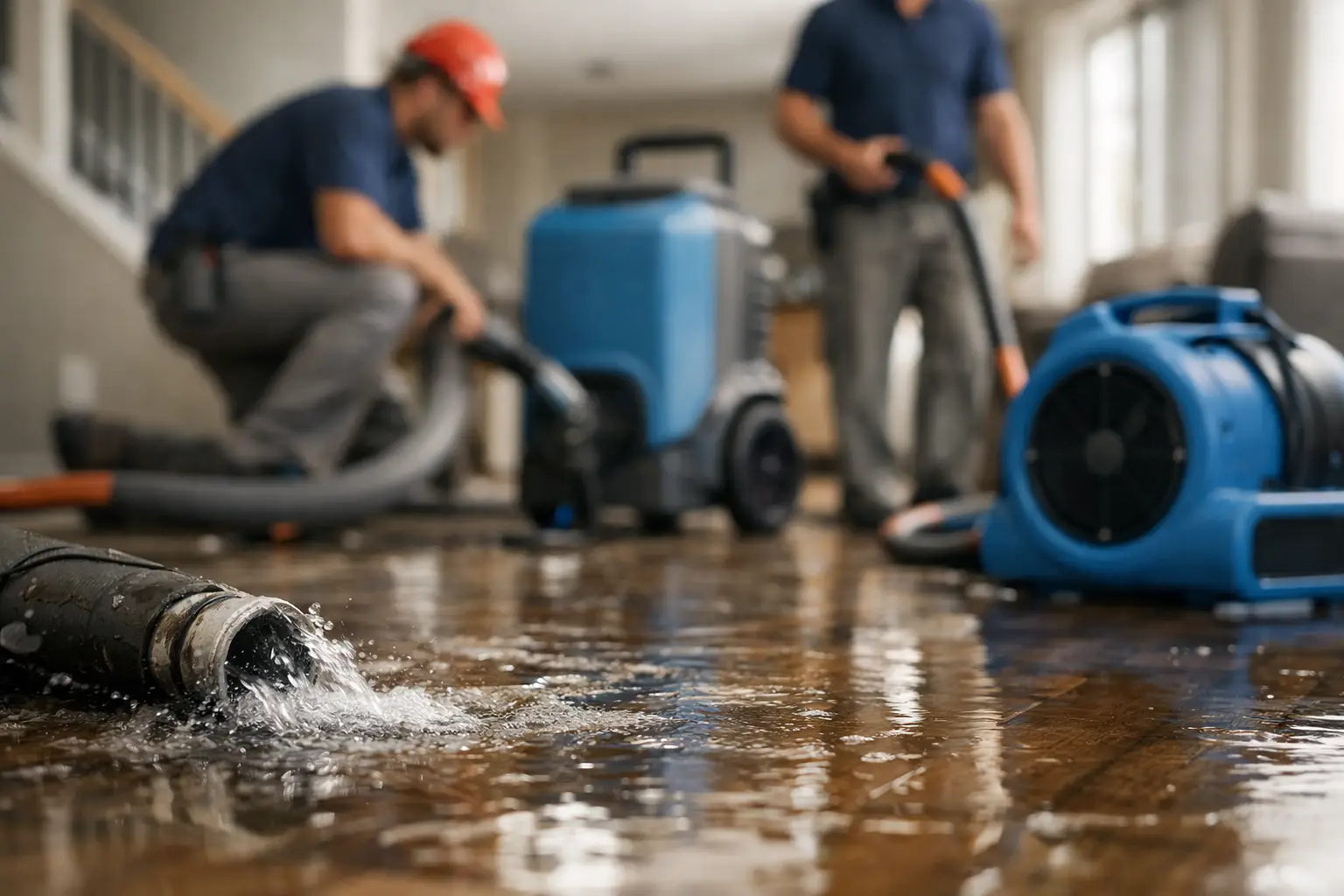
Storm damage restoration Jonesboro usually starts with stopping the active damage, then documenting the loss, then working the claim. I am Chris Kwangwari, and I keep this simple for Jonesboro homeowners who are dealing with roof tarping, debris removal, or water intrusion near the Flint River side of town and the historic heart-pine homes downtown.
IICRC-Certified · 5-Star Rated · 60-Minute Response · Insurance Billed Directly
Yes. Hidden water is often the real cost driver after storm damage, especially in older Jonesboro homes.
Yes. I document the loss, bill insurance directly, and keep the claim tied to the actual repair scope.
I move fast on roof tarping when the house is exposed, because waiting usually costs more later.
Yes. If storm damage reaches framing or other structural areas, I handle that repair path as part of the restoration.
Storm damage restoration pricing in Jonesboro depends on what the storm actually damaged, how far water traveled, and whether the job needs roof tarping, debris removal, wind damage repair, hail damage repair, structural repair, or temporary boarding. I do not guess at cost before I inspect the loss and document the scope.
The first cost driver is whether the damage is still active. If shingles are missing, windows are open, or water is entering a house near Jonesboro's older streets and heart-pine framing, the first move is to stop more loss. That is where roof tarping and temporary boarding matter most.
Second is scope. A small exterior repair and a larger interior loss are not priced the same because the work is different. Structural repair takes more investigation than debris removal, and hail damage repair is different from wind damage repair even when both came from the same storm front.
And the geography matters. Homes closer to the Flint River can see different moisture patterns than a dry interior street, so I look at where the water moved, not just where it landed. That keeps the estimate honest and avoids paying for work that was never needed.
Storm damage restoration in Jonesboro usually includes emergency protection, inspection, documentation, mitigation, and repairs. That can mean roof tarping, debris removal, temporary boarding, water extraction if needed, structural repair, and wind damage repair or hail damage repair after the loss is controlled.
I start with the house, not the paperwork. If the roof is open, the siding is broken, or a tree has punched through a section of the structure, the loss has to be stabilized first. That is practical work, and it keeps a Jonesboro home from taking on more damage overnight.
Then comes the visible and hidden damage. In older Jonesboro homes, especially those with historic character and heart-pine materials, I look carefully at framing, sheathing, and finishes. Water can track far from the entry point, so the repair plan has to follow the damage path, not a guess.
After that, the repair phase starts. Some jobs are mostly exterior. Some need structural repair inside the wall cavity or around openings. IICRC-certified technicians handle the restoration side, and I manage the contractor side through Elevated Operations, LLLP as a licensed general contractor.
Yes, roof tarping should happen quickly after storm damage when the roof is exposed. It is one of the fastest ways to limit water intrusion, protect interior finishes, and reduce the chance that a straightforward repair turns into a larger structural repair job.
If the roof is compromised, waiting is expensive in the wrong way. Water does not sit still. It keeps moving into insulation, drywall, framing, and ceilings, and homes near the Flint River or in older Jonesboro neighborhoods can show that moisture in places far from the original leak.
Roof tarping is not the final repair. It is a protection step. I use it to hold the line while the claim is documented and the permanent repair is planned. That is also where temporary boarding matters on broken windows or damaged openings.
And if there is debris on the roof or around the property, debris removal comes before a clean repair. A tarp over loose material is not a good fix. I want the surface stabilized first, then covered correctly, then repaired with the actual storm damage in mind.
Yes, storm damage can absolutely lead to water intrusion, and that is one of the biggest cost issues I see in Jonesboro. Once water gets in, restoration costs rise because you are no longer dealing only with the storm entry point, but also with soaked materials and hidden damage.
Water intrusion changes everything. A roof opening, broken siding, or damaged window may look small from the street, but once rain gets inside, the scope can spread quickly. I have seen that pattern in older homes where the structure has real character and heart-pine elements that deserve careful handling.
Near the Flint River, moisture is already part of the environment, so storm water intrusion can linger if it is not addressed fast. That is why emergency response matters. My team is available 24/7, and we offer a 60-minute emergency response for active loss situations.
The cost side of water intrusion is simple to explain and hard to ignore. The longer the materials stay wet, the more likely you need structural repair, interior drying, and replacement of damaged finishes. Quick action is the cheapest action when the house is still open to weather.
Insurance usually covers sudden storm damage that is part of the covered loss, along with reasonable mitigation to prevent more damage. That often includes emergency protection, approved repairs, and sometimes temporary measures when they are necessary to limit the claim from getting worse.
The claim starts with cause and damage. If a storm caused the roof loss, broken openings, or wind damage repair needs, the insurer looks at what was damaged and whether the damage matches the event. I document that part carefully so the file is clear and complete.
Insurance does not pay for everything in every case, and I do not promise that it will. Policies vary. But when the loss is covered, direct insurance billing helps keep the process cleaner, because the claim and the restoration work stay connected instead of getting scattered across separate bills.
For Jonesboro homeowners, that matters after a heavy storm because timing is part of the claim. Debris removal, roof tarping, and temporary boarding are often the kinds of mitigation the insurer expects to see done right away, not after the damage has had more time to spread.
Deductibles are the homeowner's share of the covered claim, and the insurer handles the rest according to the policy. I offer deductible assistance up to $1,000, and I help keep the claim moving with documentation, direct insurance billing, and a restoration scope that matches the actual damage.
The claim process should be organized, not dramatic. First I inspect and document. Then I protect the home, which may mean roof tarping or temporary boarding. After that, the insurer gets the scope, photos, and repair path so the claim can be reviewed against the actual storm damage.
Deductibles can confuse people because they are often talked about loosely. I keep it straightforward: the deductible is part of the homeowner's responsibility under the policy. My job is to make sure the claim is documented correctly and the repair plan is based on what truly needs to be restored.
And if the damage is on an older Jonesboro house with historic materials, the repair plan has to respect that structure. Heart-pine homes can require a more careful approach than a newer build, and the claim should reflect that reality instead of forcing a one-size-fits-all repair path.
Photos, roof conditions, broken openings, and interior water paths help explain the claim and support the restoration scope.
Roof tarping, temporary boarding, and debris removal can reduce extra damage and help keep the claim from growing.
I bill insurance directly, which keeps the process cleaner and reduces back-and-forth between the homeowner and the carrier.
The deductible is the homeowner share under the policy. I offer deductible assistance up to $1,000 when eligible.
Wind damage repair, hail damage repair, structural repair, and water intrusion work should follow the evidence, not a guess.
From emergency mitigation to full reconstruction, handled in-house so you are never managing a chain of subcontractors mid-crisis.
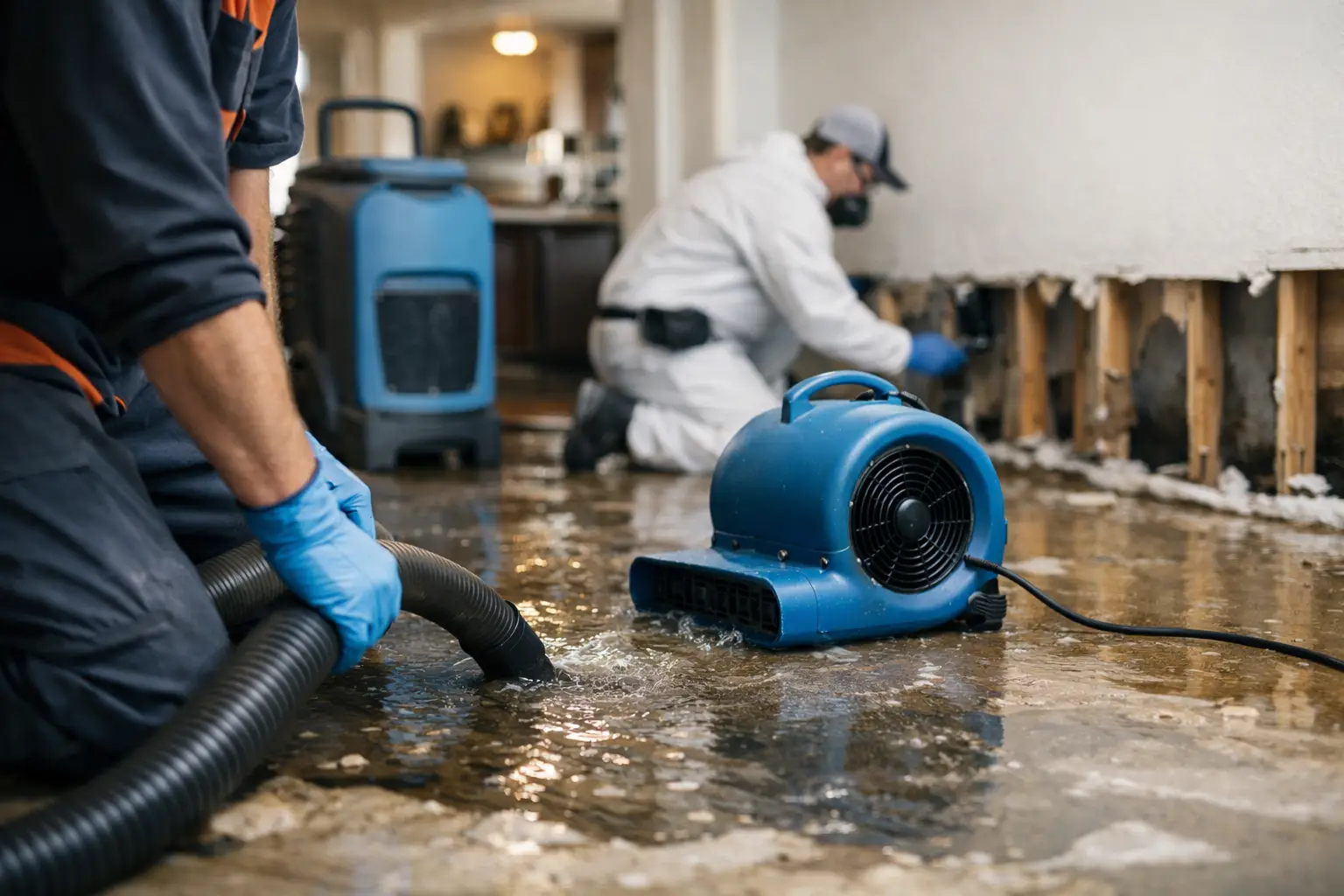 Water Damage
Extraction, structural drying, and moisture mapping after floods, leaks, and burst pipes.
Get help now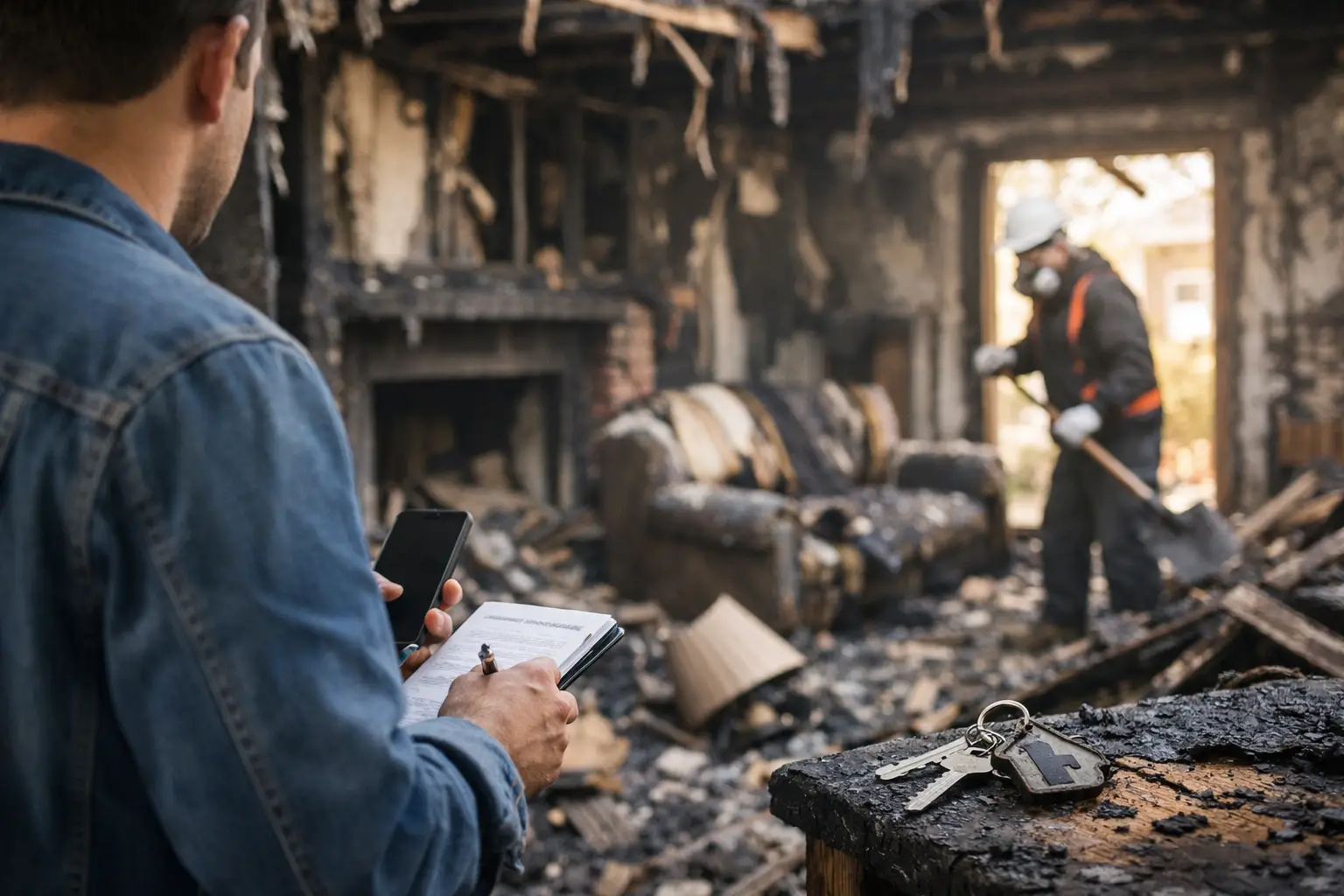 Fire & Smoke
Soot removal, odor deodorization, and content cleaning after fire and smoke damage.
Learn more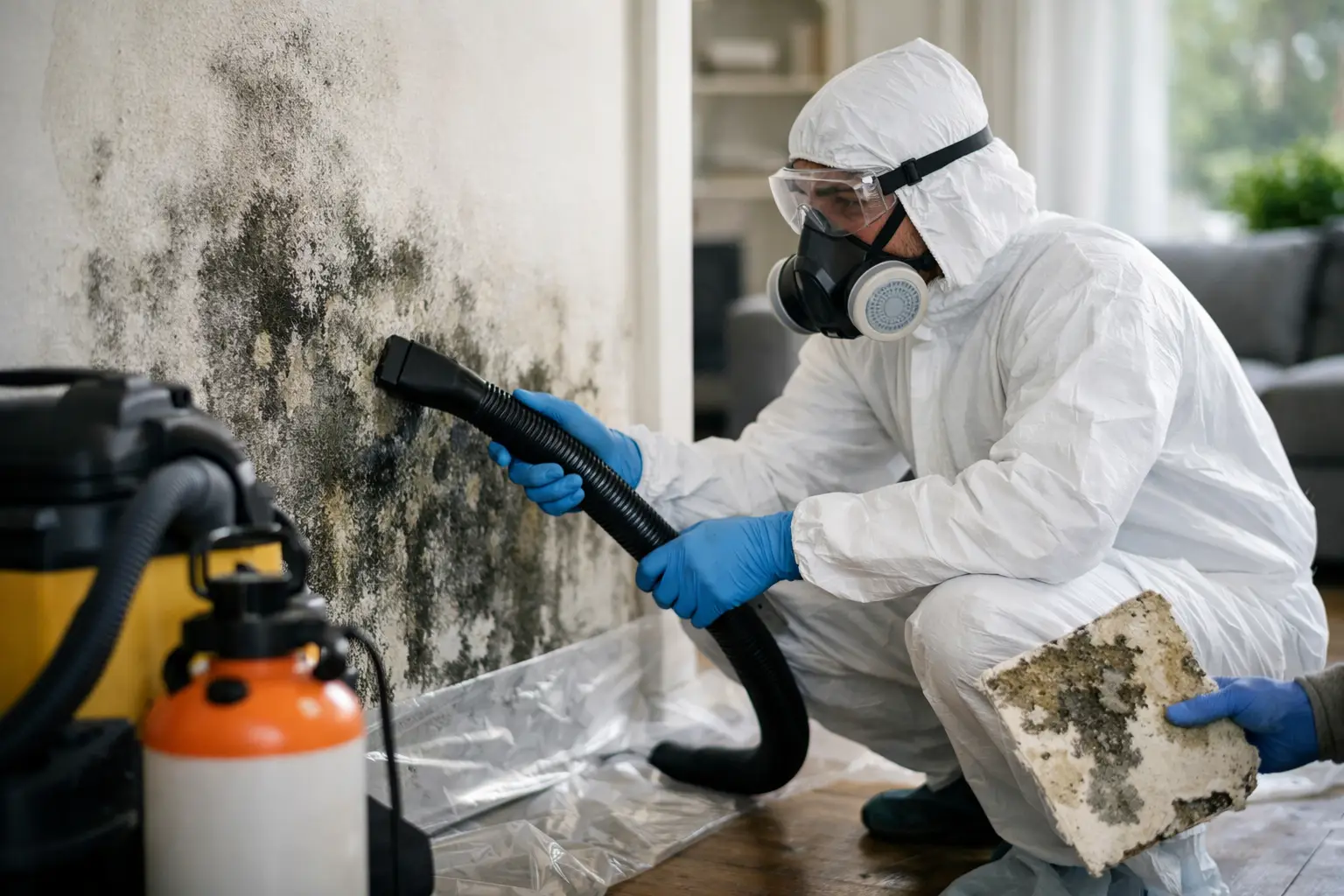 Mold
MoldContainment, removal, and moisture control that stops mold from coming back.
Learn more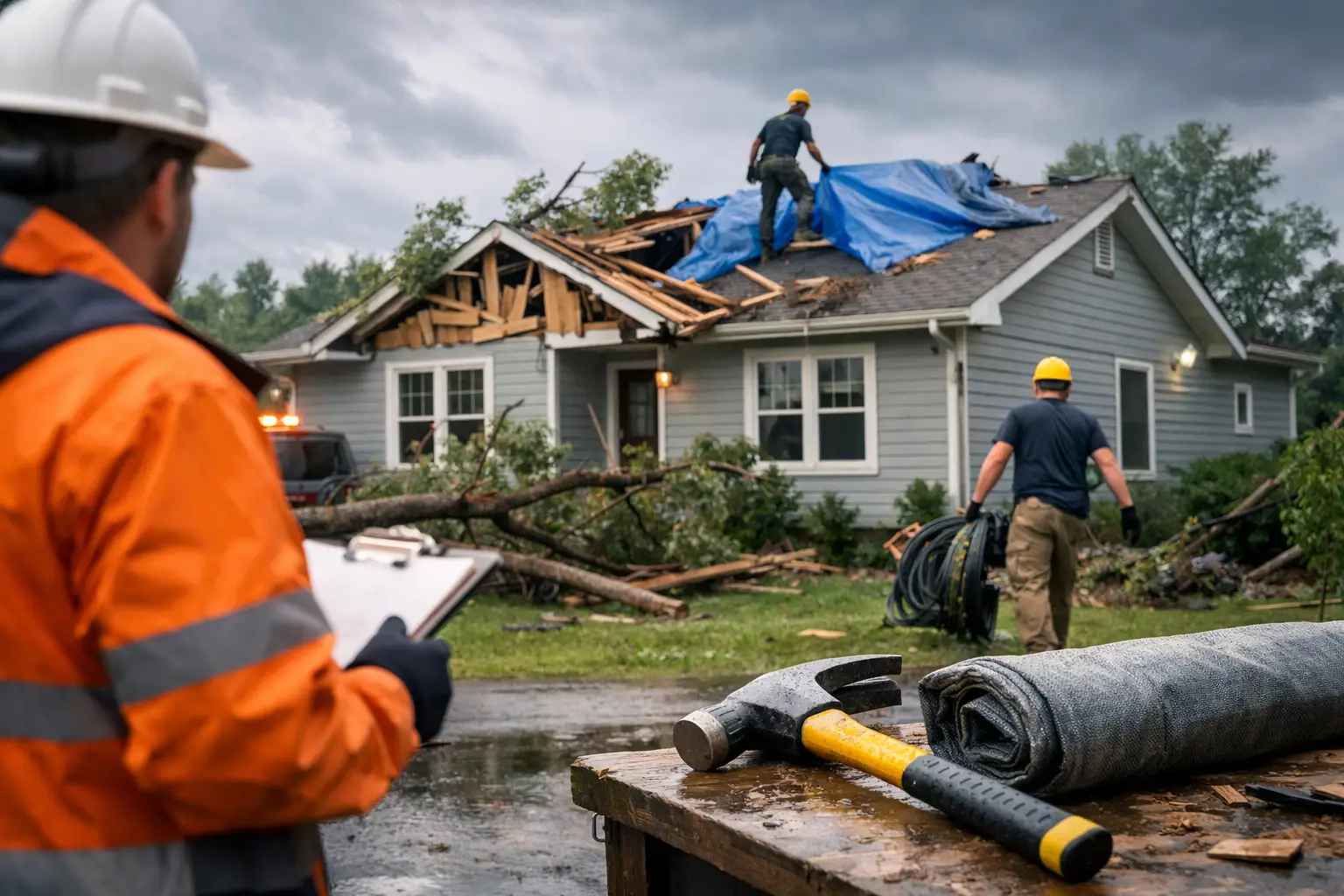 Storm
StormEmergency board-up, roof tarping, and full recovery after wind, hail, and storms.
Learn more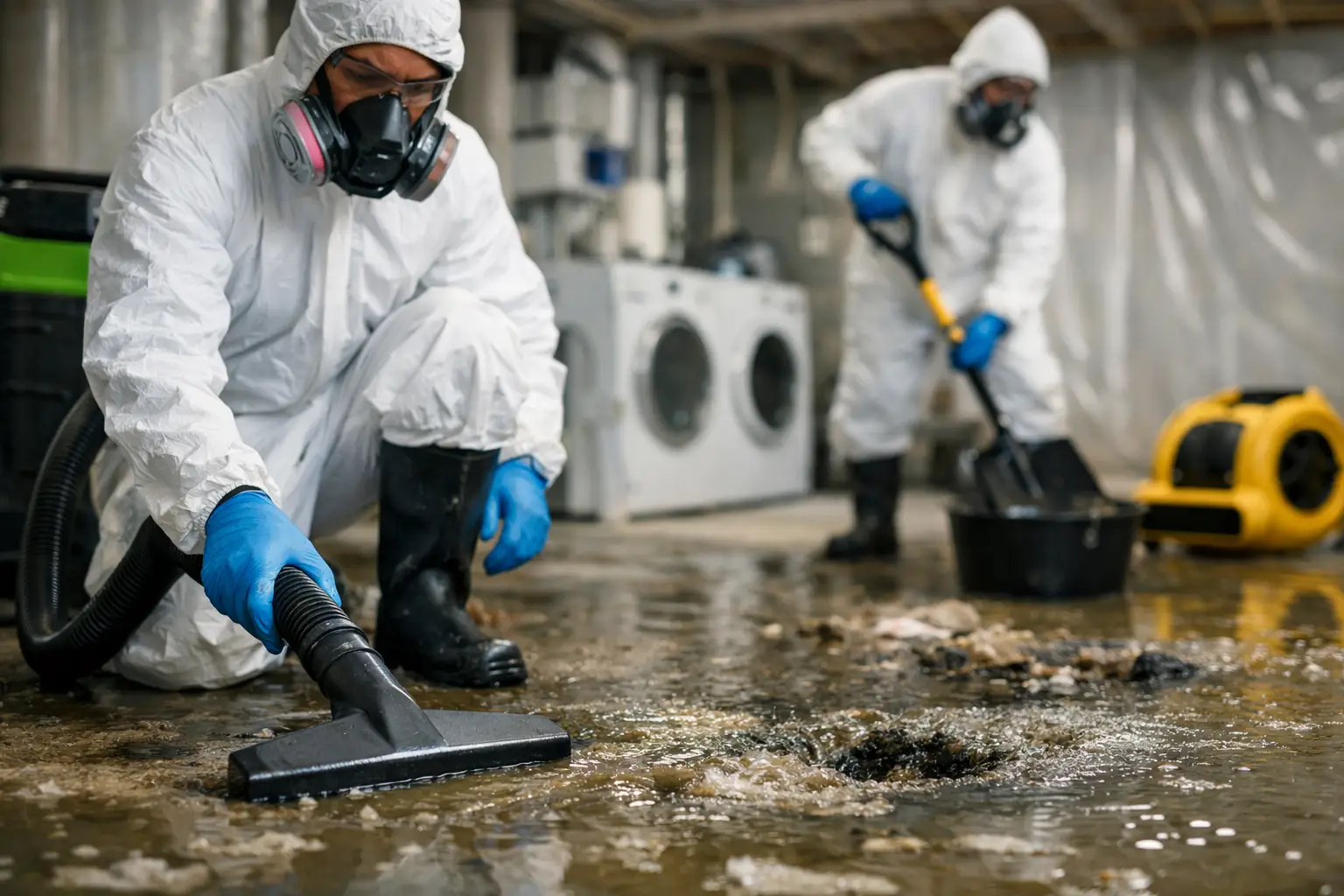 Sewage
Safe biohazard cleanup and sanitizing after sewage backups and overflows.
Learn more Reconstruction
Full rebuild by a licensed general contractor, so your property comes back whole.
Learn moreElevated Operations is an IICRC-certified, licensed general contractor based in Mableton that handles the entire recovery in-house, so after one loss you are never coordinating a cleanup crew, a mold crew, and a contractor separately. One team, one point of contact, from the first pump-out to the final coat of paint.
People call when the property feels like a disaster. They leave reviews because Chris and the crew made it right. These are real, verified Google reviews.
I price it by scope, not by the age of the house alone. Older Jonesboro homes can need more careful inspection because heart-pine framing, trim, and finishes may hide damage or react differently after water intrusion. The cost changes with what is actually broken, how far moisture traveled, and whether structural repair is needed.
Often, yes, if the tarp is a reasonable step to prevent more covered damage. Roof tarping is a mitigation measure, not a permanent repair. I document it so the insurer can see why it was necessary, especially when a storm leaves a roof exposed and the house is at risk for water intrusion.
Call for emergency response right away and keep people away from unsafe areas. I provide 24/7 service with a 60-minute emergency response, because active leaks, broken openings, and loose materials can get worse fast. Then I document the loss, protect the structure, and start the insurance side.
Yes, because debris can block access, hide damage, and create extra cleanup time. Debris removal is often the first physical step after a storm, especially if branches, siding, shingles, or tree material are scattered across the property. It helps the inspector see the real condition of the home and yard.
I document the hail impact, protect the roof if needed, and keep the restoration scope tied to the visible damage. If the roof is vulnerable, roof tarping may come first. Then direct insurance billing and clear photos help move the claim while the repair plan stays anchored to the actual loss.
If the boarding is needed to secure a broken opening and prevent more damage, it is often part of mitigation. I treat it as a protection step, not a cosmetic one. The key is showing that the opening created a real risk to the home and that the temporary fix was reasonable.
Because moisture can move in ways that are not obvious at first glance. Homes near the Flint River may already be dealing with humidity and runoff patterns, so I want clear photos and notes showing where the storm damage started and how far the water intrusion spread before the repair work began.
I own the job from start to finish. Elevated Operations, LLLP is based in Mableton, I am a licensed general contractor, and my team uses IICRC-certified technicians. Since 2007, I have handled restoration with direct insurance billing, a 12-month warranty, and a focus on the real damage, not a padded scope.
Elevated Operations dispatches IICRC-certified crews across Metro Atlanta from our Mableton base, with a 60-minute emergency response day or night. Choose your city:
Call now for an immediate response, or request your free inspection and get a certified crew on-site within the hour across Atlanta and nearby areas.