24/7 Emergency Restoration · Serving Metro AtlantaEmergency? (770) 404-6895
Fire damage restoration College Park starts with one call, and I answer it with a plan for board up services, debris removal, soot removal, and structural repair when needed. I’m Chris Kwangwari with Elevated Operations, LLLP, based in Mableton and serving College Park across the historic district, convention hotel corridors, and nearby neighborhoods.
IICRC-Certified · 5-Star Rated · 60-Minute Response · Insurance Billed Directly
Yes. I secure exposed openings fast, then move into cleanup and repair planning so the property stops taking damage.
Yes. If items have salvage potential, I separate and clean them carefully instead of sending everything to waste.
Yes. As a licensed general contractor, I handle the repair side after cleanup and stabilization are complete.
Yes. I use direct insurance billing to reduce paperwork delays while the restoration is in progress.
I start with safety, then I stabilize the property, document the loss, and build the restoration path around what fire, smoke, and water did to the building. In College Park, that often means urgent board up services, debris removal, smoke odor removal, and direct insurance billing.
A fire scene on a College Park street is never just one problem. I look at the burn area, the soot trail, the water from suppression, and the damage to framing, drywall, and contents, then I decide what can be dried, cleaned, repaired, or removed.
Near the National Register historic district, I pay close attention to older materials and finish details. Those homes can hide smoke in cavities and trim, and the wrong cleanup choice can make the loss worse. IICRC-certified technicians handle the cleaning path, and I stay hands-on from the first walkthrough.
And when the call comes from a hotel corridor near the convention properties, speed matters because guests, staff, and operations are all affected. We move fast with stabilization, then keep the work organized so the insurance file, repairs, and final closeout do not turn into a second disaster.
The first step is to secure the structure and stop more damage. In College Park, that means board up services when openings are exposed, then a careful fire cleanup so soot, ash, and debris do not keep spreading into the rest of the property.
In the National Register historic district, older homes can have fragile windows, original wood, and crawlspace access that make the first hours critical. I’ve seen a small fire become a larger loss simply because broken openings let in weather and soot kept moving through the house.
Board up services are not cosmetic. They protect the property, help limit trespass, and keep the restoration moving in the right order. After that, we handle debris removal and document what the flames touched, what smoke reached, and where structural repair will be needed.
But I do not rush past the details. A clean-looking room can still carry odor in insulation, attic spaces, or behind baseboards. That is why our first response is to stabilize, inspect, and map the real damage before any trade starts tearing out material.
A lot can often be saved if the item was not structurally burned or heat-damaged beyond repair. In College Park, I often prioritize content cleaning, soot removal, and smoke odor removal for items with salvage potential, then separate out anything that needs removal.
What can be saved depends on the material, how long smoke sat on it, and whether water or heat changed the item’s structure. Furniture, clothing, hard goods, documents, and decorative pieces may respond well to careful content cleaning when the loss is handled quickly.
In older College Park houses, especially near the historic district, contents can pick up odor fast because rooms are tighter and materials are older. I’ve had success saving items that looked rough at first, but only after the right cleaning sequence and a hard look at what was actually contaminated.
And I’m direct when something should go. Sentimental value does not change physics. If an item is charred, warped, or carrying contamination that cannot be removed safely, I recommend replacement instead of wasting time and money on a losing battle.
Yes, smoke damage has to be cleaned before most repairs begin. If soot stays on framing, drywall, cabinets, or finishes, new work can trap odor and contamination inside the building, which is why smoke odor removal and soot removal come before finish repairs.
I have seen well-meaning repairs fail because somebody covered smoke instead of cleaning it. That never ends well. The soot keeps bleeding, the smell comes back, and the new paint or new drywall cannot hide what was never removed correctly.
In College Park, that matters in both historic homes and convention hotel spaces. A guest floor or an older bungalow may both look “ready” after demolition, but if the surfaces are not properly cleaned first, the building keeps advertising the fire long after the flames are out.
My process puts fire cleanup and contamination removal ahead of finish work. Then structural repair starts on a cleaner base, which is the only way I’m willing to put my name on the final result.
The timeline depends on the scope, the materials affected, and how much of the structure needs cleaning or repair. I do not guess at dates. I inspect the loss, explain the sequence, and keep the homeowner or property manager updated while the work moves forward.
A small kitchen fire in a College Park bungalow may need only targeted fire cleanup, soot removal, and minor repairs. A larger loss in a multi-room home or hotel area can involve demolition, drying, odor treatment, content cleaning, and structural repair, all in phases.
Properties near the convention hotels often add pressure because business use cannot stop for long. I account for access, guest impact, and coordination with carriers. Direct insurance billing helps reduce friction, and deductible assistance up to $1,000 can help with the out-of-pocket side when eligible.
And I stay realistic. If framing is compromised, if smoke traveled through the attic, or if water from suppression soaked the building, the job will take the time it takes. I would rather give straight answers than promise a finish line I cannot defend.
Older homes often need a more careful approach because materials, cavities, and finishes react differently to heat and smoke. In College Park, the historic district and older housing stock can hold odor and soot in places newer construction does not, which changes the cleanup plan.
Historic homes are not the same as newer subdivisions. Original wood trim, plaster, older attics, and crawlspaces can keep smoke odor after the visible damage is gone. That means I have to inspect deeper and choose cleaning methods that respect the building instead of bulldozing it.
College Park also has a mix of housing types close to the airport corridor and the hotel area, so the fire scene can range from a bungalow to a rental unit or a larger mixed-use property. Each one changes how debris removal, soot removal, and repairs should be handled.
IICRC-certified technicians matter here because the wrong cleaning chemistry or demolition approach can spread residue instead of removing it. I run the job like a contractor, not like a guesser, and that difference shows up in the final result.
A small fire in a College Park bungalow near the National Register historic district can leave the attic, trim, and closets smelling worse than the room that burned. I focus on soot removal, content cleaning, and targeted repairs so the home keeps its character without carrying the fire with it.
When a fire hits service space near the convention hotels, the issue is not just the burn area. It is guest access, soot migration, and fast stabilization. I move with board up services, debris removal, and direct coordination so the property can return to operation in a sane order.
Older rentals in College Park often combine smoke odor, water from suppression, and tired building materials. I treat those losses with careful fire cleanup and structural repair planning, because a cheap patch over soot or odor just creates a callback nobody wants.
From emergency mitigation to full reconstruction, handled in-house so you are never managing a chain of subcontractors mid-crisis.
 Water Damage
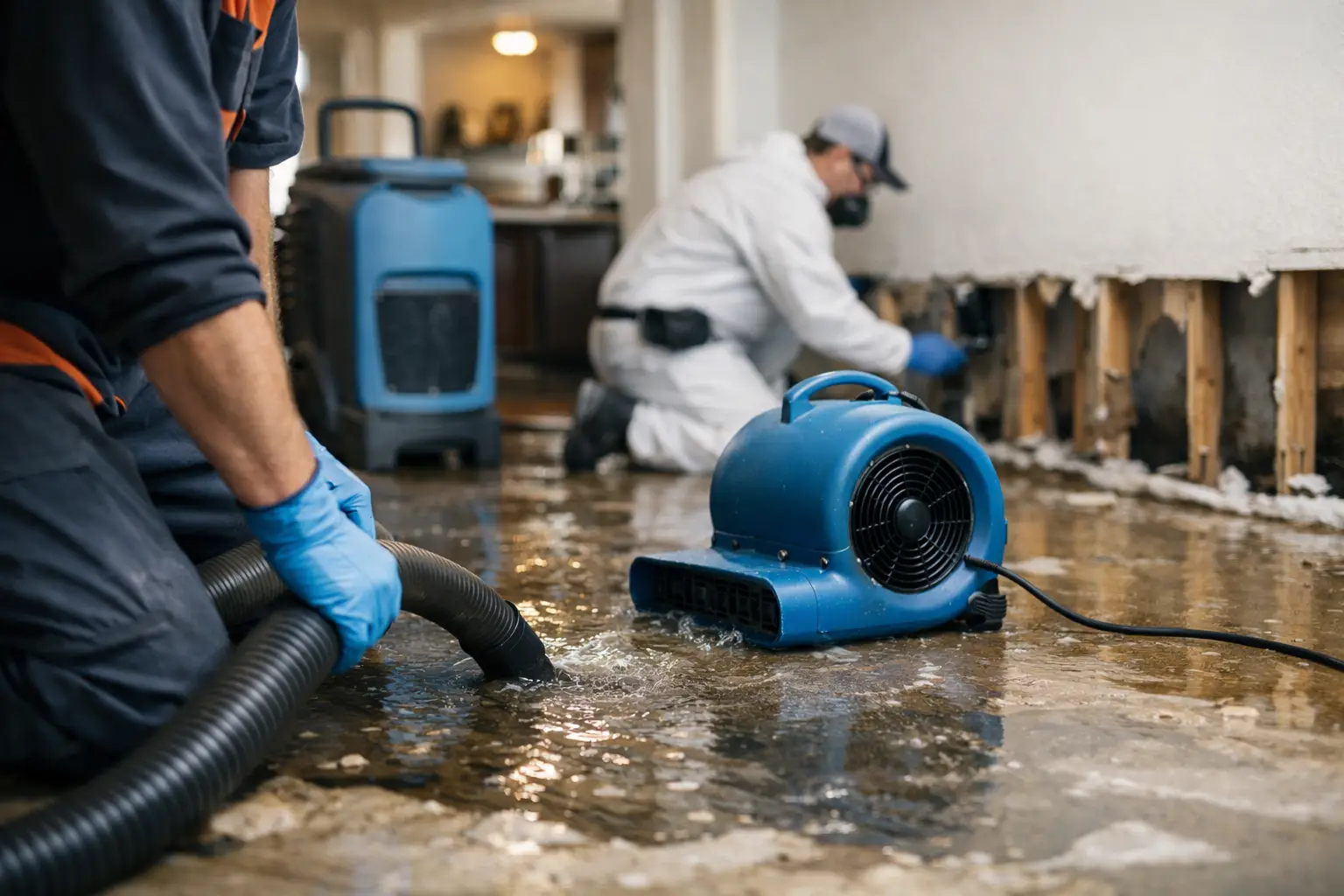
Extraction, structural drying, and moisture mapping after floods, leaks, and burst pipes.
Get help now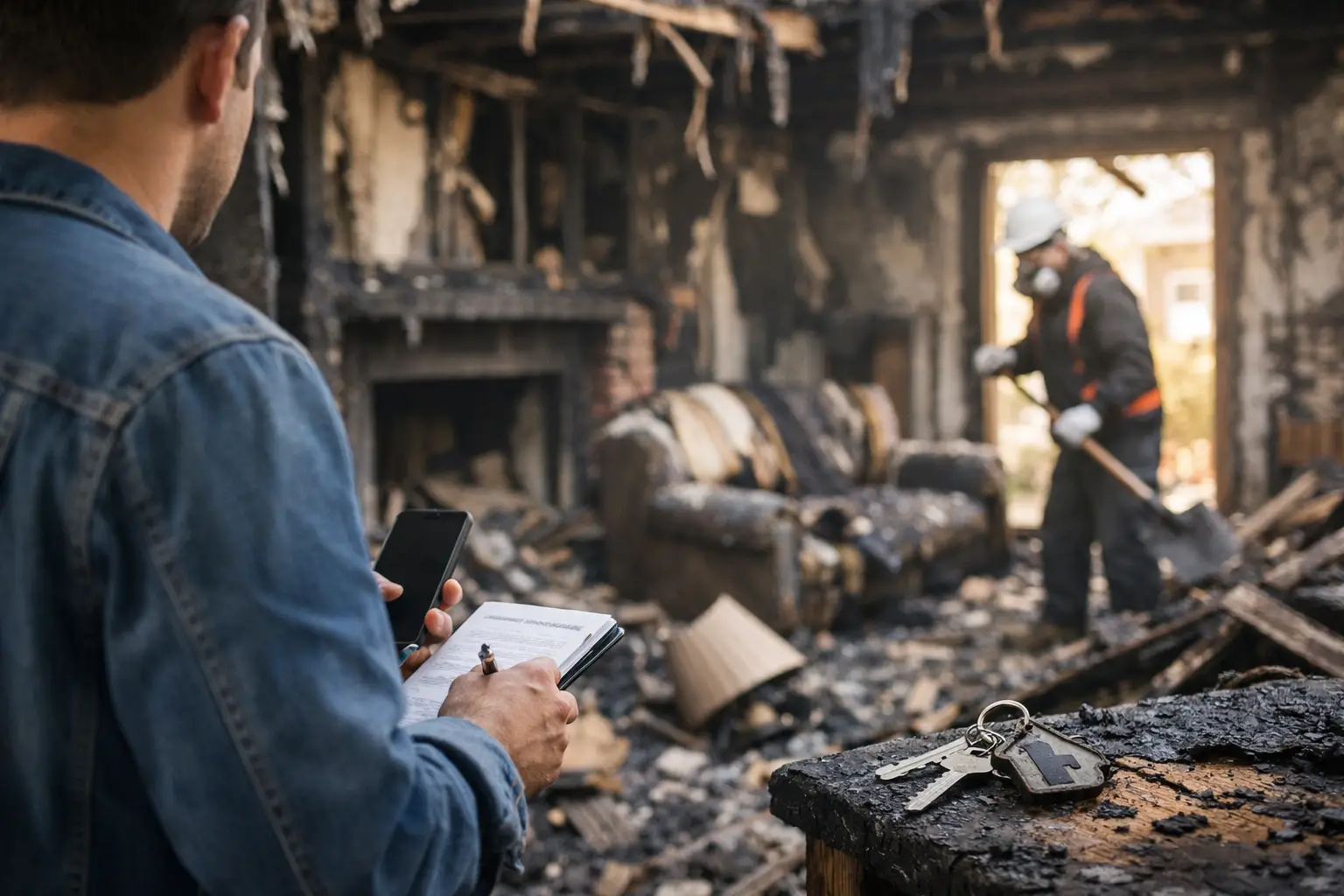 Fire & Smoke
Soot removal, odor deodorization, and content cleaning after fire and smoke damage.
Learn more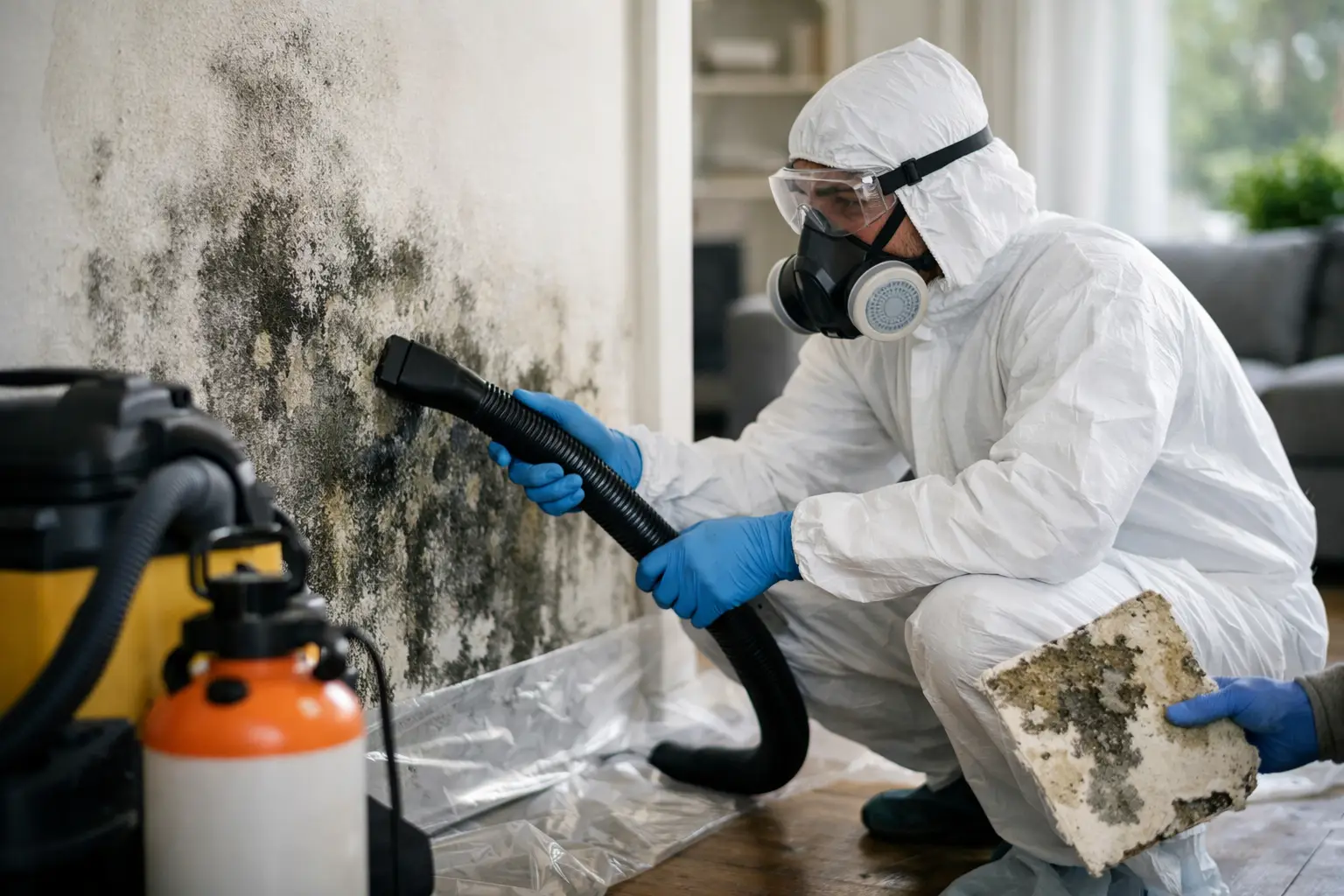 Mold
MoldContainment, removal, and moisture control that stops mold from coming back.
Learn more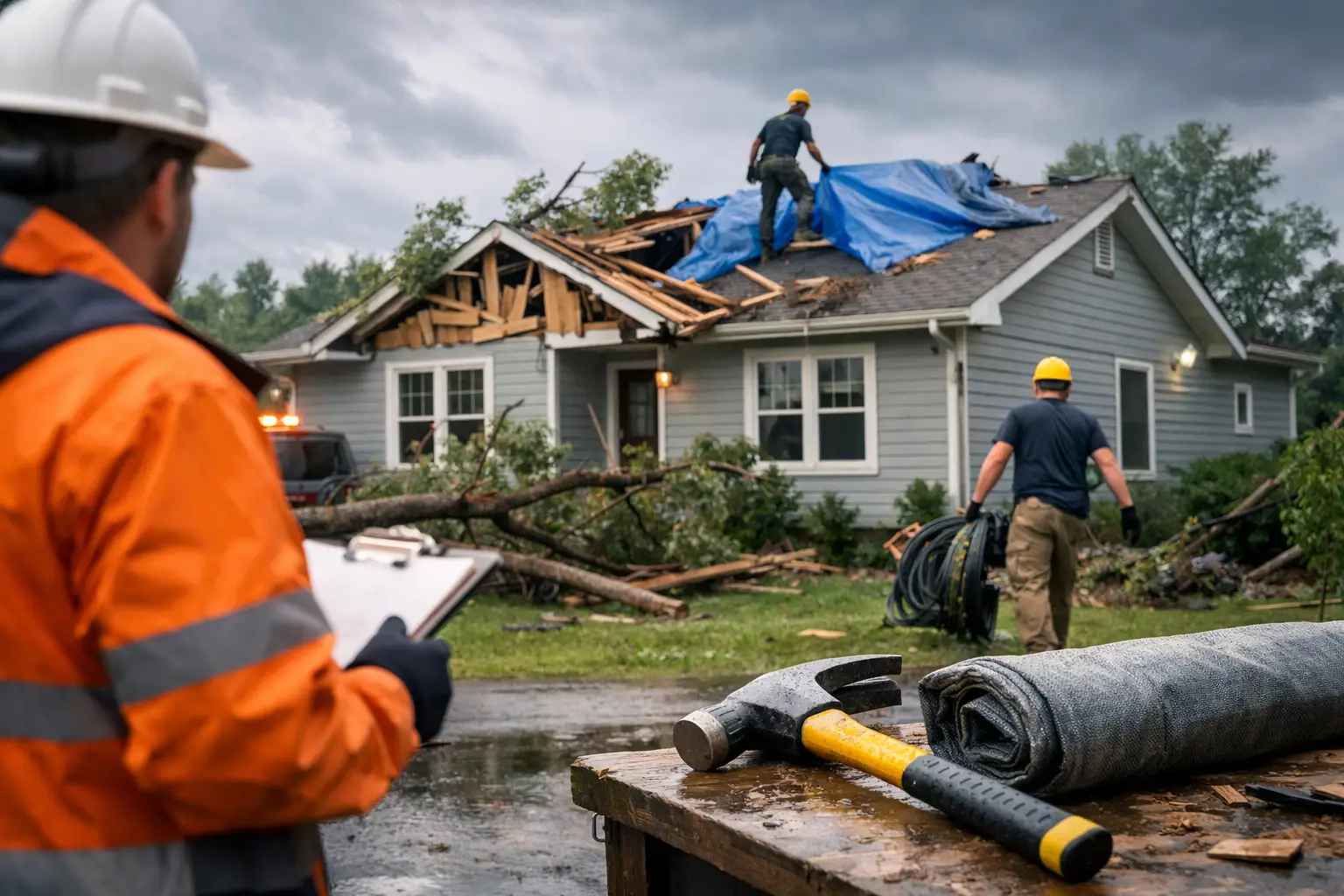 Storm
StormEmergency board-up, roof tarping, and full recovery after wind, hail, and storms.
Learn more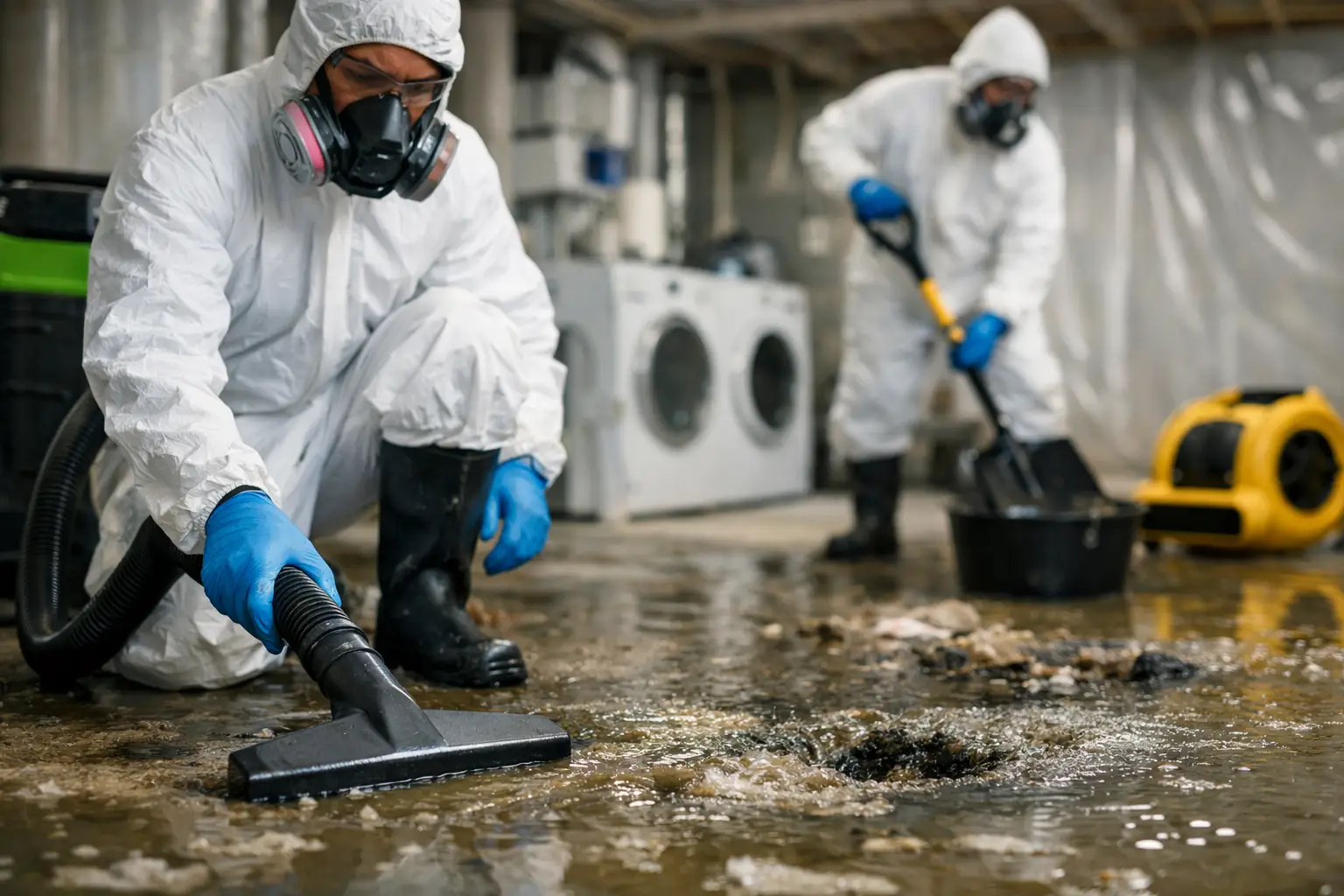 Sewage
Safe biohazard cleanup and sanitizing after sewage backups and overflows.
Learn more Reconstruction
Full rebuild by a licensed general contractor, so your property comes back whole.
Learn moreElevated Operations is an IICRC-certified, licensed general contractor based in Mableton that handles the entire recovery in-house, so after one loss you are never coordinating a cleanup crew, a mold crew, and a contractor separately. One team, one point of contact, from the first pump-out to the final coat of paint.
People call when the property feels like a disaster. They leave reviews because Chris and the crew made it right. These are real, verified Google reviews.
Yes. I handle fire damage restoration in College Park homes, including properties in and around the historic district. Older homes need careful inspection because smoke can travel into cavities, attics, and original trim. I use IICRC-certified technicians, direct insurance billing, and a repair plan that fits the structure instead of forcing a one-size approach.
Yes. I work on fire losses that affect hotel spaces near the convention area, including stabilization, cleanup, and repair coordination. Those jobs need fast board up services, soot removal, and clear communication because guest traffic and operations are on the line. I keep the work organized so the loss does not spread beyond the damaged area.
My first visit includes a safety check, a damage assessment, and a plan for the next steps. If the building is open, I look at board up services first. Then I document fire cleanup needs, smoke odor removal, debris removal, and any structural repair issues so the insurance file starts on solid ground.
That depends on what the smoke touched, how hot the fire got, and how long the residue sat there. Items with salvage potential may respond to content cleaning and soot removal, while warped, charred, or deeply contaminated items may need to be replaced. I give straight advice, not hopeful guessing.
I treat smoke odor removal as a building issue, not a room spray problem. In older College Park houses, odor can hide in attic spaces, wall cavities, insulation, and original woodwork. The right sequence is cleaning, removal of contaminated materials when needed, and then repair so the smell does not return.
Yes. I offer direct insurance billing, which helps keep the claim moving while the restoration is underway. I also provide deductible assistance up to $1,000 when eligible. That matters after a fire, because people are already dealing with cleanup, repairs, and a disrupted household or business.
Soot is not just dirty, it can keep bleeding through finishes if it is not removed first. In College Park properties, especially older homes and hotel interiors, painting over soot traps the problem underneath. I clean the affected surfaces first, then move into repair and finish work once the base is right.
Call (770) 404-6895. I offer 24/7 emergency response with a 60-minute emergency response window, and I’m based in Mableton serving College Park and the surrounding counties. If your fire loss needs stabilization, cleanup, or structural repair planning, I’ll get the process moving right away.
Elevated Operations dispatches IICRC-certified crews across Metro Atlanta from our Mableton base, with a 60-minute emergency response day or night. Choose your city:
Call now for an immediate response, or request your free inspection and get a certified crew on-site within the hour across Atlanta and nearby areas.